At Uo-taisho, sushi is more than a plate to admire: you hear about the fish and rice, then try shaping and assembling sushi yourself under a chef’s guidance. I like the ingredient introduction, which gives the meal context, and the chance to sit down to a freshly prepared sushi set after the practical session.
I also like the modest time commitment: about 1.5 hours is enough to add a hands-on food experience to an Osaka day without giving up the whole afternoon. One thing to check before paying is the package name. The experience is described as nigiri sushi, but the listed vegetarian option is specifically a vegetable-roll class, and the precise class format can vary.
- At a glance: what makes this class worth considering
- A tuna shop makes a fitting classroom
- What happens during the 1.5-hour class
- The meal is more than a photo opportunity
- English support is listed, but clarity may vary
- Who will get the most from it
- Getting there, timing, and booking details
- Should you book this Osaka sushi class?
- FAQ
- How long does the sushi-making class last?
- Where does the class take place?
- How do I get to Uo-taisho?
- What is the starting price?
- Which languages are supported?
- Is there an age limit?
- What is included in the vegetarian package?
- Can I bring outside food or drinks?
- Can I cancel for a refund?
- The Best Of Osaka!
- More Tours in Osaka
- More Tour Reviews in Osaka
- Not for you? Here's more nearby things to do in Osaka we have reviewed
At a glance: what makes this class worth considering
 1 / 7
 2 / 7
 3 / 7
 4 / 7
 5 / 7
 6 / 7
 7 / 7
- A tuna-specialty setting: The class takes place at Uo-taisho, a tuna-focused shop and restaurant, rather than an unspecified cooking studio.
- A lesson before the apron work: You are introduced to the day’s ingredients, rice temperature, vinegar-rice balance, and how fish pair with sushi.
- Chef-guided practice: You work on making and placing sushi, with guidance as you go.
- Food is part of the experience: After the class, you can eat a prepared sushi set and taste what you have made.
- A compact central Osaka stop: The venue is about 150 meters north of Tenmabashi Station’s Exit 2.
- Confirm the package: The vegetarian option is vegetable-roll making, while the main description focuses on nigiri and other sushi styles.
👉 See our pick of the 24 Best Workshops And Classes In Osaka
A tuna shop makes a fitting classroom
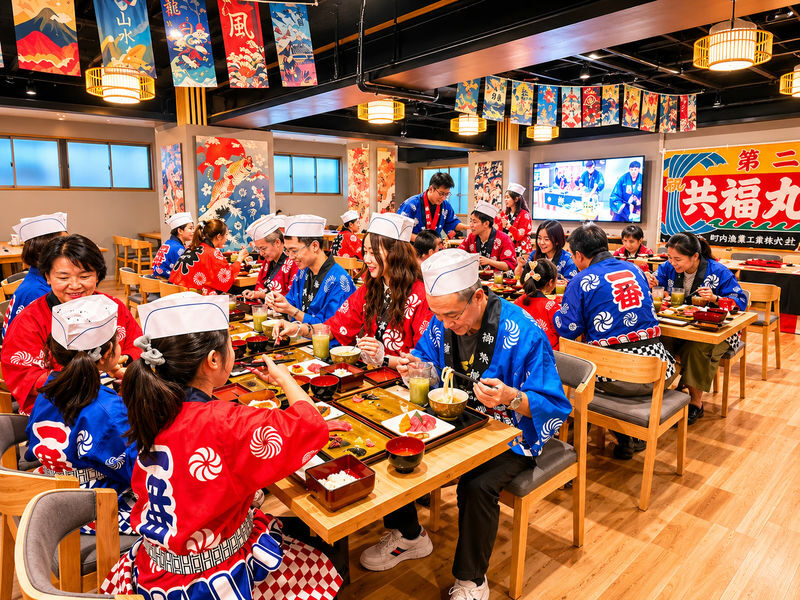
The address is Uo-taisho, a tuna specialty dismantling shop at 1-5-4 Otemae, Chuo-ku, Osaka, inside Otemae Heights. The venue is also described as a popular Japanese restaurant, called Fish General Restaurant in the course description. That pairing makes sense for a sushi lesson: you are learning in a place built around seafood, not just borrowing a counter for a quick demonstration.
The class aims to connect sushi technique with the choices behind it. Before you handle the ingredients, the chef introduces what is fresh that day and explains basic points such as rice temperature, the ratio of vinegar rice, and matching different fish with the rice. Those details matter because sushi is not simply fish placed on top of rice. Temperature, seasoning, and the size and shape of each piece all affect how it tastes and holds together.
The setting is in central Osaka, close to Tenmabashi Station. From Exit 2, walk about 150 meters north. That is a short approach, useful if you are fitting the class between other plans. The venue address is specific, but the booking information also says to use the map for assistance, so check the pin before setting out.
You can also read our reviews of more tours and experiences in Osaka.



What happens during the 1.5-hour class
The course runs for around 1.5 hours, with available experience times listed between 10:00 a.m. and 10:00 p.m. The schedule begins with your arrival at Uo-taisho; there is no group sightseeing transfer described. You make your own way to the venue and return to your hotel or another address yourself.
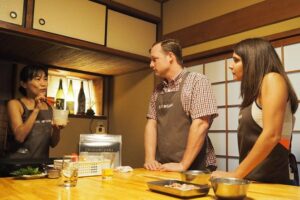
The first portion is an introduction to the ingredients and sushi basics. You can expect the chef to explain the selected fish and other ingredients for the day, along with the role of seasoned rice and how different toppings are paired. This is a useful moment to ask questions, especially if you are new to Japanese food or have only encountered sushi as a finished dish.
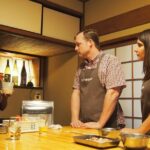
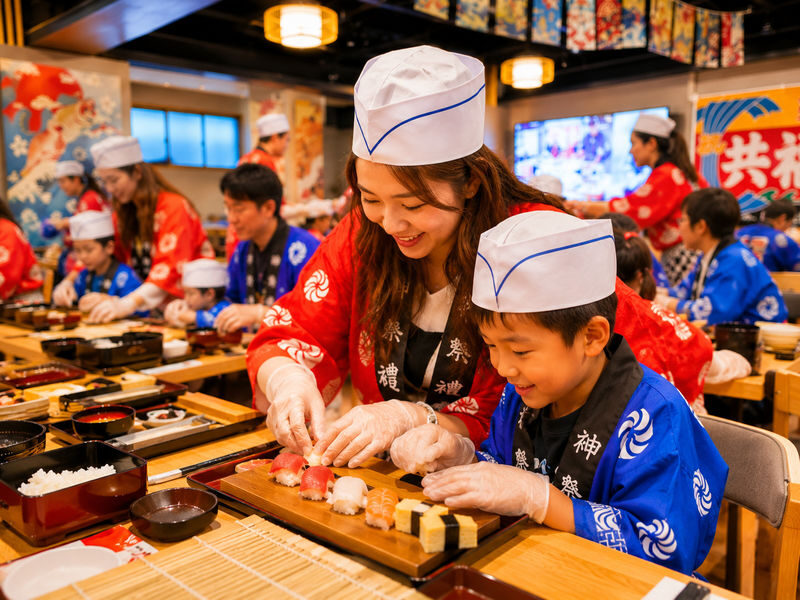
Then comes the hands-on part. You learn how to prepare sushi and place ingredients, with the chef guiding you as you make your own pieces. The course description refers to one-on-one guidance. The exact level of individual attention can depend on the group and the class format, so think of this as a coached activity rather than a private lesson unless your booking specifically says otherwise.
The core experience is meant to show you the care behind nigiri and other sushi forms. Some versions describe making nigiri and gunkan sushi; other package wording refers to hand-rolled sushi and battleship rolls. The vegetarian option is explicitly a vegetable-roll-making class. Because these descriptions do not all name the same dishes, check the selected package details before booking if nigiri is the main reason you are going.
The meal is more than a photo opportunity
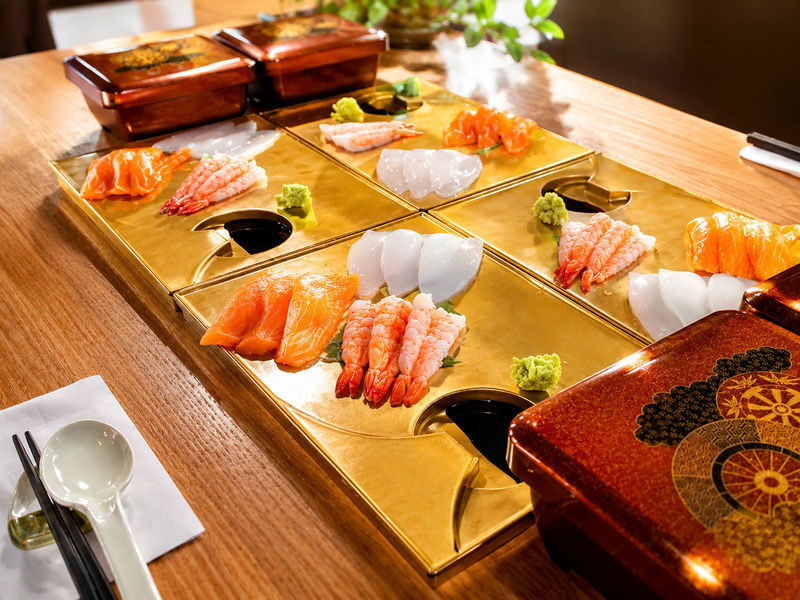
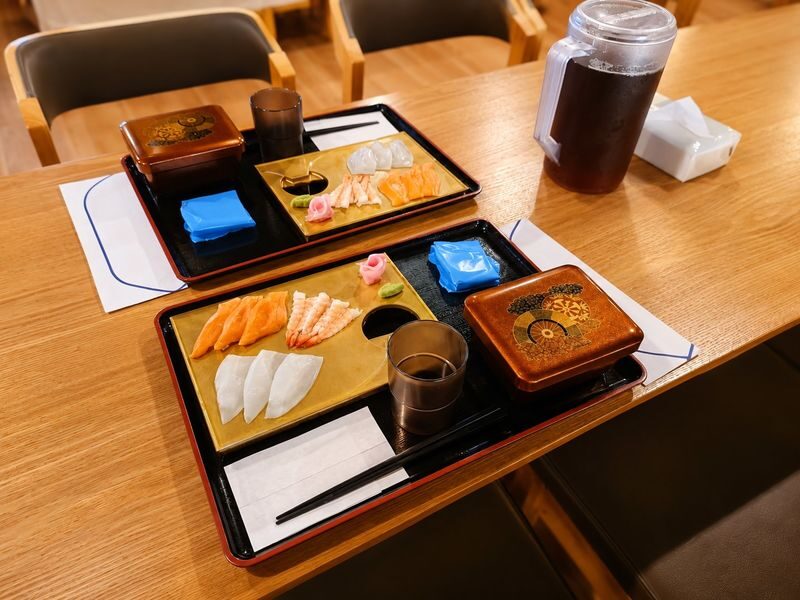
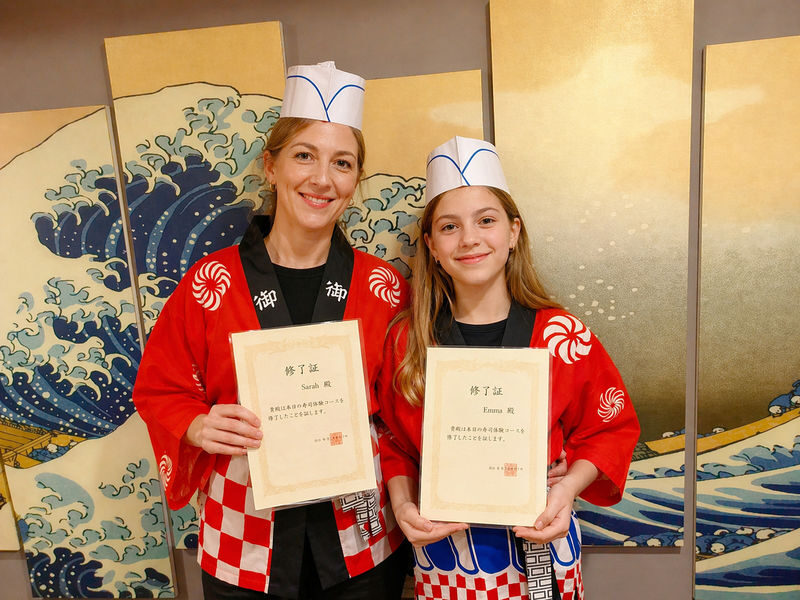
After the practical session, you sit down to a carefully prepared sushi set. You get to try sushi made by the chef as well as the pieces you have assembled yourself. That comparison is one of the best reasons to take a class: you can see how technique affects the shape, texture, and balance of a bite.
Freshness is central to the appeal. The ingredients are introduced at the start, and the class is held at a tuna specialty venue. The available information does not promise a particular fish selection, however, so do not book expecting a fixed menu or a specific tuna cut. The day’s ingredients may determine what you taste and practice.
The meal also helps make the class good value. A standard restaurant sushi meal gives you the finished product; this experience adds instruction, preparation, and a setting connected to seafood. At a starting price of US$44.15, that combination can be appealing if you want a meal with an activity built in. The exact value depends on your selected package and what it includes, so compare the package details rather than assuming every option teaches the same sushi styles.
English support is listed, but clarity may vary
English-speaking and Chinese-speaking staff are listed for the activity, which should help international visitors follow the lesson. Still, language support does not guarantee that every explanation will be equally clear. One participant found the English instruction difficult to follow and the methods complicated, while others described patient, step-by-step guidance.
That contrast is worth taking seriously if you are booking for someone who needs detailed verbal instruction. The class is hands-on, so you can watch the chef demonstrate and learn by doing, but it helps to arrive ready to ask for a repeat or a slower demonstration. If you are traveling with children, the experience has also been described as welcoming to families, with staff praised for being kind to children. Small souvenirs, including magnets, have been given on some occasions, but treat those as a pleasant extra rather than a promised inclusion.
The most consistent strengths are the fresh sushi, warm staff, and practical guidance. The class is not a formal culinary qualification, and the exact pace or language experience may vary. If you want a low-pressure introduction to sushi craft, that is likely fine. If you expect precise, technical instruction in fluent English, contact the provider before booking to clarify what support is available for your date.
Who will get the most from it
This class suits sushi fans who want to understand the making, not just order another meal. It also works for first-time visitors to Japanese cuisine who like learning by handling ingredients. The lesson links food to technique in a way that a restaurant dinner rarely can, and the short duration leaves room for other Osaka plans.
Families may find it a pleasant shared activity, since there is no age limit and children have received a warm welcome. Still, the activity involves following a chef’s instructions and working with food, so consider whether younger children will enjoy a seated, guided class. No age restriction is listed, but that does not mean every child will find the lesson equally engaging.
Vegetarians should pay close attention to the package choice. The option explicitly identified as vegetarian is vegetable-roll making. The general description of fish ingredients and sushi sets does not establish that every version is vegetarian-friendly, so choose the correct package and confirm any dietary needs before booking.


Getting there, timing, and booking details
The class is at Uo-taisho, 1F, Otemae Heights, 1-5-4 Otemae, Chuo-ku, Osaka. From JR Osaka Loop Line’s Tenmabashi Station, use Exit 2 and walk 150 meters north. The course takes place between 10:00 a.m. and 10:00 p.m., with an approximate duration of 1.5 hours. The schedule may change due to traffic or weather, although no transport is included in the activity details.
You are responsible for returning to your hotel or personal address. The stated latest return time is 10:00 p.m., so do not read the itinerary’s 22:01 return entry as a ride home. It is best understood as a schedule marker, not transport service.
The voucher is valid only on the date, and time if applicable, that you booked. Confirmation is expected within minutes; if it does not arrive, contact customer support. Changes are generally allowed until 24 hours before the activity, but exceptions apply to bookings made with Klook Pass, during pre-sales, with a freebie, before a voucher is issued, or using SG Culture Pass or Taiwan Culture Points. For the listed package, a full refund is available if you cancel at least 24 hours before the activity date, using destination local time. Outside food and drinks are not allowed.
Should you book this Osaka sushi class?
I would consider this class if you want a short, hands-on food experience with a meal at the end, and you are curious about how rice, fish, and shaping work together. Its strongest appeal is the combination of ingredient introduction, chef-led practice, and a fresh sushi set, all in a tuna-focused venue near a convenient station.
I would pause if you need a specific sushi style, strict dietary assurances, or highly detailed English instruction. The package descriptions vary, especially around nigiri, hand rolls, gunkan, and the vegetarian vegetable-roll class. Check the exact option before booking. If the format matches what you want, the class offers a practical way to get beyond eating sushi and learn a little of the craft behind it.
Standard Sushi | Nigiri Sushi Making Course
“We had a fantastic time with the sushi-making class in Osaka! The instructor was incredibly patient and guided us step-by-step through making nigir…”
FAQ
How long does the sushi-making class last?
The course experience lasts about 1.5 hours.
Where does the class take place?
It takes place at Uo-taisho, 1F, Otemae Heights, 1-5-4 Otemae, Chuo-ku, Osaka.
How do I get to Uo-taisho?
Take the JR Osaka Loop Line to Tenmabashi Station, use Exit 2, and walk about 150 meters north.
What is the starting price?
The listed starting price is US$44.15. The exact price may depend on the package you select.
Which languages are supported?
English-speaking and Chinese-speaking staff are listed.
Is there an age limit?
No age limit is listed for the activity.
What is included in the vegetarian package?
The vegetarian package is a vegetable-roll-making class.
Can I bring outside food or drinks?
No. Outside food and drinks are not allowed.
Can I cancel for a refund?
For the listed package, you can receive a full refund if you cancel at least 24 hours before the activity date, using destination local time.