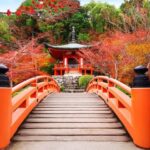
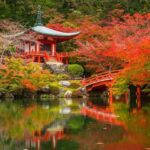
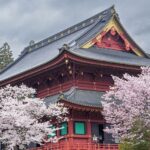
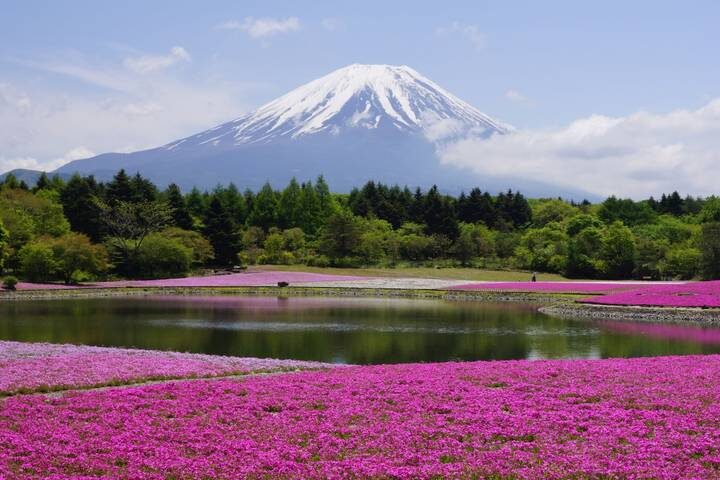
Mount Fuji, viewed from a pagoda above the city, is the kind of scene that makes this seven-day trip feel distinctly Japanese. I like that the tour pairs that famous view with a night in the Kawaguchiko area, where you can soak in an onsen after a full day on the road.
I also like the range: Tokyo’s shrines and high-rise views give way to a lakeside village, Kyoto’s temples, Nara’s deer, and Osaka’s food district. The trade-off is pace. You cover a lot in a week, and there is considerable walking, with little free time in the main cities.
- Key points to know before you book
- Tokyo’s temples, crossing, and city views
- Mount Fuji and a night in Kawaguchiko
- Village houses, a waterfall, and Nagoya
- Kyoto’s bamboo grove, shrines, and Golden Pavilion
- Nara’s Great Buddha and Osaka after dark
- What the guide and group experience can be like
- What the price covers, and where value lies
- Should you book the Essential Japan tour?
- FAQ
- Where does the tour start and end?
- How long is the tour?
- Is the tour guided in English?
- Which Mount Fuji stops are included?
- Is the onsen stay included?
- Are flights included in the price?
- How much walking should I expect?
- The Best Of Tokyo!
- More 7-Day Experiences in Tokyo
- More Tours in Tokyo
- More Tour Reviews in Tokyo
- Not for you? Here's more nearby things to do in Tokyo we have reviewed
Key points to know before you book
 1 / 9
 2 / 9
 3 / 9
 4 / 9
 5 / 9
 6 / 9
 7 / 9
 8 / 9
 9 / 9
- The route runs from Tokyo to Osaka: Seven days cover Tokyo, Mount Fuji, Kawaguchiko, Nagoya, Kyoto, Nara, and Osaka, with several stops along the way.
- Mount Fuji is a weather-dependent highlight: The tour visits Arakurayama Sengen Park, takes a boat ride on Lake Kawaguchiko, and aims for Fuji’s Fifth Station. Snow or poor weather can limit the climb.
- The ryokan stay includes an onsen: Rooms may be Japanese-style with tatami mats or Western-style, and the planned inn may occasionally be replaced by a Western-style hotel.
- English-language guiding is offered, but group arrangements can vary: Guides may change during the trip, and a tour can be bilingual, usually English and Spanish.
- The schedule is full: Expect long sightseeing days, coach transfers, and walks at temples and shrines. The tour is marked low intensity, but that does not mean little walking.
- The listed starting price is $2,140: Flights are extra. Hotels, breakfast, guided sightseeing, some admissions, transport, and several meals are included.

👉 See our pick of the 25 Best Guided Tours In Tokyo
Tokyo’s temples, crossing, and city views
Day one is deliberately gentle. After customs, a shared shuttle takes you to the hotel, leaving the rest of the day free to unpack and recover. Tour details arrive in the afternoon. The listed Tokyo hotel is Shinagawa Prince Hotel, though Europamundo notes that hotel choices can change and may not always be in the city center. The stated standard is comfortable rather than luxurious, with private bathrooms and nearby public transport.
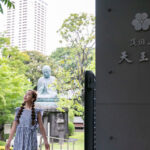
Day two is a long introduction to Tokyo, about seven hours of guided sightseeing. At Zojoji Temple, you get a view of Tokyo Tower and can spot rows of Jizo statues, small stone figures dressed in knitted hats and bibs. They are associated with the protection of children, a quieter detail amid the city’s grand scale.
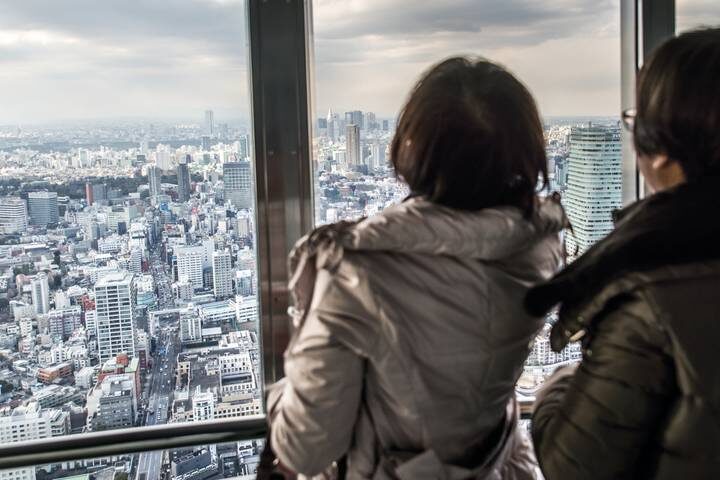
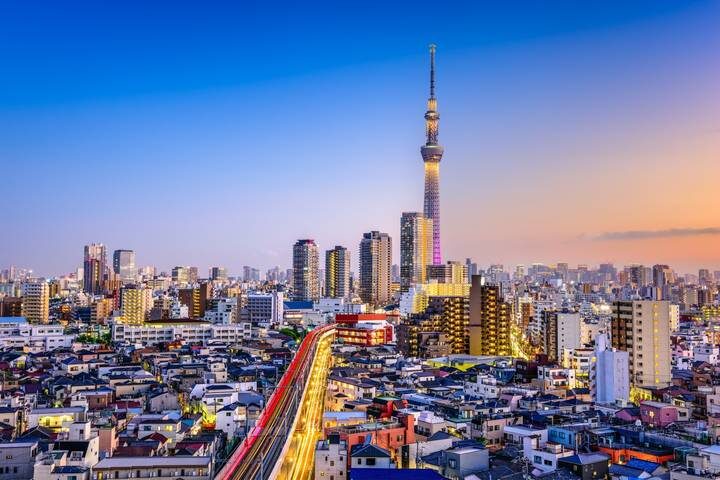
Shibuya Crossing is seen from the bus, rather than explored on foot as a separate stop. You then visit Meiji Shrine, set apart from the surrounding city, before going up Tokyo Skytree to the Tembo Deck at 350 meters. Admission is included, although access can be limited by weather or exceptional conditions. If that happens, the tour says it will offer another city viewpoint.
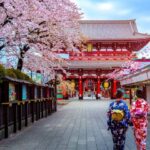
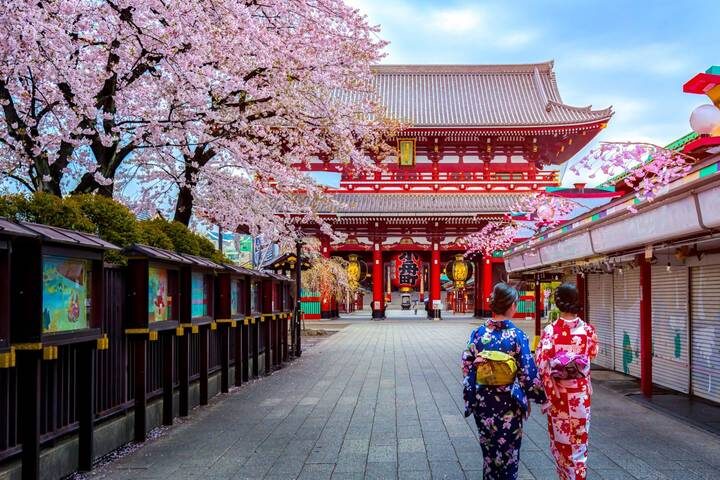
The day ends in Asakusa, where you have time on Nakamise Street, a shopping lane leading toward Sensoji Temple. The bus passes Akihabara and Ginza on the return to the hotel, giving you a glimpse of two very different Tokyo districts without a full stop in either.
In the evening, the guide takes the group by subway to Shinjuku for a walk and an included dinner at a local restaurant. This is a useful first taste of Tokyo after dark, and having the subway ride accompanied can make the city feel less daunting on your first full day. The tour returns to the hotel by subway with the guide.
You can also read our reviews of more tours and experiences in Tokyo


Mount Fuji and a night in Kawaguchiko
Day three is one of the tour’s signature days, and also one of its least predictable. At Arakurayama Sengen Park, the pagoda and Mount Fuji make a classic view when the mountain is clear. The route continues to Kawaguchiko, where a boat ride gives you a different angle on the lake and, if conditions cooperate, the mountain.
The coach then heads toward the Fifth Station, at 2,305 meters. This is not a climb on foot, but a drive up a mountain road through forest and high-altitude scenery. In winter, snow or weather often closes the road, so the group goes only as far as conditions allow. Keep your expectations flexible: Fuji can be partly or fully hidden by cloud even when the rest of the day is pleasant.
You spend the night at the Fuji Kawaguchiko Resort or another accommodation specified for the departure. The plan includes a ryokan and an onsen, plus dinner. A ryokan is a traditional Japanese inn, but do check what room style you are booking or receiving. Some rooms have tatami floors and Japanese bedding, while others are Western-style; the tour also says a Western-style hotel may sometimes replace the planned ryokan. If sleeping close to the floor or getting in and out of a deep bath would be difficult, raise that before departure.
Village houses, a waterfall, and Nagoya
On day four, the route visits Iyashi no Sato Nenba, a restored village that now functions as an open-air museum. Its traditional houses were rebuilt after a typhoon destroyed the original settlement in 1966. Inside the village, buildings serve as craft shops, restaurants, and cultural exhibits. This is a welcome change of pace from city streets and temple grounds, though your time here is part of a packed transfer day.
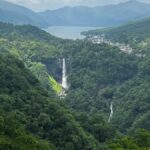
Next comes Shiraito Falls, a 20-meter cascade. It offers a brief natural pause before the coach continues to Nagoya and the Toyota Museum, with admission included. The museum stop will be most rewarding if you are interested in cars or manufacturing. If not, it may feel like a less compelling use of limited time than another cultural or outdoor stop.
The day ends in Kyoto, at the Miyako Kyoto Hachijo or the hotel assigned to your departure. The long distances make the coach practical, but they also mean that some of this day is spent in transit. Lunch is listed for day four.
Kyoto’s bamboo grove, shrines, and Golden Pavilion
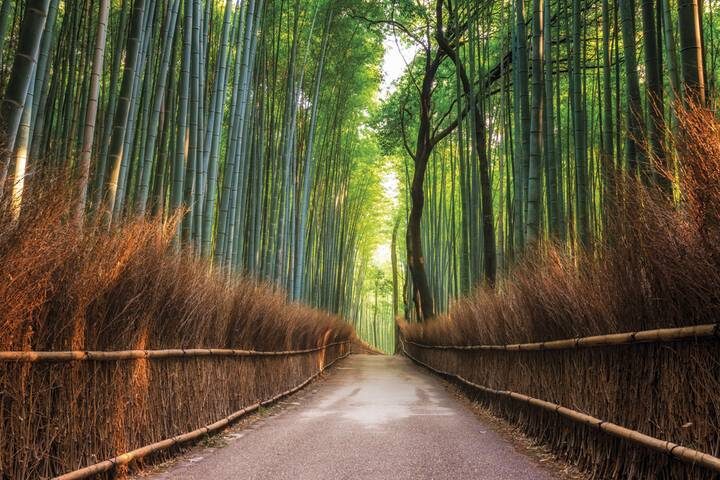
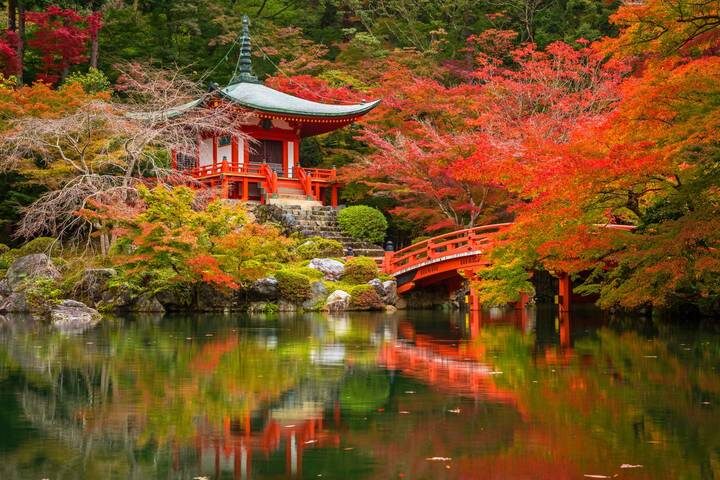
Day five packs several of Kyoto’s best-known sights into one guided day. In Arashiyama, you see Togetsukyo Bridge, which crosses the river between forested banks, and visit Tenryu-ji, a Zen temple known for its pond garden. The route then continues through the bamboo grove. It is a popular place, and the narrow paths can feel busy, but the tall stalks make this a striking contrast to Kyoto’s temple roofs and garden ponds.
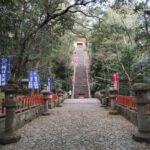
At Fushimi Inari Shrine, thousands of red torii gates line paths climbing the hillside. The visit is included, but the full shrine complex extends far beyond what a tightly scheduled tour can cover. Expect to see a section of the route rather than have unlimited time to hike the mountain.
The day also includes Kyoto’s Imperial Palace and Kinkakuji, the Golden Pavilion, set beside a pond and garden. The order can change, so the time available at each stop may vary. You finish with time to walk around Gion, Kyoto’s traditional district of wooden houses and narrow lanes. This is an optional stroll, not a long guided visit, and the return arrangement should be clarified with the tour team: evening transfers are listed for Gion, but details about getting back can vary.
Kyoto is temple-heavy, which suits anyone keen on Japanese architecture, gardens, and religious sites. If you prefer markets, food, or more time to wander independently, the number of formal stops may feel like a lot. The guided day does provide context that is easy to miss when moving between several places on your own.
Nara’s Great Buddha and Osaka after dark
On day six, you leave Kyoto for Nara, Japan’s ancient capital. Todaiji Temple houses the Great Buddha, a huge bronze figure inside a vast wooden hall. Nearby Nara Park is known for deer that roam freely. They are accustomed to people, but they remain animals, so give them space and follow the guide’s advice.
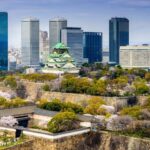
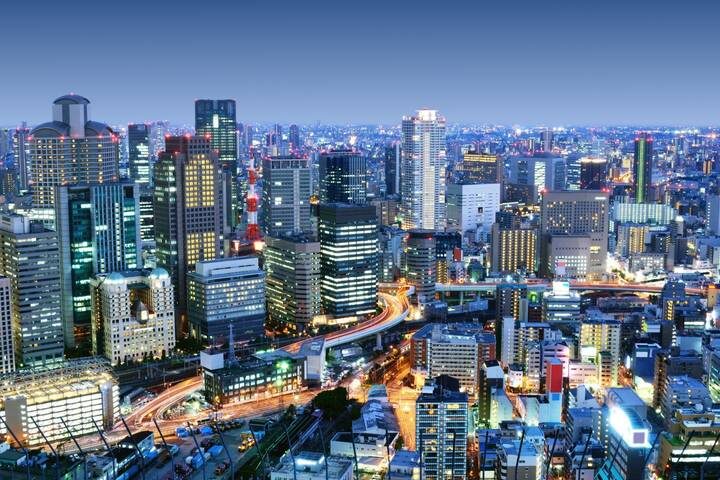
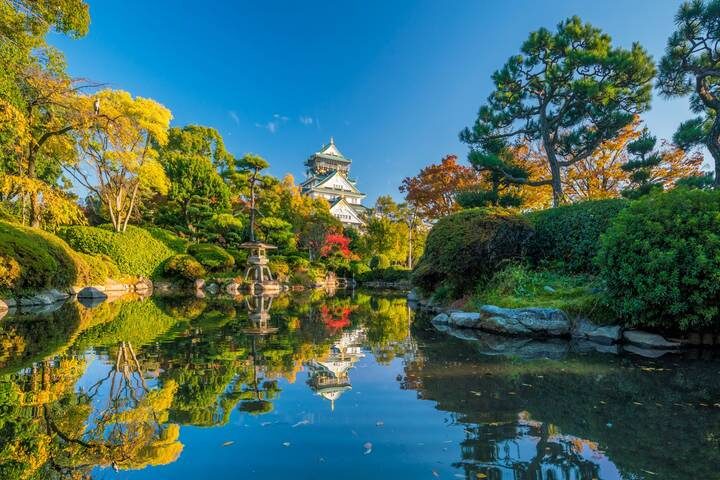
The tour continues to Osaka, with a panoramic visit to Dotonbori and time in the area for lunch. It is a good chance to choose your own meal in a district known for restaurants and bright shopfronts. The schedule also includes Osaka Castle and the Umeda neighborhood, with a visit to Umeda Sky Building for city views. The exact time available at each stop depends on the day’s pace.
This is a busy final sightseeing day, not a leisurely introduction to Osaka. The itinerary lists lunch on day six, while the schedule describes free time for lunch in Dotonbori. Confirm how that meal is handled when you book so you can budget clearly. Your final night is at Candeo Osaka Namba or the assigned hotel.





What the guide and group experience can be like
The tour is fully guided, with English-speaking guides in Tokyo, Kyoto, and Osaka. The guide may change one or more times during the week, so the quality and style of explanations can vary. Past departures have included guides such as Ken Igarashi, Paco, David, José, and Pablo. Strong guides have added useful stories about Japanese history and culture, while less effective guiding can leave a transfer-heavy day feeling more like a checklist.
There is also a practical language point. The tour may operate bilingually, usually in English and Spanish, either with separate guides or one guide speaking both languages. That can mean repeated explanations and less time for each language. If a fully English-only group is important to you, ask about the language arrangements for your exact departure.
Group size ranges from 2 to 72. That broad range gives the operator room to run departures, but a large coach group can mean waiting for people at busy stops and moving at the pace of the group. The tour is labelled low intensity, but that rating should not be read as a promise of minimal walking. Temples, shrine grounds, stairs, hills, and uneven paths are part of the experience. Plan for comfortable walking shoes and a day bag you can manage yourself.
What the price covers, and where value lies
At a starting price of $2,140, the tour bundles seven hotel nights, breakfast, coach transport, an airport arrival transfer, English-speaking guiding, some admissions, and several meals. The included visits and transport reduce the work of planning a multi-city trip, especially if you are new to Japan or do not want to navigate intercity logistics on your own.
Meals are not fully covered throughout the week. The schedule includes breakfast, lunch, and dinner on selected days, including dinner in Tokyo and at the Kawaguchiko stay. You should expect to pay for meals not specified as included, along with flights and personal spending. The tour information also refers to basic travel insurance in its general services while separately stating that travel insurance is not included. Confirm exactly what cover applies, and arrange your own policy if needed.
The listed hotels are four-star properties, but the operator describes them as selected for quality, price, and location rather than luxury. Most are not necessarily in the center, though nearby public transport is stated. Room sizes, beds, and standards can differ. The hotel names are provided for the planned schedule, but some past departures have experienced changes, so check the final hotel details before making plans around a particular address.
The tour’s strongest value is its coverage: Tokyo, Fuji, Kyoto, Nara, and Osaka in a week, with transport and major sightseeing organized. The cost is less compelling if you want slow mornings, several nights in each city, or the freedom to choose every stop. The itinerary does not include extra days in Tokyo or Osaka, so adding a few nights before or after is a good way to make the cities feel less like brief stops.
Should you book the Essential Japan tour?
Book this tour if you want a structured first visit, prefer having transport and major sights arranged, and are happy to keep moving. It is especially appealing if Mount Fuji, Kyoto’s temples, Nara’s Great Buddha, and a ryokan-style stay are high on your list.
Look elsewhere, or add independent days, if you want a slower pace, extended time in museums, or a small group guaranteed to use English only. Before paying, confirm the departure’s language setup, hotel assignments, room style for Kawaguchiko, and what travel insurance and meals are covered. Those details can shape the experience as much as the famous sights.
Essential Japan 7-Day Tour by Europamundo
“Everything was OK. Hotels and transpoortation”
FAQ
Where does the tour start and end?
It starts in Tokyo and ends in Osaka. A shared shuttle transfer from Tokyo Airport to the hotel is included on arrival.
How long is the tour?
The tour lasts seven days, with six nights of accommodation listed across Tokyo, Kawaguchiko, Kyoto, and Osaka.
Is the tour guided in English?
English-speaking guides are provided for tours in Tokyo, Kyoto, and Osaka. Guide arrangements may change during the trip, and some departures may be bilingual, usually in English and Spanish.
Which Mount Fuji stops are included?
The tour visits Arakurayama Sengen Park, includes a boat ride on Lake Kawaguchiko, and drives toward Mount Fuji’s Fifth Station at 2,305 meters. Winter weather or other conditions may prevent access to the Fifth Station.
Is the onsen stay included?
The Kawaguchiko night is planned at a traditional ryokan with access to an onsen, and dinner is included. Room style can vary between Japanese-style tatami rooms and Western-style rooms, and the ryokan may sometimes be replaced by a Western-style hotel.
Are flights included in the price?
No. Flights before and after the tour are not included and must be arranged separately.
How much walking should I expect?
The tour is rated low intensity, but sightseeing includes walking at temples, shrines, parks, and city districts. Some locations may involve stairs or hills, so comfortable walking shoes are advisable.