Mount Fuji’s summit may be out of reach on this trip, but its 5th Station sits high enough for sweeping views and a useful reminder of how much Japan changes from one region to the next. I like the contrast between Tokyo’s temple lanes and the quiet thatched houses of Gokayama, and I like that the route ends with a thoughtful visit to Hiroshima’s Peace Memorial Park rather than only a quick city stop.
The trade-off is a busy schedule: you cover a lot of ground, with some long coach days and plenty of walking. The tour calls its activity level Dynamic, including days with four or more miles on foot and possible steep hills, so don’t plan on a gentle, sit-back holiday.
- At a glance
- Tokyo starts with old streets and a high view
- Fuji views, mountain roads and Gokayama’s paper workshop
- Kanazawa’s garden and Kyoto’s sacred gates
- Awaji Island and a night at a Kotohira ryokan
- Hiroshima, Miyajima and Osaka’s food streets
- What the price covers, and what the pace asks of you
- Who should book this Japan route
- FAQ
- Where does the tour start and finish?
- How long is the tour, and how large is the group?
- What kind of accommodation is included?
- How many meals are included?
- How physically demanding is the tour?
- What luggage can I bring?
- Which airports should I use?
- The Best Of Tokyo!
- More Tours in Tokyo
- More Tour Reviews in Tokyo
- Not for you? Here's more nearby things to do in Tokyo we have reviewed
At a glance
- Mount Fuji at 2,300 metres: Coach access to the 5th Station offers high-altitude views without a mountain climb.
- Gokayama’s working craft tradition: Meet a local family, watch washi paper being made, and try the process yourself.
- A night in a Kotohira ryokan: The traditional inn, hot spring bath and nearby shrine steps bring a welcome change from city hotels.
- A full day for Hiroshima and Miyajima: The island shrine and Peace Memorial Park give this tour both spiritual and modern historical depth.
- A lot of Japan in 13 days: You travel with a group of 20 to 32, by coach, express train and ferry, with 12 breakfasts and several included meals.
- Guides shape the trip: Previous departures have named directors including Yama and Mike, but your guide will depend on the date.

👉 See our pick of the 25 Best Guided Tours In Tokyo
Tokyo starts with old streets and a high view
The tour opens in Tokyo, with airport shuttle transfers from Narita or Haneda to the designated central hotel. At the welcome gathering, you meet the Travel Director and the rest of your group over a drink and local appetizers. It is a practical first evening, especially if you are arriving from a long flight and would rather not puzzle out city transport alone.
Day two moves between Asakusa, Tokyo Skytree and Ginza. Sensoji, founded in 628, is the city’s oldest temple site, and Nakamise Street gives you a lively introduction to small crafts and Japanese sweets. The temple precinct can be crowded, but it offers a valuable first look at how old religious spaces sit within a modern metropolis.
The Skytree adds a very different perspective. From above, Tokyo’s sheer scale becomes clear; on a fine day, the view can reach toward Mount Fuji and Tokyo Bay. Ginza closes the day with polished shops and department stores, while the optional Shinjuku outing gives you a chance to see another side of Tokyo after dark. If Tokyo is a priority, consider adding extra time before or after the tour: the schedule offers a sampler, not an exhaustive visit.
On day three, the group visits the Imperial Palace Plaza and the East Gardens, then the Tokyo National Museum. A sushi preparation class follows, with lunch made from what you have prepared. That hands-on meal is more memorable than another stop for photographs, and the museum provides useful context before the trip shifts to rural Japan.
You can also read our reviews of more tours and experiences in Tokyo.

Fuji views, mountain roads and Gokayama’s paper workshop
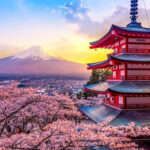
The drive toward the Fuji Five Lakes District brings a change in pace. At Oshino Hakkai, eight clear spring-fed ponds are linked to Mount Fuji’s snowmelt and form part of the mountain’s UNESCO World Heritage designation. It is a small village visit, not a long hike, but a good place to understand how the mountain shapes local life.
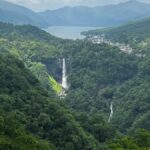
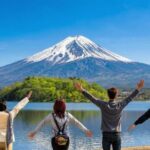
The next morning, the coach climbs to Mount Fuji’s 5th Station at 2,300 metres. You get views toward Lake Kawaguchiko and nearby peaks, weather permitting. This is not a summit trek, and clouds can hide the mountain, so treat the stop as a chance for high-country scenery rather than a guaranteed postcard view.
From there, the route crosses the Japanese Alps to Takayama. The town’s old streets, sake tasting and mountain setting make a welcome counterpoint to Tokyo. The following day includes lunch featuring Hida-gyu beef, then a visit to Gokayama, a UNESCO-listed village known for steep, thatched Gassho-zukuri houses. Their roof shape helps shed heavy snow, and the construction uses no nails.
The Gokayama visit is one of the tour’s strongest opportunities to meet local makers rather than simply look at buildings. You visit a family home, watch washi paper artisans at work and make a sheet yourself. The workshop also supports a small local business. The day continues to Kanazawa, so enjoy the village visit without expecting a long, unstructured wander.
Kanazawa’s garden and Kyoto’s sacred gates
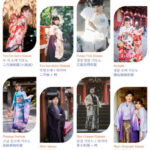
Kanazawa brings a slower day after several transfers. A Local Specialist introduces gold leaf painting, a craft practised in Japan since the 16th century. Kenroku-en, one of the country’s best-known gardens, is the main event: ponds, bridges and carefully planted grounds developed over more than a century. You can opt to wear a kimono for a garden photograph, though the garden itself deserves your attention more than a costume change.
Omicho Market gives you a look at the city’s seafood trade, while Nagamachi preserves traces of the samurai era. At Nomura House, you can see a former samurai residence and its garden. Together, these visits make Kanazawa more than a convenient overnight stop, though the schedule still leaves limited time to explore on your own.
An express train takes you to Kyoto on day seven. The walking tour passes through Gion, where wooden machiya townhouses and geisha traditions remain part of the district’s identity. Kinkakuji, the Golden Pavilion, is among Kyoto’s most recognised sights, set beside a reflective pond. It is beautiful, and often busy; the tour helps you reach it without needing to work out the city’s transport system.
The next day starts at Fushimi Inari, where rows of orange torii gates climb through forested slopes. You can walk as far up the path as time and energy allow; the full mountain route is not necessary to appreciate the shrine. At Sanjusangen-do Hall, the long interior and its 1,001 statues of the thousand-handed goddesses of mercy offer a quieter, more focused visit.
Lunch is a Be My Guest meal at a traditional restaurant with the Nakamura family, where you learn about local customs over kaiseki food. This is one of the itinerary’s more personal moments, because a shared meal can explain everyday habits in a way a bus commentary cannot. A group dinner with the Travel Director follows, making this a particularly full day.
Awaji Island and a night at a Kotohira ryokan
Leaving Kyoto, you cross the Seto Inland Sea toward Awaji Island on the world’s largest suspension bridge. At Yumebutai, the 100 Stepped Garden arranges flowerbeds in a grid across several levels. The Water Temple offers a striking change in mood, with the approach descending toward a Buddhist temple beneath a still reflecting pool.
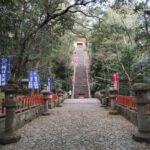
The day ends in Kotohira at the Kotohira Grand Sakuranosho, a traditional ryokan and one of the tour’s signature stays. You can use the onsen bath, then climb the steps toward Kotohira-gu Shrine for views over the countryside. The shrine climb is optional in practice, but the steps make this a day when comfortable shoes matter. A ryokan also means a different style of lodging from the city hotels, with more emphasis on Japanese hospitality and bathing customs.
The next morning brings Zentsuji Temple, associated with Kobo Daishi and the 88-temple Shikoku Pilgrimage. The full pilgrimage covers about 1,200 kilometres and traditionally takes around 60 days on foot; this tour gives you a brief introduction to its spiritual importance rather than a pilgrimage of your own. After lunch on Oshima Island, the coach follows the Shimanami Kaido, a 60-kilometre route across the Seto Inland Sea linked by nine bridges.
That scenic crossing is a highlight, but it also sits within a long transfer day to Hiroshima. You spend considerable time on the road during this section, so bring a book, rest when you can and keep expectations realistic about how much free time remains after arrival.
Hiroshima, Miyajima and Osaka’s food streets
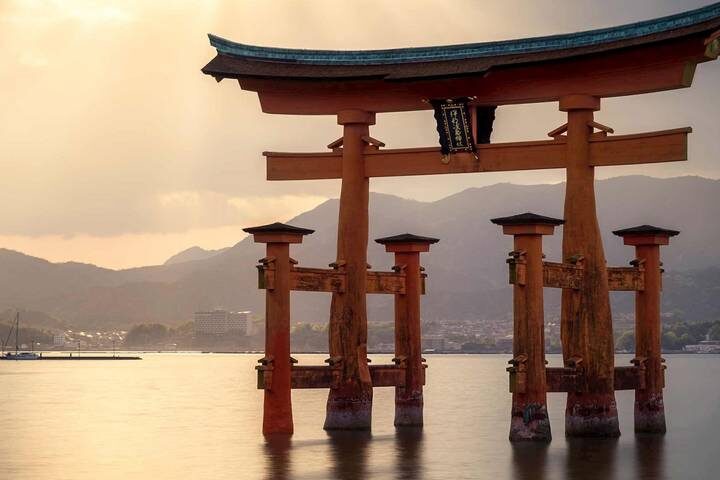
Miyajima Island is reached by ferry and is best known for Itsukushima Shrine and its torii gate, which appears to stand in the sea. You have free time for lunch and to explore the island’s spiritual sites before returning to Hiroshima. The setting is memorable, but the time available is shared between the island and the city’s most important visit.
At Hiroshima’s Peace Memorial Park and Museum, the tone shifts. The museum presents the atomic bombing of 1945, while the surviving Peace Memorial structure offers a stark focal point for reflection. This is not a stop to rush through; if the history matters deeply to you, plan to return independently if your schedule permits. Dinner features Hiroshima-style okonomiyaki, layered with egg, cabbage, soba noodles and meat, seafood or cheese, cooked on a hot plate.
On day twelve, the bullet train carries you to Osaka. Dotonbori gives you free time for food and shopping, and nearby Hozenji Yokocho is a stone-paved alley of traditional eateries leading to a small temple. Try takoyaki, the local octopus snack, if you want a quick taste of Osaka’s street-food culture. The tour also visits Osaka Castle, linked to Toyotomi Hideyoshi and Japan’s unification in the 16th century, before a farewell dinner.
The final morning includes an airport shuttle to Kansai International Airport or Osaka Itami Airport. Transfers apply to the tour’s designated hotels, so check carefully if you plan to stay elsewhere before or after the scheduled dates.





What the price covers, and what the pace asks of you
The starting price is $6,503 for the 13-day tour, based on the cheapest room. Value depends on how you prefer to travel. The price bundles four-star hotels, an expert Travel Director and driver, coach and rail transport, airport shuttle transfers at the start and end, porterage, gratuities, local taxes, sightseeing and audio headsets. It also includes 12 breakfasts, four lunches and six dinners, including the sushi lunch, Hida-gyu meal, Kyoto family-hosted lunch and selected group dinners.
That structure can make budgeting easier, and the mix of train, coach and ferry saves you from arranging multiple regional transfers yourself. On the other hand, a guided group trip is less flexible than travelling independently. You will follow a fixed schedule, share time at major sights, and spend some days covering long distances. Optional activities, personal meals and any extra nights are not included in the listed meal count.
The group size is 20 to 32, with English-language guiding and all ages welcome. The tour information describes the activity level as Dynamic, with four or more miles of walking on some days and possible steep hills. That is the more useful planning guide, particularly for Fushimi Inari, Kotohira’s shrine steps and long days on your feet. If you need a very low-effort trip, ask the operator about the walking demands before booking.
Trafalgar’s past tour directors have included Yama and Mike, both singled out by name for their strong leadership and command of the group. Those names are examples, not a promise about who will lead your departure. The guide’s role matters here: a good director can make long transfers more informative and keep a group of up to 32 moving smoothly.
Who should book this Japan route
I’d recommend this tour if you want an organised first trip to Japan that joins the major cities with mountain towns, a traditional inn, island scenery and Hiroshima’s difficult but essential history. It is especially useful if arranging intercity transport, hotel changes and cultural visits on your own feels like too much work.
It is less suited to anyone who wants several unplanned days in Tokyo or Kyoto, prefers to travel slowly, or dislikes coach travel. The route has strong variety, but it gives you a taste of each place rather than time to know every one. If that trade-off sounds right, the combination of guided logistics, local craft encounters, major sights and well-chosen regional stops makes the price easier to justify.
Splendours of Japan (Hiroshima) by Trafalgar – 13-Day Tour
“What a fantastic trip. It was a well organised and supervised trip. Great range of places and great motels. We really enjoyed the diversity of gues…”
FAQ
Where does the tour start and finish?
The tour starts in Tokyo and ends in Osaka. It includes airport shuttle transfers from Narita or Haneda to the designated Tokyo hotel and from Osaka to Kansai International Airport or Osaka Itami Airport.
How long is the tour, and how large is the group?
It lasts 13 days and is designed for a group of 20 to 32 people. The tour is fully guided in English and welcomes all ages.
What kind of accommodation is included?
The tour uses four-star hotels, including stays in Tokyo, the Fuji Five Lakes District, Takayama, Kanazawa, Kyoto, Hiroshima and Osaka. In Kotohira, you stay one night at the Kotohira Grand Sakuranosho, a traditional ryokan.
How many meals are included?
The package includes 12 breakfasts, four lunches and six dinners. Vegetarian, vegan, Jain, halal and kosher options can be requested in advance.
How physically demanding is the tour?
The stated activity level is Dynamic. Some days involve four or more miles of walking and may include steep hills, including shrine steps and walking at major sites.
What luggage can I bring?
You may bring one suitcase weighing no more than 44 pounds (20 kilograms), with total dimensions no greater than 58 linear inches (147 centimetres). One carry-on item is allowed, weighing no more than 15 pounds (7 kilograms), and you handle it on and off the coach.
Which airports should I use?
For the start in Tokyo, use Narita or Haneda. The final transfer is to Kansai International Airport or Osaka Itami Airport. Airport transfers are not available if you stay at a hotel other than the tour’s designated hotel.