Japan’s grand tour in miniature runs from Tokyo’s neon-lit streets to a hot spring inn near Mount Fuji, then onward to Kyoto, Nara and Osaka. In a week, you get a useful first look at the country’s urban energy, sacred sites and mountain scenery, without having to plan every transfer yourself.
I like two things in particular: the overnight ryokan and onsen near Kawaguchiko, which give the Fuji section a welcome change of pace, and the route’s broad sweep through Japan’s best-known sights. Guides such as Ken Igarashi, Paco and David have drawn especially warm praise for their storytelling, though guide assignments vary.
The trade-off is time. This is a tightly packed tour, with long coach days and some quick visits. The advertised physical rating is low, but temple grounds, stairs and uneven paths can still be demanding, and a group may include up to 72 people.
- At a glance: what makes this route useful
- Tokyo’s temples, crossings and skyline
- Kawaguchiko and Mount Fuji’s changing weather
- A restored village, a waterfall and the Toyota Museum
- Kyoto’s bamboo paths, shrine gates and Golden Pavilion
- Nara’s giant Buddha and Osaka after dark
- What the price covers, and what it does not
- The pace, group size and practical realities
- Should you book this seven-day Japan tour?
- FAQ
- Does this tour include a bullet train ride?
- Does the tour climb Mount Fuji to the summit?
- Is an onsen stay included?
- Are meals included?
- Which hotels will I stay in?
- Is the tour guided in English?
- How large can the group be?
- Are international flights included?
- The Best Of Tokyo!
- More 7-Day Experiences in Tokyo
- More Tours in Tokyo
- More Tour Reviews in Tokyo
- Not for you? Here's more nearby things to do in Tokyo we have reviewed
At a glance: what makes this route useful
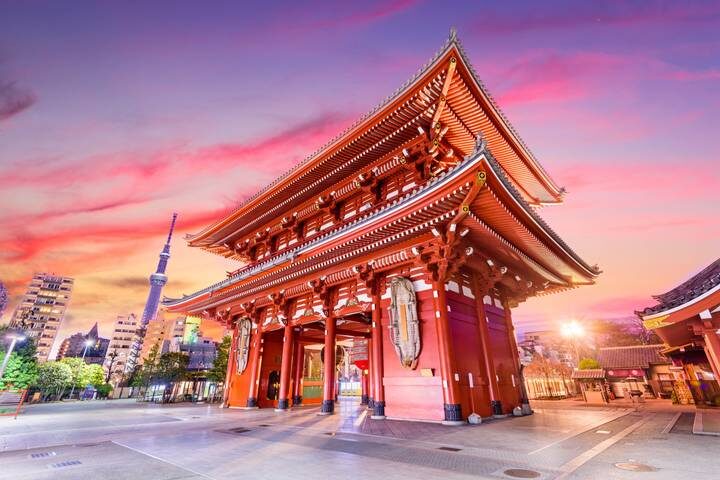
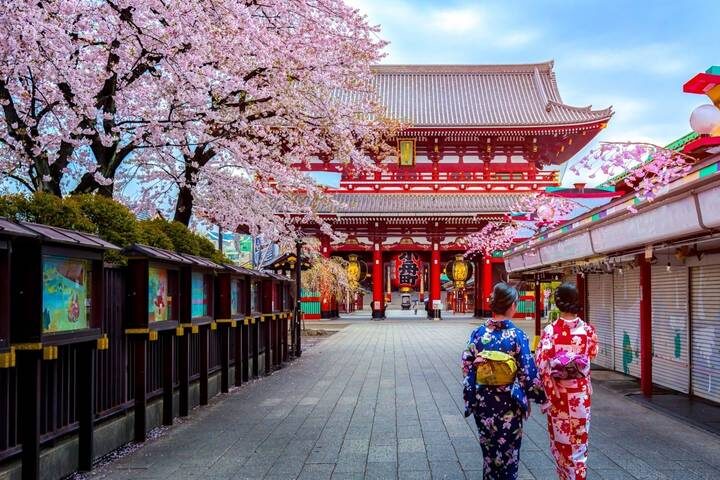
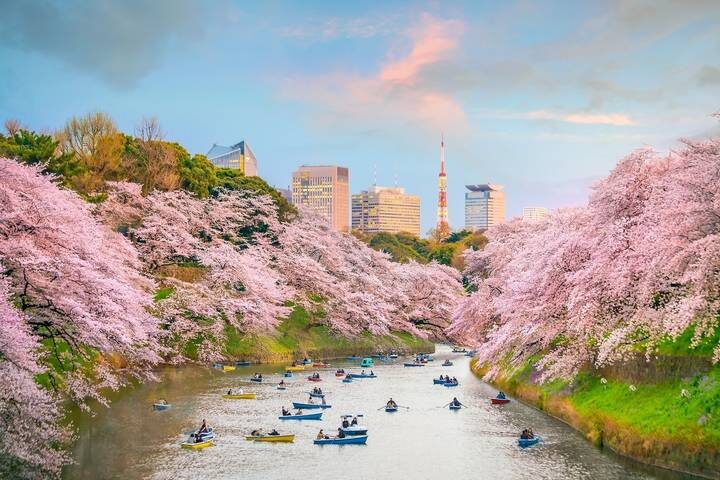
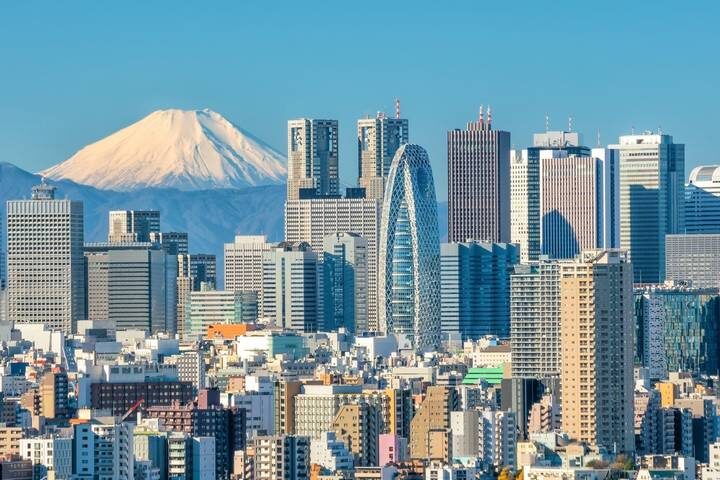
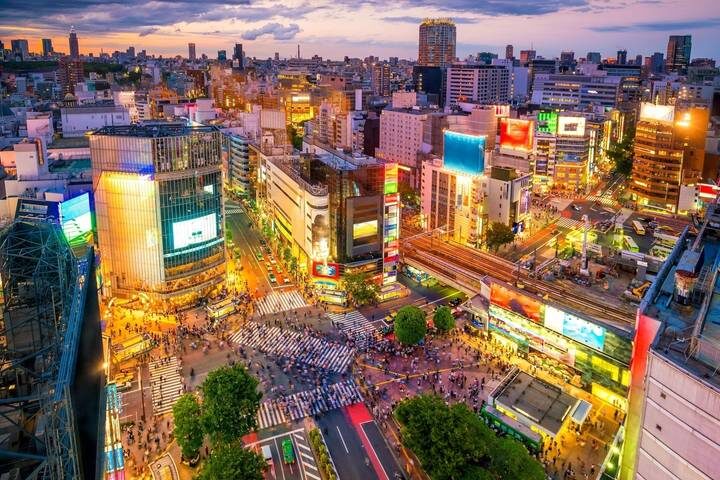
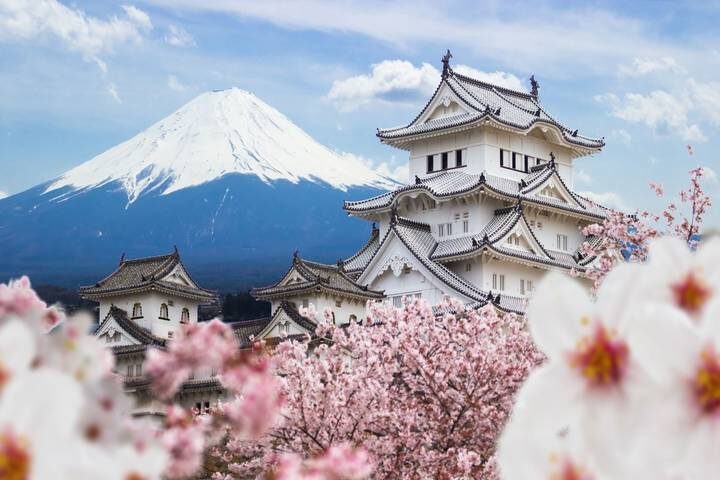
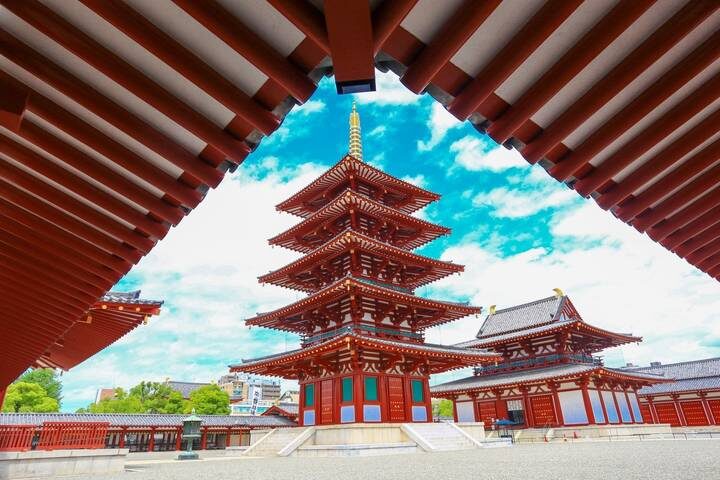
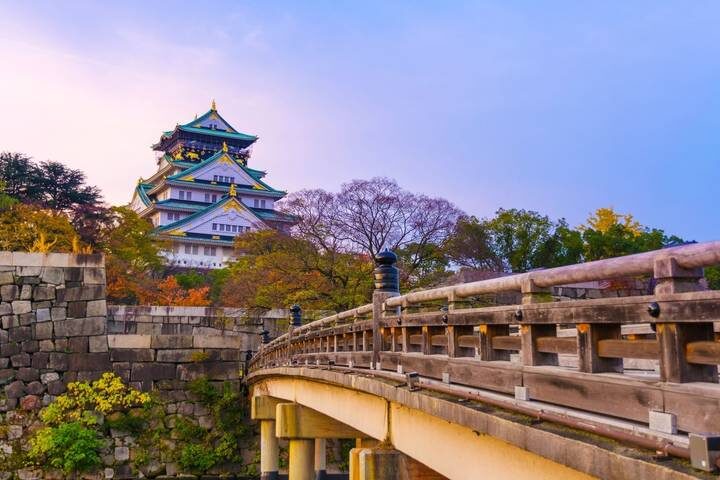
- See Tokyo from temple grounds and 350 meters up: Zojoji, Meiji Shrine, Asakusa and Tokyo Skytree are part of the guided city day.
- Sleep near Mount Fuji: The Kawaguchiko stop includes a lake boat ride, a drive toward the Fifth Station and an overnight ryokan with an onsen.
- Cover the classic Kansai sights: Kyoto’s Fushimi Inari and Golden Pavilion lead into Nara’s giant Buddha and Osaka’s Dotonbori district.
- Expect a coach-based trip, not a rail journey: The tour description does not include a bullet train ride.
- Plan for a brisk pace: Seven days cover nine destinations, with several stops grouped into full sightseeing days.
- Check language and hotel details: English guiding is offered, but tours may be bilingual, and hotel assignments can change.

👉 See our pick of the 25 Best Guided Tours In Tokyo
Tokyo’s temples, crossings and skyline
Day one is deliberately light. After clearing customs, you take a shared shuttle to your assigned Tokyo hotel, then have the rest of the day free. A guide is due to stop by later to explain the tour’s start, a helpful orientation when you have just arrived and are still adjusting to Japan’s time zone.
The Tokyo hotel is selected according to departure date and availability. Options listed include Shinagawa Prince Hotel, Tokyo Dome Hotel and Moxy Tokyo Kinshicho, with Ibis Styles Tokyo Ginza East also named in the booking information. These are four-star properties, but the operator says its hotels are not luxury stays and may be outside the city center. Public transport access is nearby, so location matters less if you are comfortable using trains and subway lines.
Day two is a long guided circuit, about seven hours, followed by an evening outing. At Zojoji Temple, you get a classic photo angle: Tokyo Tower rising behind the temple grounds. Look for the stone Jizo figures, often dressed in knitted caps and bibs. They are guardians of children, and their small, personal details make this stop more than a quick tower snapshot.
Shibuya Crossing is viewed from the bus, not experienced on foot as a dedicated stop. That is a useful distinction if you have imagined standing in the middle of the crossing. The tour then shifts gears at Meiji Shrine, where wooded paths offer a calmer pause amid the city’s scale and traffic.
Tokyo Skytree is the day’s high point, literally. Admission is included to the Tembo Deck at 350 meters, weather permitting. If conditions limit access, an alternative city viewpoint is offered. Later, Asakusa brings you to Sensoji Temple and Nakamise Street, where the shops and temple approach make for a lively, crowded walk.
On the return drive, you pass Akihabara and Ginza. Akihabara is a quick look from the coach, not a scheduled shopping stop, so save time on another day if anime, manga or gaming shops are a priority. The evening trip to Shinjuku includes subway tickets, a guided walk and dinner at a local restaurant, with the guide accompanying the group back to the hotel. Two meals are listed for this day, lunch and dinner.
You can also read our reviews of more tours and experiences in Tokyo
Kawaguchiko and Mount Fuji’s changing weather
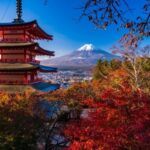
The drive from Tokyo toward Mount Fuji is one of the most scenic parts of the week. First comes Arakurayama Sengen Park, famous for its pagoda and Fuji views. The view is weather-dependent, so keep your camera ready but don’t treat a clear shot of the mountain as guaranteed.
In Kawaguchiko, you visit Fuji Sengen Shrine, then take a boat ride on the lake. The shrine has a long connection with pilgrimages up Mount Fuji, and the tall trees around it give the visit a quiet, ceremonial feel. The coach then climbs toward the Fifth Station, reaching up to 2,305 meters if road and weather conditions allow.
This is not a summit climb. If reaching the top of Fuji is your main goal, you will need to arrange a separate guided climb. The tour offers a scenic, vehicle-based ascent and a night in the area, rather than a hiking expedition.
The overnight stay is at a ryokan, with dinner and access to a public onsen bath included. This is a valuable contrast to the city hotels, and a chance to experience a traditional Japanese inn. Room style varies: some rooms use tatami mats, while others are Western-style. The operator also says a Western-style hotel may occasionally replace the ryokan. If sleeping on a floor-level futon or getting in and out of a low bed would be difficult, ask about room arrangements before booking rather than assuming you can choose.
Winter weather can close the road to the Fifth Station. The coach will go as far as conditions permit, which may mean stopping below the stated altitude. Fuji views also depend on visibility, so keep expectations flexible.
A restored village, a waterfall and the Toyota Museum
Day four is a long transfer day, but it breaks up the drive with three distinct stops. Iyashi no Sato Nenba is a restored village and open-air museum. Its traditional houses now hold shops, restaurants and cultural exhibits, offering a glimpse of older rural architecture without pretending the village is untouched by modern life.
Next comes Shiraito Falls, a 20-meter cascade and a welcome natural pause after time on the coach. Then the route continues to Nagoya for a visit to the Toyota Museum, with admission included. This stop will appeal most to car enthusiasts or anyone interested in Japanese manufacturing and automotive design. If that is not your subject, it may feel like a detour, and the visit can take time that you might prefer to spend elsewhere.
The group continues to Kyoto for the night. Hotels listed for the route include Miyako Kyoto Hachijo, though the accommodation information also contains Osaka hotel names under the Kyoto section. Confirm your actual hotel and location before making independent plans around it.
Kyoto’s bamboo paths, shrine gates and Golden Pavilion
Kyoto gets a full sightseeing day, though the list is ambitious. The tour starts in Arashiyama, with a view of Togetsukyo Bridge, then visits Tenryuji Temple and its nearby bamboo grove. The grove is striking, but it is a popular place and can be busy. You will have time for a walk, not a private encounter with an empty forest.
Fushimi Inari Shrine brings the famous sequence of red gates, while the Imperial Palace and Kinkakuji, the Golden Pavilion, add two very different sides of Kyoto’s past. Kinkakuji’s gold-covered upper floors reflect in the surrounding pond, with gardens framing the view. The order of stops can change, and the schedule packs several major sights into one day. That means you should expect a guided overview, not hours to explore each site at your own pace.
After the tour, Gion is the natural place to linger. The traditional district is known for its wooden streets and geisha culture, and the evening is a good time to look around respectfully. The tour information lists an evening transfer, but one account of the trip describes the return to the hotel as independent. Confirm how the transfer and return work for your departure, and make sure you know your route back before setting off.
Some guides have been singled out for making cultural context memorable. Ken Igarashi, Paco, David and José Guidet are among the names associated with strong explanations and engaging stories. These are examples, not a promise of who will lead your trip. Europamundo may change guides during the circuit, and groups can be bilingual, usually English and Spanish. If you need English-only commentary, ask how language arrangements work on your specific departure.
Nara’s giant Buddha and Osaka after dark
On day six, the coach heads to Nara. Todaiji Temple houses a giant bronze Buddha, and the surrounding park is home to free-roaming deer. The deer are part of the setting, but they are still animals, not props. Keep food and belongings secure and follow local guidance around them.
Lunch is included before the visit to Horyu-ji, a UNESCO World Heritage site. Its central pagoda is among the world’s oldest wooden structures, and the complex offers a quieter counterpoint to Todaiji’s scale. Then it is on to Osaka, with an evening visit to Dotonbori. This is the place for bright signs, crowds and a wide choice of restaurants and nightlife.
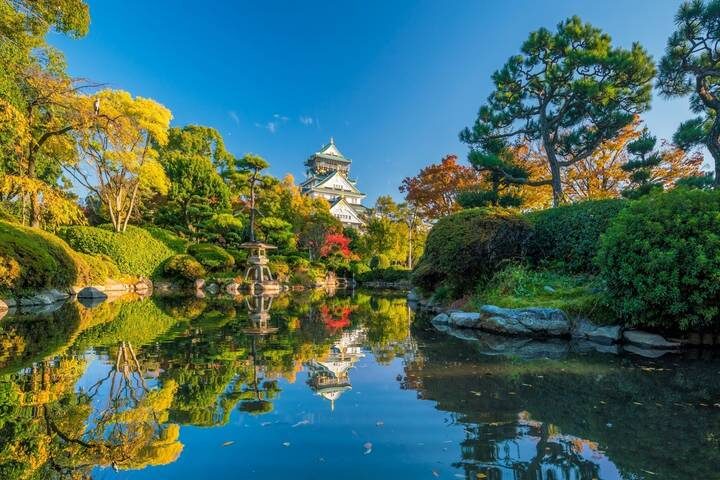
Osaka Castle is not included in this route. If it is high on your list, plan to visit independently before or after the tour, allowing extra time in the city. The tour ends after breakfast on day seven, so you will need to arrange your own onward plans and departure transport.




What the price covers, and what it does not
Prices start from $2,140 per person, based on the cheapest room option. For that, you get six nights of accommodation, breakfast buffet as part of the hotel package, an arrival transfer, coach transport, an English-speaking guide service, basic insurance and many listed admissions. The tour also includes two lunches and three dinners, including the Tokyo restaurant dinner and the Kawaguchiko ryokan dinner. International flights are not included.
The price can make sense if you value having transport, hotel changes and major sightseeing organized for you. Tokyo to Osaka is a substantial route, and arranging all the intercity travel, timed visits and hotel nights yourself takes effort. On the other hand, you are paying for a fast survey rather than extended stays. If you prefer to linger in Kyoto or build your own days around food, museums or neighborhoods, a slower independent trip may suit you better.
There is no bullet train ride included. The tour travels by bus, with a boat on Lake Kawaguchiko and subway tickets for the Tokyo evening outing. Hotel locations and standards can vary, and rooms may be smaller than you expect from a four-star label. The operator notes that rooms have private bathrooms and a television, but bed sizes and room dimensions differ.
Basic insurance is included only for the period when Europamundo’s arranged services are in progress. It is not a substitute for checking your own travel insurance and current entry or health guidance.
The pace, group size and practical realities
The group size ranges from 2 to 72. A large coach group can mean less personal attention and a bit of waiting at busy sights, while a small departure may feel more intimate. The operator says regular departures can run with as few as two people, but the group size can vary widely.
The tour is labeled low intensity, but that does not mean no effort. Temple grounds may involve stairs, hills and uneven surfaces, and the sightseeing days can leave you tired. One participant traveling with mobility challenges described difficulty keeping up, especially on slopes and in winter conditions. If you have a knee, hip or balance concern, contact the operator about walking demands and accommodation before paying.
Guide quality is a major part of the experience, and the strongest accounts praise guides who add history, mythology and practical help, including Ken, Paco, David, José and others. There is also a more mixed side: some visitors found the commentary uneven or felt English explanations got less time in bilingual groups. Guides can change during the trip, so no particular guide or style is guaranteed.
The published departure months are January, February, March, October, November and December. Those months can bring cooler weather and, in winter, possible limits on the Fuji road. The month also shapes crowds and the feel of the trip, so pack for changing conditions and keep your expectations for the mountain flexible.
Should you book this seven-day Japan tour?
Book it if this is your first trip to Japan and you want a guided route that covers Tokyo, Fuji, Kyoto, Nara and Osaka with transport and many admissions arranged. The ryokan night, Fuji-area stops and thoughtful mix of city and temple visits add variety to what could otherwise be a string of urban sightseeing days.
Look elsewhere if you want long, unhurried stays, a guided climb of Mount Fuji, a bullet train journey or more control over each day. Before booking, confirm the assigned hotels, language setup, Gion return arrangements and ryokan room style. Those details can shape how comfortable and flexible the week feels.
Essential Japan 7-Day Tour by Europamundo (2026-27 Departures)
“Everything was OK. Hotels and transpoortation”
FAQ
Does this tour include a bullet train ride?
No. Transport is by coach, with a boat ride on Lake Kawaguchiko and subway tickets for the Tokyo evening outing.
Does the tour climb Mount Fuji to the summit?
No. It drives toward the Fifth Station, up to 2,305 meters when conditions permit. A summit climb is not included.
Is an onsen stay included?
Yes. The Kawaguchiko night includes access to a public hot spring bath and dinner. The stay is planned at a ryokan, though a Western-style hotel may occasionally be used instead.
Are meals included?
The tour information lists two lunches and three dinners, including a Tokyo dinner and a dinner during the Kawaguchiko stay. Hotel breakfasts are part of the accommodation package.
Which hotels will I stay in?
Hotel assignments vary by departure date and availability. Listed Tokyo options include Shinagawa Prince Hotel, Tokyo Dome Hotel and Moxy Tokyo Kinshicho. Confirm your final hotel details before arranging plans around its location.
Is the tour guided in English?
English-speaking guide service is offered in Tokyo and Kyoto, and the tour is listed as English-language. Groups may be bilingual, usually English and Spanish, and guides can change during the trip.
How large can the group be?
The listed group size is 2 to 72 people.
Are international flights included?
No. International flights are not included in the tour price.