
I ordered the vegetable tempura in Shinjuku on my first night in Tokyo, feeling pretty good about my vegan research. The waiter brought it out golden and crispy. I ate three pieces before my Japanese friend leaned over and said, “You know the dashi in the dipping sauce is made from bonito flakes, right?” I did not know that. And that moment basically sums up what it’s like trying to eat plant-based in Japan.
The country is genuinely one of the hardest places in the world to be vegan. Not because the food isn’t incredible — it is — but because animal products hide in almost everything. Dashi, the backbone of Japanese cooking, is fish-based by default. Miso soup at most restaurants contains it. That “vegetable” ramen? Pork bone broth. The rice seasoning? Probably has bonito. Even things that look completely plant-based often aren’t.
So here’s the thing: a food tour actually makes this easier, not harder. A good guide handles the communication, knows which restaurants can accommodate, and steers you away from the hidden fish stock before you accidentally eat it. The bad news is that most Shinjuku food tours are built around yakitori, sashimi, and grilled pork.
The good news is that a handful of tours are designed specifically for plant-based eaters — and several mainstream tours will modify their itinerary if you ask ahead of time.
This guide covers all of it. Which vegan food tours to book, which regular food tours can accommodate, how to communicate your needs in Japanese, and where to eat on your own if you’d rather skip the tour entirely.

Short on time? Here are my top 3 picks:
Best overall: Modern Vegan Night Foodie Tour in Tokyo — $110. The only dedicated vegan evening food tour in Tokyo. Perfect 5.0 rating, 124 reviews. Every single dish is plant-based, no modifications needed.
Best for ramen fans: 2-Hour Vegan Ramen Walking Tour — $96. Focused entirely on vegan and vegetarian ramen shops. Two hours, multiple bowls, and a guide who knows every plant-based noodle spot in the city.
Best hands-on: Vegan Ramen and Gyoza Cooking Class — $75. Learn to make your own vegan ramen and gyoza from scratch. You leave with recipes you can actually recreate at home.
- Why Japan Is Harder Than You Think for Vegans
- How to Say “I’m Vegan” in Japanese (And Actually Be Understood)
- The Best Vegan and Vegetarian Food Tours in Tokyo
- 1. Modern Vegan Night Foodie Tour in Tokyo — 0
- 2. Tokyo: 2-Hour Vegan and Vegetarian Ramen Walking Tour —
- 3. Vegan/Vegetarian Ramen and Gyoza Cooking Class —
- 4. Tokyo Vegan Food Tour — 1
- 5. Shibuya Sushi Making Class (Vegan/Vegetarian/Halal) —
- Can Regular Shinjuku Food Tours Accommodate Vegans?
- Vegan-Friendly Spots in Shinjuku (No Tour Needed)
- What You’ll Actually Eat on a Vegan Food Tour
- Cooking Classes: The Best Vegan Option Nobody Talks About
- When to Go
- Getting to the Meeting Points
- Tips for Vegan travellers in Tokyo
- Beyond Shinjuku: Other Vegan-Friendly Experiences in Japan
- Planning the Rest of Your Tokyo Trip
Why Japan Is Harder Than You Think for Vegans
Before I get into tour recommendations, you need to understand why eating vegan in Japan requires actual strategy. This isn’t like being vegan in Berlin or Los Angeles where every second restaurant has a plant-based menu. Japan’s food culture is built on a foundation of fish.
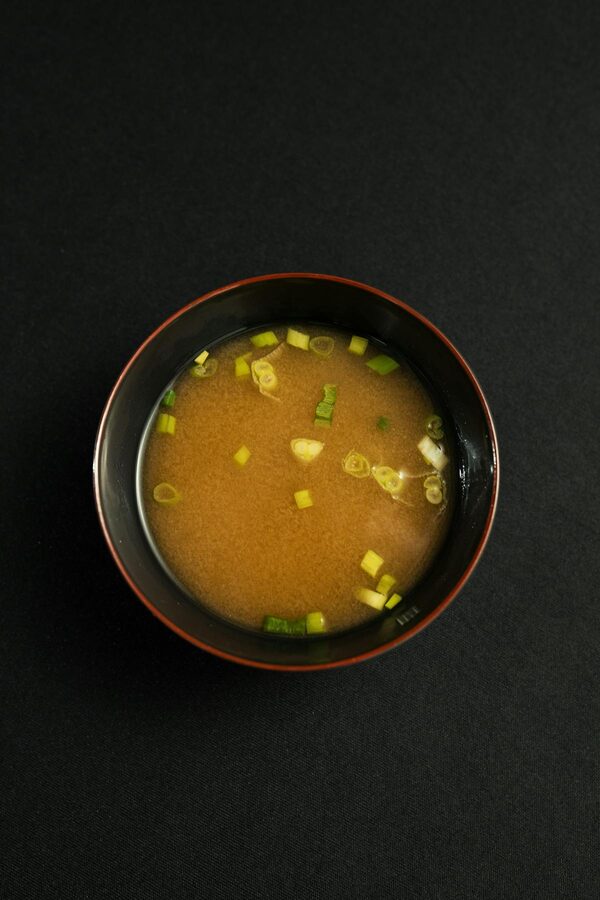
Dashi is the invisible problem. It’s in nearly everything — soups, sauces, simmered dishes, even some rice preparations. Standard dashi is made from bonito (dried skipjack tuna) and kombu (kelp). The kombu part is fine. The bonito part shows up in places you’d never expect. That clear broth your udon is sitting in? Dashi. The sauce on your okonomiyaki? Dashi. Those dancing flakes on top of your takoyaki? Bonito, which is fish.
The language barrier compounds everything. “Vegetarian” in Japanese (bejitarian) is understood by younger staff in Tokyo, but the concept doesn’t always translate the way you’d expect. Some Japanese people consider fish to be separate from meat. Saying you’re vegetarian might get you a dish with no beef or pork but still containing dashi, fish sauce, or bonito flakes. You need to be specific.
Here’s what to watch for:
- Dashi (出汁) — bonito-based stock in soups, sauces, simmered everything
- Katsuobushi (鰹節) — dried bonito flakes, sprinkled on top of many dishes
- Mirin — rice wine used in cooking, itself vegan, but often paired with bonito-based sauces
- Mentsuyu (めんつゆ) — noodle dipping sauce, almost always contains bonito
- Worcestershire-style sauces — Japanese versions sometimes contain oyster extract
- Gyoza wrappers — usually vegan, but some contain egg
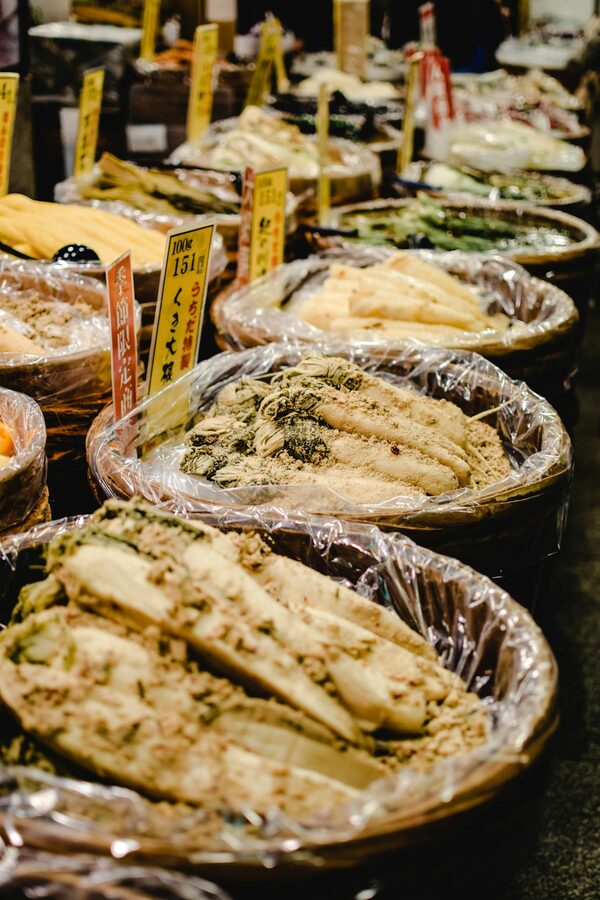
The flip side? Japan has an incredible tradition of Buddhist cuisine called shojin ryori — temple food that’s been entirely plant-based for over a thousand years. It predates modern veganism by centuries. Tofu, yuba (tofu skin), seasonal vegetables, pickles, rice, and miso prepared without any animal products. It exists. It’s extraordinary. But it’s not what you’ll find on most food tour itineraries or in the average Shinjuku izakaya.
How to Say “I’m Vegan” in Japanese (And Actually Be Understood)
If you’re doing a food tour, your guide handles all of this. That’s half the reason to book one. But for the times you’re eating solo, here’s what actually works:
The phrase that works best: “Watashi wa biigan desu. Niku, sakana, tamago, nyuuseihin wa taberaremasen.” (I’m vegan. I can’t eat meat, fish, eggs, or dairy.) It’s a mouthful, but listing the categories prevents the fish-isn’t-meat confusion.
Even better: bring a card. Print or save an allergy card in Japanese. The site Just Hungry has printable ones. You hand it to the waiter, they read it, they nod, and suddenly communication isn’t an issue anymore. I’ve used one in six different restaurants across Tokyo and it worked every single time. Much better than trying to pronounce things from a phrasebook while the chef waits.
Apps that help:
- HappyCow — the essential app. Shows vegan restaurants, vegetarian-friendly spots, and health food stores on a map. Tokyo has hundreds of listings. Filter by distance from Shinjuku Station and you’ll have dinner sorted in two minutes.
- Vegewel — Japan-specific restaurant guide for plant-based eating. Better coverage of smaller Japanese-only restaurants than HappyCow in some neighborhoods.
- Google Translate camera mode — point your phone at a Japanese menu and it translates in real time. Not perfect, but enough to spot the word for “bonito” or “pork” before you order.
Key words to recognize on menus:
- 肉 (niku) — meat
- 魚 (sakana) — fish
- 卵 (tamago) — egg
- 乳 (nyuu) — dairy/milk
- 鰹 (katsuo) — bonito
- 豚 (buta) — pork
- 鶏 (tori) — chicken
- 菜食 (saishoku) — plant-based diet
The Best Vegan and Vegetarian Food Tours in Tokyo
I’ve gone through every available option and narrowed it down to the tours that actually cater to plant-based diets — either entirely vegan menus or with reliable vegan modifications. These aren’t regular food tours where they “try to accommodate.” These are tours built with vegan and vegetarian eaters in mind.
1. Modern Vegan Night Foodie Tour in Tokyo — $110

This is the one. If you’re vegan in Tokyo and want the full evening food tour experience without constantly checking ingredients, this vegan night food tour is the obvious choice. Run by a team that specifically sources restaurants with fully plant-based menus, so there’s zero guesswork involved.
Perfect 5.0 rating from 124 verified guests, which is remarkable for a niche dietary tour. The route covers multiple neighborhoods with stops at vegan izakayas, plant-based ramen shops, and Japanese-fusion restaurants that most travellers wouldn’t find on their own. At $110 per person, it’s not cheap, but factor in the food costs, the guide, and the fact that you’re not spending 20 minutes at each restaurant explaining your dietary needs — and the price makes sense.
Groups are small and the guides are genuinely passionate about vegan food culture in Japan. This isn’t a regular food tour with substitutions bolted on. It’s designed from the ground up for plant-based eaters.
2. Tokyo: 2-Hour Vegan and Vegetarian Ramen Walking Tour — $96
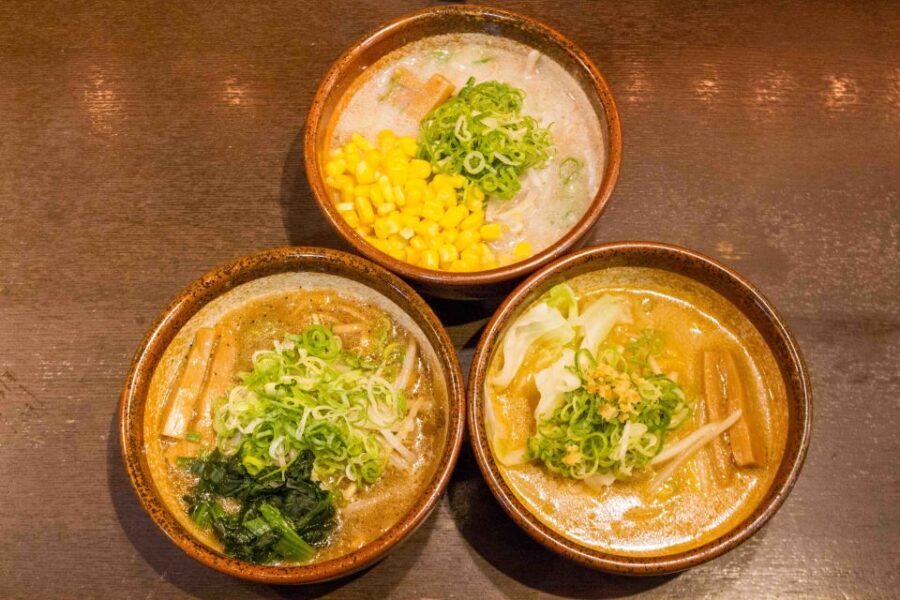
If ramen is the thing you’re most worried about missing as a vegan in Japan — and honestly it should be, because good ramen is transcendent — this vegan ramen walking tour solves the problem completely. Two hours, multiple ramen shops, all serving plant-based broths made from soy milk, miso, or vegetable stock instead of the standard pork bone.
The 4.8 rating from 33 guests is solid for a specialized tour. The format is efficient — two hours is enough to try multiple bowls without the commitment of a full evening tour. Perfect if you want a focused ramen experience and plan to explore on your own afterward. At $96 per person, the price includes all the ramen tastings plus the guide’s knowledge of which vegan ramen shops are actually good versus which ones are just cashing in on the trend.
Available through GetYourGuide. Book at least a few days ahead — the small group size means spots fill quickly.
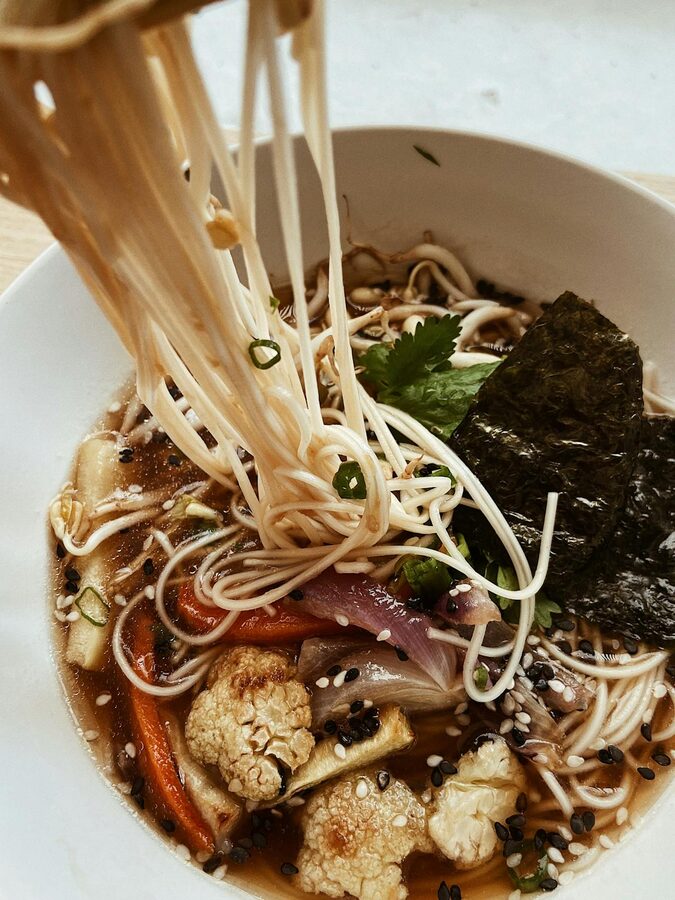
3. Vegan/Vegetarian Ramen and Gyoza Cooking Class — $75
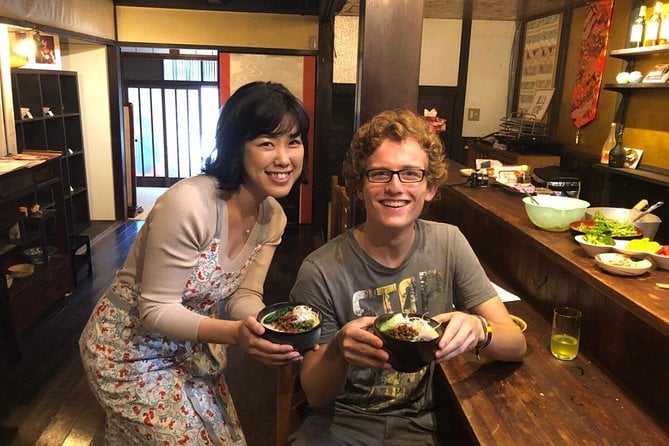
Less of a tour, more of a hands-on cooking session — and honestly, this might be the most useful experience on the entire list. This vegan ramen and gyoza class teaches you to make plant-based ramen broth and gyoza dumplings from scratch, which means you go home with recipes you can actually use. That’s something no food tour gives you.
Perfect 5.0 from 59 guests. The instructor walks you through building a rich, complex broth without any animal products — soy milk base, mushroom umami, the whole process. You also make gyoza with vegetable fillings and learn the folding technique that makes them seal properly (harder than it looks). At $75 per person, it’s the most affordable option on this list and you eat everything you make.
This pairs well with an evening food tour on a different night. Do the cooking class to learn the foundations, then do the food tour to see how the professionals do it.
4. Tokyo Vegan Food Tour — $101
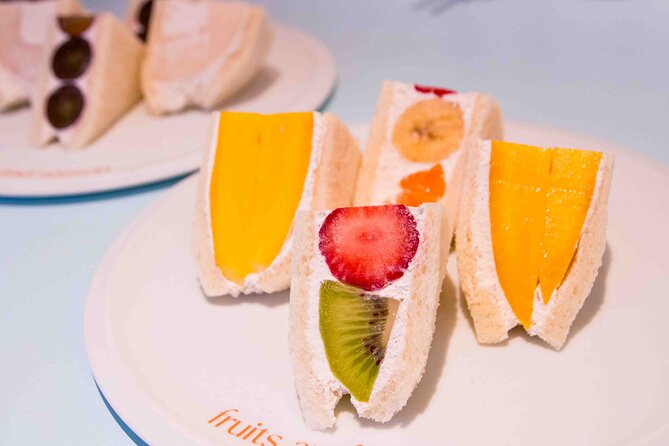
Another fully vegan option, this Tokyo vegan food tour runs during daytime hours and covers different ground than the nighttime tour above. Perfect 5.0 rating from 12 guests — smaller sample size, but every single review is positive. The format is similar: a guide takes you to multiple restaurants that serve entirely plant-based food, handles all the ordering, and provides cultural context along the way.
At $101 per person, it sits between the budget cooking class and the premium evening tour. The daytime slot works well if your evenings are already booked or if you want to combine a food tour with afternoon sightseeing. The route typically covers areas like Shibuya and Harajuku, which have a higher concentration of vegan-friendly restaurants than the traditional izakaya districts.
The smaller group sizes mean more personalized attention from the guide. Good for couples or solo travellers who want conversation, not just food.
5. Shibuya Sushi Making Class (Vegan/Vegetarian/Halal) — $58
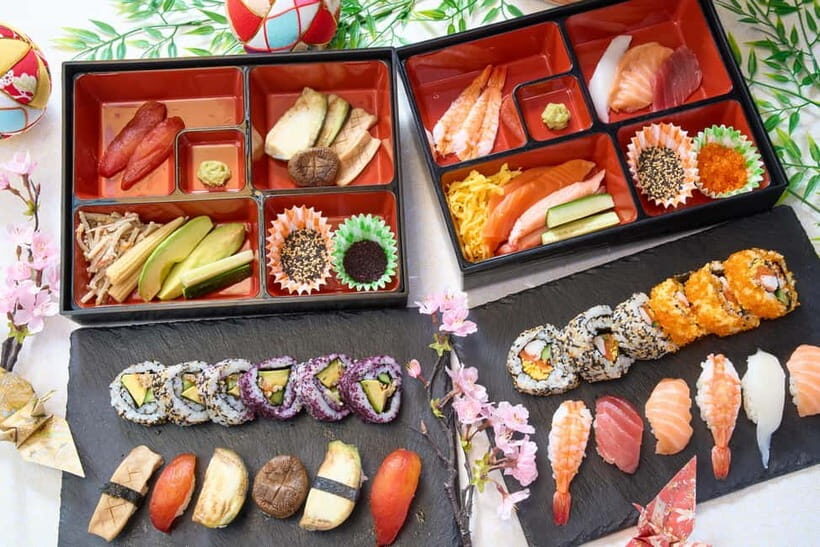
Sushi without fish sounds like a contradiction until you actually try it. This vegan sushi class in Shibuya teaches you to make proper nigiri and maki rolls using plant-based fillings — avocado, pickled daikon, seasoned mushroom, marinated tofu, inari (sweet tofu skin), and whatever seasonal vegetables are available. The rice preparation alone is worth the price of admission. Most people don’t realize how much technique goes into proper sushi rice.
At $58 per person, this is the cheapest option on the list by a wide margin. The 4.7 rating from 29 reviews is slightly lower than the others, mostly because a few guests felt the class was rushed. Two hours is tight for sushi making. But for the price and the skills you walk away with, it’s hard to argue.
Book this if you want a fun afternoon activity that happens to be entirely vegan. It works particularly well for families or groups with mixed dietary preferences — everyone makes sushi, just with different fillings.
Can Regular Shinjuku Food Tours Accommodate Vegans?
Short answer: sometimes. Long answer: it depends entirely on the operator, the guide, and how far in advance you communicate.
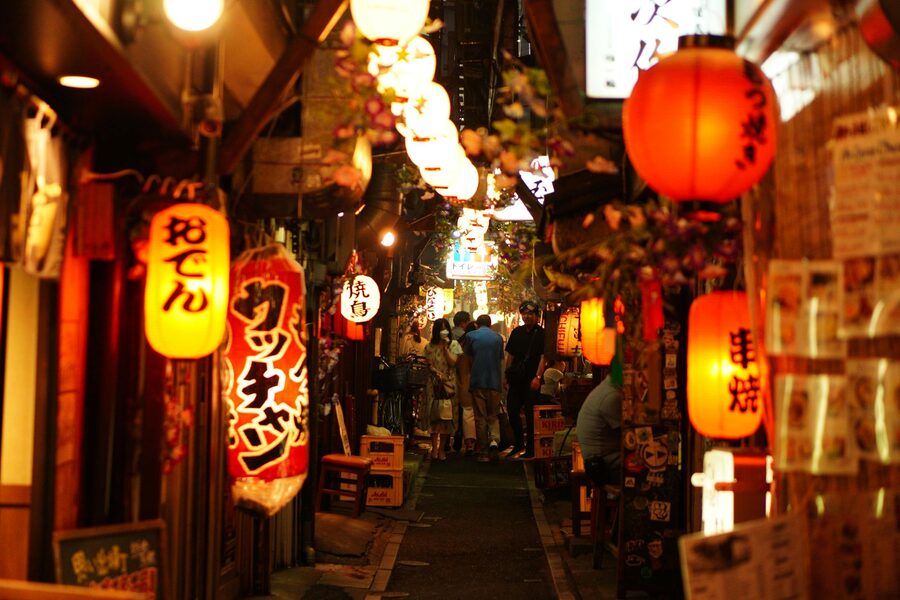
The standard Shinjuku food tours — the popular ones with 13-15 dishes across 4 izakayas — are built around yakitori, sashimi, tonkatsu, and grilled fish. That’s the whole point. The tiny izakayas on Memory Lane don’t have separate vegan menus. They grill chicken. That’s what they do.
That said, most tour operators will try to accommodate if you tell them when booking. Here’s what that usually looks like in practice:
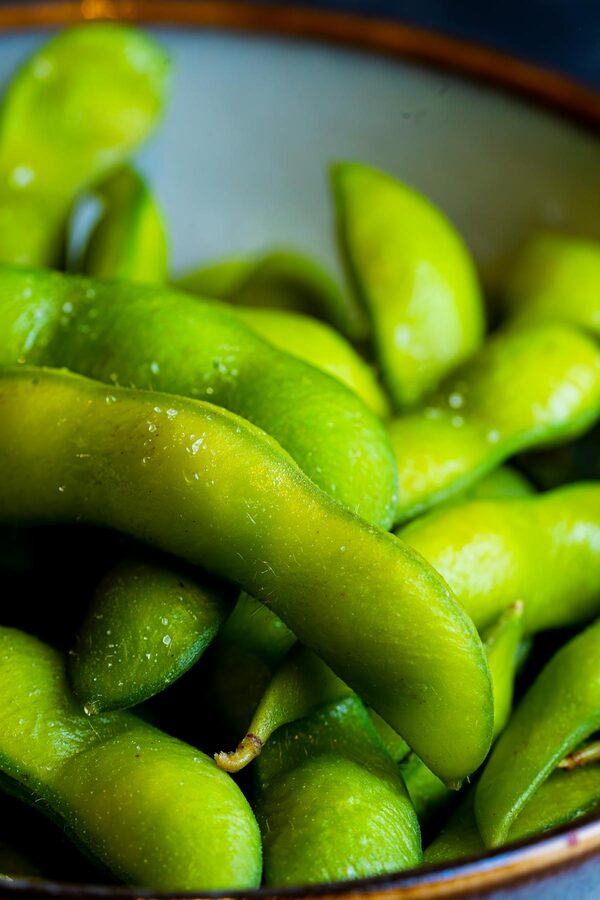
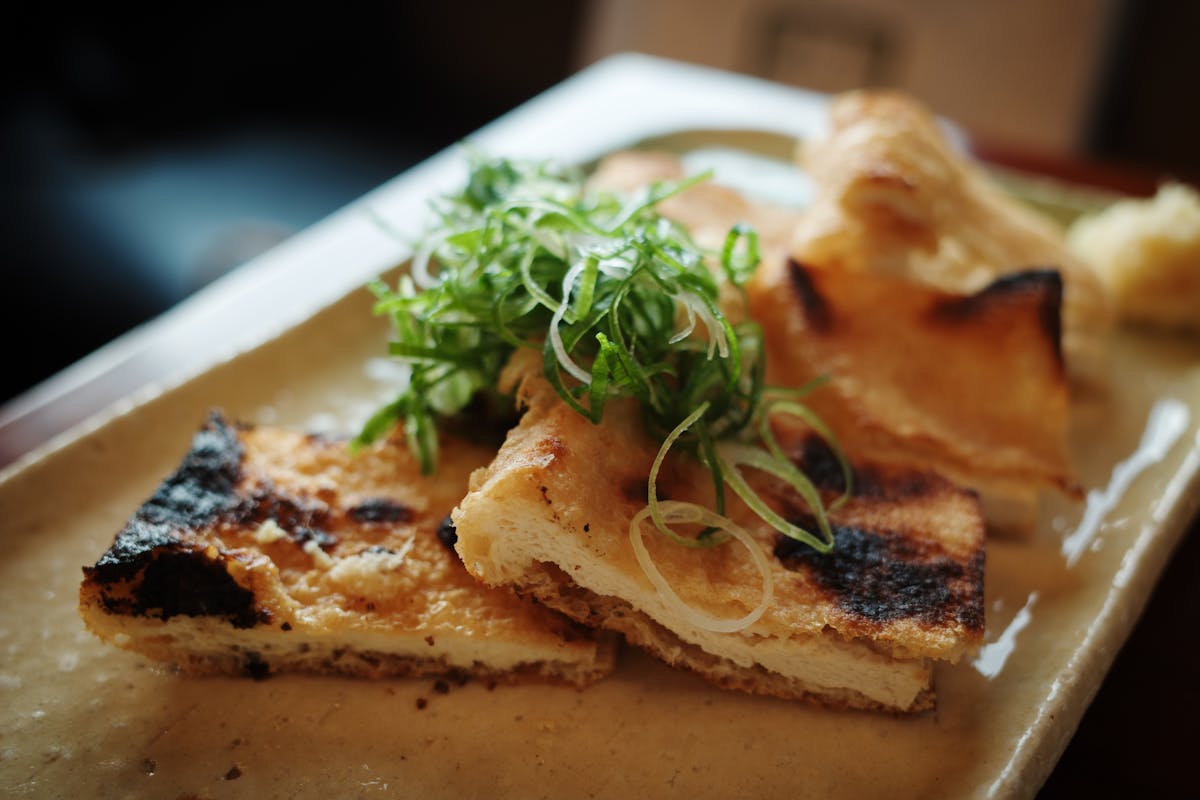
- Best case: The guide knows one or two restaurants on the route that can do a vegetable-only set. You eat edamame, vegetable tempura (in a separate fryer), rice, pickles, and maybe tofu at one stop while everyone else eats yakitori. You’ll get food, but you’re eating the side dishes while others eat the mains.
- Worst case: The guide didn’t read the dietary note, the restaurants can’t adjust, and you’re sitting there watching everyone else eat while you have rice and edamame. This happens more than tour operators want to admit.
- The dashi problem: Even when restaurants “accommodate” vegans, the miso soup, the tempura dipping sauce, and the simmered dishes almost certainly contain bonito dashi unless the restaurant specifically stocks kombu-only dashi. Most tiny izakayas don’t.
My honest recommendation: if you’re strictly vegan, book one of the dedicated vegan tours above. If you’re vegetarian and flexible about dashi (some vegetarians in Japan adopt a “don’t ask, don’t tell” approach to bonito), a regular food tour with advance notice can work. But go in with realistic expectations. You won’t eat 13 dishes. You’ll eat 6 or 7 dishes that happen to be plant-based, while the tour is fundamentally designed around animal products.
Vegan-Friendly Spots in Shinjuku (No Tour Needed)
If you’d rather explore on your own — and honestly, Shinjuku has enough vegan options now that you can eat well without a guide — here are the categories of restaurants to look for:
Dedicated vegan restaurants. Shinjuku has about a dozen fully vegan restaurants at this point. The concentration is highest around Shinjuku 3-chome and the east side of the station. Use HappyCow to find the ones closest to where you’re staying. Most are small (8-15 seats) and don’t take reservations, so go slightly before peak dinner time — 5:30 PM instead of 7:00 PM.
Shojin ryori (Buddhist temple cuisine). The most traditional plant-based dining experience in Japan. Multi-course meals made entirely from vegetables, tofu, and seasonal ingredients prepared according to Buddhist principles. These tend to be more expensive ($30-60 per person) and more formal than street-level dining, but the food is genuinely special. Not common in Shinjuku itself, but a short train ride to places like Koenji or Shinjuku Gyoen-mae opens up more options.
Indian and Nepali restaurants. Shinjuku has a surprising number of South Asian restaurants, especially around Hyakunincho (the “Koreatown” area that’s actually more pan-Asian these days). Indian restaurants in Tokyo almost always have clearly marked vegetarian sections on their menus, and many will confirm whether dishes are vegan. This is the easy-mode option when you’re tired of playing detective with Japanese menus.
Chain options that work. Coco Ichibanya (curry chain) offers a vegetable curry. Mos Burger has a soy patty option at some locations. T’s TanTan at Tokyo Station (not Shinjuku, but one stop away) serves entirely vegan ramen and is wildly popular. Afuri has a yuzu shio vegan ramen at several Tokyo locations. None of these are destination restaurants, but they’re reliable fallbacks when you’re hungry and don’t want to think.
What You’ll Actually Eat on a Vegan Food Tour
The dedicated vegan tours hit different restaurants than the standard food tours, which honestly makes them more interesting from a discovery standpoint. You won’t end up in the same izakayas that every tourist visits. Instead, you’ll eat at places that most travellers — even well-researched ones — would never find.
Here’s a rough idea of what shows up on a typical vegan food tour in Tokyo:
Vegan ramen. Multiple styles exist now. Soy milk-based broth is the most common — rich and creamy without any animal fat. Miso-based with mushroom stock is the other popular option. Both are topped with corn, bamboo shoots, nori, scallions, and sometimes marinated tofu or soy meat. The best vegan ramen shops have broths that rival traditional tonkotsu in depth and richness. I’m not exaggerating.
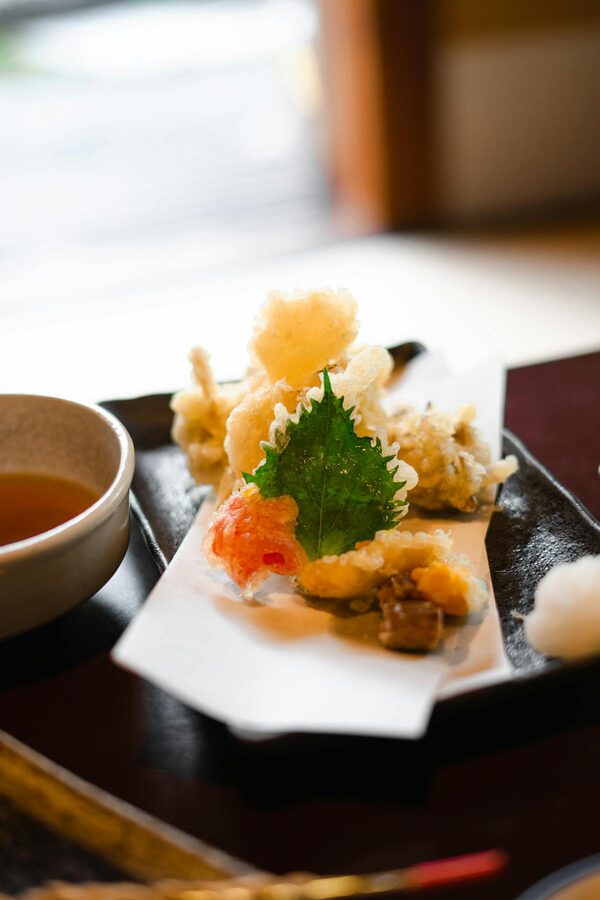
Vegetable tempura. When made with a proper vegan batter (no egg) and fried in clean oil, Japanese vegetable tempura is extraordinary. Sweet potato, shiso leaf, lotus root, kabocha pumpkin, eggplant, and green beans — each one shattered-crispy on the outside and tender inside. The dipping sauce is the thing to watch. On vegan tours, they use a soy-based tentsuyu without bonito.
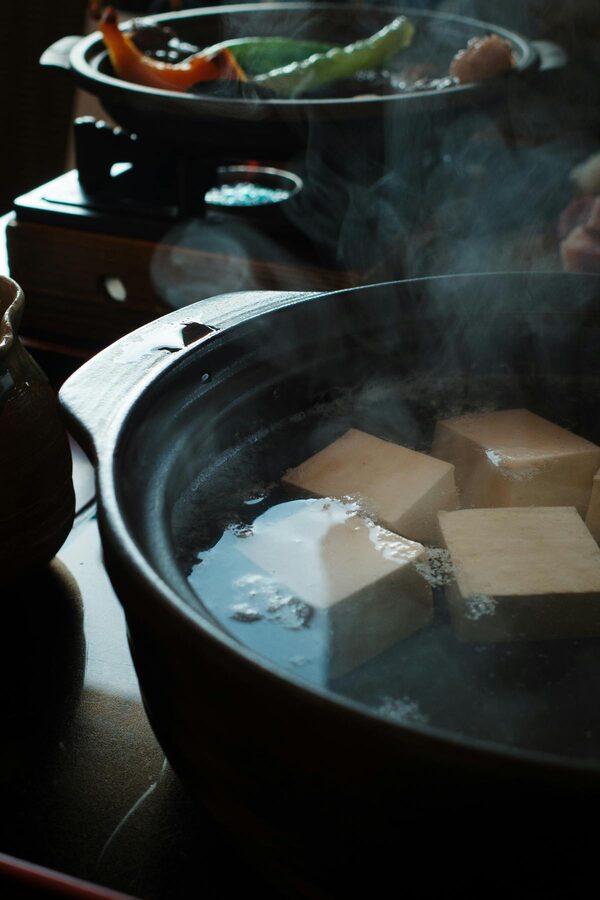
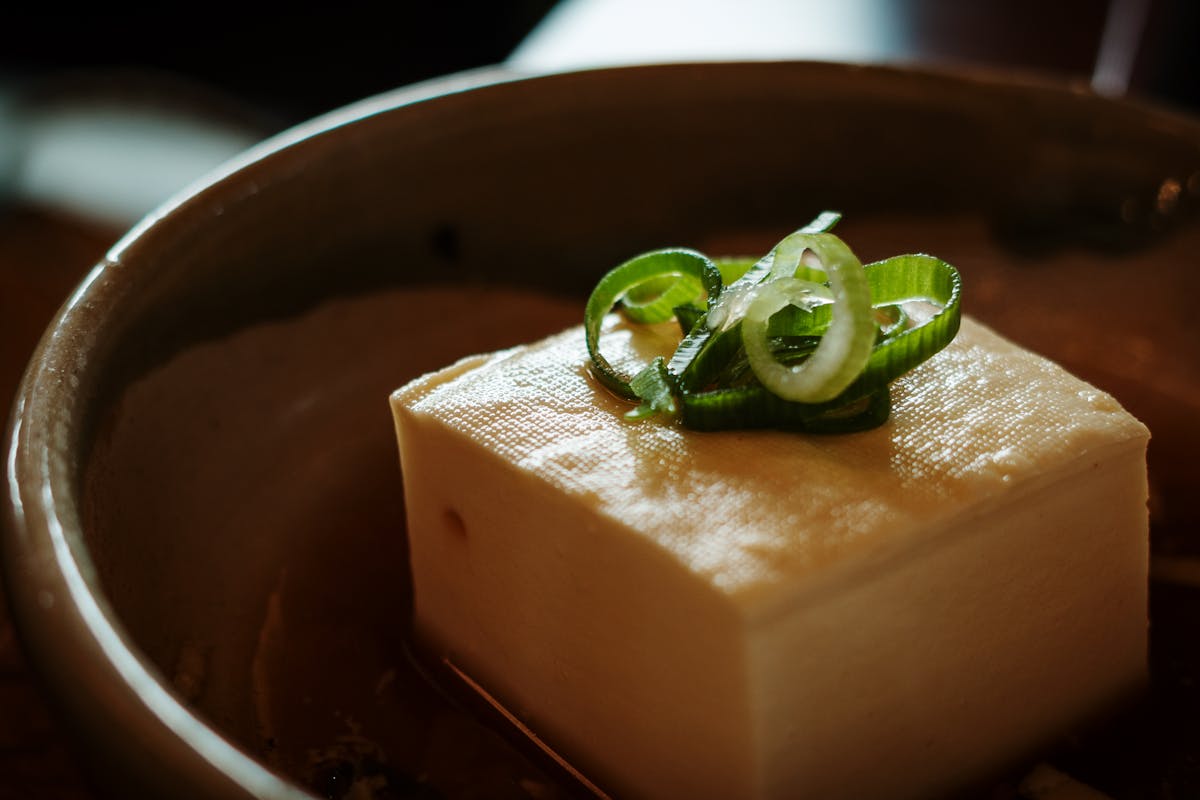
Tofu in its many forms. Fresh silken tofu served cold with ginger and soy sauce. Grilled tofu with miso glaze. Agedashi tofu (lightly fried, but check the broth — vegan tours use kombu-only). Yuba, which is the skin that forms on top of heated soy milk and has a completely unique texture. If you think you don’t like tofu, Japanese tofu will change your mind. The quality difference is enormous.
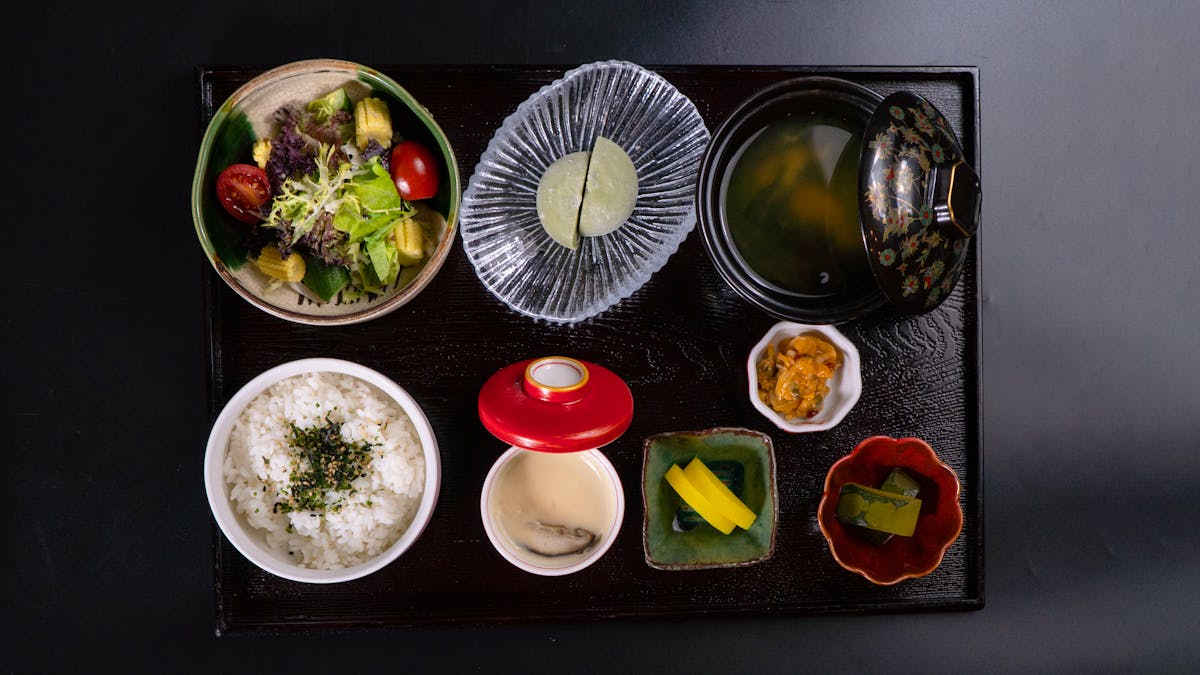
Onigiri and inari sushi. Rice balls wrapped in nori with umeboshi (pickled plum), kombu, or vegetable fillings are naturally vegan. Inari sushi — rice stuffed inside sweet, marinated tofu pouches — is another safe staple and surprisingly satisfying.
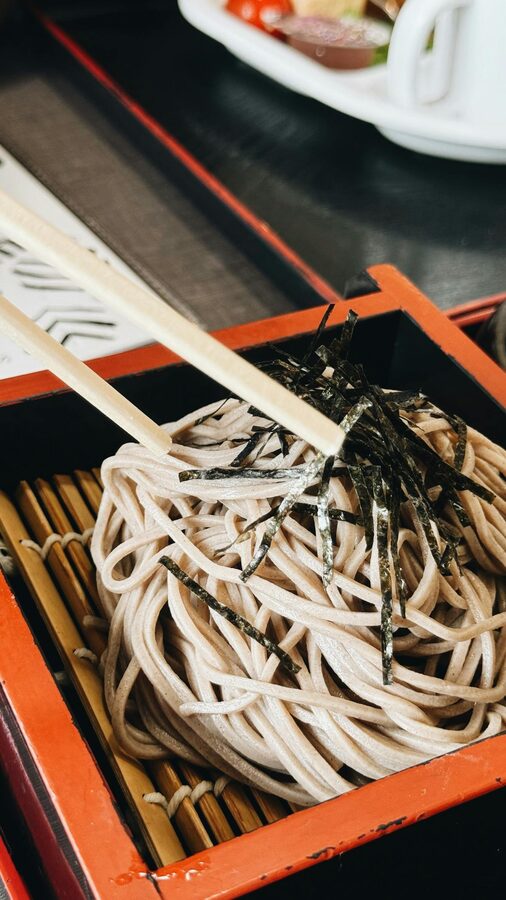
Japanese pickles (tsukemono). Practically every vegetable in Japan gets pickled at some point. Radish, cucumber, eggplant, ginger, plum — the variety is staggering and they’re all vegan. On a food tour, these show up as accompaniments at almost every stop.
Wagashi (traditional sweets). Many Japanese sweets are naturally vegan. Mochi (rice cakes), dango (sweet rice dumplings), and most types of manjuu (bean paste-filled buns) use no animal products. The one to watch out for is castella cake, which contains eggs. Your guide will know which ones are safe.
Cooking Classes: The Best Vegan Option Nobody Talks About
Here’s something I wish someone had told me before my first trip to Japan as a vegan: cooking classes are often a better use of your money than food tours. Controversial, I know. But hear me out.
On a food tour, you eat for three hours and then it’s over. In a cooking class, you learn techniques and recipes you can use for years. The ramen cooking classes in particular are incredible for vegans because you learn to build complex broth from scratch — mushroom dashi, soy milk bases, miso variations. Once you understand the building blocks, you can cook Japanese food at home without worrying about hidden animal products because you made everything yourself.
The vegan ramen class with a pro chef (Post ID 126732 in our database, 107 reviews, perfect 5.0) specifically offers a vegan option and teaches the same fundamental techniques as the regular class. At $102, it’s competitive with the food tours and gives you something more lasting than a full stomach.
For something different, the sushi-making classes with vegan options teach you that sushi rice — properly seasoned with rice vinegar, sugar, and salt — is the real star. The toppings are almost secondary once you nail the rice. Vegetable sushi made with proper rice technique is legitimately better than mediocre fish sushi made with bad rice. That’s not a vegan cope. It’s just true.
When to Go
The vegan food tours run year-round, but timing matters for comfort and availability.
Best months: March through May and October through November. Spring and autumn give you mild temperatures for walking between restaurants. Summer (July-August) in Tokyo is genuinely miserable — 35 degrees with thick humidity. You can do a food tour in summer, but you’ll be sweating between stops and the heat kills your appetite, which defeats the purpose.
Best days: Tuesday through Thursday. Fewer travellers mean smaller groups and a more relaxed pace. Some of the vegan restaurants on tour routes are closed on Mondays, so avoid that. Weekends are busier and some small vegan spots hit capacity early.
Booking lead time: The dedicated vegan tours have smaller group sizes than standard food tours, which means they book out faster. For the Vegan Night Foodie Tour especially, book at least a week ahead during peak season (March-May, October-November). The cooking classes are slightly easier to get but still benefit from advance booking.
Time of day: Evening tours (starting 5:30-6:30 PM) are the main event. The daytime vegan tour is a solid alternative if evenings are packed. Cooking classes usually run in the morning or early afternoon, making them easy to pair with an evening food tour on the same day if you’re ambitious about your eating schedule.
Getting to the Meeting Points
Most Tokyo food tours meet near major train stations. For the Shinjuku-area tours, the meeting point is typically the West Exit of Shinjuku Station. For the Shibuya-based classes and tours, you’ll meet near Shibuya Station’s Hachiko Exit.
From anywhere in Tokyo: The JR Yamanote Line connects all major stations in a loop. Shinjuku and Shibuya are one stop apart. Getting to either from Tokyo Station, Asakusa, Ueno, or Ikebukuro is straightforward — just ride the Yamanote Line in the correct direction.
The station navigation problem: Shinjuku Station has over 200 exits and handles 3.5 million people daily. Arrive 15 minutes early. Use Google Maps indoor navigation (it works in Tokyo stations) and aim for the West Exit specifically. If you come out the wrong exit, you could be a 10-minute walk from where you need to be.
From Narita Airport: Narita Express (N’EX) runs direct to Shinjuku, about 80-90 minutes. Don’t book a food tour for the same evening you land. Jet lag and three hours of eating is a combination your stomach will not forgive.
Tips for Vegan travellers in Tokyo
Convenience stores are surprisingly useful. 7-Eleven, Lawson, and FamilyMart are on every corner in Tokyo. They sell onigiri (check the filling — umeboshi/plum, kombu/seaweed, and natto are vegan), edamame, mixed salads, and surprisingly good inari sushi. Not gourmet, but reliable when you need something quick at 11 PM.
Combini rice balls are labeled. Japanese convenience store food has ingredient lists in Japanese. Use Google Translate’s camera to scan them. Takes five seconds and saves you from accidentally eating bonito-filled onigiri.
Depachika (department store basements) are goldmines. The basement food halls of department stores like Isetan in Shinjuku have prepared food sections where you can see exactly what you’re buying. Vegetable sushi, pickled vegetables, tofu dishes, and fruit are all clearly visible. Point, buy, eat.
Don’t assume “vegetable” means vegetarian. Yasai (vegetable) in a dish name just means vegetables are involved. Yasai itame (stir-fried vegetables) is almost certainly cooked with oyster sauce or dashi. Yasai curry might use beef stock. Always ask or check, never assume.
Bring your own soy sauce. This sounds paranoid but it’s practical. Many restaurants serve their soy sauce blended with dashi. Carrying a small bottle of plain shoyu or tamari means you always have a vegan dipping sauce. Muji stores in Tokyo sell travel-sized bottles perfect for this.
Learn to love konbini natto. Fermented soybeans. An acquired taste, absolutely. Most Westerners hate it on first try. But it’s dirt cheap (about 100 yen for three packs), high in protein, always vegan, and available literally everywhere. Mix it with the included sauce and mustard, put it on rice, and you have a nutritious breakfast for under $1. Give it three tries before you write it off.
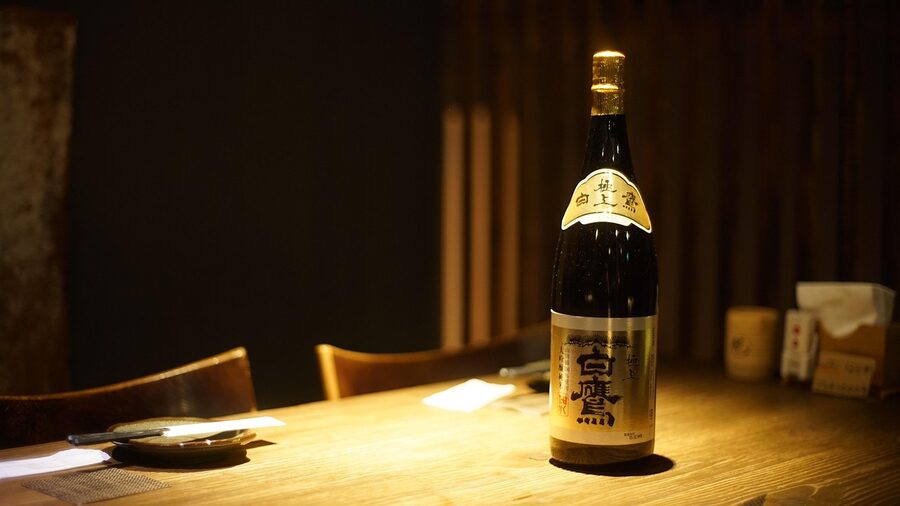
Sake is vegan. Just rice, water, koji, and yeast. Beer in Japan is also almost always vegan (no isinglass fining like some European beers). Shochu (distilled spirit) is vegan too. So while eating plant-based in Japan can be tricky, drinking plant-based is easy. The sake tasting experiences in Kyoto and Tokyo bar-hopping tours are both fully vegan-friendly activities.
Beyond Shinjuku: Other Vegan-Friendly Experiences in Japan
A vegan food tour in Tokyo is a great starting point, but Japan has more to offer plant-based travellers than most people realize.
If you’re heading to Osaka, the Osaka food tour scene is growing fast, and the city’s street food culture makes it slightly easier to eat vegan — you can see what’s being cooked and ask questions on the spot. The vegetarian sushi cooking class in Osaka (130 reviews, 4.9 rating) is one of the highest-rated vegan-friendly experiences in all of Japan.
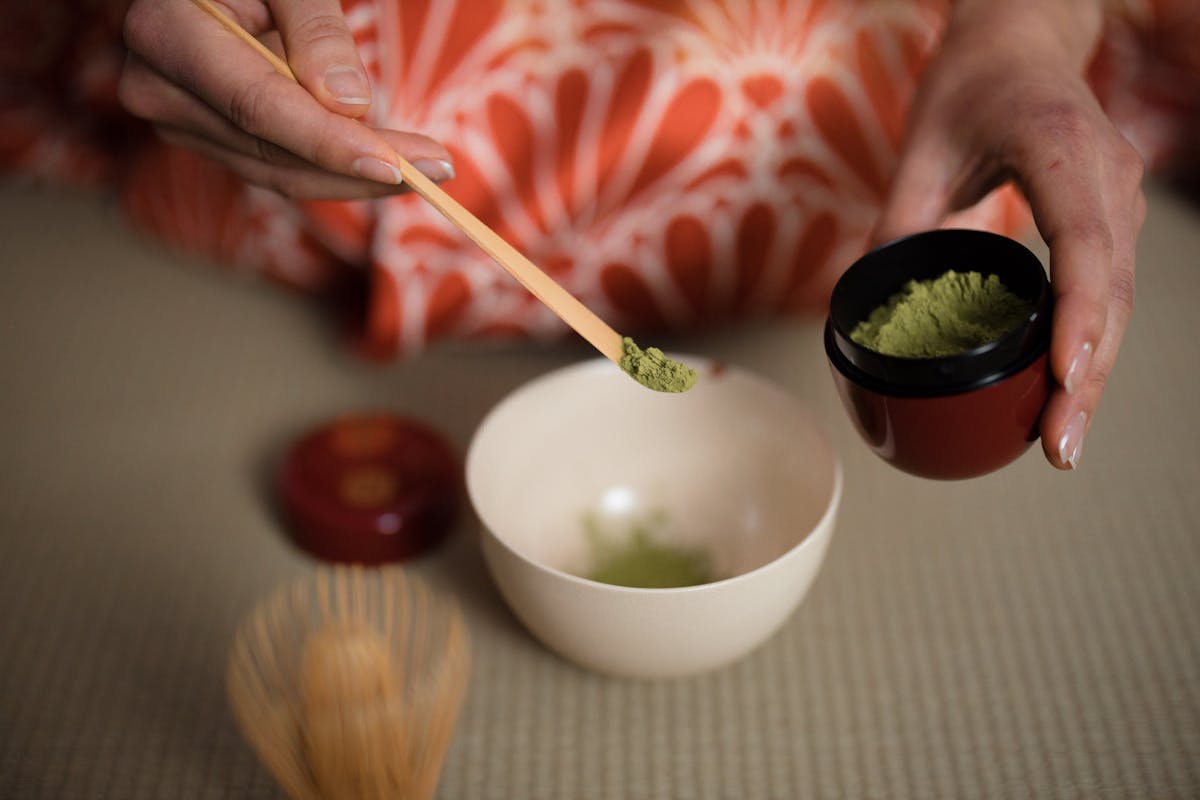
Kyoto is arguably the best city in Japan for vegans thanks to its Buddhist temple heritage. The tea ceremony experiences are naturally vegan — matcha and wagashi sweets, no animal products in sight. It’s one of those rare activities where you don’t have to worry about ingredients at all, and the cultural depth is extraordinary.
For a completely different vibe, the Tokyo cooking classes beyond ramen and sushi sometimes offer vegan Japanese home cooking — things like vegetable curry, miso-based stews, and Japanese salads with sesame dressings. These home-style dishes are what Japanese vegans actually eat day-to-day, which is far more practical knowledge than learning to make restaurant-quality ramen.
And if you want to get out of the kitchen entirely, the Asakusa rickshaw tours and Tsukiji market tours (yes, even the fish market has some vegan-friendly stalls — tamagoyaki excluded, but the fruit and pickle vendors are safe) round out a solid Tokyo itinerary.
Planning the Rest of Your Tokyo Trip
Beyond food, Tokyo has plenty to fill your days. The teamLab Planets experience is worth a half-day — the vegan ramen shop by Soranoiro right inside the museum complex is a nice bonus. The sumo shows running nightly in Shinjuku are something you genuinely cannot get anywhere else. For getting around the city, the hop-on hop-off bus covers the major landmarks without wearing out your feet.
And if you want a day outside the city, the Mt. Fuji and Hakone day trip is the classic choice. For more food options, the Shinjuku food tour guide breaks down the standard options in case you are traveling with meat-eaters, and the Osaka food tours cover a city that is increasingly friendly to vegan travellers.
This article contains affiliate links to tours and activities. If you book through these links, we may earn a small commission at no extra cost to you. This helps us keep writing detailed booking guides like this one.