A tasting of 12 or more Japanese whiskies in a private speakeasy is a fine way to meet the country’s whisky story glass by glass. This two-hour session ranges from rare 1960s to 1980s bottles and long-closed distilleries to the modern craft scene, with a special Collector’s Dram along the way.
I like two things in particular: the chance to compare big names such as Suntory and Nikka with newer makers like Ichiro’s Malt, and the practical lessons on authenticity, Mizunara oak, and Japan’s 2024 whisky laws. You also get a welcome highball and handmade maps and local guides to take home.
One consideration: at $183.95 or more, this is a serious tasting, not an inexpensive first sip of Japanese whisky. The value depends on your interest in rare bottles and guided context, and alcohol is served, so the 20-plus age rule applies.
- What to know before you book
- A private speakeasy above Bar C Shell
- A tasting that moves through whisky history
- Comparing Suntory, Nikka, and modern craft makers
- Learning to spot fakes and understand Mizunara
- Is the price worth it?
- Making the most of two hours in Arakicho
- Who should book this tasting?
- FAQ
- How many whiskies are included?
- Where does the tasting take place?
- What time can I book?
- Is the tasting conducted in English?
- What is included in the price?
- How old do I have to be to take part?
- Can I cancel or change my booking?
- The Best Of Tokyo!
- More Tours in Tokyo
- More Tour Reviews in Tokyo
- Not for you? Here's more nearby things to do in Tokyo we have reviewed
What to know before you book
 1 / 8
 2 / 8
 3 / 8
 4 / 8
 5 / 8
 6 / 8
 7 / 8
 8 / 8
- A dozen or more pours in two hours: Expect a focused tasting, not a leisurely evening that stretches on.
- Rare bottles are central to the session: The selection may include 1960s to 1980s vintages and whiskies from Karuizawa, Hanyu, and mothballed Mars distilleries.
- One special pour is set aside: The Collector’s Dram is described as a super-premium whisky rarely found in public bars.
- The tasting covers old and new Japan: Compare Suntory and Nikka with modern craft whisky, including Ichiro’s Malt.
- The setting is a speakeasy in Shinjuku: Find the second-floor space above Bar C Shell at Wind Arakicho.
- Practical takeaways are part of the visit: The host discusses whisky authenticity and Mizunara oak, and provides handmade maps and local guides.

👉 See our pick of the 25 Best Guided Tours In Tokyo
A private speakeasy above Bar C Shell
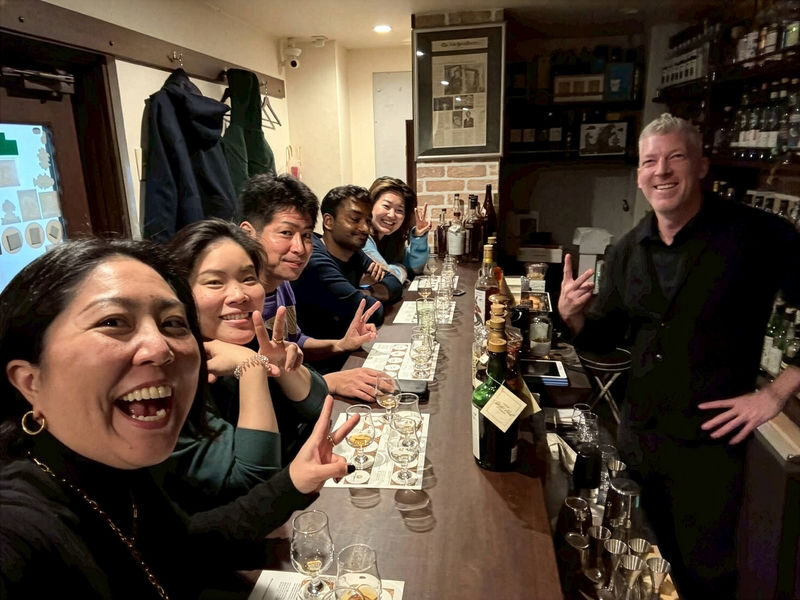
The tasting takes place on the second floor of Wind Arakicho, at 7-6 Arakicho in Shinjuku. The host uses a speakeasy above Bar C Shell for these private sessions. The entrance to the stairs is directly to the right of Bar C Shell’s door, and the speakeasy is to your left on the second floor.
This is a tasting in one location, rather than a walking tour between bars or distilleries. That has a practical benefit: the two hours are devoted to the whiskies and the conversation, not travel time. Transport to the venue is not included, so plan your own route.
The nearest stations listed are Yotsuya-Sanchome, Akebonobashi, and Yotsuya. Arrive 10 minutes before your selected start time, either 13:00 or 15:30. The venue is in central Tokyo, but the Shinjuku address is worth checking carefully before you set off. The session’s meeting instructions say to go upstairs, not to wait outside for a guide.
You can also read our reviews of more tours and experiences in Tokyo.


A tasting that moves through whisky history
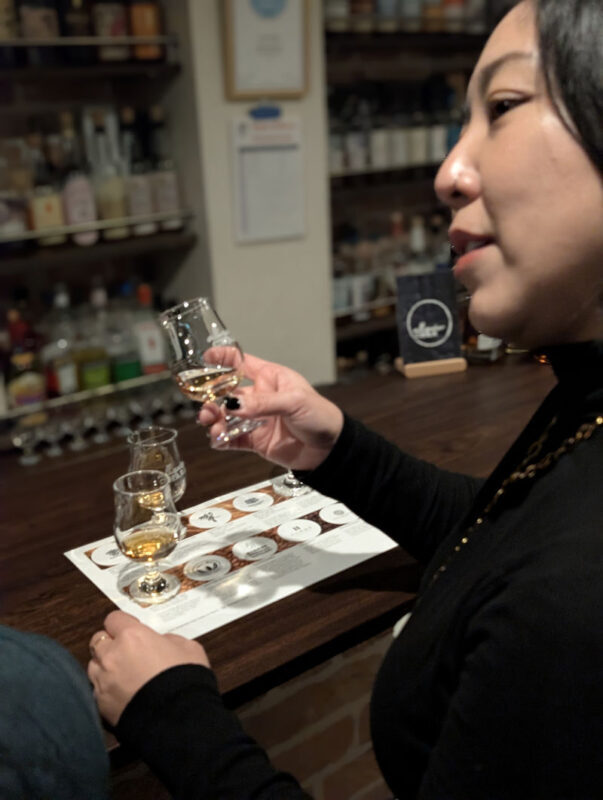
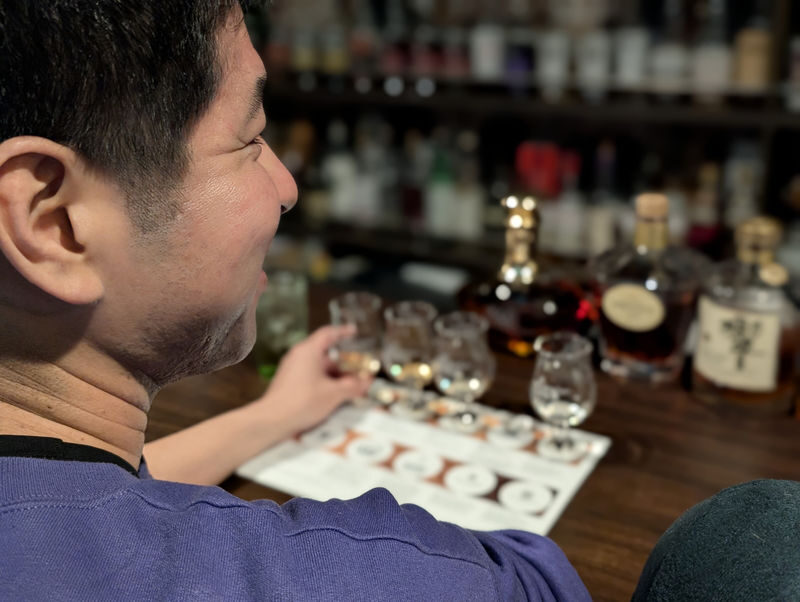
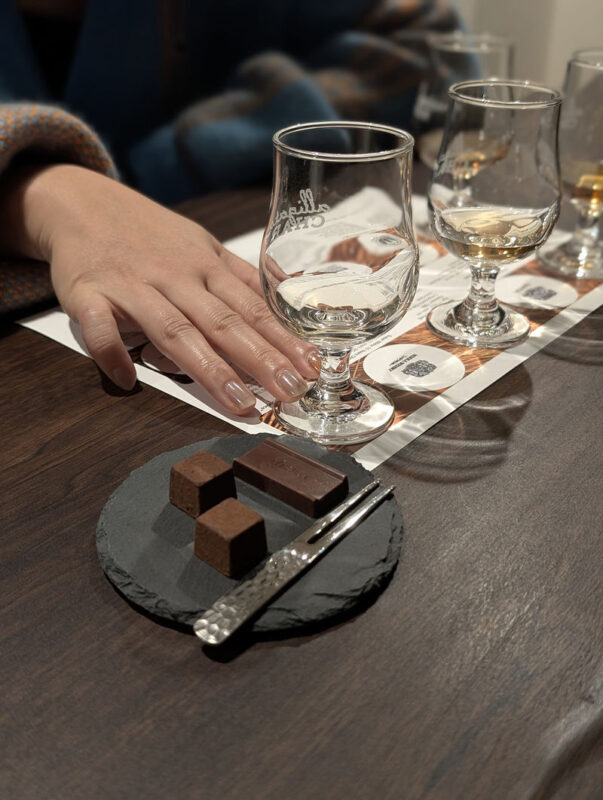
The central appeal is the range. You are not simply sampling a flight of current Japanese labels: the host draws from a personal collection to tell a broader story, from established producers to bottles associated with distilleries that have closed or stopped operating.
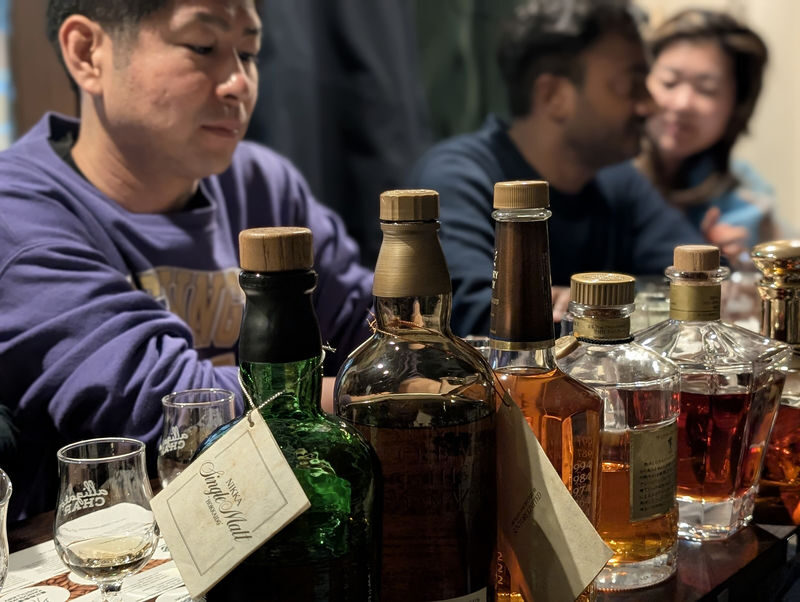
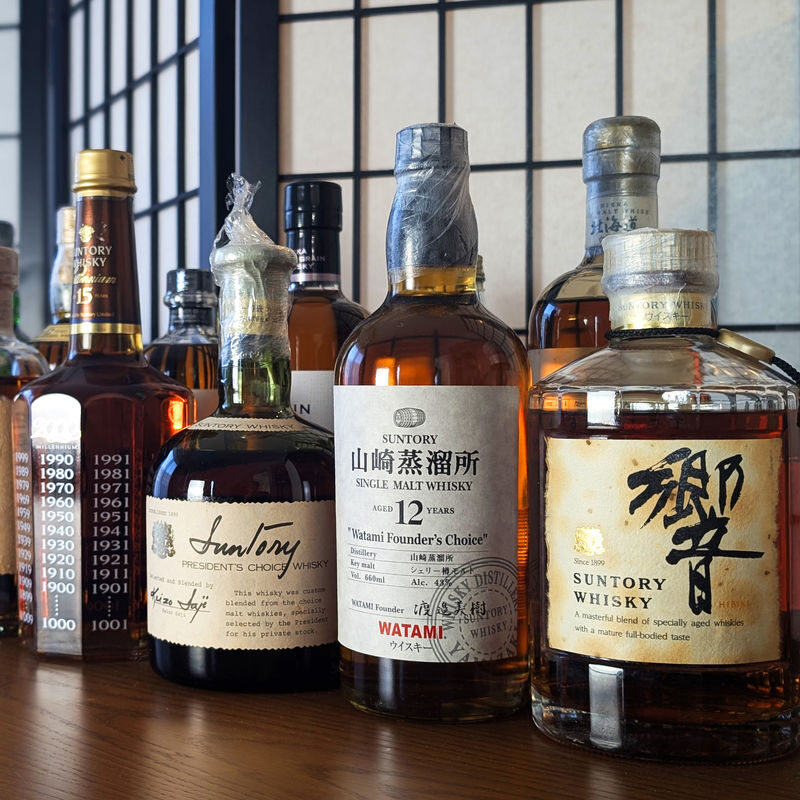
The older pours may include vintages from the 1960s through the 1980s. Bottles from Karuizawa and Hanyu, along with whiskies from mothballed Mars distilleries, offer a chance to taste examples that are scarce in ordinary bars. The exact bottles can vary, so treat these as the tasting’s focus rather than a guaranteed checklist of every label.
That distinction matters when you book. Rare whisky is more than a novelty pour; it gives the host a way to discuss how Japanese whisky has changed over time. You can ask what a bottle says about its distillery, its age, or the period in which it was made. If you already know the basics, these older expressions give the session its collector’s appeal. If you are new to whisky, they can put familiar labels in a wider context.
The tasting also includes a super-premium Collector’s Dram, described as a pour rarely available in public bars. There is no specific bottle or age promised, so do not book expecting one named whisky. Think of it as a chance to try something exceptional within a guided tasting, with the host explaining why it has a place in the lineup.
Comparing Suntory, Nikka, and modern craft makers
The session is built to connect the famous names with the newer wave of Japanese whisky. Suntory and Nikka are described as foundational giants, while Ichiro’s Malt represents the craft boom. That side-by-side approach is useful because it gives you a frame of reference: rather than tasting a string of rare bottles in isolation, you can consider how styles and producers fit into the wider story.
A strong tasting host makes these comparisons clear without turning the session into a lecture. Here, the English-speaking host provides historical and contextual guidance, and the tasting is presented as tailored to your interests, from basic understanding to rare-flavour hunting. The format gives you room to ask questions as you go, though no specific group size or set question period is stated.
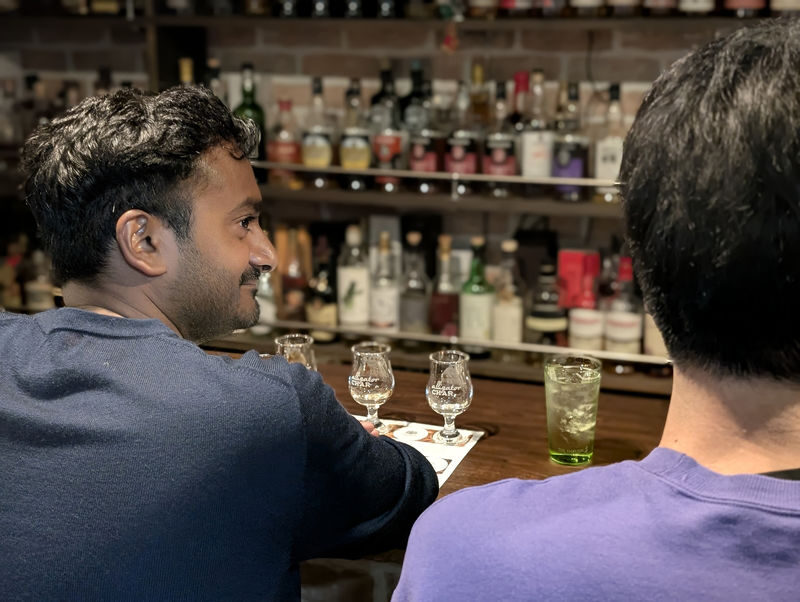
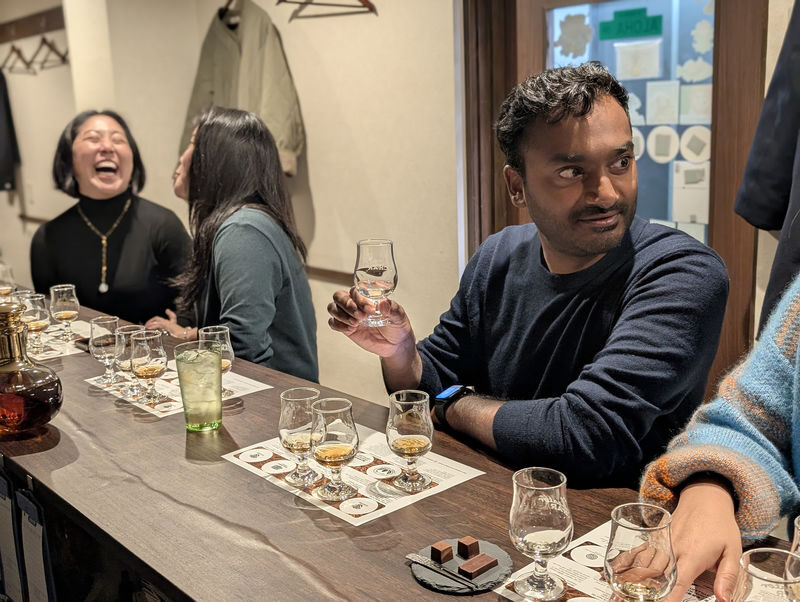
The welcome highball offers a familiar, easy start before the more focused pours. After that, the session is about tasting and discussion. With 12 or more drams in two hours, the pace is brisk: take your time with each glass, listen to the guidance, and remember that you do not need to treat the number of pours as a challenge. This is an educational tasting, not a drinking contest.
Learning to spot fakes and understand Mizunara
Some of the most useful material may be less glamorous than the rare-bottle list. The host discusses how to identify whisky authenticity, the role of Mizunara oak, and Japan’s 2024 whisky laws. Those topics can help you understand what you are buying later, not just what is in your glass today.
Authenticity is especially relevant when rare bottles command high prices. Learning what to look for gives you a more informed starting point, though a tasting lesson is not a guarantee against fraud. Similarly, a discussion of Mizunara can help explain why Japanese oak is part of the whisky conversation, rather than leaving you with a label name and a vague impression.
The session’s educational angle is one reason it suits both curious beginners and collectors. A newcomer can use the context to make sense of unfamiliar distilleries and styles. Someone with more experience can focus on the unusual bottles and ask more detailed questions. You do not need to arrive with a whisky vocabulary; the host’s role is to supply context as the tasting unfolds.
Is the price worth it?
The starting price is $183.95 for a two-hour session. That is a substantial outlay for an evening activity, but the comparison should be with a premium guided tasting, not a standard bar tab. The price covers admission, an English-speaking host, the selected alcoholic drinks, and a welcome gift. A Collector’s Dram and access to rare vintages are part of the experience’s stated appeal.
Value will depend on what you want from Tokyo. If your priority is tasting several hard-to-find Japanese whiskies with someone who can explain their place in the country’s whisky history, the price may make sense. The session combines guided context with bottles that are not presented as everyday bar pours. If you mainly want a casual drink or a general introduction to Japanese spirits, this may be more tasting than you need.
The two published ratings are both five stars, with praise focused on historical context, expert guidance, the range from early major producers to craft distilleries, and perceived value. That is encouraging, but the sample is very small, so use it as a helpful signal rather than a broad guarantee. The strongest reason to book is the specific format and bottle range, not the score alone.





Making the most of two hours in Arakicho
Arrive with a little time to spare, especially if you are unfamiliar with the neighborhood. The venue is on the second floor of a speakeasy space above Bar C Shell, and the directions are specific: use the stairs immediately to the right of the bar’s door, then enter the space on the left. The door is meant to be open for the session.
You can choose a 13:00 or 15:30 start when booking. The return time depends on that choice, with listed options of 15:00 or 17:30. The schedule can change with traffic and weather, though this is a single-venue tasting and no transport is included. Confirm the selected time and arrive 10 minutes early.
Bring valid identification. Japan’s legal drinking age is 20, and participants must be at least 20 to take part. Children aged 0 to 2 may enter free, but this is an alcohol-focused activity, so it is not designed as a family outing. Outside food and drinks are not allowed.
Your voucher is mobile and valid only for the date and time booked. Changes are allowed up to 24 hours before the activity, subject to stated exceptions, and cancelling at least 24 hours before the activity date brings a full refund. Those rules are worth checking before you buy, particularly if you are booking through a pass or promotional offer.
The host also provides handmade maps and local guides to take home. They are a useful parting extra if you want to keep exploring Tokyo after the tasting, though transport and other personal expenses are your responsibility. Tips are not included.
Who should book this tasting?
Book it if Japanese whisky is a real interest, or if you want one carefully guided, high-end tasting during a Tokyo stay. The lineup’s mix of old vintages, closed distilleries, major producers, and craft labels makes it especially appealing to people who want more than a quick flight of familiar bottles.
It also works for a curious newcomer who wants a structured introduction and appreciates the chance to ask questions. The host’s explanations of authenticity, oak, and whisky rules give the session practical value beyond the glasses themselves.
Skip it if you are looking for a low-cost drink, a broad food-and-drink tour, or a casual stop with no interest in whisky’s details. At this price, the best reason to go is the combination of rare pours and informed explanation. If that sounds like your kind of Tokyo evening, the speakeasy setting and two-hour format make for a focused, memorable choice.
Premium Japanese Whisky Omakase
“Very knowledgeable in both history and context of Japanese whiskies. Enjoyable experience!”
FAQ
How many whiskies are included?
The tasting includes 12 or more drams over two hours. The exact selection can vary.
Where does the tasting take place?
It is held in a speakeasy on the second floor of Wind Arakicho, above Bar C Shell, at 7-6 Arakicho, Shinjuku City, Tokyo.
What time can I book?
The listed start times are 13:00 and 15:30. Choose your time when booking and arrive 10 minutes early.
Is the tasting conducted in English?
Yes. English-speaking staff are included.
What is included in the price?
Admission, selected drinks or alcohol, English-speaking staff, and a welcome gift are included. Transport, personal expenses, and tips are not.
How old do I have to be to take part?
Participants must be at least 20, and you should bring valid ID. Children aged 0 to 2 can enter free of charge.
Can I cancel or change my booking?
A full refund is available if you cancel at least 24 hours before the activity date. Changes are allowed until 24 hours before the start, with stated exceptions for some bookings.