Broken pottery gets a second life here, with its cracks turned into part of the design. In this 90-minute workshop, you work on a plate prepared by the studio, using resin and ornamental gold powder to create a piece for display. It is hands-on craft, not a demonstration from the sidelines.
I like two things in particular: you leave with a one-of-a-kind plate, and the process offers a focused, low-key break from Tokyo’s faster attractions. The instructors give step-by-step help, and you can choose a straightforward beginner course or a more varied Yobitsugi option. One important caveat: this short class uses modern substitutes, not traditional lacquer, and the finished plate is not safe for serving food.
- Kintsugi workshop highlights
- What the workshop teaches, and what it does not
- From the studio introduction to your gold line
- Edo Komon or Yobitsugi?
- Is the price worth it?
- Getting to the studio and planning your visit
- Who will enjoy this class most?
- Should you book the Tokyo kintsugi workshop?
- FAQ
- How long is the kintsugi workshop?
- What materials does the class use?
- Can I bring a broken ceramic item from home?
- Is the finished plate safe for serving food?
- What are the course options?
- Is the class taught in English?
- Where does the workshop meet?
- What is the minimum age?
- What is included in the price?
- The Best Of Tokyo!
- More Workshops & Classes in Tokyo
- More Tours in Tokyo
- More Tour Reviews in Tokyo
- Not for you? Here's more nearby things to do in Tokyo we have reviewed
Kintsugi workshop highlights
 1 / 8
 2 / 8
 3 / 8
 4 / 8
 5 / 8
 6 / 8
 7 / 8
 8 / 8
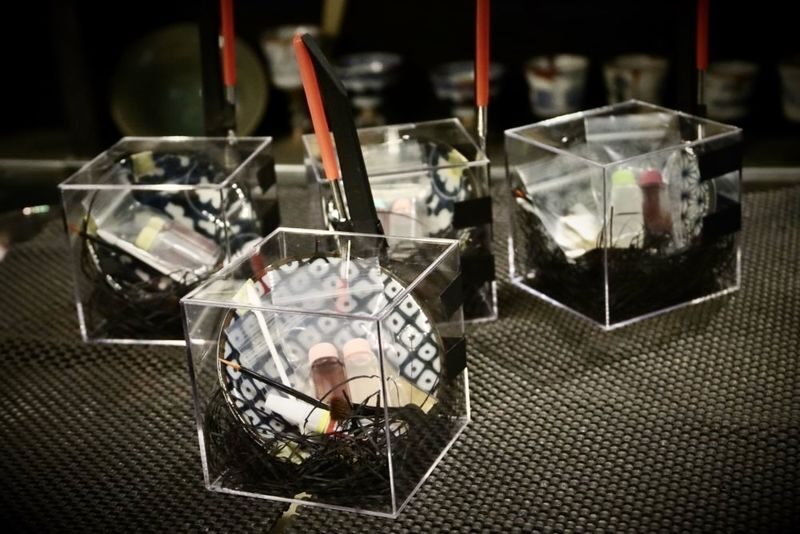
- Make a plate, not just a study of the craft: You work with a ceramic piece supplied by the studio and take your finished creation home.
- Choose your level: The Edo Komon plate is the beginner option; Yobitsugi combines materials from different pieces and uses more varied techniques.
- Use modern, safer materials: The 90-minute class uses synthetic resin glue, substitute lacquer, and substitute gold, avoiding the poisoning risk associated with traditional lacquer.
- Get step-by-step guidance: English-speaking staff demonstrate the process and offer individual help as you work.
- Plan for an ornamental keepsake: The finished piece is for display, not food service, and the studio provides protective packaging.
- Check the location carefully: The information gives both O.G. Building and a Minami-Aoyama studio address, so confirm the exact meeting point before setting out.

👉 See our pick of the 25 Best Guided Tours In Tokyo
What the workshop teaches, and what it does not
Kintsugi is the Japanese art of repairing broken ceramics and making the repair visible. Instead of hiding the cracks, the technique highlights them with a line of gold. The result can look less like a repaired object and more like a new design built around its history.
That idea is part of the appeal. You are not trying to make a factory-perfect plate. You are learning to work carefully with a break, following the line and turning it into a feature. It is a small, tangible way to encounter an aesthetic that finds beauty in repair and change.
Keep the scale of the class in mind, though. The 90-minute session uses synthetic resin glue, substitute lacquer, and substitute gold powder. It follows the basic idea and steps of kintsugi, but it is not the full traditional process with natural lacquer and real gold. That distinction matters if you are booking to learn an enduring studio practice. It matters less if your aim is a practical introduction and a memorable piece to take home.
The substitute materials also make this format more suitable for a short public workshop. The studio says there is no need to worry about lacquer poisoning. Still, the finished plate is ornamental only, so do not plan to serve food on it.
You can also read our reviews of more tours and experiences in Tokyo


From the studio introduction to your gold line
The workshop is led by English-speaking staff in an atelier dedicated to kintsugi. The space also displays larger, more intricate pieces made by Master Taku Nakano. You may see him working in the studio, but do not assume he will personally teach your session. Several participants describe an instructor or assistant leading the class while Nakano is present or represented through his work and an introduction.
The first part sets the scene: you learn what kintsugi is and how the repair is made. Some sessions include an explanation of the history and philosophy, and an introductory presentation about Nakano’s work. The amount of direct time with the master can vary. If meeting or learning from him is central to your plans, treat that as a possibility, not a promise.
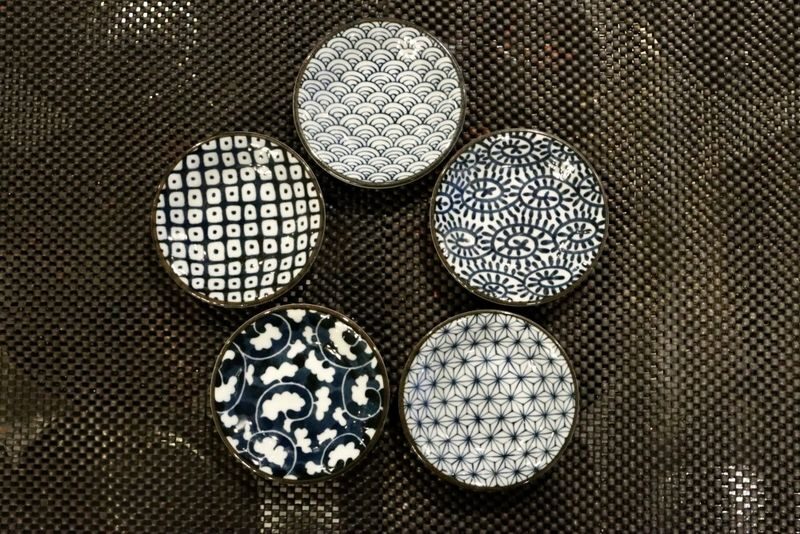
Next, you work on a plate supplied by the studio. Personal ceramic pieces are not allowed. That rule may disappoint anyone hoping to fix a family heirloom, but it makes sense for a brief class: delicate repairs take practice, and the prepared beginner plates give everyone a suitable starting point.
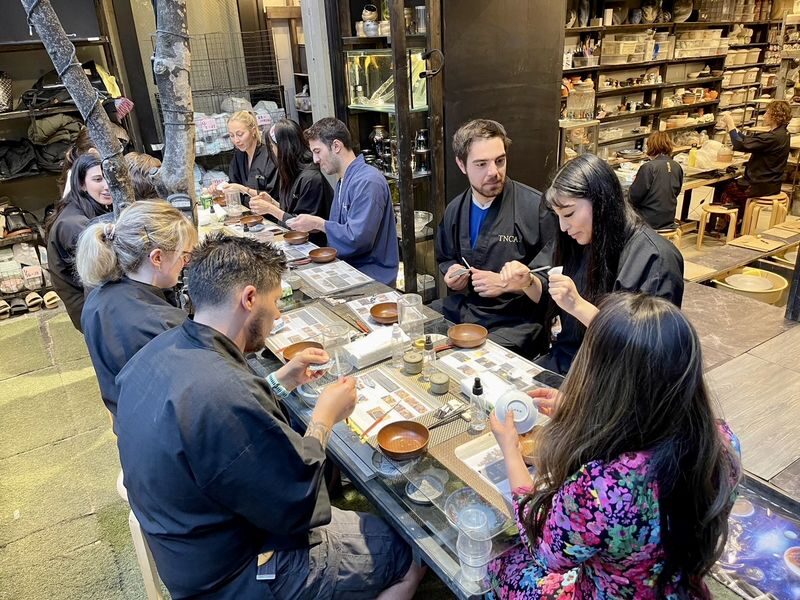
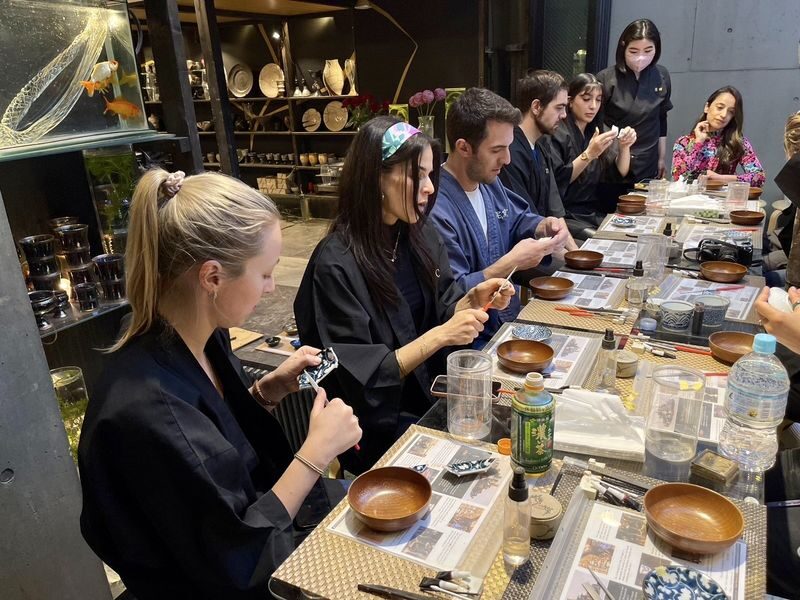
The instructor demonstrates each stage and helps you follow along. The tools, adhesives, and other materials are included, so you do not need to bring craft supplies. The process rewards a steady hand and patience more than prior artistic skill. You can ask for help as you go, and instructors are described as giving individual attention, including when a participant has difficulty with a step.
The final stage brings the repair into focus with ornamental gold powder. The gold line is what makes the work recognizably kintsugi, and also where a little care goes a long way. You are making an art object, not racing to finish first. The class is designed to be completed in one session, and you can take the plate home that day.
The supplied information describes the class as 90 minutes, but does not give a step-by-step timetable. I would arrive ready to listen, work at a measured pace, and let the instructor set the rhythm. Participants have found the session calm and meditative, though a noisy or distracted group can slow the lesson. Group size is usually two to eight; larger groups can be arranged by contacting the operator.
Edo Komon or Yobitsugi?
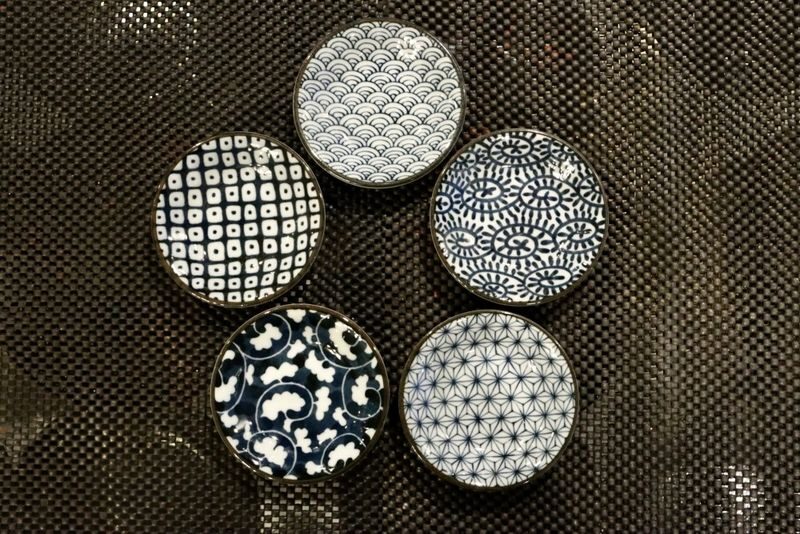
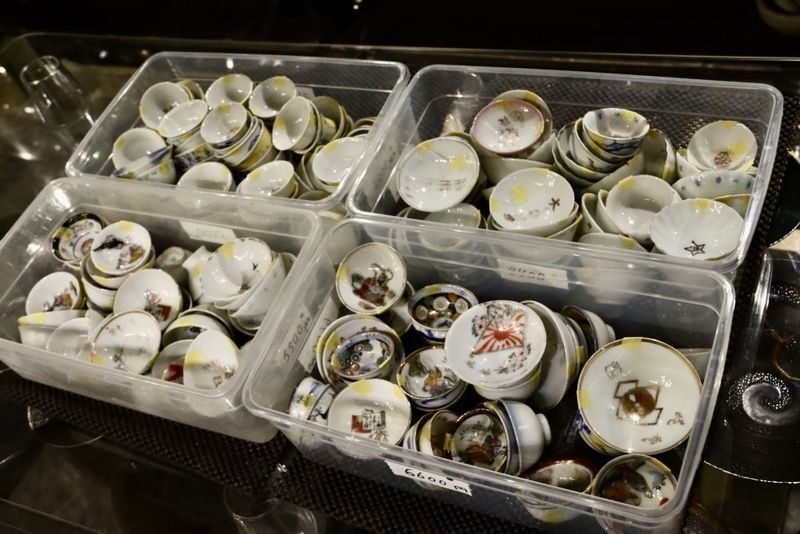
The Standard Edo Komon Plate Course is the beginner choice and the option best suited to a first encounter with kintsugi. You work on a small plate prepared for the class and learn the basic process. If you want a clear introduction without having to make many decisions about materials, start here.
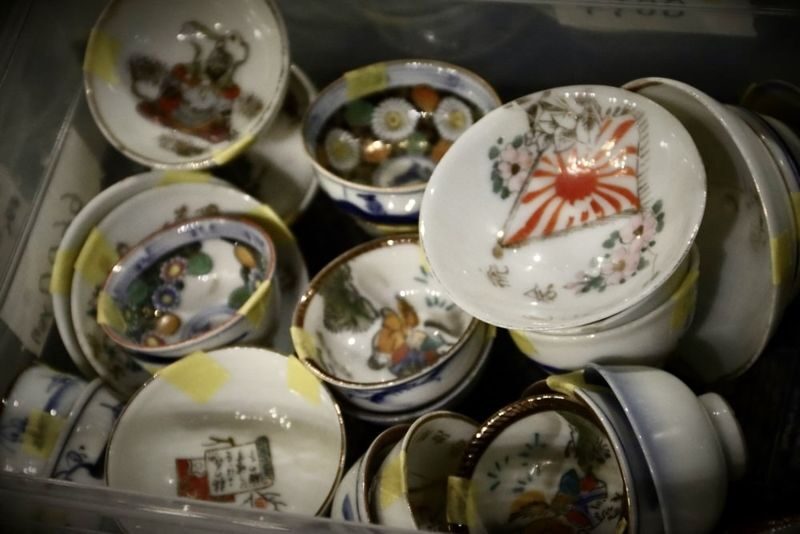
The Yobitsugi Course is the more advanced option. It uses varied techniques and combines materials from different pieces. That added variety may appeal if you already have some interest in ceramic repair or want a more complex design, but the course details provided here do not spell out exactly how the two sessions differ in timing or materials. Check the product photos and package information before booking.
Neither course lets you bring your own broken pottery. That is worth repeating if you are carrying a chipped bowl around Tokyo with a hopeful look in your eye. The studio provides the ceramic pieces for the workshop.
Is the price worth it?
The listed starting price is $62.55, and the same fee applies to all ages. For that, you get the course, a small plate, tools, materials, English-speaking staff, and a finished object you can take home. Transport, meals, and drinks are not included.
I see the value in the combination of instruction and keepsake. You are not paying only for a plate; you are paying for a guided introduction to a distinctive craft, the chance to make something yourself, and a souvenir with a story behind it. Protective packaging is provided, and participants have also described receiving a case that can help protect and display the finished piece. That is useful if you have more sightseeing ahead or need to pack it for a flight.
The cost may feel high if you are comparing it with a simple craft activity or expecting a full course in traditional lacquer work. This is a short, introductory session using substitute materials. It makes the most sense if you value the hands-on process and would enjoy displaying your work at home. If you mainly want to watch a master artisan, or need a functional plate for everyday meals, choose something else.
Getting to the studio and planning your visit
There is a location detail to resolve before you go. The experience is described as being in the O.G. Building, while the meet-up information also gives TNCA☆ Minami-Aoyama Studio, 3-8-2 Minami Aoyama, Minato-ku, Tokyo. It says the studio is a six-minute walk from Omotesando subway station and five minutes from Gaienmae station. Since those details do not match neatly, confirm the exact address and map pin on your voucher before leaving. The entrance can be a little hard to spot, so give yourself time to check the building rather than arriving at the last minute.
The studio is listed as open Monday, Wednesday, Thursday, and Friday from 1 pm to 9 pm, and Tuesday, Saturday, Sunday, and public holidays from 11 am to 7 pm. These are opening hours, not a promise that a class starts at every hour. Your voucher is valid only on the date and time booked. Arrive five minutes early; late arrivals and no-shows are not refundable.
The activity is listed as stroller- and wheelchair-accessible. Participants must be at least 10 years old, although one family reported that younger children were accommodated in a separate table setting with their own teacher. That appears to have been an exception, so contact the operator before booking for anyone under 10 rather than relying on it.






Who will enjoy this class most?
This is a good fit if you like making things, want a cultural activity that is more hands-on than a museum visit, or need a quiet change of pace between city outings. It also works well for couples, friends, and families with children who meet the age requirement. Instructors have been described as patient and encouraging, which helps if you are unsure about your craft skills or need extra guidance.
The class is less suited to anyone who wants to repair a personal object, learn the complete traditional lacquer process, or leave with tableware for daily use. It is also wise to keep expectations clear about who will teach. Master Taku Nakano’s work is part of the studio setting, but the session may be led by another staff member. The quality of the experience rests in part on that instructor’s communication and attention, and a few participants have found the English guidance limited or the welcome less warm than expected.
There can be practical differences from one session to another. Some groups have found the class cozy and personal, while others have had a larger group or needed to wait. The usual group size is two to eight, which is small enough for individual help in principle, but your actual session may not feel private. If you are booking for nine or more, contact the operator to ask about arrangements.
Should you book the Tokyo kintsugi workshop?
Book it if you want a creative, carefully guided activity and a handmade souvenir that connects to a Japanese craft tradition. The beginner Edo Komon course is the safer choice for first-timers; choose Yobitsugi if its more varied techniques and mixed materials are what interest you. At $62.55 to start, the price is easiest to justify when you value both the making and the keepsake.
Skip it if your priority is traditional lacquer technique, repairing your own pottery, or creating a food-safe plate. Before paying, verify the studio address and understand that a staff instructor, rather than Master Taku Nakano, may lead your session. With those expectations set, this can be a thoughtful and satisfying way to spend an afternoon in Tokyo.
Authentic Kintsugi Workshop: Art of Golden Joinery in Shibuya
“Fantastic class! Accommodated our 7 and 8 year olds (sat us at a separate table and gave us our own teacher who took great care explaining/showing…”
FAQ
How long is the kintsugi workshop?
The class is described as a 90-minute workshop. Your finished piece can be completed in one session and taken home the same day.
What materials does the class use?
The class uses synthetic resin glue, substitute lacquer, and ornamental substitute gold powder. It follows the kintsugi process but does not use traditional lacquer or real gold.
Can I bring a broken ceramic item from home?
No. The studio does not allow personal ceramic pieces in this class. You work on a plate prepared for beginners.
Is the finished plate safe for serving food?
No. The finished piece is for ornamental purposes only and is not suitable for serving food.
What are the course options?
You can choose the Standard Edo Komon Plate Course, a beginner class, or the more advanced Yobitsugi Course, which combines materials from different pieces and uses varied techniques.
Is the class taught in English?
English-speaking staff are included. The instructor leads the workshop and gives guidance, though the amount and ease of English instruction may vary.
Where does the workshop meet?
The information gives O.G. Building and TNCA☆ Minami-Aoyama Studio, at 3-8-2 Minami Aoyama, Minato-ku, Tokyo. Confirm the exact meeting point and map pin on your voucher before travelling.
What is the minimum age?
Participants must be at least 10 years old. The fee is the same for all ages.
What is included in the price?
The fee includes the kintsugi course, one small plate, work tools, and materials such as adhesives. Transport, meals, and beverages are not included.