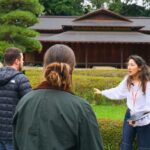
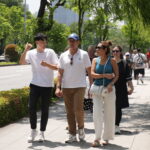
The Imperial Palace East Gardens tell a more tangible story than the palace’s famous name suggests. On this walk, you trace the grounds of Edo Castle through old gates, defensive structures, garden paths, and the remains of the former castle, with an English-speaking guide to connect the pieces to the age of samurai and shoguns.
I like two things about this tour: its small-group format, usually fewer than eight people, and the route’s mix of garden scenery and castle remains. Guides such as Hiro, Keiko, and Ichiro are praised for clear explanations, good humor, and patience with questions.
The main caveat is simple: you do not enter the Imperial Palace itself. The visit is outdoors in the East Gardens, so weather, heat, and walking comfort matter. If you want to see the emperor’s residence, this is not that tour.
- At a glance
- What the tour actually covers
- Starting at Ote-mon Gate
- Garden paths and the castle’s former footprint
- Defensive buildings that make the site easier to read
- Why a guide can be worth the fee
- Guides, pace, and weather
- Who should book this walk
- Practical details to know before booking
- Should you book it?
- FAQ
- Does the tour enter the Imperial Palace?
- How long does the walking tour take?
- Where does the tour meet and finish?
- What time can I choose?
- Is the tour suitable for wheelchair users?
- What should I wear, and what items are prohibited?
- The Best Of Tokyo!
- More Walking Tours in Tokyo
- More Tours in Tokyo
- More Tour Reviews in Tokyo
- Not for you? Here's more nearby things to do in Tokyo we have reviewed
At a glance
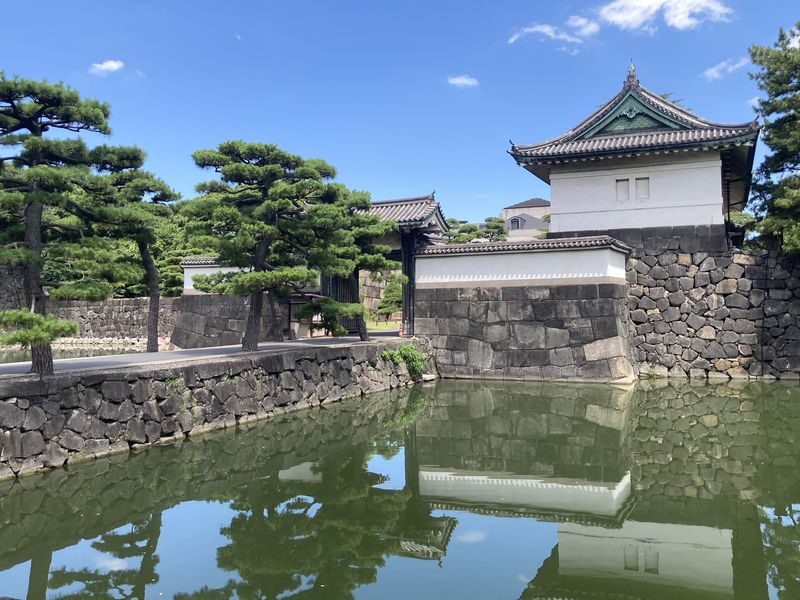
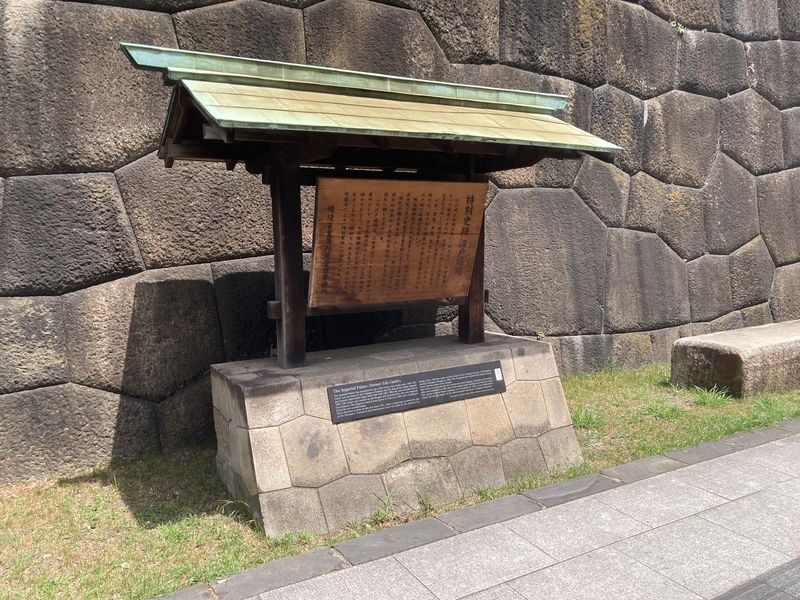
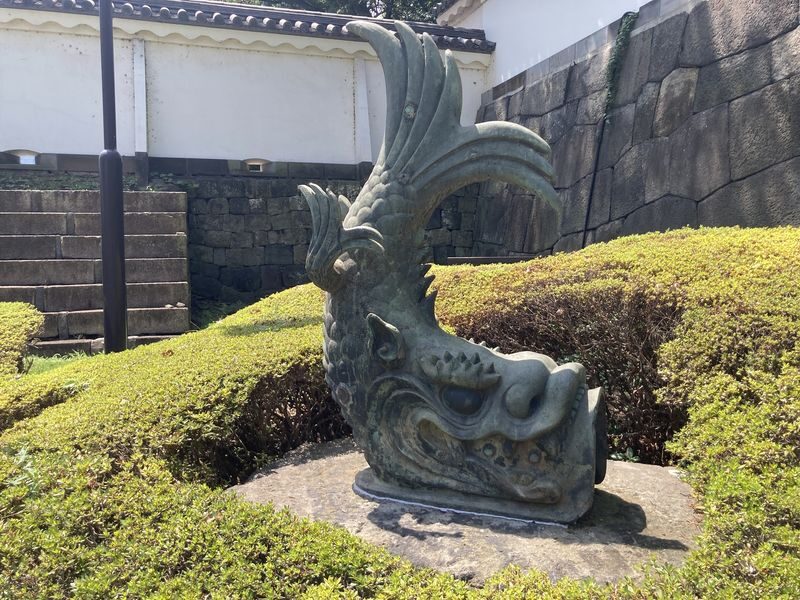
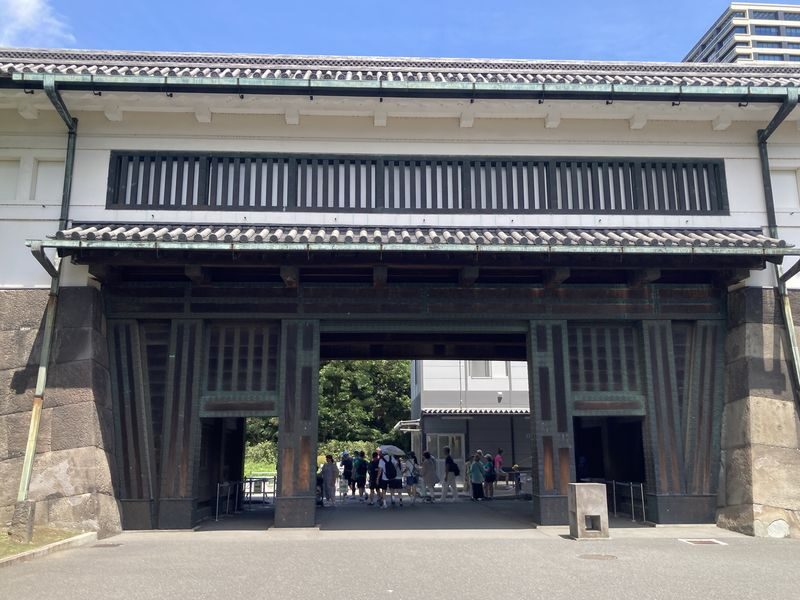
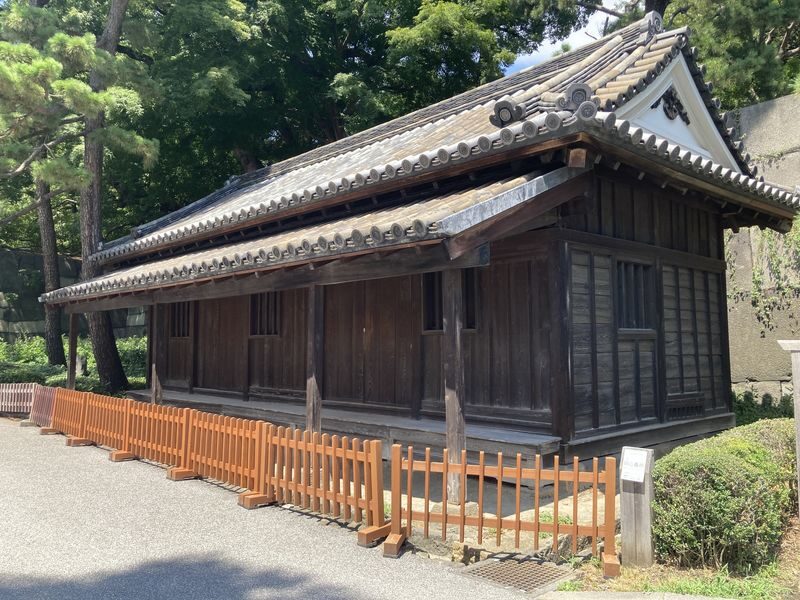
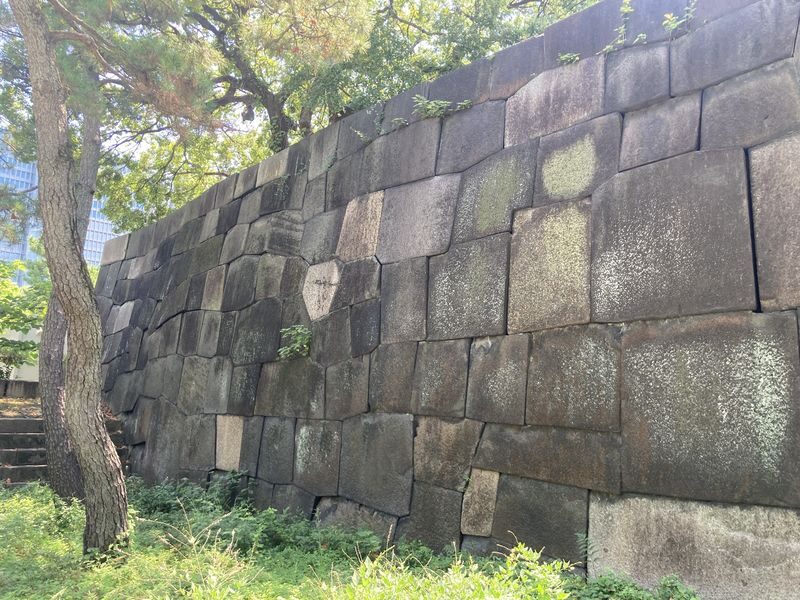
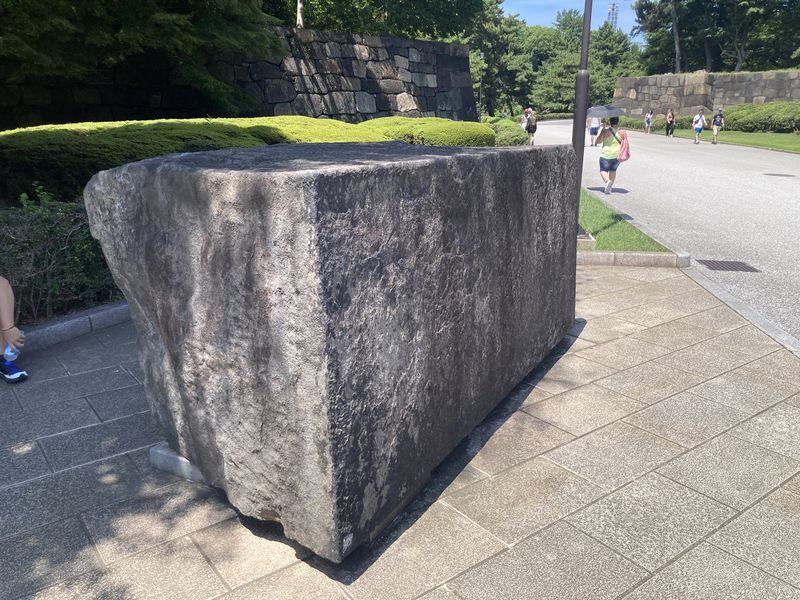
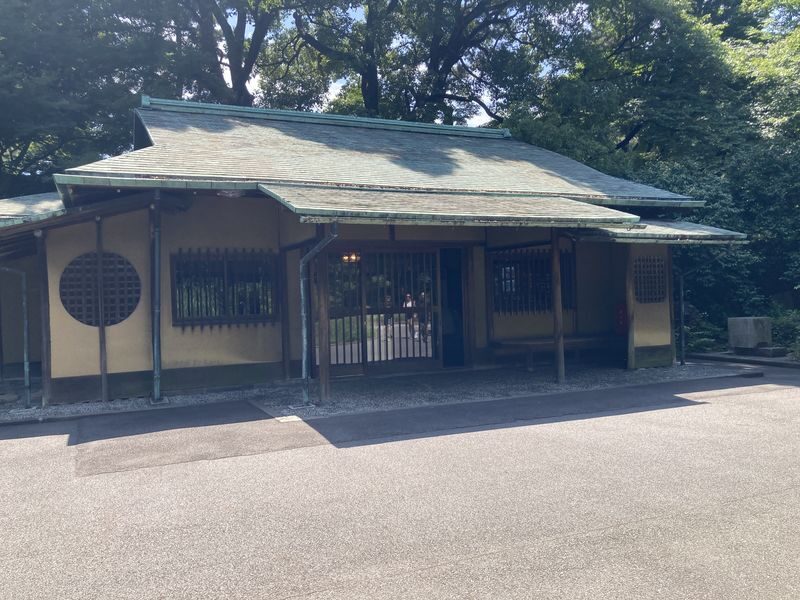

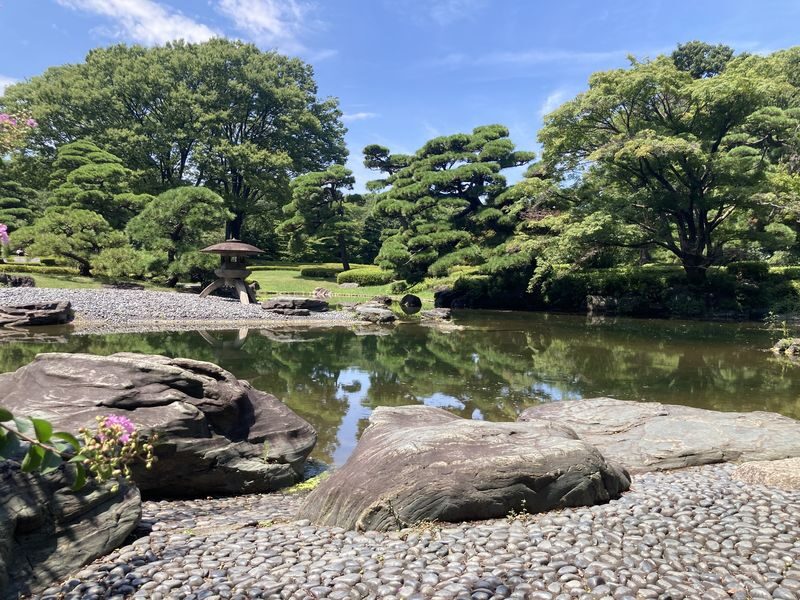
- You explore Edo Castle’s former grounds, including Ote-mon Gate, castle ruins, guardhouses, and garden features.
- The walk takes about two hours, with nine guided stops and time between them to move around the grounds.
- Groups are kept small, with the tour described as usually fewer than eight people and a maximum of 12.
- English-speaking guides provide the context, with guides including Hiro, Keiko, Ichiro, Karina, Tom, and Masa.
- The tour starts near Wadakura Fountain Park and ends at Ote-mon Gate, so plan your onward route from there.
- The grounds are the focus, not the palace interior. Wear walking shoes, and prepare for sun or rain.

👉 See our pick of the 25 Best Guided Tours In Tokyo
What the tour actually covers
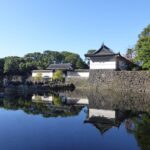
The Imperial Palace is the emperor’s home, but this tour visits the East Gardens, not the palace itself. The route focuses on the site’s earlier identity as Edo Castle, where visible remains and structures help tell the story of samurai rule and the shoguns.
That distinction is worth keeping in mind when you book. The word palace can suggest ornate interiors or a guided visit inside the imperial residence. Here, you spend your time outside, walking through historic grounds and learning how the castle site changed over time.
The route includes Ote-mon Gate, Ninomaru Garden, Suwa no Chaya, Edo Castle ruins, Fujimi-tamon Defence House, Fujimi-yagura, the former Honmaru Goten Palace site, a castle keep restoration model, and Obansho Guardhouse. The sequence gives you a broad introduction rather than an in-depth visit to any one building.
At about two hours, it can fit neatly into a Tokyo day without taking over the schedule. It is also a useful first stop if you want a framework for understanding the palace grounds before exploring more of the city.
You can also read our reviews of more walking tours in Tokyo


Starting at Ote-mon Gate
The tour meets in front of Starbucks Coffee at Kokyo Gaien Wadakura Fountain Park, at 3-1 Kokyogaien, Chiyoda City. Your guide carries a Fantasy Travel sign. Arrive five minutes before your chosen start time, and check your booking for the confirmed time.
Available departures are 10:00, 12:30, and 14:00. Return times are listed as 12:00, 14:30, and 16:00, depending on the departure and the day’s schedule. The group finishes at Ote-mon Gate, not back at the meeting point, so keep that in mind if you have a timed reservation or plan to meet someone afterward.
Ote-mon is both a practical starting point and a fitting first stop. It is one of the principal places on the route where the guide can introduce the site’s castle past. The tour allocates about ten minutes here, enough for an initial explanation and a chance to orient yourself before heading farther into the grounds.
Garden paths and the castle’s former footprint
Ninomaru Garden is scheduled for about 15 minutes. It gives the walk a change of pace after the gate: instead of focusing only on walls and defenses, you begin to see how the grounds combine garden spaces with the remains of a major castle site. Your guide can explain the significance of the setting and point out details that may be easy to pass without context.
The next stop, Suwa no Chaya, is allotted ten minutes. The route then continues to the Edo Castle ruins for about 15 minutes. These stops are a good illustration of the tour’s central idea: the present-day gardens are not separate from Tokyo’s past. They occupy a place shaped by the former castle, and the guide helps you read the site as more than a pleasant green space.
The tour also visits the site of Edo Castle’s Honmaru Goten Palace. The schedule gives this stop ten minutes, without specifying a guided talk. Don’t expect to tour a standing palace building here; the attraction is the place and its connection to the former castle.
A restoration model of the Edo Castle keep gets about 15 minutes of guided attention. For many people, a model is a helpful way to picture a structure that is no longer encountered as a complete building on the grounds. If you enjoy visual aids and architectural context, this may be one of the most useful stops on the route.
Defensive buildings that make the site easier to read
Fujimi-tamon Defence House and Fujimi-yagura each receive about ten minutes. These stops shift the focus from gardens and remains to the castle’s defensive features. The tour includes enough time to hear how they fit into the broader site, though not enough to linger at length at every point.
Obansho Guardhouse is allotted 15 minutes. It rounds out the route by returning to the people and systems that protected the castle. The guide’s explanations matter here: without a connecting story, a guardhouse or defensive structure can look like just another old building. With context, you can better understand why these features belonged within a castle complex.
The schedule assigns a total of about 110 minutes to the named stops, before allowing for the walk between them. In practice, expect a tour of roughly two hours. The pace is described as comfortable in a number of accounts, but it remains a walking visit across outdoor grounds, not a seated history talk.
Why a guide can be worth the fee
The gardens are open to the public, and one dissatisfied customer felt the visit could be done independently. That is a fair point: if you mainly want a walk through the grounds, you may not need to pay for a guide. The case for booking is the interpretation, not access to a restricted interior.
The tour is listed from $18.99, with admission to attractions included. The most useful comparison is the cost of the guide against what you want from the visit. If you want someone to explain the relationship between the castle ruins, the former shogun-era site, garden features, and guard structures, the fee buys structure and context for a short visit.
That context is especially useful because the route has several stops that can be difficult to interpret at a glance. A guide can answer questions as they arise and keep the walk focused, rather than leaving you to piece together each site on your own. The group size helps too. The tour is described as usually having fewer than eight people, with a maximum of 12, which gives you more room to ask questions than a large coach group would.
The tour has a 4.9 out of 5 rating from 277 ratings, and the provider has a 96 percent good-review rate across 329 total reviews. Those numbers are encouraging, but they are not a guarantee that every guide or outing will suit you. One low-rated account describes an inattentive guide and found the explanations unconvincing. I would treat that as a reminder that the experience depends heavily on the person leading it.
You can also read our reviews of more historical tours in Tokyo




Guides, pace, and weather
Guides named in customer feedback include Hiro, Keiko, Ichiro, Karina, Tom, and Masa. The most consistently praised qualities are clear explanations, warmth, patience, and an ability to keep the history engaging. Several accounts describe guides answering questions throughout the walk, while others mention visual materials, photo help, or useful suggestions for other places to visit in Tokyo.
The small-group setup can feel especially personal when the group is very small. One person described having a guide to themselves, while another account said a group of about eight still felt manageable. You should not count on a private outing unless you book the private-tour option, but the usual group size sounds conducive to conversation.
This is an outdoor tour, and the weather can shape the day. Some people have taken the walk in rain and still found it worthwhile, while summer accounts describe intense heat and humidity. Guides have been praised for taking cooling breaks and watching the group’s wellbeing, but do not leave your comfort to chance: wear walking shoes, bring water, and dress for the forecast.
Casual clothing and walking or running shoes are recommended. The tour is not wheelchair-accessible. One private-tour account describes a guide helping a person who used a wheelchair, but that individual assistance should not be taken as a promise that the route is accessible. If you have mobility needs, contact the provider before booking and confirm what can be accommodated.
Who should book this walk
I’d choose this tour if you are interested in Japanese history but want a compact introduction rather than a full-day museum visit. It suits first-time visitors who want to understand why the palace grounds matter, families with older children who can manage an outdoor walk, and anyone who likes asking questions as they go.
It is also a good fit if you value personal attention more than a tightly scripted, large-group outing. Guides have been described as engaging with children, adjusting to different interests, and responding patiently to questions. Those are useful signs for a mixed-age group or anyone who prefers a conversational tour.
You may prefer to explore independently if you are content with a quiet walk and do not need much historical explanation. The garden grounds are the destination, and the tour does not take you inside the Imperial Palace. If palace interiors are your priority, choose another activity.
The private option is listed for one to four people, with an instruction to add a person for additional seats beyond four. It may suit a group that wants more flexibility, though the supplied details do not spell out how its route or timing differs from the historical group tour.
Practical details to know before booking
The tour is offered in English, and mobile vouchers are accepted. Booking changes are allowed until 24 hours before the activity, with some exceptions for bookings made through certain passes, promotions, or vouchers not yet issued. A full refund is available if you cancel at least 24 hours before the activity date, based on Tokyo local time.
Meals, drinks, personal expenses, and tips are not included. Firearms and other weapons, drones, alcohol, flammable items, and sharp objects are prohibited, and pets are not allowed. The schedule may change because of weather or other conditions, so leave some flexibility after the walk.
Should you book it?
Book this walk if you want a guide to make sense of Edo Castle’s gates, garden spaces, ruins, and defensive structures in about two hours. Its strongest value is the mix of a small group and direct explanation, especially if you are likely to ask questions or want more than a self-guided stroll.
Skip it if you expect to enter the Imperial Palace itself, or if you would rather explore the East Gardens at your own pace. At a starting price of $18.99, it is a reasonable way to buy historical context, but the grounds are the destination, not a ticket into the emperor’s residence.
Tokyo: Small-group Imperial Palace Historical Walking Tour
“I had a truly enjoyable and informative time thanks to the Imperial Palace tour! 😊 Thanks to the kind and detailed explanations, I was able to gain…”
FAQ
Does the tour enter the Imperial Palace?
No. The tour visits the Imperial Palace East Gardens and does not include entry to the Imperial Palace itself.
How long does the walking tour take?
The named stops add up to about 110 minutes, and the overall tour is roughly two hours. The schedule can change with weather or other conditions.
Where does the tour meet and finish?
Meet in front of Starbucks Coffee at Kokyo Gaien Wadakura Fountain Park, at 3-1 Kokyogaien, Chiyoda City. The tour finishes at Ote-mon Gate.
What time can I choose?
Departure options are 10:00, 12:30, and 14:00. Return options are 12:00, 14:30, and 16:00, depending on the departure time and itinerary duration.
Is the tour suitable for wheelchair users?
The activity is listed as not wheelchair-accessible. Contact the provider before booking if you need to discuss mobility support.
What should I wear, and what items are prohibited?
Wear casual clothing and walking or running shoes. Firearms or other weapons, drones, alcohol, flammable items, sharp objects, and pets are prohibited.