A personal hanko is more than a small souvenir: this Tokyo outing helps you choose Kanji for your name, place an order at a specialty shop, and see a quieter side of Shinjuku while the seal is made. It turns a shopping errand into a personal cultural experience.
I like two things here: your guide helps match Kanji meanings and stroke counts to your personality, and the walk is tailored to your hobbies rather than limited to a standard sightseeing route. You also leave with a retro restaurant map for continuing your own explorations.
The main catch is practical: the tour costs from $18.95, but the hanko itself is extra, starting at JPY 3,300. Production takes at least 60 minutes, so you’ll need to return to the shop after the tour to collect it.
- Your Kanji name is chosen with help: The guide interviews you and suggests options with good meanings and suitable stroke counts.
- The seal costs extra: Prices start at JPY 3,300 for plastic and JPY 10,000 for an authentic hanko.
- The walk fills the making time: Explore Shinjuku 3-chome while the shop prepares your order.
- You get a guide-made map: Take home a Retro Restaurant Map for more local discoveries after the tour.
- Children 12 and under join free: Their hanko, if they want one, must be paid for separately.
- Plan for a weekday: Tours run every 30 minutes from 11:00 AM to 6:00 PM, and are not available on weekends or holidays.
- Choosing Kanji that feels like yours
- Ordering a hanko, with the price in mind
- Walking Shinjuku 3-chome while the seal is made
- A map to keep exploring after the hour
- Meeting at Busta Shinjuku
- Is this a good fit for your trip?
- FAQ
- How long is the experience?
- How much does the hanko cost?
- Can children join the tour?
- When does the tour operate?
- Where do I meet the guide?
- What should I bring or wear?
- The Best Of Tokyo!
- More Tours in Tokyo
- More Tour Reviews in Tokyo
- Not for you? Here's more nearby things to do in Tokyo we have reviewed
Choosing Kanji that feels like yours
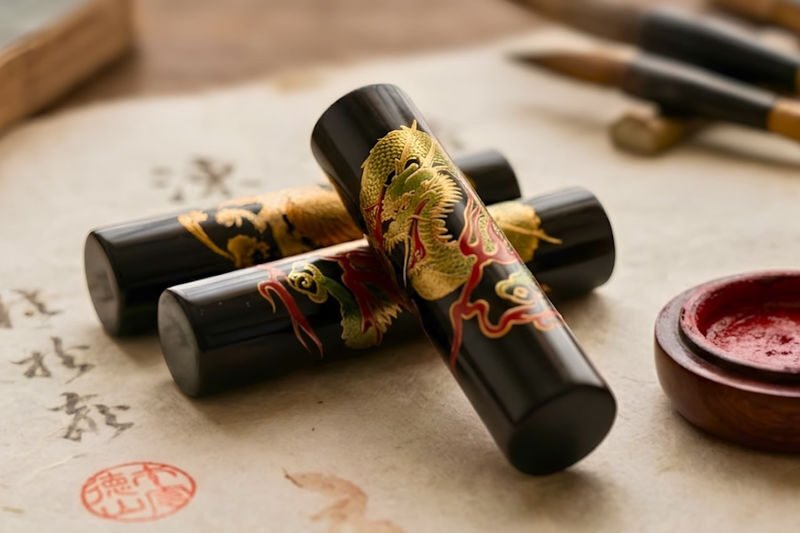
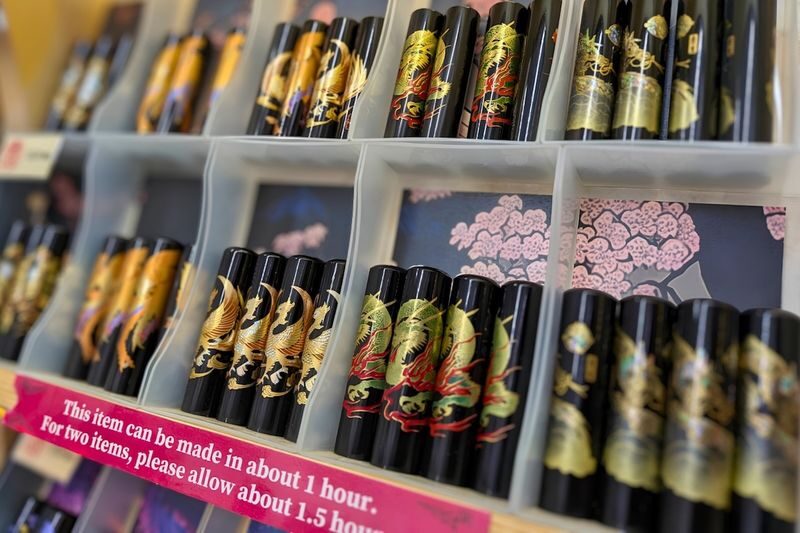
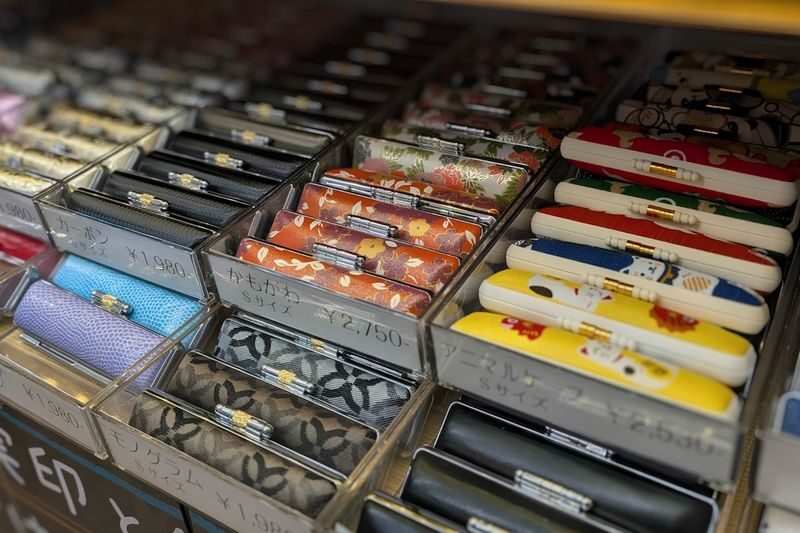
The experience starts with a short conversation about who you are and what kind of name you want. Your guide uses that interview to suggest Kanji with positive meanings and suitable stroke counts. For many visitors, this is the most personal part of the hour: instead of picking a name from a list, you get help understanding the choices.
Kanji can carry meaning beyond the sound of a name, so this step gives the hanko a connection to you rather than making it a generic souvenir. You can ask questions and weigh the options before settling on one. The tour information does not specify how many suggestions you’ll receive, so come ready to talk about what matters to you rather than expecting a fixed menu.
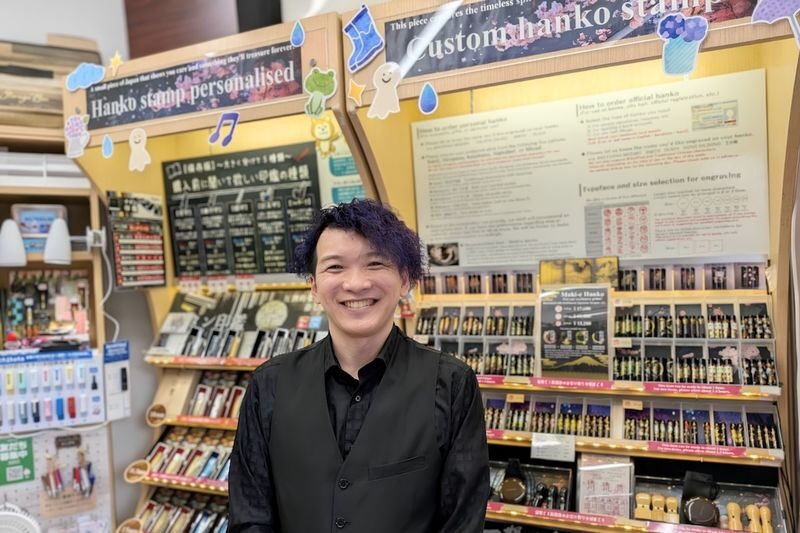
The guide then supports you with material selection and the ordering process at a hanko specialty shop. That help is useful if you are unfamiliar with the process or unsure what to ask for. It also keeps the outing focused: you are not left to navigate the order on your own.

👉 See our pick of the 25 Best Guided Tours In Tokyo
Ordering a hanko, with the price in mind
The tour price begins at $18.95, but it does not include the seal. A plastic hanko starts at JPY 3,300, while an authentic hanko starts at JPY 10,000. Optional express finishing is available from JPY 550.
That makes the experience better thought of as a guided cultural walk plus an optional purchase, not as a low-cost craft class with materials included. If you want to take home a hanko, budget for the additional shop fee. If your main aim is to learn about Kanji and explore the neighborhood, you can still take part without buying a seal, though the central making-your-own element will naturally be missing.
The time needed is important. The minimum production time is about 60 minutes for one hanko, and about 90 minutes for two. Since the guided experience itself lasts 60 minutes, you should plan to return to the shop after the walk to collect the finished seal. If you are ordering two, allow for the longer production time before making other plans.
Ask about the material and any finishing choices while your guide is helping you place the order. The details provided do not list all available materials or customization options, so it is wise not to assume that every design or turnaround time is offered.
You can also read our reviews of more tours and experiences in Tokyo.


Walking Shinjuku 3-chome while the seal is made
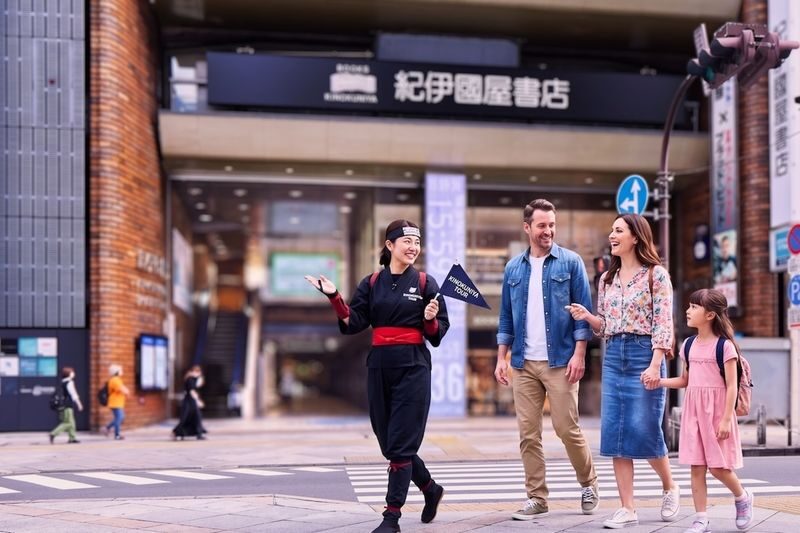
Once the order is placed, the tour shifts into a guided walk through Shinjuku 3-chome. The route is described as a look at local shops, retro cafés, and authentic Japanese culture, with recommendations shaped around your hobbies. That personal touch can make the neighborhood more relevant to you than a walk that simply checks off famous sights.
This is not a long district tour, and the total guided time is only an hour. Think of it as a compact introduction: you get a guide to point out places that might suit your interests, then can use the map and your own time to explore further. The stops themselves are not listed in advance, so the route may depend on the guide’s conversation with you and what you enjoy.
One detail to respect is the privacy rule. Do not photograph people or the inside of bars without permission, and follow your guide’s instructions. This matters especially on a walk through local streets, where the point is to visit places respectfully, not treat every doorway as a photo backdrop.
A past five-star note singled out guide Hisa-Hisa as lovely and appreciated the Shinjuku walk. That is a small sample, not a promise that you will have the same guide, but it suggests the human side of the outing can be a real part of its appeal.
A map to keep exploring after the hour
The guide gives you a special Retro Restaurant Map to use after the tour. It is a useful extra because the walk is short and the hanko will not be ready at the finish. You can keep exploring, find a place to eat, or simply save the map for another visit.
Food and drinks are not included, so plan to pay for anything you order. The tour also does not cover other personal expenses or tips. The map is a guide’s recommendation, not a meal reservation or a promise that a particular restaurant will be open, so check details locally before you make a special trip.
The map adds value most if you are staying near Shinjuku or have some spare time after the tour. If you need to leave immediately at the end of the hour, you may not get as much from this extra, especially since you still need to return for your hanko.
Meeting at Busta Shinjuku
The meeting point is under the main signboard at Busta Shinjuku, at 3-38-1 Shinjuku, Shinjuku City. It is directly in front of the South Exit of JR Shinjuku Station. If you come out of the Koshu-kaido Exit, turn left.
Arrive on time. The tour departs as scheduled, and late arrivals cannot join or receive a refund. Comfortable walking shoes and casual clothing are recommended, a sensible choice for a neighborhood walk even though the route’s distance and terrain are not specified.
The activity runs on weekdays only, with departures every 30 minutes between 11:00 AM and 6:00 PM. It is not offered on weekends or holidays, so check the calendar before arranging your day around it. The voucher is valid only for the date and time specified on your booking.
Is this a good fit for your trip?
I’d consider this outing if you want a souvenir with a personal meaning, enjoy learning how words and names are represented in Kanji, or like having a local guide shape a neighborhood walk around your interests. It is also a practical option for families: children 12 and under can join free when accompanied by a guardian, though each child’s hanko costs extra.
It may be less appealing if you want a finished craft within the hour, need a weekend activity, or are trying to keep spending to the listed entry price. The seal is a separate purchase, and pickup requires another stop after the walk. The tour’s worth depends on whether you value the guidance, Kanji discussion, and neighborhood recommendations as much as the object itself.
With only one available five-star review noted, the rating is too limited to make a strong claim about consistency. What you can assess more clearly is the format: one hour with a guide, a custom name discussion, help ordering, a short walk, and a map for later. If those pieces appeal, the price can be reasonable, provided you include the hanko cost in your budget.





NINJA GO TOURS Tokyo: Create Your Own Hanko! A 60-Minute Experience
“Hisa-Hisa was a lovely tour guide and showed us around Shinjuku.”
FAQ
How long is the experience?
The guided experience lasts 60 minutes. The hanko takes at least about 60 minutes to make, so you’ll need to return to the shop after the tour to collect it.
How much does the hanko cost?
The hanko is not included in the tour price. Prices start at JPY 3,300 for a plastic hanko and JPY 10,000 for an authentic hanko. Optional express finishing starts at JPY 550.
Can children join the tour?
Yes. Children 12 and under can join free when accompanied by a guardian. If a child wants to make a hanko, that seal must be paid for separately.
When does the tour operate?
Tours run on weekdays from 11:00 AM to 6:00 PM, with departures every 30 minutes. They are not available on weekends or holidays.
Where do I meet the guide?
Meet under the main signboard at Busta Shinjuku, at 3-38-1 Shinjuku, Shinjuku City. The meeting point is in front of the South Exit of JR Shinjuku Station.
What should I bring or wear?
Wear comfortable walking shoes and casual clothing. The tour information does not specify other required items.