Tokyo’s racecourses offer a lively slice of local life, and at Oi Racecourse the evening races give you a very different Tokyo night out. I like that a guide explains the betting system in English, and that your ticket and reserved seat are arranged for you. One thing to keep in mind: the advertised price does not include your bets, food, or drinks, so bring extra cash.
I also like that the tour works for first-timers. You can learn how to fill in a betting slip and use the machines without knowing Japanese, then follow the action with a better sense of what is happening. The race itself is still a gamble, of course, and even a helpful guide cannot promise a winning ticket.
- Oi’s night races run from 18:30 to 21:00: A 2.5-hour outing gives you time to watch the racing and get a feel for the crowd.
- Your guide makes the betting system easier: Guides such as Eito explain the rules and help you place bets, even if you are new to horse racing.
- A reserved-seat ticket is provided: Your guide hands it to you in person, and you must enter the racecourse with the guide.
- Bring cash for the extras: Bets, drinks, and food such as yakitori or karaage are not included in the listed inclusions.
- The tour is one of several track options: Oi is the night-race package, while other choices include Tokyo and Nakayama daytime tours, Kawasaki night racing, and a private tour.
- Oi Racecourse after dark
- Meeting your guide and getting inside
- Learning how to place a bet
- Between races: food, drinks, and the crowd
- What the 2.5-hour schedule gives you
- Is .35 good value?
- Who will enjoy this Tokyo night out
- Should you book the Oi night tour?
- FAQ
- How long is the Oi Racecourse night tour?
- What is included in the tour price?
- Do I need to know Japanese or horse racing rules?
- Should I bring cash?
- Can I enter the racecourse without the guide?
- What if I need to cancel or change my booking?
- The Best Of Tokyo!
- More Horses in Tokyo
- More Tours in Tokyo
- More Tour Reviews in Tokyo
- Not for you? Here's more nearby things to do in Tokyo we have reviewed
Oi Racecourse after dark
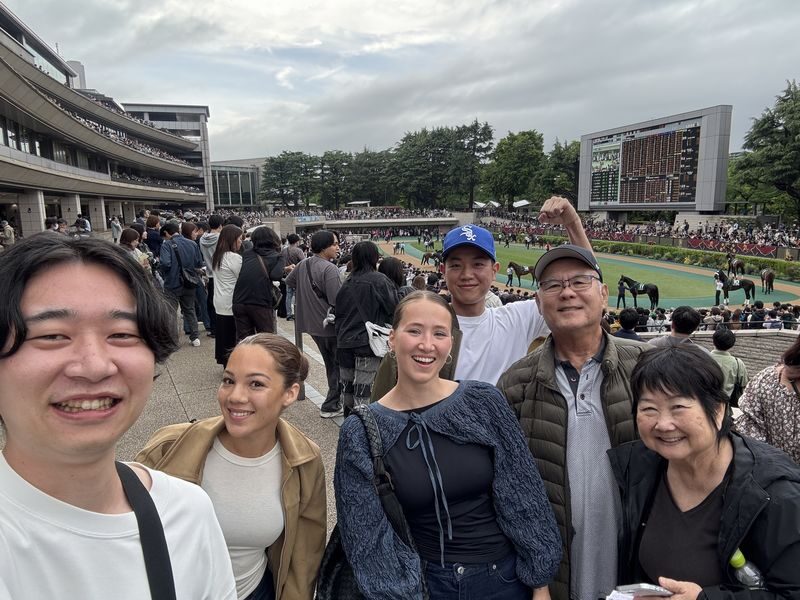
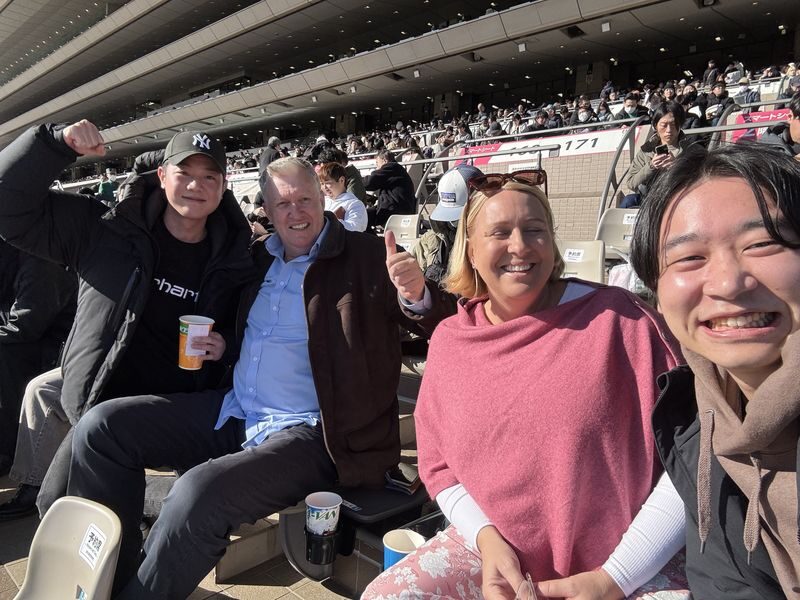
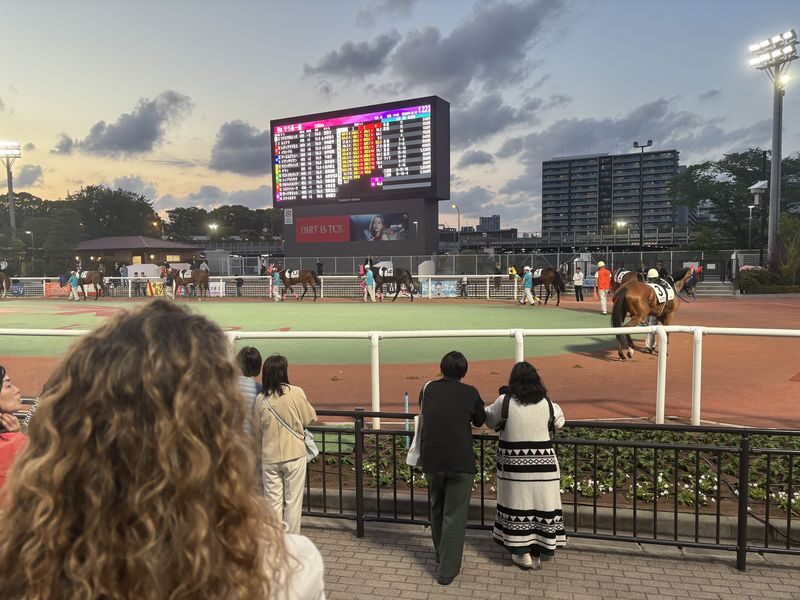
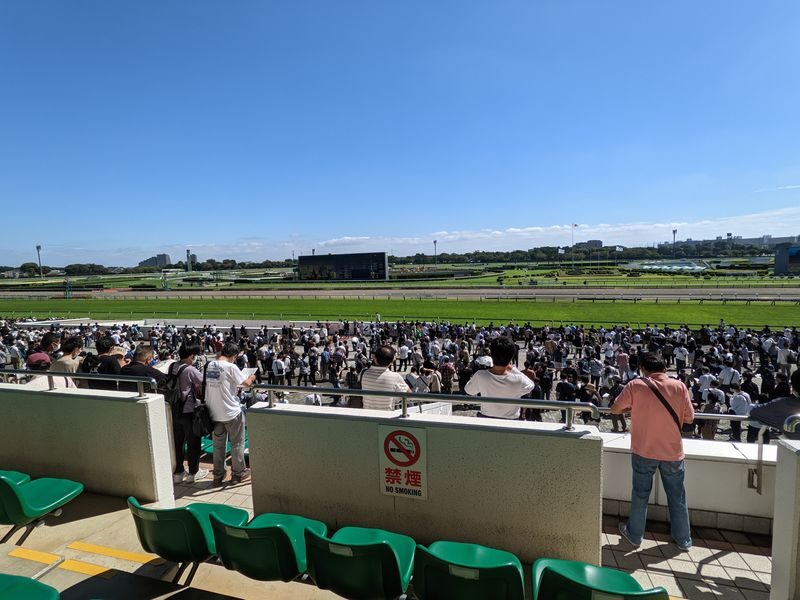
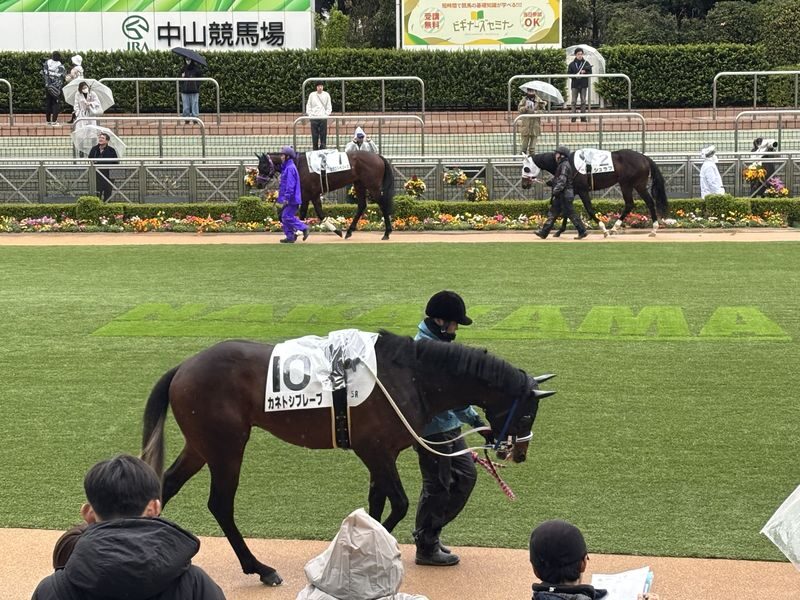
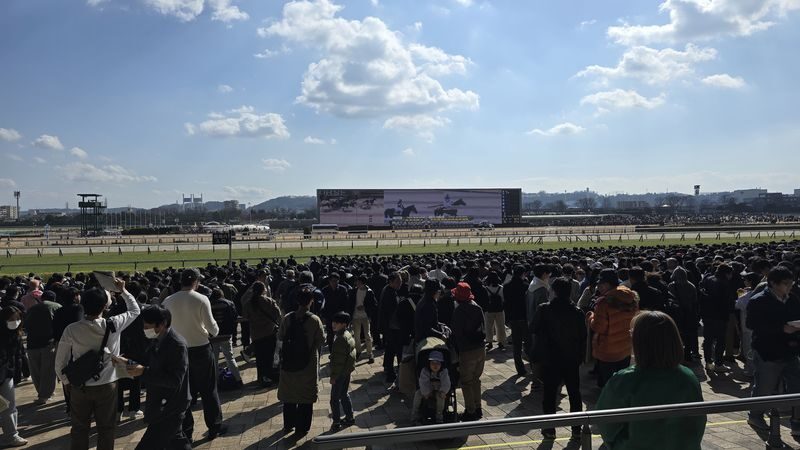
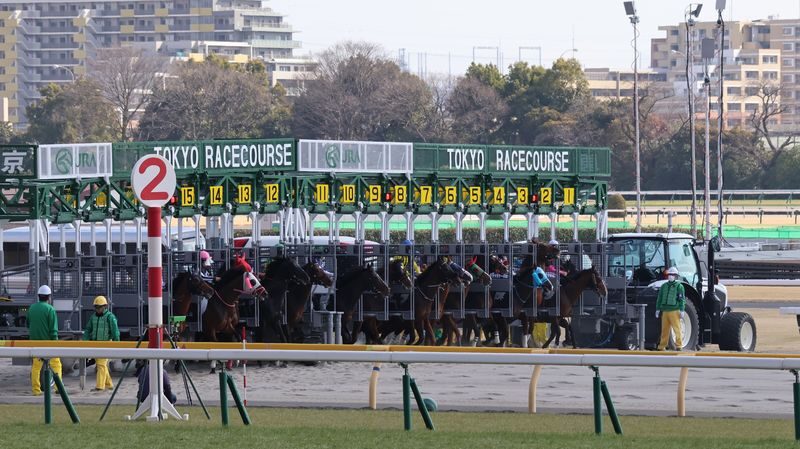
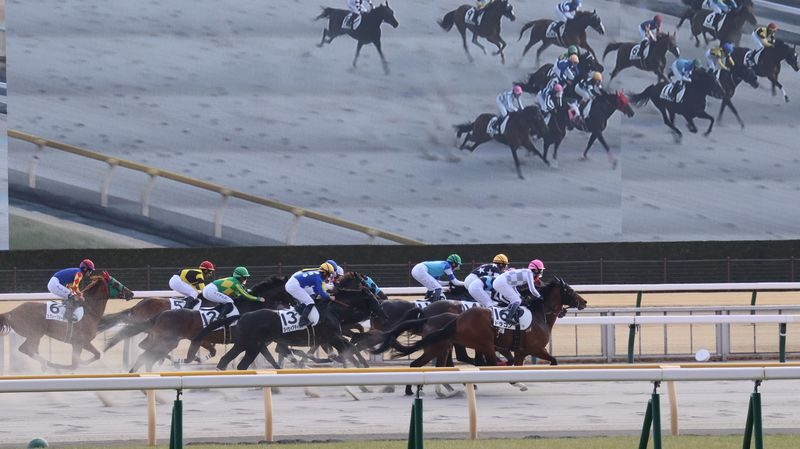
The main draw here is not a landmark or a polished sightseeing route. It is the chance to spend an evening at a Japanese racecourse, among locals following a sport that is part of everyday leisure for many people in Japan. The stands, the betting slips, the calls of the crowd, and the charged pause before each race give the night a clear sense of occasion.
Oi Racecourse is the venue for this 18:30 to 21:00 package. Do check that you select the Oi night tour when booking: the same experience is offered in other forms at Tokyo, Nakayama, and Kawasaki racecourses, and those options differ in venue and time of day. The Tokyo label can be confusing, so check the chosen package and meeting details rather than assuming every tour goes to Tokyo Racecourse.
A local guide helps turn a new setting into something you can take part in, not just watch from the sidelines. You do not need to speak Japanese or know the rules before you arrive. The guide explains the basics, helps you understand the betting process, and gives you a way into the excitement as the races begin.

👉 See our pick of the 25 Best Guided Tours In Tokyo
Meeting your guide and getting inside
The tour starts at 18:30 at the designated meeting point. Look for the guide carrying a Klook sign, and aim to arrive on time: late arrivals and no-shows are not refunded. Your guide provides the reserved-seat ticket in person, and you can enter the racecourse only when accompanied by the guide.
The group meets up rather than starting with an independently arranged visit to the track. That matters if you are unsure how to get around or feel daunted by a Japanese racecourse. In other racecourse packages, guides have helped with the journey to the venue as well as the ticketing and betting steps. For this Oi package, follow the meeting instructions attached to your booking and do not assume that a particular transport method is included unless your details say so.
Small-group attention is a welcome feature of the wider tour experience. One daytime group was reported as just four people, though the size can vary. With a smaller party, it is easier to ask how a bet works, get help with a machine, or pause to watch the horses before a race. The tour is still a group outing, not a private lesson, unless you choose the separate private-tour option.
You can also read our reviews of more tours and experiences in Tokyo


Learning how to place a bet
For many first-time visitors, the betting system is the part that makes a racecourse feel intimidating. Forms and machines can be hard to use when you cannot read Japanese, and it is easy to miss the fun if you are busy trying to work out which button to press. Your guide explains the rules in simple English and can help you fill in a betting slip.
You can choose to wager or simply watch. If you do bet, treat it as entertainment rather than a way to pay for the evening. Even an experienced guide’s suggestions are not guarantees, and one of the best parts of the tour is learning enough to make your own choice. Bring cash for bets, and decide in advance how much you are comfortable spending.
Guides praised by name include Eito and George, but the guide for your date may be someone else. Eito has led visitors through the betting process at several tracks, and George has also guided daytime groups. The practical benefit is the same: a local host helps you understand a system that would be much less straightforward to navigate alone.
Some visitors like to research the horses before arriving, especially for major daytime races. That is optional, not homework. For a first visit, paying attention to the horses and the crowd, then placing a small bet if you wish, is plenty.
Between races: food, drinks, and the crowd
The races are the focus, but the pauses between them give you time to look around, chat with your guide, and decide what to watch next. Oi’s night outing is a chance to see the racecourse as a social place, not merely a track where people place wagers. The atmosphere builds around each race, and cheering alongside local fans makes the event feel more immediate.
Food and drink add to the appeal. Japanese racecourse fare can include options such as karaage and yakitori, while drinks may include sake or local cocktails. These are not included in the tour price, so bring extra cash and check what you feel like buying once you are there. Do not count on a meal being part of the package.
The wider racecourse setting can be surprisingly welcoming for newcomers. Visitors to other Japanese tracks have described clean facilities, automated betting and payout machines, and a mix of spectators that includes families. Those are useful signs of how organized the sport can be, but facilities and crowds vary by venue and date. A major race can draw a packed house, while an ordinary meeting may feel less intense.
What the 2.5-hour schedule gives you
The listed Oi schedule runs from 18:30 to 21:00, with a guided visit of about two and a half hours. That is enough time to learn the basics, watch races, and get a feel for the setting without giving up a whole day of sightseeing. The exact flow can change with traffic or weather, so treat the times as a guide rather than a promise of a fixed number of races.
The short duration is also a trade-off. You are visiting for a taste of race day, not a long course in horse racing or a full evening at the track. If you want more time to study the horses, follow several races, or explore the grounds at your own pace, a daytime package at Tokyo or Nakayama may suit you better. Check the option carefully, since venue and schedule vary.
The return is listed for 21:00, to your hotel or personal address. Confirm the precise return arrangement with your booking details, particularly if you have plans afterward. Keeping the rest of your evening flexible is sensible, since the schedule may shift.
Is $66.35 good value?
The starting price is $66.35, with admission and an English-speaking guide included. A reserved-seat ticket is provided in person, too. That is useful value if you want an introduction to Japanese racing and would otherwise have to figure out the ticket, betting slips, machines, and racecourse routines by yourself.
The guide is the main reason to pay for the tour rather than simply visit a track independently. You get explanations in English and practical help with placing a bet, as well as company while you learn how the event works. The value is strongest if you are curious but uncertain, or if you want a local experience that is not another stop in a shopping district.
Budget beyond the tour price. Wagers, food, drinks, and other personal expenses are not included, and tips are not included either. You can keep costs down by watching without betting and limiting purchases, but the tour is more enjoyable if you arrive knowing that the extras are on you.
The activity has a 4.9 out of 5 rating from 34 reviews. The most consistently praised details are the guides’ friendly explanations, help with betting, and ability to make the venue easy to navigate. Those are exactly the areas where a guided visit can make the biggest difference. A high rating is not a promise that you will win, or that every race day will be quiet or uncrowded.




Who will enjoy this Tokyo night out
I would recommend the Oi night tour if you enjoy live sport, want to see a different side of local Tokyo life, or are curious about horse racing but would not know where to begin. It is especially well suited to first-timers: the guide explains the basics without assuming you already know the sport, and you can take part at whatever level feels comfortable.
It can also work for racing fans familiar with tracks elsewhere. Japanese racecourse routines and betting systems may be different from what you know at home, and the guide can help you make sense of them. If you already follow racing, bring your interest and questions, but do not expect the guide’s picks to be a sure route to a win.
Families may want to check the booking details before choosing. Children aged 1 to 15 are listed as free, but that does not by itself explain all seating or supervision arrangements. If you are considering the Kawasaki option instead, note the instruction to wear clothing that covers visible tattoos.
Should you book the Oi night tour?
Book it if you want a guided, low-pressure introduction to Japanese horse racing and like the idea of spending an evening with local fans. The ticket, reserved seat, and English explanations make the visit easier, while the freedom to bet or simply watch keeps it approachable. Bring cash, arrive at the meeting point on time, and set a sensible limit for wagers.
Skip it if horse racing holds no interest for you, or if you expect a guaranteed win, a full meal, or a long, in-depth tour of every part of the course. For the right person, though, it is a distinctive way to spend a Tokyo evening, with a guide to help you understand what is happening and enough time to cheer for a horse of your own.
Tokyo Horse Racing Experience with Local Fan
“The Japanese horse racing experience was exactly what I hoped for. The energy of the crowd, the intensity of the racing horses, and the amazing foo…”
FAQ
How long is the Oi Racecourse night tour?
The guided tour lasts about 2.5 hours. The listed schedule is 18:30 to 21:00, though traffic or weather may affect the timing.
What is included in the tour price?
Admission and an English-speaking guide are included. Your guide provides your reserved-seat ticket in person.
Do I need to know Japanese or horse racing rules?
No. The guide explains the rules in English and can help you understand how to place a bet. You do not need prior horse-racing experience.
Should I bring cash?
Yes. Bring cash for betting, food, drinks, and other personal expenses. Those costs are not included in the tour price.
Can I enter the racecourse without the guide?
No. Entry to the racecourse is only possible when you are accompanied by the guide.
What if I need to cancel or change my booking?
A full refund is available if you cancel at least 24 hours before the activity date, in destination local time. Changes are allowed until 24 hours before the activity starts, subject to the stated booking restrictions.

























