Lake Ashi’s red torii gate, a pirate ship crossing, a volcanic valley, and Mount Fuji from several angles make a full day’s work. This 11-hour trip links Hakone and the Fuji Five Lakes by bus, so you can see a lot without planning a string of transfers yourself.
I like two things in particular: the variety of the route, which shifts from shrine paths and lake views to volcanic terrain and spring-fed ponds, and the chance to leave the driving to someone else on a long day out of Tokyo. Guides such as Erik, Wanting, and Jack have been praised for clear directions, useful local tips, and keeping the day moving, though the guide depends on your departure.
The trade-off is pace. You have short visits at several stops, and traffic or crowds can cut them shorter. The pirate ship costs extra, and the ropeway may also be excluded from your package. This is a useful overview, not a slow, in-depth visit to Hakone.
- At a glance: six stops and a long day
- A packed route from Tokyo to Hakone
- Hakone Shrine and the torii on Lake Ashi
- Crossing Lake Ashi by pirate ship
- Ropeway views and Owakudani’s volcanic ground
- Lake Yamanaka’s swan shore
- Oshino Hakkai’s clear spring ponds
- What the price buys, and what it does not
- Timing, weather, luggage, and other practical details
- Who should book this Fuji and Hakone day trip?
- FAQ
- How long is the tour?
- What is included in the price?
- How much does the pirate ship cost?
- Is the Hakone Ropeway included?
- Which languages are offered?
- Where does the tour depart from?
- How much luggage can I bring?
- Is lunch included?
- Can children join the tour?
- Is Mount Fuji guaranteed to be visible?
- The Best Of Fujiyoshida!
- More 1-Day Tours in Fujiyoshida
- More Tours in Fujiyoshida
- More Tour Reviews in Fujiyoshida
- Not for you? Here's more nearby things to do in Fujiyoshida we have reviewed
At a glance: six stops and a long day
 1 / 10
 2 / 10
 3 / 10
 4 / 10
 5 / 10
 6 / 10
 7 / 10
 8 / 10
 9 / 10
 10 / 10
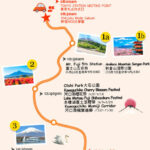
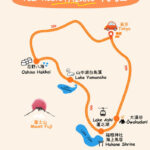
- Hakone Shrine and Lake Ashi’s torii gate: Start with the shrine and its famous lakeside gate, a popular photo stop.
- Pirate ship across Lake Ashi: The roughly 30-minute ride from Motohakone to Togendai costs 1,700 yen per person, paid separately in cash.
- Ropeway over Hakone: A scenic aerial link toward Owakudani, included only in some package options.
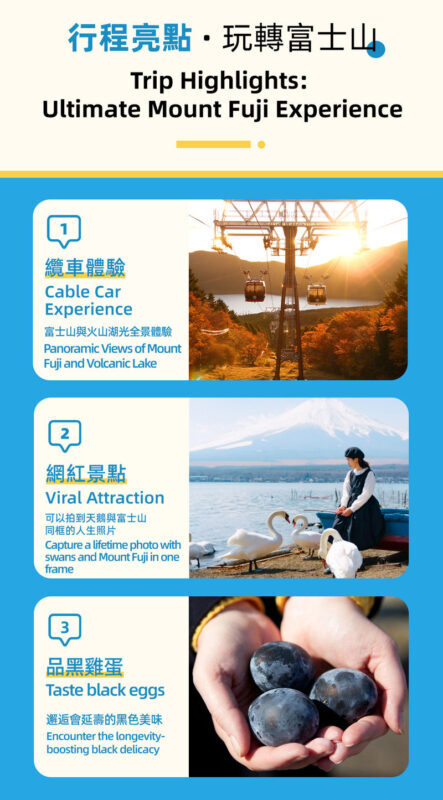
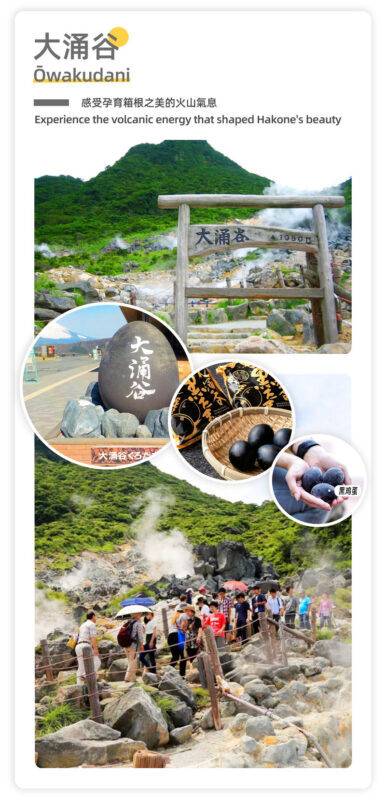
- Owakudani’s volcanic setting: See the steaming volcanic area and try its famed black eggs, said to add seven years to your life.
- Lake Yamanaka and Oshino Hakkai: Look for swans by the lake, then visit clear spring ponds and browse local snacks.
- Tokyo transport included: Round-trip transfers and a guide are included, but traffic can affect the schedule and return time.

👉 See our pick of the 3 Best Tours In Fujiyoshida
A packed route from Tokyo to Hakone
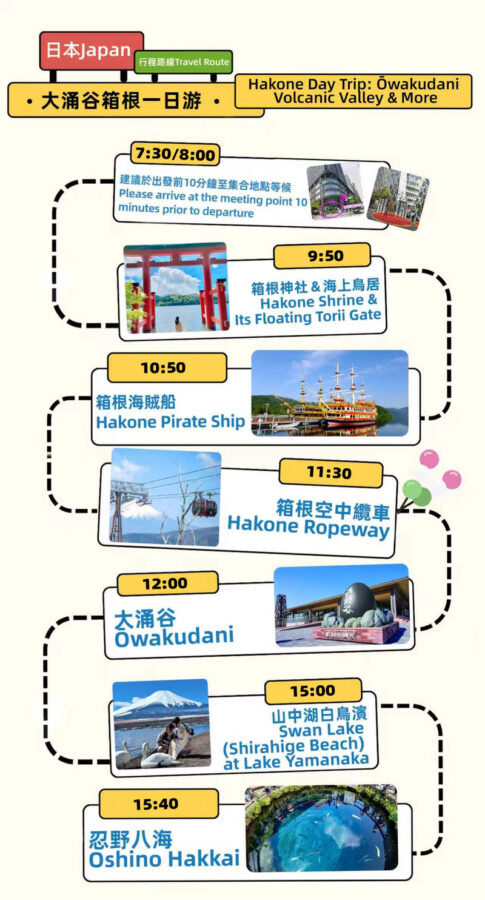
The day begins with a 7:30 or 8:00 departure, depending on the option you book. You return to Tokyo around 18:30, though traffic and weather can shift the schedule. That is a full day, with much of the distance between stops covered by bus.
The main value is simple: you avoid piecing together trains, buses, boats, and local transport across two regions. You also get a guide to help with timing and directions. For a first visit, or for anyone short on time, that can be worth more than having an hour extra at one stop.
The tour is self-guided at the attractions, so do not expect a guide to walk beside you at every shrine, lake, or viewpoint. Depending on group size, you may have a driver-guide for a small group of 4 to 13, or a separate driver and guide for a larger bus group of 14 to 45. The driver-guide’s main job is driving, with commentary secondary.
You can also read our reviews of more tours and experiences in Fujiyoshida

Hakone Shrine and the torii on Lake Ashi
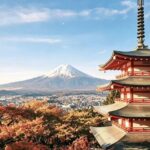
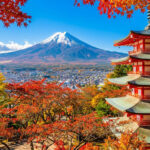
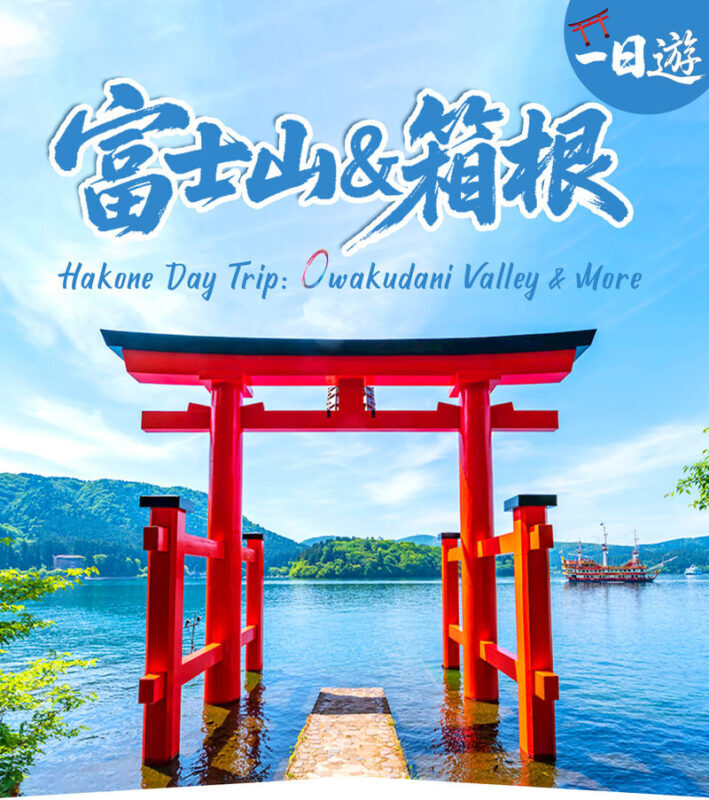
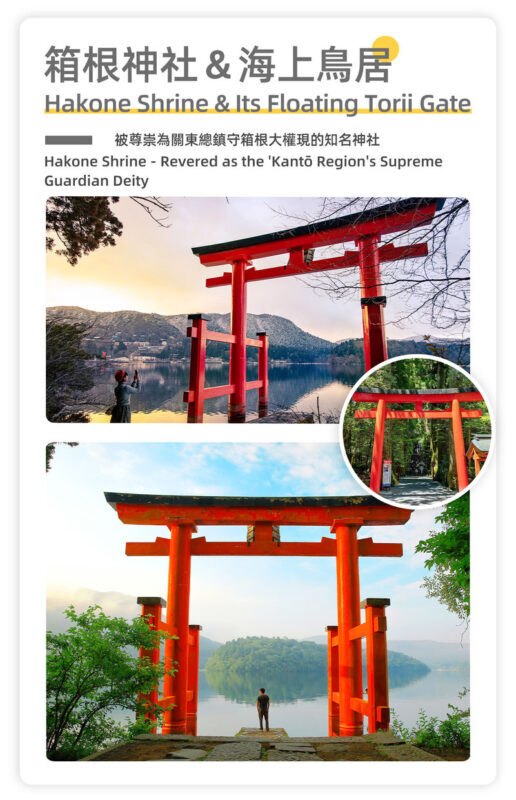
The first stop combines Hakone Shrine with Heiwa no Torii, the red gate set at the water’s edge. The shrine is revered as a place to pray for good fortune, traffic safety, fulfilled wishes, romantic success, and protection from bad luck. Even if you are not visiting for a prayer, the wooded shrine approach offers a different mood from the open lake views later in the day.
The torii is the photo draw. On a clear day, the gate and the lake make a striking frame, and Mount Fuji may appear in the distance. But Fuji is not guaranteed to be visible: weather can hide it, and the schedule can change because of conditions or crowding.
Plan for a quick visit rather than an unhurried shrine stop. The itinerary allows about an hour at this first area, but that time includes getting between the bus, shrine, and lakeside gate. The walk to and from the shrine can take a meaningful share of the window, so choose what matters most to you before setting off. If the torii photo is your priority, keep an eye on the time and meeting instructions.
Crossing Lake Ashi by pirate ship
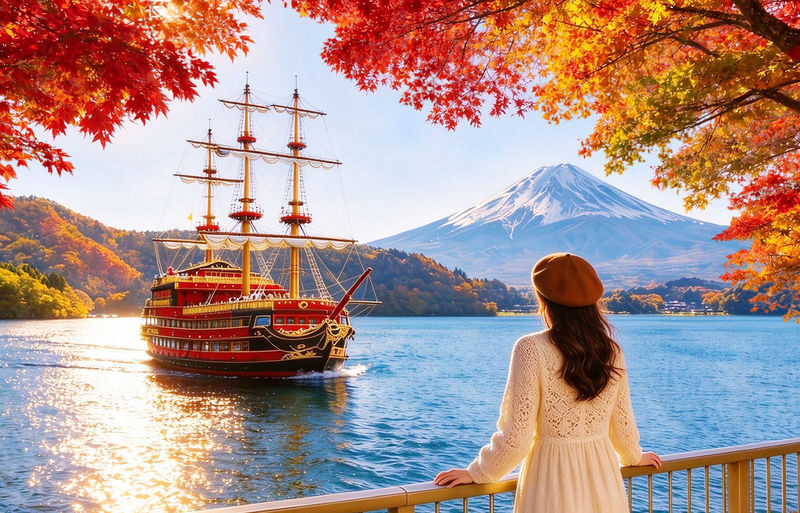
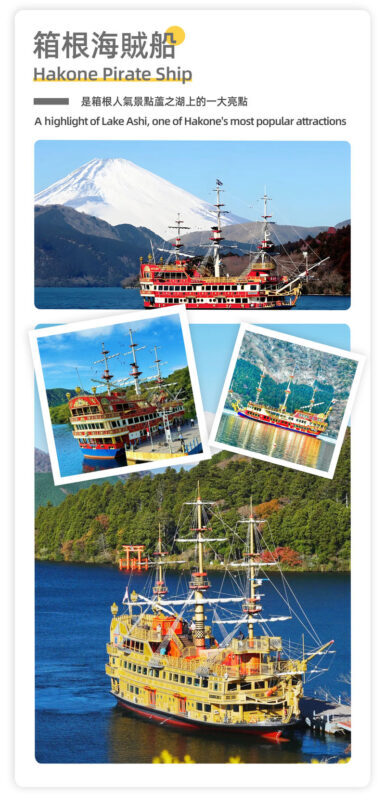
From Motohakone Port, the Hakone Sightseeing Pirate Ship crosses Lake Ashi to Togendai Port in about 30 minutes. Its themed design is playful, but the ride is also a practical way to reach the next part of the route without retracing the lakeshore by road.
The views are the point: the lake, the torii area, and, when the weather cooperates, Mount Fuji. This is one of the day’s most distinctive experiences, especially if you enjoy seeing a place from the water rather than from a roadside stop.
The ride is not included in the base price. Expect to pay 1,700 yen per person, and bring cash, as the tour information specifies cash payment for the ship. If you would rather skip it, check your exact package and the guide’s directions before the group boards. The ship ride is part of the advertised flow, but the ticket is an extra expense.
Ropeway views and Owakudani’s volcanic ground
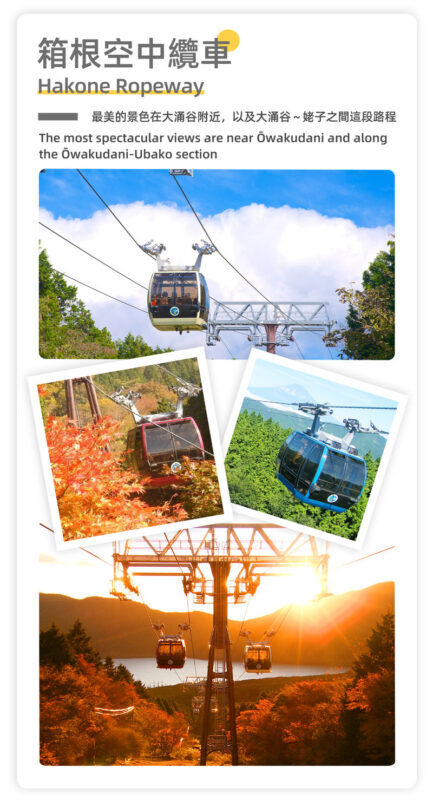
After the boat, the suggested route takes the ropeway from Togendai toward Owakudani. The ride is listed at about 30 minutes. The first section offers views across the caldera and Lake Ashi, with a chance to see Fuji if the sky is clear. It changes the pace nicely: after the water, you rise above the area rather than continue along the shore.
Check your package carefully. Some options include the ropeway ticket; others do not. If you book a package without it, the group travels to Owakudani by vehicle instead. The stop still happens, but you miss the aerial ride and its views.
Owakudani is a volcanic area where you can get a sense of the forces beneath Hakone’s scenery. You have about 50 minutes to look around, buy something to eat, or try the black eggs. The local saying claims one adds seven years to your life. Treat that as folklore, not a medical plan.
A practical note: the schedule includes a separate lunch stop later, so Owakudani is a short visit, not a long meal break. You may want to save room for a snack, then decide whether to buy lunch at the guide’s suggested restaurant or bring your own. Lunch is not included, and the restaurant is optional.
Lake Yamanaka’s swan shore
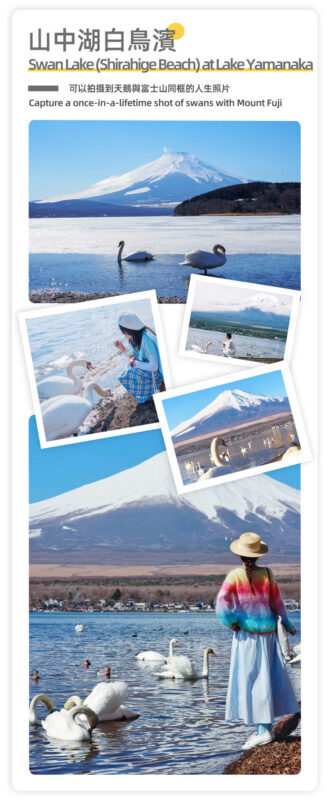
The route then heads to Lake Yamanaka, one of the Fuji Five Lakes. The stop is about 20 minutes at a section of shore known as Swan Beach, where swans gather. It is a brief chance to slow down and watch the birds, with the possibility of photographing them against a Fuji backdrop.
This stop differs from Hakone’s shrine and volcanic sights. It is a simple lakeside pause, and its appeal depends on the swans and the view on the day. Keep your expectations flexible: the schedule gives you a short window, not time to explore the entire lake.


Oshino Hakkai’s clear spring ponds
The final sightseeing stop is Oshino Hakkai, a group of spring-fed ponds known for clear water and views of Mount Fuji. The water comes from snowmelt filtered through the mountain, and the ponds are a nationally designated natural monument. You can walk among the water, take photos, and browse stalls selling local snacks.
Allow around 40 minutes. That is enough for a look and a snack, but not a leisurely exploration of every corner. If you want a particular photo, take it early rather than assuming you can circle back after shopping.
Oshino Hakkai is also a good place to try a local bite before the bus ride back to Tokyo. With a separate lunch stop earlier, you can choose how much to eat here. Keep some cash handy for purchases, and remember the group’s departure time.
What the price buys, and what it does not
The advertised starting price is $49.29. For that, the core value is round-trip transport from the meeting point and a guide, with stops across Hakone and the Fuji Five Lakes. If you were to arrange every leg independently, you would need to coordinate several types of transport and keep an eye on connection times. This tour trades flexibility for convenience.
Add the costs that are not included before deciding if the price works for you. The pirate ship is 1,700 yen per person, meals and drinks are extra, and the ropeway may require a separate ticket depending on the package. Personal purchases and snacks are also on you. A package with transport, boat, and ropeway included may cost more upfront but makes the day’s total easier to estimate.
The range of guide feedback is worth weighing. Many people have praised guides including Erik, Wanting, Jack, and Rachel for helpful directions, clear commentary, local food suggestions, and keeping the group organized. One guide cannot be requested or guaranteed, and the service can vary with group size. A detailed, constant narration is not assured, particularly when the driver-guide is also handling the road.
There have also been complaints about rushed stops, unclear instructions, and long periods on the bus. Those are real risks on a tightly timed route. Ask the guide to confirm each meeting time and location before you leave the bus, especially if you sit toward the back or are joining a larger group.
Timing, weather, luggage, and other practical details
Traffic is the biggest variable. The return trip is listed at about two hours, but weekend congestion, holidays, weather, or crowds can delay the day or lead the guide to shorten stops. Do not plan a tight connection or an important evening booking in Tokyo based on the stated arrival time.
Mount Fuji views depend on visibility. Clear weather can reveal the mountain from several stops, but cloud cover can obscure it. The tour still offers Hakone’s shrine, lake, ropeway or road transfer, volcanic area, and spring ponds, but Fuji is a central part of the appeal, so weather matters.
You can bring one piece of luggage per person at no extra charge. Each additional piece costs 2,000 yen on site, and you should note extra luggage when booking. The vehicle may vary with group size, from a Toyota Alphard or Hiace to a small or large bus.
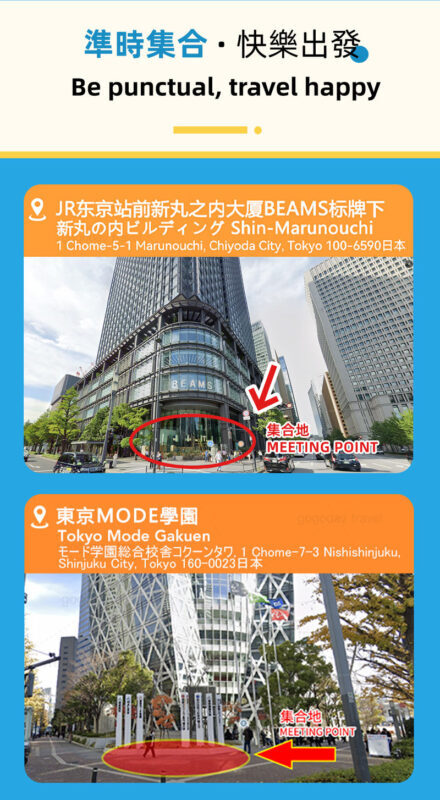
Arrive at the meeting point 10 minutes early. The guide, meeting time, and vehicle details are sent by email between about 18:00 and 21:00 on the day before departure. Check your spam folder if the message is missing. The bus leaves on time, and late arrivals or no-shows are not refunded.
Children aged 3 and older pay the adult rate. Children aged 0 to 2 can join free if they do not need a separate seat, and anyone under 18 must be accompanied by a paying adult. Seniors aged 70 or older need to present a medical certificate. The activity is not recommended for people with high blood pressure, epilepsy, heart disease, asthma, or other serious medical conditions.
Who should book this Fuji and Hakone day trip?
I would choose this tour if you want to cover several major sights in one day, value having transport arranged, and are comfortable with short visits. It also suits solo visitors who would rather not manage the route alone; the group setting can make the long day more social.
It is less suited to anyone who wants to linger at the shrine, spend a long time on Lake Ashi, or explore Hakone at an independent pace. If you care most about the pirate ship or ropeway, confirm whether those tickets are included before booking, and budget for the boat either way. If you want the easiest first look at Hakone and the Fuji area from Tokyo, the route offers plenty of variety for the price. Just treat it as a sampler, not a private, leisurely tour.
Mount Fuji & Hakone – Lake Ashi Torii Gate, Hakone Shrine, Hakone Pirate Ship, Hakone Ropeway, Owakudani, Lake Yamanaka & Oshino Hakkai Day Trip: Sea, Land, and Air Panoramic Tour from Tokyo
“Tony was an awesome Guide and give us a lot of information. He was really nice and helped the groupe a lot. It was an awesome trip.”
FAQ
How long is the tour?
The day runs for about 11 hours, with departure at 7:30 or 8:00 and a stated return to Tokyo around 18:30. Traffic and weather can change the timing.
What is included in the price?
Round-trip transfers from the meeting point and a guide are included. Meals, drinks, the pirate ship ticket, and other personal expenses are not included.
How much does the pirate ship cost?
The one-way ride from Motohakone Port to Togendai Port takes about 30 minutes and costs 1,700 yen per person. Payment is by cash.
Is the Hakone Ropeway included?
That depends on the package. If you book an option without a ropeway ticket, the group travels to Owakudani by vehicle instead.
Which languages are offered?
Options include English, Mandarin, Chinese and English, and French. Japanese and Korean are also listed among the tour’s guide languages, but check the specific package available for your date.
Where does the tour depart from?
It is a meet-up tour departing from Tokyo. The exact meeting point and vehicle information are sent by email the evening before the trip. A Chinese and English hotel-pickup option is also listed.
How much luggage can I bring?
One piece per person is free. Each additional piece costs 2,000 yen on site, and you should note it when booking.
Is lunch included?
No. The guide may recommend restaurants, but you choose whether to eat there. You can also bring your own lunch.
Can children join the tour?
Children aged 0 to 17 must be accompanied by a paying adult. Children aged 3 and older pay the adult rate. Children aged 0 to 2 can join free if they do not occupy a separate seat.
Is Mount Fuji guaranteed to be visible?
No. Visibility depends on weather. The schedule may also change because of weather, traffic, holidays, or crowds.