
If you’re reaching Mt Fuji by bus — either because it’s the cheapest option, because you’d rather not figure out the train connections, or because the tour-guide-and-coach format just makes your trip easier — there are two distinct ways to do it. The first is an organised bus day tour: $60-82 per person, English-speaking guide, fixed itinerary, group of 30-45 travellers. The second is the Chuo Highway Bus from Shinjuku to Kawaguchiko: ¥2,000 each way, no guide, your own itinerary once you arrive. Most travellers only know about option one. This guide covers both. (If you’d rather take the train, the JR Chuo Line to Otsuki plus the Fujikyu Railway onward to Kawaguchiko is the alternative — similar timing, marginally more expensive, a different kind of scenic ride.)
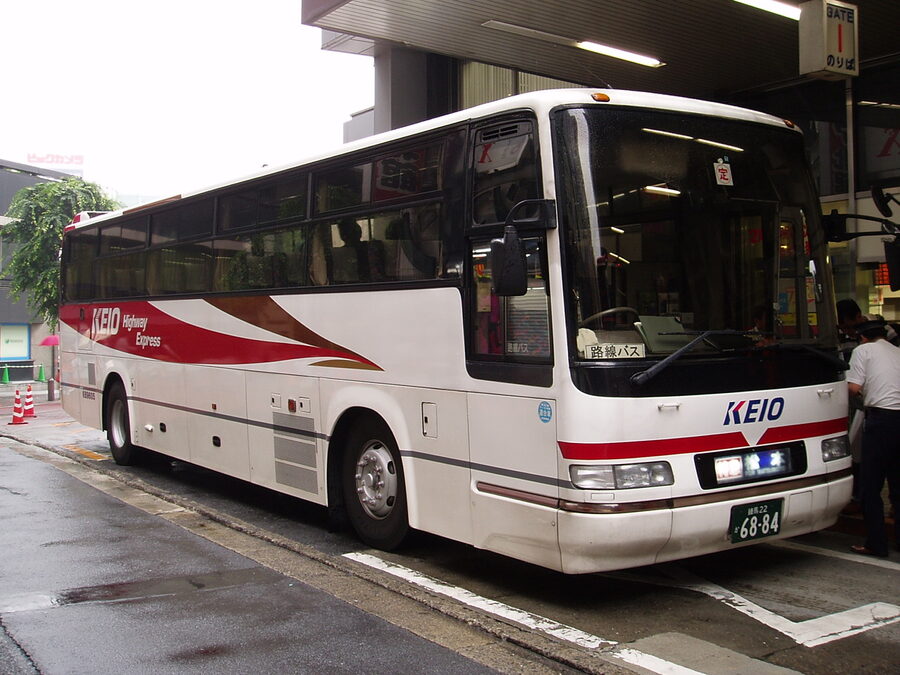
The short version: if you want a guide and structure, book a tour. If you want flexibility and your Fuji trip to cost $25 instead of $60-80, take the highway bus yourself. The rest of this page is the detailed comparison.
Short on time? Here are my top picks:
Best overall bus tour: Mt Fuji and Lake Kawaguchi Scenic 1-Day Bus Tour — $60, Japan’s most-booked Fuji-only bus tour, Kawaguchiko + viewpoints.
Best for 5th Station visit: From Tokyo: Mt. Fuji 5th Station & Lake Kawaguchi Bus Tour — $82, stops at the 2,300m climbing trailhead on clear days.
Best value alternative: Scenic Spots of Mt Fuji and Lake Kawaguchi 1 Day Bus Tour — $59.94, slightly different scenic stops, similar day.
DIY option: Shinjuku → Kawaguchiko Highway Bus via Keio or Fujikyu. ¥2,000 each way, 1 hr 45 min direct, book at highway-buses.jp or at the Shinjuku terminal.
- Part 1 — The Organised Bus Tour Option
- The 3 Best Mt Fuji Bus Tours from Tokyo
- 1. Mt Fuji and Lake Kawaguchi Scenic 1-Day Bus Tour —
- 2. From Tokyo: Mt. Fuji 5th Station & Lake Kawaguchi Bus Tour —
- 3. Scenic Spots of Mt Fuji and Lake Kawaguchi 1 Day Bus Tour — .94
- Part 2 — The DIY Highway Bus Option
- Where You Leave From: Basuta Shinjuku
- What the Ride Is Like
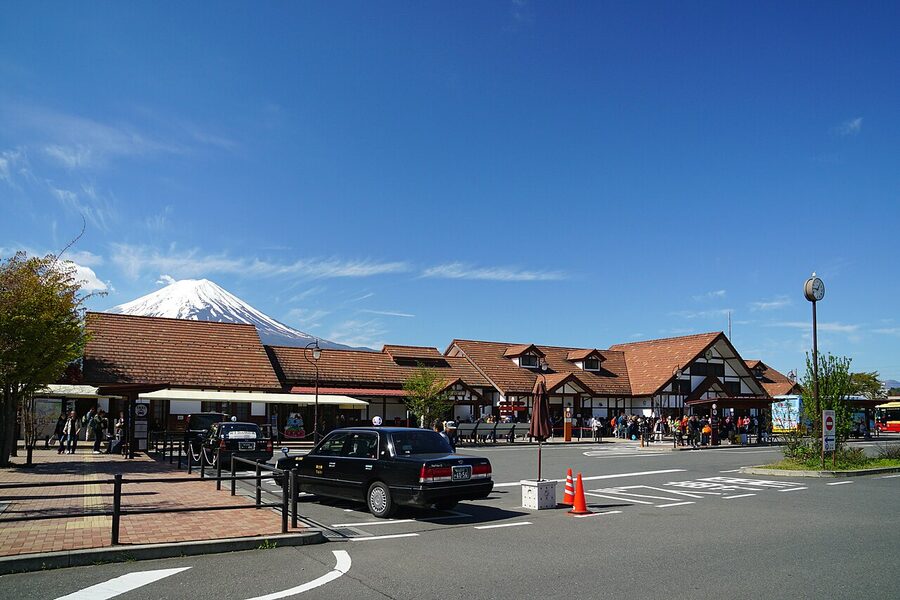
- Where You Arrive: Kawaguchiko Station
- A Reasonable DIY Day From Shinjuku
- Tour vs DIY: Head-to-Head
- Practical Tips
- When Each Approach Wins
- More Japan Experiences
Part 1 — The Organised Bus Tour Option
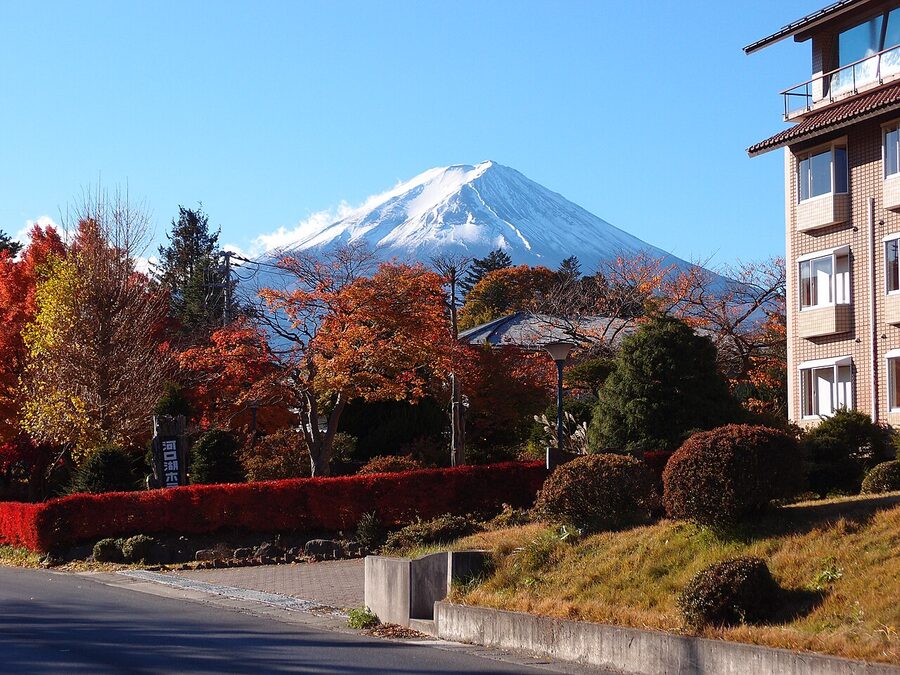
Bus tours are the middle-ground option. Cheaper than a private tour ($60-82 vs $140+ per person at private-tour group size), more structured than DIY, and with the bonus of an English-speaking guide narrating the drive. They trade the Hakone half of the classic Fuji-Hakone day for more Fuji-side time — Kawaguchi, 5th Station, Oshino Hakkai, and similar Fuji-base sights.
When a bus tour wins over a Fuji-Hakone coach tour:
You’ve already been to Hakone. If you’ve done Hakone separately — or you’re doing it on another day of your trip — skip the combined Fuji+Hakone option and take a Fuji-focused bus tour instead. You’ll spend the day on Fuji content rather than dividing time across both regions.
You want Fuji 5th Station specifically. The Fuji+Hakone tours stop at the 5th Station briefly; the Fuji-only bus tours usually spend longer there because they’ve got the time.
You want the lower price. A Fuji-only bus tour at $60 is cheaper than even the budget Fuji+Hakone tour ($54 for bus both ways) once you add the 5th Station premium.
Three tour operators dominate this format.
The 3 Best Mt Fuji Bus Tours from Tokyo
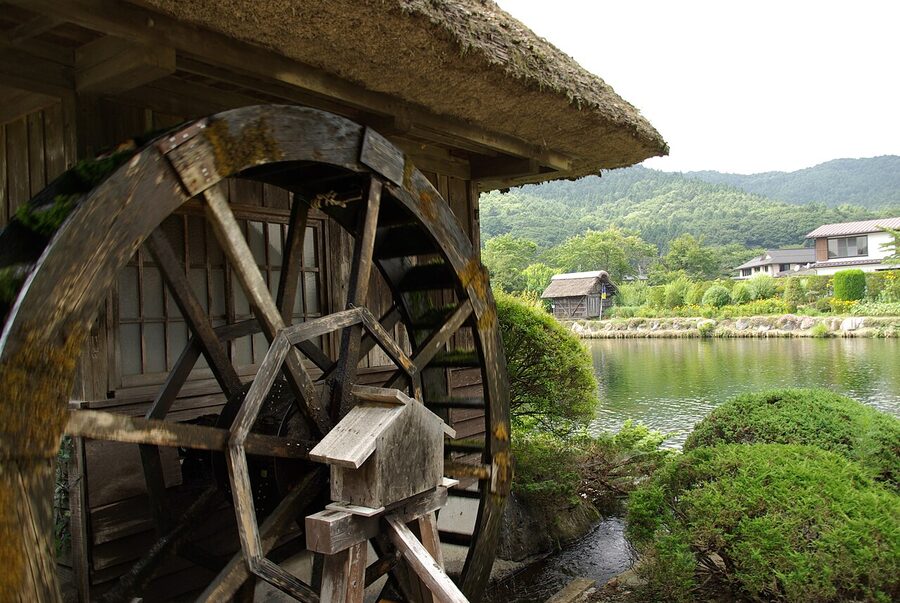
1. Mt Fuji and Lake Kawaguchi Scenic 1-Day Bus Tour — $60

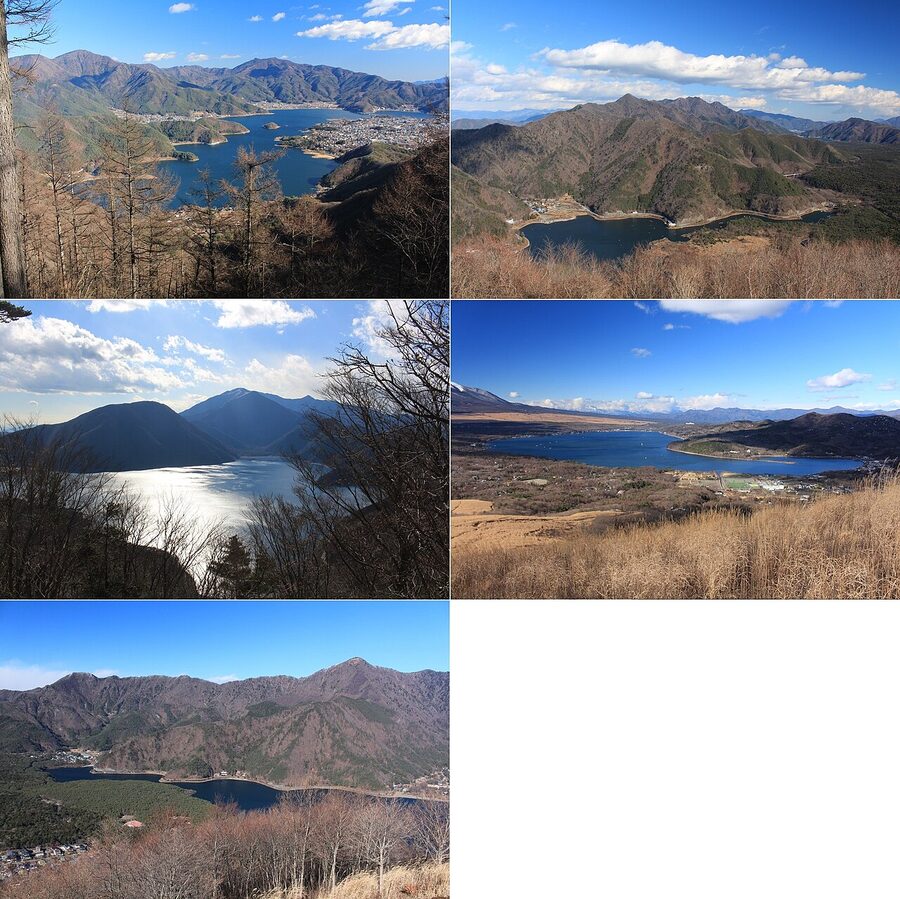
The benchmark Fuji-only bus tour. Leaves Shinjuku around 8:30am, heads to the Fuji area via the Chuo Expressway, visits Lake Kawaguchi (usually 90 minutes around the lake — the Oishi Park viewpoint on the north shore, the Kachi Kachi Ropeway for elevation, the Music Forest Museum for a quick stop), includes Mt Fuji 5th Station or a substitute lower-elevation viewpoint when 5th Station is closed, lunch at a local restaurant (often own-cost), and back to Shinjuku by 7pm. English-speaking guide on every departure. 2-3 daily departures from Shinjuku. Group size 30-45. Book 3-5 days ahead for weekdays, 1-2 weeks for weekends. Our full review covers the exact stops and timing.
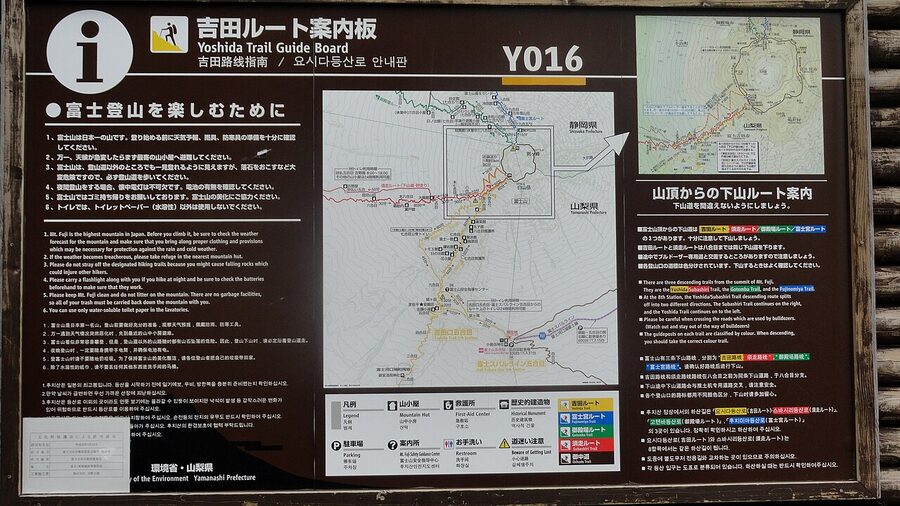
2. From Tokyo: Mt. Fuji 5th Station & Lake Kawaguchi Bus Tour — $82
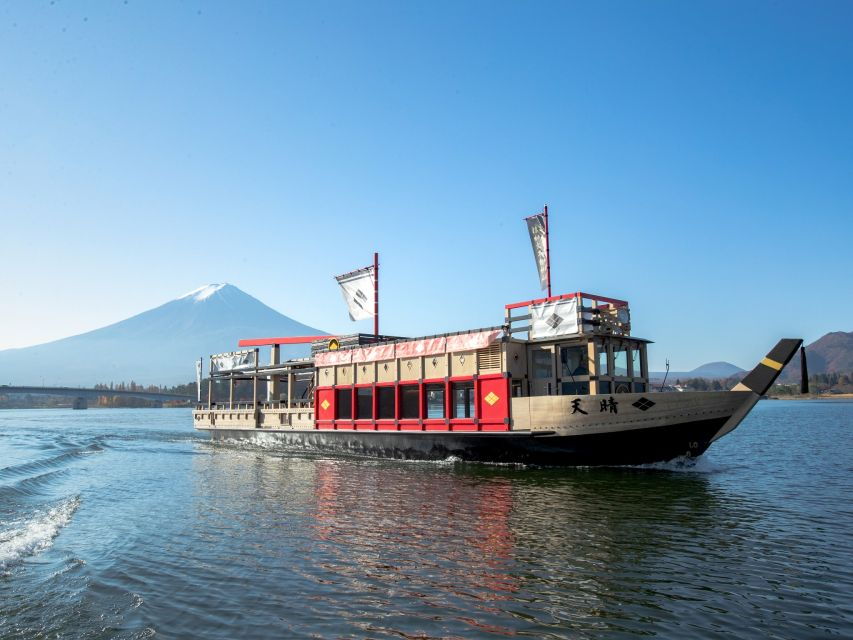
$22 more than Tour 1, and what you get is extended time at the 5th Station (typically 60+ minutes vs 30-40 on the other tour) plus a more mountain-focused itinerary. Usually adds a stop at Oshino Hakkai and a drive through the Aokigahara (“Sea of Trees”) forest at the base of Fuji. Lake Kawaguchi stop is shorter (about 45 minutes). Runs May through October — closed in winter when the Subaru Line road to the 5th Station is snowbound. English-speaking guide, group size 30-40, same Shinjuku pickup. Good pick for travellers with altitude curiosity or for summer climbers who want to scout the trailhead. Our review compares it head-to-head with Tour 1.
3. Scenic Spots of Mt Fuji and Lake Kawaguchi 1 Day Bus Tour — $59.94
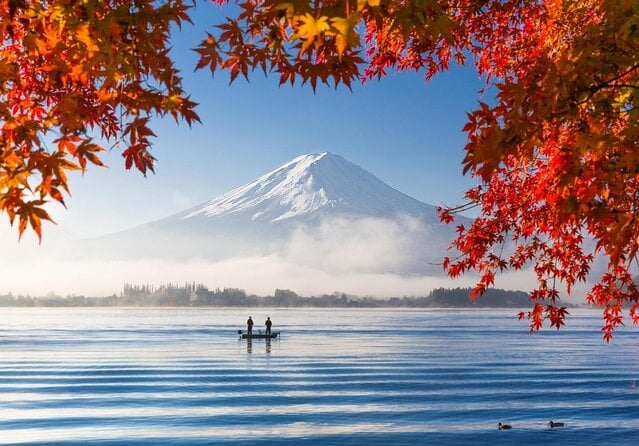
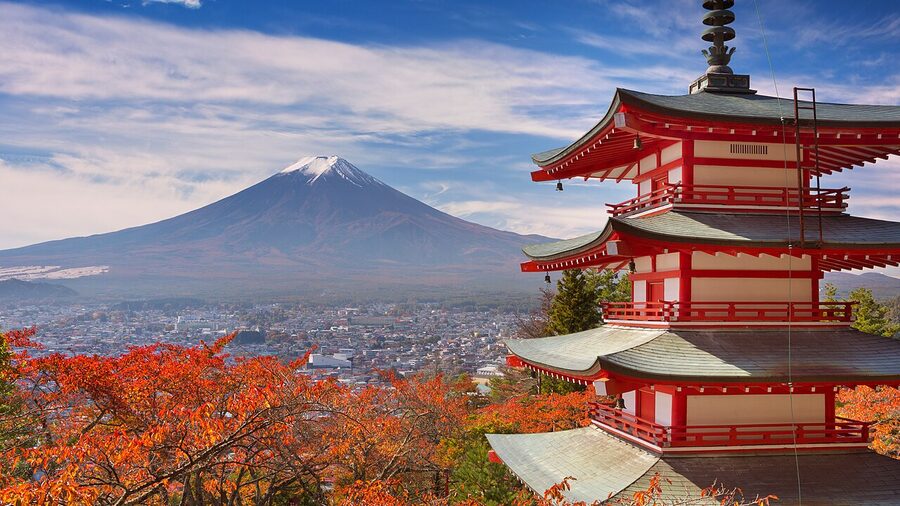
Same price point as Tour 1 but from a different operator, with slightly different stop selection. Focus is on Fuji photography viewpoints — Arakurayama Sengen Park (Chureito Pagoda area, when scheduling allows), Oishi Park at Lake Kawaguchi, Shoji Trick Art Museum, and usually one of the Fuji Five Lakes besides Kawaguchi. No 5th Station stop on the standard itinerary. Runs year-round, including winter when Tour 2’s 5th Station access is closed. Same Shinjuku pickup, English guide, 30-40 group size. Book this one if Tour 1 is sold out or if you specifically want the Chureito pagoda viewpoint included. Our review covers the specific photography stops.
Part 2 — The DIY Highway Bus Option
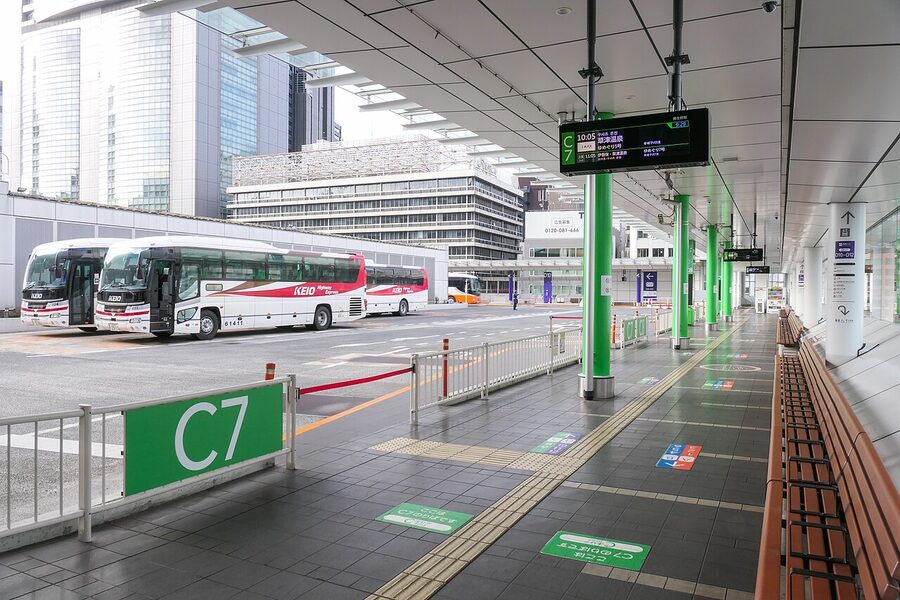
This is the option most Tokyo first-timers don’t know exists. Japan has a national network of long-distance highway buses, and Mt Fuji is one of the most heavily-served destinations on it. Two operators — Keio Bus and Fujikyu Bus — run direct buses from Shinjuku to Kawaguchiko Station every 30-60 minutes during daylight hours. The price is ¥2,000 each way (about $13). The journey is 1 hour 45 minutes to 2 hours depending on traffic.

Where You Leave From: Basuta Shinjuku
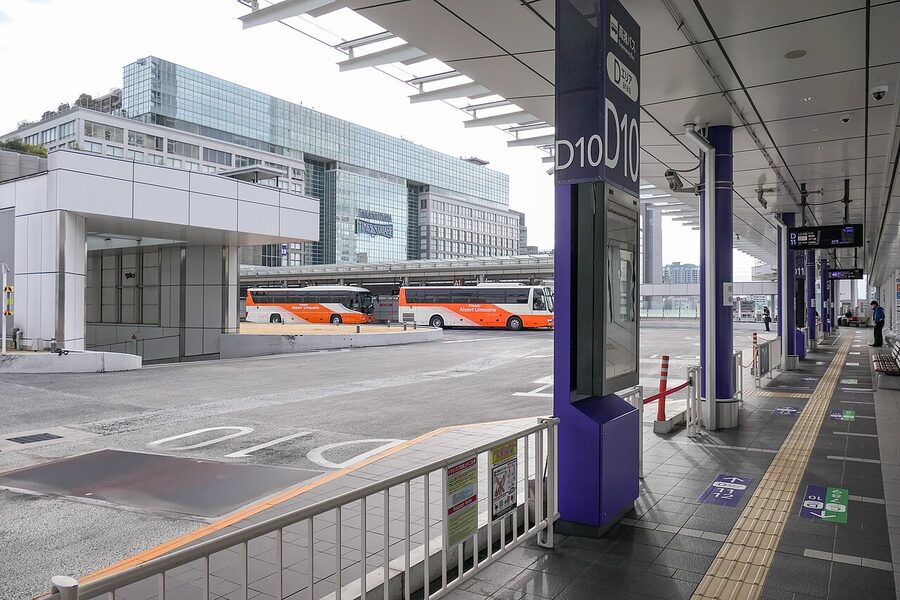
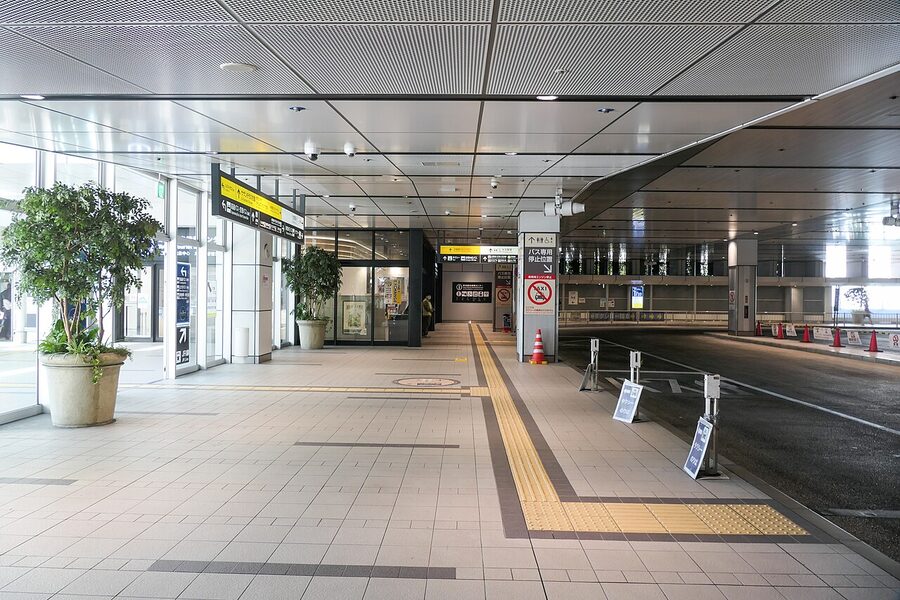
The Shinjuku Expressway Bus Terminal (called “Basuta Shinjuku” in Japanese) opened in 2016 and consolidated what had been a chaotic spread of bus stops across Shinjuku. It’s on the 4th floor of the JR Shinjuku Station south building — directly above the JR train platforms and accessed via escalators or lifts. Signage is clear in English. Give yourself 20 minutes from arriving at Shinjuku to boarding, longer if you haven’t been there before.
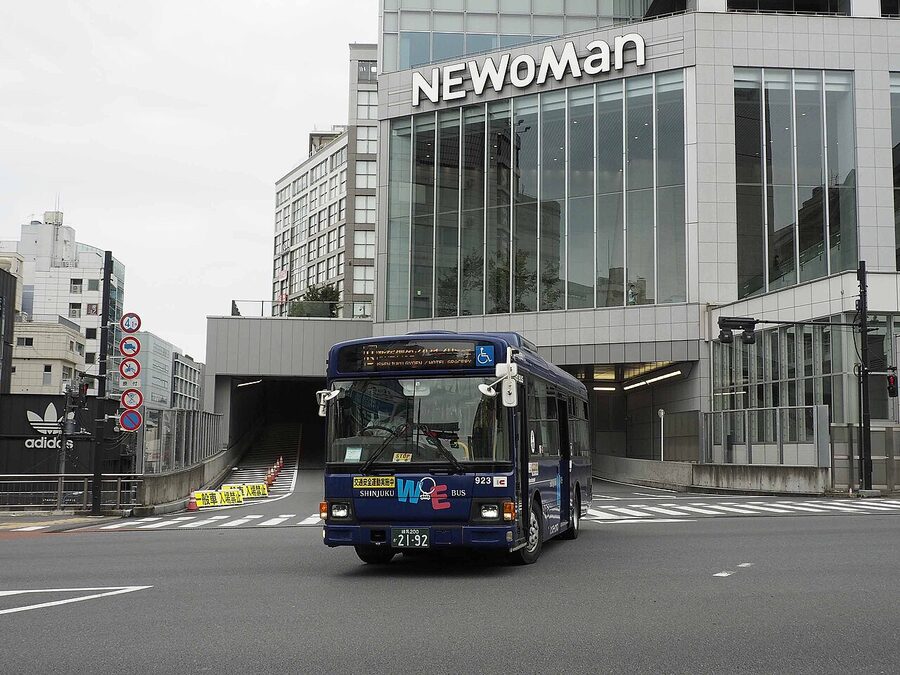
Booking:
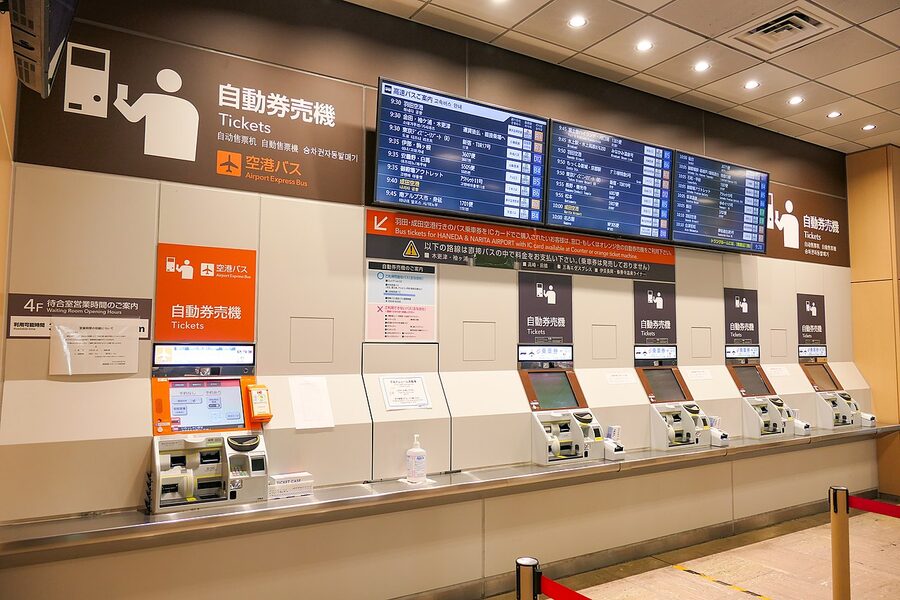
Online: highway-buses.jp is the English-language booking site that covers both Keio and Fujikyu routes. Pay by credit card, get a QR code by email, scan at boarding. Book 1-3 days ahead for standard departures; 1-2 weeks for weekend morning departures during cherry blossom and autumn peak weeks.
At the terminal: Walk up to the counter 30-60 minutes before your preferred departure. Cash or card. Usually works except for peak weekends when buses can sell out.
Japan Bus Pass: If you’re doing multiple highway-bus routes during your trip, Willer Express sells a 3-day or 5-day Japan Bus Pass (around ¥10,000 / ¥15,000) that covers Tokyo-Kawaguchiko along with many other intercity routes. Worth the math only if you’re doing 3+ qualifying legs.
What the Ride Is Like
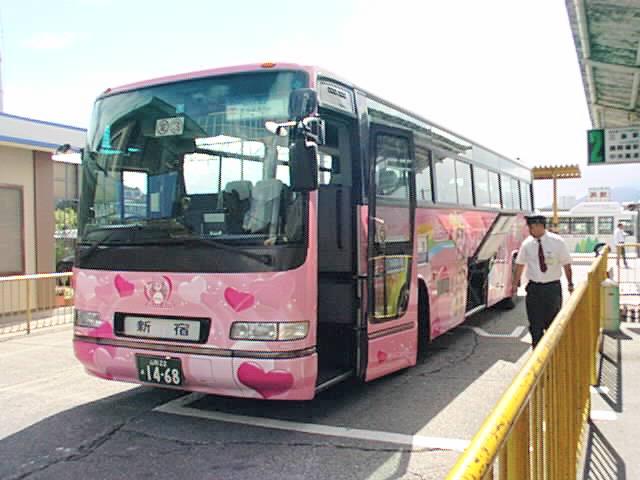
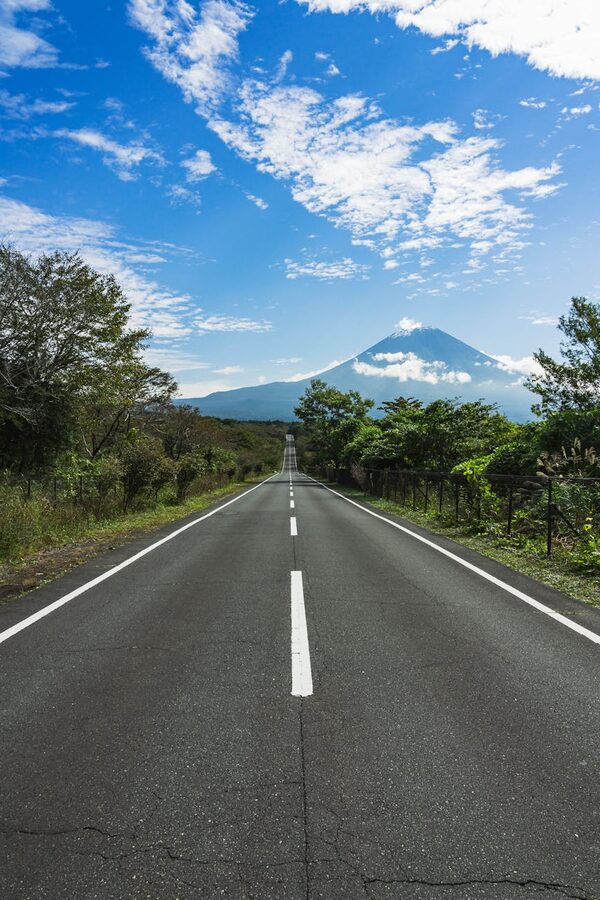
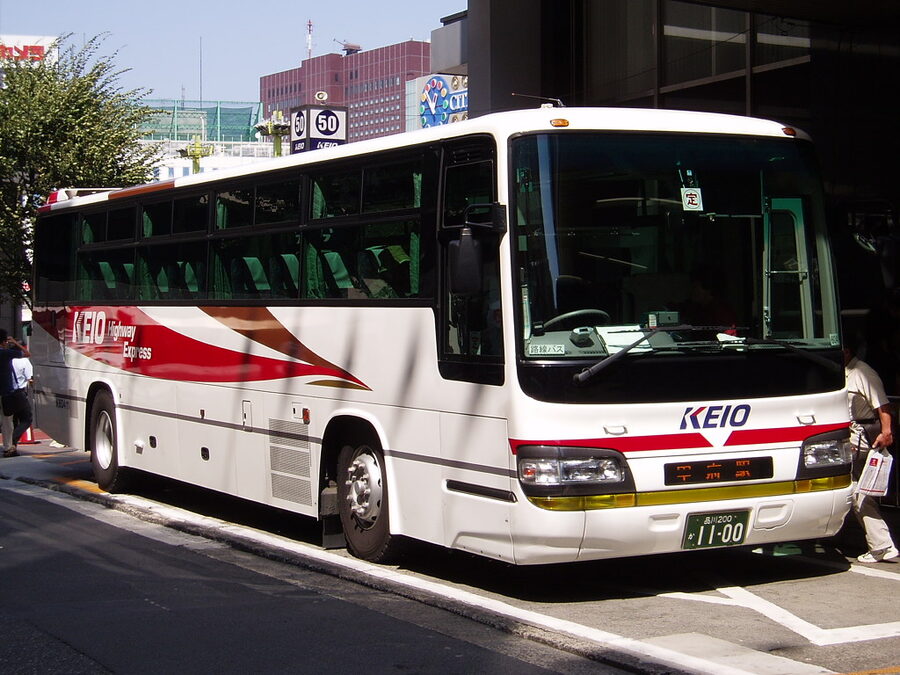
Highway buses in Japan are well-maintained, air-conditioned, and very on-time. Seats assigned. Wifi on most Keio services, variable on Fujikyu. Small toilet at the back of the bus on most routes. Bring snacks and water — there’s one 10-minute rest stop at the halfway point (Dangorokuta PA or similar), usually with vending machines and a small convenience store. The drive runs west along the Chuo Expressway through suburban Tokyo, then into the mountains west of the city.
On the right-hand side (south), Mt Fuji appears about 45 minutes in on clear days — a good “first look” at the mountain from about 50 km out. If Fuji-visibility is the whole point of your trip, try to book a right-side window seat.
Where You Arrive: Kawaguchiko Station
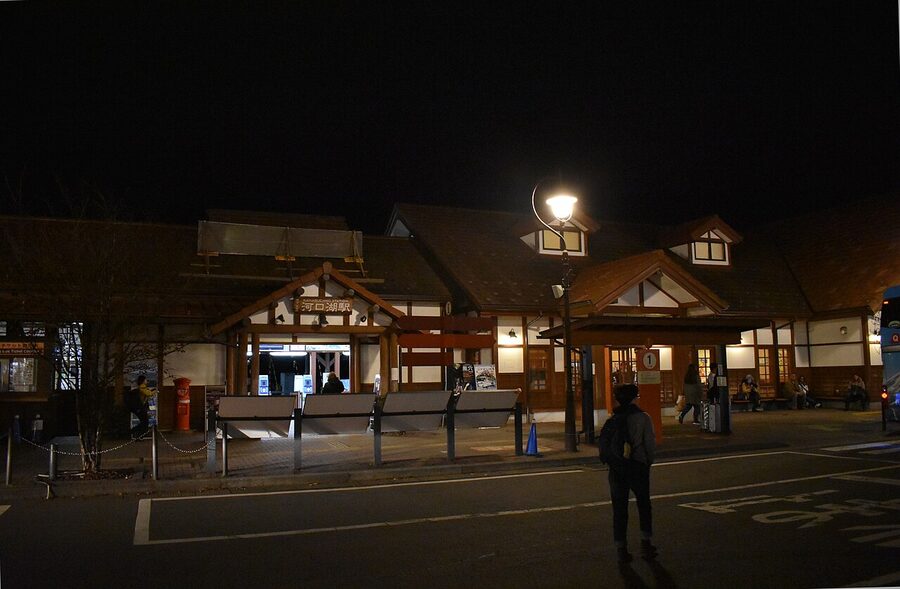
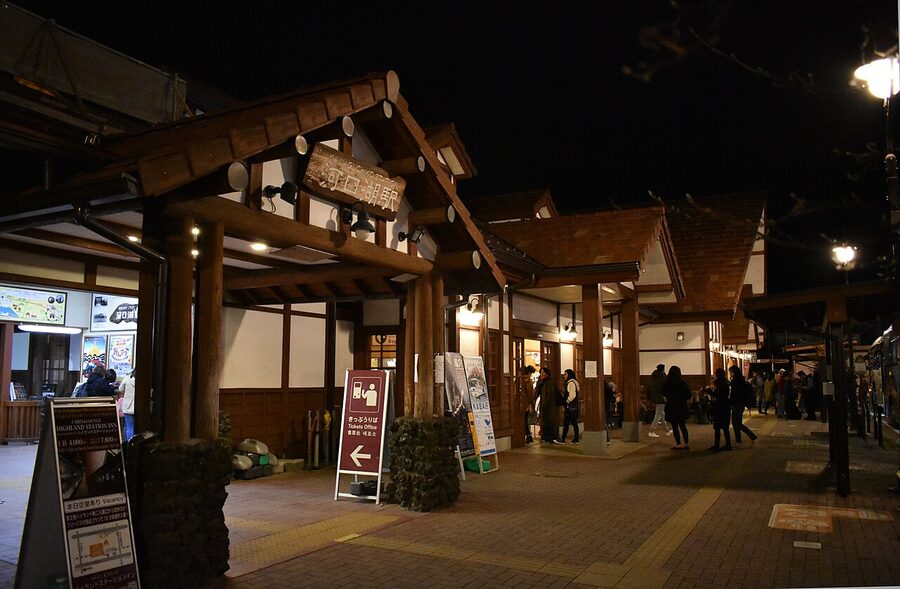
The highway bus terminates at Kawaguchiko Station — the hub for the Fuji Five Lakes region. From here you have several onward options:
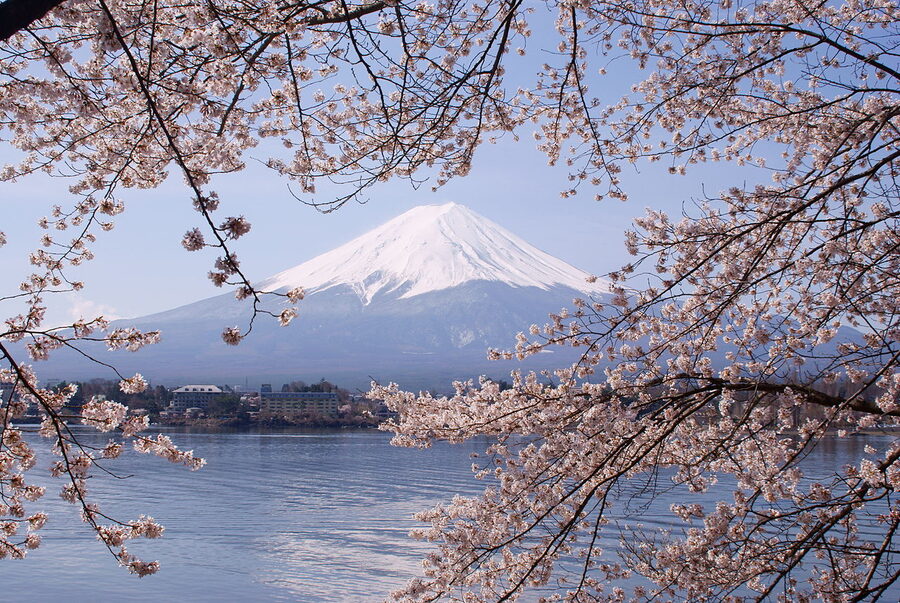
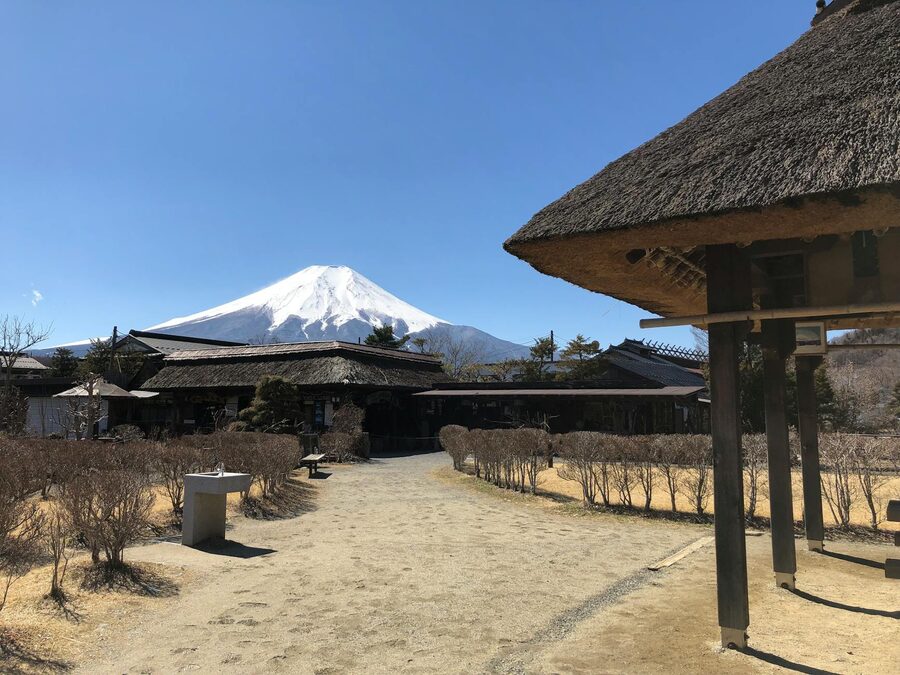
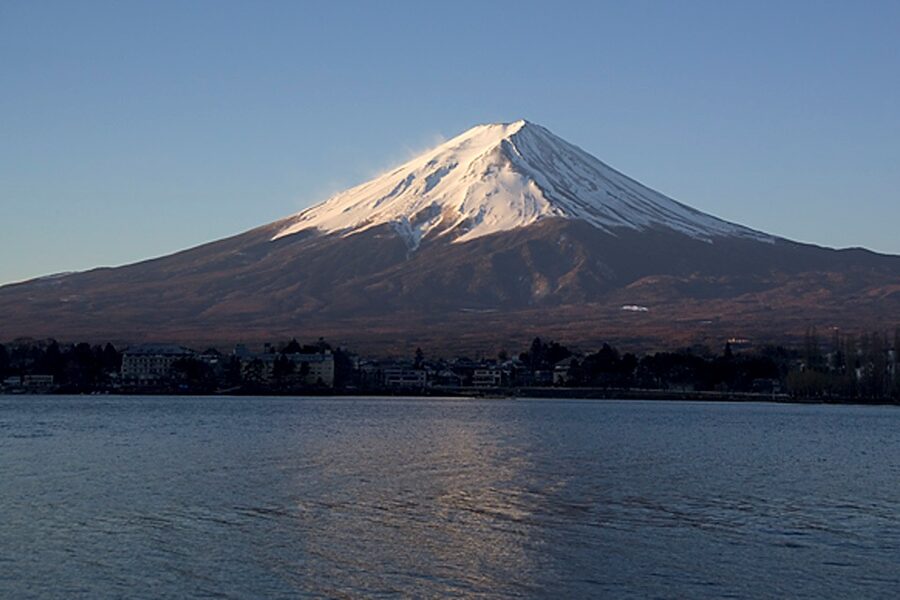
Walk to Lake Kawaguchi. 10 minutes east. The lake is the classic Fuji-reflection viewpoint.
Retro Bus (Red Line and Green Line). Two loop buses from Kawaguchiko Station cover the Fuji Five Lakes sights. Red Line goes around Lake Kawaguchi, Green Line goes to Saiko and beyond. ¥1,500 day pass, unlimited rides. This is what you want if you’re planning to hit 4-6 attractions.
Mt Fuji 5th Station. Direct bus from Kawaguchiko Station, 50 minutes each way, ¥3,150 round trip. Only runs April-October.
Chureito Pagoda. Take the Fujikyu train one stop to Shimoyoshida Station (¥240, 5 minutes), walk 15 minutes, climb 400 steps. Total effort from Kawaguchiko Station: about 45 minutes one way.
A Reasonable DIY Day From Shinjuku
Here’s the itinerary most DIY-ers actually run:
6:40 am: Catch the 7:00 am Keio bus from Basuta Shinjuku. Book the day before online.
8:45 am: Arrive Kawaguchiko Station. Pick up a Retro Bus day pass (¥1,500) at the station.
9:00-10:00 am: Red Line bus to Oishi Park on the north shore. Fuji views with flower beds.
10:00-11:00 am: Red Line back toward Kawaguchiko Station, hop off at Kachi Kachi Ropeway. Quick ropeway ride for elevation view.
11:30 am-1:00 pm: Walk along the Lake Kawaguchi shore. Lunch at a lakeside restaurant (hoto noodles, ~¥1,500).
1:30 pm: Fujikyu train one stop to Shimoyoshida.
2:00-3:30 pm: Walk to and climb Arakurayama Sengen Park / Chureito Pagoda. The one everyone wants the photo of.
4:00 pm: Back to Kawaguchiko Station.
4:30 pm: Catch the return bus to Shinjuku.
6:30 pm: Arrive Shinjuku.
Total cost for a 2-person DIY day: ¥8,000 in buses (2 round-trip highway bus + 2 day passes + some local train) + ¥3,000 lunch = ¥11,000 total, or roughly $72 for two people. Compared to $120 ($60 x 2) for the equivalent organised Fuji-Kawaguchi bus tour, you save about $50 — and you got the Chureito Pagoda shot that most organised tours skip.
Tour vs DIY: Head-to-Head
Here’s the direct comparison on the decisions that actually matter.
Cost: DIY wins. ¥4,000-5,000 in transport for the day (highway bus round trip + local Retro Bus pass) vs $60-82 per person for a tour. For a couple, DIY saves ~$80-120 over the day.
Guide / commentary: Tour wins. Tours include English-speaking guides who explain Fuji’s geology, the shrine history, what’s in season. DIY, you figure it out yourself — not a barrier if you read beforehand, but you lose the narration.
Structure / simplicity: Tour wins. Everything is handled — pickup, driving, timing, lunch suggestions. DIY, you manage the schedule.
Flexibility: DIY wins by a lot. Skip a stop you don’t care about. Spend 2 hours at Oshino Hakkai instead of 30 minutes. Wait for clouds to clear. Stay until sunset if the weather is good. Tours can’t do any of this.
Time at each stop: DIY wins. Tours give 30-45 minutes at each location; DIY gives you 90+ if you want.
Photography: DIY wins for reasons above — right light, right time, right place.
Weather adaptation: Tour wins slightly — tours pre-plan indoor backup stops when Fuji is clouded. DIY, you’re stuck with whatever weather you drew.
Language safety net: Tour wins. If you don’t speak any Japanese and you hit a problem, the tour guide helps. DIY means managing with phone translators and signage (which, in the Fuji region, is generally English-friendly but not universally so).
Fatigue: Tour wins. Let someone else drive, navigate, find lunch. DIY involves figuring out the Retro Bus schedule, deciding where to eat, walking between stops. Not hard, but not zero-effort.
Bottom line: Book a bus tour if it’s your first time in Japan and you want structure + narration, or if you’re budget-constrained but want someone else handling logistics. Go DIY if you’ve travelled independently in Japan before (even just used the Tokyo metro), you want the Chureito Pagoda shot, you want budget flexibility, or you’re a photography-first visitor.
Practical Tips
Weather check: Both options — book a tour or take the highway bus — benefit from a morning weather check the day before. Tenki.jp is the best Japanese weather resource. If Fuji visibility is forecast under 20%, consider waiting a day.
Return bus: For DIY, book the return bus at the same time as your outbound. The 4-6 pm returns fill up fast. If you need flexibility, Fujikyu has more departures in the 3-5pm window than Keio does.
Luggage: Don’t travel with large luggage. Store it at your Tokyo hotel or in a coin locker at Shinjuku Station (¥600-900/day). Highway buses have limited under-bus storage and the Retro Bus day-loop doesn’t accommodate suitcases well.
IC cards: Your Suica or Pasmo doesn’t work on the highway bus — separate ticket. Does work on the Fujikyu Railway local train and on most of the Retro Bus loop.
Connection timing: Don’t book a tight connection between the Fuji return bus and your onward evening plans. A 30-60 minute delay on the return is common during rush hour.
Cash: ¥10,000-15,000 per person for the day covers transport, lunch, temple donations, and small souvenirs. Cards are accepted at Kawaguchiko Station and major attractions but not always at small shops.
Language: The Fuji region sees enormous visitor traffic and English signage is widespread. Japanese-only situations are rare. Google Translate’s camera mode handles menus.
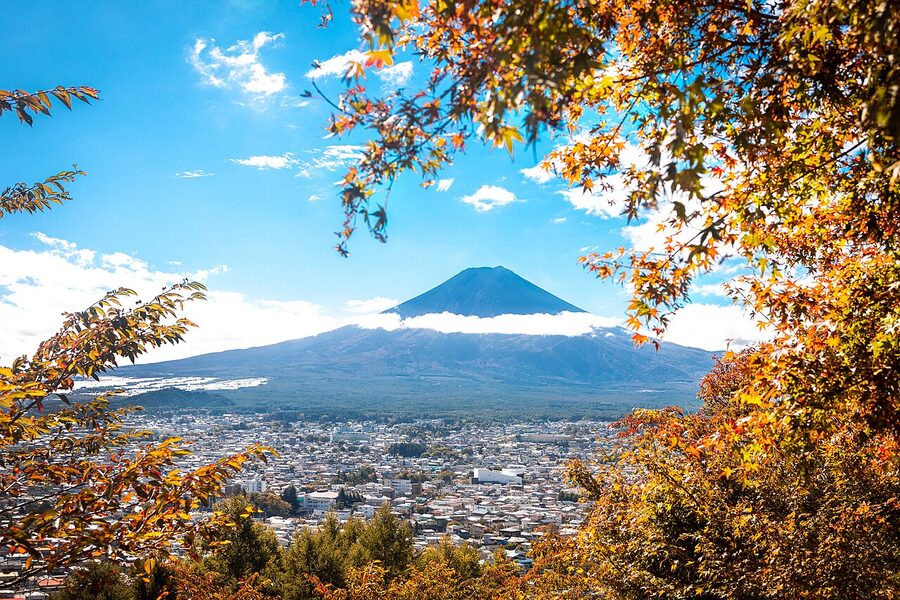
Seasonal timing: Winter (December-February) has the best Fuji visibility odds (40-50% of days). Cherry blossom season at Lake Kawaguchi is mid-April (2 weeks later than Tokyo due to elevation). Autumn colour peaks mid-November. The tours run year-round; DIY is most rewarding in late autumn and winter when crowds are smaller.
When Each Approach Wins
Book a bus tour if: (1) it’s your first trip to Japan, (2) you don’t speak any Japanese and want backup, (3) you want an English guide explaining the sights, or (4) you prefer zero-effort days.
Take the DIY highway bus if: (1) you’re comfortable navigating independently in Japan (even at a basic Tokyo-metro level), (2) photography or specific viewpoints matter, (3) you want to save $50-100 per person, (4) you want more time at individual stops, or (5) you specifically want Chureito Pagoda (most organised tours skip it).
Book a Fuji + Hakone coach tour instead if: You want both Fuji and Hakone in one day and aren’t committed to a Fuji-only focus. Our Mt Fuji + Hakone day trip guide is the direct alternative — same-day visit to both areas with a single coach tour.
Book a private tour if: You’re a group of 4+ splitting the cost, or you want sunrise, or accessibility is a factor. Our Mt Fuji private tours guide covers the premium option.
More Japan Experiences
The Mt Fuji bus day is one piece of a broader Japan itinerary. If you want the companion Tokyo experiences, our Asakusa Sensoji walking tour pairs well with a Fuji day (morning Fuji, evening temple light). Our Tokyo ramen tasting is the standard “back from the bus, hungry” follow-up. Tokyo pub crawl works after a day when you need to wake back up. For alternative day trips, our Nagoya to Takayama and Shirakawa-go day trip covers the mountain-village equivalent from central Honshu. Kyoto Gion food tour and Kanazawa tea ceremony are the flagship Kyoto-area and mountain-town experiences for later in your trip. Takachiho Gorge from Fukuoka is the southern Japan equivalent of a Fuji-style remote-landscape day tour. If the DIY approach appeals to you, applying the same logic to Kyoto early morning tours works — go yourself before the crowds rather than join an organised group. Tokyo bike tours are the urban counterpart for self-paced movement. And for another highway-bus-accessible Japan destination, Takayama and Shirakawa-go are reachable on similar bus formats from Nagoya. Most travellers who nail the DIY Fuji bus day go on to DIY other pieces of their trip — the savings compound, and the confidence level rises after the first successful one.