
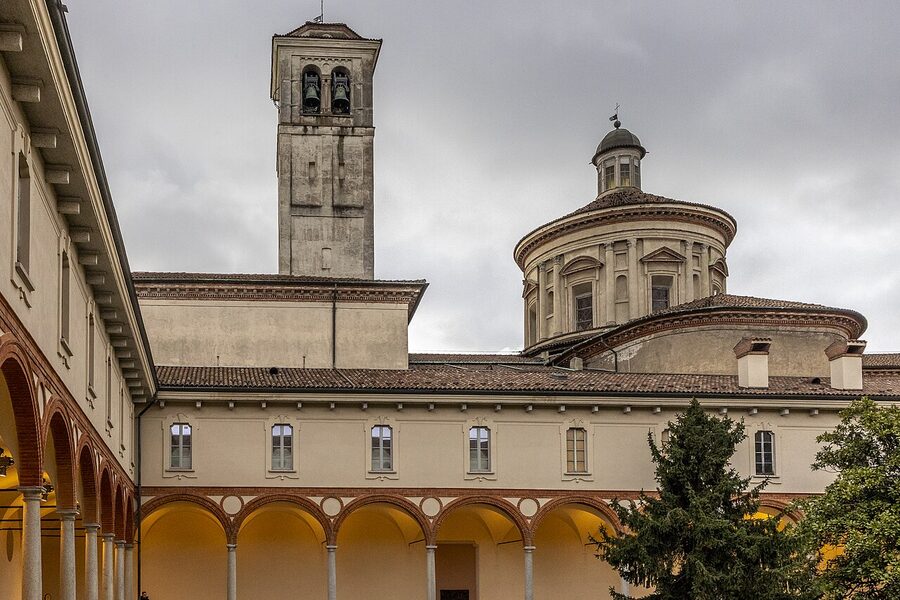
Have you ever walked into a building thinking you were going to see one thing, and stayed four hours because you were wrong? That is what happens at the Museo Nazionale della Scienza e della Tecnologia Leonardo da Vinci in Milan. People go in expecting a Leonardo museum and find a sixteenth-century Olivetan monastery filled with steam locomotives, a Cold War submarine in the courtyard, and yes, also 130 wooden machines built straight from Leonardo’s notebooks.
This is one of two Da Vinci museums in central Milan, and they are not the same place. This guide explains both, helps you decide which one you actually want, and walks through the booking, the timing, and the small mistakes that cost most visitors a chunk of their afternoon.
In a Hurry? My Top Picks
- Best overall, the big one: Milan Science and Technology Leonardo da Vinci Museum Entry ($15). Skip-the-line entry to the full museum, including the 130-machine Leonardo gallery, the transport halls, and the cloisters. Free cancellation 24 hours out.
- Best for a quick interactive Leonardo fix: Leonardo3 The World of Leonardo ($18). Smaller, more digital, all Leonardo, in the Galleria right next to the Duomo. Easier on kids and people who hate big museums.
- Best for the manuscripts: Pinacoteca Ambrosiana and Codex Atlanticus ($21). The actual handwriting. Original Leonardo notebook pages, on rotation, in a gorgeous old library.
- In a Hurry? My Top Picks
- Two Different Museums With the Same Name on the Sign
- How the Tickets Actually Work
- The Three Tickets I Actually Recommend
- 1. Milan Science and Technology Leonardo da Vinci Museum Entry:
- 2. Leonardo3 The World of Leonardo Museum Entry:
- 3. Pinacoteca Ambrosiana and Codex Atlanticus:
- What’s Actually In the Big Museum, Wing by Wing
- Leonardo3, In Detail
- Why the Manuscripts Are Worth a Detour
- How to Time the Visit
- Getting There
- The History You Don’t Have to Know But Will Enjoy
- The Mona Lisa Question, And Why It Comes Up Here
- Common Mistakes That Eat Your Day
- What to Pair With the Visit
- Photography Notes
- Tying It Into the Wider Milan Trip
- More Milan and Italy Reading
Two Different Museums With the Same Name on the Sign
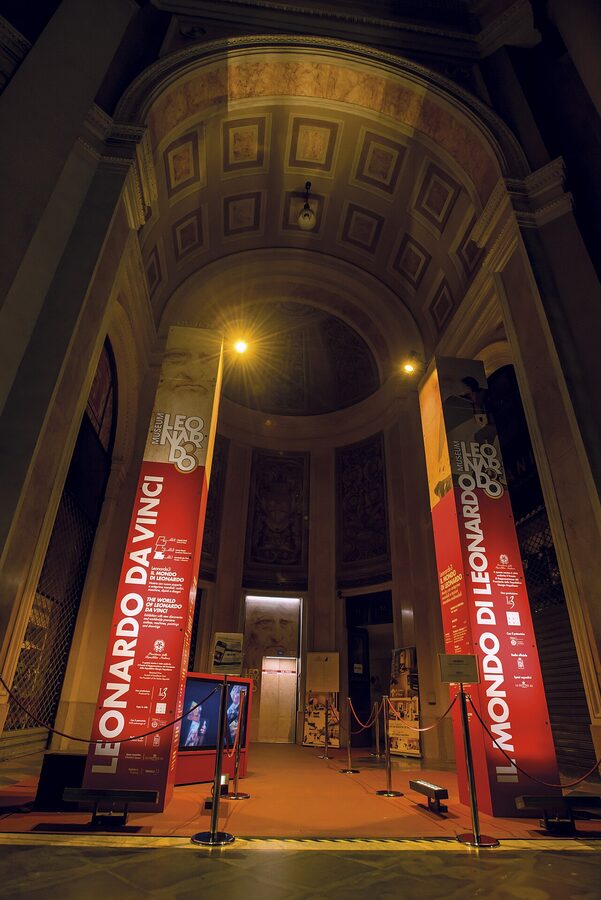
This trips up almost everyone. There is the Museo Nazionale della Scienza e della Tecnologia Leonardo da Vinci, which is the giant one. And there is Leonardo3 The World of Leonardo, which is a small private museum just off the Duomo. They are not branches of the same place. They are not run by the same people. They cover Leonardo from completely different angles.
The Museo Nazionale (everyone shortens it to “the science museum”) is the national one. It is enormous. Italy’s largest science and technology museum, in fact. The Leonardo galleries are one wing of a building that also contains full-size aircraft, a real submarine, steam locomotives you can walk under, a vintage Italian pharmacy reconstructed room by room, and exhibits on energy, materials, and space. You could spend two hours just on Leonardo and another three on the rest. Most people give it a half-day and feel rushed.
Leonardo3 is the opposite. It is private, small, and entirely focused on Leonardo. The exhibits are interactive and digital: machines you push buttons on, a digital restoration of The Last Supper you can zoom into, animations of how the codices work. It sits inside the Galleria Vittorio Emanuele II, two minutes from the Duomo, which is convenient if you are already in the centre.
Quick way to pick: if you have half a day and you like big sprawling museums, go to the Museo Nazionale. If you have a spare hour or two between dinner and the next thing, or if you are travelling with kids who get bored at long museums, go to Leonardo3. If you are obsessed with the manuscripts themselves, the answer is neither of these. It is the Pinacoteca Ambrosiana, which I’ll get to below.
How the Tickets Actually Work
For the Museo Nazionale, the system is timed entry. You pick a date and a half-hour slot when you book online. That slot is your entry window. Once inside, you stay as long as you want until closing. The skip-the-line ticket via GYG runs about fifteen dollars, which is barely above the door price, but it gets you through a separate fast lane. On a Saturday in summer that lane is the difference between walking in and queuing forty minutes in the sun.
Ticket types at the door: standard adult ten euros, reduced rate seven-fifty for kids three to twenty-five and seniors over sixty-five, family pass thirty-two euros for two adults and two kids, kids under three free. Online prices are a small markup but include the cancellation flexibility, which matters more than you’d think because Milan weather is genuinely unreliable in spring and autumn and a museum day is the easiest one to shift.
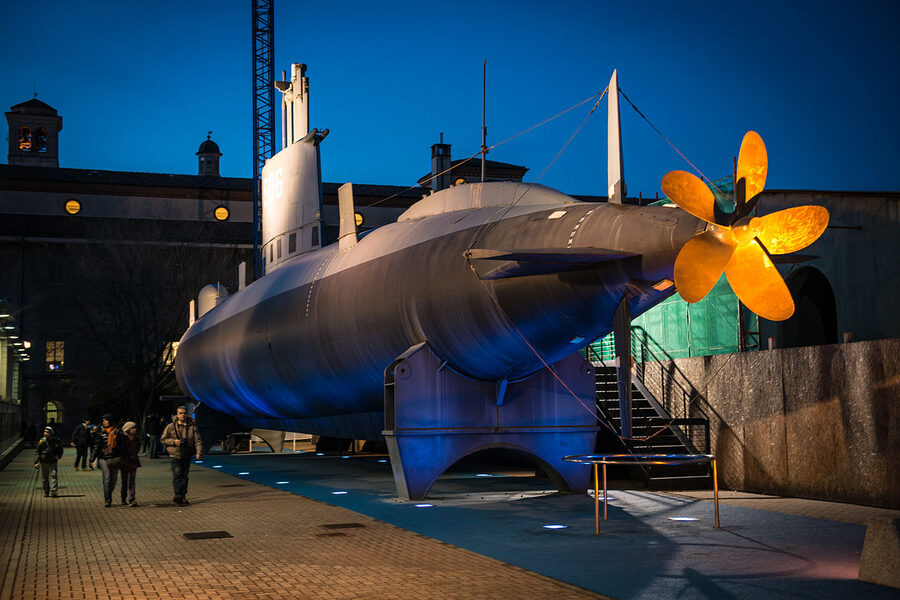
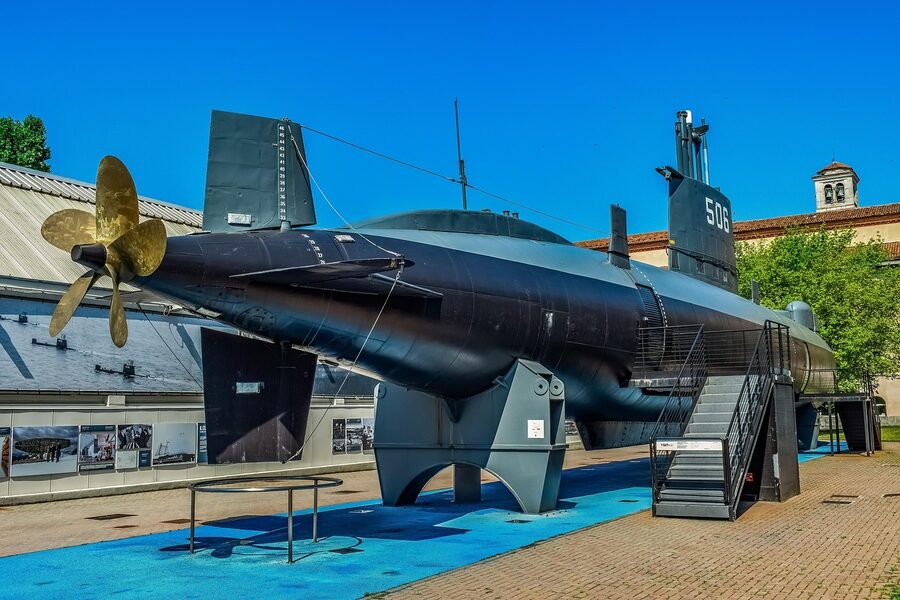
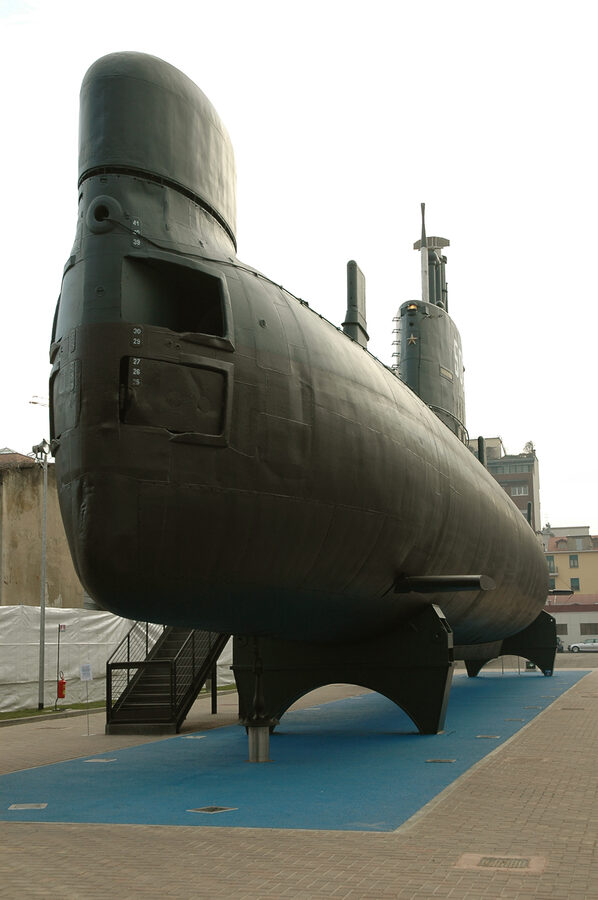
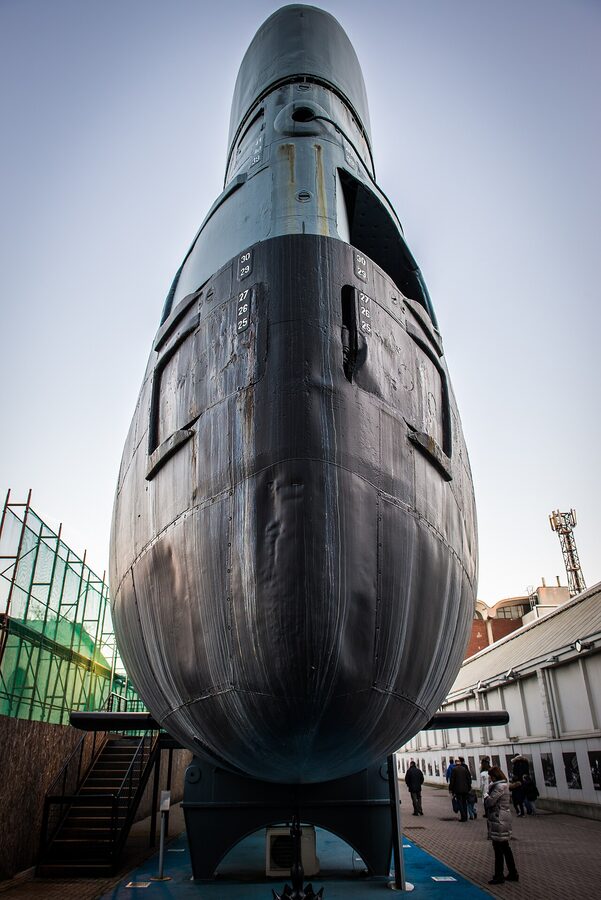
The submarine is a separate ticket. This is the part most travellers miss. The Enrico Toti S-506, sitting in the museum courtyard, is not included in standard entry. There is a guided tour that takes you inside the boat. It runs in fixed slots, costs an extra ten euros, and sells out, particularly on weekends. If the submarine is your reason for coming, book it the same time as your entry ticket. If you forget and only realise on arrival, ask at the info desk first thing; sometimes a Tuesday morning has a same-day slot.
Temporary exhibitions also carry their own fee, usually five to eight euros depending on the show. They rotate every few months, so it is worth checking the museum’s own site for what’s on. Some of these have been excellent over the years. A 2024 show on Italian rocketry was particularly good. Others are skippable. Read the description before adding it on.
The interactive labs (i.lab) are aimed at kids and run separate workshops on programming, food chemistry, genetics, and similar topics. Nine euros per participant on top of museum entry. They book up days in advance during school holidays. If your kids are between six and twelve and you are visiting in school term, the i.lab is one of the few activities in central Milan that genuinely treats them like they want to learn something. Worth the booking effort.
The Three Tickets I Actually Recommend
I sorted through the Milan Leonardo tickets on the major booking platforms by review count and quality, and the field shakes out into three picks. One for each kind of visitor.
1. Milan Science and Technology Leonardo da Vinci Museum Entry: $15
This is what I’d point at if a friend asked. It is by a wide margin the most-booked Leonardo museum ticket in Milan, with thousands of recent reviews on the platform, and the reason is simple: it gets you into the biggest, deepest Leonardo collection in the country at basically the same price as the door. Our review of this ticket covers what’s actually included and the quirks of the timed-entry system. At fifteen dollars for skip-the-line plus the option to cancel a day out, it is the cleanest decision in the city.
2. Leonardo3 The World of Leonardo Museum Entry: $18
This is the upgrade for a different kind of visitor. Smaller, faster, more interactive, all Leonardo. Our review of Leonardo3 walks through the digital Last Supper and the working machine reconstructions, and why it pairs unusually well with a same-day Duomo or Last Supper visit. At eighteen dollars it is more expensive than the science museum on a per-hour basis, but you save the metro trip out to Sant’Ambrogio.
3. Pinacoteca Ambrosiana and Codex Atlanticus: $21
The Pinacoteca Ambrosiana is where the actual notebooks live. The Codex Atlanticus, the largest collection of Leonardo’s drawings, is held here, and they rotate folios into a dedicated display every few months. Our take on the Codex Atlanticus visit is that the experience is closer to a working library than a museum, which is exactly the point. Twenty-one dollars for entry to a major art gallery and access to handwritten Leonardo pages is fair.
What’s Actually In the Big Museum, Wing by Wing
The science museum is laid out across the original monastery building plus a couple of newer pavilions added in the twentieth century. Knowing the layout in advance saves you walking back to the entrance for the map. There are five sections most visitors care about.
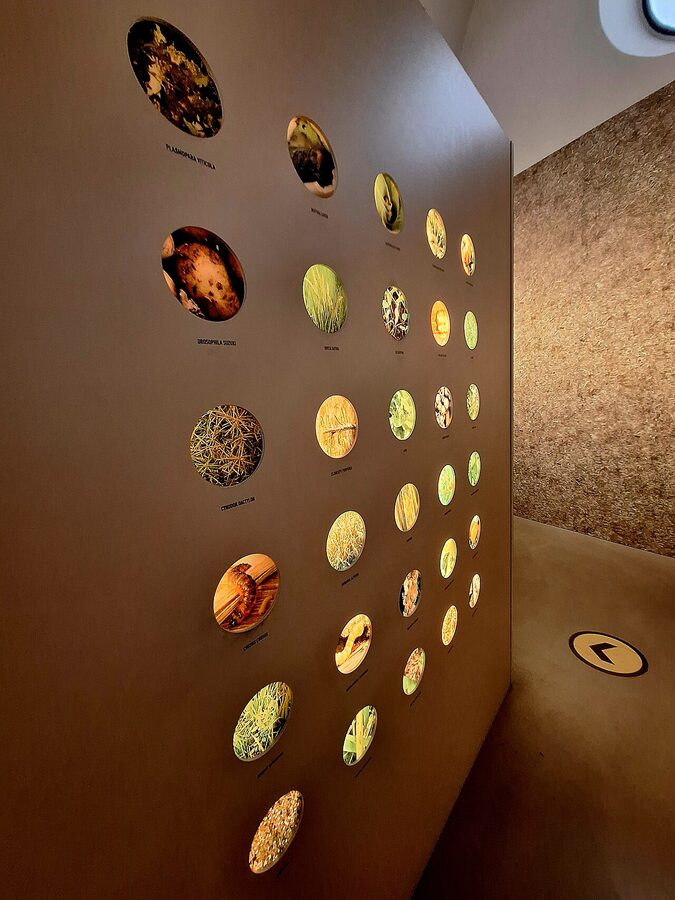
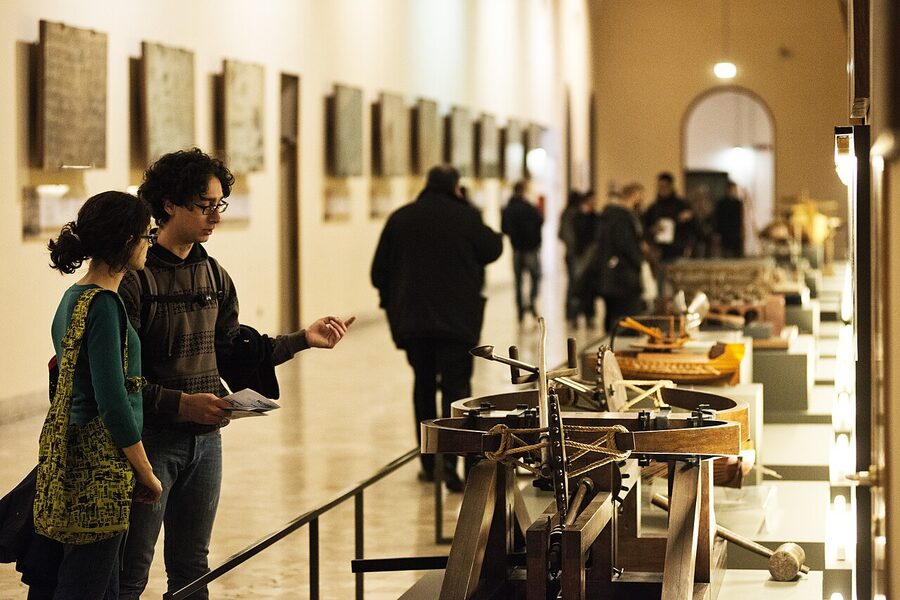
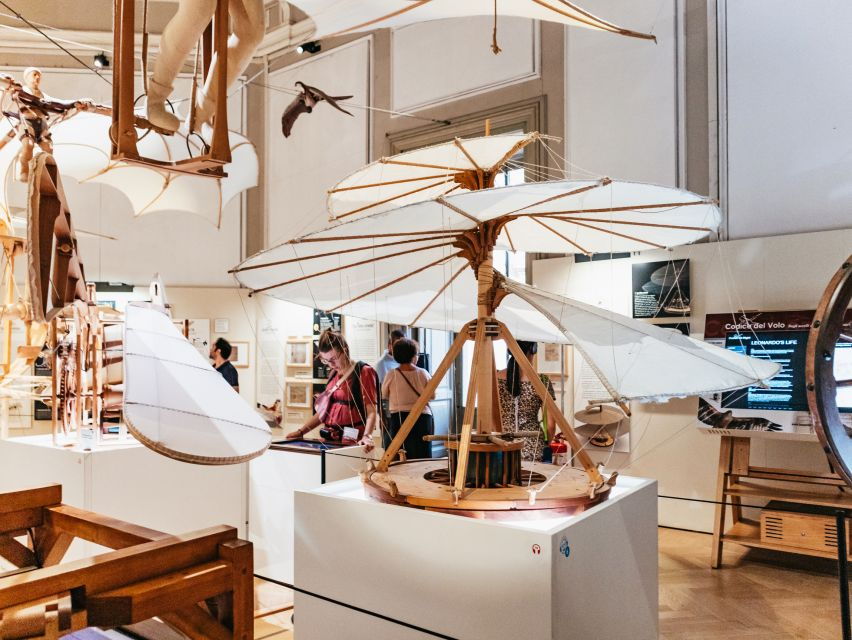
The Galleria Leonardo da Vinci is the headline. This is the renovated wing that opened a few years ago. Over 130 machines reconstructed from drawings in the codices, displayed in a dark, atmospheric hall with pulled-down lighting and short audio loops. The aerial screw is here. The ornithopter is here. The self-supporting bridge, the armoured tank, the diving suit, the parachute. All built to scale. You can spend an hour and a half in this wing alone if you read the panels properly. The English signage is good but the audioguide adds context that the panels skip.
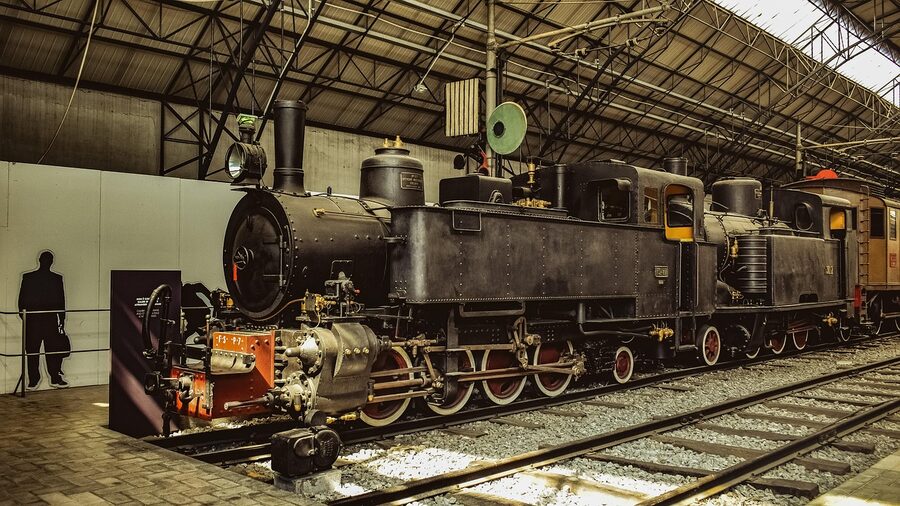
The transport pavilion is the one most visitors don’t expect. It is a separate hall behind the main building, and it contains full-size steam locomotives, sailing yachts, the Conte Biancamano ocean liner bridge, and a complete row of vintage Italian airplanes. Walking under a steam locomotive is one of the strange small thrills of this museum. The hall is enormous and feels more like a hangar than a gallery. Allow a full hour for it.
The space and astronomy wing has a real chunk of moon rock (a slice from the Apollo missions, on permanent loan from NASA) and pieces from the Italian San Marco satellite programme. It is small, only takes twenty minutes, and is genuinely well laid out. The kids’ section here has a planetarium-style dome that runs short shows on a loop.
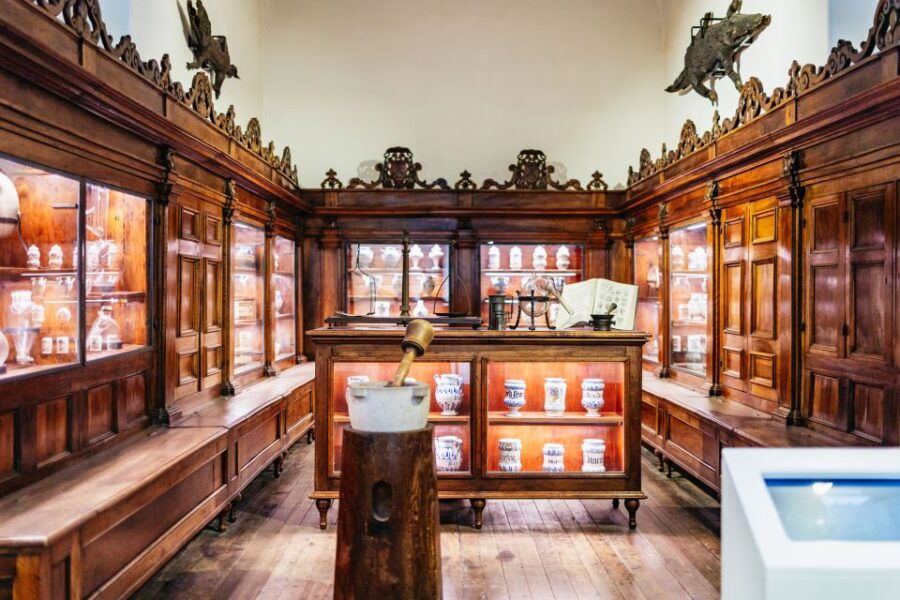
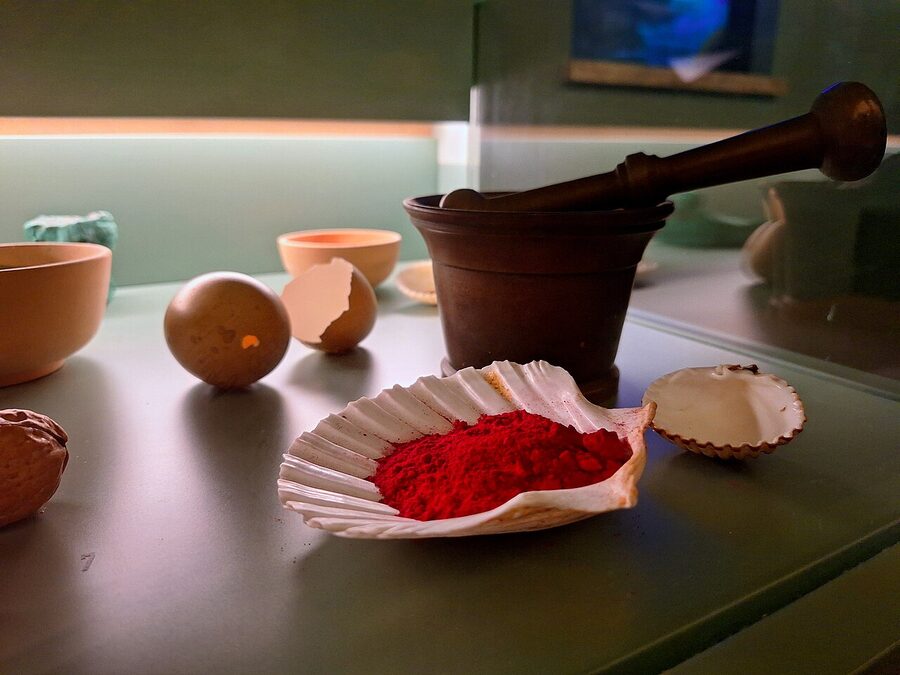
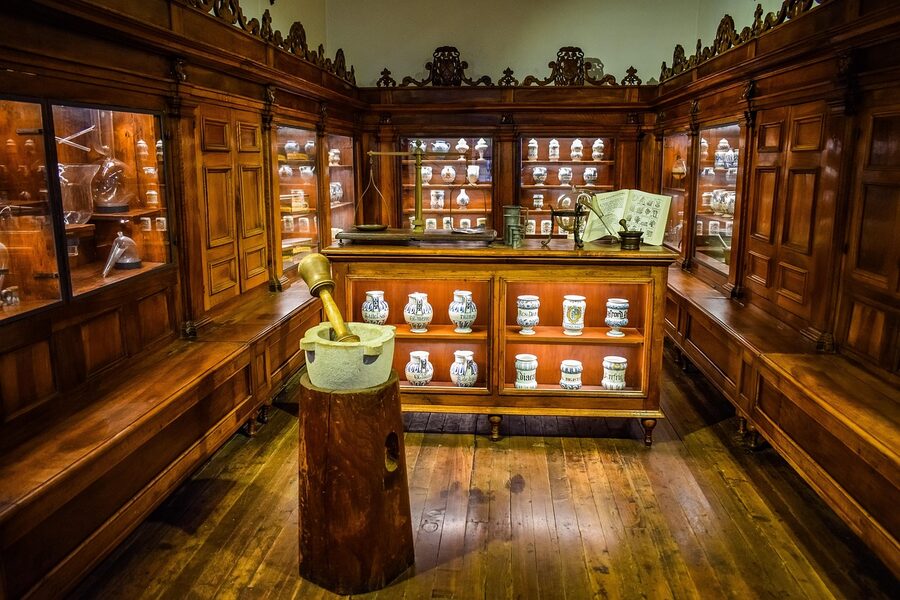
The pharmacy reconstruction is the surprise hit. A complete sixteenth-century Italian apothecary’s shop, lifted out of a real Tuscan town and reassembled here, with all its original wooden cabinets, glass jars, mortars, and stencilled drug labels. It is in a side room most groups walk past. Twenty minutes well spent. There is something honest about looking at a working pharmacy from before chemistry was a science.
The energy and materials wing covers electricity, telecommunications, and metallurgy. Less photogenic, but with a working Marconi radio replica and a Telefunken transmitter that runs at scheduled times. Skip it if you are running short, do it if you have time and you like the history of how machines actually got made.
Leonardo3, In Detail
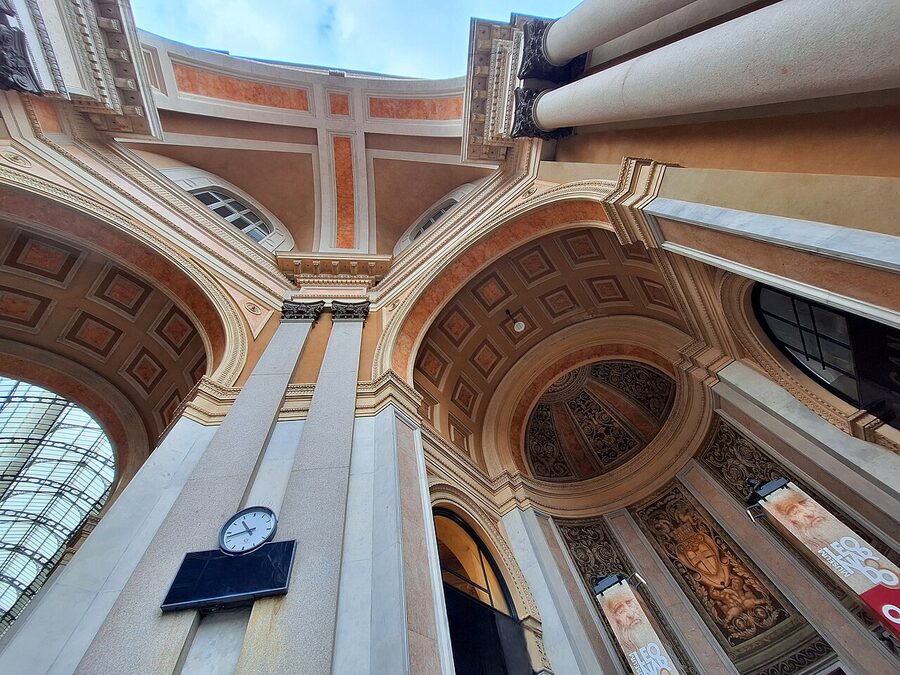
If you are picking the small museum instead, here is what you actually get. Leonardo3 sits inside the Galleria Vittorio Emanuele II, on the side that faces Piazza della Scala. The entrance is unmarked from a distance; look for the small sign tucked between the shops on the upper level.
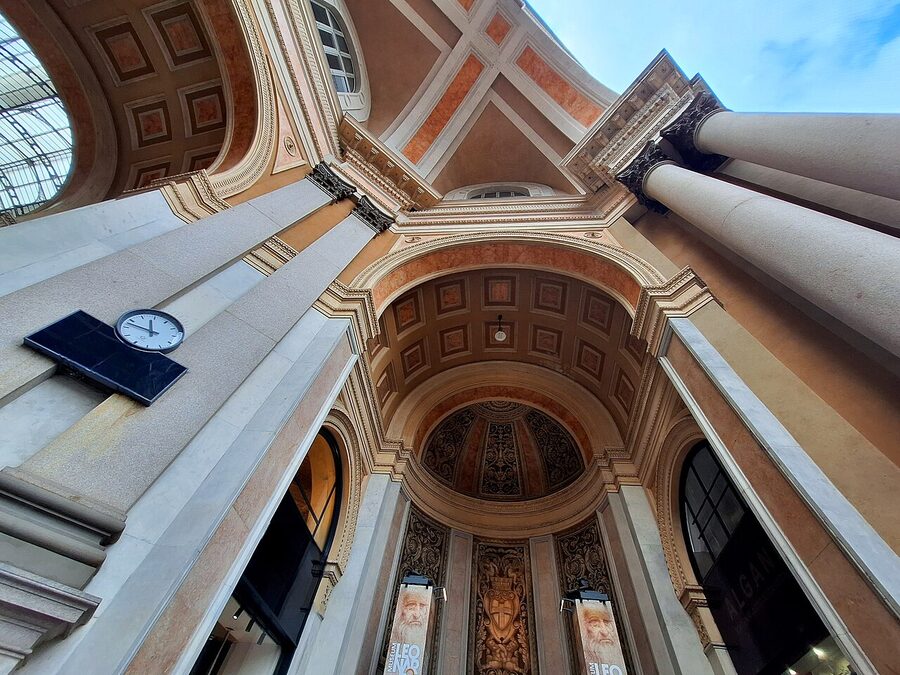
The space is divided into themed sections: Leonardo as engineer, Leonardo as artist, Leonardo as musician (yes, he designed instruments), and a final room dedicated to the digital reconstruction of The Last Supper. The Last Supper room is the highlight. They project the painting at full scale on a wall, then walk you through what’s been lost, what’s been restored, and what the painting looked like in the 1490s versus today. It is a different experience from queuing for the actual painting at Santa Maria delle Grazie, and arguably more useful if you can’t get a Last Supper booking.
Leonardo3 is much better for kids than the Museo Nazionale. The interactives are designed to be poked at rather than read. There is a music room where you can play one of his designed instruments through a digital interface. There is a battle scene module where you load his war machines onto a model city. None of this is Smithsonian-level production, but for ninety minutes with a six-year-old it is genuinely the best Leonardo experience in Milan.
Honest downside: at eighteen dollars per adult ticket for ninety minutes of museum, the per-hour cost is high. If you are travelling on a careful budget and you have to choose one Leonardo experience, the Museo Nazionale is the better value. Leonardo3 makes more sense as a complement than a substitute.
Why the Manuscripts Are Worth a Detour
Both the science museums show you reconstructions. Beautiful, well-built reconstructions, but reconstructions. If you want to see what Leonardo actually drew, there are two places in Milan to do it. The Pinacoteca Ambrosiana is the main one. The Castello Sforzesco library has a smaller permanent display that rotates the Codex Trivulzianus.
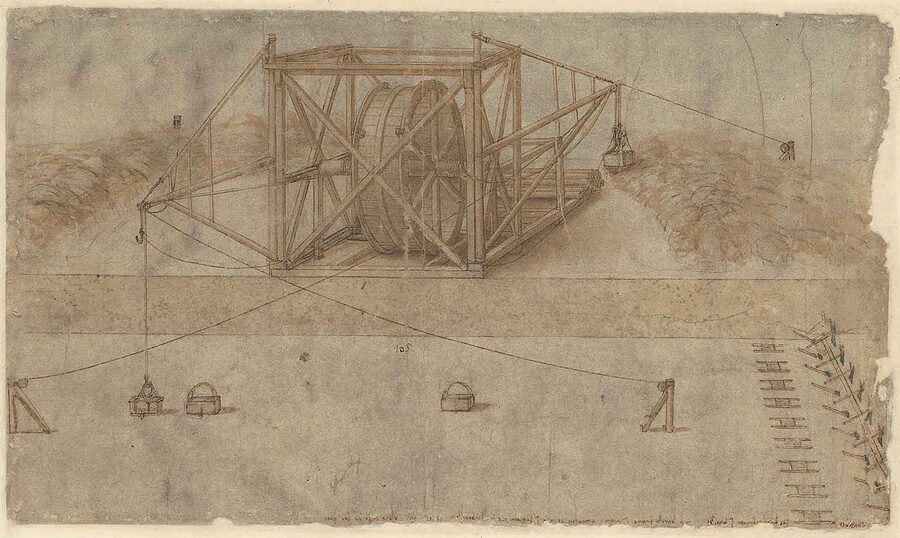
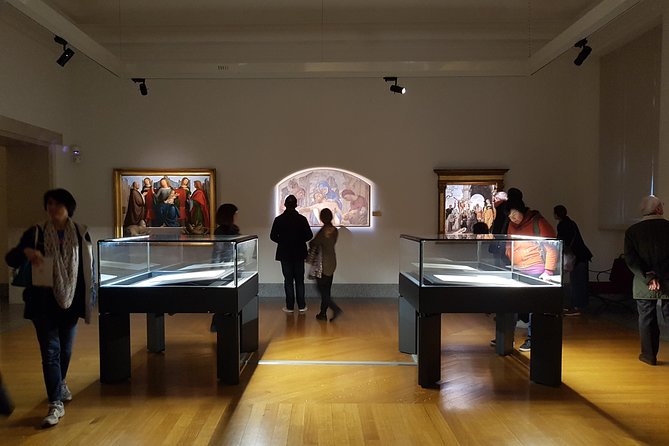
The Codex Atlanticus is the largest. Twelve volumes, roughly 1,750 pages, drafted between 1478 and 1518. It contains his sketches for flying machines, hydraulic engineering, the spiral stair at Chambord, anatomical studies, and the text of his unfinished books on painting and water. The Pinacoteca rotates a small selection of folios into a dedicated room every few months. The display is not large, perhaps a dozen pages at any given time, and the lighting is deliberately dim to protect the ink. Plan twenty-five minutes for the Leonardo room itself, then another forty for the rest of the gallery’s Renaissance painting collection.
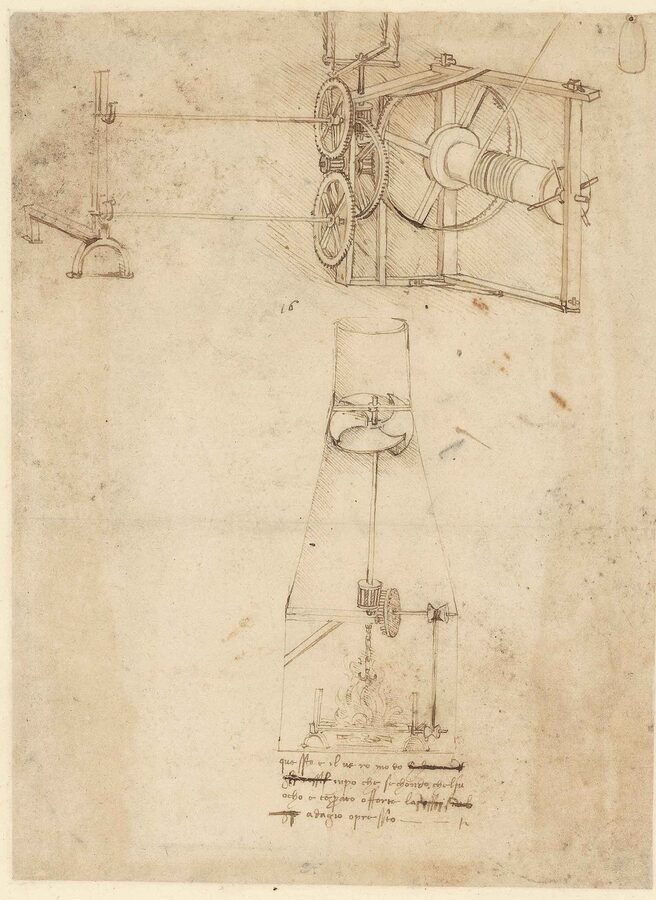
Worth knowing: the Pinacoteca is on Piazza Pio XI, fifteen minutes’ walk from the Duomo. It is a working library and gallery, slower-paced than the science museum, often quiet on weekday mornings. The Codex Atlanticus room is signposted from the entrance. You don’t need a guided tour for this one; the printed information cards do the work. If you have only time for one Leonardo visit and you care more about the man than the machines, this is the one.
How to Time the Visit
The Museo Nazionale is closed on Mondays. Tuesday to Friday it runs 9:30 to 17:00, weekends and public holidays 9:30 to 18:30. Leonardo3 is open seven days a week from 10:00 to 18:00, last entry at 17:00. Pinacoteca Ambrosiana is closed on Wednesdays, 10:00 to 18:00 the rest of the week.
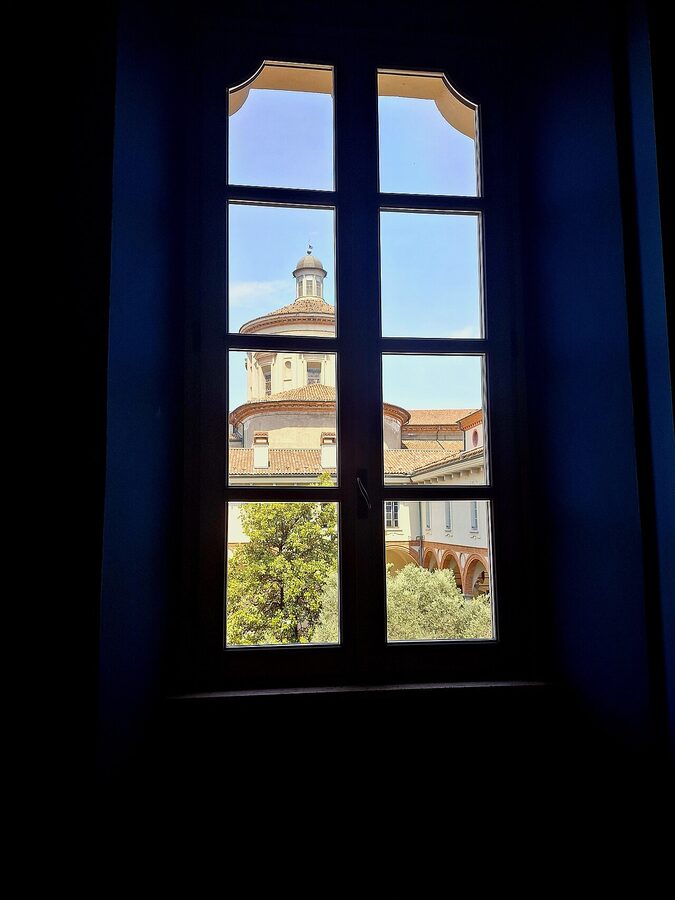
Best slot for the science museum: 9:30 to 10:30 on a weekday. The Galleria Leonardo is genuinely empty for the first hour, and the transport pavilion stays empty until about 11:00. By midday the local school groups arrive and the Leonardo wing fills up. If you can only do an afternoon, aim for 14:30 to 15:00 entry on a Tuesday or Thursday; the morning groups have left and the late-afternoon crowds haven’t arrived.
For Leonardo3, the timing matters less because the museum is small. Any weekday after 14:00 works. The Last Supper digital room can have a queue on Saturday afternoons because tour groups loop through.
Worst time to visit either: the middle two weeks of August. Italian families are on holiday, the air conditioning struggles, and the bookings system jams up because the museum is one of Milan’s go-to summer-day-with-kids options. If August is your only window, book the first slot of the day and leave by noon.
Getting There
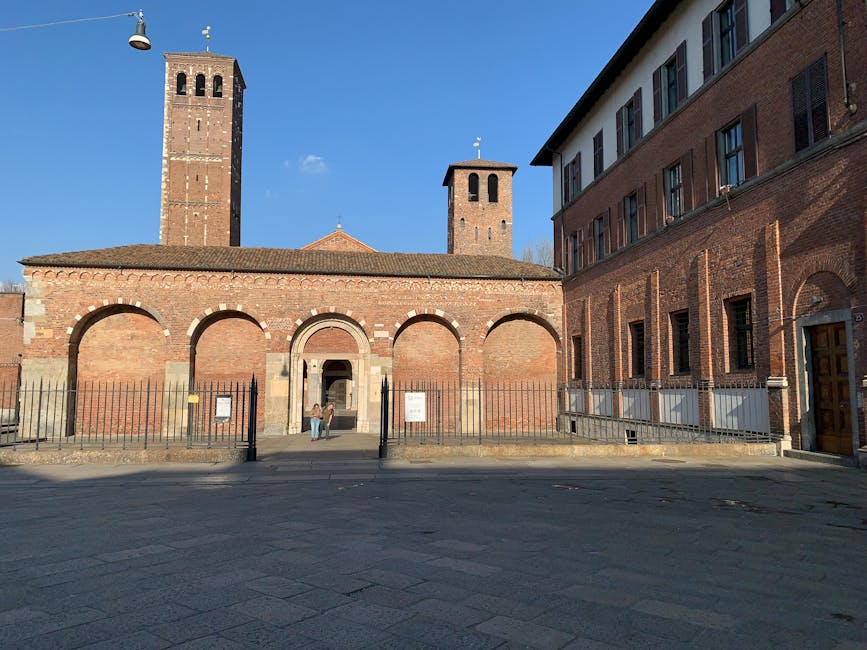
The Museo Nazionale is at Via San Vittore 21, in the Sant’Ambrogio neighbourhood about a kilometre southwest of the Duomo. The fastest route is the M2 green line; get off at Sant’Ambrogio, walk five minutes south past the Basilica of Sant’Ambrogio, and you arrive at the museum’s east entrance. The walk from the Duomo itself takes about twenty minutes through some pleasant pedestrianised streets, which is what I’d usually recommend over the metro if the weather is decent.
For Leonardo3, get out at Duomo on the M1 red line or M3 yellow, walk through the Galleria Vittorio Emanuele II toward Piazza della Scala, and the entrance is on the upper level near the north end. Five minutes from any Duomo metro exit.
The Pinacoteca Ambrosiana is also off Piazza del Duomo: M1 or M3 to Duomo, then a four-minute walk south through Via Cardinale Federico to Piazza Pio XI. If you are doing both Leonardo3 and the Ambrosiana in one morning, they are seven minutes apart on foot.
The History You Don’t Have to Know But Will Enjoy
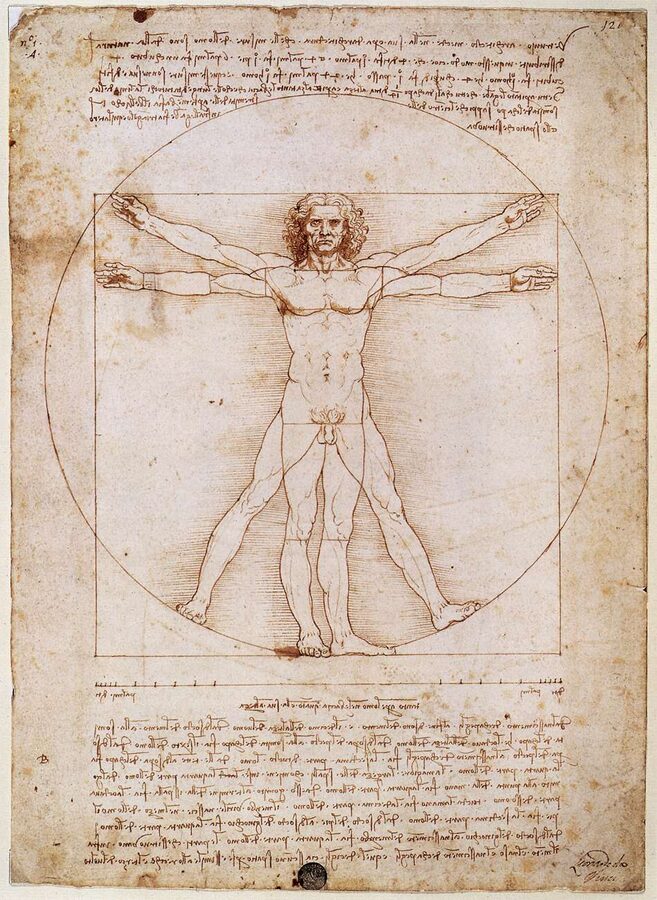
Leonardo lived in Milan for seventeen years, from 1482 to 1499. That is longer than he lived in Florence as an adult and longer than his time in France. He arrived as a thirty-year-old hired by Duke Ludovico Sforza, the de facto ruler of the city, and stayed until the French invasion knocked Ludovico off his throne and forced Leonardo to leave for Mantua. The Last Supper was painted during this Milan stretch. Most of the engineering sketches that ended up in the Codex Atlanticus were drafted in Milan. The Vitruvian Man is from this period.
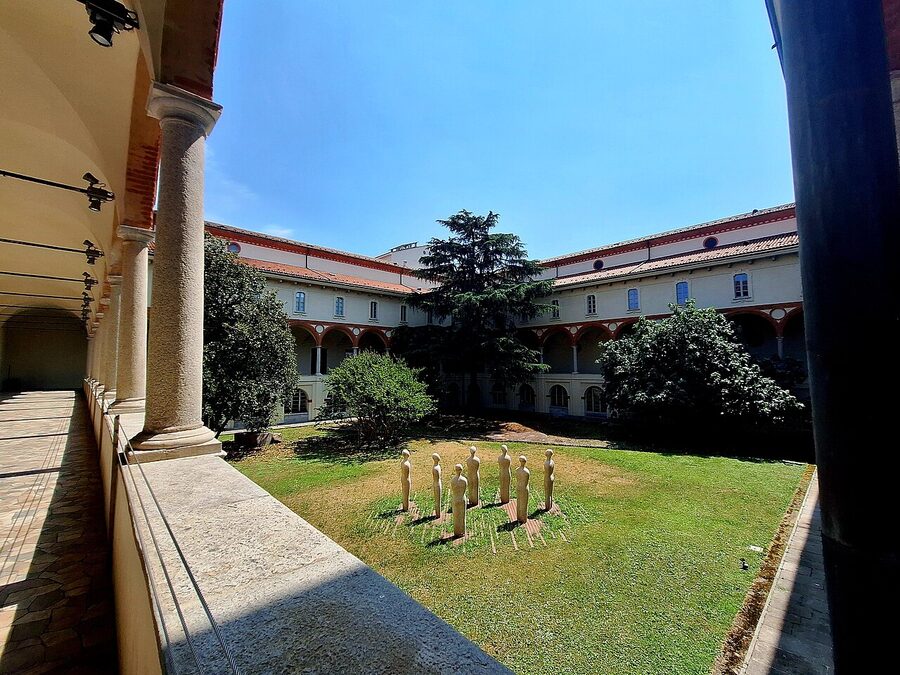
The story of how the science museum ended up in this particular building is worth a paragraph. The Olivetan order of Benedictine monks built the monastery here in the early 1500s, attached to the church of San Vittore al Corpo. The monastery survived the Napoleonic suppressions, was used as a barracks in the nineteenth century, then turned into a museum in 1953 to mark the five-hundredth anniversary of Leonardo’s birth. The original cloisters are still standing, and most of the museum’s permanent galleries occupy the old monk’s cells and refectories.
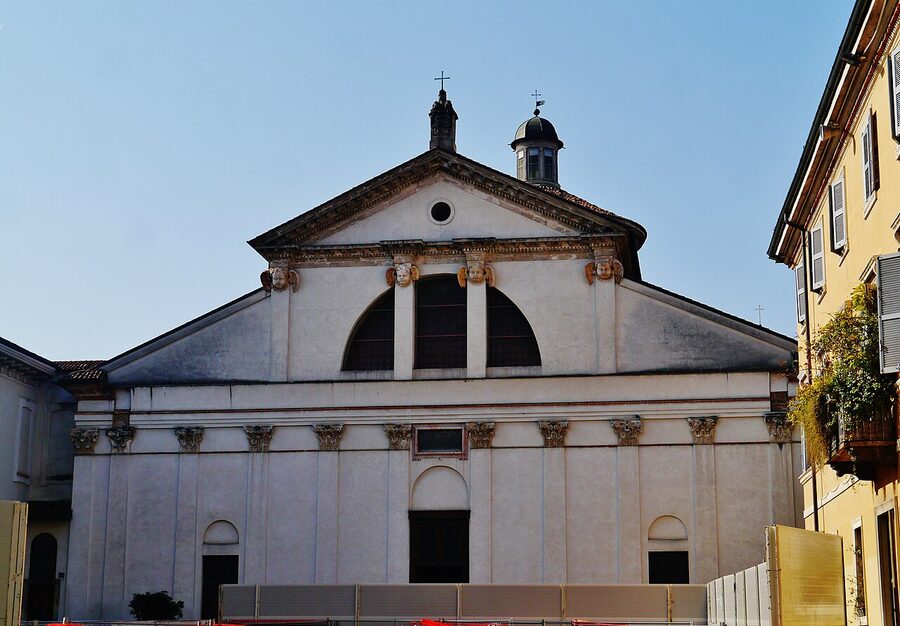
Leonardo himself never set foot in this monastery, by the way. Construction started after his death. The connection is that the Milan you walk through to get here, the medieval streets between the Duomo and Sant’Ambrogio, is essentially the same Milan he knew. The Sforza Castle on the other side of the city centre was where he worked, and Santa Maria delle Grazie, where the Last Supper sits, is a fifteen-minute walk from the science museum’s front door.
The Mona Lisa Question, And Why It Comes Up Here
One thing that confuses tourists. Neither the Museo Nazionale, nor Leonardo3, nor the Ambrosiana has the Mona Lisa. The Mona Lisa is in Paris, at the Louvre, and has been since 1797. None of the Milan museums claim otherwise, but the question gets asked at the science museum’s front desk roughly every twenty minutes during summer. There is a small information panel near the Galleria Leonardo entrance addressing this directly. Treat it as charming Italian humour about the limits of marketing.
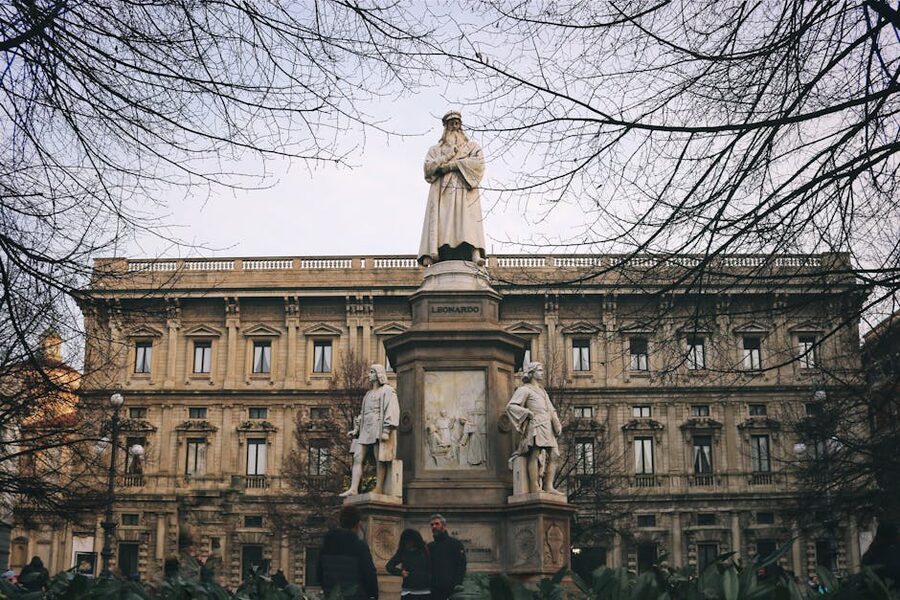
If you want to see actual Leonardo paintings in Italy, your options are limited. Florence has a few at the Uffizi (the Annunciation, mostly). Venice has the Vitruvian Man drawing at the Accademia, sometimes. Rome has nothing on permanent display. Milan, slightly oddly given how long he lived there, doesn’t have a finished painting of his on permanent public display either. The Last Supper is technically a painting on a wall, not a movable painting, so it counts as Milan. Otherwise, his oils are scattered across Paris, London, Munich, the Hermitage, and Washington.
Common Mistakes That Eat Your Day
Buying the standard ticket and assuming the submarine is included. Already covered above, but worth saying again because it costs people their afternoon. The submarine tour is a separate booking. If you don’t book it ahead, you’ll either miss the slots or wait two hours for the next available one.
Going to Leonardo3 expecting the science museum experience. They do not overlap. Leonardo3 has interactive screens and reconstructed mini-machines. The Museo Nazionale has a giant submarine and a steam locomotive. People who go to Leonardo3 first sometimes feel they have “done” the Da Vinci side of Milan and skip the bigger museum. They have not. Leonardo3 is a complement.
Trying to do the science museum in ninety minutes. You can. But you’ll see the Galleria Leonardo and miss everything else, which is half the point of coming to a building this big. Two hours is a tight minimum. Three is comfortable. Four if you do the submarine and read the panels properly.
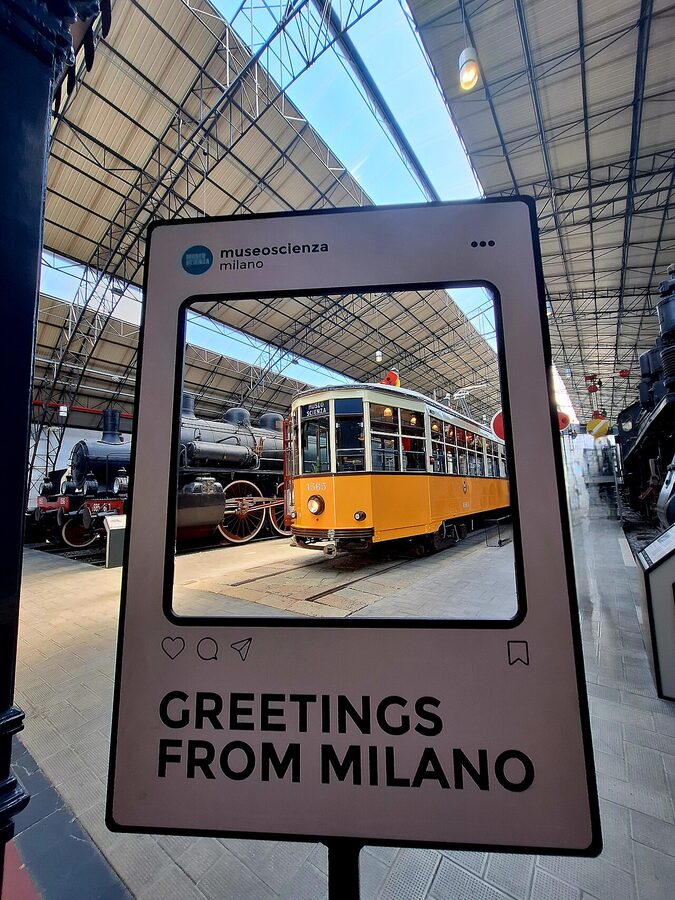
Skipping the cafe and eating outside. The museum cafe is in the original refectory of the monastery, and the food is genuinely better than the average Italian-museum cafe. Lunch is around fifteen euros for a panino and a coffee. The Sant’Ambrogio neighbourhood outside has a few decent options too, but if you are deep into the visit and don’t want to lose your re-entry slot, the in-house cafe is fine.
Visiting on a Monday and being surprised it’s closed. The Museo Nazionale is closed on Mondays. The Ambrosiana is closed on Wednesdays. Only Leonardo3 is open seven days. Plan accordingly.
What to Pair With the Visit
The science museum sits in the Sant’Ambrogio neighbourhood, which is one of the loveliest pedestrian zones in central Milan. The basilica of Sant’Ambrogio is two minutes’ walk from the museum; ninth-century church, free to enter, ten minutes inside is enough. From there you can walk five minutes north to the Pinacoteca Brera area or fifteen minutes east back to the Duomo through Corso Magenta.
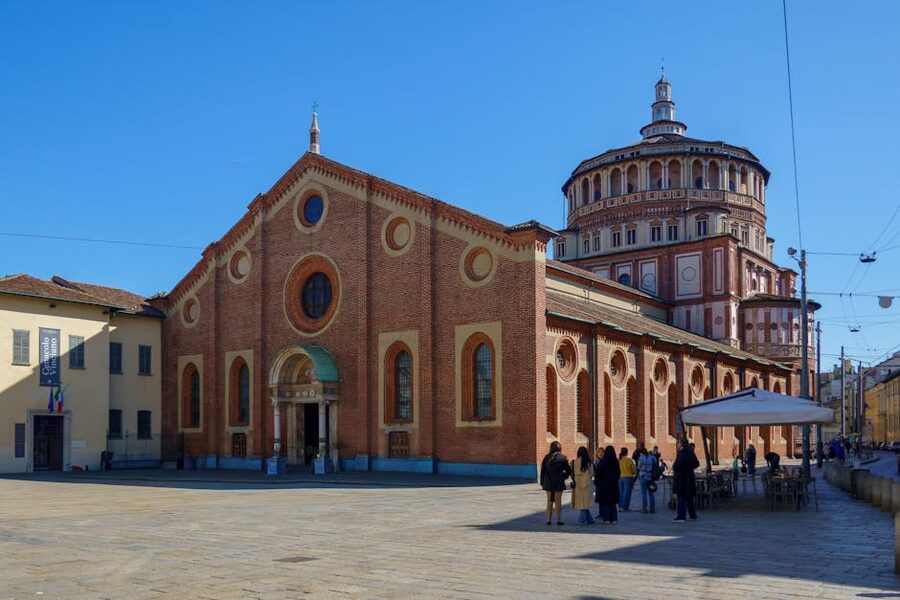
If you are extending the day, The Last Supper is the obvious next step because it is fifteen minutes away on foot. The catch is that you cannot walk up; you need a separate booking, often weeks ahead. If you have a Last Supper slot in the morning, do the science museum in the afternoon. The walk between them is genuinely pleasant in good weather.
For a Renaissance theme, you could pair the science museum with the Florence Leonardo Museum on the same trip, which works well if you are doing both cities; Florence’s museum is more interactive than the Milan science museum and complements rather than duplicates it. The Uffizi in Florence has the only finished Leonardo panel painting on permanent public display in Italy (the Annunciation, joint attribution with Verrocchio), which makes it the third leg of a Leonardo trail through northern Italy.
If Leonardo is a side interest and Milan is your base for a longer Italy trip, the easier day trips out of the city are the genuine reason to spend a few days here. Lake Como is fifty minutes away by train and a guided day trip combines the rail journey with a private boat to Bellagio. The Bernina Express up to St. Moritz is the rarer choice but worth a full day if you have one to spare; the train climbs from lake level into the Swiss Alps over the course of three hours.
Photography Notes
Photography is allowed at all three museums, no flash, no tripods. The Galleria Leonardo at the Museo Nazionale is very dark; ISO 3200 and a steady hand work better than a wider aperture, because the depth on the machine reconstructions is what carries the photo. The transport pavilion is well-lit and the steam locomotives are best shot from low angles to emphasize scale.
For the Codex Atlanticus pages at the Ambrosiana, the lighting is deliberately low to protect the ink, and a phone camera handheld at ISO 6400 is a fairly hopeless way to capture the detail. Don’t try to fight it. There are high-resolution facsimile images on the Ambrosiana’s own website that you can browse later. Looking at the originals in person is the experience; the photos are not.
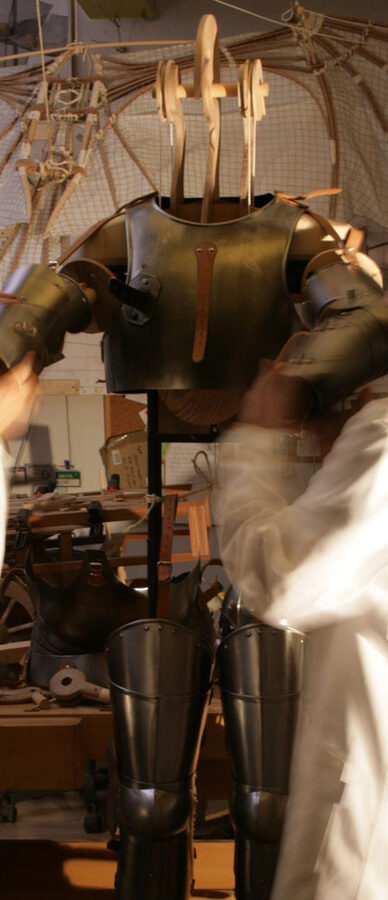
Leonardo3 is bright enough to shoot handheld but most of the interactives are screen-based and don’t photograph well. The robot knight reconstruction is the most photogenic single object in the museum.
Tying It Into the Wider Milan Trip
One day in Milan is enough to see the Duomo and the rooftop with a couple of cafes. Two days lets you add either the Last Supper or one of the Da Vinci museums. Three days is when Milan stops feeling like a stopover and starts feeling like a city. If you have three, the smart split is: day one for the Duomo, the Galleria, and a stroll through Brera. Day two for the Last Supper in the morning and the science museum or Leonardo3 in the afternoon. Day three for either the Ambrosiana or a day trip to Lake Como, depending on weather.
Milan is also a logical base if you are visiting Florence and Venice on the same trip; the high-speed train to Florence runs in around 1h45m, Venice in about 2h30m. The Leonardo trail makes a coherent thread across all three cities, and ending it at the Uffizi in Florence with the actual painted Leonardo is a satisfying close.
More Milan and Italy Reading
If you’ve decided on the science museum and want to plan the rest of the day, our Last Supper booking guide walks through the booking system because it is the slot you need to lock down first. For the city centre, our Milan Duomo guide covers the rooftop pass and the small ticket-type traps that catch most visitors. And for travellers using Milan as a base, the Lake Como day trip guide covers the easiest rail-and-boat combination out of the city. Three different shapes of day, all bookable a week ahead.