
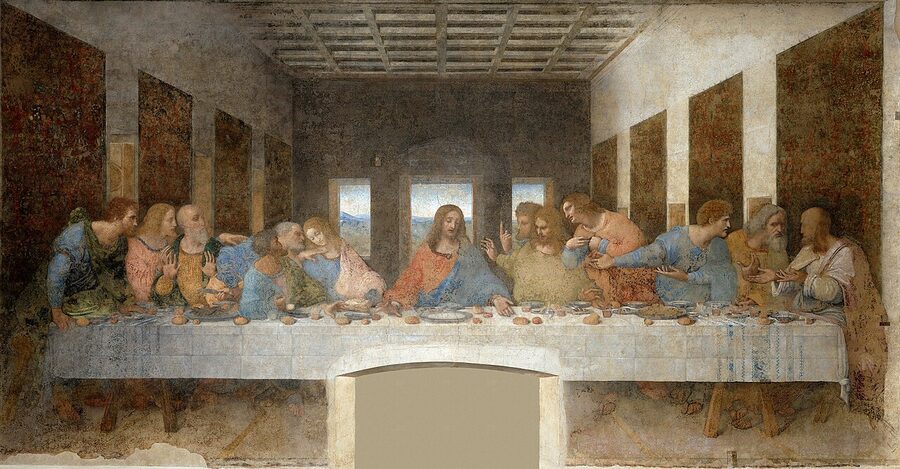
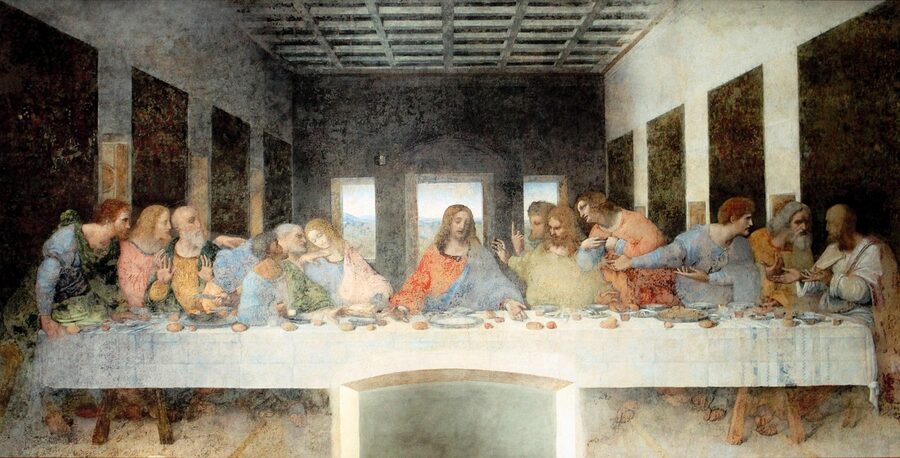
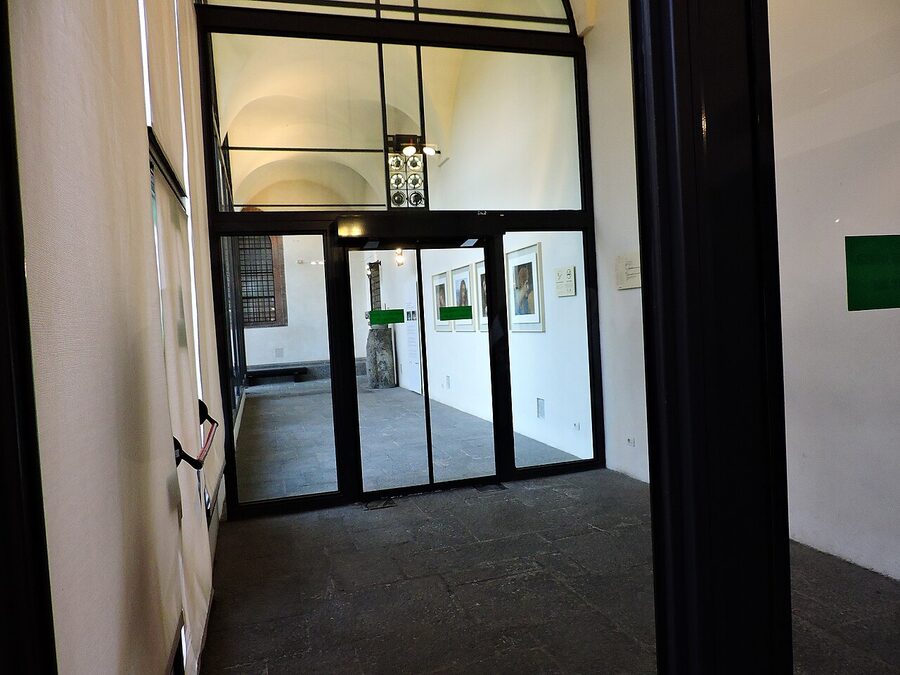
You walk past a humming air filtration door, the clang of the metal latch behind you, and the noise of central Milan disappears. Then a single dim room opens up, with one wall holding a 29-foot mural that has barely survived 530 years of dust, war, and damp. Fifteen minutes is all you get with Leonardo’s Cenacolo, and the booking process is half the reason most people don’t see it.
The trick to Last Supper tickets is timing and a small mental shift: this isn’t a museum you wander into. It’s a fifteen-minute appointment with one painting. Below is exactly how I’d book it, the tours that are still finding tickets when the official site is empty, and the practical bits competitors keep glossing over.
In a Hurry? Top Picks
- Da Vinci’s Last Supper Guided Tour: $75. The flagship one-hour ticket-and-guide combo. Check availability
- Historical Walking Tour + Last Supper: $102. Add the city centre to the painting in one efficient morning. Check availability
- Half-Day Combo with Duomo and La Scala: $131. Last Supper plus the two other things every first-timer wants to see. Check availability
- In a Hurry? Top Picks
- Why the Last Supper Is Such a Booking Headache
- The Booking Routes That Actually Work
- What €15 Actually Buys You
- Three Tours Worth Booking
- 1. Da Vinci’s Last Supper Guided Tour:
- 2. Historical Walking Tour + The Last Supper: 2
- 3. Half-Day Tour: Last Supper, Duomo and La Scala: 1
- Timing Your Visit
- Where to Pick Up Your Ticket
- What If It’s Sold Out for Your Dates?
- The Painting Itself: What You’re Actually Looking At
- The Convent Around the Painting
- Pairing the Last Supper With the Rest of Milan
- What to Skip
- A Few Practical Notes
- Last Thoughts on Picking Your Ticket
- Pairing the Last Supper With the Rest of Italy
Why the Last Supper Is Such a Booking Headache
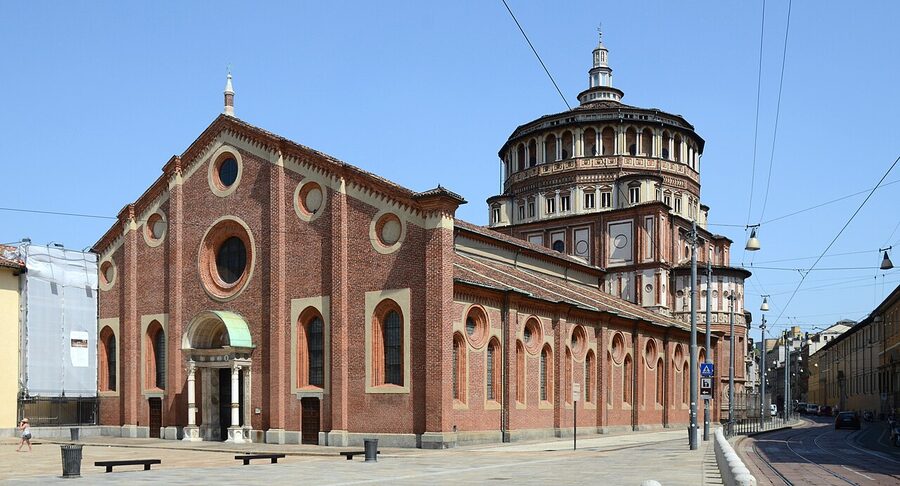
Three numbers explain everything. Thirty-five people maximum per slot. Fifteen minutes per group. Closed Mondays. That gives the museum somewhere around 1,200 visitors a day, against demand that easily runs into the tens of thousands. Tickets sell out within minutes of release on the official Cenacolo Vinciano site, and they’re released in quarterly tranches. So if you’re booking three or four months out you have a real chance. Inside three weeks, the official channel is almost always empty.
The reason for the cap is preservation. The painting is on a dry plaster wall in a room that gets humidity from the streets outside, and Leonardo’s experimental binding method was already cracking by 1517. The current viewing system runs every visitor through an air filtration vestibule before the room opens, dust gets stripped out, and the room stays close to climate-controlled. You can feel the pressure shift slightly as the door seals behind you. It’s a faintly clinical experience, but it’s the only reason there’s still a fresco to see.
The Booking Routes That Actually Work
You have four real ways to get into the room. Three of them work if you plan ahead. One of them works as a fallback when the planning ahead didn’t happen.
- The official site, cenacolovinciano.org. Cheapest option at €15 plus a small booking fee. Releases happen quarterly. Mark the release dates and log in five minutes before the hour. Tickets disappear in about two minutes. There are no refunds and no transfers.
- Operator-bundled tickets via GetYourGuide or Viator. Ticket plus a live or audio guide, usually €40 to €80. Operators hold inventory blocks for tours, so they often have availability when the official site doesn’t. Most readers I hear from go this route.
- A guided tour that includes the Last Supper as one stop. Half-day or full-day combos that pair the painting with the Milan Duomo and rooftop, the Galleria, La Scala, or Sforza Castle. Best if it’s your first time in Milan.
- The Wednesday noon refresh. The official site releases small batches of cancelled tickets every Wednesday at midday Italian time. Set a calendar reminder. It’s how I’ve found same-week slots three times now.
What €15 Actually Buys You
The base ticket gets you the fifteen-minute viewing slot, plus admission to a small adjacent museum about Leonardo’s technique and the restoration history. The museum is genuinely interesting and most visitors skip it because they’ve already used their one moment of awe in the next room. Don’t. Spend ten minutes there before your slot starts.
The museum is also where the bathroom is. There isn’t one inside the viewing area and once you’re in the air-locked corridor you’re committed.
What the base ticket doesn’t include: a guide. A self-guided visit at the Last Supper means you stand in the room, look at the painting, read the small printed information panel by the door, and listen to whichever curator is on shift mention the time check at the ten-minute mark. If you don’t already know the painting in detail, you’ll exit having seen something rather than understood it.
Three Tours Worth Booking
I’ve tried a lot of Last Supper combinations over the years. These are the three I’d actually recommend, ranked by what most readers ask for.
1. Da Vinci’s Last Supper Guided Tour: $75
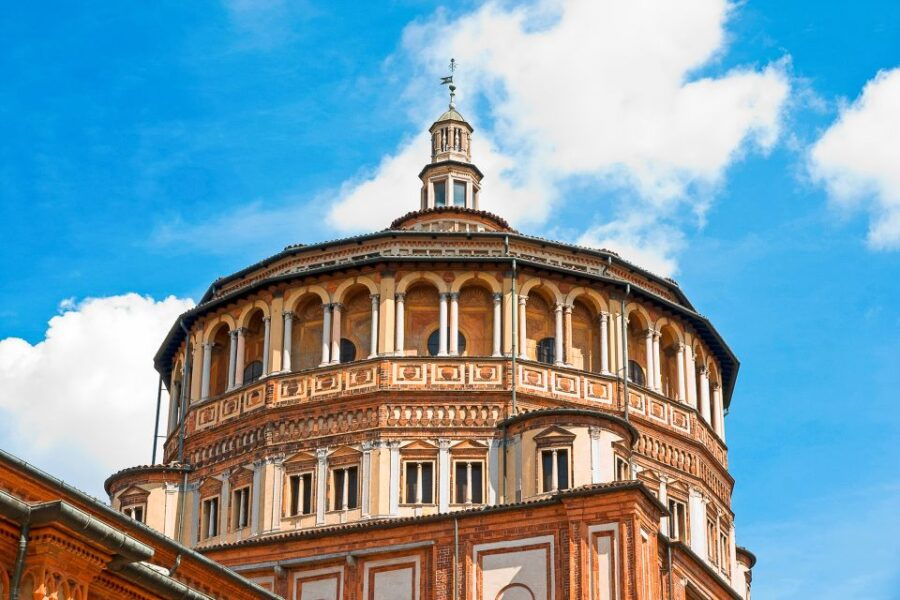
This is the workhorse pick and the most-booked Last Supper tour on the market, which is why our full review walks through the small-group dynamics in detail. One hour, ticket included, English commentary, and the briefing in the corridor before you enter is what separates this from a self-guided visit. If you’re going to book one Last Supper experience, book this one.
2. Historical Walking Tour + The Last Supper: $102

Add Milan’s centre to the painting and you’ve covered the city in a single morning. The walk through Piazza del Duomo, the Galleria Vittorio Emanuele, and Sforza Castle gives you the architectural context that the painting alone can’t, and our review notes that the guides on this one tend to be Milan-born art historians rather than generalists. Worth the price bump if you’ve never been to Milan before.
3. Half-Day Tour: Last Supper, Duomo and La Scala: $131
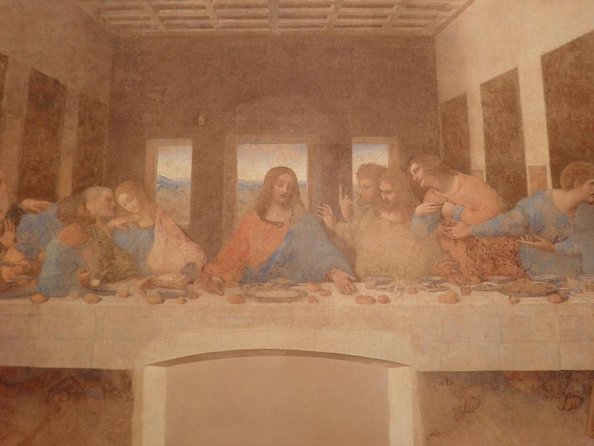
The combo pick if you have one morning in Milan and you want it to count. Our full review covers what to expect at each stop, including the slightly underwhelming La Scala visit. Not the cheapest option, but for a one-day Milan stopover this is the most efficient way to do it.
Timing Your Visit
The museum runs Tuesday to Sunday, 8:15am to 7pm, with the last entry around 6:45pm. Closed Mondays, plus 1 January, 1 May, and 25 December. The first slot of the day at 8:15am is hands-down the best one. Smaller groups, sharper light coming through the small upper windows of the refectory, and the staff hasn’t repeated the spiel forty times yet so they’re still adding interesting asides.
Avoid the post-lunch slots between 2pm and 4pm. Those are the busiest, the ones tour buses target, and they often hit the 35-person cap exactly. You’re fine within the room itself, but you’ll feel rushed.
If you’re flexible on dates, weekdays beat weekends by a wide margin. Sundays are surprisingly busy because Italians visit too and the painting is a religious site as much as an art-historical one.
Where to Pick Up Your Ticket
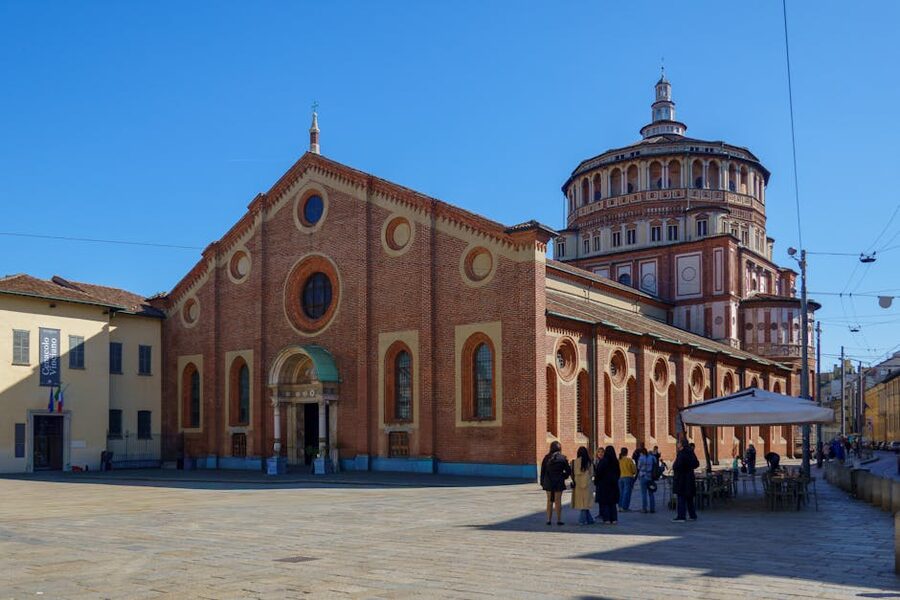
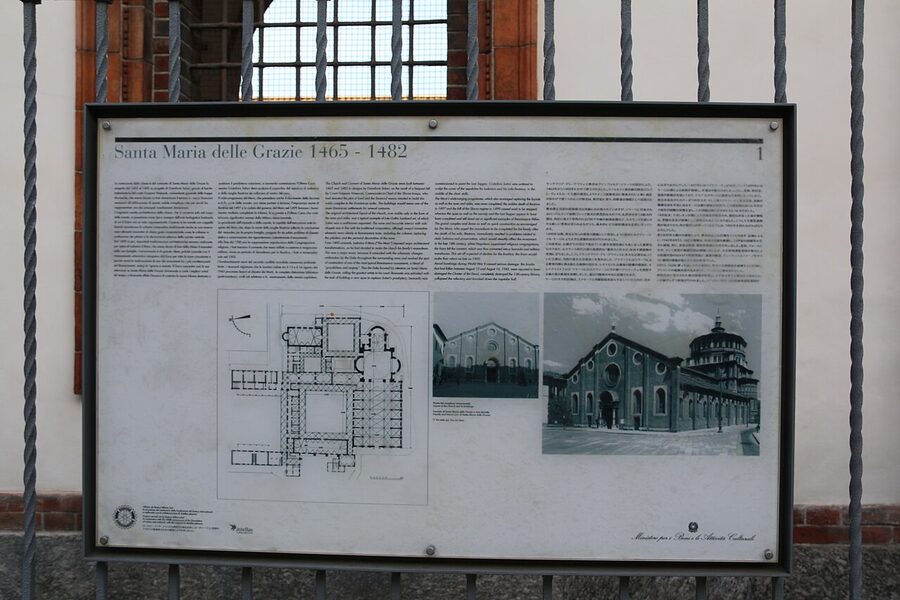
This part trips up about half the visitors I know. You don’t enter through the church. You also don’t enter through the museum doors directly. You collect a physical ticket from a small booth, then queue at a separate door for your specific 15-minute slot. The whole choreography is shown on a small board near the booth and the staff are patient if you point at your phone.
The walk-up address is Piazza di Santa Maria delle Grazie 2. The closest metro is Cadorna on lines M1 and M2, about a six-minute walk. From the Duomo it’s around twenty minutes on foot through some of the most pleasant residential streets in Milan, which is itself a small bonus.
Bring photo ID. They will ask for it and they will not let you in without it. This is also why you can’t transfer your ticket to a friend if you can’t go: the name on the ticket has to match.
What If It’s Sold Out for Your Dates?
Don’t panic. Sold out on the official site does not mean sold out everywhere. Three things to try, in order:
- Check GetYourGuide and Viator. Operators get an inventory allocation for their tours and it doesn’t always match the public release pattern. I’ve seen tour tickets available for the same week even when cenacolovinciano.org showed nothing for two months out.
- Set a Wednesday noon alarm. The official site releases cancellation slots most Wednesdays around midday Italian time. They go fast. Be ready to book in under a minute.
- Look at smaller alt-listed guided visits. Beyond the big three, there’s a quieter small-group guided visit that often has slots when the main listings don’t, and a Duomo + Last Supper combo with skip-the-line on both. They’re not always promoted but they’re worth checking before you give up.
The one thing that almost never works: walking up to the museum without a booking. There’s no day-of ticket office, no walk-in waitlist, no lottery. It’s pre-booked or it isn’t happening.
The Painting Itself: What You’re Actually Looking At
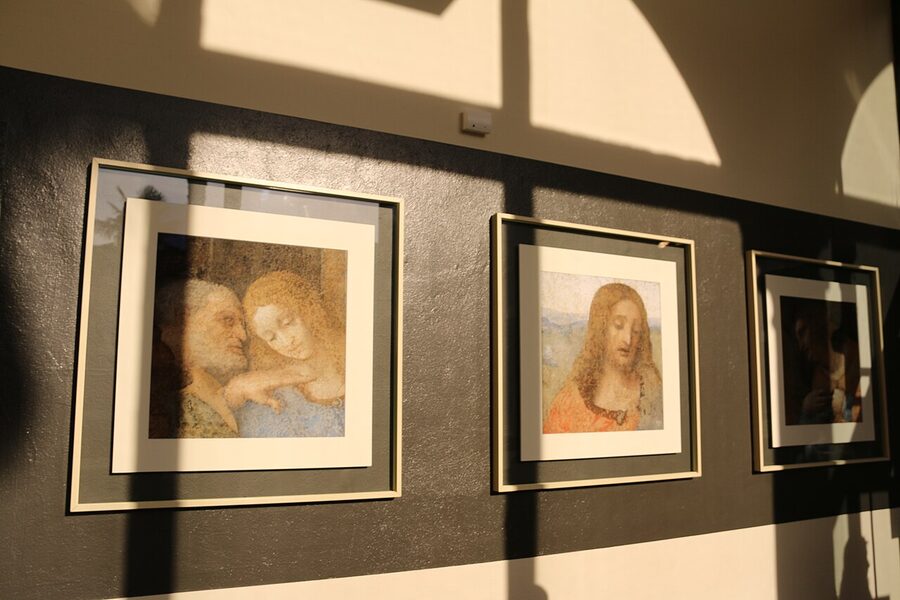
A few things worth knowing before you stand in front of it. The painting captures the moment Christ has just said one of his disciples will betray him, which is why every figure looks like they’ve been jolted. The pose-and-recoil ripple across the table is one of the most studied compositions in Western art for exactly this reason.
The technique was a disaster. Leonardo wanted the long working time of oil painting, but oil doesn’t hold on lime plaster. He invented a hybrid, oil and tempera on a sealed wall, and within twenty years the surface was already flaking. By 1652 the monks cut a doorway through the lower middle of the painting, removing Christ’s feet, because they needed access to the kitchen behind. By 1796 Napoleon’s troops were stabling horses in the room and using the wall for target practice. In 1943, an Allied bomb destroyed three sides of the refectory and the painting was protected only by sandbags.
The 1978–1999 restoration is what you see today. Pinin Brambilla Barcilon led it, and her team essentially scraped away the previous five botched restorations to reveal the surviving original pigment underneath. About 20% of what you see is the actual Leonardo layer. The rest is sympathetic reconstruction.
The Convent Around the Painting
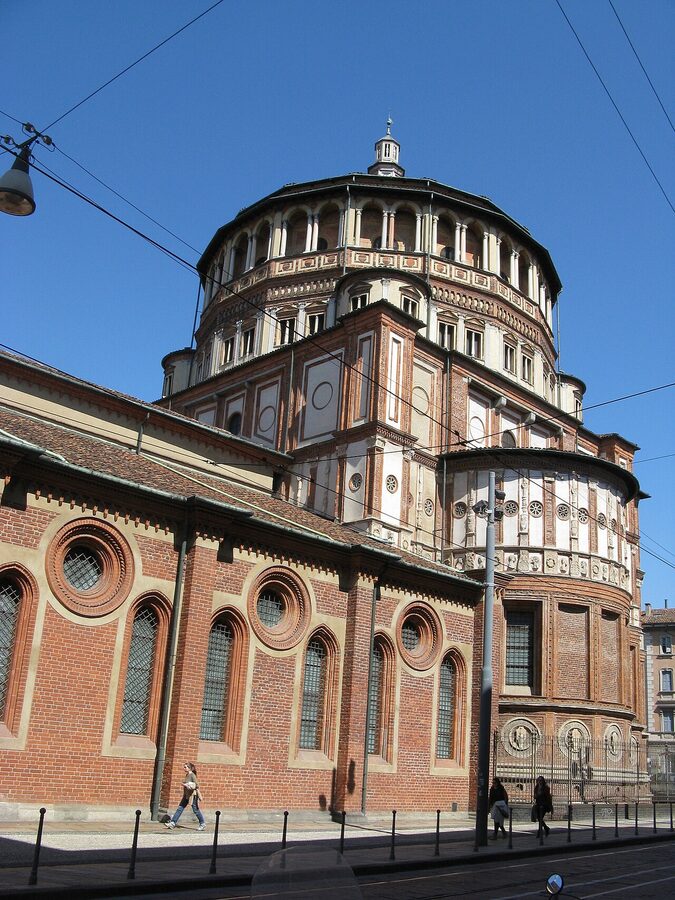
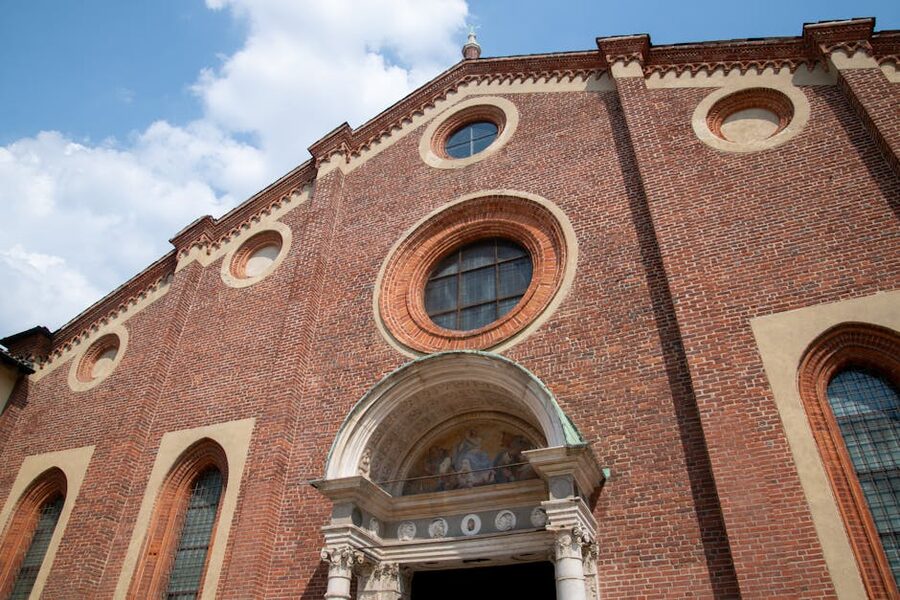
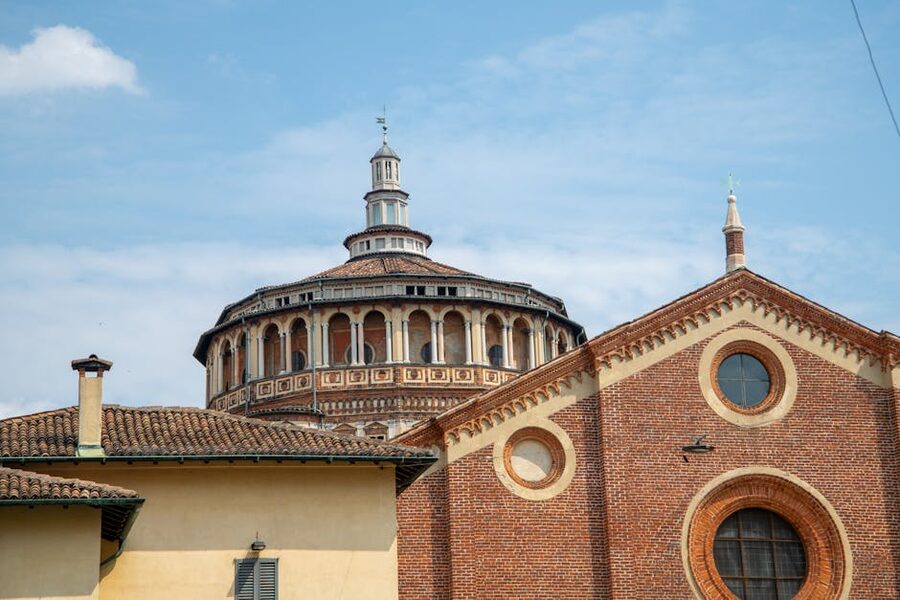
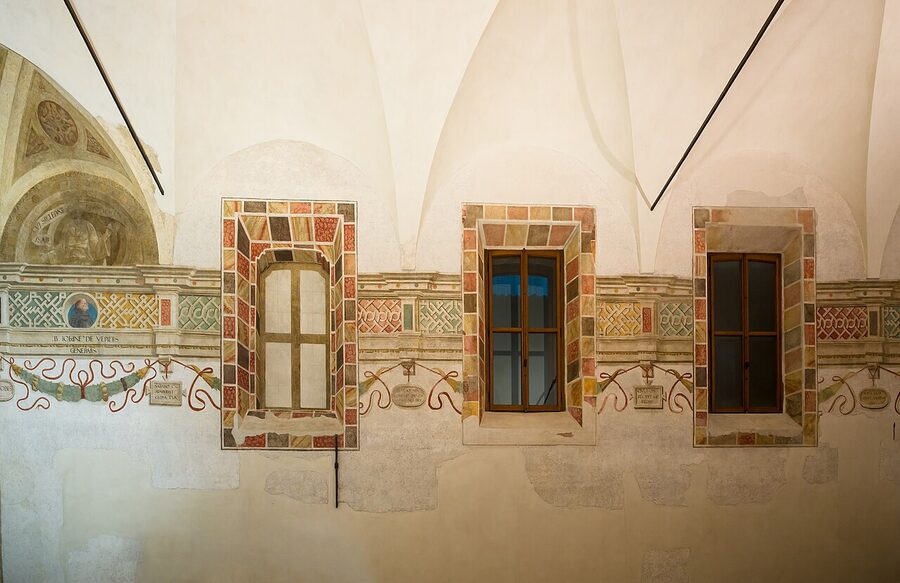
The church next door is free to enter and almost nobody bothers. That’s a mistake. Inside there’s a Crucifixion by Donato Montorfano on the refectory wall opposite the Leonardo (you’ll see the Montorfano during your slot too, it’s the painting behind you when you face the Last Supper) and a quiet Renaissance interior that gives you a sense of what the original monastic space felt like.
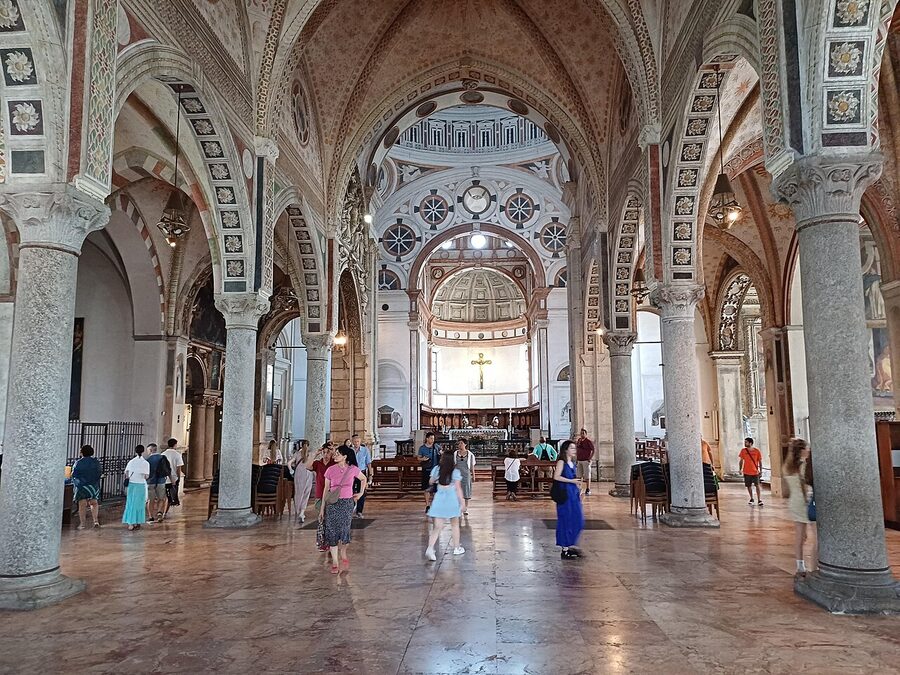
If you’re combining the Last Supper with a wider Milan visit, do the painting first and the church afterward. The mental gear shift between the two is the right way around. You leave the high-stakes 15-minute appointment, then sit in a quiet church for as long as you want. It’s a useful palate cleanser.
Pairing the Last Supper With the Rest of Milan
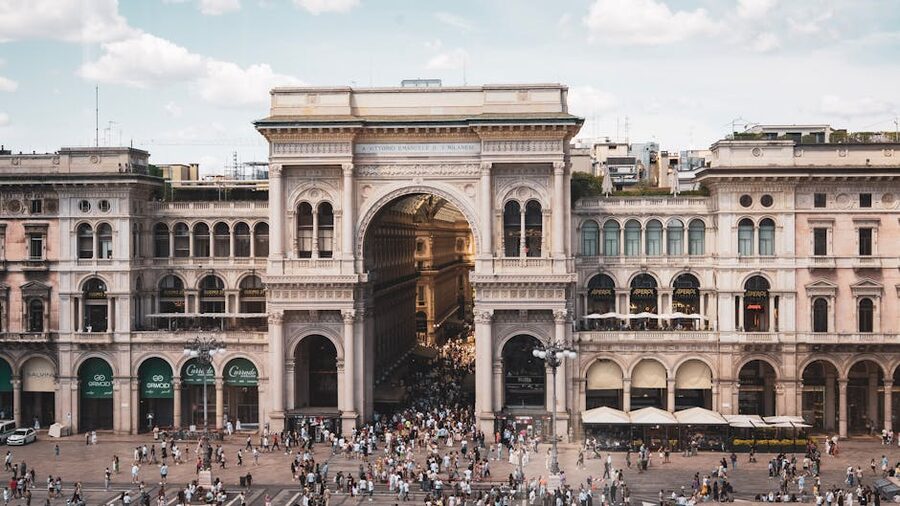
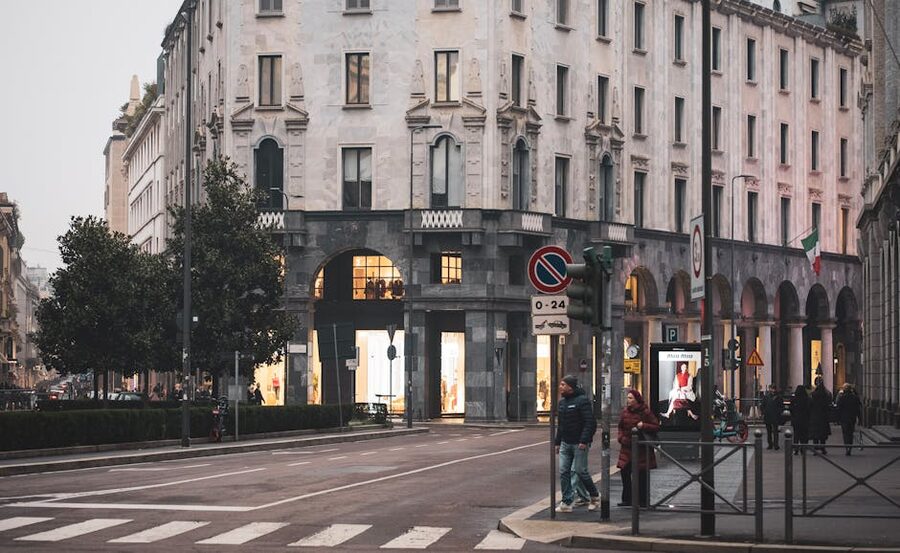
Most visitors do the Last Supper as part of a one-day or two-day Milan stop. If that’s you, the natural pairings are the Duomo and rooftop for the morning, the Last Supper for early afternoon, and either Sforza Castle or aperitivo on Navigli for the evening. The painting itself is in the Magenta district, which is residential and quiet; the Duomo is fifteen minutes east on foot, and the Galleria sits just beyond.
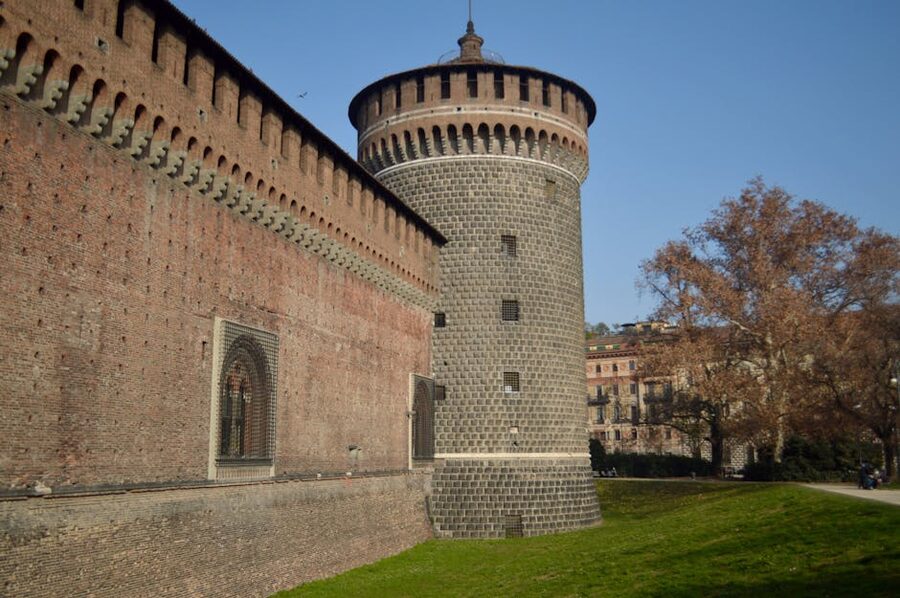
Sforza Castle deserves more attention than it usually gets. The same Ludovico Sforza who commissioned the Last Supper lived here, and walking through the courtyards and the Ducal apartments gives you the political context for why Leonardo was in Milan in the first place. He was Ludovico’s court engineer, and the Last Supper was effectively a branding project for the duke.
What to Skip
A few things competitors keep recommending that I wouldn’t bother with.
The audio guide rental at the museum entry. It’s brief, dry, and the fifteen-minute viewing limit means you’ll barely get through the introduction track. If you want commentary, book a guided tour or download a podcast about the painting before you arrive. Smart Walks Italy has a decent free episode.
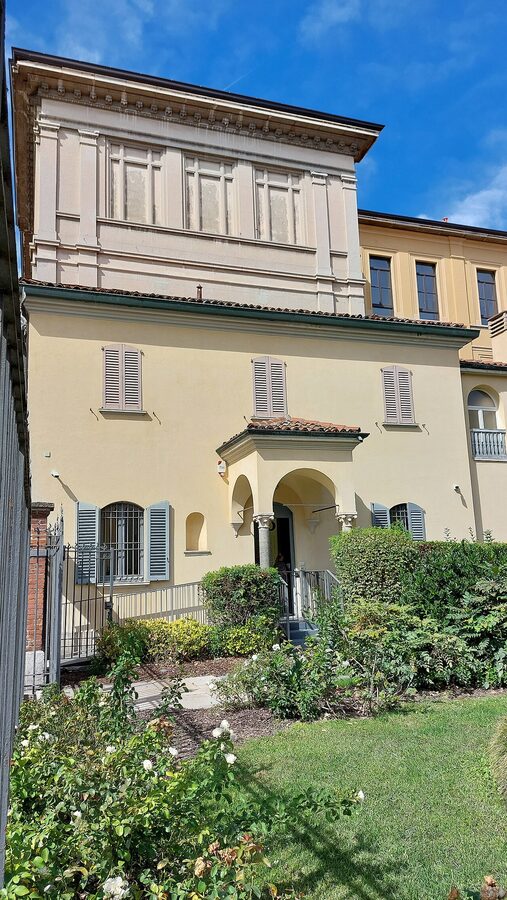
The combined “Leonardo in Milan” pass. Marketed as Last Supper plus the Leonardo Vineyard plus the Science Museum. The vineyard is a small house and a rebuilt patch of vines (yes, Leonardo was given vineyard land by Ludovico, but the current site is mostly reconstructed) and the Science Museum is a long detour. Pick the Last Supper alone, plus one other Leonardo site at most.
Eating right next to the Cenacolo. The two restaurants on the piazza are tourist-priced and underwhelming. Walk five minutes east on Corso Magenta toward Piazza Cordusio for actual Milan options.
A Few Practical Notes
Bags and coats. Anything bigger than a small handbag has to go in the cloakroom. It’s free, it’s adjacent to the ticket booth, and the queue moves quickly. Don’t bring a wheelie suitcase.
Children. Under 18s are free, but a 15-minute silent viewing of one painting is not naturally engaging for under-tens. The age cutoff most parents I know aim for is around 11 or 12. The painting holds up to repeat visits if your kids develop interest later.
Accessibility. The Cenacolo is wheelchair accessible. There’s a ramp into the refectory and the air-lock corridor has a wider door. Email the museum in advance if you need assistance: they’re responsive in English.
Cancellation. Official tickets are non-refundable and non-transferable. Operator tickets through GetYourGuide and Viator are usually fully refundable up to 24 hours before. If your trip dates aren’t fully fixed, the small price premium for an operator ticket is worth paying.
Late arrivals. If you miss your slot, you don’t get rebooked. The museum is strict on this because the next slot starts immediately. Aim to be at the booth 30 minutes before your time. The closest metro stations both have lifts.
Last Thoughts on Picking Your Ticket
If you’re booking three months out, go straight to cenacolovinciano.org and grab the €15 ticket. Add a guided tour later if you want commentary. That’s the cheapest path.
If you’re booking three weeks out, skip the official site and go directly to GetYourGuide for the standard guided tour. You’ll pay around €70, you’ll definitely get a slot, and the briefing in the corridor before you enter is worth the money on a first visit.
If you’re booking three days out, look at the half-day combo tours that include Duomo and La Scala. They’re the most likely to still have inventory and they handle the booking for you. The premium over a single ticket is real, but so is the relief of knowing it’s locked in.
And if you want a real moment with the painting, book the 8:15am slot. The room is half-full, the morning light is at its best angle, and the staff are still in conversation mode. It’s the closest you’ll get to seeing the Last Supper on its own terms.
Pairing the Last Supper With the Rest of Italy
If Milan is part of a bigger Italy trip, Michelangelo’s David at the Accademia in Florence is the single best companion piece to the Cenacolo if you care about the late-15th-century moment Leonardo was painting in. For Rome, the Vatican Museums and Sistine Chapel guide handles the same kind of pre-booking puzzle this one does. And the Uffizi gallery in Florence is the third anchor: same Renaissance era, same kind of fifteen-second photo-op crowd around its single most famous room, same payoff if you book it properly.