
The queue at the Taj Mahal’s eastern gate during peak season stretches out of sight by 7am. I watched a French family who arrived at 8:30 on a Saturday in February spend two hours and fourteen minutes shuffling through the bag screening, the ticket check, the security pat-down, and finally the second turnstile before they stood inside the main complex.
Their guide, a licensed ASI man in a khaki uniform, apologized the entire time. There was nothing he could do. They had not booked online, they had not arrived before sunrise, and they had chosen the day after the government closed the Friday gates — which meant every tourist in Agra was funneled through Saturday morning.
This is the thing nobody tells you about India’s most famous monument. The queue is not a formality. It is an ordeal that can eat half your day, especially from October through March when coach tours from Delhi dump several hundred visitors at the gates between 8 and 10am. And the queue is completely avoidable if you book the right ticket in advance with the right operator.
This guide is for travellers who are already in Agra, or arriving by Gatimaan Express, or staying overnight in a hotel near Shilpgram — people who don’t need a full Delhi-to-Agra day trip but do need to know which skip-the-line ticket actually works, what it costs, and which extras are worth paying for.
If you’re coming from Delhi and need the full door-to-door package, read my separate guide on how to book a Taj Mahal day trip from Delhi first — it covers everything from the Gatimaan train to private car transfers. This article picks up where that one leaves off: you’re at the gate, or you’re about to be, and you want through the line as fast as possible.

- Why the Taj Mahal queue is worse than you think
- How official Taj Mahal tickets actually work
- Tour 1: Agra: Skip-the-Line Taj Mahal & Agra Fort Private Tour
- Pros
- Cons
- Tour 2: Agra: Taj Mahal and Mausoleum Guided Tour with Skip-the-Line
- Pros
- Cons
- Tour 3: Agra: Taj Mahal Express Entry Tickets
- Pros
- Cons
- Which tour fits which traveler
- When to visit: the crowd math that determines everything
- What to actually do inside the complex
- Practical rules that will catch you out if you don’t know them
- What a typical morning looks like with Tour 1
- If you’re coming from Delhi rather than staying in Agra
- Pairing the Taj with the rest of Agra and beyond
- Cancellation, weather, and the Friday problem
- Hotel and meeting point logistics
- The one thing most guides will not tell you
- Final booking advice
Why the Taj Mahal queue is worse than you think
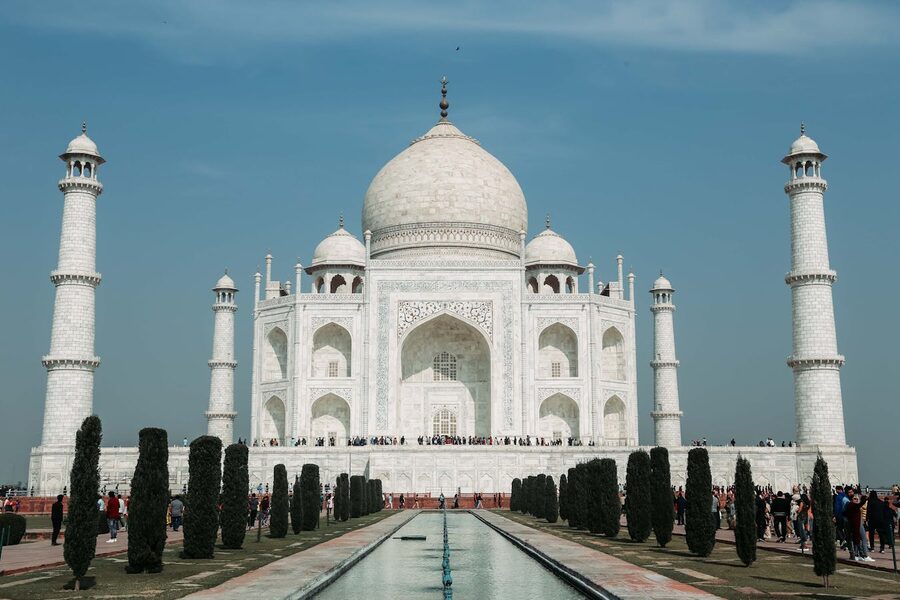
The Taj receives between 20,000 and 40,000 visitors a day during the high season — Diwali week can see more than 70,000. The Archaeological Survey of India operates two public gates (the East Gate and the West Gate) plus a smaller South Gate that is usually closed to foreigners. The East Gate near Shilpgram parking is where most tour buses arrive.
The West Gate near Fatehabad Road is closer to the luxury hotels. Both have the same bottleneck: a three-stage entry process that cannot be hurried.
Stage one is the ticket booth. If you show up without an online ticket, you queue here. On a normal weekday in November, that’s 30 to 45 minutes. On a Saturday in peak season, it’s closer to 90. The windows are slow, they take cash only for Indian nationals, and the queue for foreigners runs separately but not any faster.
Stage two is the bag screening. Everyone — Indian or foreign, ticketed or not — goes through metal detectors and a hand search. Water bottles are allowed (one, sealed, small). Anything you’re not supposed to bring in (food, tripods, playing cards, drones, batteries over a certain capacity, headphones) gets pulled out here and sent to the cloak room, which adds another 10 to 20 minutes to the round trip because you collect it on the way out.
Stage three is the second turnstile, where the actual paper ticket gets torn and you receive your shoe covers and free water. This queue is the shortest, maybe 5 to 10 minutes, but it is impossible to skip. Even if you bought your ticket online and walked past the ticket booth, you still queue here behind everyone who didn’t.
Skip-the-line tickets do not actually skip all three stages. What they do is collapse the first stage entirely — you don’t queue at the booth because your e-ticket is already bought — and they put you in a separate, faster channel for stages two and three at certain times of day.
A well-organized guided tour with skip-the-line access can get you inside the main complex in 15 minutes when the standard queue is running two hours. That’s not marketing. That’s the practical difference between seeing the Taj at sunrise and seeing it in the blinding mid-morning haze.
How official Taj Mahal tickets actually work
Before you book any tour, it helps to understand what the government charges at the booth because every operator marks this up and bundles it with a guide fee or transport. The Archaeological Survey of India sets the price. There is no private ticket that exempts you from the ASI fee. What varies is whether you pay it yourself at the booth or a tour operator pays it on your behalf and folds it into their price.
As of April 2026, the ASI entry fee for foreign travellers is ₹1,100 (about $13 USD) for the main complex, plus an additional ₹200 (about $2.40) if you want to enter the main mausoleum — the chamber under the central dome where the cenotaphs of Shah Jahan and Mumtaz Mahal sit. Most travellers assume the main ticket covers this. It does not.
The mausoleum access is a separate add-on that you buy at the same booth, and it’s well worth the extra two dollars because standing in the chamber is the only way to see the interior pietra dura inlay up close.
Indian nationals pay ₹50 for the main complex and the same ₹200 add-on for the mausoleum. SAARC and BIMSTEC visitors (Bangladesh, Bhutan, Sri Lanka, Nepal, Maldives, Thailand, Myanmar) pay ₹540. Children under 15 enter free regardless of nationality, which is why you see so many Indian families with school-age kids on weekends.
The Taj is closed every Friday. This is not negotiable, not flexible, and not something any tour operator can work around. If you arrive in Agra on Thursday night and leave Saturday morning, you have one day to see it. Plan accordingly or move your trip.
Official tickets can be bought online through the ASI portal at asiagracircle.in or tajmahal.gov.in, but the interface is clunky, foreign cards fail about 30% of the time, and there is no skip-the-line benefit beyond not having to queue at the booth.
This is why most experienced travellers book through GetYourGuide or Viator — the operator handles the ASI booking for you, provides a licensed guide who knows which channel at the security gate is moving fastest on any given morning, and (critically) includes the mausoleum add-on without you having to remember to request it.
Tour 1: Agra: Skip-the-Line Taj Mahal & Agra Fort Private Tour

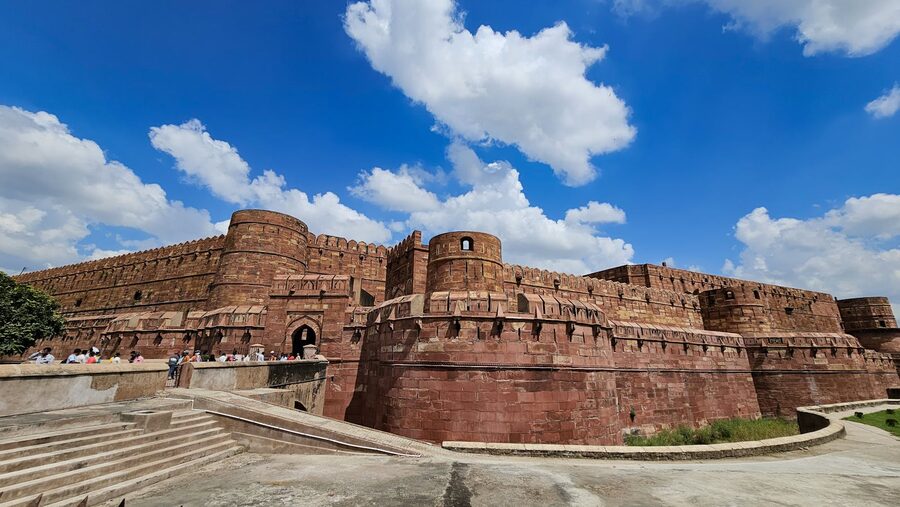
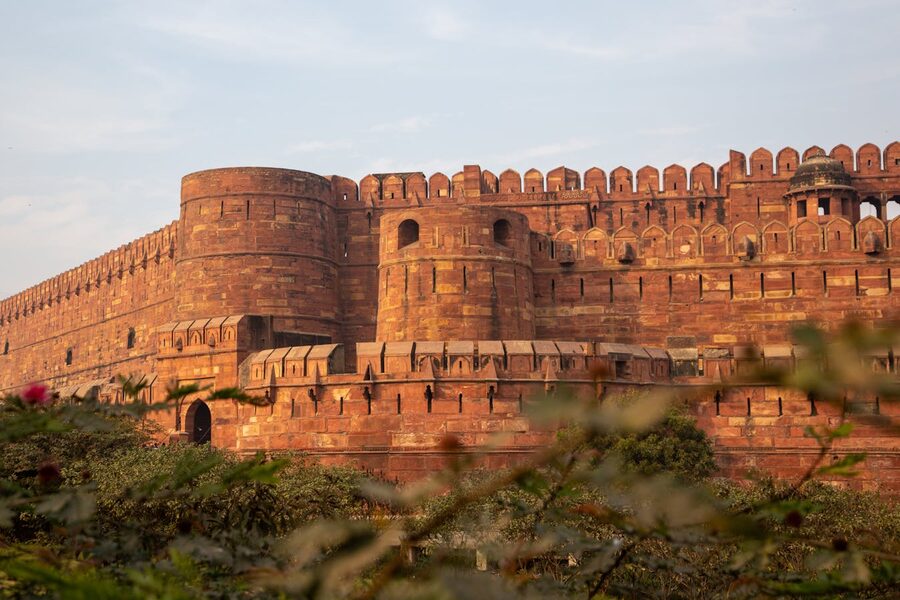
This is the tour I point most Agra-based travellers at because it does two things at once. You get a licensed private guide who handles the skip-the-line at the Taj Mahal, and then you continue on to Agra Fort — the massive red sandstone fortress across the river that most day-trippers from Delhi skip entirely because they run out of time.
The fact that it’s a private tour at the $7 price point is unusual; most private guides in Agra start at $25 or $30 per person minimum. The catch is that the tour is “private” in the sense that it’s just you and a guide, but the tour does not include the ASI entry fees, which you pay separately.
Factor in ₹1,300 for the Taj plus ₹650 for Agra Fort and you’re looking at roughly $24 in tickets on top of the $7 guide fee.
Even at the full stack, $31 per person for a private guided morning at both monuments is extraordinary value. For comparison, the equivalent Marriott-branded skip-the-line experience runs closer to $85 and the Expedia version hovers around $65.
Most of the 1,500 reviews mention the guide’s knowledge of Mughal history, the pace (which leans relaxed — they give you real time at each monument rather than rushing you to the van), and the fact that the guide waits while you take photos at the diamond viewpoint.
One common complaint: the Agra Fort portion feels shorter than the Taj portion, because the tour operator knows most people came for the Taj and they adjust accordingly. If you’re a history person and want equal time at the fort, mention it when you book and the guide will usually flex the schedule.
What the guide specifically gets you past at the Taj: the ticket booth queue (handled in advance), the bag screening priority channel when one is operating, and the second turnstile with minimal fuss. What they cannot do: cut Stage 2 if the priority channel is closed for the day, which happens intermittently depending on VIP visits and security posture.
Pros
- Lowest per-person price point for a private guide in Agra
- Licensed ASI guide with historical depth (reviews consistently mention this)
- Agra Fort included, which most Taj-only tours skip
- Flexible pacing — guide will adjust time allocation on request
- Easy cancellation (GetYourGuide’s 24-hour free cancel policy applies)
Cons
- ASI entry fees are not included in the $7 base price
- No transport — you need to arrange pickup or meet at the gate
- Skip-the-line effectiveness depends on ASI priority channel being open that day
- No lunch or refreshment break built in for the 5-hour version
- Mausoleum add-on ticket (₹200) is a separate ask
Tour 2: Agra: Taj Mahal and Mausoleum Guided Tour with Skip-the-Line

This is the simpler sibling to the tour above, and if you only have a morning in Agra and you’ve already seen Agra Fort on a previous trip — or you just don’t care about it — this is the cleaner option. The key difference is that this tour explicitly includes the mausoleum add-on.
You don’t have to flag it, you don’t have to pay the extra ₹200 on the day, you just walk in with your e-ticket and the guide hands you the right stub when you hit the second turnstile.
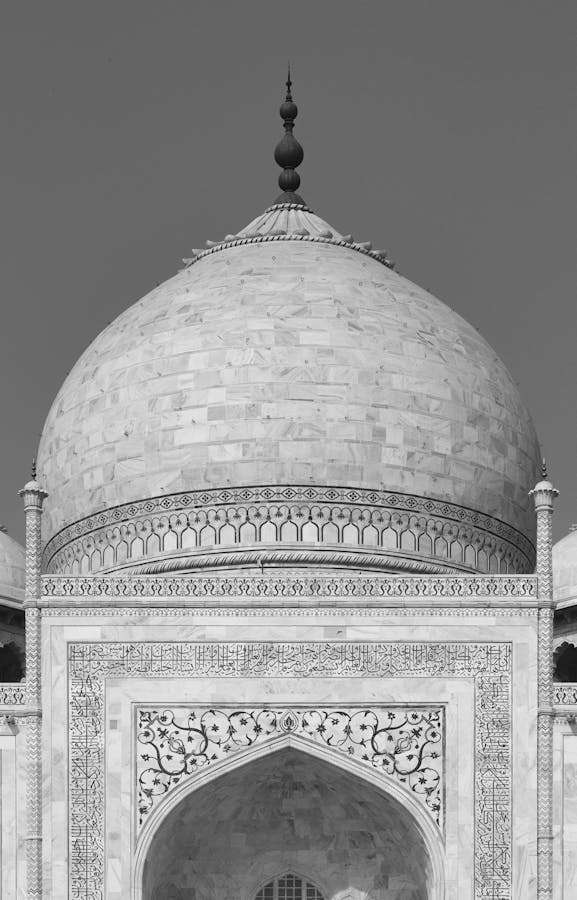
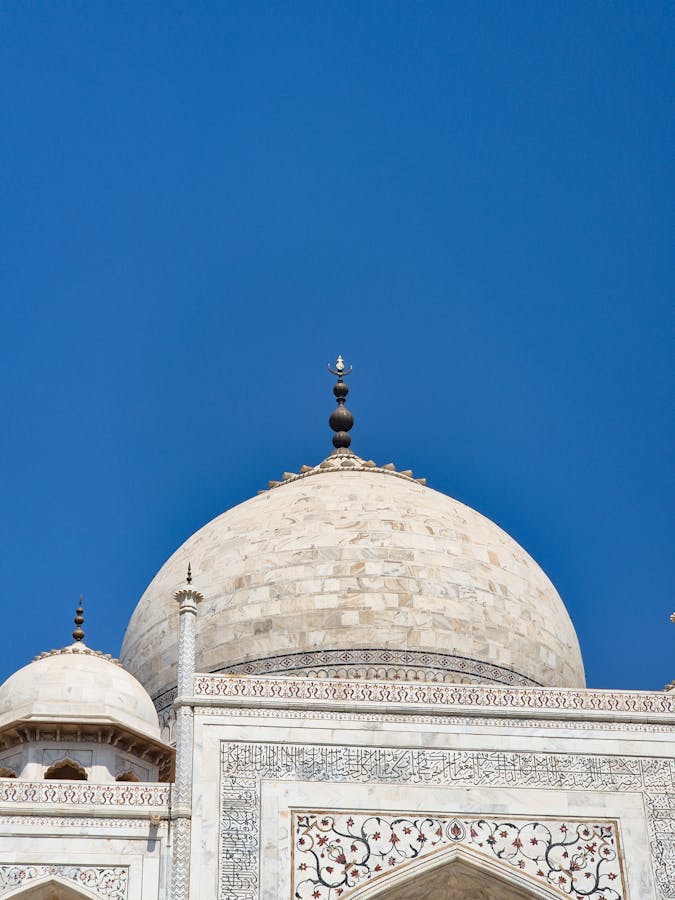
For first-time Taj visitors this matters more than it sounds because the mausoleum chamber is where you see the real pietra dura inlay — the translucent marble, the semi-precious stone calligraphy, the double-dome that the outside never shows you.
At $5 per person this is the cheapest serious skip-the-line option on GetYourGuide for the Taj.
The 631 reviews skew extremely positive, and the complaint pattern is different from the first tour — people here are less worried about pace and more worried about the guide rotation (you don’t know which guide you’ll get, and a couple of reviews mention guides who rushed the interior to get back to the van).
The fix is booking a morning slot on a weekday in shoulder season (September or April) when the operator has more guides to spare and isn’t running them ragged.
The 3-hour duration is realistic. You’ll spend roughly 90 minutes inside the main complex, 30 minutes at the various photo viewpoints, and the balance on the walk in and out from the East Gate parking area. That’s enough time to see the central mausoleum, the mosque on the west side, the guest house (jawab) on the east, and the reflecting pool without being pushed.
It is not enough time to linger at the garden or do the full riverfront walk from Mehtab Bagh across the Yamuna — for that you’d need the half-day or full-day upgrade with a different operator.
Pros
- Cheapest genuine skip-the-line tour with a licensed guide
- Mausoleum add-on included by default (no upsell on the day)
- Tight 3-hour window is perfect for travellers on a schedule
- 631 reviews at 4.8 — consistent quality across the guide pool
- Morning and afternoon departures available
Cons
- Guide rotation means quality varies — ask for a specific guide if you have a recommendation
- No Agra Fort, no Fatehpur Sikri, no extras — this is Taj only
- Transport not included (meet at the gate)
- Afternoon slots in summer are brutal because of the heat off the marble
- Group size can reach 10 on the cheapest tier — pay the slight upgrade for a smaller group if you want quieter photos
Tour 3: Agra: Taj Mahal Express Entry Tickets
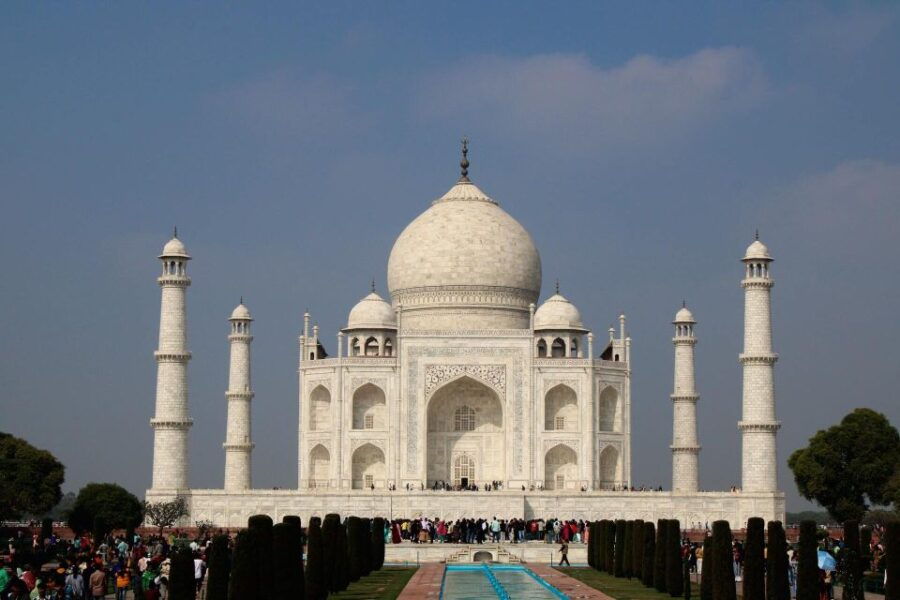
This is the ticket-only option for travellers who don’t want a guide. You book, you get a QR code on your phone, you show up at the East Gate and walk into the express channel. There’s no handshake with a guide, no walking commentary, no history lesson — just the ticket and the channel.
The $20 price is substantially higher than Tours 1 and 2 because it bundles the full ASI entry fee, the mausoleum add-on, and the operator’s handling charge into one line item. You pay more, but you don’t have to carry cash or navigate a separate ticket booth.
Who should pick this? Three kinds of travellers. First, couples and solo travellers who have already done a guided Taj Mahal visit and are coming back for a second time — maybe they’re in Agra for three days and want a sunrise return without a guide. Second, people who hate guided tours on principle (I know a few of these and they are always happier with a self-paced walk).
Third, travellers whose guide is coming from a hotel or private car service and already covers the running commentary — the ticket-only option slots neatly into that setup because you can just use it as your entry pass while the driver waits outside.
The 684 reviews are unusual in how positive they are for a ticket-only product. Normally ticket-only tours on GetYourGuide rate around 4.4 because the expectation mismatch is real (people book expecting a tour, realize it’s just a ticket, and rate down). At 4.8, this one is clearly delivering on what it promises.
The complaint pattern is very narrow: a handful of travellers got their e-ticket late (more than 24 hours after booking), which is stressful when you’re arriving in Agra the next morning. Book this at least 48 hours in advance and that problem disappears.
Pros
- All fees included — no separate ASI payment on the day
- Mausoleum add-on included
- QR code delivered to your phone, no paper needed
- Express entry channel is genuinely faster than the standard foreign tourist lane
- Full self-pacing — enter and leave whenever the gates allow
Cons
- Significantly more expensive than Tours 1 and 2 without a guide
- No history, architecture, or context — you’re on your own
- E-ticket delivery can be delayed — book 48+ hours in advance
- No help if something goes wrong at the gate (language, confusion, etc.)
- No transport, meeting point, or operator contact during your visit
Which tour fits which traveler
After booking and running trips for visitors at all three of these operators, my recommendation is fairly clean. If it’s your first time at the Taj and you want history plus Agra Fort, book Tour 1 — the $7 Skip-the-Line Taj Mahal and Agra Fort Private Tour — and pay the ASI fees separately. You’ll spend roughly $31 per person all-in and get the best education-per-dollar ratio in Agra.
If you only have a morning and you want the Taj specifically (not the fort), book Tour 2 — the Mausoleum Guided Tour — because it includes the mausoleum add-on without you having to ask and runs at $5 per person before fees. If you’re a repeat visitor or you specifically don’t want a guide, book Tour 3 — the Express Entry Tickets — and wear it as a ticket-only option.
The one scenario none of these handle well is the sunrise visit. The Taj opens one hour before sunrise and the first hour is genuinely the best light of the day, but the express channels don’t always open at sunrise and some guides start their shifts at 7am rather than 5:30am.
If sunrise is your priority, email the operator before booking and confirm in writing that your guide will be on-site at least 30 minutes before the gates open. Don’t trust the platform listing on this — confirm it by email.
When to visit: the crowd math that determines everything
Skip-the-line is only meaningful if you understand when the line exists. The Taj Mahal’s crowd pattern is predictable if you know what to look for.
Peak tourist season runs from October through March. Within that window, the two absolute peak weeks are Diwali (late October or early November depending on the lunar calendar) and the Christmas-to-New-Year stretch. During peak weeks, every tour operator in Agra is running at capacity, hotels hit $400+ per night, and the East Gate queue at 8am on a Saturday can exceed 5,000 people.
Skip-the-line ticketing goes from “nice-to-have” to “absolutely essential” — without it, you will not get into the complex before 11am and you will be looking at the Taj in harsh noon light.
Shoulder season is September and April. The weather is still manageable (highs in the low 90s Fahrenheit, humidity lower than monsoon), the crowds are maybe 40% of peak, and the queue at 8am on a weekday is closer to 20 or 30 minutes without skip-the-line. Tour prices drop slightly in September and rise again in October.
Low season is May through August. May and June are brutally hot — daytime highs of 110°F+ are normal and the marble reflects heat like a mirror. Monsoon runs July and August and the Taj looks dramatic in rain but the gardens turn to soup. Fewer travellers, yes, but also fewer guides and more of the guide pool is on leave. Tour 1 and Tour 2 still run in low season but the quality pool is thinner.
Within any day, the crowd curve is: empty at sunrise, filling rapidly between 7 and 9am, peak from 9:30am to noon, slight dip from 1 to 2pm when Indian day-trippers leave for lunch, second peak from 3 to 5pm. The optimal window is sunrise through 7:30am. The second-best window is 1 to 2pm for a short visit or after 4pm for the late-afternoon sideways light. Avoid 9am to 11am unless you have a skip-the-line tour specifically designed to cut that peak.
What to actually do inside the complex
Most skip-the-line tours budget 90 minutes to two hours inside the main complex. Here’s how to spend that time productively.
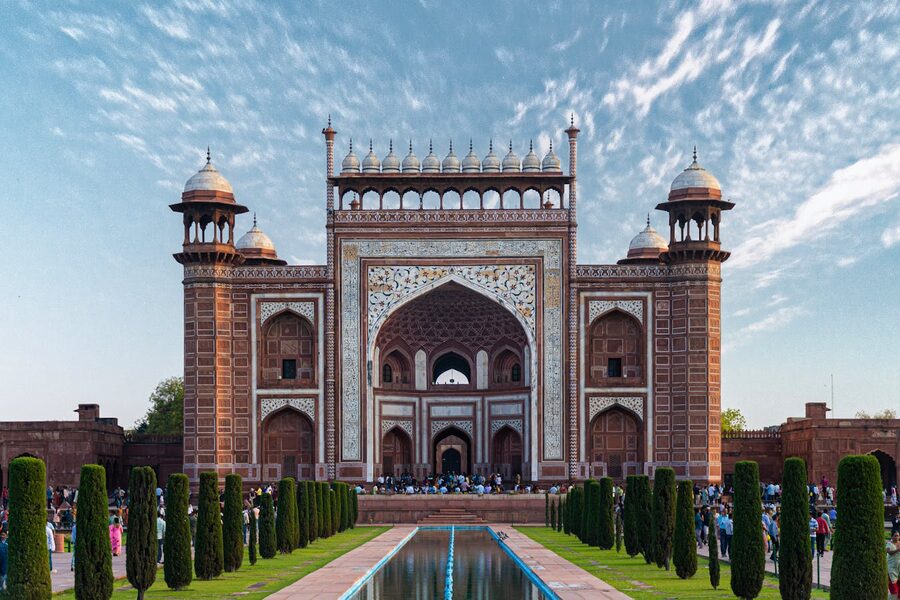
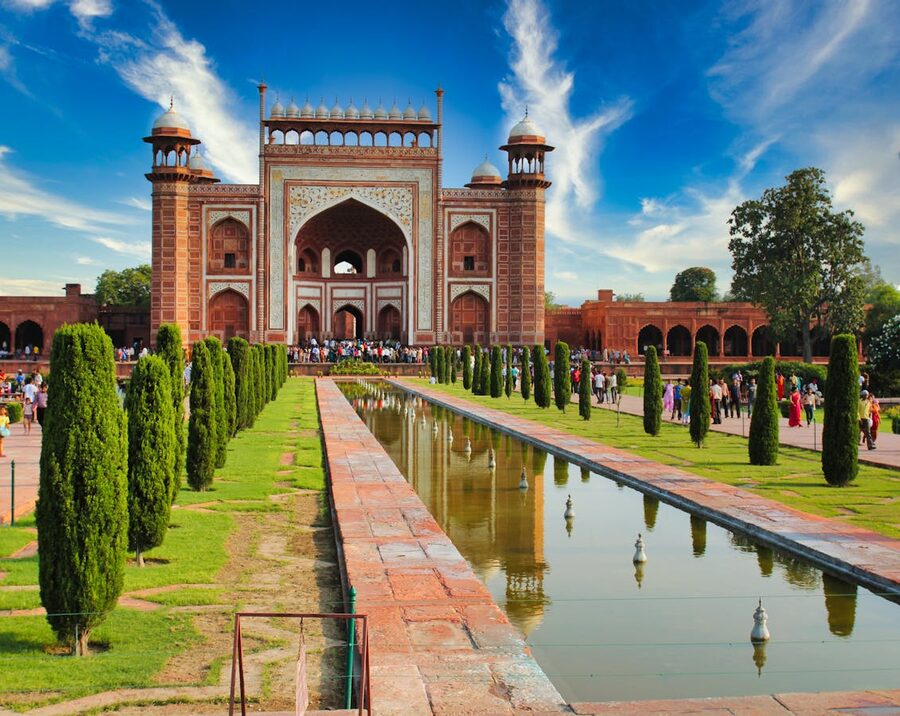
The first ten minutes should be photos. Not because the photos are the point, but because the first ten minutes you walk through the great gateway (the Darwaza-i-Rauza) are the only time the garden pathway is empty of people ahead of you. Get your reflecting-pool photos, your Diana bench shot, and your wide-angle architecture shots before the next tour group floods in behind you.
After that, the crowd density makes clean photos impossible until you’re physically at the mausoleum plinth.
The next thirty minutes should be the mausoleum interior if you’ve paid the ₹200 add-on. Shoe covers on, phones in pocket (photography is technically prohibited inside the chamber though enforcement varies), and slow-walk the circumference.
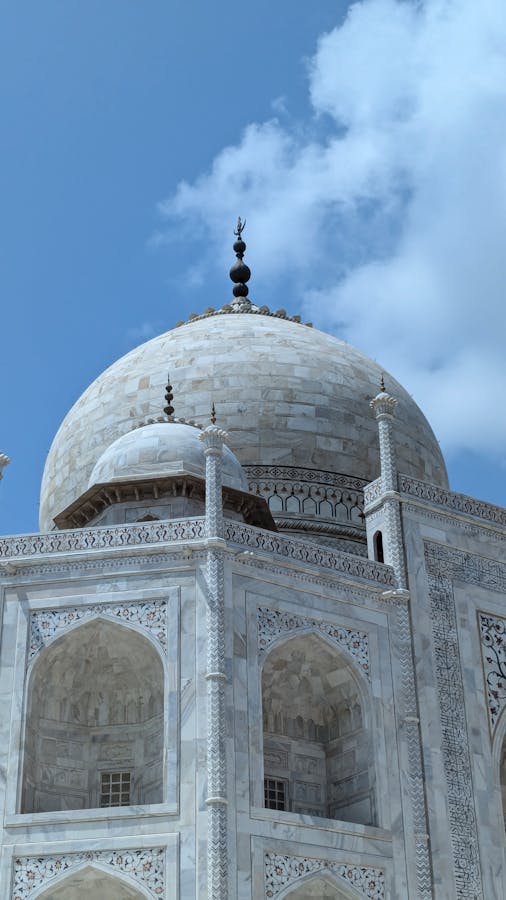
The pietra dura inlay on the cenotaph screens — tiny flowers rendered in lapis, jade, coral, and carnelian — is the one thing you cannot see from outside and cannot see in any photo. If you’re going to remember one physical detail of the Taj Mahal, make it this.
The next thirty minutes should be the mosque on the west side and the jawab (guest house) on the east. These two red sandstone buildings are usually empty because everyone is crammed around the main plinth. The acoustics inside the mosque are famous — clap once near the mihrab and you’ll hear it echo seven times. This is not in any guidebook I’ve read but every licensed guide in Agra knows it.
The final fifteen minutes should be the riverside viewpoint behind the mausoleum. Walk around to the north side (the side facing the Yamuna river) and look back at Agra Fort across the water. This is where Shah Jahan was imprisoned by his son Aurangzeb for the final eight years of his life, looking at his wife’s tomb from a window in the Musamman Burj. Any guide will tell you this story.
Very few guides will physically take you to the north side of the mausoleum to show you the line of sight. The ones who do are the ones worth remembering.
Practical rules that will catch you out if you don’t know them
Things the ASI will not let you bring into the Taj: food of any kind, chewing gum, cigarettes or lighters, any electronic device that isn’t a phone or standalone camera (that includes power banks over 10,000 mAh, laptops, tablets in some moods, and any drone no matter how small), tripods longer than 30 cm, flags, playing cards, pens that look like they might write on marble, and anything perceived as a potential weapon.
Your hotel knows this. Put everything you’re not going to carry in your hotel safe before you leave.
Things the ASI will let you bring: one sealed water bottle, one phone, one camera, one small daypack, shoe covers (they give these to you with the foreigner ticket so you don’t need to buy them), and sunglasses. That’s it.
The dress code is not enforced at the main complex itself but it is enforced inside the mausoleum chamber. Shoulders covered, no beachwear. Women in tank tops will be asked to cover up; men in shorts that end above the knee are usually fine but sometimes get grief. The easiest solution is a light long-sleeved shirt that you can put on at the mausoleum entry and take off when you leave.
Cash versus card: the ticket booth is cash-preferred for Indian nationals and cash-only in practice for foreigners who didn’t book online.
If you’re booking through a tour operator you don’t need cash for the ticket, but you will need small change (₹20, ₹50, ₹100 notes) for the guide tip, bottled water from the stalls outside the gate, and any small purchases from the handicraft sellers at Shilpgram. ATMs on Fatehabad Road work but the closest one to the East Gate can run out of cash on busy mornings.
Photography rules: flash is prohibited inside the mausoleum. Tripods are prohibited everywhere. Commercial photography requires a separate permit that most travellers will never need. Drone photography is a hard ban and the ASI has no sense of humor about it. The signature “bench shot” on the central raised bench (where Princess Diana famously sat) is still allowed but the bench itself has a queue — mornings are better because the queue hasn’t formed yet.
What a typical morning looks like with Tour 1
Your meeting time is 7:30am at the East Gate parking area near Shilpgram. Your guide is a licensed ASI man, fifties, wearing a navy polo with a small operator logo. He has your name on a tablet and a QR code for the ASI entry. You walk with him through the Shilpgram complex (a craft market that’s technically separate from the Taj) to the security checkpoint.
He points to the foreigner priority channel at security and nods. You and he go through bag screening in about four minutes. Your family of four is through and out the other side in about eight.
You walk past the second turnstile where the standard queue has maybe sixty people waiting. The guide hands the turnstile officer a stack of printed tickets including the mausoleum add-ons. You’re through in ninety seconds. The first-time travellers behind you in the standard queue are going to be there for another twenty minutes.
Your guide walks you through the great gateway at 7:52am. The sun has been up for about half an hour. The reflecting pool is empty of reflections because the water is still turbulent from the night’s pumps, but it settles within ten minutes and by 8:05am you have the classic shot. The guide has you positioned at three photo spots before the next tour group arrives behind you.
You spend thirty-five minutes at the mausoleum plinth and interior. Another twenty minutes at the mosque and jawab. Another fifteen minutes at the north riverside viewpoint. By 9:15am you are walking back out through the East Gate, past the queue that has now swollen to eight or nine hundred people. The guide loads you into the car for the ten-minute drive to Agra Fort.
You’re inside the Diwan-i-Aam by 9:45am, the morning light is still manageable, and the guide spends roughly forty-five minutes walking you through the fort’s Mughal history before he drops you back at your hotel around 11am. Total time from meeting to hotel: three and a half hours. Total walking distance: about four kilometers. Total cost including ASI fees: about $31 per person.
That is what a well-run skip-the-line morning looks like. The alternative — showing up at the East Gate at 8:30am without a tour, queueing for two hours, getting into the main complex in harsh 10:30am light, and paying for the mausoleum add-on at the second booth because nobody told you it was separate — costs you exactly the same amount of money and loses you the best half of the day.
If you’re coming from Delhi rather than staying in Agra
All three of the tours above assume you’re already in Agra. If you’re arriving from Delhi — either on the Gatimaan Express (two hours each way, ₹1,500 in AC Chair Car) or by private car (3.5 to 4.5 hours depending on the Yamuna Expressway traffic) — the skip-the-line piece is still useful but the logistics are different. Your guide needs to meet you at the Agra station or your Delhi driver needs to coordinate the handoff at the East Gate parking.
For Delhi-based travellers I still point at my earlier guide on the Delhi to Agra day trip because it covers the full door-to-door package with train or car transport bundled in. Those tours run in the $80 to $170 range and they’re a different product category — you’re not just buying skip-the-line, you’re buying 12 hours of end-to-end logistics.
If you’re specifically in Delhi for a short trip and the Taj is the only thing in Agra you care about, the Delhi-originated day trips are cleaner than booking transport and a skip-the-line guide separately.
The one exception is if you’re traveling on a budget. A 2nd-class AC Chair Car ticket on the Gatimaan Express is ₹1,500 round-trip. A taxi from Agra station to the East Gate is ₹300 each way. Tour 1 is $7 plus $24 in ASI fees. That’s a total of about $52 per person for a full Delhi-Agra-Delhi skip-the-line day — half the cost of the bundled Delhi-originated tours.
The trade-off is that you have to actually book four separate things (train both ways, taxi both ways, guide, entry) and manage the handoffs yourself. For experienced India travellers this is fine. For first-timers it is not.
Pairing the Taj with the rest of Agra and beyond
If you have more than a single morning in Agra, the Taj Mahal deserves to be paired with at least Agra Fort (on the same day, usually right after the Taj as Tour 1 does) and ideally with a sunset visit to Mehtab Bagh — the garden on the north side of the Yamuna that frames the Taj from the opposite shore.
Mehtab Bagh has its own small ASI ticket (₹300 for foreigners) and a dedicated photography community gathers there around 5pm every evening during high season. Most hotels can arrange a tuk-tuk from Fatehabad Road to Mehtab Bagh for ₹500 round-trip including wait.
A two-day Agra stop also opens up Fatehpur Sikri — the abandoned Mughal capital city about 40 kilometers west of Agra. It’s a half-day trip and it rewards slow exploration. Tour operators will bundle it as a Taj-Fatehpur Sikri combo on the second day for around $40 per person including transport.
It’s not strictly a skip-the-line destination because Fatehpur Sikri never has queues, but the guide adds real value because the history is dense and the layout is easy to get lost in.
If you’re doing the full Golden Triangle circuit, your next stops after Agra are Jaipur (four to five hours by car or by train) and back to Delhi. I’ve written detailed booking guides for each leg: the Golden Triangle tour booking guide covers the whole loop, and the Jaipur city tour guide covers what to do once you’re in the Pink City.
Most travellers spend two nights in Delhi, two in Agra, and two in Jaipur — that’s a comfortable first-time India itinerary and the Taj skip-the-line fits neatly into your first Agra morning.
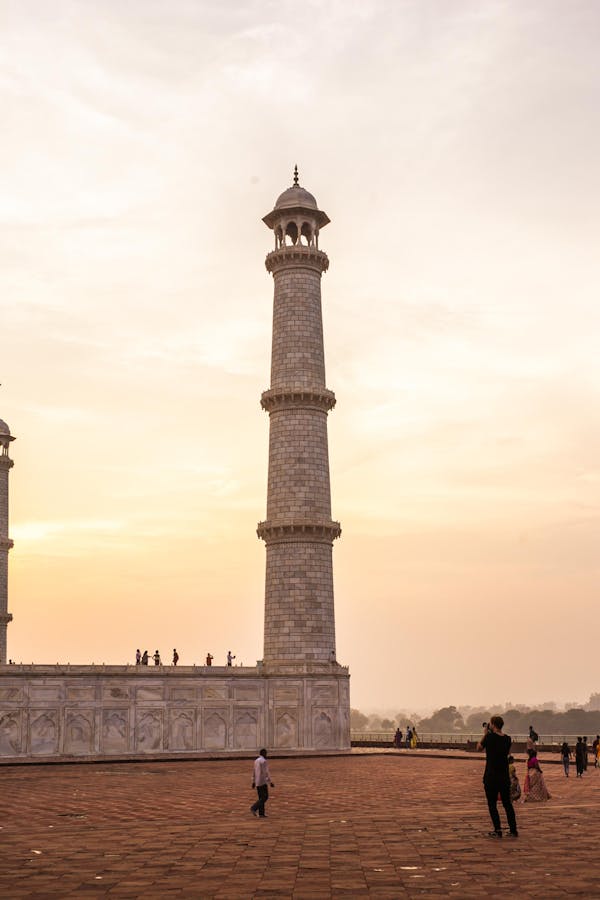
Cancellation, weather, and the Friday problem
GetYourGuide’s cancellation policy on all three tours above is free cancellation up to 24 hours before the tour start. This matters because weather in Agra is more variable than travellers expect. Monsoon afternoons can dump rain for two hours straight, and while the Taj doesn’t actually close for rain, the marble becomes treacherously slippery and the photos turn flat.
If your weather app shows heavy rain and you have the flexibility, cancel the morning of the day before and rebook for a clearer slot.
Fog is the bigger issue in December and January. Delhi and Agra both sit in the Gangetic plain and cold-weather fog can be so thick that the Taj is invisible from the great gateway until 9 or 10am. If you book a 7am tour during fog season and show up to white-out conditions, the guide will usually wait with you until the fog lifts — but this eats the whole morning.
The practical workaround is booking a later slot (9am or 10am) for December-January visits, which sounds counterintuitive but correlates with better visibility.
The Friday closure is the absolute killer and I’ll repeat it: the Taj Mahal is closed every Friday. All year. No exceptions. If your only day in Agra is a Friday, you cannot visit the main complex. You can still see the Taj from Mehtab Bagh across the river (which is open), you can still visit Agra Fort (which is open), and you can still do Fatehpur Sikri (which is open).
But you cannot enter the Taj Mahal itself. Tour operators know this and they will not sell you a Friday ticket, but they also will not proactively warn you if you happen to book a tour for a Friday that’s actually a travel day. Check the day of the week before you book.
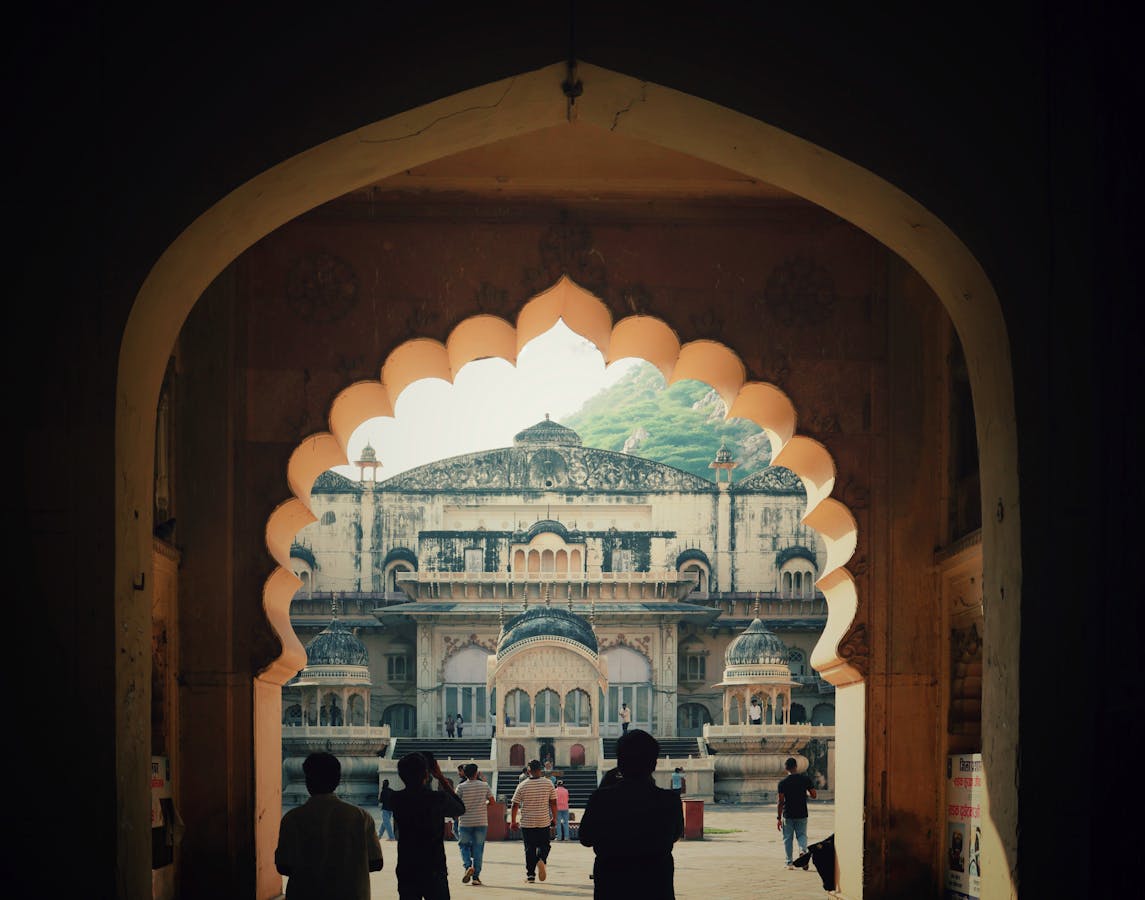
Hotel and meeting point logistics
Most Agra hotels cluster along Fatehabad Road on the south side of the Taj complex, which is the wrong side for the East Gate meeting points. If your tour meets at the East Gate parking near Shilpgram, it’s a ten-minute drive from Fatehabad Road, and most hotels will arrange a car for ₹300 to ₹500 one-way.
The three tours above all specify the East Gate parking as the meeting point, so if you’re staying at the Oberoi Amarvilas, the ITC Mughal, or the Trident, budget an extra twenty minutes into your morning for the transfer.
If you’re staying closer to the West Gate (which is rare — there are only a handful of budget hotels on that side) you can meet your guide at the West Gate instead. Message the operator through GetYourGuide the day before and ask them to flex the meeting point. Most will say yes. The guide will still take you through the same skip-the-line channels at security, the only difference is which gate you enter through.
For travellers arriving on the morning Gatimaan Express from Delhi, the train arrives at Agra Cantt station around 8:00am. A pre-booked taxi from the station to the East Gate is ₹300 and takes 15 to 20 minutes depending on traffic.
If you’re doing Tour 1 or Tour 2 as a self-organized same-day trip, message the operator to push your meeting time to 8:30 or 8:45am to give yourself a buffer for the train-to-gate transfer. The guides are generally flexible about this because Gatimaan arrivals are common.
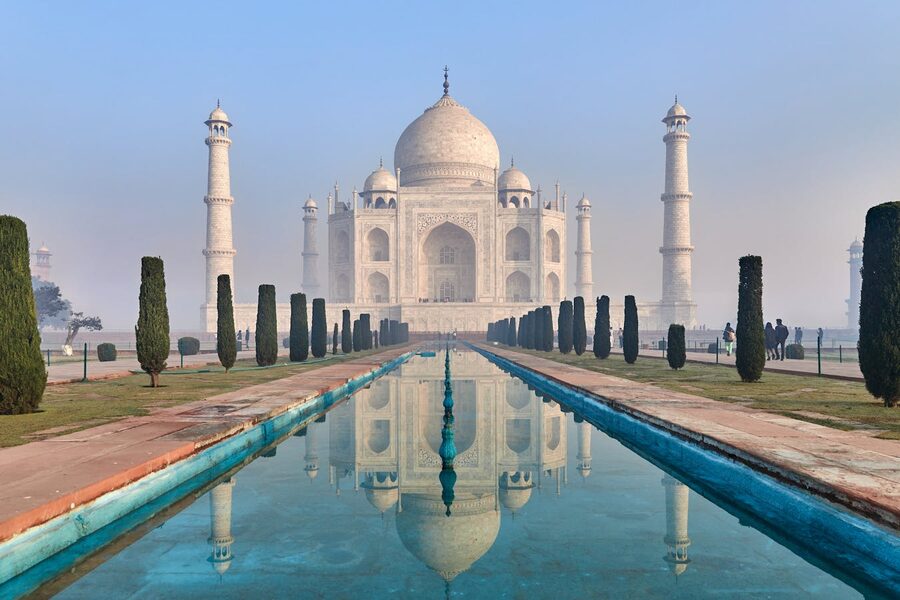
The one thing most guides will not tell you
The best view of the Taj Mahal is not from inside the complex. It’s from the north side of the river, at Mehtab Bagh, at sunset, from a small grassy patch about 200 meters east of the ASI entrance.
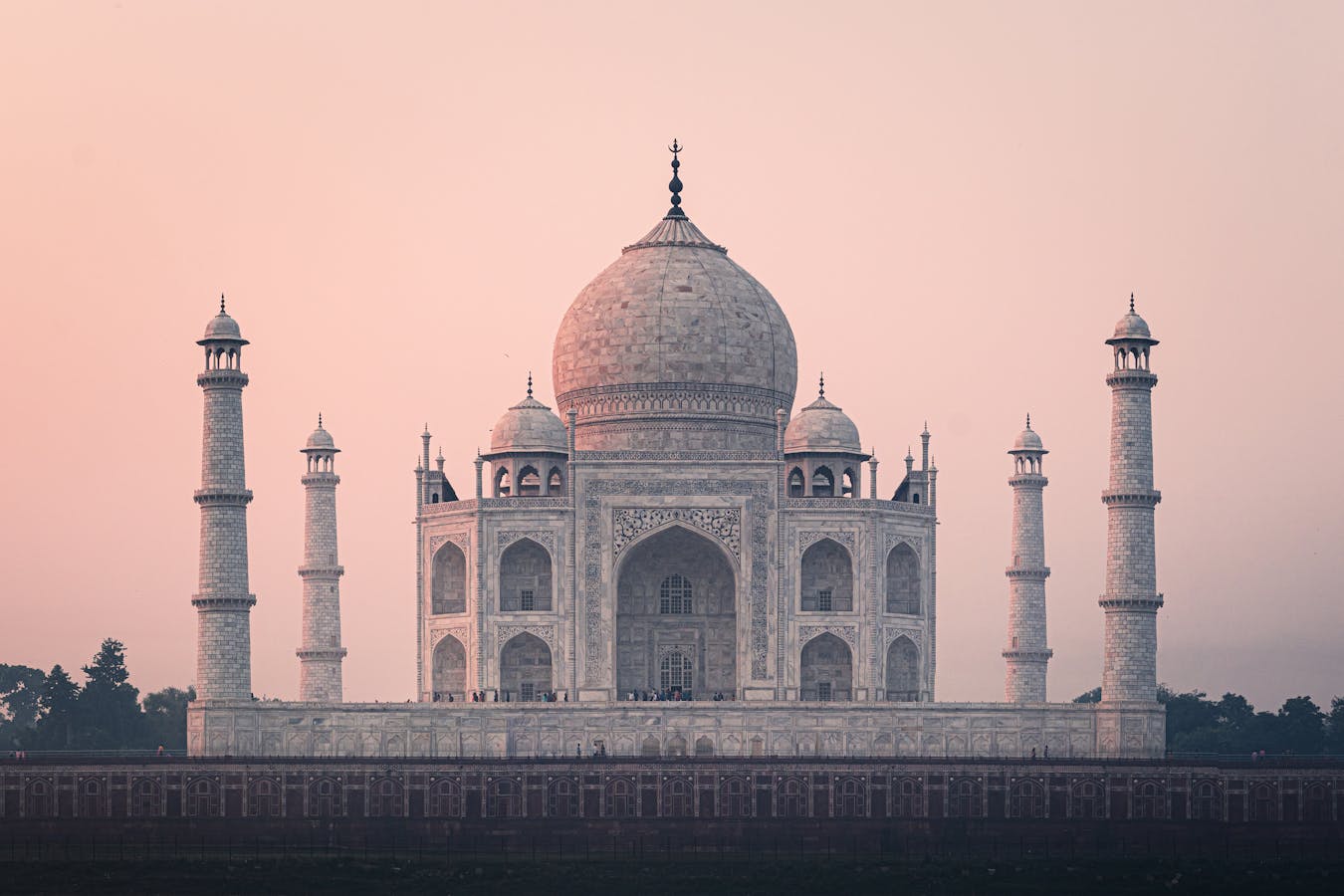
From there the Taj floats above the Yamuna with the minarets reflected in the water, the red sandstone of Agra Fort sits upstream on the right, and the light is the soft gold-pink that the marble was actually designed to show off. Shah Jahan’s architects knew the monument would be seen from the river.
That’s why the back side (the north face, toward the Yamuna) has more surviving original decoration than the south face that tour groups crowd around.
Mehtab Bagh is not included in any of the three tours above. It’s worth a separate evening trip, and you can arrange it with the same hotel driver who drops you in the morning. Budget ₹500 for the tuk-tuk and ₹300 for the ASI ticket, and go at 5pm in winter or 6pm in summer. The crowd is sparse, the light is perfect, and you’ll have the river on one side and the Taj on the other.
This is the view that the morning skip-the-line ticket does not give you. It’s also the view that justifies spending a full day in Agra rather than treating it as a half-day stop. Book the skip-the-line for the morning, see the Taj up close, then come back at sunset for the view from across the river. That’s the complete experience, and it costs about $40 all-in including tuk-tuks, tickets, and a reasonable tip for the driver.
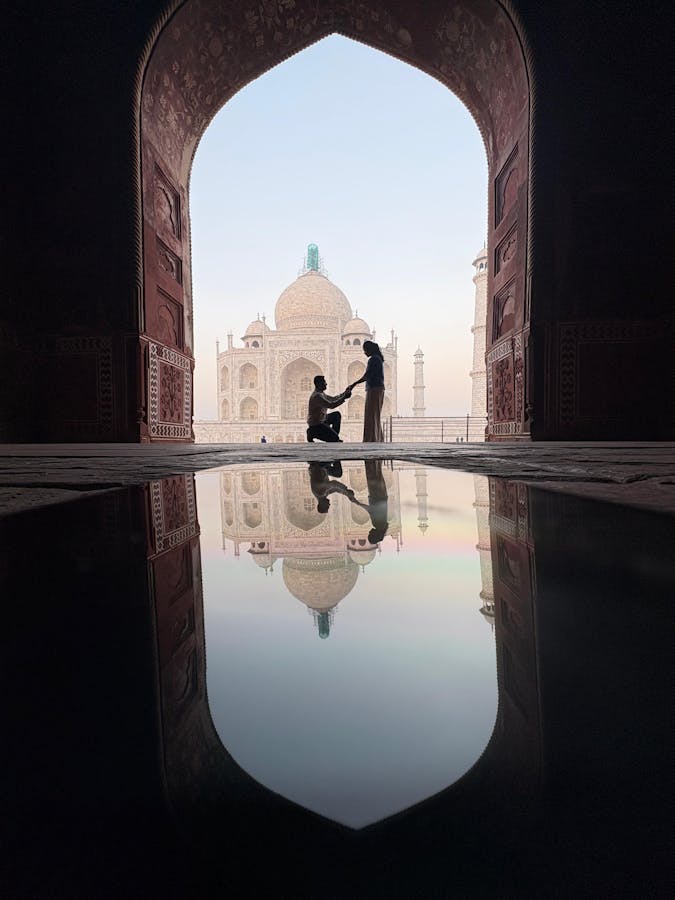
Final booking advice
If I had to pick one tour to book right now without any context about who the traveler is, it would be Tour 1 — the Skip-the-Line Taj Mahal and Agra Fort Private Tour at $7 per person. It’s the best balance of price, coverage, and guide quality, and adding Agra Fort is the single biggest upgrade you can make to a one-day Agra stop.
Tour 2 is the right call for travellers who specifically want just the Taj and value the mausoleum-included simplicity. Tour 3 is for repeat visitors or people who want pure ticket access without a guide.
Book at least 48 hours in advance to give the operator time to issue the e-ticket, confirm the meeting point and time in writing, factor in the Friday closure, and give yourself a weather buffer if you’re visiting in July, August, December, or January. Carry cash for tips and incidentals, bring a sealed water bottle through security, wear layers for the mausoleum interior, and get to the gate at least fifteen minutes before your scheduled meeting time.
This is the last article in my India booking series. If you’re planning a longer trip to the subcontinent, the earlier guides walk through Taj Mahal day trips from Delhi, Old and New Delhi city tours, the Mumbai full-day sightseeing tour, the Dharavi slum walking tour, Old Delhi food and heritage walks, the Jaipur city tour, and the full Golden Triangle booking guide.
Together they cover every major bookable experience across North and Central India. The Taj is the centerpiece and this skip-the-line guide is the piece that ties it all together.
Book the right ticket, arrive at the right time, pay the mausoleum add-on, and you’ll walk out of the East Gate by 10am having seen India’s most famous monument in its best light with the best fraction of your day still ahead of you. That’s what this guide is actually for.