
Miyajima might be the single most kid-friendly day trip in all of Japan. I did not expect that. I expected crying at the museum, bored kids on the train, and a rushed afternoon trying to tick off two UNESCO sites before someone had a meltdown. What actually happened was deer chasing my six-year-old nephew across a beach, him laughing so hard he fell over, and my sister saying it was the best day of their entire two-week trip.
Hiroshima with kids is a question that trips up a lot of parents. (If you are travelling without young children, our main Hiroshima day trip guide covers the standard adult experience.) The Peace Memorial Museum covers atomic warfare. The subject matter is heavy. Some of it is genuinely distressing for adults, let alone children.
But here is the thing most guides skip: the park itself is beautiful, spacious, and free. The museum has a separate children’s section. And Miyajima — the island half of the day trip — is basically a petting zoo with a UNESCO shrine attached.
This guide covers how to book a Hiroshima and Miyajima day trip that actually works with children in tow. I have compared the top-rated tours, ranked them by family-friendliness instead of just value, and included the practical stuff that parent-free travel blogs never mention — stroller access, nap timing, which foods picky eaters will tolerate, and whether the Peace Memorial Museum is appropriate for your kid’s age.
Short on time? Here are my top 3 picks for families:
Best for families: Peaceful Hiroshima & Miyajima Bus Tour — $129. Bus transport means no train transfers with strollers and exhausted kids. Well-paced with built-in rest stops.
Best if kids are older (8+): Hiroshima & Miyajima UNESCO Full-Day Tour — $122. Covers both sites with a guide who brings the history to life. Older kids get more out of the guided context.
Best for your own pace: Private Full-Day Tour — $202. You set the schedule. Leave early if someone melts down. Linger at the deer. Skip what does not work.
- Is Hiroshima Appropriate for Kids?
- How the Day Trip Works With Kids
- Guided Tour vs Going Alone With Kids
- The Best Hiroshima and Miyajima Tours for Families
- 1. Peaceful Hiroshima & Miyajima UNESCO 1 Day Bus Tour — 9
- 2. Hiroshima and Miyajima UNESCO Sites Full-Day Tour — 2
- 3. Hiroshima / Miyajima Full-Day Private Tour — 2
- 4. Hiroshima Historical Walking Tour —
- 5. Osaka/Kyoto: Hiroshima Miyajima Bus Tour with Shinkansen — 7
- The Deer on Miyajima — What Kids Need to Know
- Feeding Picky Eaters on Miyajima and in Hiroshima
- When to Visit With Kids
- Getting There With Kids
- Family Tips That Will Save Your Day
- What Your Kids Will Actually Remember
- Miyajima Island
- Peace Memorial Park
- Other Family Day Trips in Japan
Is Hiroshima Appropriate for Kids?
This is the question every parent asks first, and the honest answer depends on your child’s age.
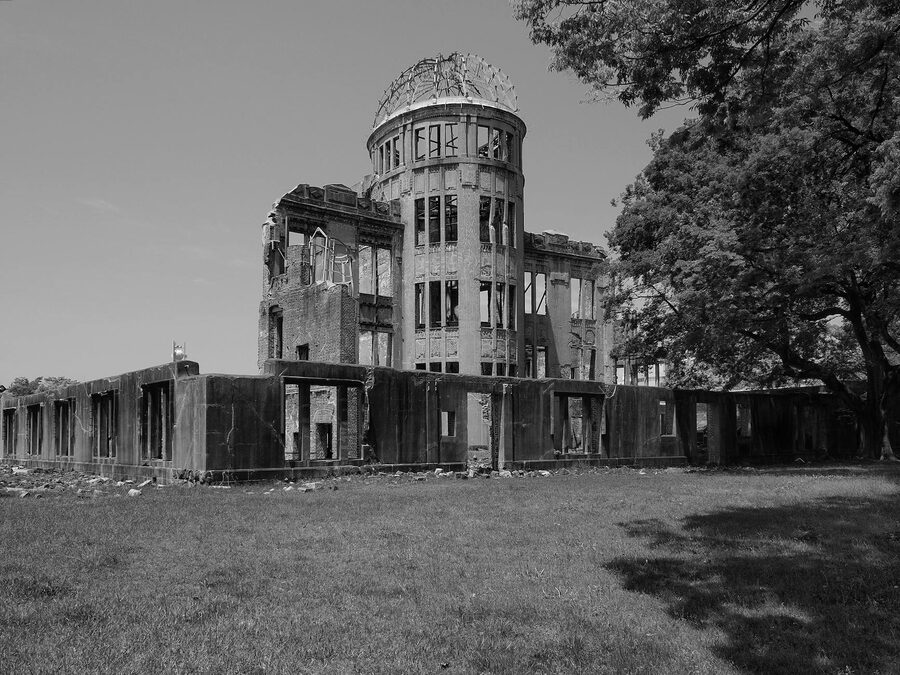
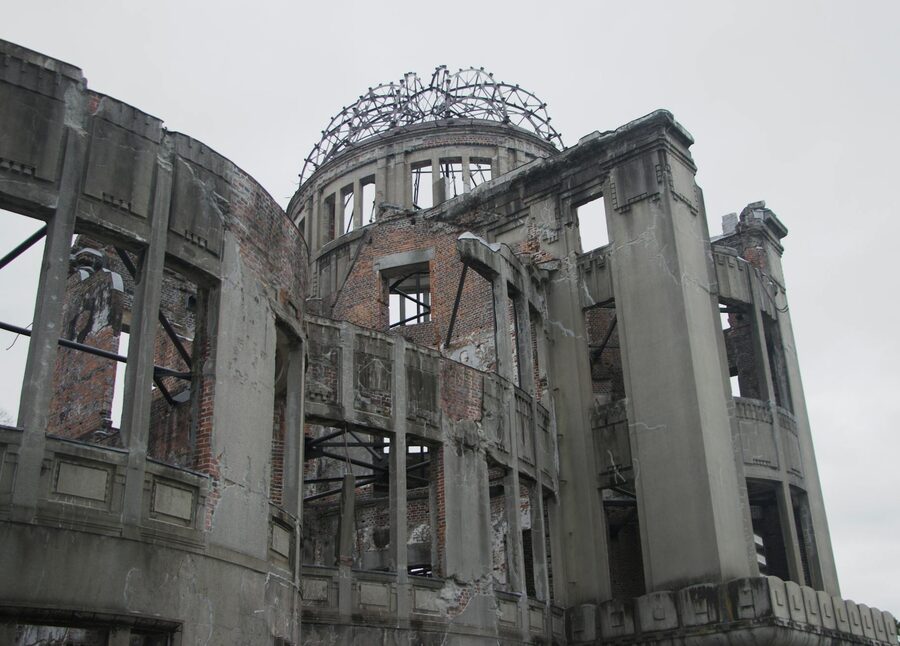
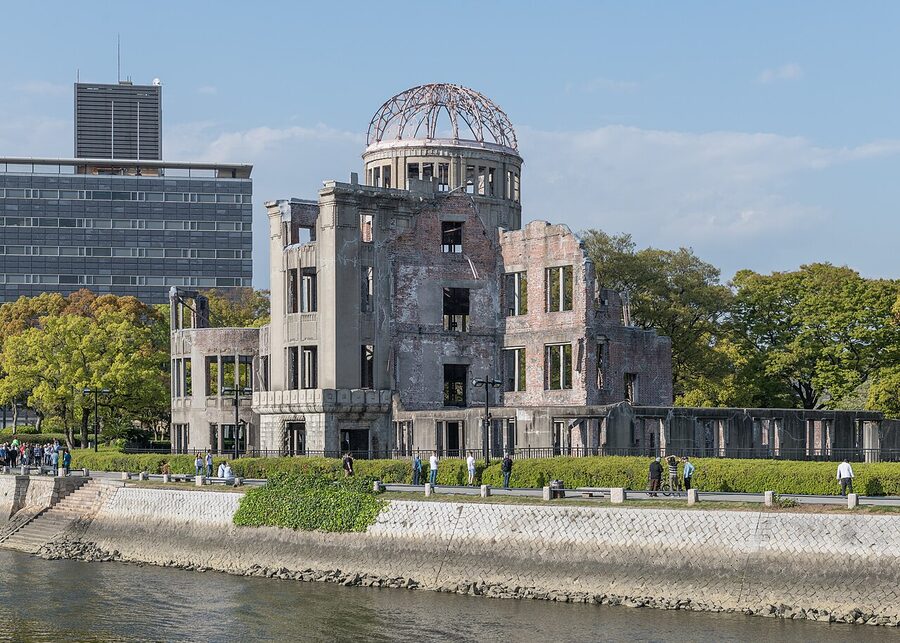
Under 5: They will not understand the museum at all, which is fine. The park is a great open space for them to run around. The Dome is just a building to them. Save the museum for a future trip and spend the morning outside instead. Head to Miyajima earlier and let the island be the main event.
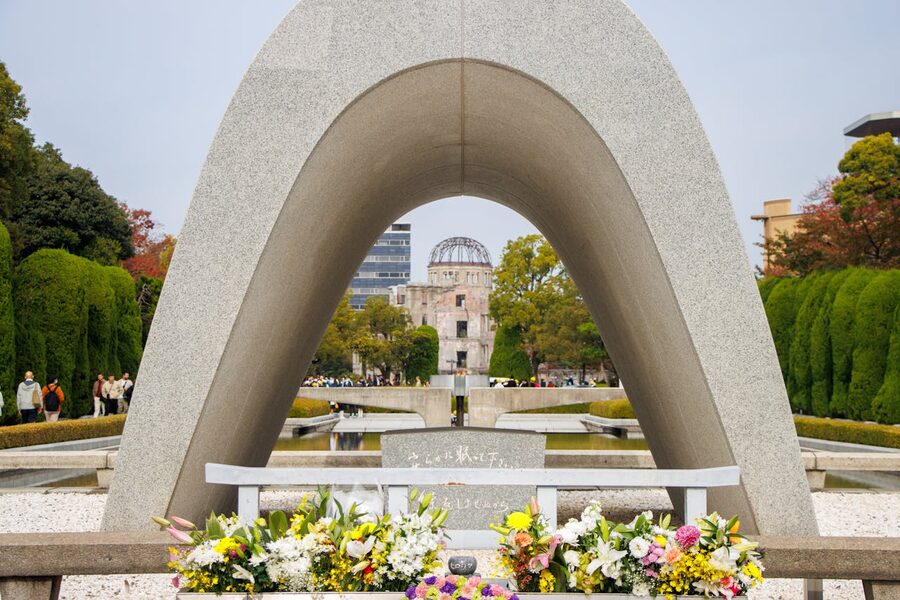
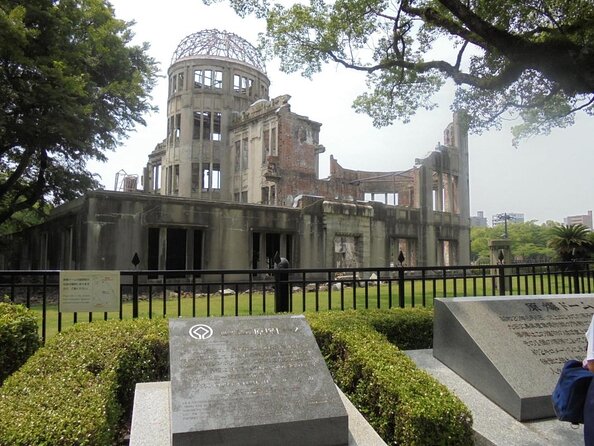
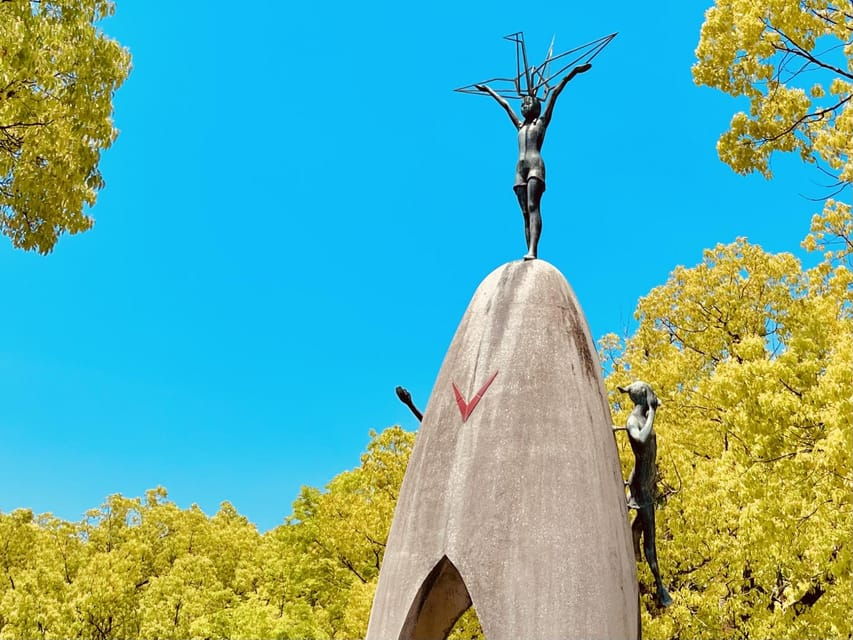
Ages 5-8: The Children’s Peace Monument (Sadako’s crane story) works well for this age group. Kids understand the paper cranes and often want to fold their own — you can buy origami paper from vendors near the monument. The main museum gallery is intense. Some displays show burned clothing and personal items from children their age, which can be upsetting. Use your judgment. The outdoor memorials and the Dome are fine.
Ages 9+: Old enough to handle the museum with some preparation. Talk to them before you go about what happened and why they are going to see it. The museum was redesigned in 2019 to focus on personal stories rather than graphic images, which makes it more accessible for kids. Many Japanese school groups visit from around age 10.
Teenagers: Bring them. This is the age where the museum hits hardest and stays with them longest. Do not rush it.
How the Day Trip Works With Kids
The standard adult itinerary runs Hiroshima in the morning and Miyajima in the afternoon. With kids, I would flip the emphasis. Spend less time in the peace sites (unless your children are old enough to engage) and more time on Miyajima where they can run around, feed deer, eat snacks, and actually enjoy themselves.
Family-friendly timeline from Hiroshima:
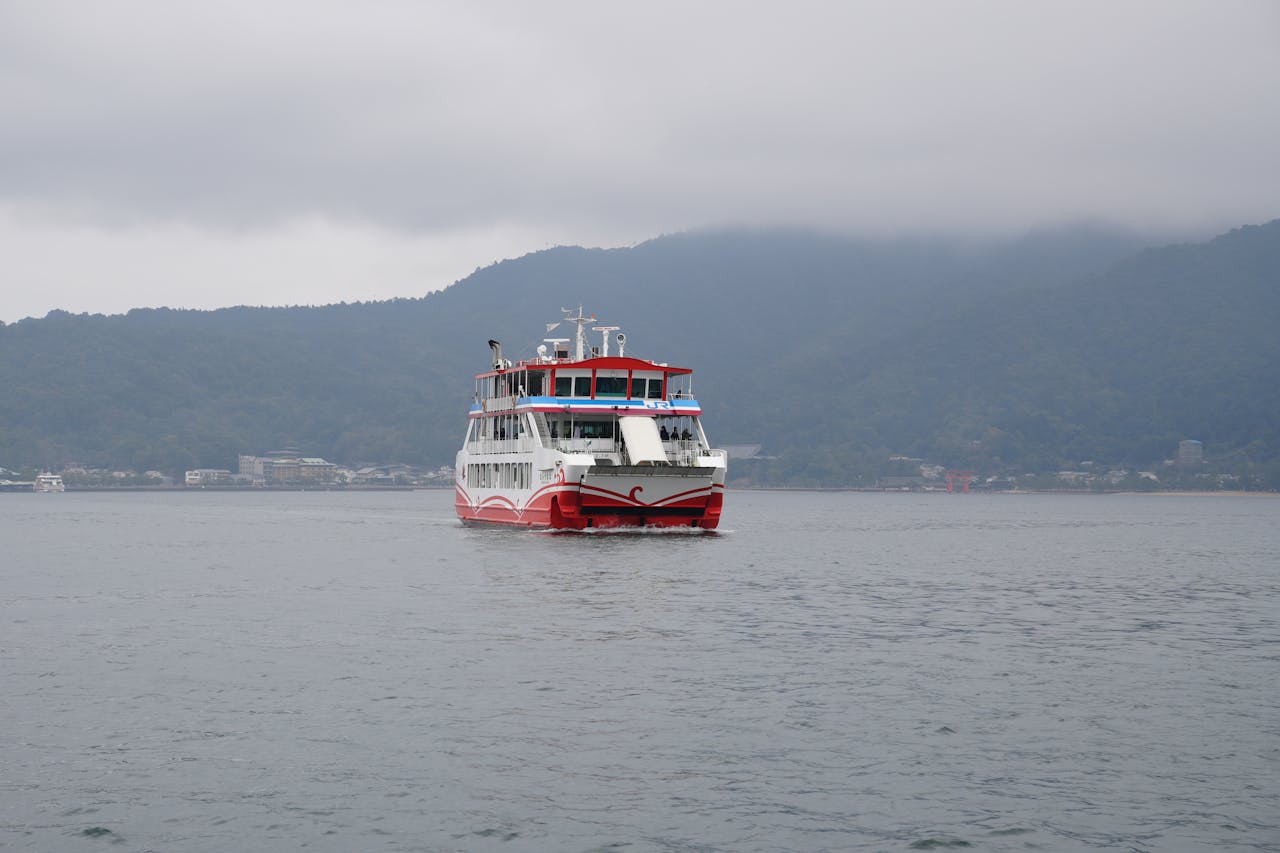
8:30am — Peace Memorial Park (outdoor walk, skip the museum with young kids or do a quick 30-minute pass with older ones). 10:00am — Take the JR Sanyo Line to Miyajimaguchi (25 minutes). 10:40am — Ferry to Miyajima (10 minutes). 11:00am — Explore the island, see the torii gate, visit the shrine. 12:00pm — Lunch on the island (momiji manju, grilled oysters, udon). 1:30pm — Deer watching, beach time at low tide, or Mount Misen ropeway if kids have energy. 3:30pm — Ferry back and train to Hiroshima.
If coming from Osaka or Kyoto: The shinkansen adds 90 minutes each way. That is a lot of sitting for small kids. My advice — stay overnight in Hiroshima. If you must do it as a day trip, take the earliest train possible (7:30am from Shin-Osaka) and accept that the day will be long. The Nara day trip is a shorter alternative if you want deer and temples without the travel time.
Guided Tour vs Going Alone With Kids
Go independent if: you have a JR Pass, your kids are good on trains, and you want the freedom to bail early when someone has a meltdown. DIY costs about 1,500 yen per adult (museum entry plus ferry). Kids under 12 are free at the museum and the JR Ferry is covered by rail passes.
Book a guided tour if: you want someone else handling the logistics while you handle the children. Navigating train transfers with a stroller, a crying toddler, and no Japanese is the kind of stress a tour eliminates. A bus tour is even better for families — no train changes, air-conditioned transport between stops, and everyone stays together.
Here is what makes the biggest difference with kids: a bus tour means no dragging luggage through turnstiles. The train from Hiroshima to Miyajimaguchi involves steps, escalators, and platforms with gaps. With a stroller or a tired five-year-old, the bus is worth every extra dollar.
For context on what the full Hiroshima day trip looks like without the family angle, our main guide covers the adult-oriented breakdown.
The Best Hiroshima and Miyajima Tours for Families
I have gone through the top-rated tours and re-ranked them specifically for families. The order here is different from our main Hiroshima guide because what matters with kids is not the same as what matters for two adults.
1. Peaceful Hiroshima & Miyajima UNESCO 1 Day Bus Tour — $129
This is my top pick for families and it is not close. The bus format removes the biggest pain point of doing this day trip with kids — the train and ferry transfers. At $129 per person, you get door-to-door transport between the peace sites and Miyajima with air conditioning and comfortable seats between stops. Kids can nap on the bus between locations, which is worth its weight in gold on a long day.
The 5.0 rating from over 5,000 reviews is not an accident. The pacing works because the bus handles transit time, giving you more actual time at each stop. Parents consistently mention the bus as the reason their day worked with children. The full review breaks down each stop.
2. Hiroshima and Miyajima UNESCO Sites Full-Day Tour — $122
If your kids are roughly 8 or older, this full-day guided tour is the best balance of value and experience. At $122 per person, the guide adds real depth at the peace sites — they tell personal stories and explain context that the signs and audio guides do not cover. Older kids tend to connect with these stories more than they would just reading plaques.
The 4.9 rating with over 2,300 reviews backs up the quality. It uses public transport between sites rather than a bus, which means more walking and train changes. That is fine with older children but genuinely difficult with toddlers or heavy stroller gear. For families with school-age kids who can handle an 8-hour day on their feet, this is excellent value. Check the full review for the exact itinerary.
3. Hiroshima / Miyajima Full-Day Private Tour — $202
The private tour exists for families who know their kids are unpredictable. At $202 per person, it costs more, but you get something no group tour can offer: the ability to change plans mid-day. Kid having a meltdown at the museum? Leave. Want to spend an extra hour with the deer instead of visiting the shrine? Done. Need a 30-minute ice cream break? Nobody is waiting.
The government-licensed guide is trained to adapt. These guides pass a famously difficult exam and the best ones are used to working with families. A good guide will adjust their delivery for children — shorter explanations, more stories, less dates and politics. The full review covers what the private experience includes. If you are doing Mount Fuji with kids too, a private tour there follows the same logic.
4. Hiroshima Historical Walking Tour — $35
This is the budget family option and it works best as a morning-only activity. At $35 per person, you get a guided walk through the peace sites with a guide who covers the historical context. The tour is 2.5 hours, which is about the maximum attention span for most kids under 10.
The smart play for families: book this for the morning, then take the train and ferry to Miyajima independently in the afternoon. You get expert context at the peace sites where it matters most and free time on the island where kids just want to run around anyway. At this price point, you save enough over a full-day tour to cover a nice lunch on Miyajima.
The full review covers the walking route. One note: this is a walking tour with no bus — not ideal for stroller-dependent families.
5. Osaka/Kyoto: Hiroshima Miyajima Bus Tour with Shinkansen — $277
If you are based in Osaka or Kyoto and cannot stay overnight in Hiroshima, this is the all-inclusive package. At $277 per person, the price includes shinkansen tickets (worth about $180 round trip on their own), a bus tour of both sites, and return transport.
Fair warning: this is a 12+ hour day. With small children, that is brutal. I would only recommend this for families with kids over 7 who can handle long days, or for families where the parents can take turns napping with a toddler on the bus while the other explores. The shinkansen portion is actually fine for kids — most children are genuinely thrilled by bullet trains. It is the total day length that is the challenge. The full review lays out the exact schedule.
The Deer on Miyajima — What Kids Need to Know
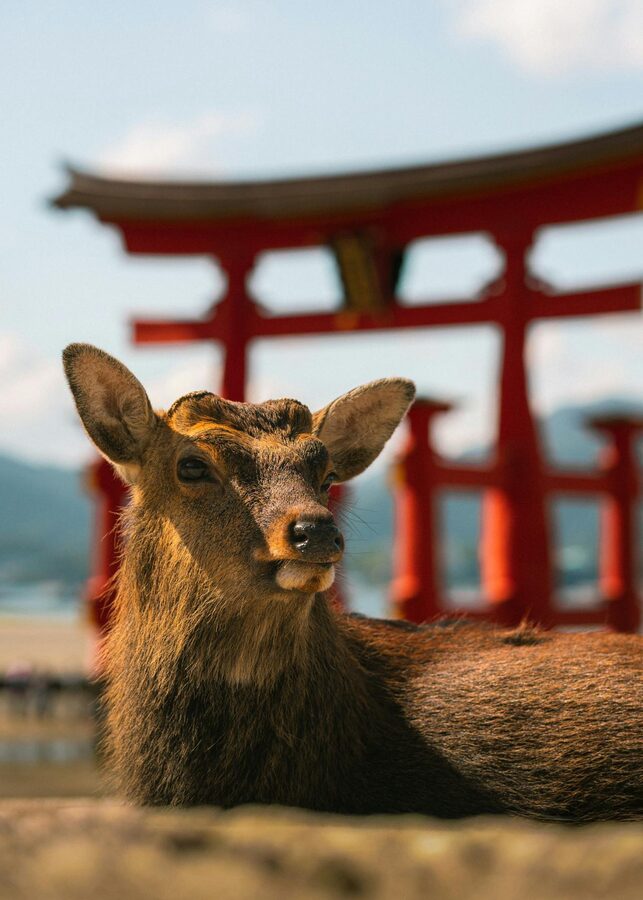
Let me be real about the deer because this will either be the best part of the trip or a minor disaster depending on how you handle it.
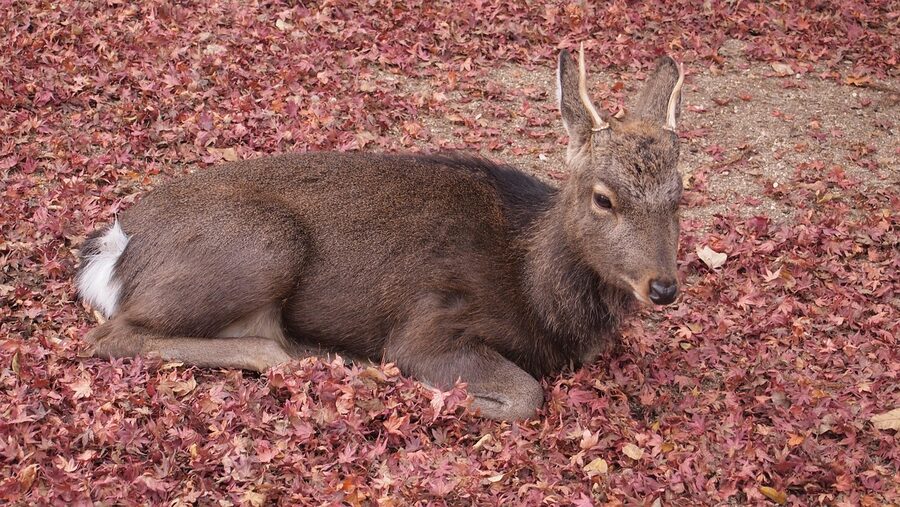
Miyajima’s sika deer are wild animals. They are smaller and generally calmer than the Nara deer (if you have done that day trip), but they are still bold. They will walk right up to your kids. Most children find this thrilling. Some find it terrifying. Gauge your child’s comfort with animals before hyping up the deer encounter.
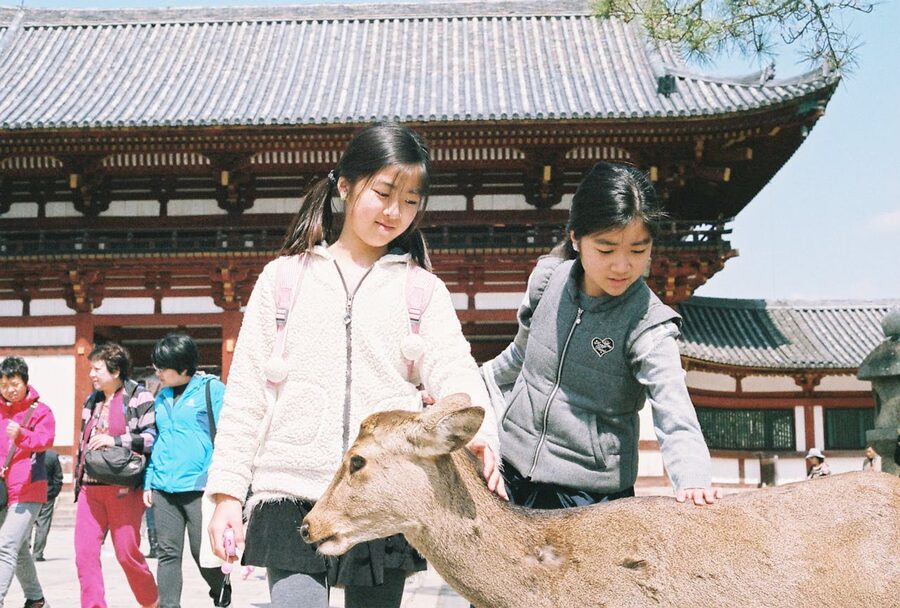
Rules for kids and deer:
Do not feed them. Unlike Nara, there are no official deer crackers for sale on Miyajima. The deer will eat anything paper — maps, tickets, brochures, tissues. Keep all paper in a zipped bag. Teach kids not to tease them with food or snacks. If a deer gets pushy, just walk away calmly. Do not run — running triggers a chase response. And keep a hand on your stroller at all times. I have seen deer try to eat things hanging off stroller handles.
All that said, watching a four-year-old cautiously pet a sika deer for the first time is one of those Japan moments you will remember forever.
Feeding Picky Eaters on Miyajima and in Hiroshima
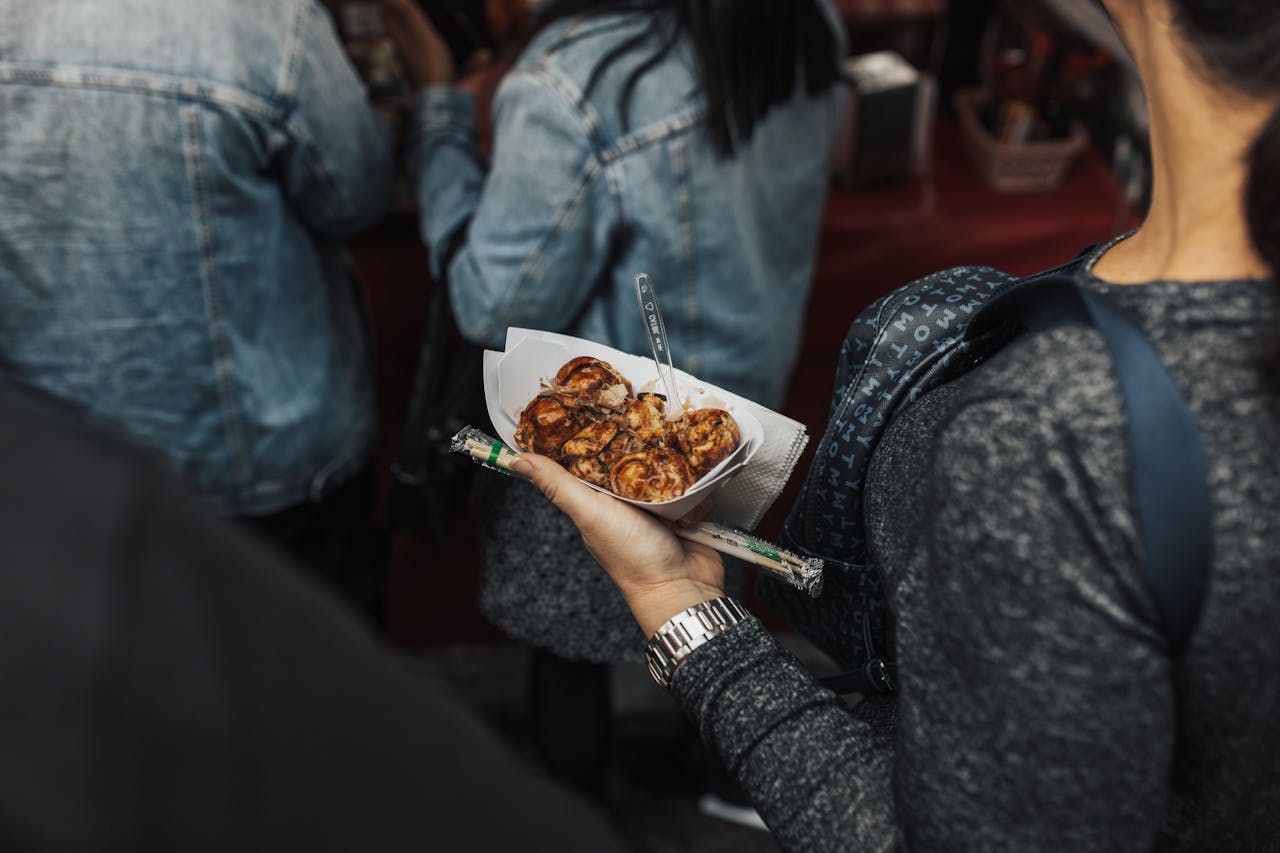
Japanese food is not as scary for kids as parents think. But you need to know where to aim.
On Miyajima: The shopping street (Omotesando) has food stalls every ten meters. Momiji manju — maple-leaf-shaped cakes filled with custard, chocolate, or red bean — are the kid favorite. They are warm, sweet, and cost about 200 yen each. Grilled oysters are everywhere but most kids will not touch them.
Plain udon (thick noodles in broth) is available at several sit-down spots and is about as safe a bet as you can find in Japanese food. Rice balls (onigiri) from the convenience store near the ferry terminal work as emergency rations.
In Hiroshima: Hiroshima-style okonomiyaki is the signature dish. It is basically a layered pancake with noodles, cabbage, and egg. Most kids will eat it if you order it without the brown sauce or with sauce on the side. Okonomimura near Peace Memorial Park has an entire building of stalls. The ground floor places are easier with strollers than the upper levels.
Emergency backup: Every Japanese convenience store (7-Eleven, Lawson, Family Mart) sells onigiri, plain bread, fruit, and milk. There is one near Hiroshima Station and one walking distance from the ferry terminal. Stock up before the ferry crossing because Miyajima’s options are more limited and close by late afternoon.
When to Visit With Kids
Best months for families: Late March to May and October to November. Cherry blossom season (late March to early April) is magical but packed. Autumn is my top pick for families — comfortable temperatures, autumn colors on Miyajima, and significantly smaller crowds than spring.
Avoid with kids: Mid-June through July is rainy season — imagine pushing a stroller through puddles while holding an umbrella. August is dangerously hot and humid. Walking between outdoor memorials in 35-degree heat with 90% humidity is miserable for adults and potentially unsafe for small children. If you must visit in summer, start as early as possible and carry water constantly.
Museum hours: 8:30am to 6pm (extended to 7pm August through November, shortened to 5pm December through February). Admission is 200 yen for adults, free for children. The museum gets crowded after 10am. If you are going in with kids, aim for first thing in the morning when it is quieter and you can move at your own pace without feeling like you are blocking other visitors.
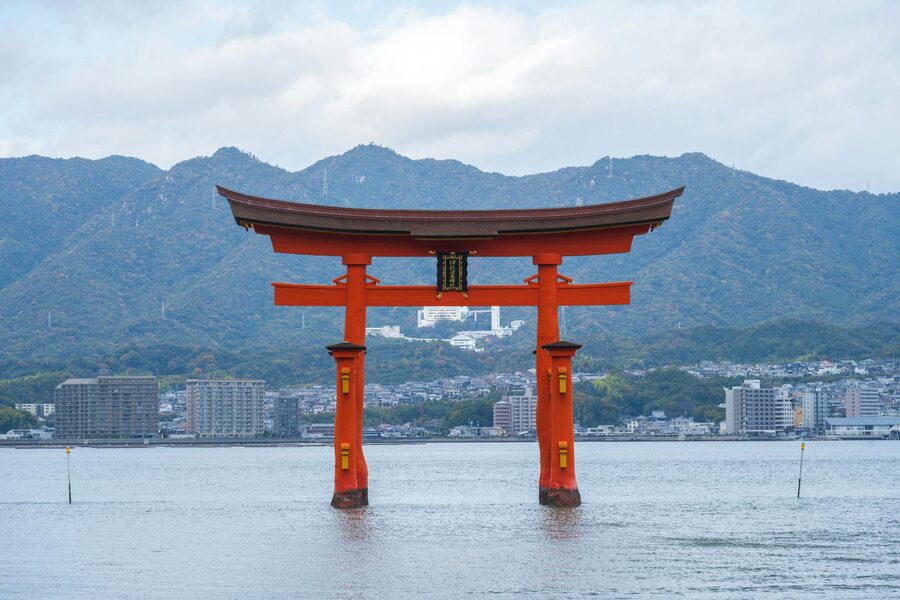
Tide timing matters on Miyajima: At high tide, the torii gate appears to float on the water — beautiful but you can only see it from the shore. At low tide, kids can walk across the sand right up to the base, which is far more exciting for them. Check the Miyajima tide tables and plan your visit around low tide if possible.
Getting There With Kids
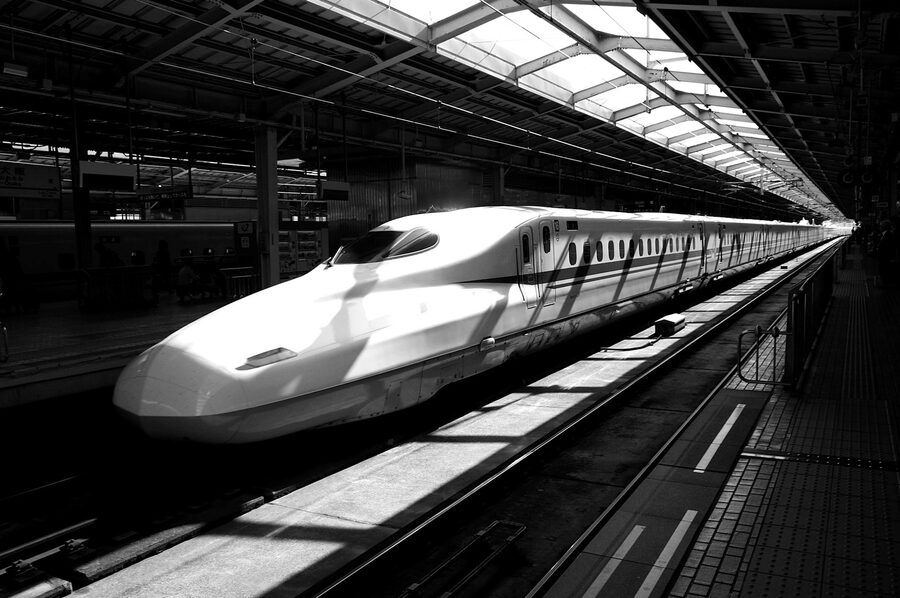
From Osaka: Shin-Osaka to Hiroshima on the Sakura shinkansen takes about 1 hour 40 minutes (covered by JR Pass). The Nozomi is faster (1 hour 20 minutes) but not covered by JR Pass. Tip: book a row of seats near the front or back of the car where there is more space for strollers. The multi-purpose room (accessible toilet area) is usually in car 11.
From Kyoto: Kyoto Station to Hiroshima takes about 2 hours. Same train. Honestly, with kids under 5, I would suggest staying overnight in Hiroshima rather than doing this as a day trip. A tea ceremony in Kyoto is a calmer family activity if you have limited time.
Hiroshima to Miyajima: JR Sanyo Line to Miyajimaguchi Station (25 minutes), then JR Miyajima Ferry (10 minutes). Both covered by JR Pass. The ferry has an open top deck that kids love and indoor seating if the weather is bad. Keep a tight hold on hats — the wind on the top deck is real.
Stroller note: Hiroshima Station has elevators and the ferry terminal is flat. The ferry itself has space for strollers. Miyajima’s main paths are paved and mostly flat, but the back streets and the path to Mount Misen ropeway are steep. If you plan to do the ropeway, leave the stroller at the ferry terminal lockers.
Family Tips That Will Save Your Day
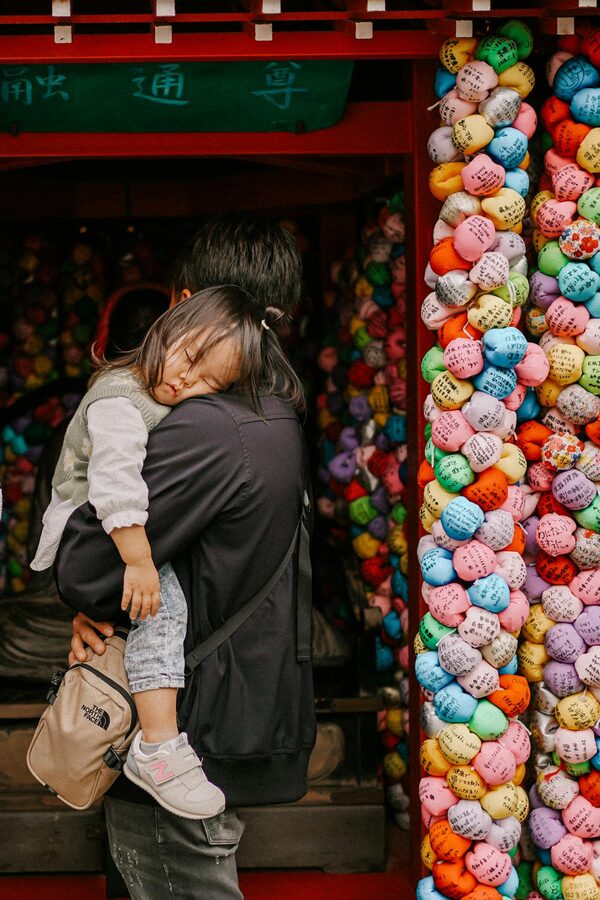
Plan around nap time. If your child naps after lunch, schedule the ferry crossing or the bus transfer for that window. A sleeping kid on a bus is a gift. A melting-down kid at a UNESCO site is not.
Bring a lightweight carrier, not just a stroller. The stroller works for flat ground and train stations. But for the shrine, the deer area, and especially the beach at low tide, you want a carrier. Switching back and forth based on terrain is the move.
Skip Mount Misen with kids under 6. The ropeway is fun but the walk from the upper station to the summit is rocky, steep, and takes about 30 minutes each way. With small kids it takes an hour. The views are great but not worth a meltdown. Save that energy for the deer and the beach.
Buy museum tickets online. The queue at the ticket window can be 30-45 minutes in peak season. Standing in a line with a bored child is nobody’s idea of fun. Book through the museum’s official website at least a day ahead.
Bring cash. Miyajima has limited ATMs and some food stalls are cash-only. Bring at least 5,000 yen for food, snacks, and souvenirs. Your kids will want a deer-shaped keychain. Just accept it.
Pack snacks from the mainland. Miyajima’s food stalls close by late afternoon and options narrow. A hungry child with no food available is a crisis. Onigiri from the convenience store near Hiroshima Station costs 150 yen and fits in any bag.
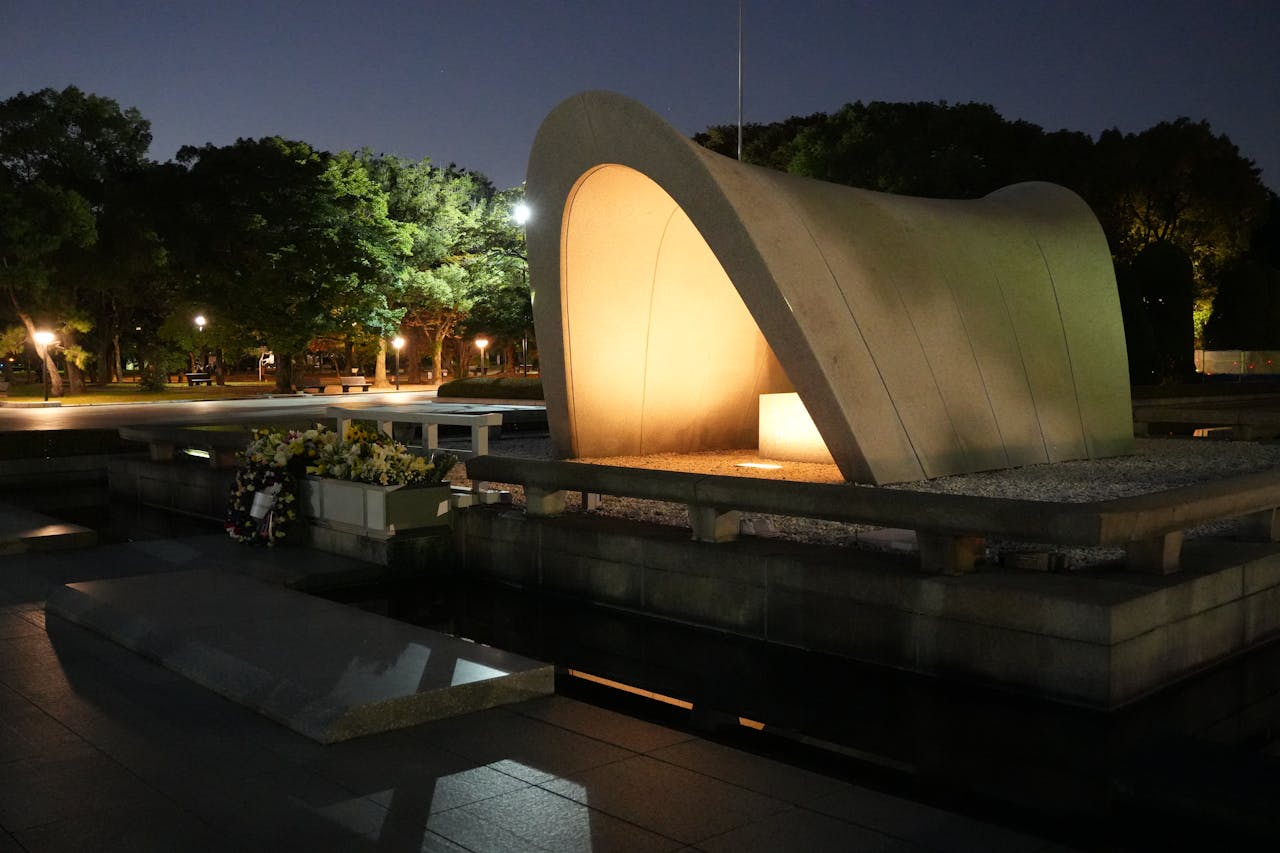
Toilet mapping matters. Peace Memorial Park has clean public restrooms near the museum entrance and near the Cenotaph. On Miyajima, the main restrooms are near the ferry terminal and near the shrine entrance. The back half of the island has almost nothing. Plan your route accordingly.
What Your Kids Will Actually Remember
Miyajima Island
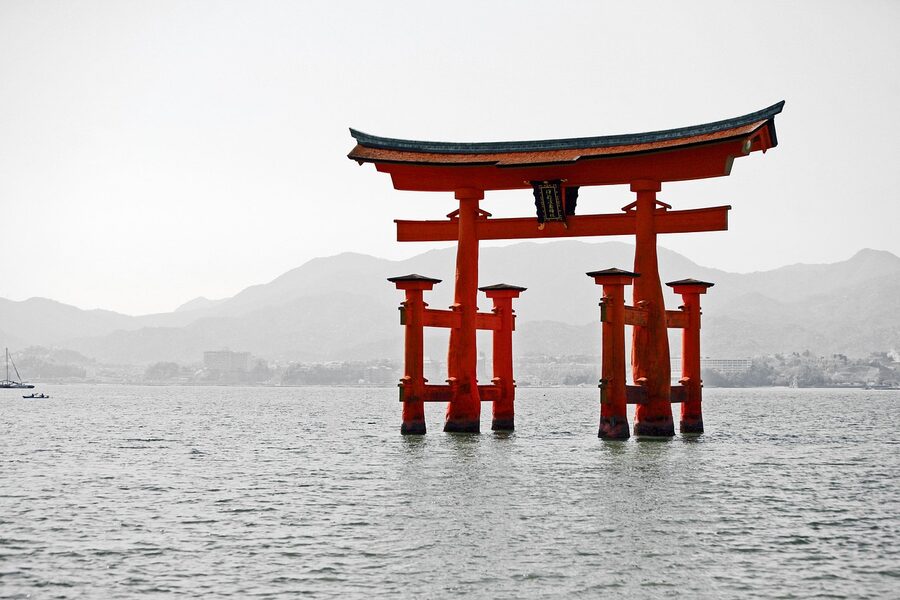
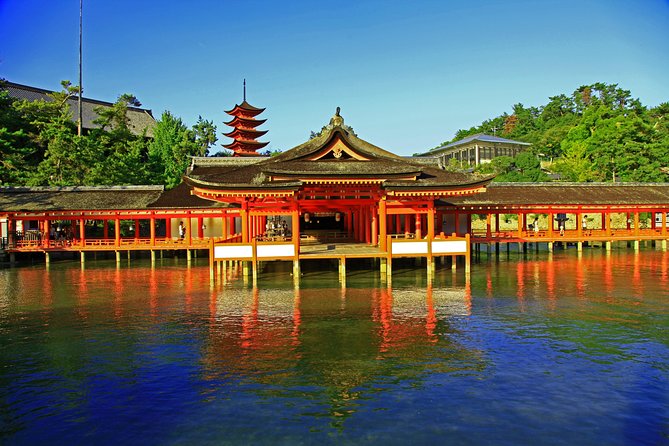
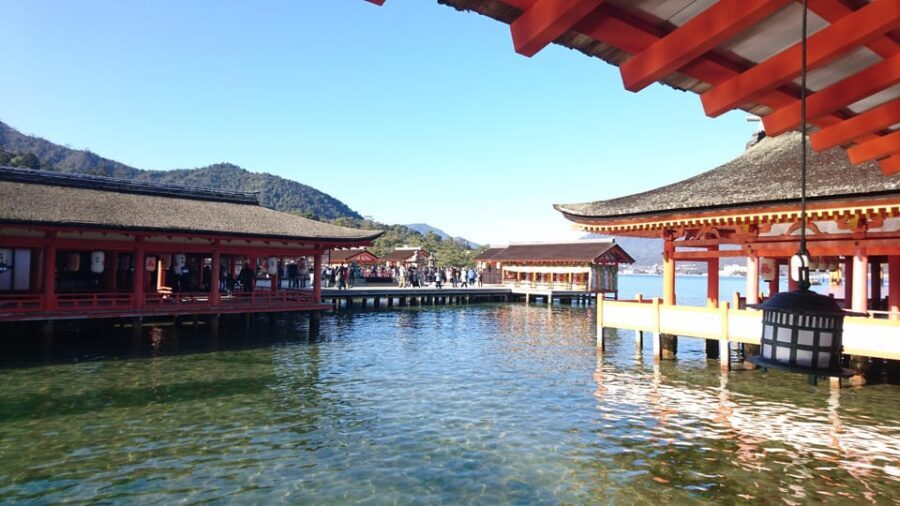
This is where the day pays off for families. The deer, the beach, the torii gate at low tide, the boat ride over — it all works for kids. Itsukushima Shrine costs 300 yen to enter and the covered corridors built over water are genuinely cool to walk through. The bright vermillion color photographs well and kids seem drawn to it.
At low tide, the sand flats around the torii gate become a playground. Kids take off their shoes and splash through shallow water to reach the gate. Bring a small towel and be prepared for wet shoes regardless. The window for this is about two hours around low tide, so check the schedule and time your arrival.
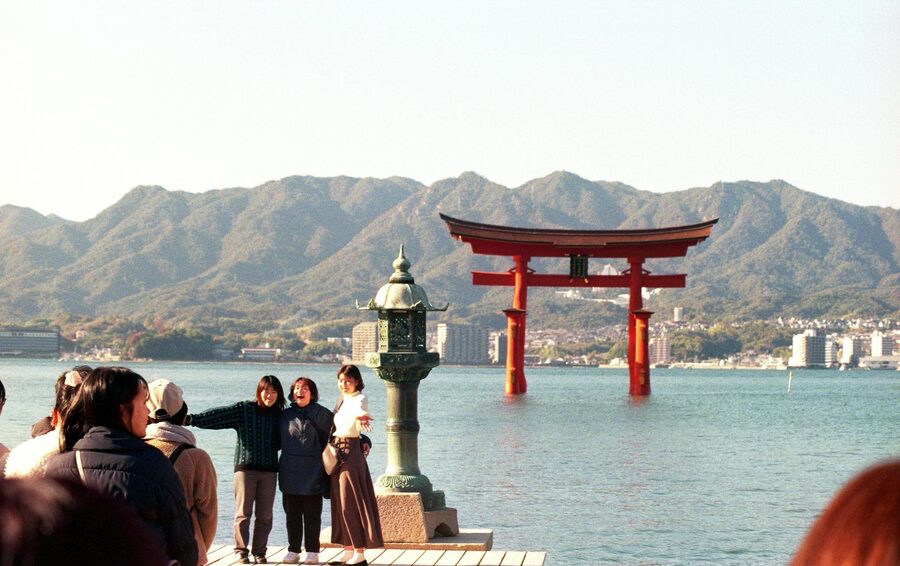
Beyond the shrine, the shopping street has enough trinket shops and food stalls to keep kids occupied. The momiji manju bakeries often have demonstration windows where kids can watch the cakes being pressed into shape. Some shops sell wooden rice paddles (shamoji) that kids can paint themselves as souvenirs.
Peace Memorial Park
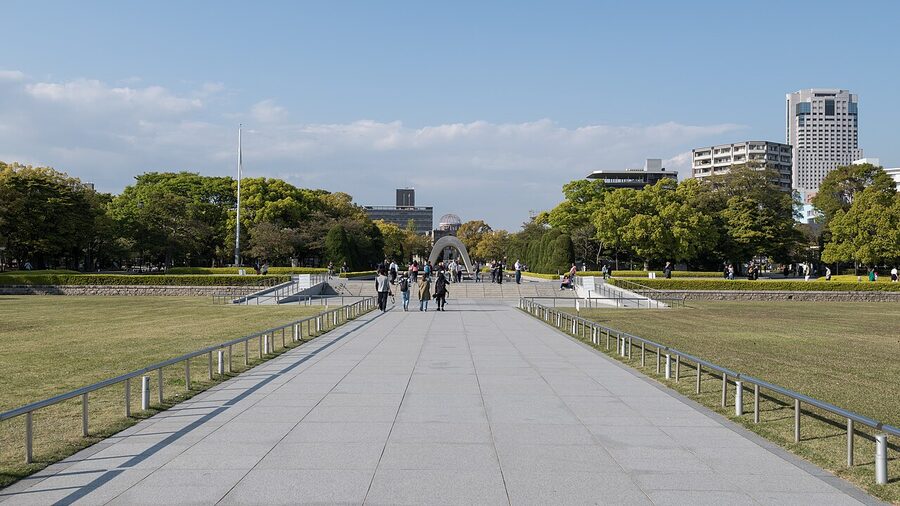
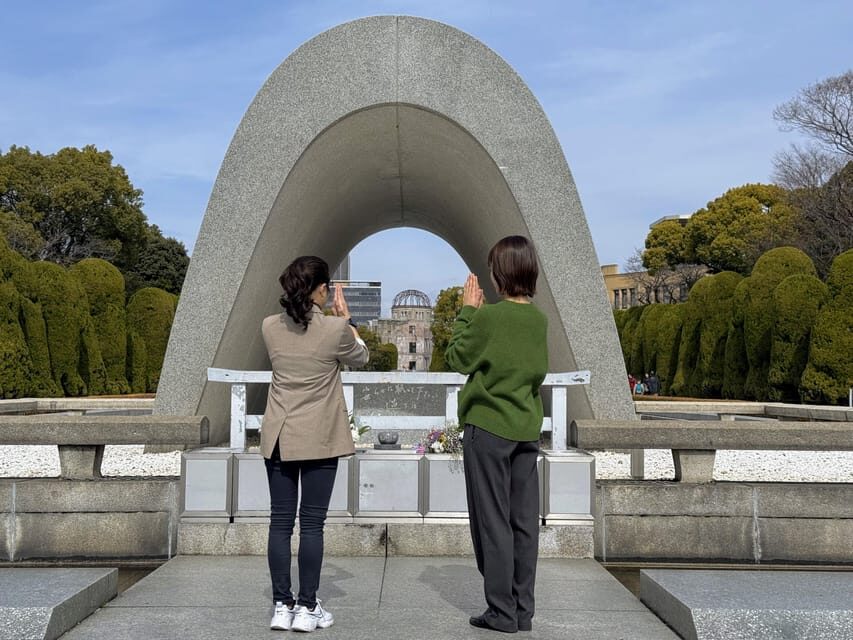
The park is 120,000 square meters of green space. That is a lot of running room. For young kids who are not ready for the museum, the outdoor memorials work on their own. The Children’s Peace Monument is the most accessible for kids — the story of Sadako Sasaki folding paper cranes is simple enough for a five-year-old to understand and powerful enough to move a teenager.
You can buy packs of origami paper from vendors near the monument and fold cranes to leave at the memorial. This is the kind of hands-on activity that helps kids process a heavy subject without being overwhelmed by it. Japanese school groups do this same activity, so your children will not be the only ones folding cranes.
Other Family Day Trips in Japan
If Hiroshima and Miyajima work well for your family, Japan has no shortage of kid-friendly day trips worth planning around. Tokyo Disneyland and DisneySea is the obvious one — DisneySea in particular is worth the trip even if you think you are too cool for Disney parks.
For another deer encounter with a shorter travel time from Osaka, Nara is right there. teamLab Planets in Tokyo is hands-down the most fun museum for kids in all of Japan. The Kamakura day trip works brilliantly with families because the Great Buddha is genuinely impressive to children and the coastal Enoden train ride is an adventure in itself.
If your kids are old enough for a cooking class, the sushi making classes are surprisingly good with children, and the chopstick making workshops at $15-27 give them a handmade souvenir to bring home.
This article contains affiliate links. If you book through our links, we earn a small commission at no extra cost to you. This helps us keep writing these guides.