
The first thing that hits you is the temperature drop. You walk in from the warm Ligurian harbour air into a hush of cool, blue-lit corridors, and somewhere ahead a school of silver fish wheels past a glass wall the size of a cinema screen. The Genoa Aquarium isn’t quiet, but it sounds quieter than it is. Like the city outside got muted on the way in.
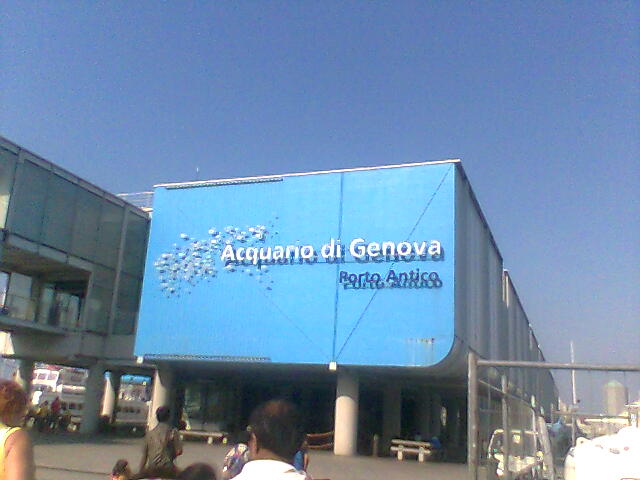
This is the largest aquarium in Italy and one of the largest in Europe, sitting right in the middle of Porto Antico, the old port that Renzo Piano redesigned for the 1992 Columbus Expo. Around 1.2 million people come through every year. If you only have one full day in Genoa with kids, this is it.
In a Hurry? Top Three Picks
- Standard skip-the-line entry from around $35 per person, fixed-time slot, just the aquarium. The most-booked option by a wide margin. Check availability.
- Aquarium plus lunch at the on-site restaurant, around $42, useful if you have small kids and don’t want to leave and re-queue. Check availability.
- Aquarium and whale-watching cruise combo, around $85, for a full day on the water and underwater. Whales are not guaranteed but the operator gives free vouchers if you don’t see any. Check availability.
- In a Hurry? Top Three Picks
- What you’ll actually find inside
- Tickets, prices and which one to actually buy
- Three tours worth booking
- 1. Aquarium of Genoa Skip-the-Line Entry: from
- 2. Genoa Aquarium with Lunch: from
- 3. Aquarium plus Whale-Watching Cruise: from
- How to actually get there
- When to go (and when not to)
- Renzo Piano’s port: a quick history detour
- Where to eat and what to do after
- The boat tour pairing nobody mentions
- Practical bits I wish I’d known earlier
- A specific oddity: Night with the Sharks
- Where this fits in a broader Italy trip
- One more thing
- Other Italy guides on the site
What you’ll actually find inside
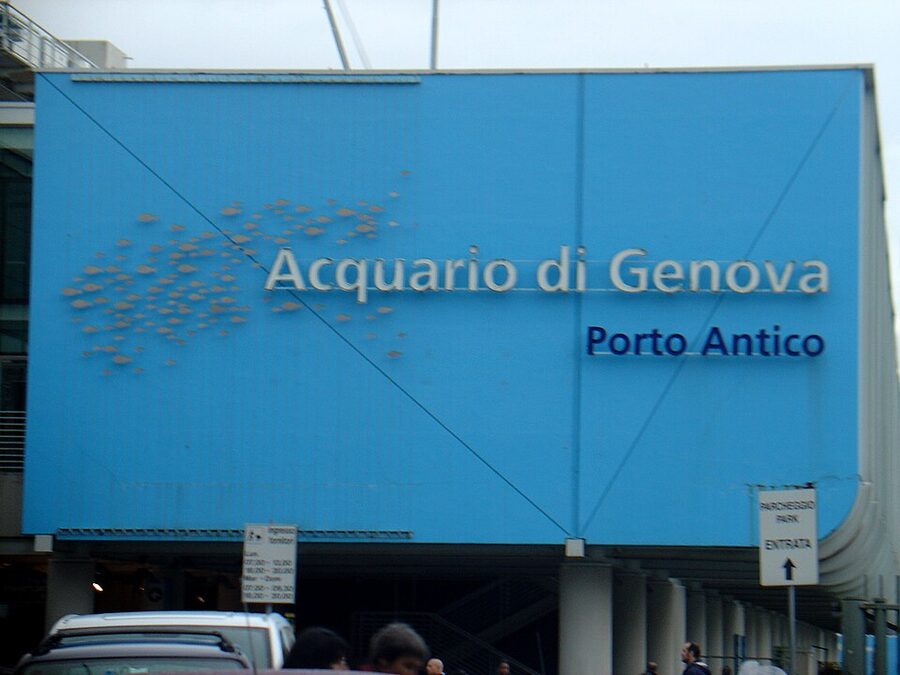
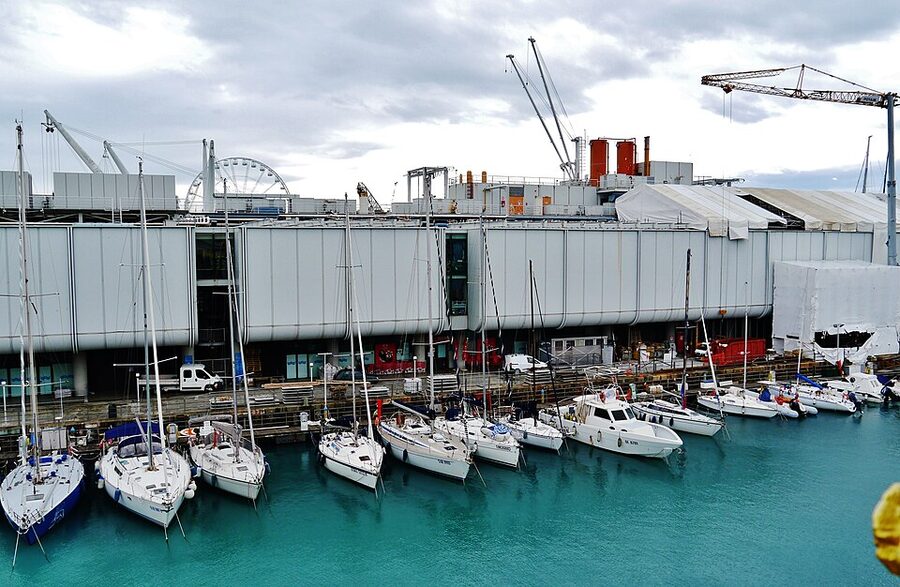
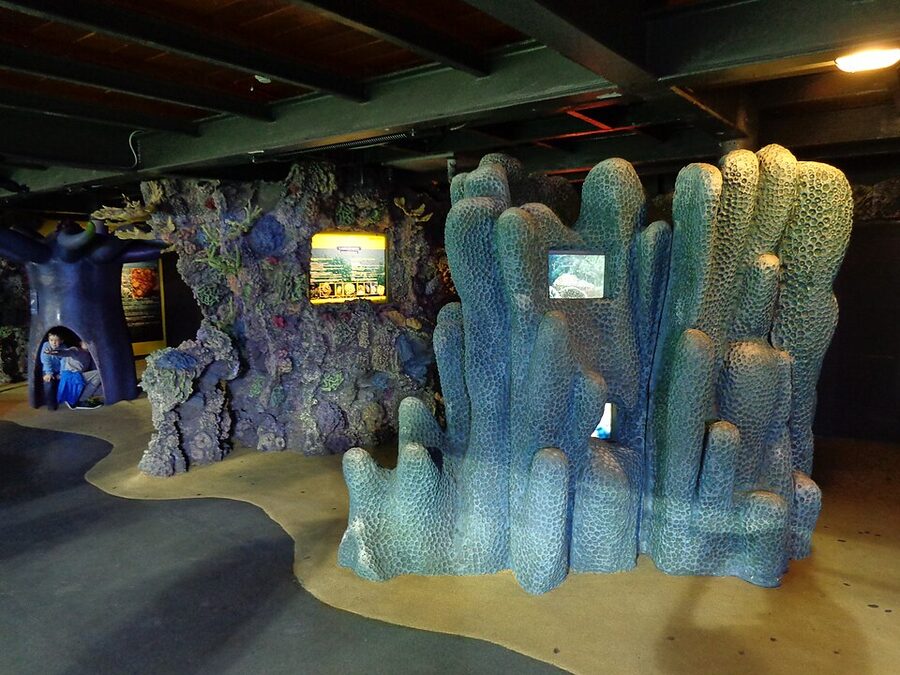
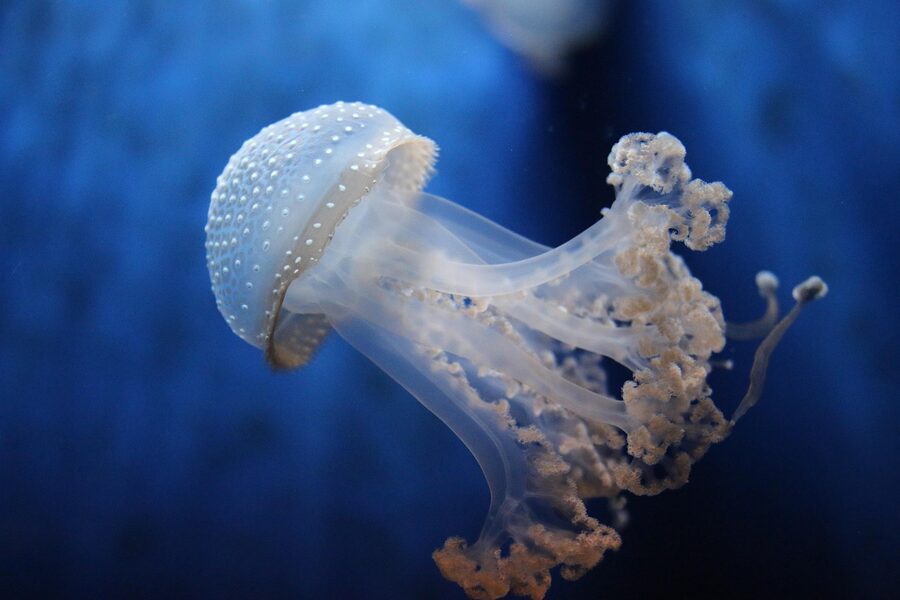
The building runs about 430 metres along the harbour. Inside there are roughly 70 tanks holding around 10,000 animals from 200-plus species, with a total water volume of six million litres. Numbers aside, the interesting part is the range of climates the place is trying to keep alive at the same time. The Antarctic tank holds water at minus one Celsius. The Manatee Lagoon sits at plus 30. They’re separated by a corridor and about ten minutes of walking.
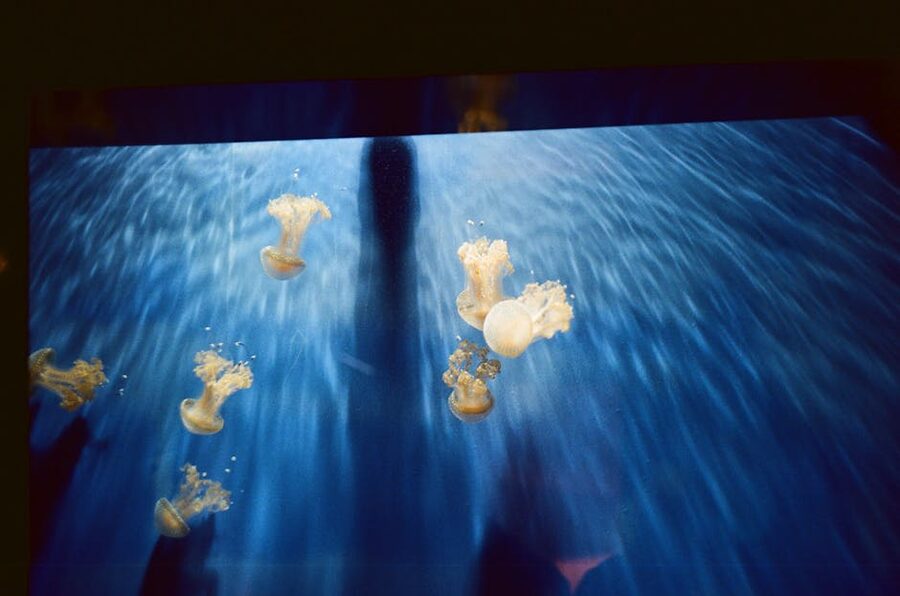
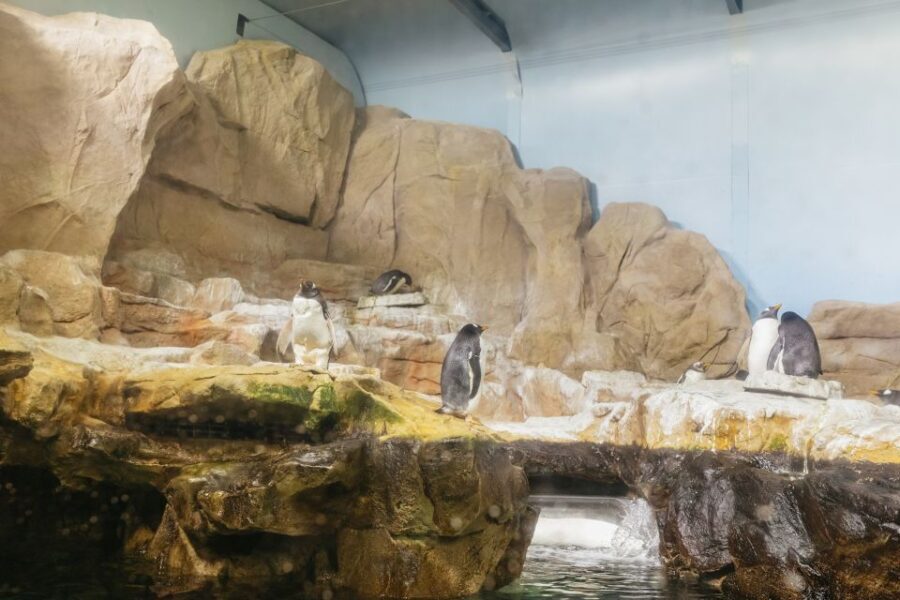
The route is one-way and signposted, which sounds annoying but actually helps. You start in the Moray Cave, drift through Mediterranean tanks, hit the big Shark Bay window, then move into tropical reef, then the Cetacean Pavilion (the dolphin zone), then penguins and seals in the Ice Kingdom. Manatees and the jellyfish room come near the end. People who try to “save” the dolphins for last get tired and miss them. Don’t do that.
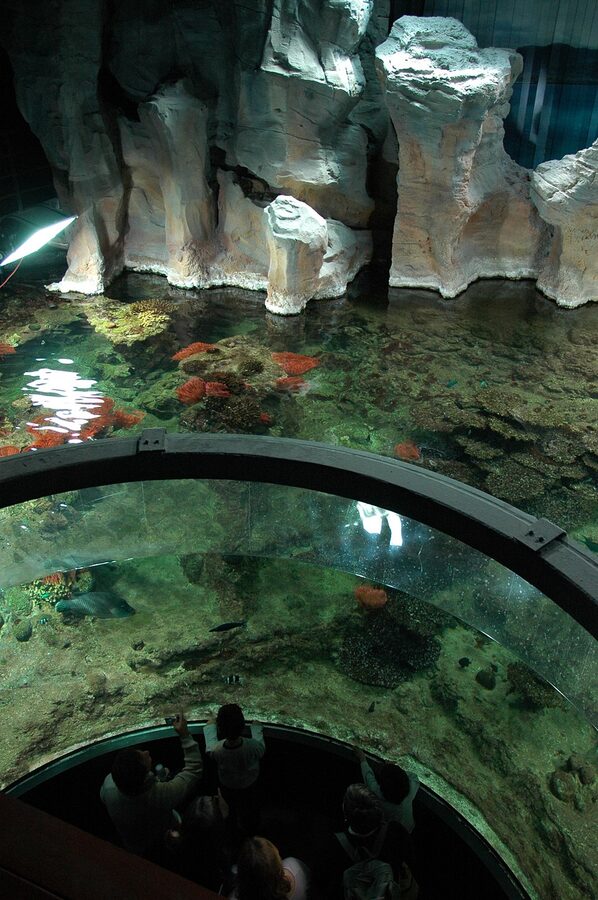
The Cetacean Pavilion is the bit that genuinely surprised me. You watch the dolphins from above first, in four open-air tanks looking down into clear water. Then you walk down a flight of stairs and the same animals are now over your head, swimming through a glassed tunnel. They turn and look at you. It’s a few minutes that you’ll remember well after the rest blurs.
Tickets, prices and which one to actually buy
The official online price for an adult, fixed-date ticket starts around 26 euros and tops out closer to 40 in peak slots. Kids 4 to 12 are usually 14 to 16 euros, kids under 4 are free. Walk-up at the door is more expensive than online and on busy days you can lose an hour to the queue, so book ahead. There’s no real downside to buying in advance because the operator GetYourGuide offers free cancellation up to 24 hours before, which is what I’d use if you’re juggling a flexible itinerary.
There’s also a stack of combo options, and this is where it gets confusing fast. The aquarium itself is the headline, but next door you’ve got the Biosfera (a glass bubble greenhouse), the Bigo panoramic lift, the Galata Sea Museum, and the City of Children. Combo passes can save real money if you were going to do two or three of them anyway. If you weren’t, ignore them and just buy the standard entry. There’s no point paying for the Bigo lift “just in case” if you’re already doing two and a half hours inside the aquarium and have a train to catch.
The two combos worth thinking about: Aquarium plus City of Children if you have kids under ten (the indoor playground next door is huge and runs separately, around $47 for the combo on our review of the City of Children combo). And the Aquarium plus whale-watching cruise if you have a full day and decent weather. Skip the rest unless you specifically want them.
Three tours worth booking
I’ve pulled these from our review database, sorted by how often they actually get booked. The first one wins on volume by a long way. The other two solve specific problems.
1. Aquarium of Genoa Skip-the-Line Entry: from $35
This is the workhorse ticket and by far the most-booked Genoa Aquarium option on the market, with thousands of strong reviews behind it. Our full review goes into why the fixed-time entry actually helps with crowds. Pick a morning slot if you can, take a lunch break outside in the Porto Antico, and don’t bother with extras unless you have a reason.
2. Genoa Aquarium with Lunch: from $42
Solves a small but real problem. With a toddler in tow, leaving the aquarium for lunch and then trying to come back means re-queuing and a possible meltdown. The on-site Gusto a Bordo restaurant has a children’s menu, and our full review of the lunch ticket notes the food is fine, not amazing, but the convenience is the point. Skip this if you’re an adult traveller who’s happy walking five minutes to a focacceria.
3. Aquarium plus Whale-Watching Cruise: from $85

If you’ve got a full day and reasonable weather, this is the most ambitious combo. The boat heads out into the Cetacean Sanctuary between Liguria, Tuscany and Corsica. As our review of the combo notes, sightings depend on the day. The plus is that the operator is upfront about it and gives you a voucher to retry. Don’t book this in winter or rough weather.
How to actually get there
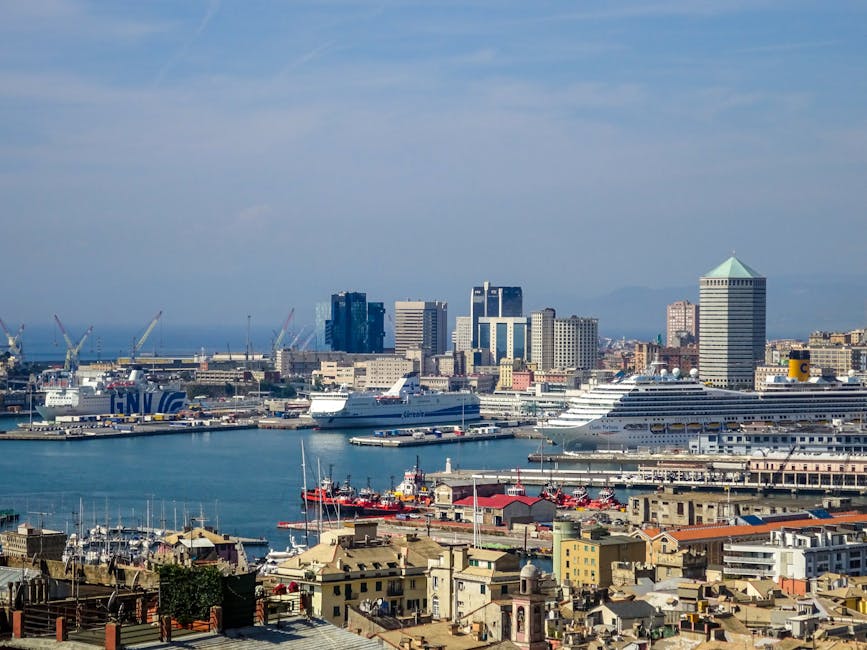
Address: Ponte Spinola, 16128 Genoa. If you’re already in central Genoa, walking is genuinely easier than transit. From Genova Piazza Principe station it’s about a 15-minute walk down Via Balbi and Via Gramsci. From Genova Brignole, take the metro towards Brin and get off at San Giorgio. The aquarium is a five-minute walk from there.
Bus options: lines 1, 12 and 13 all terminate near the entrance. Line 1 from the cruise terminal area, line 13 from Brignole side. Coming by car, take the Genova-Ovest exit, follow signs to the Porto Antico car park (around 2.20 euros an hour). Parking gets tight on weekends and during cruise turnaround days, so I’d just take the train if you can.
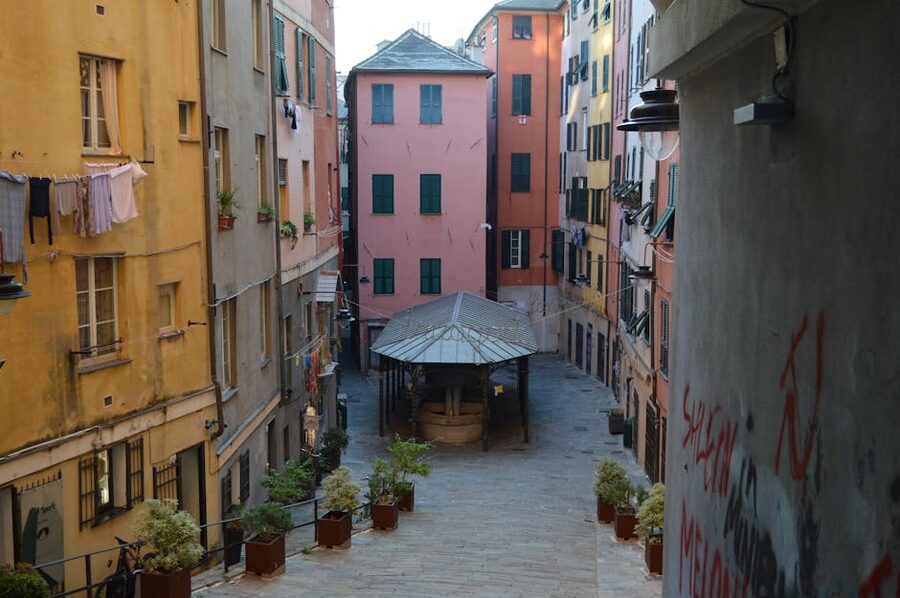
If you’re rolling in on a cruise ship, the aquarium is roughly fifteen minutes on foot from the cruise terminal. Don’t take a taxi for that distance. Genoa’s old town between you and the harbour is one of the best parts of the city, full of dark alleys called caruggi, focaccerie and old palazzi. Walking it is the visit, not a chore on the way to it.
When to go (and when not to)
The aquarium is open every day, generally 09:00 to 20:00 with last entry around 18:00, but hours shift between summer and winter and the official site is the one to trust. Two and a half hours is the average visit. Plan three if you’ve got kids who want to actually look at things rather than power through.
Weekday mornings before 11:00 are the calmest window. Saturdays in summer are the worst, especially when a big cruise ship is in port. School holidays push everything up by another tier. If you’re in Genoa for two days and you can pick, go on a Tuesday or a Wednesday. The off-season months of January, February and November are the quietest of all and you’ll have rooms to yourself in front of tanks that are usually three-deep with people.
Renzo Piano’s port: a quick history detour
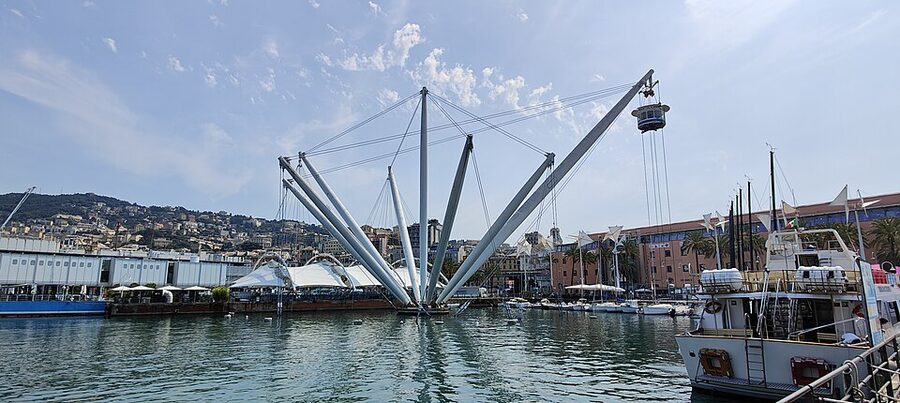
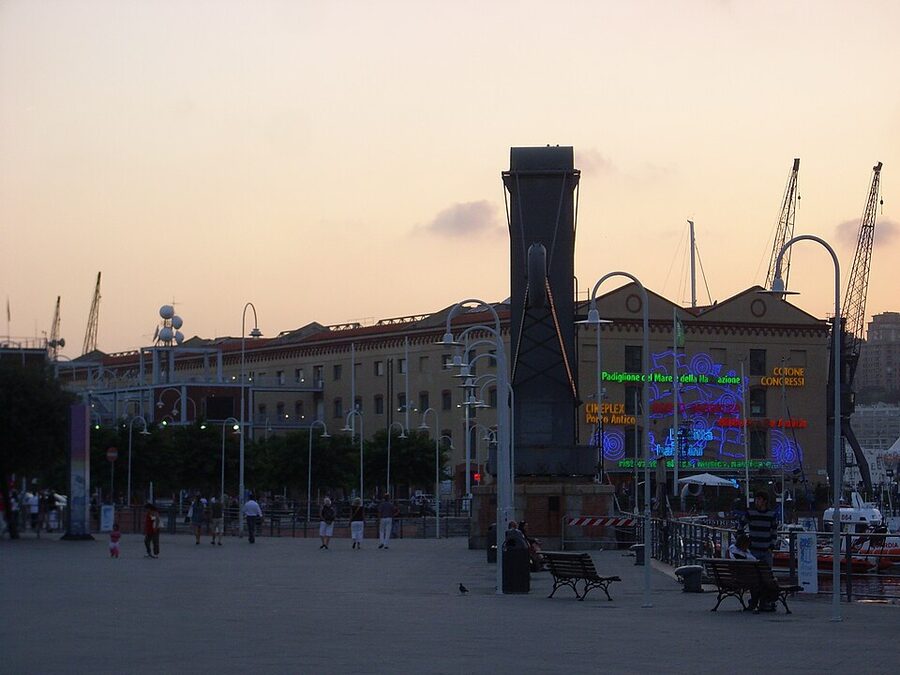
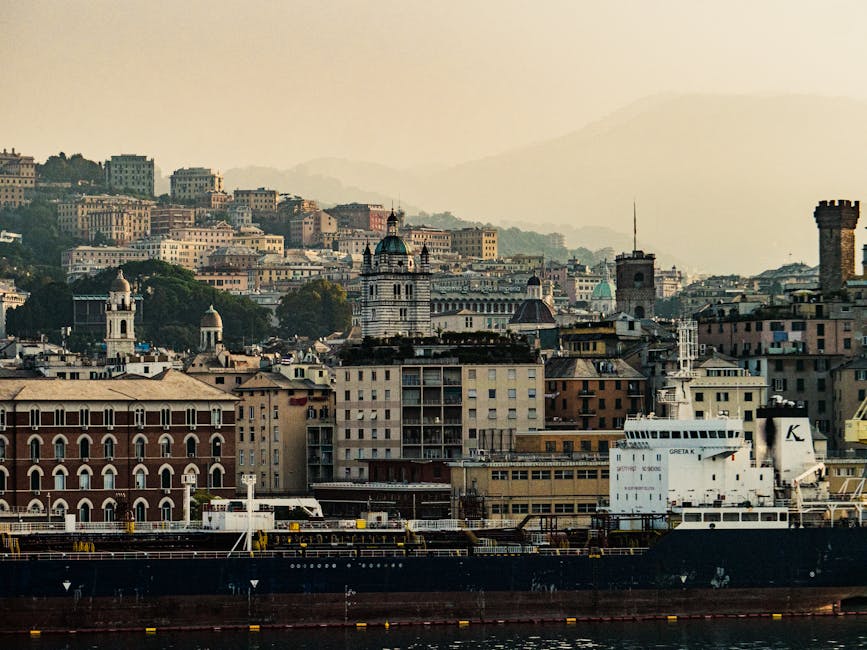
The aquarium isn’t a stand-alone building. It’s the centrepiece of a whole harbour redesign Renzo Piano did for the 1992 expo, when Genoa marked the 500th anniversary of Christopher Columbus sailing west. Until then, this part of the port was working dock space, walled off from the city. Piano (a Genoa native) opened it back up. The aquarium got built. So did the Bigo, the Biosfera, and a series of plazas that turned the old port into the city’s living room.
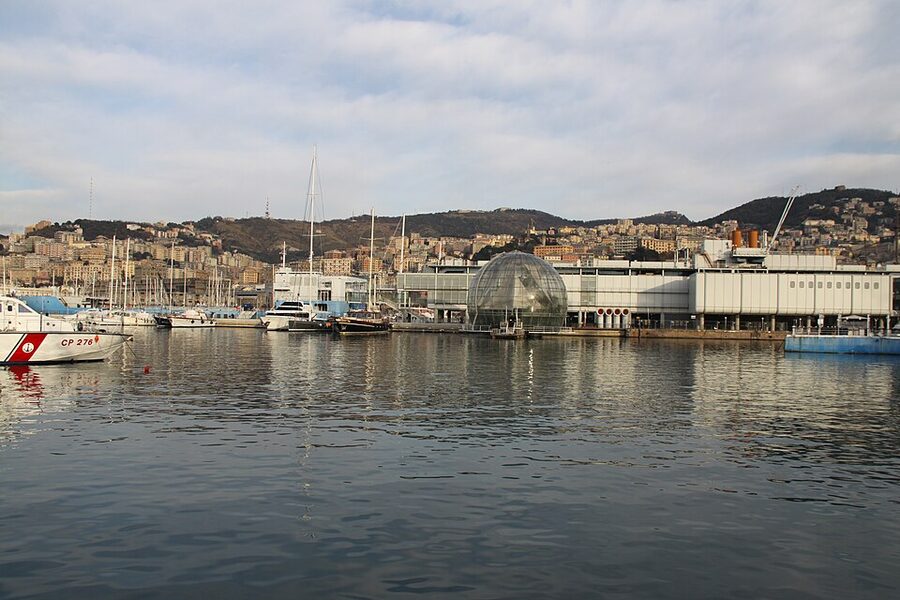
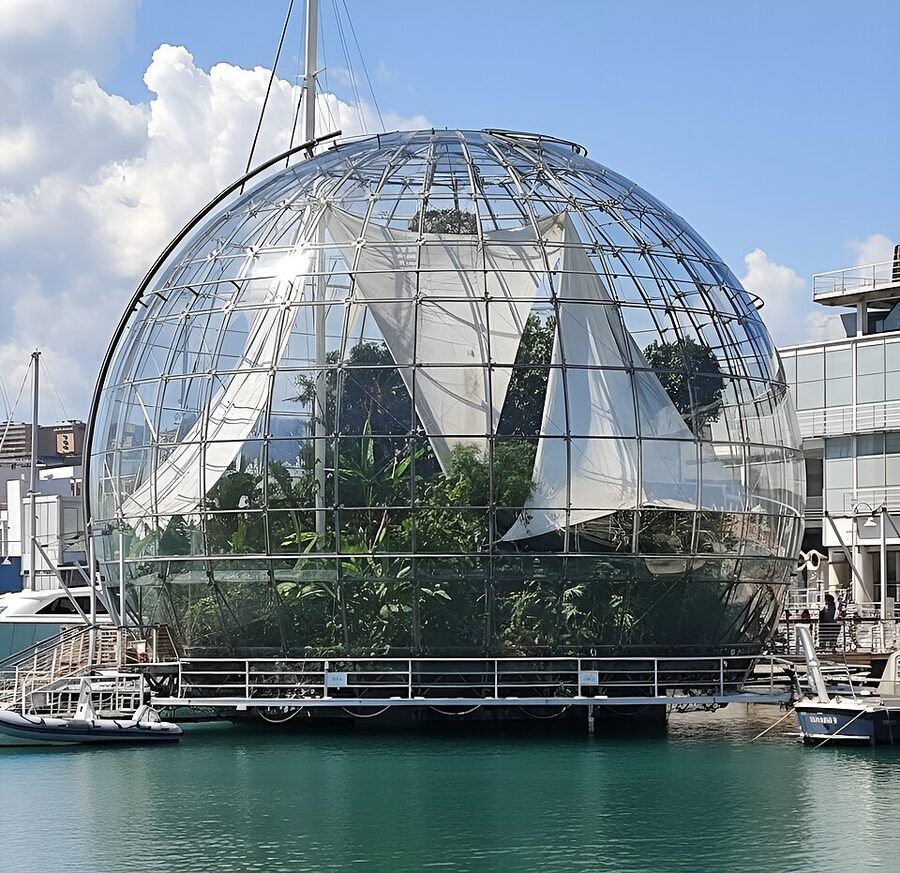
You can walk straight from the aquarium exit to the Biosfera in three minutes. It’s a glass sphere on the water, full of tropical plants, butterflies, and a few small reptiles. It takes about 20 minutes to walk through and the ticket is cheap. If it’s a sunny day and you’ve got an hour, it’s a nice palate cleanser between the cool dim of the aquarium and lunch.
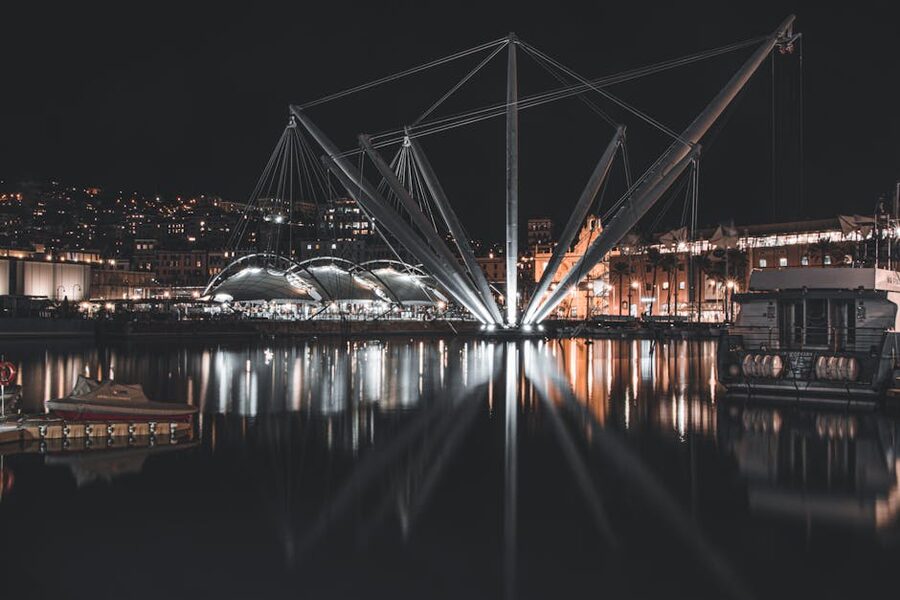
The Bigo is the white crane-like structure just behind the aquarium. It’s a panoramic lift that pulls a glass capsule 40 metres up over the harbour, slowly rotating. The view goes out to the lighthouse and across the rooftops of the old town. Five-minute ride, separate ticket. Worth it on a clear day, skip on a rainy one.
Where to eat and what to do after
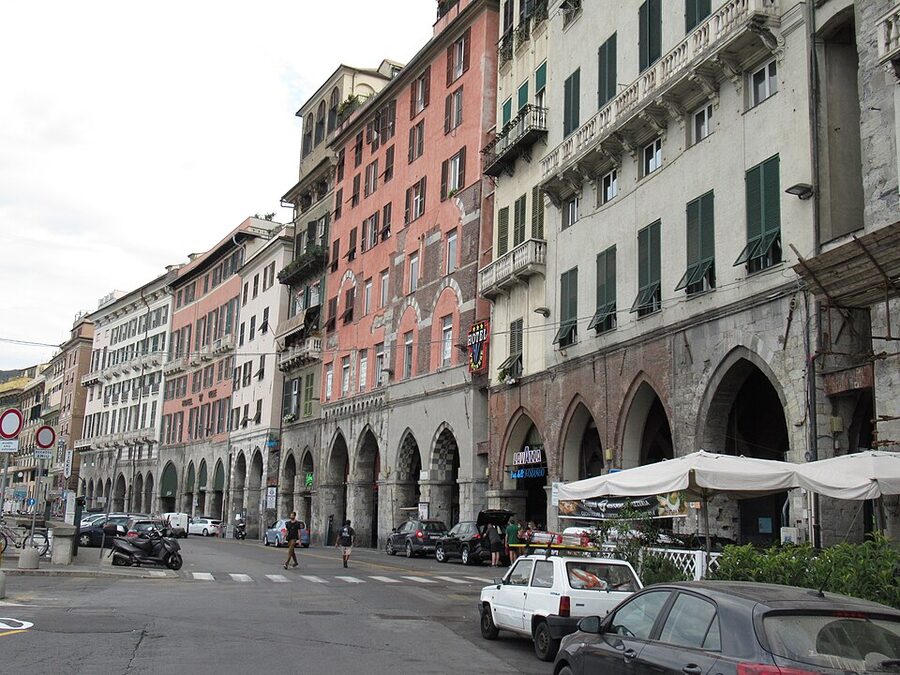
Eating inside the aquarium is fine but not exciting. Step outside into the Porto Antico and you’ve got proper Genoese options within a two-minute walk. Sottoripa is the long arcaded street running along the harbour edge with a row of fryers selling panissa (chickpea fritters), cuculli and fried fish in paper cones. It’s a Ligurian street food classic, eat it standing up. Sa Pesta on Via Giustiniani does sit-down focaccia di Recco and farinata, the original Genoese food. Cavour modo21 is the option if someone in your group wants something a bit nicer.

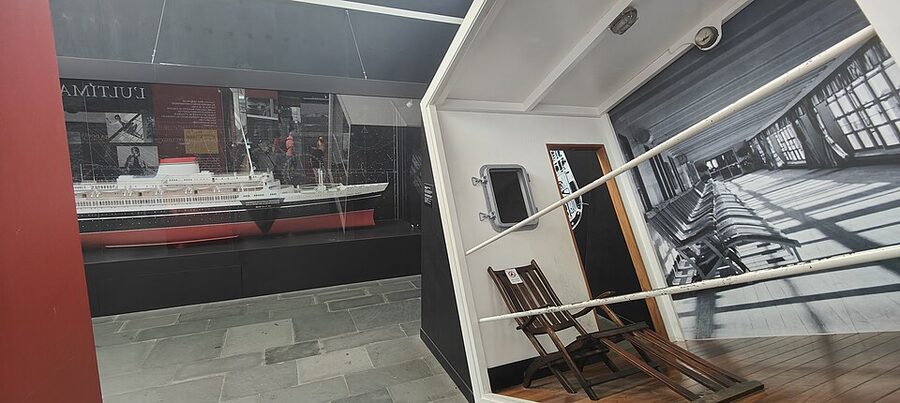
If the kids still have energy after the aquarium, the City of Children and Youth indoor playground is right next door and runs as a separate attraction. The Galata Sea Museum across the harbour basin is brilliant if you’ve got a child who liked the dolphins and now wants to see how Genoese galleys actually crewed. There’s a real submarine from the 1970s docked outside that you can walk through. It’s claustrophobic in the best way.
For an afternoon contrast, go up. Genoa’s old town spreads up the hill behind the harbour. Via Garibaldi (called the Strada Nuova) is a UNESCO-listed strip of Renaissance palazzi, three of which house the Musei di Strada Nuova. After two hours of fish and a quick lunch, it’s a good shift of gears. Or take the Zecca-Righi funicular up to the hilltop forts for a sea view, which is also where you’ll see how mountainous Liguria really is from up close.
The boat tour pairing nobody mentions
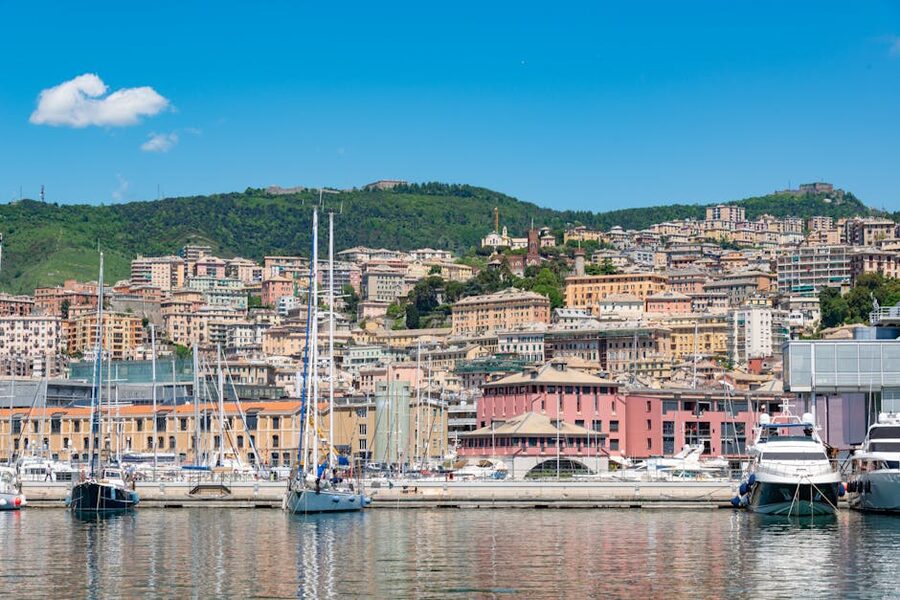
Here’s the move I wish someone had told me. Do the aquarium in the morning, then take an afternoon boat tour west along the Ligurian coast to Camogli, San Fruttuoso and Portofino. It’s the same Renzo-Piano-redesigned harbour you walked into in the morning, but now you’re going out of it on a small boat. You see Genoa’s coastline from the water, then you tie up at three of the prettiest fishing villages in Italy and you’re back by dinner.
The day-trip boats leave from the same Porto Antico dock area. Have a look at the Camogli, San Fruttuoso and Portofino boat tour we reviewed for the standard route. The walk-up window is right there. It pairs naturally with a morning aquarium ticket and means you don’t burn a separate day to see the coast.
Practical bits I wish I’d known earlier
Strollers go through fine. The aquarium is fully accessible with ramps and lifts, and you can leave a buggy at the entrance if you’d rather. There’s a cloakroom for jackets, which matters in winter when the building runs cooler than outside. Bag size limits are normal museum size, big rucksacks should go in the cloakroom. Phone photography is allowed, no flash. There’s no professional camera ban that I noticed but tripods are out.
The audio guide is included with most ticket types and worth grabbing. It’s better than the printed signs, which are bilingual but brisk. If you’re travelling with someone studying marine biology or seriously into animals, the optional add-on for a marine biologist guide who walks one section with you (you choose: marine mammals, the Med, tropics or “dangerous animals”) is the upgrade I’d pick.
Cash and card both work at the door. Most tickets you book online arrive as a QR you scan at the turnstile, no printing needed. Toilets exist at the entrance and again about halfway through. The on-site shop is at the end and is one of the better aquarium gift shops I’ve seen, with proper marine biology kids’ books in Italian and English.
A specific oddity: Night with the Sharks
A couple of times a month the aquarium runs an overnight programme for kids aged 7 to 11, where they tour the place after dark, lay out cots in front of the Shark Bay tank, and sleep there. It’s been running for years and it’s wildly popular. If you’re in Genoa for a week with a kid in that range and you spot a date, it’s the kind of thing they remember as their entire holiday. Booking is direct on the official aquarium website, not through GetYourGuide. Slots fill weeks ahead.
Where this fits in a broader Italy trip
If you’re building a longer Italian itinerary, Genoa pairs well in either direction. From the north, it’s an easy two-hour train from Milan, which means you can also fit something like a Lake Como day trip from Milan or the Last Supper on the same week. From Florence, the train hits Genoa in about three hours, and you can swing a Cinque Terre day trip from Florence on the way out by stopping in La Spezia. Down south, Genoa makes a long but doable jump-off point for a separate week pivoting around Pompeii and the Amalfi Coast.
If your trip is going seriously off the standard route, two of the harder-to-reach Italy spots we’ve also written up are the Matera Sassi cave houses in Basilicata and a La Maddalena archipelago day trip in northern Sardinia. Both are a flight or overnight train apart from Genoa, but if you’re already doing a slower three-week trip, they reward the effort.
One more thing
The mistake people make in Genoa is treating the aquarium as the only stop and the rest of the city as a transit zone. Don’t do that. Block out at least one full extra day after you visit, walk the caruggi, eat focaccia di Recco at least once, and ride the funicular at least once. The aquarium is genuinely worth the price. But the city you’re standing in around it is the underrated bit. People who only do the aquarium leave thinking Genoa is a working port. People who give it 48 hours leave wondering why they don’t talk about it more.
Other Italy guides on the site
If you’re piecing together a longer route, our most-read Italy guides go from booking Uffizi tickets in Florence to getting into the Vatican Museums, plus the Leaning Tower in Pisa if you’re already on the Tuscan side. The aquarium has more in common with those big-ticketed-attraction articles than with our Cinque Terre or coastal day-trip pieces, so the booking advice should feel familiar.