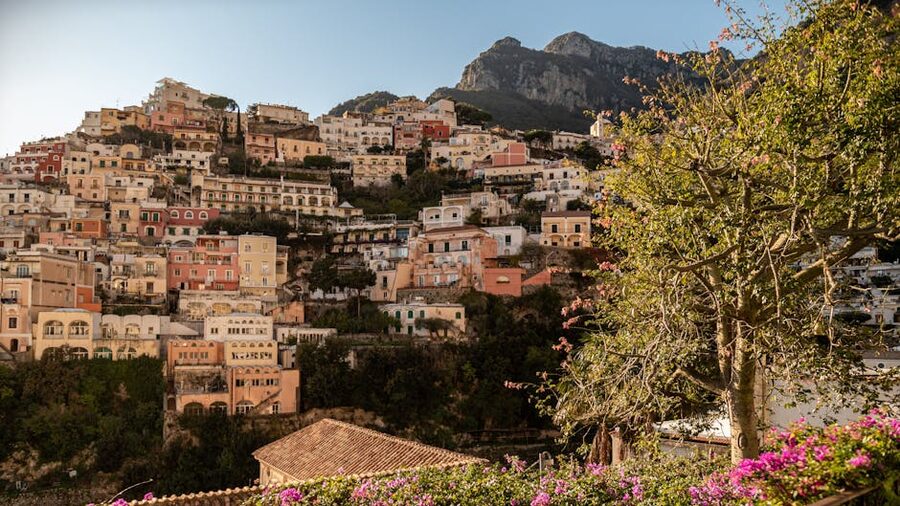
Rome is a city you slow down for. Pompeii and the Amalfi Coast are places you cover ground for. So this day trip is a strange thing to commit to: thirteen hours, a bus, two hundred kilometres of motorway and switchbacks, and a single day to fit in a buried Roman city, a UNESCO coastline, and probably Sorrento or Positano for lunch. People book it anyway. The reason becomes obvious about ten minutes after you reach Pompeii.
This guide covers what the day actually looks like, how to pick between the three main tour formats (with Sorrento, with Positano, or with Vesuvius instead), and the booking mistakes worth avoiding. I’ll be honest about what works and what doesn’t. A 13-hour day is a lot, and not every version is worth your one shot at it.
Short on time? Here are the three picks I’d shortlist:
Best overall (Sorrento + Amalfi + Pompeii): From Rome: Pompeii, Amalfi Coast, and Sorrento Day Trip. $79. The most-booked version. Sorrento for lunch, Amalfi for the views, Pompeii in the morning when the heat is bearable.
Positano variant (high-speed train option): From Rome: Pompeii, Amalfi Coast and Positano Day Trip. $99. Swaps Sorrento for Positano. The cliff village is more photogenic, the day is slightly tighter.
Small-group Viator alternative: Pompeii, Amalfi Coast and Positano Day Trip from Rome. $102. Same itinerary as the GYG Positano tour but capped at smaller groups. Worth the extra if you hate big buses.
- Is a Day Trip from Rome Actually Worth It?
- The Three Main Itinerary Formats
- Pompeii + Amalfi + Sorrento
- Pompeii + Amalfi + Positano
- Pompeii + Vesuvius (no Amalfi Coast)
- The Three Tours I’d Actually Book
- 1. From Rome: Pompeii, Amalfi Coast, and Sorrento Day Trip:
- 2. From Rome: Pompeii, Amalfi Coast and Positano Day Trip:
- 3. Pompeii, Amalfi Coast and Positano Day Trip From Rome (Viator): 2
- What the Pompeii Portion Actually Looks Like
- Lunch Stop: Sorrento or Positano
- The Amalfi Coast Drive
- What’s Actually Included (and What Isn’t)
- When to Go (and When to Skip This Day Trip)
- Booking Mistakes Worth Avoiding
- Why Pompeii Hits Differently in Person
- Other Day Trips from Rome Worth Considering
Is a Day Trip from Rome Actually Worth It?
Short answer: yes, if you only have a few days in Rome and you genuinely can’t extend. No, if you have flexibility and could base yourself in Naples or Sorrento for a couple of nights instead.
The 12 to 13 hour day looks scary on paper but breaks down sensibly. Rome to Pompeii is around 2.5 hours each way. You get roughly two hours inside the ruins with a guide, then about 90 minutes for lunch in Sorrento or Positano, then 90 minutes to two hours of Amalfi Coast driving with a photo stop or two. The bus is comfortable and the guide narrates as you go. You’re not actively sightseeing for 13 hours, more like five or six. The rest is sitting in a coach with the air conditioning on, looking at the Italian countryside roll past.
The reason people pick this over a multi-day Naples trip is simple: hotel logistics. Moving hotels for one night in Naples or Sorrento eats half a day at each end and adds at least €100 in accommodation costs. A day trip from Rome doesn’t make you pack, doesn’t move your luggage, and doesn’t shift your dinner reservations.
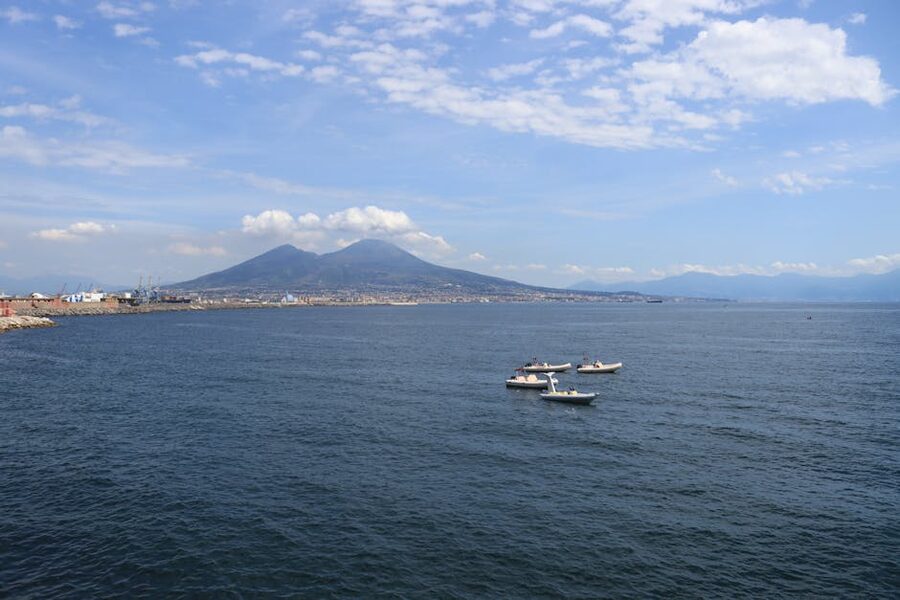
The Reddit and Rick Steves forums are full of people saying don’t do it as a day trip. They’re not wrong, but they’re answering a different question. They’re answering “what’s the best way to see Pompeii and the Amalfi Coast.” The actual question most readers are asking is “I have four nights in Rome and I want to see Pompeii, is this realistic?” The answer to that is yes.
The Three Main Itinerary Formats
The market basically offers three versions of this day trip. Picking the right one is the single biggest decision you’ll make on the booking page.
Pompeii + Amalfi + Sorrento
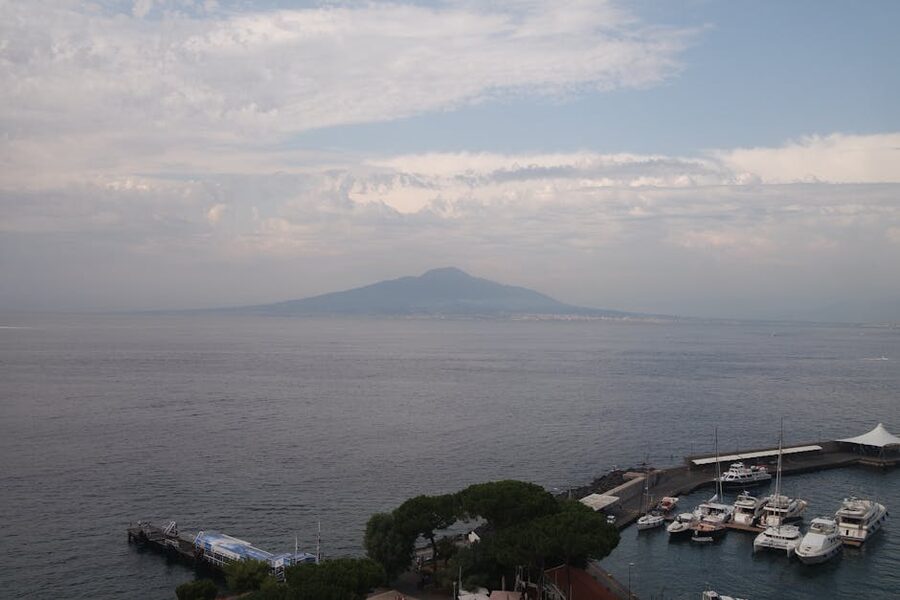
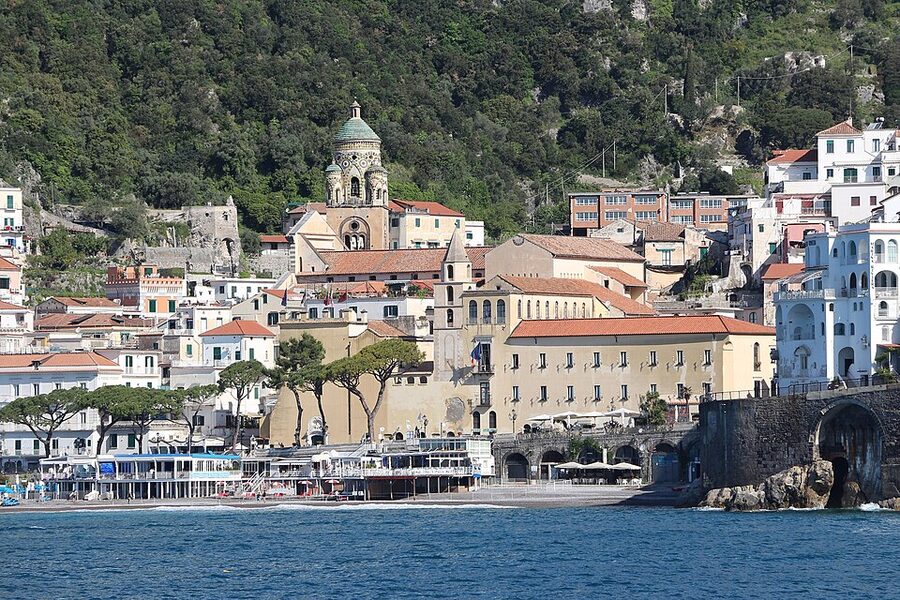
This is the most popular version, by a clear margin. Sorrento is a real working town with a proper old quarter, lots of restaurants, and lemon groves on the cliffs. The lunch stop here works because Sorrento has actual sit-down places that can handle a tour group. The downside is Sorrento isn’t on the Amalfi Coast proper. It’s just north of it, on a different stretch. So you trade a bit of coastal drama for a more relaxed lunch.
Pompeii + Amalfi + Positano
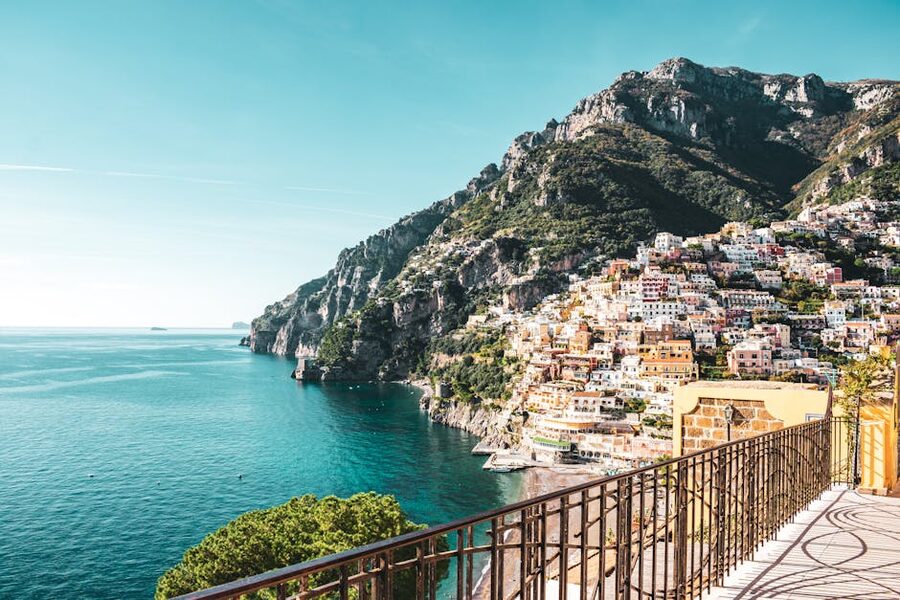
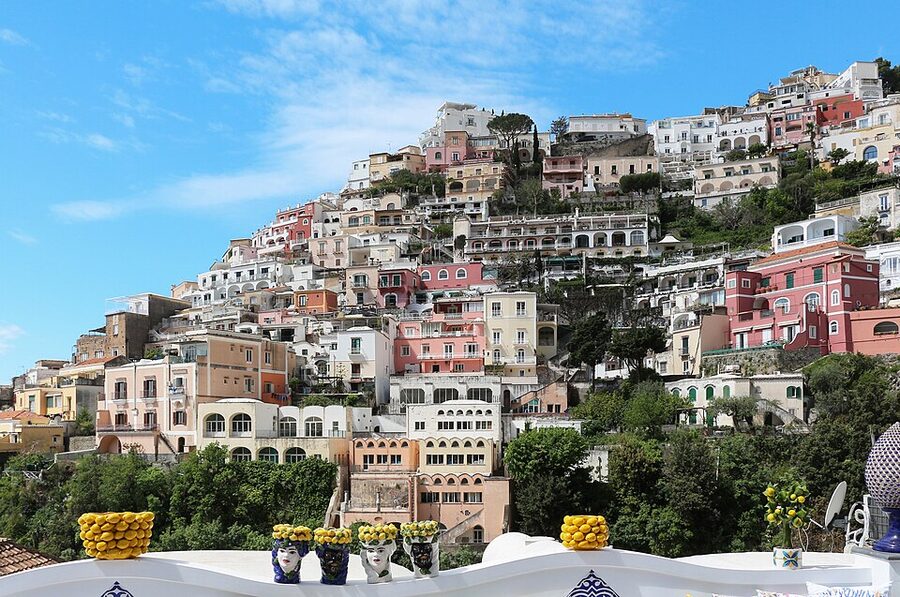
The Positano version swaps Sorrento for the cliffside village that ends up on every Italy postcard. Positano is more photogenic. It’s also harder to navigate as a tour group because the buses can’t get into the village proper. You park up high and either walk down (steep, sweaty, beautiful) or take a shuttle. Lunch in Positano is more expensive than Sorrento and the restaurants that take groups are not the best in town.
If photos are your priority, pick Positano. If you want to actually eat well and walk around comfortably for an hour, Sorrento is the better call. The Positano-focused day trip is worth a closer look if you’ve already decided which way you’re leaning.
Pompeii + Vesuvius (no Amalfi Coast)
Less popular but a strong choice if you’re more interested in the volcanic side of the story than the cliff villages. You spend more time at Pompeii, then climb Mount Vesuvius itself rather than driving the Amalfi Coast. The crater hike is real (about 25 minutes up to the rim) and you can look down into the cone that buried the city. Our Pompeii and Mount Vesuvius day trip review covers what to expect on the climb. There’s also a version with the Vesuvius or Positano option if you want to choose on the day.

The Three Tours I’d Actually Book
I went through the most-booked versions of this day trip and these are the three I’d shortlist. Each one targets a slightly different traveller, so read the takes before you click.
1. From Rome: Pompeii, Amalfi Coast, and Sorrento Day Trip: $79
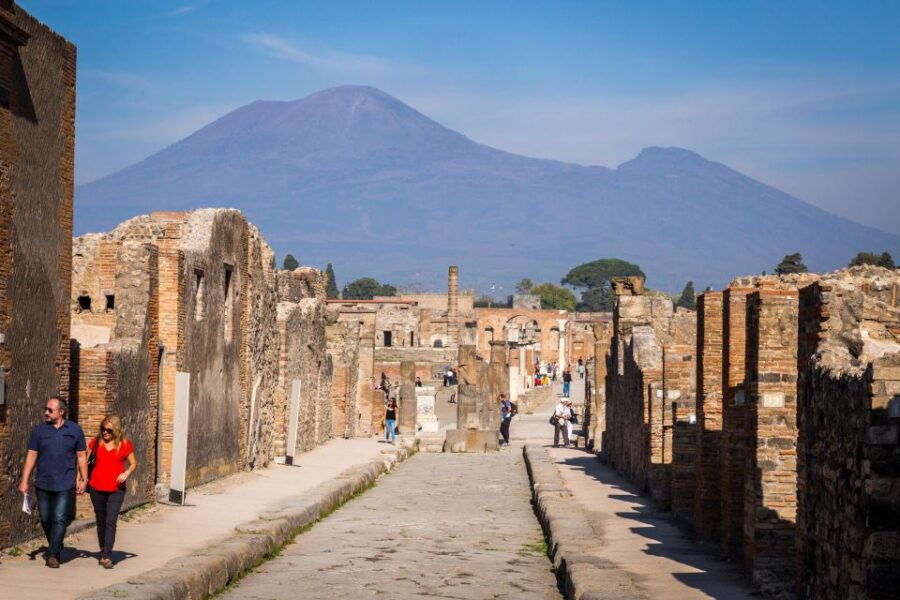
Pompeii in the morning with a licensed guide, Sorrento for lunch (around 90 minutes free time), then a coastal drive through the Amalfi Coast with photo stops. Round-trip transport from Rome means you’re not figuring out trains. Our full review of this tour goes into pickup logistics and what the lunch options actually look like.
2. From Rome: Pompeii, Amalfi Coast and Positano Day Trip: $99

Same Pompeii morning, then a coastal drive ending in Positano rather than Sorrento. The cliffside village is harder to access (steep walks, no bus parking near the centre) but it’s the iconic Amalfi Coast image. Our review of the Positano version covers the walk down to Spiaggia Grande and how much free time you actually get in the village.
3. Pompeii, Amalfi Coast and Positano Day Trip From Rome (Viator): $102

If you’ve ever been on a 50-person bus tour and wished you could trade $20 for a smaller group, this is the one. Same Pompeii + Amalfi + Positano itinerary, but smaller bus, smaller Pompeii group, more breathing room. Worth the premium if you’re sensitive to crowds. Our Viator small-group review covers what the group size actually translates to on the ground.
What the Pompeii Portion Actually Looks Like
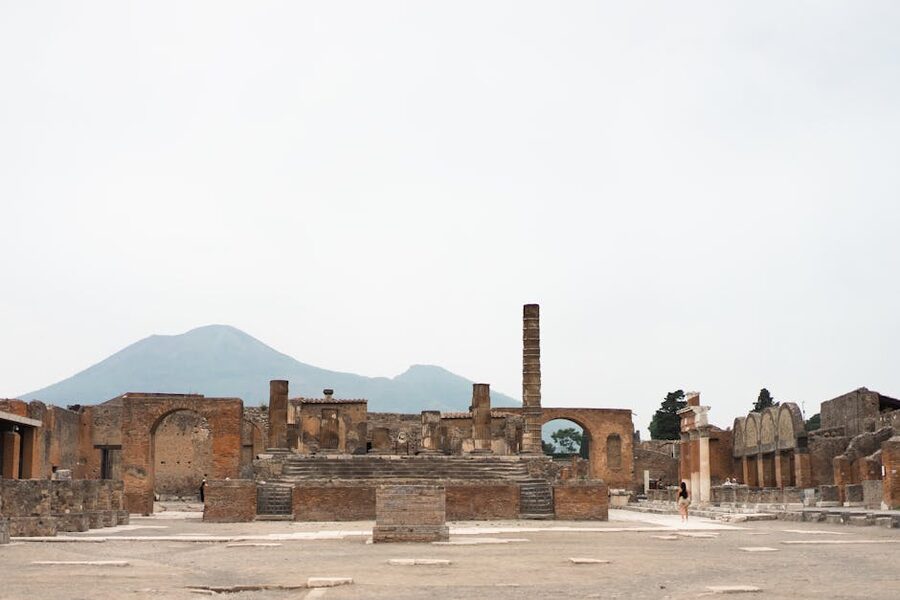
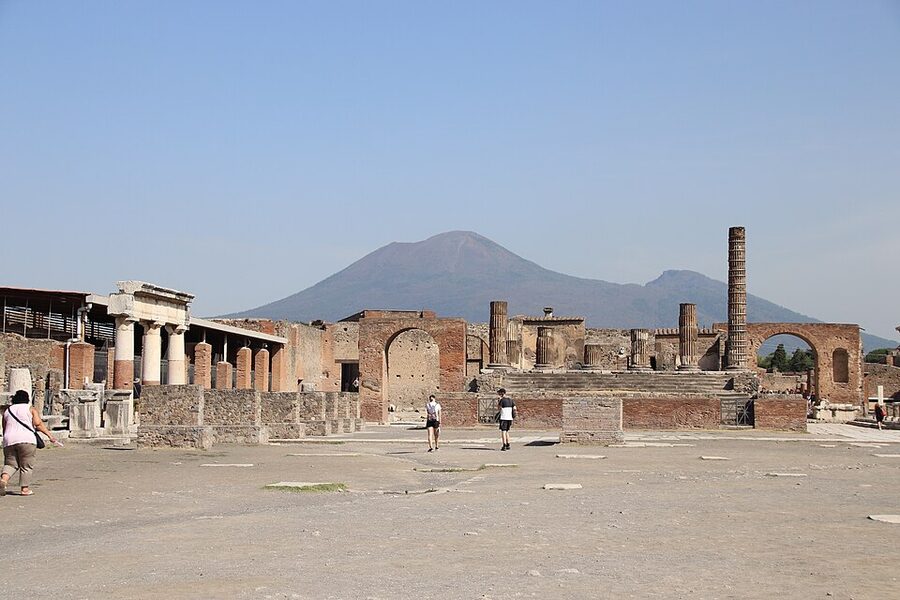
You arrive at the Porta Marina entrance around 9:30 AM. There’s a queue, but tour groups skip it via a separate entry. Skip-the-line access is the single biggest practical reason to do this on a tour rather than independently. In high season the regular entry queue can hit 90 minutes.
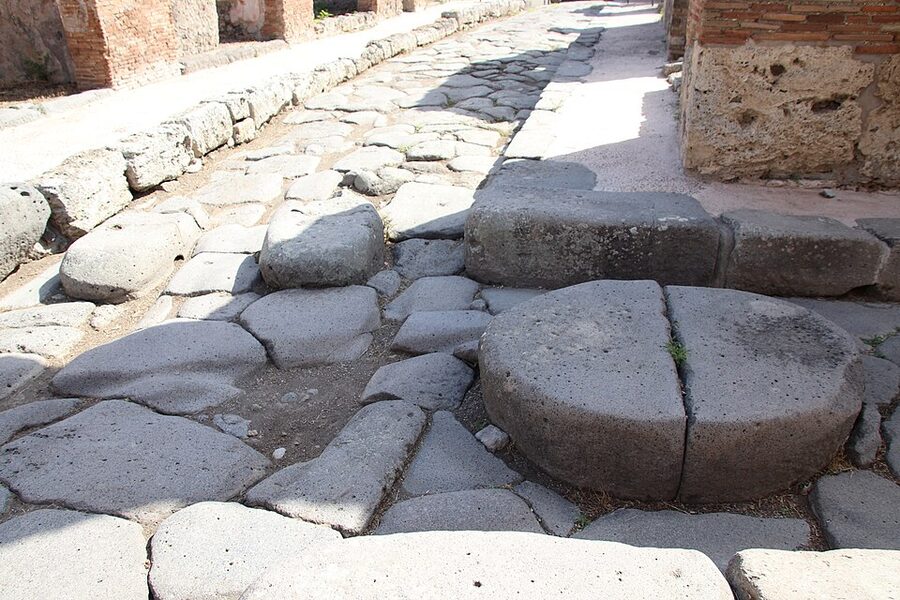
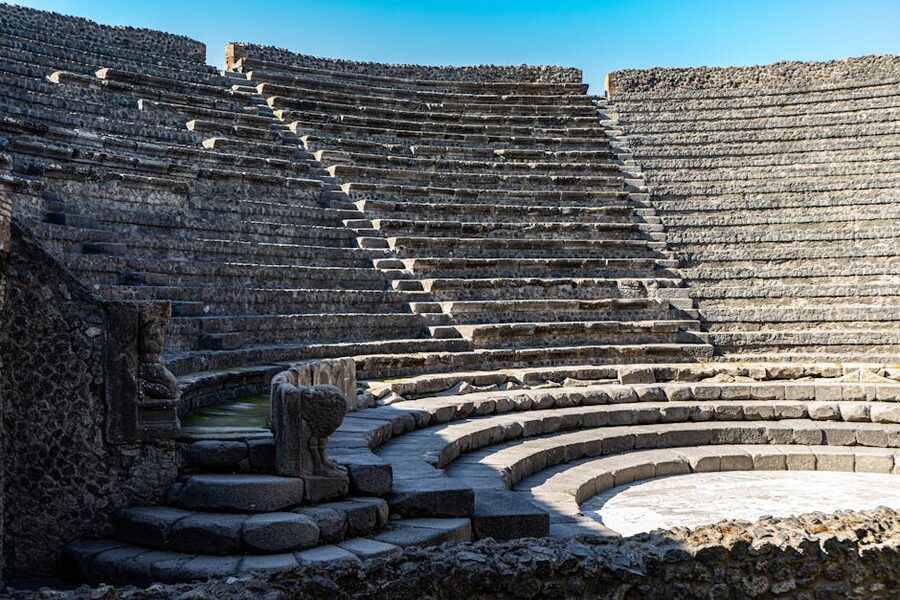
The guide takes you through the Forum first, then the Macellum (the market hall), then usually the House of the Faun and the Lupanar (the brothel). Pompeii has stone phallus signs carved into the road pointing the way to the brothel, which the guides love showing you. Then you walk over to the amphitheatre or one of the better-preserved houses, depending on what’s open that day. The two hours go fast.
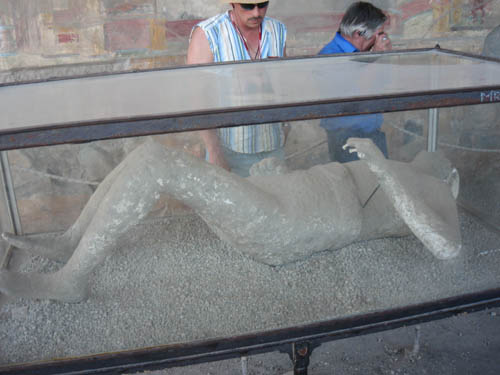
The plaster casts are usually shown last. They’re casts of the cavities left by victims of the eruption, and they’re as confronting as you’d expect. Most tours show two or three. Some groups skip them, which I think is a mistake. The casts are the entire reason Pompeii is more than just another set of Roman ruins.
Lunch Stop: Sorrento or Positano
This is the practical decision that most affects your day. Lunch is roughly 90 minutes either way, including the walk to the restaurant.
Sorrento works for a sit-down meal because the upper town has dozens of trattorie that handle tour groups. You’ll get pasta, a glass of wine, maybe a limoncello shot to finish. Prices in the tour-friendly restaurants run €18 to €25 for a primo, plus drinks. The walk from the bus drop to Piazza Tasso is flat. You can also nip down to the harbour for a quick photo if you’re fast.
Positano is the photo stop. The walk from the bus drop down to the centre is about 15 minutes downhill on a stair-and-cobble path. Going back up at the end of lunch is harder, especially in summer. Restaurants in Positano are pricier (€28 to €40 for a primo near the beach) and less suited to groups. Most tour-group lunches in Positano are at restaurants partway down the hill, not at the beach.
If you want to compare the boat-based version of Positano (skipping Pompeii entirely and starting from Naples), our Naples Amalfi boat tour guide covers the alternative format that gets you onto the water rather than the road.
The Amalfi Coast Drive
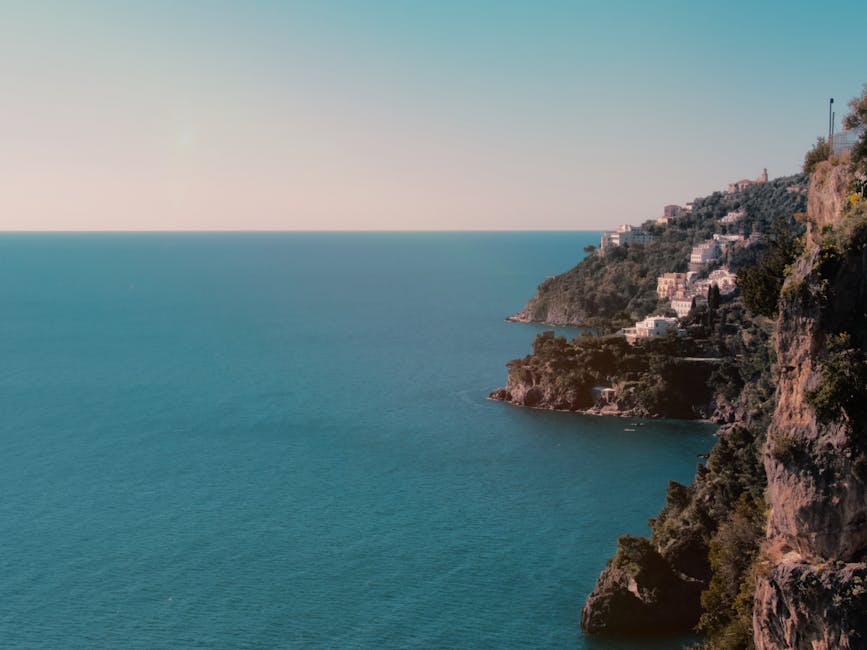
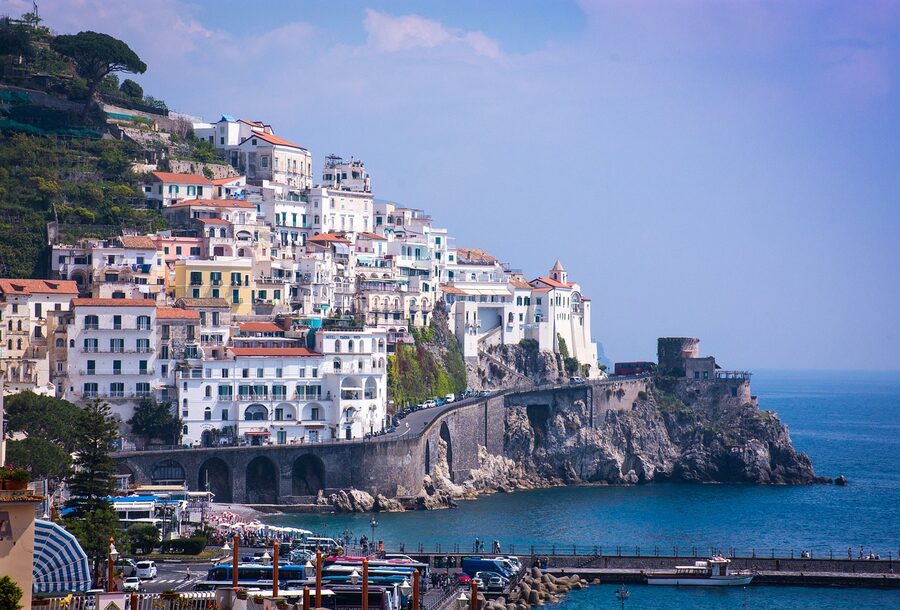
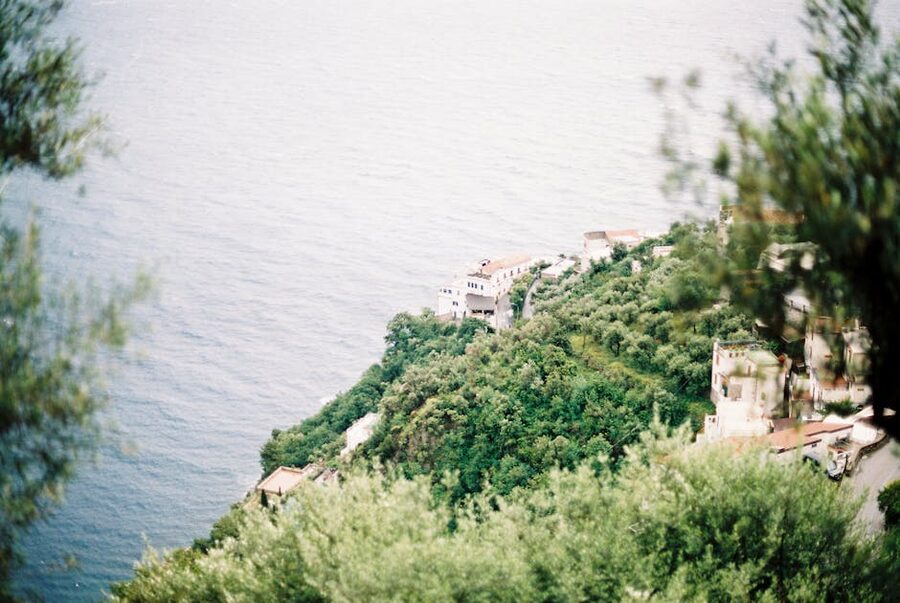
The drive itself is a stretch of road called the SS163 Amalfitana, which runs about 50 kilometres along the coast between Vietri sul Mare and Positano. It opened to vehicles in 1853. The original route was donkey paths.
The bus stops for photos at one or two viewpoints, depending on traffic and the driver’s mood. The drive is the experience as much as the stops are. Sit on the seaward side. The cliffs rise straight up on the other side, so the view from the inside seat is just rock face.
If you want to be on the water rather than above it, our coastal cruise day trip swaps the bus drive for a boat segment. It’s a longer day overall but the perspective is different. You see the cliffs from below rather than from on top of them.
What’s Actually Included (and What Isn’t)
Most of these tours include round-trip transport from a meeting point in Rome (usually near Termini), Pompeii skip-the-line tickets, a licensed Pompeii guide, and the coastal drive with at least one photo stop.
What’s not included: lunch (you pay for your own at the stop), drinks, and any optional Vesuvius climb. Lunch budget should be €25 to €35 in Sorrento, €35 to €50 in Positano. Bring euros. Some smaller restaurants struggle with foreign cards on a busy tour day.
Pickup is from a central meeting point, not from your hotel. The meeting point is usually near Roma Termini station or close to Piazza della Repubblica. Check the tour confirmation email for the exact spot. Tours leave at 6:30 to 7:00 AM. There is no flexibility on this. If you miss it, you’ve lost the day.
Return is to the same meeting point, usually between 8:30 and 9:30 PM depending on traffic. Have a dinner reservation booked for 9:30 or later, or just plan to grab pizza on the way back to the hotel.
When to Go (and When to Skip This Day Trip)
April to early June and September to October are the right months. The weather is reliable, Pompeii doesn’t bake, and the Amalfi Coast hasn’t yet hit peak crowds. July and August are unpleasant. Pompeii in August is genuinely brutal. There’s almost no shade, the stones radiate heat, and you’ll wish you’d worn a hat.
The other consideration: Mondays. Many Pompeii sub-sites and houses close on Mondays. The big-ticket areas (Forum, amphitheatre, House of the Faun) stay open, but the smaller villas you’d otherwise wander past are locked up. Pick a Tuesday to Saturday departure if you have the choice.
Skip the day trip entirely if: you have less than three full days in Rome (you’ll resent losing one to driving), you have mobility issues that make a steep walk in Positano hard, or you’ve already got Naples on your itinerary. If you’re staying in Naples, doing Pompeii from Naples (45 minutes by Circumvesuviana train) makes more sense than doubling back to Rome to do a day trip.
Booking Mistakes Worth Avoiding
A few things I’ve seen people get wrong on the booking page.
Booking the cheap Vesuvius-only version when you wanted the coast. Some operators sell a Pompeii + Vesuvius combo without an Amalfi stop. It’s cheaper but it’s a different day. Read the inclusions carefully before checking out.
Skipping the small-group upcharge. If you’re a crowds-averse traveller, the $20 to $30 difference between a 50-person coach and a 16 to 24 person small group is the best money you’ll spend on this trip. The Pompeii guided portion in particular is much better at lower headcounts.
Not checking the meeting point. Rome has multiple tour meeting points. The default for most operators is near Termini, but a few use Piazza della Repubblica or Vatican-area pickups. Walk the route the night before.
Wearing the wrong shoes. Pompeii is uneven volcanic stone for hours. Positano is steep cobble and stairs. Trainers or walking sandals only. Heels are a disaster.
If you’re combining this with other Italy bookings, our Verona Arena guide and Mount Etna day trip from Catania cover the other big Italy day trips worth thinking about. Both are very different days from this one but follow the same structural logic. A long ride, a guided block, a long ride home.
Why Pompeii Hits Differently in Person
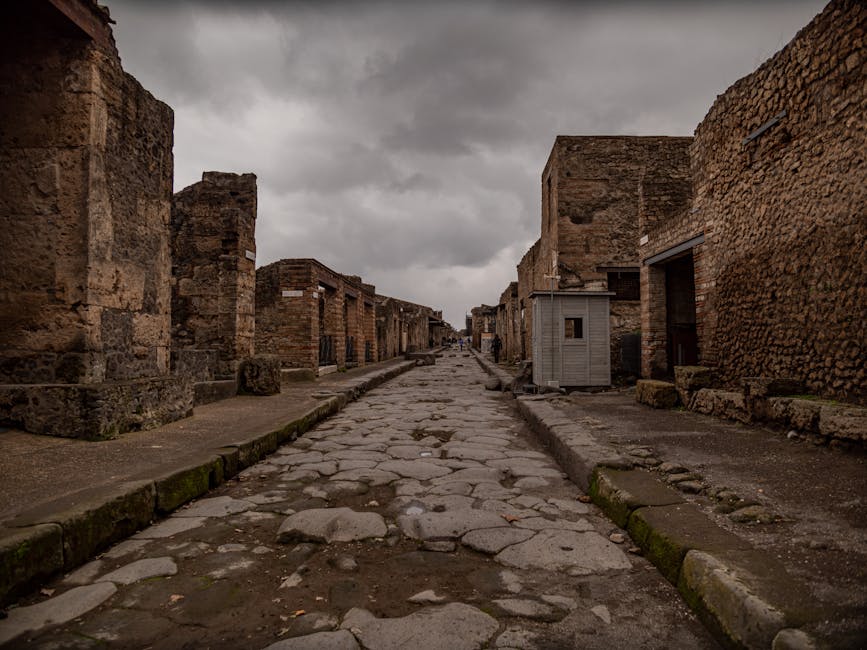
This is the bit that surprises every first-time visitor. You expect a Roman ruin. You get a city. The streets have grooves worn by cart wheels. The shops have counters with circular wells where amphorae of wine and olive oil sat. Bakeries have mills the slaves turned. There’s graffiti, actual graffiti, scratched into the walls. “Marcus loves Spendusa.” Election slogans. Tally marks for who-knows-what.
The day Vesuvius erupted, August 24, 79 AD (or possibly October, the date is disputed), Pompeii had about 11,000 inhabitants. The eruption lasted around 19 hours. Most people who died were killed by the pyroclastic surge, a 300°C cloud of ash and gas, that hit the city around midnight on day two. The bodies were preserved in the ash that buried them, which is why the casts are so detailed. You can see facial expressions.
That’s why it’s worth the 13-hour day. You don’t go to Pompeii to look at columns. You go because once in your life you should walk down a street where you can see exactly what happened, and to whom, almost two thousand years ago.
Other Day Trips from Rome Worth Considering
If Pompeii doesn’t quite fit your schedule, the same operators run other day trips from Rome that follow a similar pattern. The Sorrento-anchored Pompeii day trip is the workhorse of the Rome day-trip market and the easiest to recommend if you only have time for one. The flexible-option Pompeii tour is the right pick if you can’t decide between coast and crater. And if you’re already drawn to the Amalfi Coast as a separate destination, our Naples-based boat tour guide covers the seaborne way to see Positano, Amalfi and Ravello in a single day. Whichever you pick, book a few days ahead in shoulder season and weeks ahead for July-August. These tours sell out.