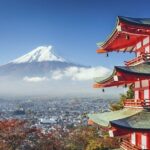
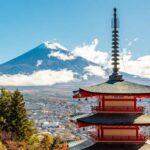
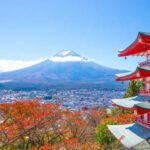
Mount Fuji is not just a mountain on the horizon. It has shaped Japanese art, religion and travel for more than a thousand years. This private day trip gives you a way to see it from several angles, from the red pagoda at Arakurayama to lakeside viewpoints and, if conditions allow, the mountain’s Fifth Station.
I like two things in particular: you can set priorities with your driver-guide rather than follow a fixed coach schedule, and private transport makes a long day out of Tokyo far easier. Guides such as Malik, Haider and Yuria are named in accounts of the trip, with families praising their flexibility, driving and help with photos.
The trade-off is scope. Fuji and Hakone offer more sights than one 10-to-12-hour day can comfortably cover, especially if traffic slows the drive. You will get more from the tour by choosing a clear focus than by trying to tick every stop.
- At a glance
- Private transport makes the long day easier
- Choose between Fuji, Hakone or a selective mix
- Chureito Pagoda and Arakurayama’s famous view
- Oshino Hakkai, Lake Kawaguchi and the village stops
- The Fifth Station is a high-altitude viewpoint, not a summit climb
- Hakone’s steam, ropeway and sacred lakeshore
- Caves, waterfalls and shopping: useful alternatives, not must-dos
- What 3 buys, and what it does not
- Guides, comfort and a few sensible cautions
- Is this the right day trip for you?
- FAQ
- How long is the tour?
- Where can I be picked up and dropped off?
- How many people can join for the listed price?
- Can I choose which places to visit?
- What is included in the price?
- Are meals and entrance fees included?
- What should I bring?
- Can I cancel for a refund?
- The Best Of Tokyo!
- More Private Tours in Tokyo
- More Tours in Tokyo
- More Tour Reviews in Tokyo
- Not for you? Here's more nearby things to do in Tokyo we have reviewed
At a glance
 1 / 8
 2 / 8
 3 / 8
 4 / 8
 5 / 8
 6 / 8
 7 / 8
 8 / 8
- Two possible directions: Build a day around Mount Fuji, or combine Fuji with Hakone. The places you visit depend on the route you choose.
- A useful private setup: The tour includes a private air-conditioned vehicle, hotel pickup and drop-off, an English-speaking guide, water and coffee.
- A menu of Fuji stops: Options include Chureito Pagoda, Oshino Hakkai, Lake Kawaguchi, Oishi Park, shrines, an old village and the Fifth Station.
- Hakone’s volcanic side: Owakudani, the ropeway, Lake Ashi and Hakone Shrine offer a different mix of scenery and culture.
- Plan for extras: Food and entrance fees are not included. At $303 per group of up to five, the starting price works out to $60.60 each if you fill all five places, before those additional costs.
👉 See our pick of the 25 Best Guided Tours In Tokyo
Private transport makes the long day easier
The tour lasts 10 to 12 hours, with pickup and drop-off in Tokyo, including Shinjuku. That matters: reaching Fuji and Hakone by public transport involves connections, and the day’s stops are spread across a broad area. A private vehicle removes the need to coordinate trains and buses between sights, and lets your group keep bags and extra layers close at hand.
The vehicle is air-conditioned, and recent accounts describe comfortable, clean cars with ample room for families. One family of four, for example, appreciated having space for extra gear. Vehicle type can vary, so do not count on a particular model, but the private format gives your group more room than a shared bus tour.
An early start can be useful. Tokyo traffic can eat into sightseeing time, and a family on the tour arranged an earlier pickup to make the most of the day. Ask about pickup timing when you plan your route. Even a well-organized day cannot control traffic or weather, but starting early may leave more time at the stops you care about.
You can also read our reviews of more private tours in Tokyo

Choose between Fuji, Hakone or a selective mix
The Fuji-focused route can include the Fifth Station, Chureito Pagoda, Arakurayama Sengen Park, Oshino Hakkai, Lake Kawaguchi, Oishi Park and several shrines. Other possible stops include Saiko Iyashi-no-Sato Nenba, Narusawa Ice Cave, Honcho Street, the Kawaguchiko Lawson and Gotemba Premium Outlets.
The Hakone route offers a different day: Hakone Shrine, the open-air museum, Lake Ashi, Owakudani Valley and the Hakone Ropeway. Some itineraries also include Gotemba Premium Outlets. You can discuss which places matter most to you, but do not assume every stop on the long list fits into one day. Several alternatives are explicitly optional, and a route that tries to cover both regions needs especially careful prioritizing.
I would decide on one main theme before pickup: mountain viewpoints and Fuji-area culture, or a Fuji-and-Hakone sampler. If you want both, identify your must-sees and be ready to leave other places for another visit. The driver-guide can help with pacing, but the day’s limits are real.
Chureito Pagoda and Arakurayama’s famous view
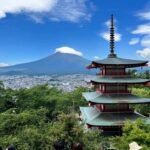
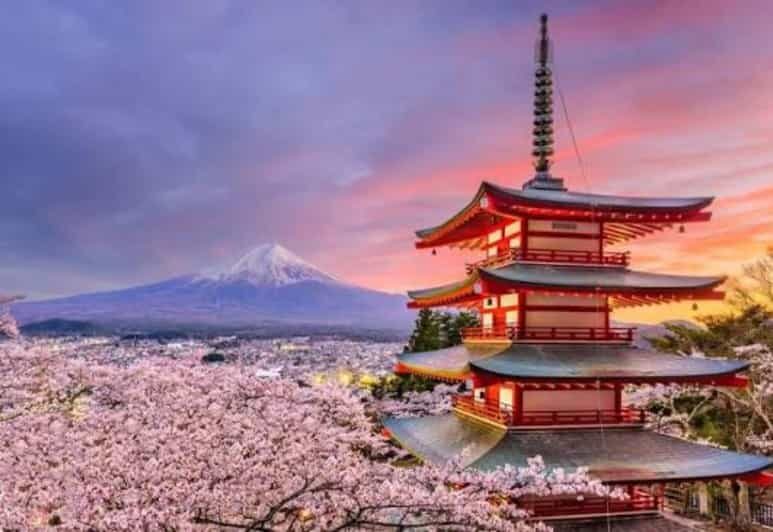
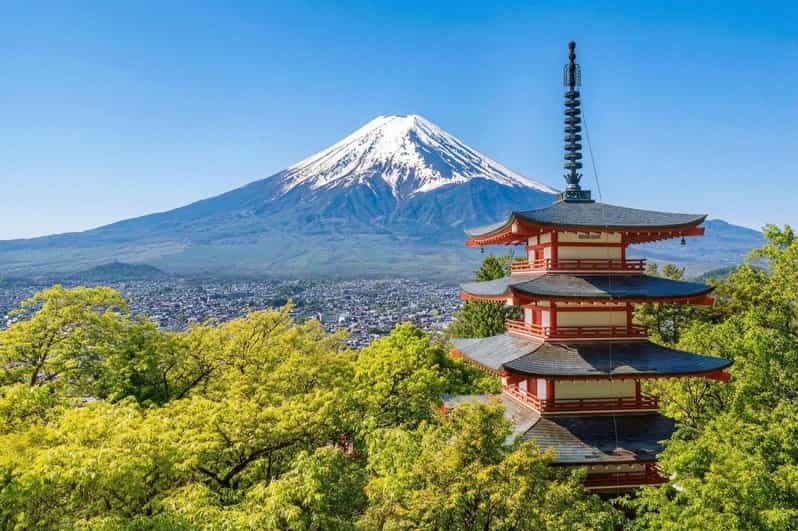
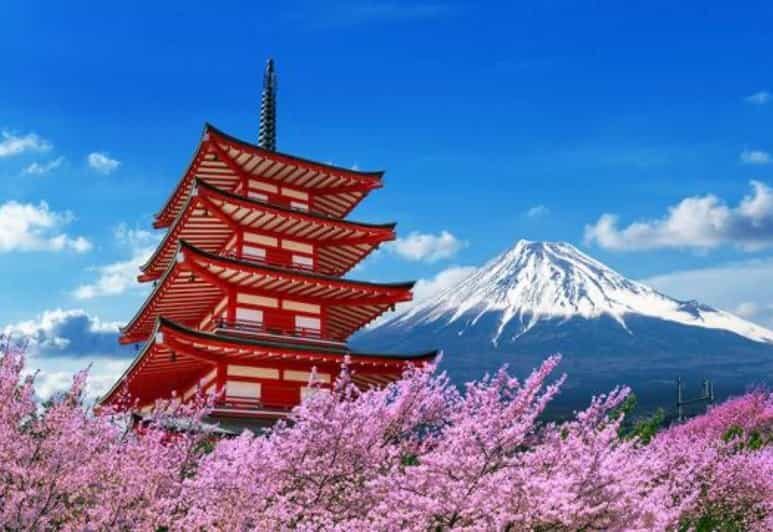
Chureito Pagoda is one of the best-known places to photograph Mount Fuji. Its combination of pagoda, hillside and mountain view makes it a natural first choice for anyone after the classic image of Japan. The visit also involves time at Arakurayama Sengen Park, so expect a walk rather than a quick roadside photo stop.
Nearby Arakura Fuji Sengen Shrine adds a cultural pause to the viewpoint. The tour allows time for the pagoda and park, with the shrine listed as a separate stop. You can ask your guide how best to fit them together, especially if your group wants a slower climb or time for photos. A guide named Sho Morita, for instance, was praised for patience with groups that wanted to take plenty of pictures and for helping find good photo spots.
The view depends on the weather. Fuji can disappear behind cloud, even when the rest of the day is enjoyable. That is the main gamble with any Fuji outing, so treat the pagoda as a chance to see the mountain, not a guarantee of a clear view.
Oshino Hakkai, Lake Kawaguchi and the village stops
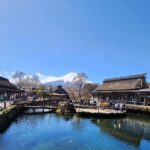
Oshino Hakkai is a traditional village known for its clear spring ponds. It gives the day a change of pace from lookout points: you can stroll among the ponds and take in a more settled, village atmosphere. An hour is allowed at this stop, though the time you actually spend there depends on the route and traffic.
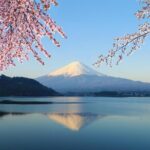
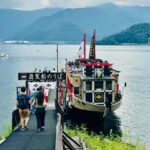
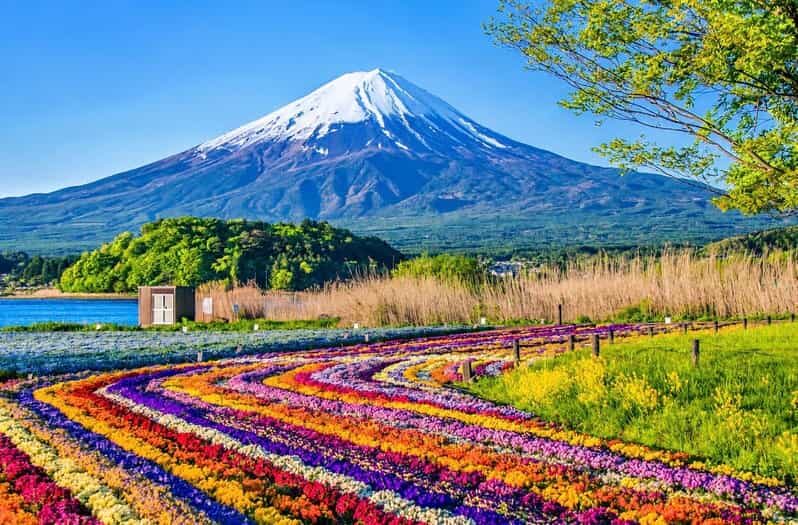
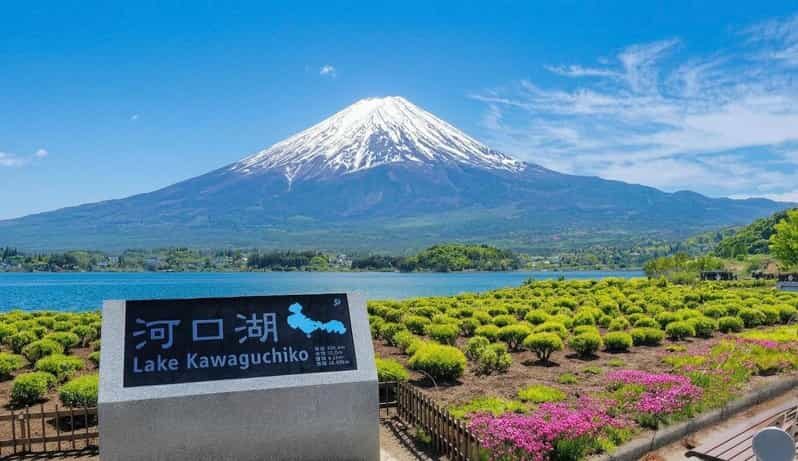
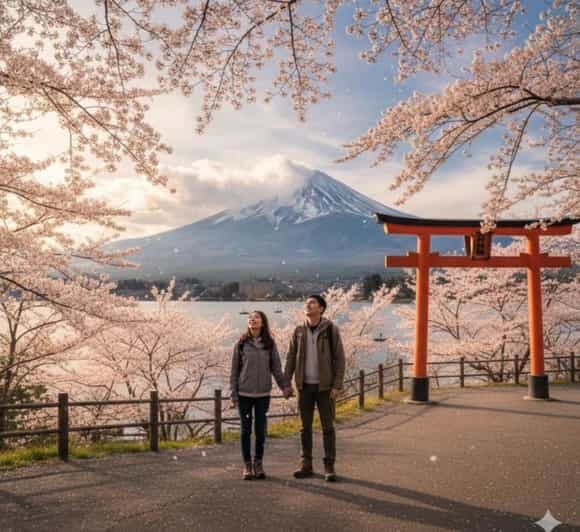
Lake Kawaguchi is another strong choice for Fuji views. You can walk along the shore and look for the mountain’s reflection, though that reflection also depends on weather and water conditions. Oishi Park is a separate lakeside stop, with time for a walk and photos. If your priority is a relaxed view of Fuji, these places are likely to serve you better than a packed list of quick stops.
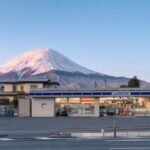
Saiko Iyashi-no-Sato Nenba offers a look at an old village setting, while Honcho Street and the Kawaguchiko Lawson are brief photo stops on some versions of the route. These are not equivalent experiences: the old village gives you more to explore, while a quick street or shop stop may suit you mainly if you have a particular photo in mind. Ask your guide which ones are practical on your chosen route.
More Great Tours NearbyThe Fifth Station is a high-altitude viewpoint, not a summit climb
Mount Fuji rises to 3,776 metres and has been a sacred mountain for more than a millennium. Pilgrims once travelled to pray for safety, health and good fortune. A stop at the Fifth Station offers a chance to see the mountain from higher up and take in broad views of the region, but it is not a climb to the summit.
The Fifth Station is included on the Fuji-focused route. If seeing it matters most, make that clear when agreeing on the day’s plan rather than leaving it as one item among many. Weather and access can affect what you see, and the tour information specifically advises against this activity for people with altitude sickness. It also lists pregnant women and people with high blood pressure as unsuitable participants.



Hakone’s steam, ropeway and sacred lakeshore
Hakone’s volcanic origins are easy to appreciate at Owakudani Valley, where steam and sulfur gases still escape from the ground. The area sits within a caldera formed by volcanic activity more than 400,000 years ago. It is a striking contrast to the calm lake and shrine visits, though sulfur gases and volcanic conditions make it sensible to follow your guide’s instructions.
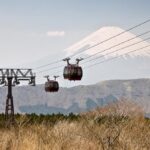
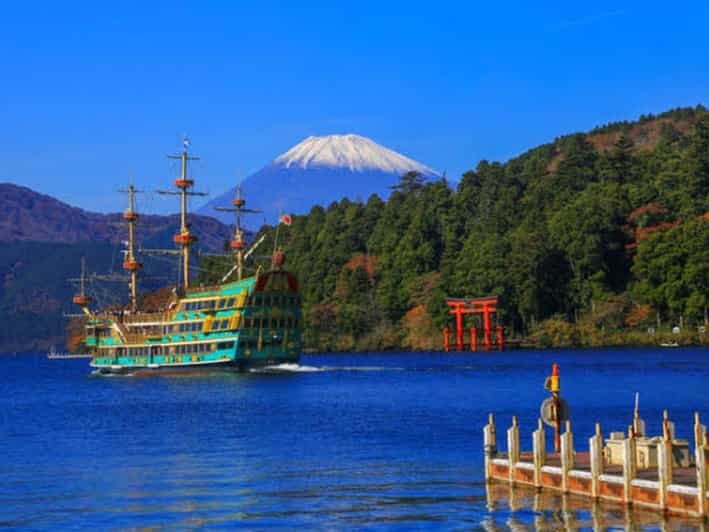
The Hakone Ropeway links sightseeing stops with views over the area. The itinerary includes ropeway time as well as a visit to Lake Ashi, but the exact sequence can vary with your chosen route. At the lake, Hakone Shrine sits among forested shores. Founded in 757, it has long been associated with mountain gods and was visited by samurai seeking protection and safe travel.
The ropeway and lake are worthwhile if you want a day that is more than a series of Fuji photo stops. But combining the full Hakone set with many Fuji-area locations may leave little time to linger. If you want the open-air museum, Owakudani, the lake and shrine, tell your guide those are priorities and keep other stops flexible.
Caves, waterfalls and shopping: useful alternatives, not must-dos
Narusawa Ice Cave and Shiraito Falls are additional nature stops. The cave visit includes a guided walk and safety briefing, while Shiraito Falls is listed as a separate stop with time to visit and walk. Both may appeal if you want something beyond the standard lake-and-pagoda circuit, but you should ask how they fit with your primary route.
Gotemba Premium Outlets is the shopping option, and it can be included if that matters to your group. It is a different kind of stop from the shrines and natural sights, so decide in advance whether shopping is worth using part of a limited sightseeing day. The outlet visit is optional, not a necessary finish.
What $303 buys, and what it does not
The listed price is $303 per group of up to five. If five people share it, that is $60.60 each for private transport, a full day, hotel pickup and drop-off, an English-speaking guide, water and coffee. For a family or small group, that can be attractive when compared with arranging separate transport to multiple sites.
The price does not include food or entrance fees. Ropeways, museums, caves or other paid attractions may add to the total, so check which activities you plan to do and what each costs before you set off. One family paid extra for a speedboat ride on the lake, an optional activity they particularly enjoyed; do not assume such add-ons are included.
This is a better-value choice when you want private transport and can fill most of the group places. It is less compelling if you are travelling alone or as a pair and mainly want a simple view of Fuji. In that case, compare the per-person cost with other transport options before booking.
Guides, comfort and a few sensible cautions
The driver-guide is central to this experience. Accounts name guides including Malik, Haider, Yuria, Jani, Rizwan and Sho Morita. Praise most often concerns flexible planning, safe driving, useful local suggestions and help taking photos. Some guides also helped arrange meals suited to dietary needs, but that is not guaranteed; mention your requirements ahead of time.
Experiences can vary. One person found the driver difficult to understand and felt the commentary was limited, so it is sensible to confirm the language you need and discuss how much guiding you expect. English-speaking guidance is included, while a long list of other languages is also advertised. Ask which language is available for your date rather than assuming every language can be provided.
Wear comfortable shoes and season-appropriate clothing. Exposed viewpoints can feel colder than central Tokyo, and a family that brought jackets and jumpers was glad to have them. Bring your passport or ID, camera, cash and credit card. Strollers and baby carriages are not allowed; alcohol and drugs are also prohibited. The activity is marked wheelchair accessible, but many stops involve walking, so confirm that the planned route suits your mobility needs.
Is this the right day trip for you?
Book this tour if you want a private, flexible way to connect Tokyo with Fuji-area sights, and value having a driver-guide help shape the day. It suits couples, families and small groups, particularly those who want to avoid managing multiple transport connections or who have specific places they want to see.
Think twice if you expect to cover every Fuji and Hakone stop in one day, need guaranteed clear views, or prefer a low-cost, fixed public transport plan. Choose a short list of priorities, ask how the route will work in 10 to 12 hours, and check which extra fees apply. With realistic expectations, the private format can turn a complicated day trip into a much more comfortable one.
From Tokyo: Mount Fuji & Hakone Customizable Private Tour
FAQ
How long is the tour?
It lasts 10 to 12 hours. The available starting times depend on the date you choose.
Where can I be picked up and dropped off?
Pickup and drop-off are provided in Tokyo, with Shinjuku City named among the locations. Check the available pickup details when booking.
How many people can join for the listed price?
The listed price is $303 per group of up to five people. The tour is private.
Can I choose which places to visit?
Yes. The itinerary is customizable. You can choose between a Mount Fuji-focused route and a Mount Fuji and Hakone route, then discuss your preferred stops.
What is included in the price?
The tour includes a private full-day trip, an English-speaking guide, an air-conditioned vehicle, hotel pickup and drop-off, water and coffee.
Are meals and entrance fees included?
No. Food and entrance fees are not included.
What should I bring?
Bring a passport or ID card, comfortable shoes, a camera, cash, a credit card and clothing suitable for the weather.
Can I cancel for a refund?
You can cancel up to 24 hours in advance for a full refund. The tour also offers a reserve-now, pay-later option.
You can check availability for your dates here: