
Miyajima’s famous torii gate is only the beginning. On this private walking tour, guide Leo connects the island’s best-known sights with the stories and customs that give them meaning, from Itsukushima Shrine to Daishoin Temple and quieter monuments along the way.
I like two things in particular: you get context for the sacred sites instead of simply passing through them, and the walk includes time for local snacks and practical food recommendations. One consideration: the route is brisk and Daishoin involves stairs, so it may not suit everyone’s mobility needs.
- At a glance: Miyajima’s sacred sights and local flavor
- Starting at Miyajima Ferry Terminal
- Omotesando: snacks before shrines
- The floating torii: a famous view with a story
- Itsukushima Shrine: the heart of the visit
- Gojunoto and Daiganji: smaller stops along the route
- Daishoin: a longer temple visit and a stair climb
- What makes the guide part of the value
- Is a fair price for three hours?
- Timing, pace, and who should book
- Should you book the Miyajima private tour?
- FAQ
- How long is the Miyajima tour?
- Where does the tour start?
- Is the tour private?
- What language does the guide speak?
- Are shrine tickets and food included?
- Is the route suitable if I have difficulty with stairs?
- More Tours in Miyajima
- More Tour Reviews in Miyajima
- Not for you? Here's more nearby things to do in Miyajima we have reviewed
At a glance: Miyajima’s sacred sights and local flavor
 1 / 8
 2 / 8
 3 / 8
 4 / 8
 5 / 8
 6 / 8
 7 / 8
 8 / 8
- A private English-language walk: Meet guide Leo at Miyajima Ferry Terminal and explore in a private group.
- The floating torii and Itsukushima Shrine: Spend time at the island’s signature sight and the shrine at its spiritual heart.
- A temple visit with a climb: Daishoin is a substantial stop, but reaching it involves stairs.
- More than monuments: Omotesando offers a taste of island food culture, with a local snack included.
- Useful local advice: Leo can suggest foods, drinks, and places to eat, including options for later in the day.
- Three hours, with a timing detail to check: The tour is described as three hours, though some descriptions call the walk two hours. Confirm the planned schedule when booking.
Starting at Miyajima Ferry Terminal
The meeting point is Miyajima Ferry Terminal, a practical place to begin once you arrive on the island. One visitor had trouble spotting the guide at first, so check your meeting instructions before setting off and contact the guide if anything is unclear. Leo has helped with arrival questions in advance, which can take some of the guesswork out of planning your visit.
This is a walking tour, not a ferry-and-island package. The listed route begins at the terminal and moves through the island’s central sights; transport to Miyajima is not listed as included. Build in time to reach the meeting point, especially if your day depends on a particular ferry connection.
The private-group format is a real plus if you like asking questions. People who have toured with Leo describe him as patient, friendly, and willing to adapt to individual requests. That can make a history-focused walk feel more like a conversation than a lecture, though private group does not necessarily mean a custom route.
You can also read our reviews of more tours and experiences in Miyajima.
Omotesando: snacks before shrines
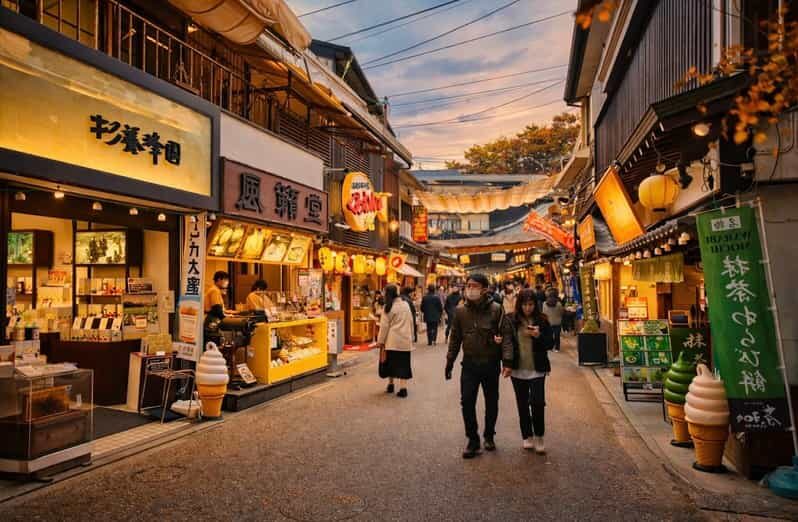
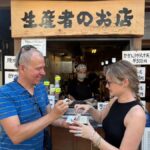
The first listed stop is Miyajima Omotesando Shopping Street, with about 20 minutes for a break, a walk, and browsing. It gives you a quick look at the island’s food and shopping scene before the tour turns to sacred sites. A local snack is included, and Leo can point out specialties and places to try.
Come with room for a bite. One useful tip is to avoid arriving already full if you want to enjoy the food stops. The tour does not include meals or drinks, so budget separately if you plan to sample more than the included snack or sit down to eat afterward.
Food advice is more than a pleasant extra here. Several people have valued Leo’s suggestions for snacks, drinks, and restaurants, including tips for the evening, when many island businesses close early. If you have limited time, ask what is worth trying and what is likely to be open later.
The floating torii: a famous view with a story
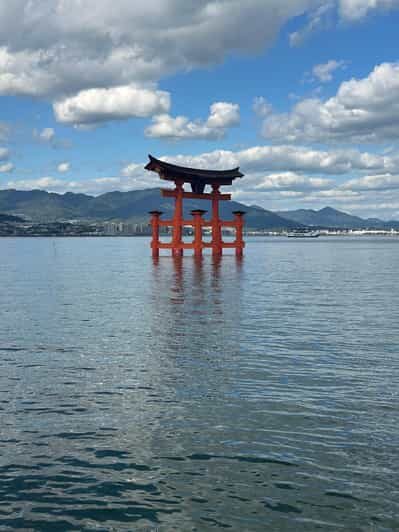
The tour allows about 20 minutes at the Itsukushima Floating Torii Gate for a guided visit and photos. It is the image many people come to Miyajima to see, but a guide can help you place the gate within the island’s sacred setting rather than treating it as a quick photo stop.
A short stop means you will need to choose your priorities. You can take pictures, listen to the explanation, and enjoy the view, but there may not be time to linger for as long as you would on an unguided visit. If photography matters to you, tell Leo; he has helped people find good picture spots.
The gate is a highlight, but the tour’s value lies partly in what comes with it: explanations of the beliefs, customs, and history associated with the shrine. Without that background, it is easy to admire the scene without understanding why it matters to the island.
Itsukushima Shrine: the heart of the visit
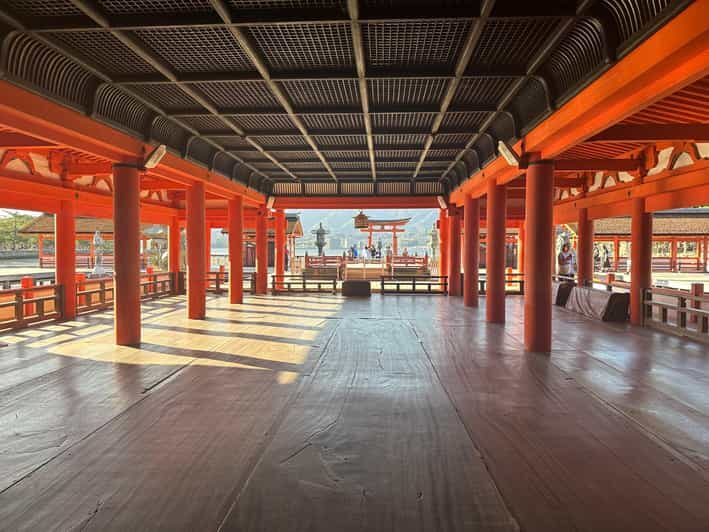
The route gives Itsukushima Shrine about 40 minutes, the longest stop before Daishoin. You’ll visit with a guide and have time for photos, while Leo explains the shrine’s place in Miyajima’s spiritual life. This is where the tour’s history focus pays off: the details can turn a beautiful setting into a place you understand better.
The shrine visit is not just a walk past a landmark. Leo’s explanations cover shrine customs and Japanese culture, and people have found that this context makes the visit more meaningful than wandering through on their own. You can ask questions as you go, which is especially useful if shrines and temples are new to you.
Keep in mind that the listed time is finite. If you prefer to explore every corner at your own pace, you may want extra time on the island before or after the tour. The guided visit gives you a strong introduction, not an unlimited stay.
Gojunoto and Daiganji: smaller stops along the route
Itsukushima Jinja Gojunoto receives a 20-minute guided visit and photo stop. It adds another layer to the route beyond the torii and main shrine, and gives Leo a chance to explain features you might otherwise walk past. The schedule does not provide a detailed description of the stop, so think of it as a compact visit rather than a long independent exploration.
Daiganji Temple is listed as a 10-minute pass-by, not a full temple visit. That distinction matters if you are hoping to spend time inside or explore it in depth. The tour’s main temple experience is Daishoin, so treat Daiganji as a brief part of the walk rather than a major stop.
These shorter pauses help make the three-hour route varied, but they also keep the pace moving. If you want to linger at one particular site, let your guide know and ask what can reasonably be adjusted.
Daishoin: a longer temple visit and a stair climb
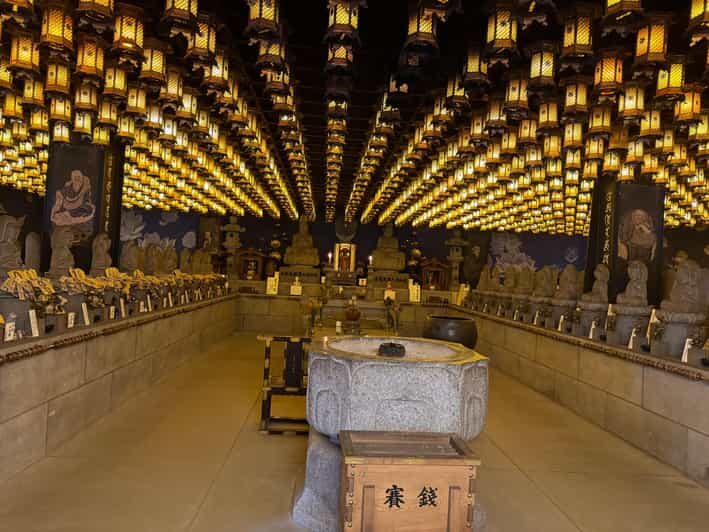
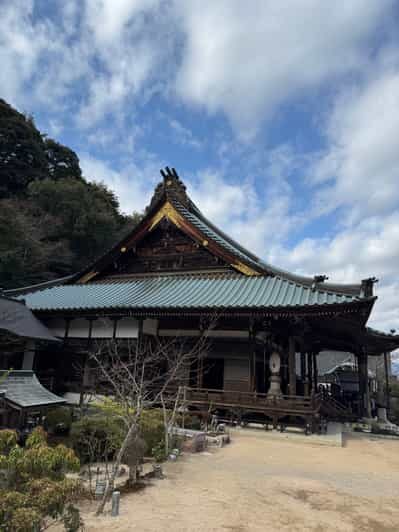
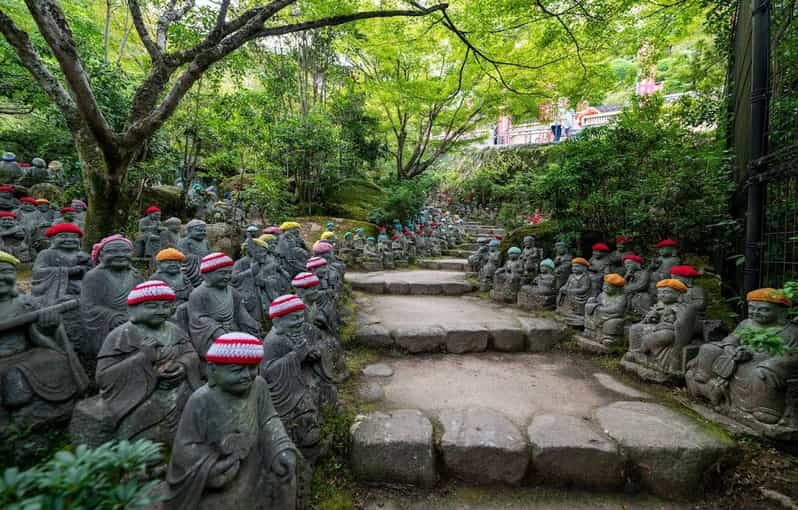
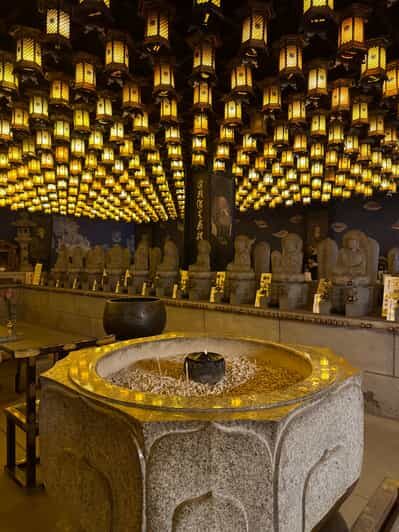
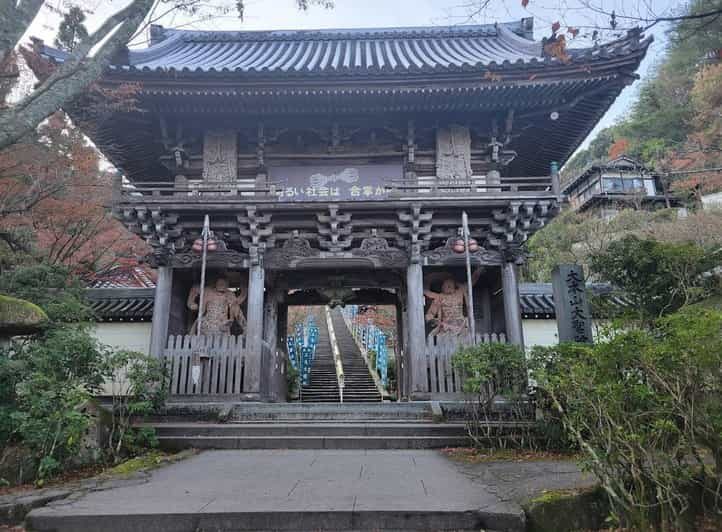
Daishoin gets about 45 minutes, making it the tour’s most substantial temple stop. It is described as a key center of Shingon Buddhism with centuries of history, and the visit is a chance to hear more about Japanese religious traditions beyond the shrine setting. Leo’s explanations and stories are a major part of what makes this stop worthwhile.
There is a practical catch: reaching the temple involves quite a few stairs. One person with mobility limitations could not join this part and returned toward the terminal, after which Leo checked in. That thoughtful response is reassuring, but it does not remove the physical demand. If stairs are a concern, ask the operator what options are available before booking.
Daishoin is also a good example of why the tour suits people who want more than a photo of the torii. The shrine and gate are iconic; the temple adds a different perspective on Miyajima’s spiritual life. If you have only a short visit, seeing both in one guided walk makes efficient use of your time.
What makes the guide part of the value
Leo is the guide named most often in the tour details and visitor comments. The recurring strengths are clear explanations, a friendly manner, patience with questions, and an ability to share anecdotes alongside the main history. People also appreciate his practical help, from food suggestions to taking photos for solo visitors.
That personal attention matters on a private tour. You can ask about Japanese customs, the island’s monuments, or what to eat, rather than waiting for a general talk to finish. Parents have also found the explanations engaging for children, though the walking pace and stairs still deserve consideration.
There is one small logistics note: a clear meeting point is not always obvious once you arrive. Check the location details in advance and keep the guide’s contact method handy. Getting that sorted early helps the tour begin calmly.
Is $89 a fair price for three hours?
At $89 per person, the price buys a private English-speaking guide, a local snack, tickets to Itsukushima Shrine, short breaks, and a route through the island’s main sacred sights. The value is strongest if you care about context and want the chance to ask questions. A self-guided visit costs less, but it will not include Leo’s explanations, food tips, or help finding details you might miss.
The private format also changes the calculation. For a couple or family, the per-person cost may feel worthwhile if you prefer a tailored conversation and a guide focused on your group. If you mainly want to see the torii and take photos, you may find a paid tour less essential.
Food and drinks beyond the included snack are not covered. Plan for those separately, and remember that a three-hour guided route does not necessarily leave time for a full meal during the tour. Ask Leo for food ideas if you want to make the most of your time on the island afterward.
Timing, pace, and who should book
The stated duration is three hours, but some descriptions of the experience call it a two-hour walk. Since that difference affects your day plan, confirm the expected duration and starting time before booking. The sequence includes short visits, a longer shrine stop, and 45 minutes at Daishoin, so plan for a guided walk rather than a slow, open-ended day.
An early start can be useful if you want to see the island before it feels crowded. One person specifically found a 9 a.m. tour a good choice for avoiding crowds. That is a practical tip, not a promise of an empty island; crowd levels can change.
I’d recommend this tour if you have a half day on Miyajima and want a clear introduction to its shrines, temple, stories, and local food. It is also a good fit for solo visitors who appreciate company and help with photos, couples who like asking questions, and families interested in culture. If you have difficulty with stairs, prefer a very slow pace, or want long stretches of unstructured time, weigh those limits carefully.
Should you book the Miyajima private tour?
Book it if the meaning behind the floating torii matters as much to you as the view. The combination of Itsukushima Shrine, Daishoin, local food pointers, and a guide who can answer questions gives you a more rounded introduction than a quick independent circuit.
Skip it if you want only a short photo stop, need to avoid stairs, or would rather set your own pace at every site. Before you commit, confirm the tour’s actual duration and meeting details. If those work for your plans, $89 buys a focused, personal way to understand Miyajima in a limited amount of time.
Miyajima Private Tour: A Journey to the Floating Torii
FAQ
How long is the Miyajima tour?
The activity is described as three hours. Some descriptions call it a two-hour walk, so confirm the expected schedule when you book.
Where does the tour start?
It starts at Miyajima Ferry Terminal. Check the meeting instructions in advance, as one person had trouble locating the guide at first.
Is the tour private?
Yes. The group type is listed as a private group.
What language does the guide speak?
The live guide speaks English.
Are shrine tickets and food included?
Itsukushima Shrine tickets and one local snack are included. Food and drinks beyond the snack are not included.
Is the route suitable if I have difficulty with stairs?
Daishoin involves quite a few stairs, so the route may be difficult if stairs are a concern. Ask the operator about your needs before booking.
You can check availability for your dates here: