KidZania Tokyo turns a day out into a working shift: children choose from roughly 100 jobs, put on uniforms, use real equipment, and earn the venue’s own currency. I like that the play has a point beyond dressing up: kids practice making choices and working with others. I also like the small rewards, from KidZo to food they make themselves.
The catch is that popular activities fill quickly, and the booking system inside can take a little figuring out. Parents cannot enter the work pavilions, so children need to be comfortable joining activities without you beside them. Plan ahead, especially if your child is young or does not speak Japanese.
- At a glance
- A city where children do the work
- From first job to KidZo
- Choosing activities without losing the day
- Morning or afternoon shift?
- Japanese, English, and working independently
- What admission costs, and what it gets you
- Practical details before you go
- Who will enjoy KidZania Tokyo most?
- Should you book KidZania Tokyo?
- FAQ
- What ages can do the activities?
- Do parents go into the job pavilions?
- Are the activities in English?
- How long is each session?
- Can children leave and come back in?
- Can I bring food and drinks inside?
- The Best Of Tokyo!
- More Tickets in Tokyo
- More Tours in Tokyo
- More Tour Reviews in Tokyo
- Not for you? Here's more nearby things to do in Tokyo we have reviewed
At a glance
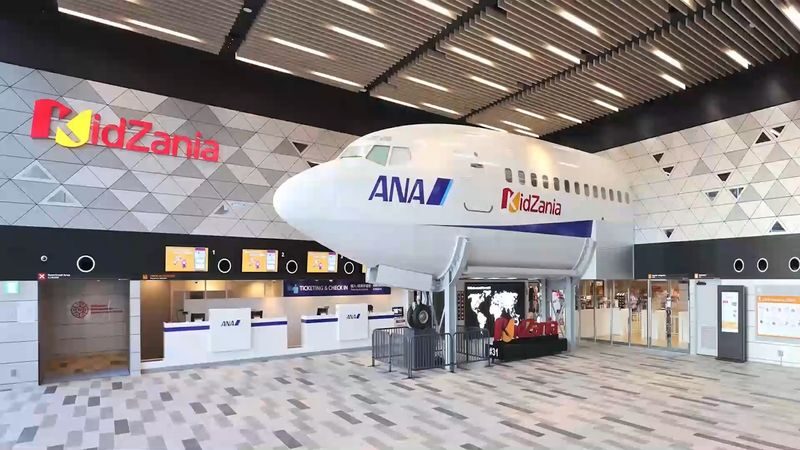 1 / 6
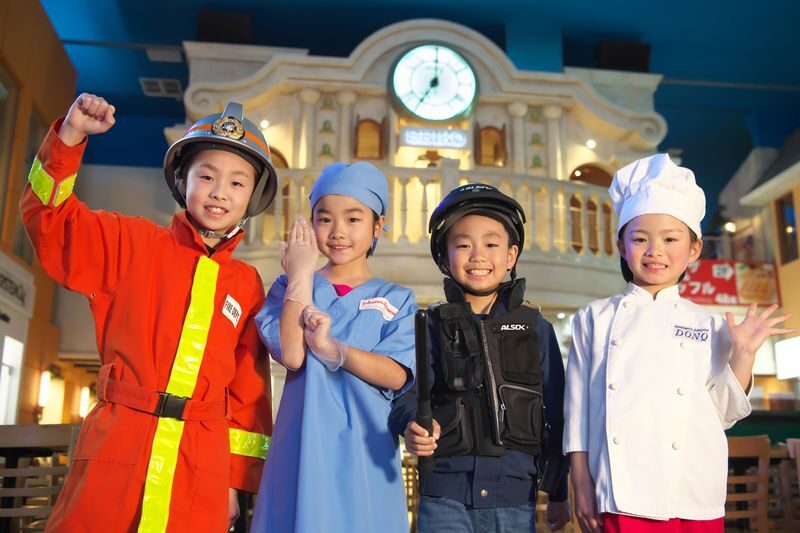 2 / 6
 3 / 6
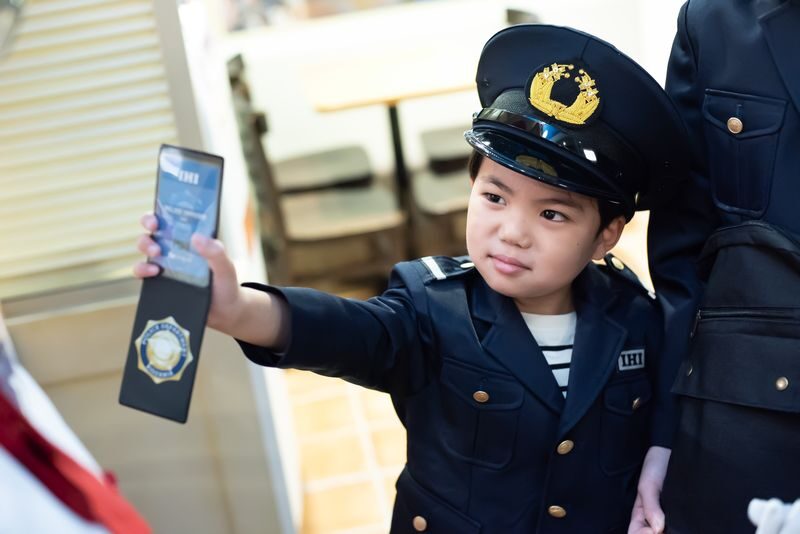 4 / 6
 5 / 6
 6 / 6
- A working city for children: Kids ages 3 to 15 take on jobs and services using real tools and equipment.
- About 100 activities: Options include food-making, banking, and other career experiences. The exact activities and available slots can vary.
- KidZania’s own money: Children earn KidZo after working, then can spend it or save it.
- Two session choices: The morning runs from 9:00 to 15:00; the afternoon runs from 16:00 to 21:00.
- Language matters: Most activities are in Japanese. On Wednesdays, about half are conducted in English.
- Parents stay outside the pavilions: Children take part independently, while an adult age 16 or older must accompany the group for admission.

👉 See our pick of the 25 Best Guided Tours In Tokyo
A city where children do the work
KidZania is less like a standard amusement park and more like a compact job-training town built for children. Kids choose a role, follow instructions, and work with other children. The setting gives ordinary play a useful structure: they are not simply pretending to be a baker or a bank worker, they are taking part in a defined activity with tools, steps, and a finish.
The facility offers about 100 kinds of jobs and services, though no child should expect to try them all in one visit. A session is finite, and each activity has a limited number of places. Some jobs take longer than others, while popular ones can book up early. Depending on the day, queues, and how carefully you plan, a child may complete several activities. Families have reported fitting in anywhere from about four to seven, but that is not a guarantee.
That limit can be part of the fun. Choosing what to do means weighing one appealing job against another, and children quickly learn that a full schedule takes planning. It can also frustrate a family that arrives with a long wish list. I would frame the day around a handful of priorities, not a mission to collect every possible experience.
You can also read our reviews of more tours and experiences in Tokyo



From first job to KidZo
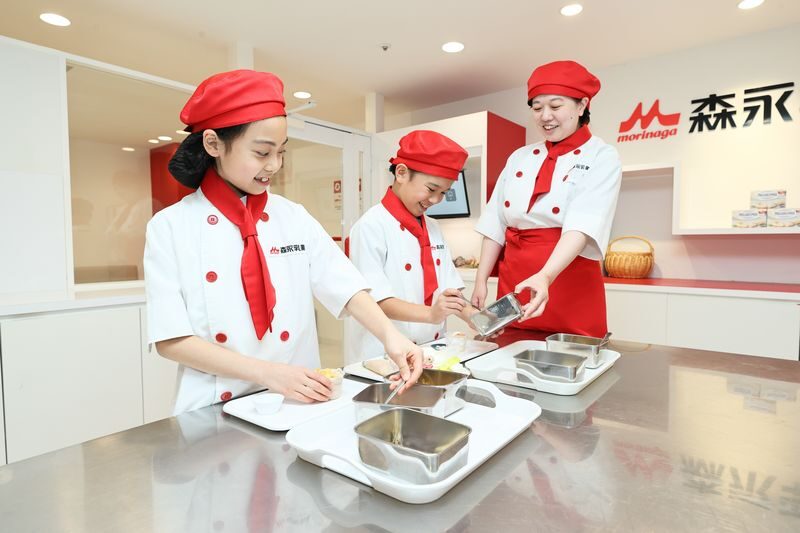
A typical activity begins with a child signing up for a job and joining the other children assigned to it. In the pavilion, staff guide the work, and children use the tools or equipment provided for that role. Uniforms add a bit of ceremony, and the finished activity gives the child something concrete to remember: a skill tried, a task completed, or, in some food jobs, something made to take away.
Food activities are an especially appealing choice for many children. Examples families have enjoyed include making pizza or bread, and some food experiences produce an item the child can eat or bring home. Other examples include making a Mos Burger-style meal, working in a bakery, and taking part in an airplane activity. The selection at your visit may differ, so treat these as possibilities rather than a fixed menu.
After a job, children receive KidZo, KidZania’s special currency. They can save it or spend it in the facility. This small detail gives the play a second layer: earning, choosing, and deciding whether to spend now or later. The spending options may feel modest to adults, but the point is the child’s control over the money they earned.
Some children also enjoy collecting stamps in a passport book. It gives repeat visits a built-in goal, and it can help a child keep track of what they have tried. If your child likes collecting, this could be a strong reason to return. One visit is unlikely to cover every job, and children often leave with a list of what they want to do next time.
Choosing activities without losing the day
The main planning challenge is the activity schedule. Experiences are allocated on a first-come, first-served basis, and places are limited. Some families find the sign-up rules confusing at first. The system may allow only a limited number of jobs on a child’s card at once, and the timing of the next activity can affect what they can book. That means an apparently open stretch of time may not be usable for every later activity.
Before your visit, watch KidZania’s activity reservation video and review its guidance for first-time visitors. If an official app is available to you, families have found it useful for checking available slots. On arrival, ask staff how the sign-up process works and which activities have limited places. A quick question at the start can save a lot of backtracking later.
Make a short list with your child: one or two must-do jobs, followed by a few acceptable alternatives. Then be ready to adjust. A child who is set on one popular activity may have to choose between waiting for it and taking a different job sooner. That is not a flaw in the concept, but it does mean parents should prepare for some schedule wrangling.
Arrive early if you can. Numbered admission tickets are distributed before the sessions, with distribution listed at around 7:40 for the first shift and around 10:15 for the second. Admission begins about 30 minutes before the activity session starts. Early arrival can help you enter sooner and make plans before popular jobs fill, particularly during school holidays or on weekends. It cannot guarantee a spot in any particular activity.
Morning or afternoon shift?
The morning session runs from 9:00 to 15:00, a six-hour block. The afternoon session runs from 16:00 to 21:00, a five-hour block. Both give children a substantial stretch of time, but the morning shift offers one more hour and starts earlier. Choose the option that best fits your family’s energy and Tokyo plans, rather than assuming that one is always less crowded.
The afternoon session has its own early check-in and numbered-ticket process. If you choose it, do not treat 16:00 as the time to begin thinking about arrival. Admission starts about 30 minutes before activities, and the queue number can influence when you enter. The afternoon may suit a family that wants a later start, but it is still a tightly timed session.
The supplied activity information also gives a general visit duration of three to five hours. In practice, your ticket is for a set session, so check the shift and date on your booking. The venue lists the morning hours as 9:00 to 15:00 and offers a separate 16:00 to 21:00 ticket. You are not buying an open-ended day pass.
Japanese, English, and working independently
Most activities are conducted in Japanese. Children who do not speak Japanese may still follow demonstrations, gestures, and the flow of a group, but language can make instructions harder to follow. Some families have managed activities without Japanese; others may find it tougher, especially for a younger child who wants a lot of explanation.
Wednesday is English Day. About half of the activities are held in English, which can make the day easier for children who are not confident in Japanese. It does not mean every job will be available in English, however. Some activities may still be in Japanese, and other limits, such as height restrictions, can apply. If language is a major concern, ask staff about the day’s options when you arrive.
A separate premium English-speaking tour is also offered for booking. It includes four guaranteed work experiences, a private room, meals, souvenirs, and a Japanese cultural experience. Those extras are not part of the standard admission ticket discussed here, so compare the separate package if you want more structure and English support.
Parents and guardians cannot enter the pavilions. This is central to the format: children do the job themselves, rather than with a parent at their elbow. For a confident child, that independence is part of the appeal. For a child who is shy, very young, or uneasy with Japanese, it is worth considering before you pay. An adult age 16 or older must accompany the group for admission, but children ages 3 to 15 are the intended participants.





What admission costs, and what it gets you
Tickets start at $13.09, though the actual price depends on the selected date and session. Admission covers access to the attractions and activities, not the separate premium English-speaking package. Because the experience is indoors and can occupy most of a morning or afternoon, the ticket can offer good value for families who make active use of the session.
The value comes less from how many jobs a child completes than from the kind of participation. Children work in groups, take direction, make choices, and receive KidZo for their effort. If your child enjoys role-play and hands-on tasks, that can make a half-day feel full. If they are impatient with waiting or want a fast sequence of rides, the pace may seem slow.
Food and drink from outside are not allowed inside. Some activities produce food, and the venue has food options, but plan for the restriction rather than packing a snack to bring in. Check the venue’s current guidance before arrival for any details you need about eating during your session.
Klook booking is a straightforward way to secure admission for a chosen date and shift. You can enter directly with your voucher, and families have used the QR code for admission. The voucher is date-specific. If you need to change the date, time, or number of people, the stated process is to cancel and book again, subject to the cancellation deadline. Do not assume a ticket bought through another platform can be converted to a Klook booking.
Practical details before you go
KidZania Tokyo is at 3F North Port, Urban Dock LaLaport Toyosu 1, 2-4-9 Toyosu, Koto-ku, Tokyo. The meeting point is the venue itself. The experience is inside a commercial complex, which offers a sheltered setting, but the activity rules still deserve a careful read before you arrive.
Children ages 3 to 15 may take part and must be accompanied by a paying adult. Children age 16 and older are charged the adult rate. Children under 2 are admitted free but cannot do the activities. The admission rules also state that a group cannot enter with only an adult and an infant, and reservations must include both an adult and a child participant. Check your group’s booking details closely if you are bringing a baby or toddler.
All members of the reserved group must be present at the entrance and exit. Adults may temporarily leave and return subject to restrictions, but children cannot leave and re-enter. Once you leave the venue, re-entry is not allowed. That makes it wise to settle meal, bathroom, and meeting plans before the children get deep into their schedule.
Who will enjoy KidZania Tokyo most?
This is a strong pick for children who like role-play, making things, collecting achievements, or acting independently. It works especially well for siblings or friends who can each choose their own jobs and then compare what they did. The age range is broad, from 3 to 15, but interests change quickly across those years. A four-year-old may love the costumes and hands-on tasks while an older child may want more demanding activities. If your child is at the upper end of the age range, talk through the job choices before booking.
It is less suited to families who want to spend the day together inside every attraction. Parents cannot accompany children into the work pavilions, and much of the activity is in Japanese outside Wednesday. Crowds and waiting can also test a child’s patience. If your family likes a loose, unplanned day, the scheduling system may feel like work for the adults.
Should you book KidZania Tokyo?
Book it if your child is eager to try jobs, enjoys structured pretend play, and can take part without you beside them. The uniforms, tools, KidZo, and chance to make food give the day a satisfying sense of purpose. For many families, it is also an appealing indoor choice on a hot or rainy day.
Think twice if your child needs close parental support, is easily frustrated by waits, or would struggle with Japanese instructions. To get the best value, choose the session that suits your family, arrive early, prepare a short list of priorities, and ask staff about activity sign-ups as soon as you enter. The experience rewards a little planning, but leave room for your child to choose a job simply because it looks fun.
KidZania Tokyo Ticket
“My daughter was able to experience jobs she's never done before. She loves the passport book experience. I really wish that you could have 2 jobs o…”
FAQ
What ages can do the activities?
The facility activities are for children ages 3 to 15. Children under 2 may enter free but cannot take part in activities.
Do parents go into the job pavilions?
No. Parents and guardians are not allowed inside the pavilions. An adult age 16 or older must accompany each group for admission.
Are the activities in English?
Most activities are in Japanese. Every Wednesday is English Day, when about half of the activities are held in English. A separate premium English-speaking tour is also available.
How long is each session?
The first shift runs from 9:00 to 15:00, and the second shift runs from 16:00 to 21:00. Admission begins about 30 minutes before activities start.
Can children leave and come back in?
No. Children cannot leave temporarily and re-enter, and re-entry is not allowed after leaving the venue. Adults may temporarily leave and return, subject to restrictions.
Can I bring food and drinks inside?
No. Outside food and drinks are not allowed inside the venue.