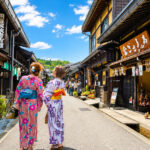
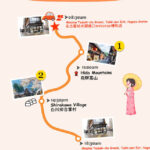
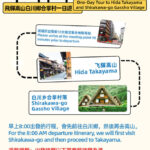
Shirakawa-go’s steep-roofed farmhouses are the star here, but this day trip adds two worthwhile stops: Gujo Hachiman’s canals and Takayama’s old town. You cover a lot of Gifu Prefecture without piecing together separate bus connections.
I like the chance to see three very different places in one outing, and the low starting price makes the long ride easier to justify. I also like having English- and Chinese-speaking staff on board, especially when you need help with departure times or basic logistics.
The trade-off is time: you have about an hour in Gujo Hachiman, two hours in Takayama, and an hour and 35 minutes in Shirakawa-go. Staff are not promised to act as sightseeing guides, so plan to explore on your own.
At a glance
- Shirakawa-go: See the UNESCO-listed village and its distinctive gassho-style farmhouses, with an optional visit inside Wada House for an extra fee.
- Three stops, one long day: The tour leaves Nagoya at 8:25 am and is scheduled to return around 7:30 pm.
- Gujo Hachiman: Use the hour to stroll by the waterways or take the uphill route toward Gujo Hachiman Castle.
- Takayama: Two hours gives you time for lunch and a quick wander through the old town, not a thorough visit.
- Independent exploring: English- and Chinese-speaking staff are included, but detailed destination commentary is not part of the service.
- Good value with limits: Transport and tolls are covered, while meals, admission fees, and other personal costs are extra.

👉 See our pick of the 3 Best Historical Tours In Shirakawa
- At a glance
- Three Gifu stops from one Nagoya departure
- Gujo Hachiman: canals or castle climb
- Takayama: lunch, old houses, and a quick browse
- Shirakawa-go: the main event in 95 minutes
- The staff help with logistics, not a guided tour
- Food, fees, and what to bring
- Is the .65 starting price good value?
- Who should book this day trip?
- FAQ
- Where does the tour leave from?
- How long is the tour?
- Are meals included?
- Does the tour include a sightseeing guide?
- Are admission fees included?
- What is the minimum age to join?
- The Best Of Shirakawa!
- More Tours in Shirakawa
- More Tour Reviews in Shirakawa
- Not for you? Here's more nearby things to do in Shirakawa we have reviewed
Three Gifu stops from one Nagoya departure
 1 / 8
 2 / 8
 3 / 8
 4 / 8
 5 / 8
 6 / 8
 7 / 8
 8 / 8
This is a bus day built around variety. Gujo Hachiman offers canals and a castle-town setting, Takayama brings old streets and shops, and Shirakawa-go supplies the countryside image many people have come to see. Taken together, they make a broad introduction to central Gifu.
The main practical advantage is not having to arrange transport between these places yourself. The distances are long enough that fitting all three into one day by independent public transport would take planning, and a private car costs far more than the starting price of this tour. At from $48.65, it can be a sound deal if your priority is seeing the highlights rather than lingering.
That bargain comes with a clear limit. The day lasts about 11 hours, including the drives, and the sightseeing windows are short. Think of this as a sampler, not a leisurely visit to three towns. You’ll get a first look, a few memorable walks, and a chance to decide which place deserves a return trip.
The group can range from one to 40 people. A full bus can mean more waiting as people gather and board, while the schedule depends on traffic, weather, and road conditions. The stop order may also change with the bus assignment. Keep some flexibility in your evening plans, since a late return is possible.
You can also read our reviews of more tours and experiences in Shirakawa.


Gujo Hachiman: canals or castle climb
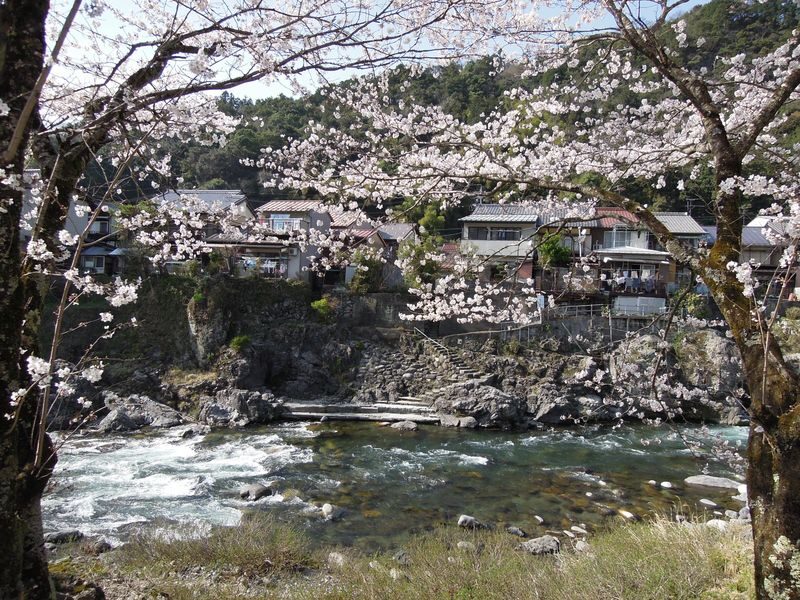
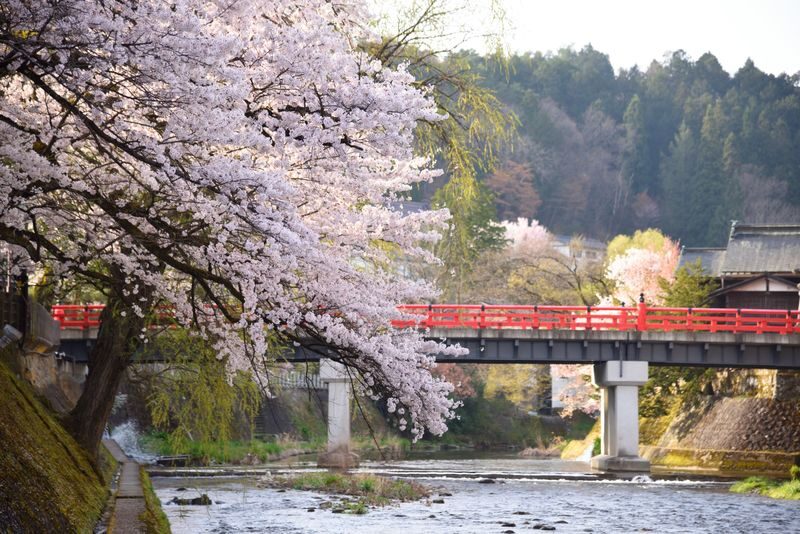
The first stop is Gujo Hachiman, where the bus parks at Gujo Hachiman Jokamachi Plaza. You have about an hour to make your own choice: explore the old town and its waterways, or walk uphill toward Gujo Hachiman Castle. The canals, bridges, and fish-filled water are a distinctive contrast to the more heavily visited stops later in the day.
An hour goes quickly, particularly if you choose the castle route. The hike is described as light, but it still takes time, so decide early rather than spending half the visit debating. If you prefer a gentler start, stay near the historic streets and water channels. Some visitors may find this stop quieter and less striking than Takayama or Shirakawa-go, but that calm is part of its appeal.
You may have a choice between following a short town walk with the group or setting off independently toward the castle. Don’t assume the staff will provide a full guided tour or detailed directions. A map on your phone and a little advance research can help you use the hour well.
Takayama: lunch, old houses, and a quick browse
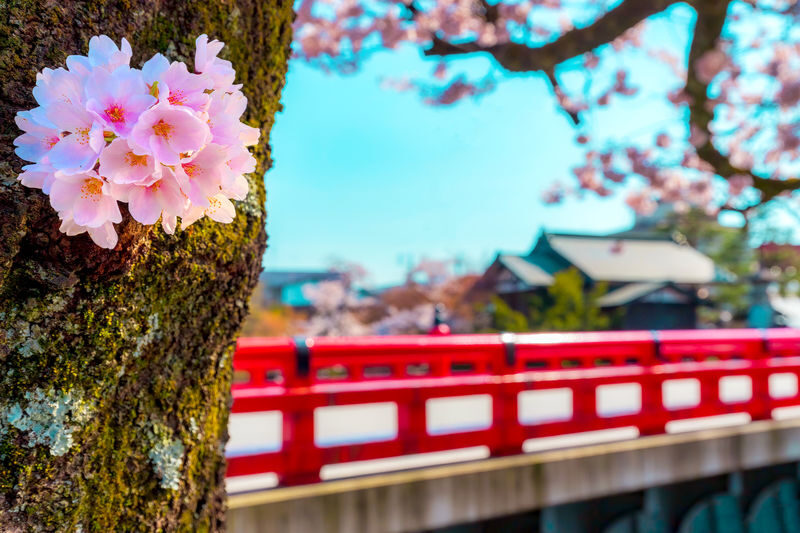
Takayama gets the longest visit, about two hours. Its old town streets are lined with traditional-looking wooden buildings, shops, and places to eat. This is the stop to set aside for lunch, which you pay for yourself.
Two hours sounds generous after Gujo Hachiman, but lunch takes a meaningful bite out of it. If you want to shop, eat, and see more than one street, keep your plans simple. Hida beef is one local food option noted by people who have visited, but the tour does not include a meal or provide a set restaurant stop. Check opening days if a particular shop or attraction matters to you; some businesses may be closed on the day you go.
There is also a Retro Museum, where you can play video games popular in Japan around the 1980s and 1990s. Admission is extra, and a museum visit may compete with your time outdoors. I’d treat it as an optional stop for anyone with a special interest in that era, rather than trying to squeeze it in automatically.
Takayama is a place where a little preparation pays off. Pick your lunch area and one or two streets to explore before the bus arrives. The staff can help with practical information such as departure times and restroom locations, but they are not contracted as destination guides. You may get helpful explanations from an individual staff member, but don’t book on the assumption that someone will lead you through the town or recommend a full route.
Shirakawa-go: the main event in 95 minutes
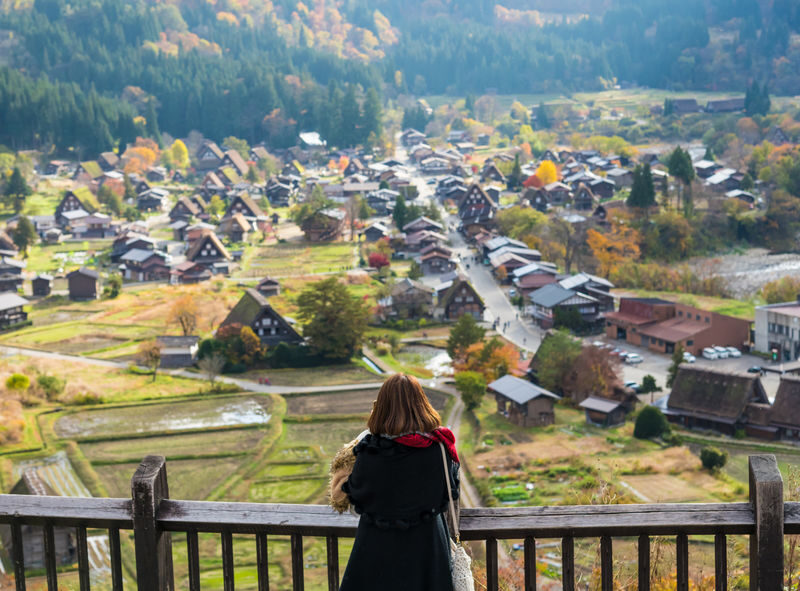
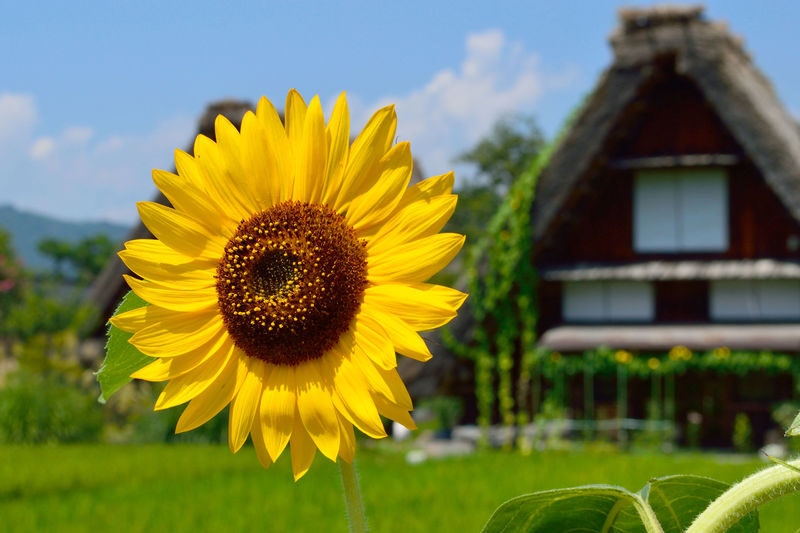
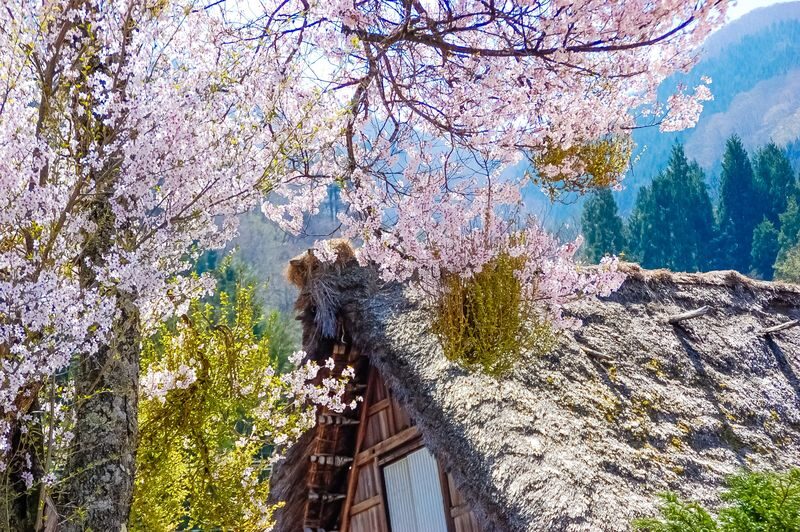
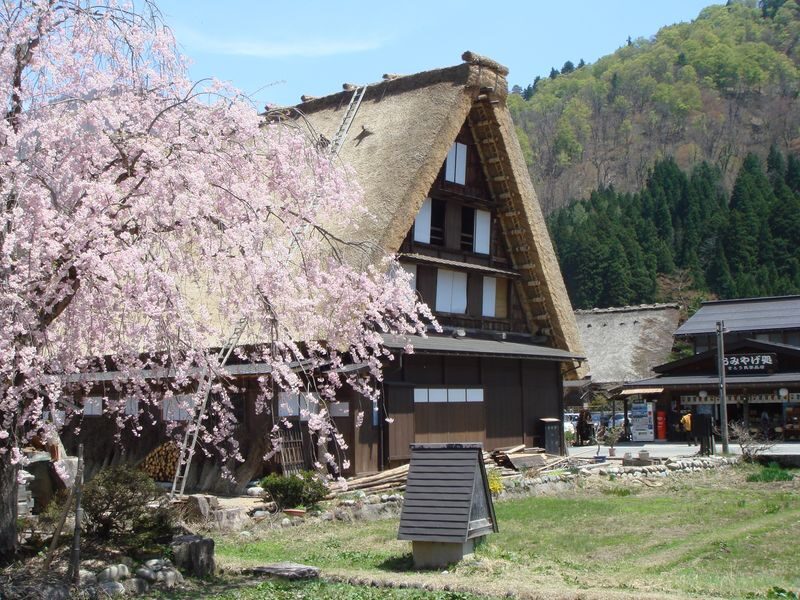
You get about an hour and 35 minutes at Shirakawa-go, arriving at the Seseragi Park parking area. This is the tour’s headline stop: a UNESCO World Heritage Site registered in 1995, known for gassho-style farmhouses with steep roofs designed to cope with heavy snowfall. The village’s rural setting and traditional buildings make it quite different from the town streets at Takayama.
That time is enough for a focused walk and photos, but not for every path, viewpoint, and interior. Wada House is a nationally designated Important Cultural Property, and you can pay an additional admission fee to see inside its farmhouse. If the interior matters to you, allow time for it rather than leaving the decision until the last few minutes.
The walk to a broader view of the village may also take time. Some visitors have found they could not fit in the viewpoint, so don’t count on covering the whole area at a relaxed pace. Choose between wandering the village, visiting Wada House, and seeking a higher view based on your interests and the conditions that day.
Weather changes the feel of this stop. Snow can make the village especially striking, but cold conditions call for warm layers and shoes suited to walking. In other seasons, the village still offers a strong sense of place, though the views and opening hours can vary. Shops in Shirakawa-go may close early, so don’t leave food or souvenir shopping until the final minutes.
The staff help with logistics, not a guided tour
The experience includes English- and Chinese-speaking staff, transport, and toll fees. The staff’s stated role is practical: they can help with information such as bus departure times and restroom locations, but they do not provide detailed sightseeing guidance. That distinction matters. If you expect historical commentary, a personal walking tour, or a guide choosing the best route for you, this is not the right format.
Some staff members may offer explanations or help with photos, and named staff have included Jenny, Kiki, and Wang. But the person assigned to your departure can vary, so treat those names as examples, not a promise. The most reliable expectation is assistance with group timing and basic communication.
The main meeting point is outside the west police box at Nagoya Station’s Taikodori Exit. Arrive at least 10 minutes early and look for a blue flag. The bus departs at 8:25 am, and late arrivals or no-shows are not eligible for a refund. The first meeting can feel busy, particularly if several buses or tour groups gather nearby, so confirm the flag and your name with the staff before boarding.
The return is scheduled for around 7:30 pm at JR Nagoya Station, where the group disbands. Delays can happen because of traffic, weather, or road conditions, and the operator does not cover taxi or accommodation costs if you arrive late. Avoid making a tight onward connection that evening.




Food, fees, and what to bring
Meals and drinks are not included. Takayama is the planned lunch stop, so bring cash or a payment method you can use there and leave enough time to eat before exploring. Dinner is less straightforward: there may be no opportunity to buy food during the return journey, so bring a light meal or snack for the bus.
Admission fees are also extra. The clearest optional costs are Wada House in Shirakawa-go and the Retro Museum in Takayama, along with any other attractions you choose to enter. Keep a little room in your budget for food and personal purchases; the advertised price covers the transport portion, not every activity along the way.
Pack for a long day with changing conditions. A charged phone helps with maps and meeting times, while a portable battery can be useful if you take many photos. Bring suitable walking shoes, weather-appropriate layers, and a small snack. There is a lot of time on the road, so a book, music, or downloaded entertainment can make the longer stretches pass more easily. Bus Wi-Fi is not specified, so don’t count on having it.
Is the $48.65 starting price good value?
For a low starting price, getting transport to three places that are not next door to one another is compelling. The tour handles the long drives and tolls, and you don’t have to coordinate separate connections. If your alternative is skipping the region because the logistics seem daunting, this is a practical way to see it.
Value depends on what you want from each stop. If you’re content with a quick walk, a meal, and a first look at Shirakawa-go, the price can feel fair. If you want time for a castle visit, a full Takayama lunch and shopping session, and a thorough exploration of the village, the schedule will feel compressed. A private transfer or a longer stay in the area gives you more control, but costs more and needs more planning.
The strongest part of the day is the range: waterways, an old town, and a historic mountain village in one outing. The weakest part is the lack of depth. You are buying access and convenience, not a guided cultural tour. The value is best when you accept that bargain plainly.
Who should book this day trip?
I’d consider it if you’re based in Nagoya, have one free day, and want to see Shirakawa-go without arranging transport yourself. It also suits people who enjoy independent wandering and can keep moving without needing a detailed introduction at every stop. Families with children aged three and older can participate, though the long day and extended bus rides make it a poor fit for infants and a tiring choice for very young children.
This is less suitable if you want a slow visit, a guide with detailed historical commentary, or plenty of time in each town. It may also frustrate anyone who wants to make several unhurried stops for food, shops, and viewpoints. Before you book, decide which site matters most and make it your priority. That small bit of planning can turn a rushed checklist into a satisfying day.
Bookings are changeable until 48 hours before the activity, subject to the stated exclusions, and full cancellation refunds are available with at least 48 hours’ notice. Present your mobile voucher on the specified date. The tour can be canceled in extreme weather or other unforeseen circumstances, with a reschedule or full refund offered.
Nagoya Shirakawa-go & Takayama Jinya Full-Day UNESCO Tour
“Has an amazing command of three languages and is very patient with explanations.”
FAQ
Where does the tour leave from?
Meet at 8:25 am outside the west police box at Nagoya Station’s Taikodori Exit, at 6-4-1 Tsubaki-cho, Nakamura-ku. Arrive at least 10 minutes early and look for the staff member holding a blue flag.
How long is the tour?
The scheduled day runs from 8:25 am to about 7:30 pm. Traffic, weather, road conditions, or other unforeseen events can change the schedule and delay the return.
Are meals included?
No. You pay for your own food and drinks. Takayama is the lunch stop, and it’s sensible to bring a light meal or snack for dinner because food may not be available during the return journey.
Does the tour include a sightseeing guide?
No. English- and Chinese-speaking staff accompany the group and can help with practical information, but they do not provide detailed tourist guidance at the destinations.
Are admission fees included?
No. Admission and activity fees are extra. Wada House in Shirakawa-go and the Retro Museum in Takayama are examples of optional paid visits.
What is the minimum age to join?
Participants must be at least three years old. The tour is not recommended for infants because of the long travel time.