Itoshima’s coastal photo stops and two important shrines sit in different directions from Fukuoka, so fitting them into one day by public transport takes planning and compromises. This tour connects them by road, from a cool mountain waterfall to the sea-facing Married Couple Rocks and Miyajidake’s famous Path of Light. I like the variety of the route, and the guide’s help with photos and timekeeping can make a busy day easier.
I also like that Ichiran no Mori adds a food stop to the scenery and shrines, with time to eat ramen and see the noodle factory. The trade-off is a packed schedule: you have set stop times, long stretches in the vehicle, and little room to linger if a view or meal deserves more time.
- At a glance
- One day, several sides of Fukuoka
- Shiraito Falls: a cool start in the hills
- Married Couple Rocks and the Itoshima coast
- Ichiran no Mori: noodles, factory, and a clock to watch
- Munakata Taisha: an old shrine on the route
- Miyajidake Shrine and the Path of Light
- The real value: saving the transport puzzle
- Before you set out from Fukuoka
- Should you book this Itoshima day trip?
- FAQ
- How long is the tour, and when does it leave?
- What places does the tour visit?
- Are food and drinks included?
- What language does the guide speak?
- What happens if I arrive late?
- Can I bring luggage or a child seat?
- More 1-Day Tours in Itoshima
- More Tours in Itoshima
- More Tour Reviews in Itoshima
- Not for you? Here's more nearby things to do in Itoshima we have reviewed
At a glance
 1 / 10
 2 / 10
 3 / 10
 4 / 10
 5 / 10
 6 / 10
 7 / 10
 8 / 10
 9 / 10
 10 / 10
- A mountain start: Spend about 30 minutes at 24-meter Shiraito Falls, with a chance to see seasonal flowing somen noodles.
- Two classic Itoshima photo stops: Visit Sakurai Futamigaura’s Married Couple Rocks and the Palm Tree Swing, with roughly an hour and 40 minutes combined.
- Ramen with a factory visit: Ichiran no Mori gets about 70 minutes, but meals and drinks are extra.
- Two shrine visits: See Munakata Taisha and Miyajidake Shrine in the same day, including the approach known as the Path of Light.
- A long, transfer-free day: Depart Fukuoka at 8:30 am and expect to return around 6:30 pm, subject to traffic and weather.
One day, several sides of Fukuoka
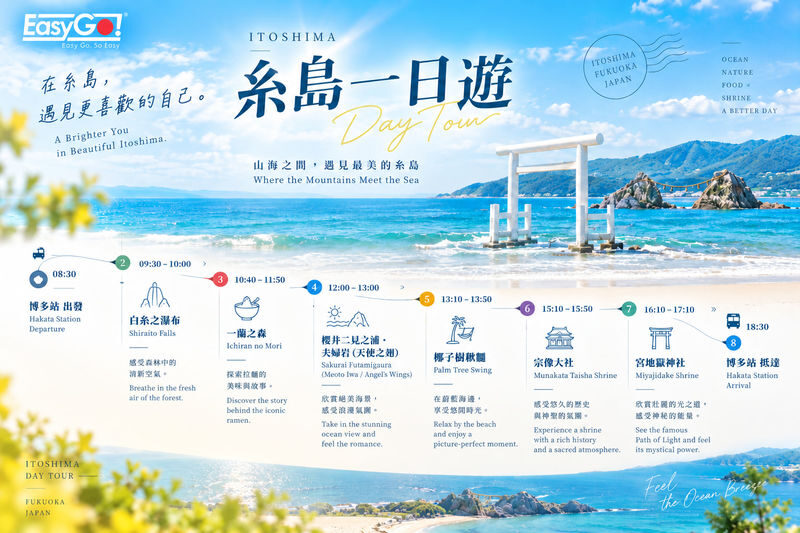
This is not a slow coastal ramble. It is a full-day sampler that moves between mountain scenery, Itoshima’s shoreline, a ramen destination, and two major shrines. The route’s main selling point is practical: you do not have to work out connections between places that sit in different directions from Fukuoka.
The trip runs about ten hours, with round-trip transport from a meeting point near Hakata Station. That makes it useful if you have only one free day and want to see more than one area beyond the city. In return, you give up some independence. The group sets the pace, and each stop has a fixed window.
The tour is described as a small-group outing for six or more people, with a driver and guide. The included guide service is Chinese-speaking. English ability can vary, so if you need detailed commentary in English, do not assume it will be available. Some guides have been praised for clear explanations, attentive care, and offering to take photos. Names mentioned include Wang Qi, Chen Yun, and Xiao Chen, but you cannot count on a particular guide being assigned.
You can also read our reviews of more tours and experiences in Itoshima

Shiraito Falls: a cool start in the hills
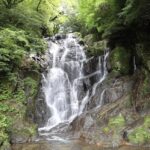
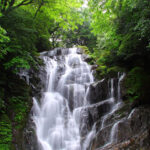
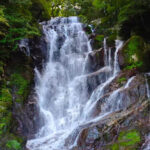
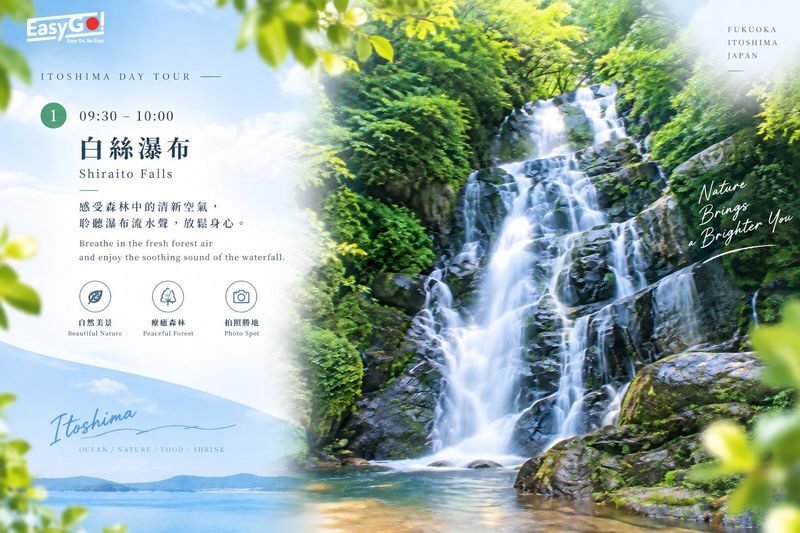
The day begins at Shiraito Falls, a 24-meter cascade tucked into the mountains. The stop is scheduled for about 30 minutes, enough for a short walk toward the falls, a look at the water and surrounding setting, and a few photos. The sound and cool spray offer a change of pace from the drive and the coastal stops ahead.
In summer, this can be a welcome break from the heat, but the trail and ground may be slippery. Comfortable shoes with grip are a sensible choice. Bring water and sun protection for the day as a whole, even though the waterfall stop itself is shaded and cool.
Seasonal flowing somen noodles are mentioned as an option at the falls. Their availability depends on the season, and the short stop means you should not count on a long meal here. Treat it as a possible extra, not a guaranteed part of the tour.
Married Couple Rocks and the Itoshima coast
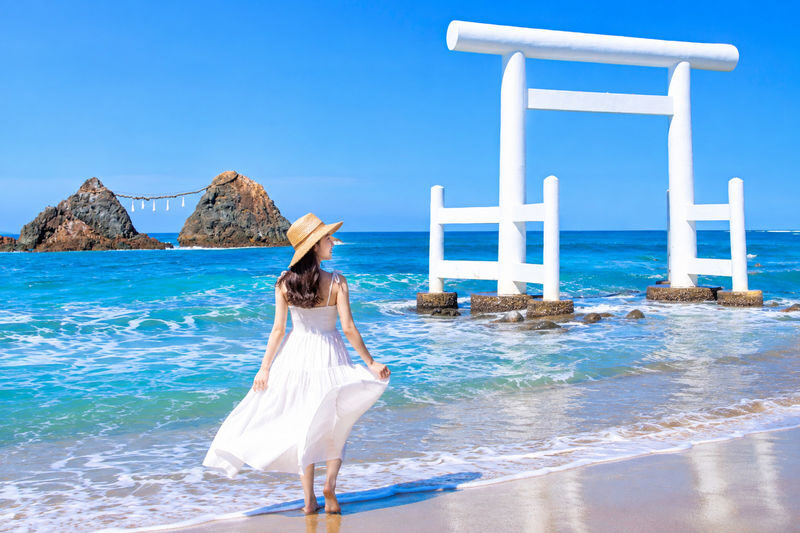
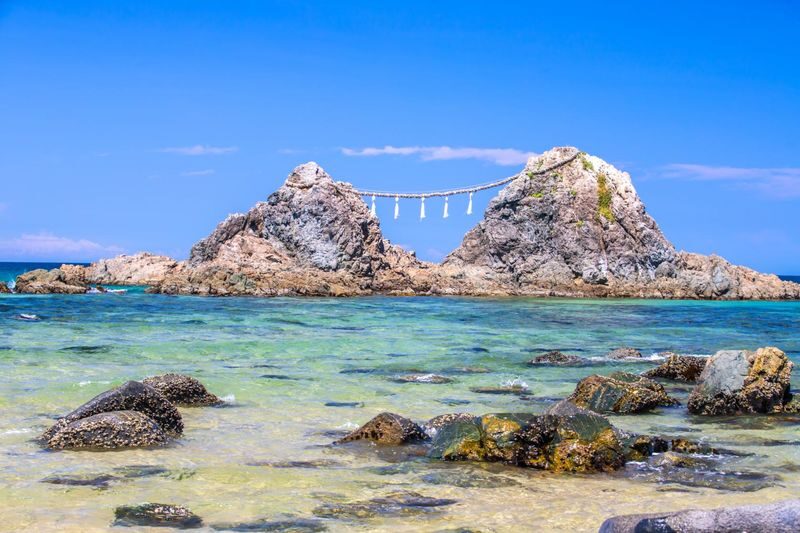
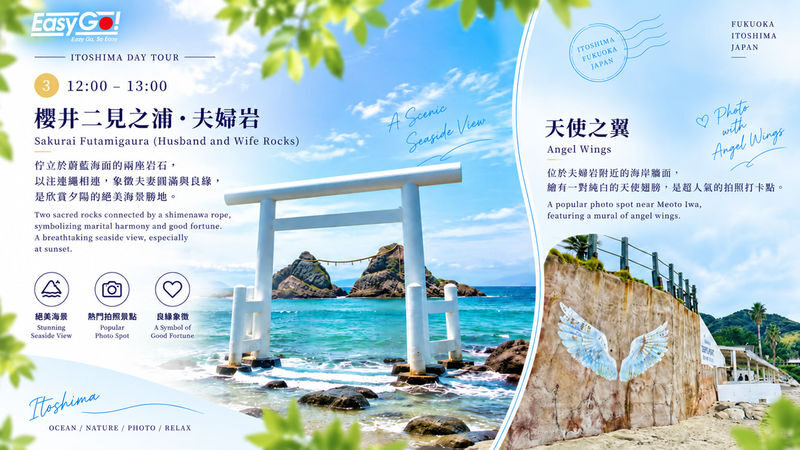
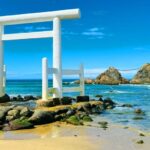
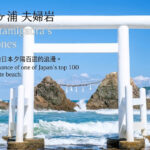
Next comes Sakurai Futamigaura, where two large rocks sit offshore, linked by a sacred rope. Known as the Married Couple Rocks, they are among Itoshima’s best-known coastal sights. The schedule allows about an hour here, giving you time to take in the shoreline and make photos without needing to hurry straight back to the vehicle.
The sea is the main event, and the conditions matter. Wind can be strong, so take care near the water and keep a firm hold on hats or loose items. On a clear day, the rocks and open sea make a striking picture; in rain or heavy cloud, the stop may feel less rewarding. The tour still runs in poor weather unless conditions lead the operator to cancel.
The itinerary also refers to Angel’s Wings, a popular photo spot associated with the coastal visit. It is designed for pictures rather than a long cultural stop, so expect a quick turn at the photo point, not a guided art experience. If you want a particular shot, be ready to take it promptly and leave room for others.
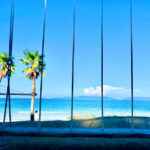
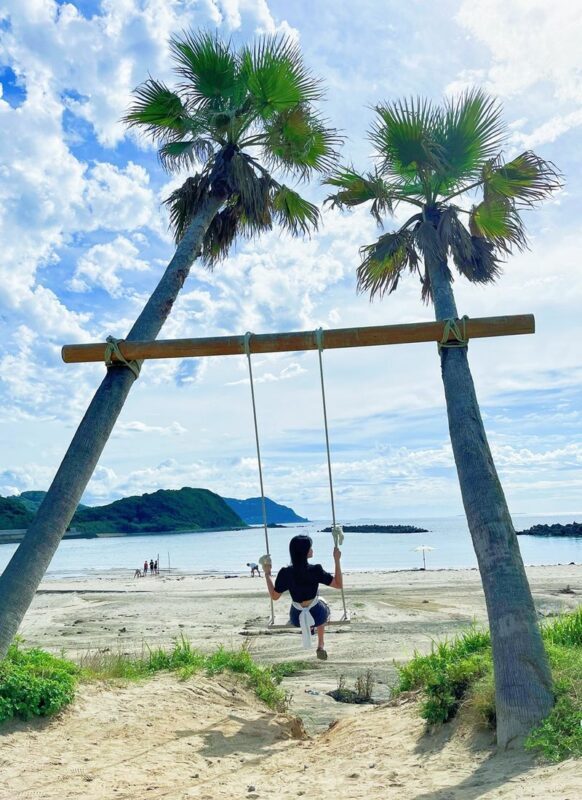
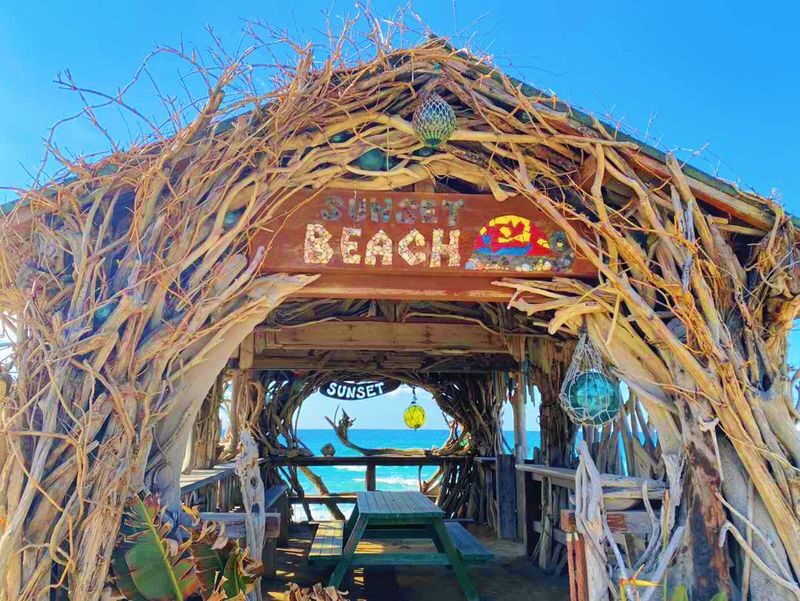
The Palm Tree Swing follows, with around 40 minutes at the seaside photo spot. You can sit and swing with the ocean in view, a simple, playful contrast to the shrine visits later. This stop is about the view and the photo, so it may be brief if you prefer quiet time by the sea to posing for pictures.
These coastal stops are among the day’s most weather-sensitive. A sunny sky can bring out the blues of the sea, while rain can flatten the views and make photo-taking harder. Pack a small umbrella, but remember that wind can make one awkward on the shore.
Ichiran no Mori: noodles, factory, and a clock to watch
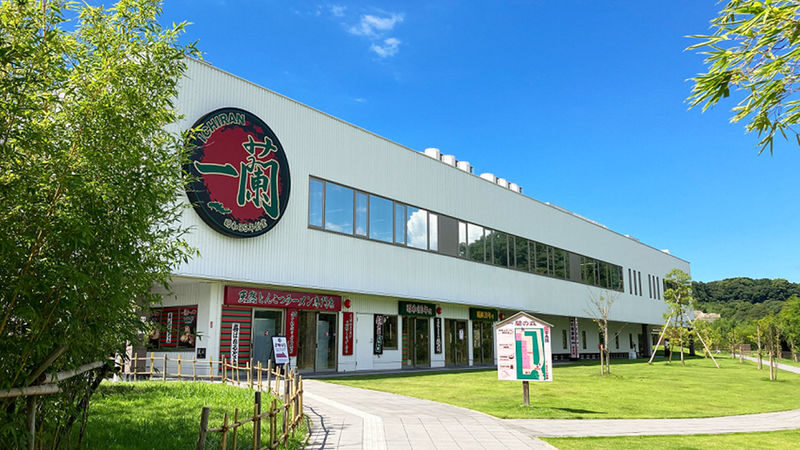
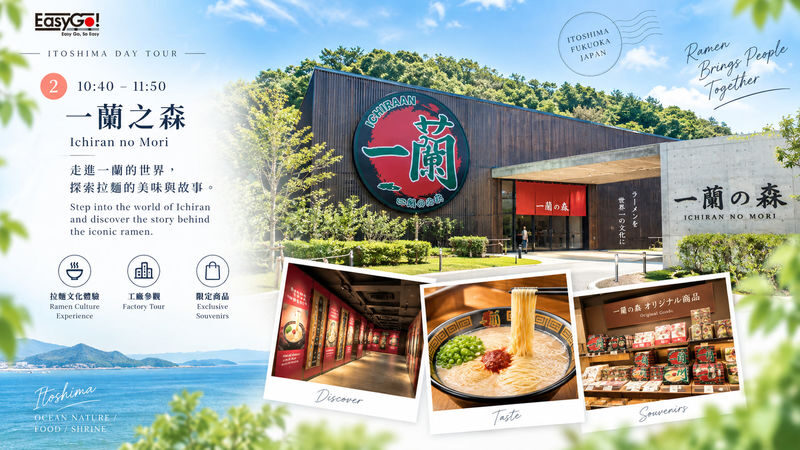
Ichiran no Mori is the day’s food stop and a destination in its own right for fans of Ichiran ramen. It is described as the birthplace of the chain, with a noodle factory to visit and limited-edition products to browse. You have about 70 minutes, and the meal is not included in the tour price.
That window can work well when the group reaches the restaurant before a crowd builds. Guides have been praised for managing the timing, helping people with the ordering process, and getting the group through the stop smoothly. But busy holiday periods can bring long waits, so keep your expectations flexible. If you are hungry early, carry a light snack rather than relying on a precise lunch hour.
The schedule places this stop after the swing and before Munakata Taisha, but traffic and crowd conditions can affect the order and timing. One tour account described lunch being moved much earlier to avoid queues, which left some people eating before they were hungry. If your meal timing matters, be prepared for the guide to adjust plans rather than assume lunch will fall at a conventional hour.
This is not a leisurely food tour. You have time to eat, look around, and possibly shop, but not to settle in for a long meal. Bring extra money for food and drinks, and check whether the factory area or any special products are open on the day you go.
Munakata Taisha: an old shrine on the route
After the coast and ramen, the tour heads to Munakata Taisha. The shrine is dedicated to the Three Goddesses of Munakata and has more than 1,600 years of history. It is also connected with the World Heritage-listed Sacred Island of Okinoshima and Associated Sites in the Munakata Region.
The planned visit is about 40 minutes. That is enough for a focused walk around the shrine grounds and time to pause at the main areas, but not a deep visit to every related site. The shrine’s association with safe travel makes it a fitting stop on a day spent moving between several places.
You may appreciate this stop more if you understand a little of its religious and historical context. Guides often provide background along the way, though the language may be Chinese. If you prefer to explore quietly, the self-guided time gives you room to move at your own pace within the allotted window.



Miyajidake Shrine and the Path of Light
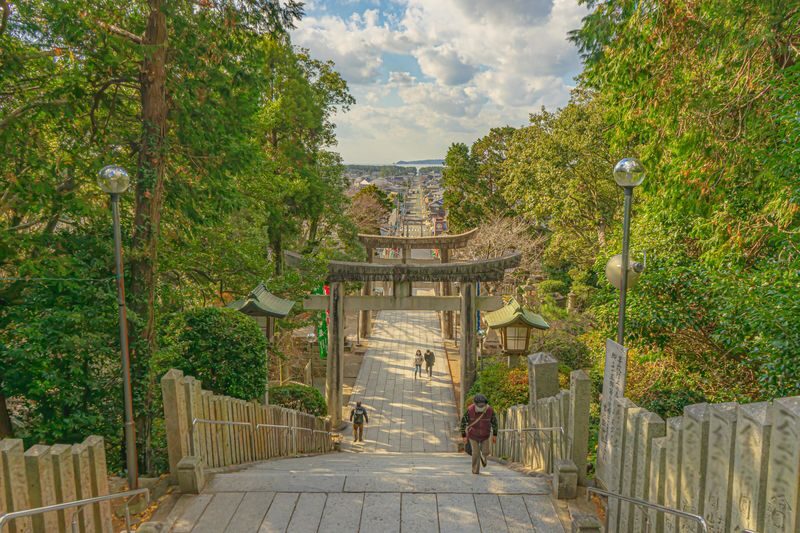
The last major stop is Miyajidake Shrine, with about an hour to explore. Its best-known view is the long approach leading toward the sea, called the Path of Light when the setting sun aligns with the road. The effect is associated with specific times of year, particularly February and late October, and depends on the weather and sunset conditions. It is not a daily spectacle you can count on.
The schedule’s afternoon arrival may give you a chance to see the approach and shrine grounds, but the exact view depends on the date, light, and clouds. Cherry blossoms are noted from late March to early April. During the Path of Light and Sunset Festival period from October 10 to 20, 2026, the sightseeing order is expected to change because of traffic controls and arrangements at the shrine.
This is a good place to slow down for a moment after a busy day of stops. Still, the hour passes quickly if you want both shrine time and photos along the approach. Follow the group’s return time closely. A late return to the vehicle can affect the rest of the schedule.
The real value: saving the transport puzzle
At a starting price of $44.25, the main value is not simply the number of sights. It is the amount of ground covered without arranging your own transfers. Itoshima, Munakata, and Miyajidake lie in different directions, and trying to join them in one day by public transport can be difficult. A single vehicle makes the route possible without repeated station changes or a rental-car plan.
The price does not include meals, drinks, or personal purchases, so budget for ramen and anything you buy at Ichiran no Mori. The tour is strongest for someone who values coverage and convenience over lingering. If you already have a car or want a slow day focused only on the coast, the fixed schedule may feel like too much structure.
Timing is a recurring strength when the guide keeps the group moving and coordinates the meal stop. Several guides, including Wang Qi and Chen Yun, have been singled out for attentive service, clear explanations, and help taking photos. That can be especially useful if you are travelling alone or want group pictures without asking strangers at each stop. These are examples of guides, not a promise about who will lead your departure.
Weather and traffic are the two big variables. Rain can make the waterfall and coastal views less appealing, while holiday traffic can affect meal timing and the return. The operator warns that the return around 6:30 pm may be delayed, so avoid booking an important evening activity that depends on arriving back exactly on time.
Before you set out from Fukuoka
The meeting time is 8:20 am for an 8:30 am departure. The vehicle leaves punctually and does not wait for late arrivals, so plan to be at the meeting point early. The return is expected at the Lawson near Fukuoka Oriental Hotel, close to Hakata Station.
A pre-trip email is due around 7 pm Japan time the evening before. It includes guide and meeting details, and can land in spam or junk mail, so check those folders if nothing arrives. Seats are not assigned in advance; boarding order determines where you sit.
You can bring one standard-sized piece of luggage at no charge, but you must declare it when booking. Child seats are not available. Children aged 3 and older pay the adult rate, while children aged 0 to 2 can ride free if they do not need a separate seat.
Wear comfortable, non-slip shoes, bring sunscreen and sunglasses, and carry water. A power bank is useful if you plan to take many photos. The sea can be windy, and the itinerary may shift with traffic or weather, so keep a little flexibility in your day.
Should you book this Itoshima day trip?
Book it if you want to combine Itoshima’s main coastal photo stops with Ichiran no Mori and two important shrines in one day, without working out transport yourself. It suits first-time visitors to the area, couples, friends, and families who are comfortable with a long day and short, timed visits.
Skip it if you want a slow beach day, need English commentary, or dislike fixed schedules. At this price, the convenience is the draw: you trade freedom to linger for a broad route that would be hard to link by public transport in a single day. Go in with realistic weather and timing expectations, and it can be a practical, varied day out from Fukuoka.
Fukuoka Coastal Day Trip to Itoshima: Shiraito Falls, Miyajidake Shrine, Ichiran no Mori, Sakurai Futamigaura Meoto Iwa (Married Couple Rocks), Coconut Tree Swing (Departing from Fukuoka)
“This was my first time joining a one-day tour as an independent traveler, and it turned out to be a really great experience. The tour guide helped…”
FAQ
How long is the tour, and when does it leave?
The tour runs for about 10 hours. Check in at 8:20 am for an 8:30 am departure, with an expected return around 6:30 pm.
What places does the tour visit?
The stops include Shiraito Falls, Sakurai Futamigaura’s Married Couple Rocks, Angel’s Wings, the Palm Tree Swing, Ichiran no Mori, Munakata Taisha, and Miyajidake Shrine.
Are food and drinks included?
No. Meals and drinks are at your own expense. Ichiran no Mori is scheduled for about 70 minutes, but wait times can vary.
What language does the guide speak?
The included driver-guide is Chinese-speaking. English ability can vary, so English commentary is not guaranteed.
What happens if I arrive late?
The vehicle departs at 8:30 am and will not wait for late arrivals. Late arrivals and no-shows are not eligible for a refund.
Can I bring luggage or a child seat?
One standard-sized piece of luggage is allowed at no charge if you declare it when booking. Child seats are not available.