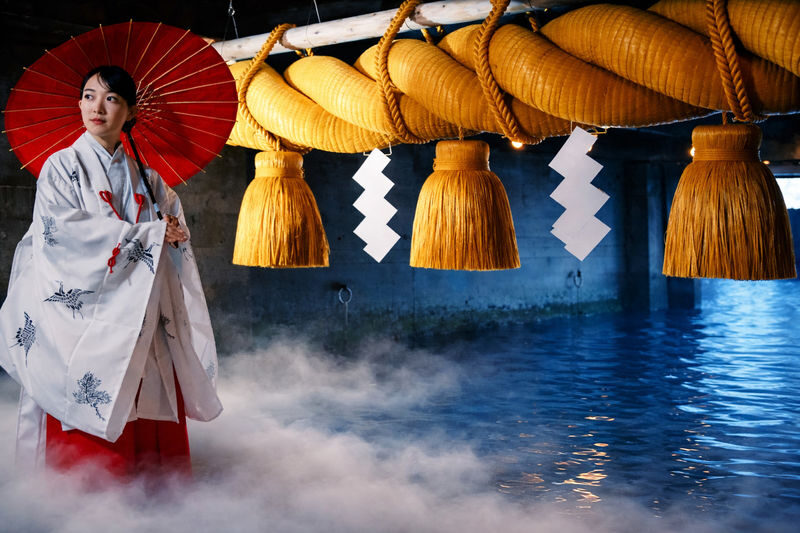
Just two minutes from Shiomi Station, a shrine sits below street level in a Tokyo building. Inside, mist creates a sea-of-clouds effect, while a large golden shimenawa rope appears to meet the canal-side setting. It is a very different shrine visit from wandering an open-air complex.
I like the hands-on omamori-making, which lets you turn a wish or a personal photo into a keepsake, and the unusual photo setting, where staff can help with pictures. You can also book a miko costume experience separately if you want more than the craft session.
The main caveat is that this is a small, purpose-built indoor space, not a sprawling historic shrine. The advertised price does not include omamori charms and parts, so check the cost of materials before you begin.
- The shrine is below ground: Find Shiomi Ryugu Shrine on B1 of Maison de la Mer, not in a large outdoor shrine precinct.
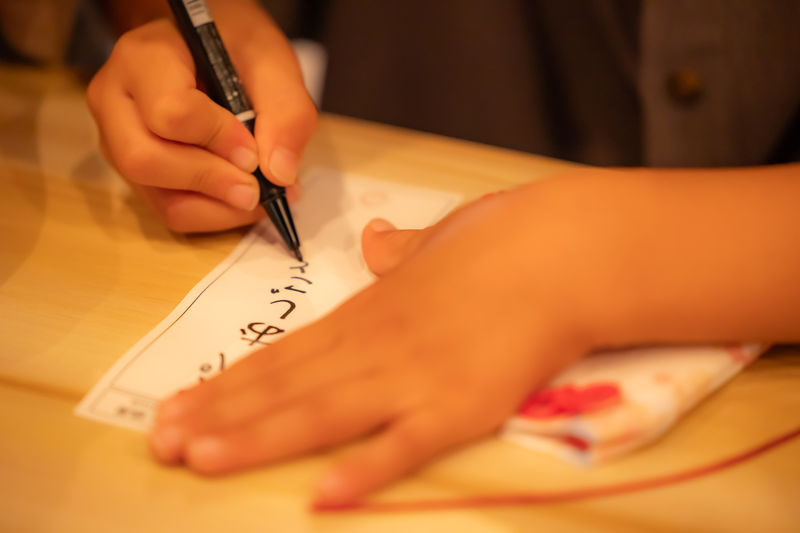
- You make a personal omamori: Choose a style, decorate it, and put in a wish or a photo you bring along.
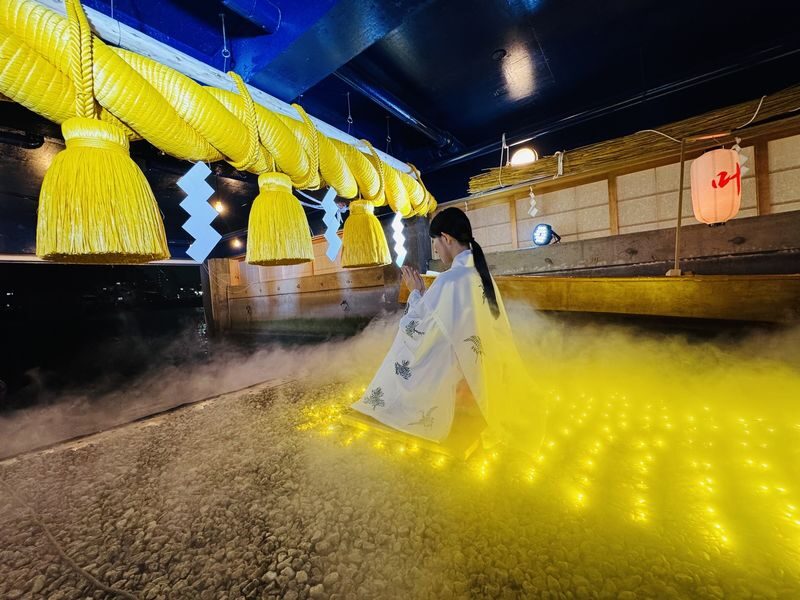
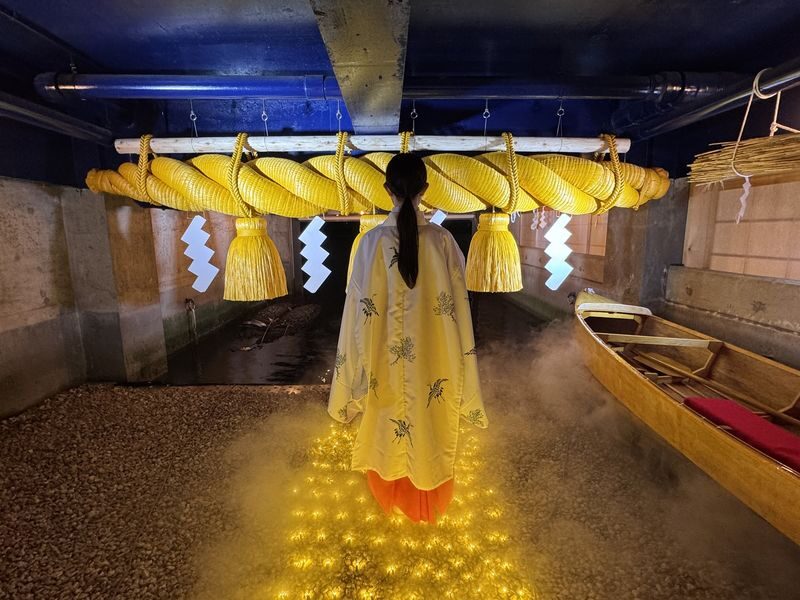
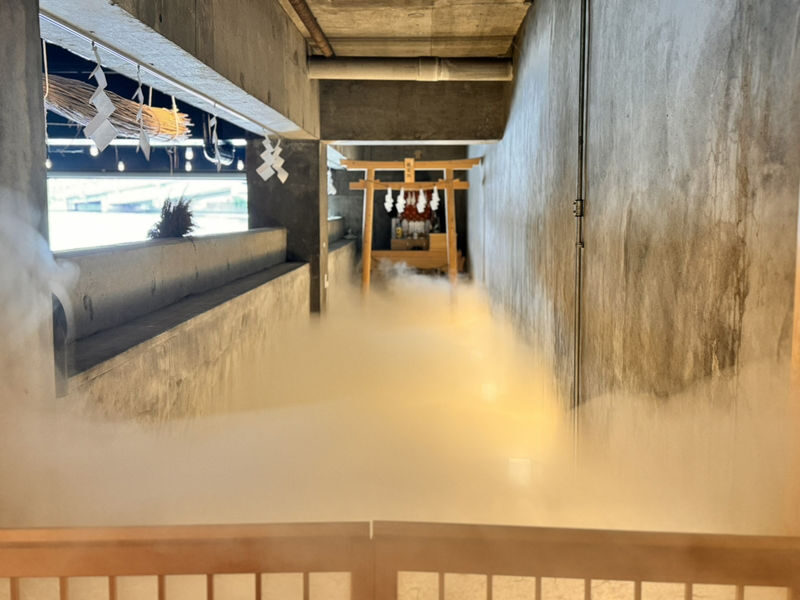
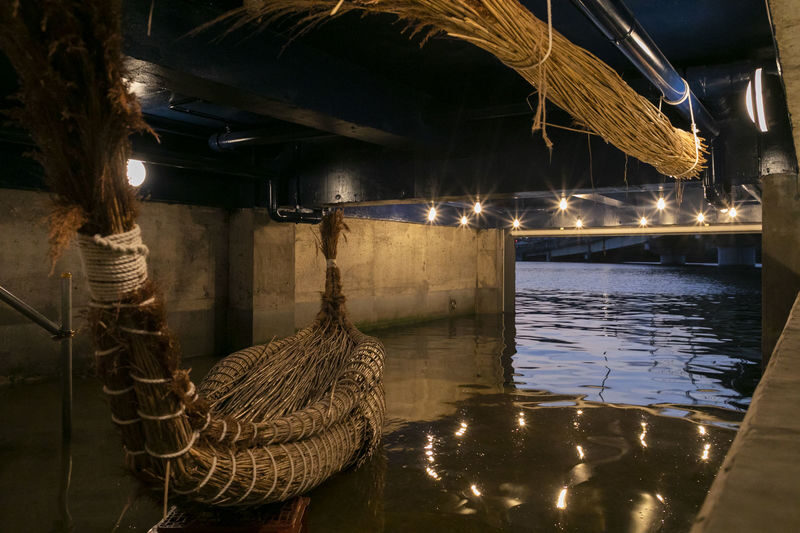
- The setting is designed for photos: Mist creates the sea-of-clouds effect, and the canal-side area has a large golden shimenawa rope.
- Miko dress-up is a separate option: The costume and photoshoot package costs more than the amulet-making option.
- Plan for about two hours: The craft can take longer than you expect, so avoid booking it right before another fixed activity.
- The starting price does not include all craft parts: Budget for the charms and components you choose.
- A basement shrine with an unexpected setting
- Making an omamori with a wish of your own
- Mist, canal views, and a photo-friendly shrine
- Adding the miko costume experience
- How the two-hour visit unfolds
- Is the price worth it?
- Who will enjoy this experience most?
- Should you book it?
- FAQ
- Where is Shiomi Ryugu Shrine?
- How long does the experience take?
- Are omamori materials included in the price?
- Can I put a photo inside my omamori?
- Is the miko costume included with omamori-making?
- Do I need to meet a guide at a station?
- The Best Of Tokyo!
- More Tours in Tokyo
- More Tour Reviews in Tokyo
- Not for you? Here's more nearby things to do in Tokyo we have reviewed
A basement shrine with an unexpected setting
 1 / 8
 2 / 8
 3 / 8
 4 / 8
 5 / 8
 6 / 8
 7 / 8
 8 / 8
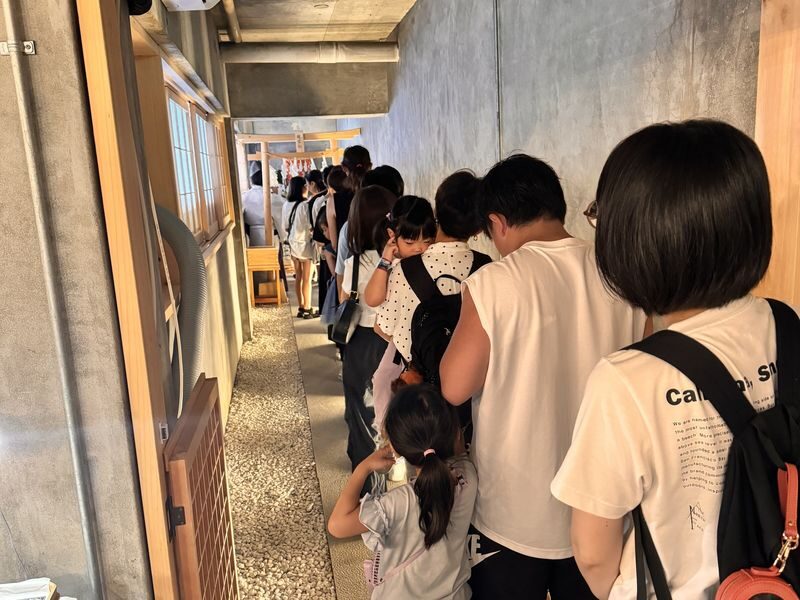
Shiomi Ryugu Shrine is in Koto City, a short walk from Shiomi Station on the JR Keiyo Line. The address is B1F, Maison de la Mer, 2-1-10 Shiomi. The building may seem an unusual place for a shrine, especially if you expect a gate, courtyard, and open-air approach. Once you reach the basement, the space is arranged around the shrine and a canal-side area.
The shrine is dedicated to deities connected with World Natural Heritage sites. The setting mixes prayer and photo-friendly design: mist produces a sea-of-clouds effect, and a large gold-colored shimenawa rope is positioned near the canal. The effect is intended to be there regardless of the weather, so the experience does not depend on a sunny day.
I would set your expectations accordingly. This is a compact cultural venue, not a grand traditional complex where you spend hours walking between buildings. Its appeal is the combination of a personal ritual, a close-up look at shrine customs, and a theatrical setting that gives your photos a distinct look.

👉 See our pick of the 25 Best Guided Tours In Tokyo
Making an omamori with a wish of your own
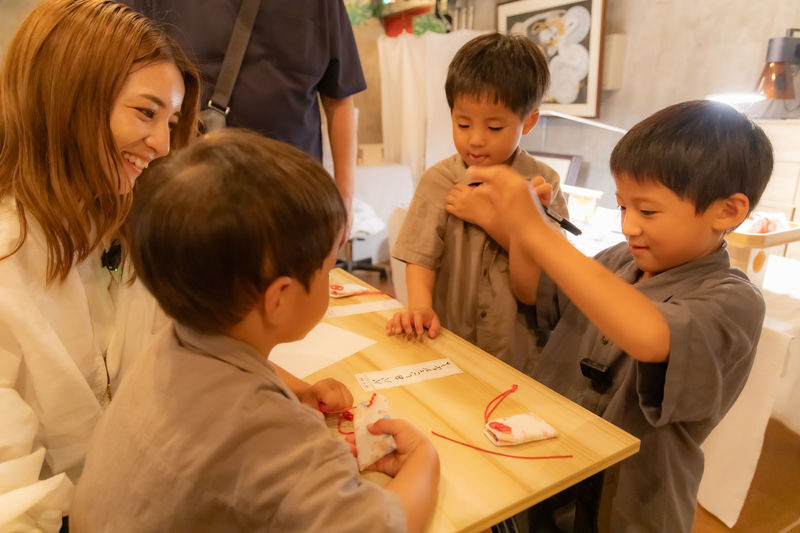
The core experience is making an omamori, a Japanese amulet associated with a wish or hope. Rather than choosing a finished charm from a shop, you assemble a personal one in a shrine setting. Staff explain the process, and the activity is suitable for beginners: you do not need prior craft skills or knowledge of shrine customs.
You can choose between styles, including an option that holds a photo. Bring a small picture of a person, pet, or memory if you want to include one. Printing from an iPhone is also available, though the supplied details do not state whether that service has an extra charge.
The decoration is more involved than simply putting a charm in a pouch. The materials described include stamps, colored ink pads, beads, and small decorative parts, so you can make choices about both appearance and contents. A polished five-yen coin may also be available as a special addition. Its pronunciation is associated with good fortune and connection, giving it a symbolic role beyond decoration.
Allow time to make decisions. It may look like a quick activity at first, but choosing a design and arranging the parts can take much of the two-hour session. If you enjoy crafts, that extra time is part of the pleasure. If you prefer a short, low-effort souvenir stop, it may feel like more than you expected.
One important budget point: the listed price excludes charms and parts for the omamori. The available information does not give a set price for each component, so ask staff what is included and what costs extra before selecting add-ons. The final cost can depend on the choices you make.
You can also read our reviews of more tours and experiences in Tokyo.



Mist, canal views, and a photo-friendly shrine
The setting adds an atmospheric layer to the craft session. Mist gives the shrine area its sea-of-clouds look, while the canal and golden shimenawa rope create a second photo backdrop. You can take pictures in both areas, and staff can help with photos and videos. That is useful if you are visiting alone or want a picture with everyone in your group.
The space is small, but sessions are limited to two groups at a time, according to the details shared by one visitor. That can mean more room to take pictures without having to rush past a crowd. Still, this is not an expansive photography studio. Think of it as a handful of distinctive settings within a compact shrine, not a long route of changing scenery.
The mist is a visual effect, so treat it as part of the venue rather than a natural weather phenomenon. That distinction does not make it less photogenic, but it helps set expectations. If you are after a quiet outdoor shrine visit, this is not the same kind of experience. If you want unusual pictures and a guided introduction to a shrine-inspired space, it makes more sense.
Adding the miko costume experience
A separate package offers miko costume fitting and a photoshoot. The traditional look includes a white top and red hakama, and staff assist with dressing and small adjustments. Props such as fans and bows are mentioned, and male priest attire may also be available, though the selection is more limited than the women’s costumes.
This option is best for you if dressing up and taking pictures are central to your plans. It is not included in the omamori-making package, and the listed starting price is higher. The costume fitting can also be booked for the same time slot, but check the exact package details and timing when reserving rather than assuming both activities are bundled.
The costume experience adds a playful, theatrical element to the visit. It can be fun for friends or couples, and the staff can help with poses and camera angles. At the same time, it is a dress-up photoshoot, not training to become a shrine maiden or a chance to take part in shrine duties. Approach it as a cultural photo experience, with respectful attention to the setting.
How the two-hour visit unfolds
Your session begins at the shrine itself. There is no guide meeting you at a station, so make your own way to B1F, Maison de la Mer. The venue is about a two-minute walk from Shiomi Station, and the experience description says it is seven minutes by train from Tokyo Station. Arrive five minutes before your selected time.
Once inside, staff confirm your booking and explain the space and activity. English-speaking staff are included, and visitors have also described staff who speak Chinese. No individual staff names are provided, so you should not expect a particular guide by name.
The main activity is the omamori-making session, with time to select a style and decorate it. You can also make a personal prayer at the shrine and spend time in the mist and canal-side areas. If you have booked the costume package, fitting and photographs are part of that separate experience. The exact order may vary, and the schedule can change with conditions.
The session times listed are 11:30 and 14:00, with return times of 13:30 and 16:00 respectively. The activity ends where it begins. Since late arrivals and no-shows are not refundable, leave enough time to find the building and reach the basement before your slot.
Is the price worth it?
The headline price starts at $31.60, while the omamori-making package is shown from $39.50 and the miko costume package from $75.85. These are starting prices, and the omamori charms and parts are not included in the stated cost. Check the final price at booking and ask which materials are extra before you start crafting.
For the amulet session, the value is not just the finished object. You spend time choosing its look and contents, learn how the charm relates to wishes and prayer, and leave with something you made yourself. If a personal keepsake matters more to you than a quick souvenir, that hands-on element can justify the cost. If you only want a ready-made charm, buying one elsewhere may be simpler.
The costume option costs more because it adds dressing and photo time. It is easier to justify if you genuinely want the outfit and pictures, rather than treating it as an incidental extra. If you are unsure, the amulet-making package is the more focused choice, with the costume experience available separately.






Who will enjoy this experience most?
This works especially well for craft lovers, families, couples, and anyone who has already seen Tokyo’s major sights and wants a smaller, more personal activity. Children are welcome, and there is no age limit. The amulet process is described as simple to follow, though younger children may need help with small parts and decoration.
It is also a good fit if you want a meaningful souvenir tied to a person, pet, or wish. Bring a photo if you plan to use one, and remember that on-site iPhone printing is available. If you prefer traditional architecture, open-air grounds, or a long historical tour, this venue may feel too compact and staged.
You do not need to be fluent in Japanese to take part: English-speaking staff are included. Still, the most rewarding part is choosing and making your own amulet, so allow yourself time rather than treating the visit as a quick stop between trains.
Should you book it?
Book the omamori session if you want a personal, hands-on souvenir and are curious about shrine customs in a setting unlike the usual outdoor precinct. The mist, canal, and golden rope add a memorable backdrop, while staff support makes the craft approachable.
Choose the miko costume package if dressing up and getting distinctive photos are a main goal, and be ready for a compact indoor venue rather than a large shrine complex. If you are price-sensitive, confirm the extra cost of amulet parts first. With that detail settled, this is a thoughtful two-hour break from Tokyo’s shopping streets and big-ticket sights.
Tokyo Miko Experience: Photo Spots & DIY Shrine Amulet/Bracelet
“The shrine is located on the basement level. The space is not large and is divided into the shrine area and the riverside area. Each session accomm…”
FAQ
Where is Shiomi Ryugu Shrine?
It is at B1F, Maison de la Mer, 2-1-10 Shiomi, Koto City, Tokyo. The shrine is about a two-minute walk from Shiomi Station on the JR Keiyo Line.
How long does the experience take?
The experience lasts about two hours. The listed sessions begin at 11:30 or 14:00, with corresponding end times of 13:30 or 16:00.
Are omamori materials included in the price?
No. Charms and parts for the omamori are listed as not included. Ask about the cost of the materials you want before choosing them.
Can I put a photo inside my omamori?
Yes. You can bring a photo or another small item to place inside. Optional printing from an iPhone is also available.
Is the miko costume included with omamori-making?
No. The miko costume fitting and photoshoot is a separate package. The supplied starting price for that option is $75.85.
Do I need to meet a guide at a station?
No. There is no guide meeting at a station, so make your own way to the shrine and arrive five minutes before your booked time.