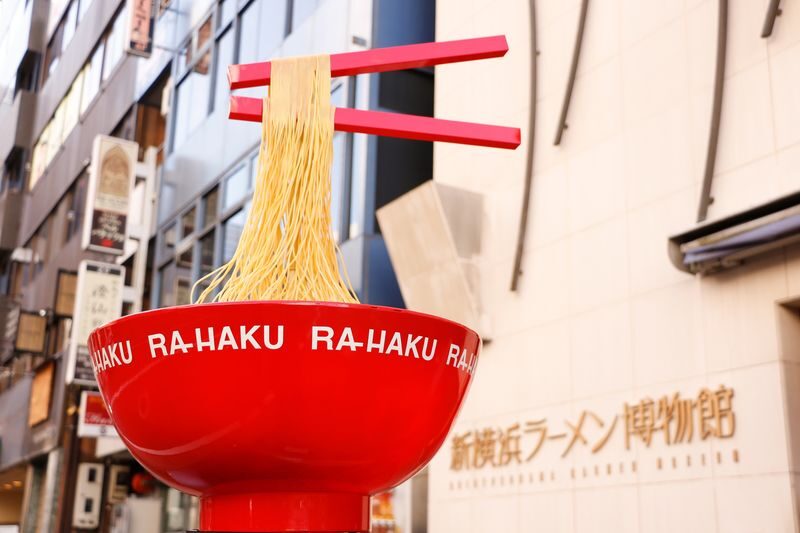
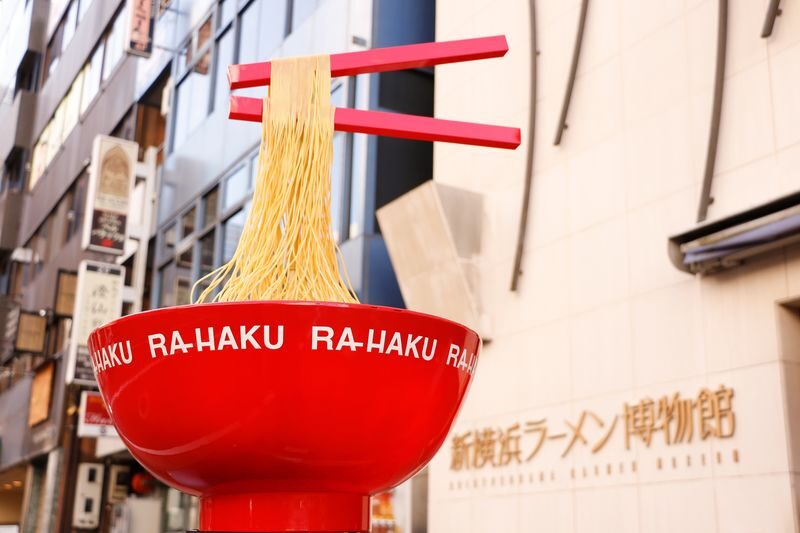
Shin-Yokohama Ramen Museum turns a bowl of noodles into a small trip through time. Downstairs, a recreated 1958 street gathers ramen shops from around Japan beneath a retro Showa-era setting, while exhibits upstairs trace how ramen became part of Japanese food culture.
I like two things in particular: the chance to compare ramen styles in one place and the playful old-town setting, complete with a coffee shop and candy store. You can also personalize a cup noodle souvenir at the RAHAKU SUGOMEN LAB, a fun extra if you want something beyond lunch.
The trade-off is space. The museum is compact, and lines at the ramen shops can grow, especially on holidays and around mealtimes. Your admission can get you through the entrance without waiting, but it does not skip the restaurant queues.
- What to know before you go
- A small museum with a big ramen idea
- Start with the ramen story upstairs
- Walk into a 1958 street scene
- Choose a bowl, then decide how adventurous to be
- Make a custom cup noodle souvenir
- Add a candy-store browse, not a second meal
- Make the admission price work for you
- Getting there and choosing the right time
- Who should go, and who might skip it
- Should you book?
- FAQ
- How long should I plan for the museum?
- What does the admission ticket include?
- Is ramen included in the ticket price?
- Can I enter without waiting in line?
- Where is Shin-Yokohama Ramen Museum?
- How do I get there by train?
- What are the opening hours?
- Do young children need a ticket?
- Can I make my own cup noodles?
- The Best Of Yokohama!
- More Museum Experiences in Yokohama
- More Tours in Yokohama
- More Tour Reviews in Yokohama
- Not for you? Here's more nearby things to do in Yokohama we have reviewed
What to know before you go
 1 / 10
 2 / 10
 3 / 10
 4 / 10
 5 / 10
 6 / 10
 7 / 10
 8 / 10
 9 / 10
 10 / 10
- Eight ramen shops share one recreated 1958 street: The setting recalls the year instant ramen was invented, giving the food court a little more character than a standard dining hall.
- The ramen is not included in admission: From $2.85 gets you into the attraction. Pay separately for food and any hands-on activities.
- Small and mini bowls help you sample more: Portions vary by shop. Check the menu carefully if you hope to try several.
- The cup noodle lab is a separate activity: You can personalize a cup with your own photo and choices, but this is not the same as making noodles from scratch.
- Priority entry does not mean priority ramen: You may walk in with your mobile voucher, but restaurant waits still apply.
- Check your destination carefully: This museum is in Shin-Yokohama, near Shin-Yokohama Station. Confirm the full address before setting out.

👉 See our pick of the 15 Best Guided Tours In Yokohama
A small museum with a big ramen idea
This is not a sprawling museum where you spend half a day reading every panel. Think of it as a compact attraction with three parts: an exhibition about ramen, a hands-on cup noodle activity, and a basement food hall built around regional ramen shops.
The concept is simple and effective. Ramen is both everyday comfort food and a dish with many local variations. Here, you can get a sense of that variety without traveling across Japan, then sit down to taste a bowl or two. The museum calls itself the world’s first ramen-themed amusement park, and the mix of food, exhibits and recreated streets gives the claim some substance.
The whole visit usually takes one to two hours. You can keep it closer to an hour if you browse the gallery and eat one bowl. Leave more time if you want to compare shops, customize a cup, browse the snack and souvenir stores, or visit during a busy period.
You can also read our reviews of more museum experiences in Yokohama


Start with the ramen story upstairs
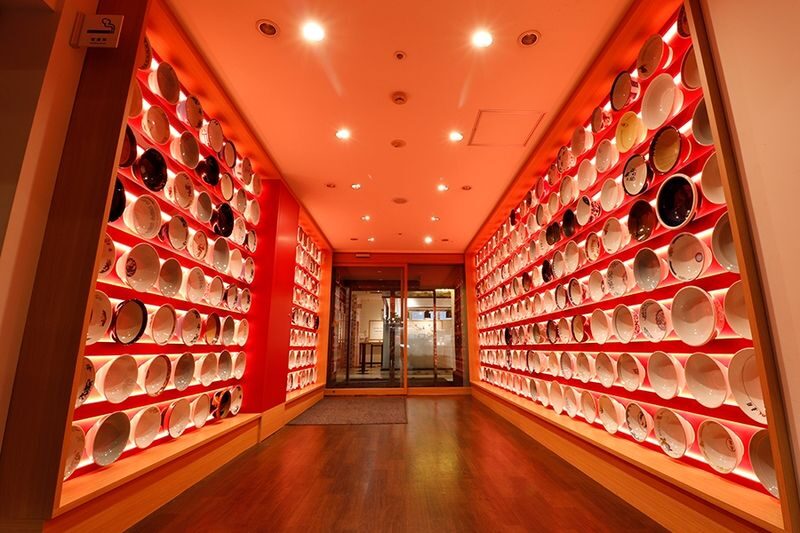
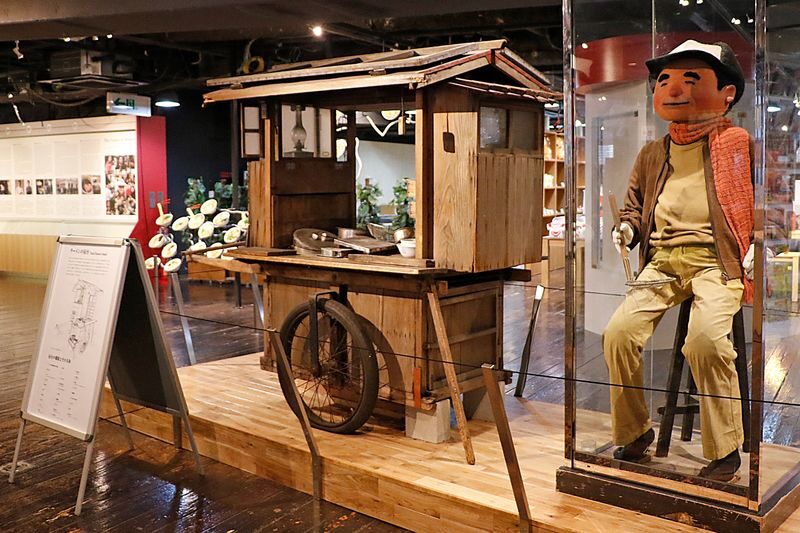
The first-floor gallery gives you a useful frame for what follows. It covers ramen’s history and culture, including the link between the 1958 setting downstairs and the invention of the world’s first instant ramen that year. The exhibit area is small, but it helps explain why ramen is more than one fixed recipe.
I recommend starting here, especially if you are visiting with someone who does not care much about food halls. The context makes the basement feel less like a themed restaurant row and more like a playful look at how a familiar dish developed. Still, set your expectations sensibly: this is a short introduction, not an in-depth food history course.
You can move through the gallery at your own pace. If the main draw for you is lunch, take a quick look and head downstairs before the queues build. If you have children or want a more balanced visit, spend a little time with the exhibits first, then let the food do the rest of the explaining.
Walk into a 1958 street scene
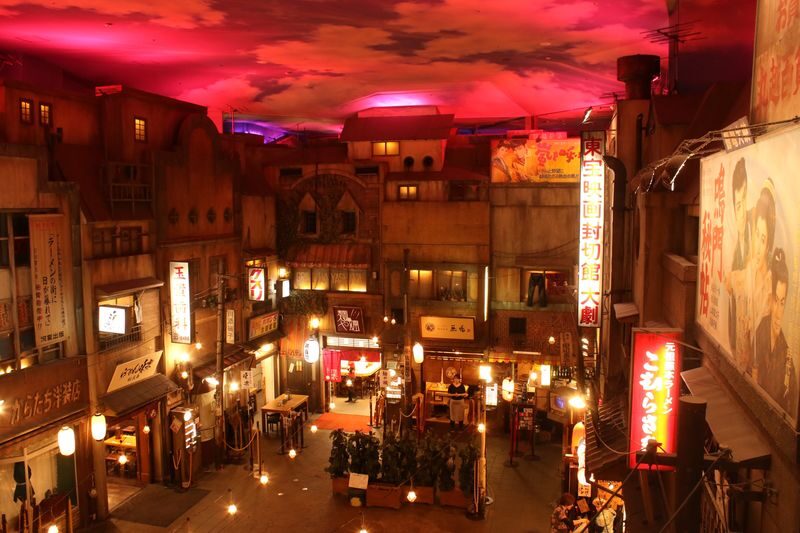
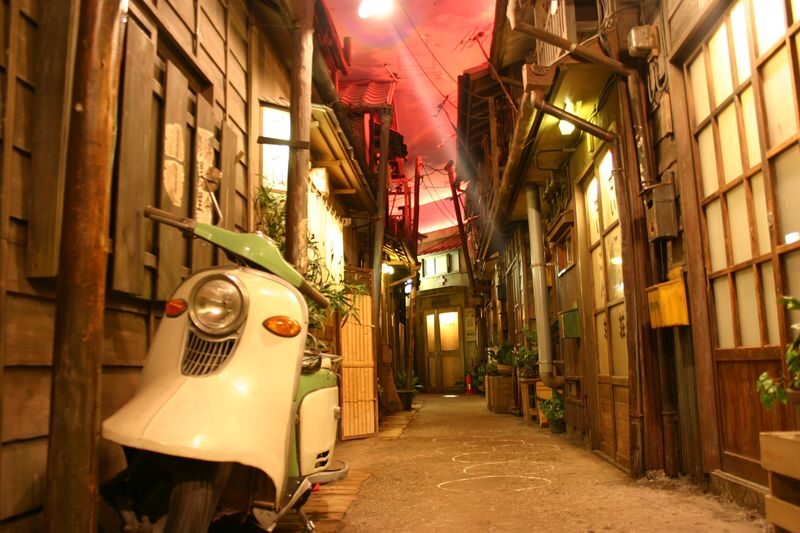
The basement is the museum’s visual centerpiece. Its recreated street evokes Japan in 1958, with ramen counters alongside retro coffee shops and candy stores. The careful period look gives you a change of scene as soon as you step down from the gallery.
This is where the museum’s atmosphere earns its keep. You can stroll, look at the shop fronts, take photos and choose where to eat. The old-fashioned details are not just decoration around a food court; they make the meal feel like part of the attraction.
But the setting is compact, and that can be a problem when it is crowded. On holidays, the narrow space may feel congested, with limited room to stop and look around. If you dislike tight indoor crowds, aim for a weekday or a quieter part of the day. A late afternoon visit has worked well for some people, while lunch can bring longer waits.
Choose a bowl, then decide how adventurous to be
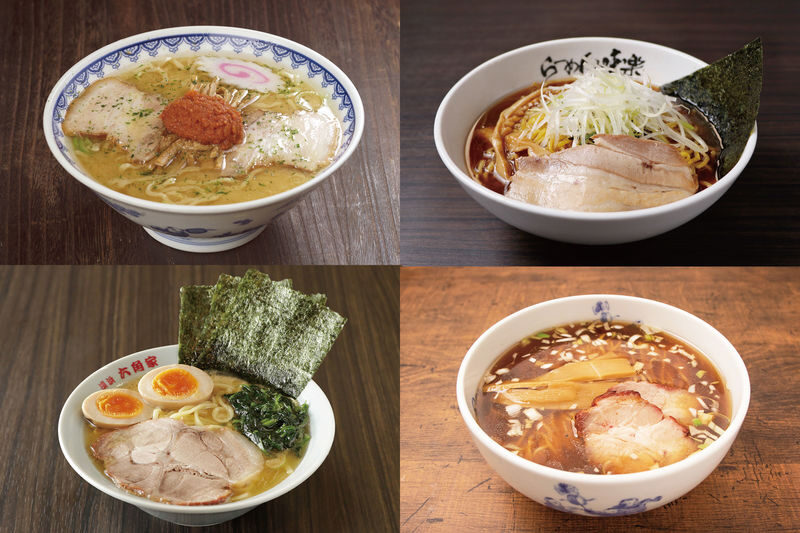
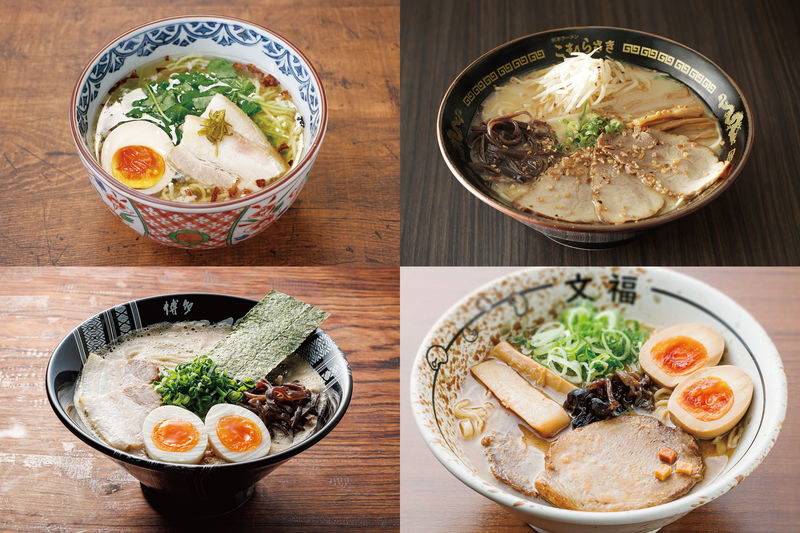
Eight ramen shops are represented in the underground streetscape, with selections drawn from different parts of Japan. That makes this a convenient place to compare regional styles. You can browse the options, pick a shop that appeals, and turn a museum visit into a proper meal.
One bowl can be enough, especially if you are not a devoted ramen fan. If you want to taste more than one style, look for smaller portions. Some shops offer small or mini bowls, and those sizes are more practical for sampling than a full serving. Portion labels differ, so check what each shop means by small before ordering. A small bowl at one counter may still fill you up.
You pay for ramen separately from the admission ticket. That is worth keeping in mind when comparing the entry price with the cost of your visit: the ticket opens the door, but the meal is an extra. The number of shops makes it tempting to try several, yet your appetite and the queue will set the real limit.
Lines are part of the deal. Waits can run 20 to 30 minutes, and at peak times they may stretch much longer. One especially busy visit saw a wait of more than an hour. Arriving early and heading to the shop you most want to try is a sensible plan. If you arrive at lunch, expect to choose between waiting, eating later, or making do with one bowl.
The ramen itself is a major reason to come, but taste is personal. The variety is the surest advantage: you can sample different styles without crossing the country. If you expect a full restaurant crawl in a short visit, you may leave wishing you had more time and stomach space.
Make a custom cup noodle souvenir
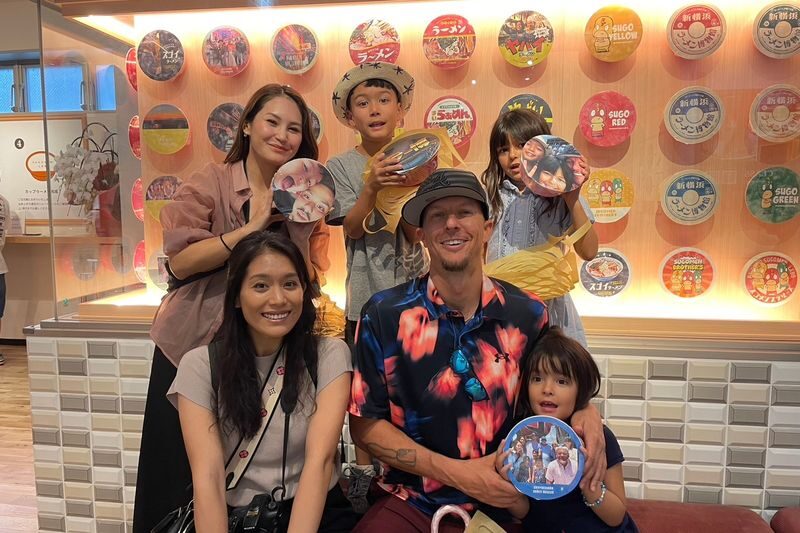
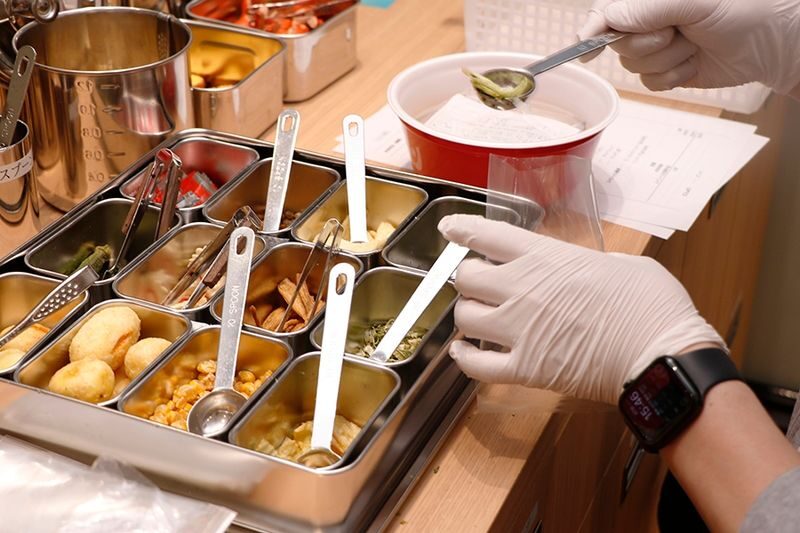
The RAHAKU SUGOMEN LAB offers a hands-on way to take part in the ramen theme. You can create an original cup noodle, choose options such as soup base, noodle type and ingredients, and use a photo from your phone for the cup design. The finished cup gives you a personal souvenir rather than another standard gift-shop purchase.
Be clear about what this activity involves. Customizing and packaging a cup noodle is different from making noodles from scratch. A separate ramen-making class may be available, but it is not part of the admission ticket and has to be booked or paid for separately. If making noodles by hand is your priority, check the details of that activity before you go.
The lab is a nice change of pace if you have already eaten, or if you are visiting with children who want to do something creative. It can also make the visit more memorable for a group that is not keen to queue for several bowls. Allow extra time, and expect an additional cost for the activity.




Add a candy-store browse, not a second meal
The retro area includes more than ramen counters. You can also find old-fashioned coffee and candy shops, packaged ramen and Japanese snacks. This is a good place to browse after eating, especially if you want to keep the old-street atmosphere going without ordering another full bowl.
The shop selection is one of the visit’s pleasures, but it also takes up a noticeable share of the attraction. If you came mainly for the historical exhibits, the retail and dining areas may feel larger than expected. If you enjoy browsing local snacks and souvenirs, that same mix adds time and variety.
Make the admission price work for you
Admission starts at $2.85, making the ticket a modest cost for a themed attraction with exhibits, a recreated street and access to the ramen shops. At that price, the museum can be worthwhile even if you only eat one bowl or skip the hands-on activity. The value improves if you enjoy both the historical displays and the food.
The ticket does not cover ramen, cup noodle customization, a separate ramen-making class, parking or personal purchases. This matters if you are comparing the entry price with the total cost of a family outing. Treat the ticket as the cost of entry, then set aside a separate food and activity budget.
Children aged 0 to 6 enter free. Visitors aged junior high school and above are asked to order one bowl of ramen per person, so plan around that if your group includes older children or adults who would rather just share. Check shop portion options before ordering if you are trying to keep the meal light.
Getting there and choosing the right time
The museum is at 2 Chome-14-21 Shinyokohama, Kohoku Ward, Yokohama. It is about a five-minute walk from Shin-Yokohama Station, served by the JR Tokaido Shinkansen, JR Yokohama Line and Yokohama City Subway. It is about a one-minute walk from Exit 10 on the Sotetsu/Tokyu Shin-Yokohama Line or Yokohama City Subway.
Take care with the name. This is the Shin-Yokohama Ramen Museum, not simply a museum somewhere in central Yokohama. Check the address and station before you travel. The distinction can save you a long detour if you have another Yokohama attraction in mind.
Opening hours are 11:00 to 21:00 Monday through Friday, and 10:30 to 21:00 on Saturdays, Sundays and public holidays. Last admission is 20:30. Check the operating calendar for your date, as closure information can change. A weekday visit is a good choice if you want more room to walk and a better chance of avoiding long queues.
If driving, the museum is about 20 minutes from the Keihin Expressway Kohoku IC or around 10 minutes from the Shuto Expressway Kanagawa No. 7 Yokohama North Line Shin-Yokohama IC. Thirty minutes of parking is free with in-store use. The mobile voucher can be presented at the entrance, and priority admission lets you enter without waiting at the gate. It does not remove waits at the ramen shops.
Who should go, and who might skip it
I would put this near the top of the list for ramen fans, families who enjoy hands-on activities, and anyone curious about Japanese food culture. It is also a useful stop if you want to sample regional ramen styles without planning a long food trip. The blend of exhibits and a convincing old-town setting gives you more to do than simply choosing a restaurant.
You may want to skip it if you dislike crowds, have little time, or expect a large, detailed museum. The gallery is compact, and the basement can get congested. If your main goal is a long, quiet history visit, this is not the strongest fit. If you mainly want one excellent bowl, a restaurant elsewhere may be simpler.
Should you book?
Book if the combination of ramen, history and retro setting sounds appealing, and you are willing to pay separately for food and activities. Go early or choose a weekday, check for mini or small bowls, and prioritize the shop you most want to try. The low entry price makes this a reasonable short outing, but the real value comes from enjoying the whole mix rather than treating it as a ticket to a quick meal.
If you only have time for one bowl and crowds are not your thing, keep your plans flexible. The museum is at its best when you can browse a little, eat at your own pace and take in the 1958 street without rushing.
Shin-Yokohama Ramen Museum
“So much ramen history! Great little place to check out. Most stalls had "small" bowls listed when you pre-purchased however I noticed that some had…”
FAQ
How long should I plan for the museum?
Plan on one to two hours. A shorter visit can cover the gallery and one bowl, while the ramen shops and hands-on activities can take longer.
What does the admission ticket include?
It includes admission to the attraction. Ramen, parking, personal expenses and additional activities are not included.
Is ramen included in the ticket price?
No. You pay separately for ramen at the shops.
Can I enter without waiting in line?
The ticket provides priority admission through the entrance. You may still need to wait in line at the ramen shops.
Where is Shin-Yokohama Ramen Museum?
It is at 2 Chome-14-21 Shinyokohama, Kohoku Ward, Yokohama, Kanagawa, Japan.
How do I get there by train?
It is about a five-minute walk from Shin-Yokohama Station, or about a one-minute walk from Exit 10 of the Sotetsu/Tokyu Shin-Yokohama Line or Yokohama City Subway.
What are the opening hours?
It is open from 11:00 to 21:00 Monday through Friday, and from 10:30 to 21:00 on Saturdays, Sundays and public holidays. Last admission is 20:30.
Do young children need a ticket?
Admission is free for children aged 0 to 6.
Can I make my own cup noodles?
Yes. The RAHAKU SUGOMEN LAB offers a paid activity where you can customize a cup noodle, including using a photo from your phone.