
The guide stops on Hanbury Street and points up at a redeveloped commercial doorway. That is where Annie Chapman was found on the morning of 8 September 1888. Eight in the morning, broad daylight, in the back yard of a house full of sleeping people. Nobody heard a thing. Half the group looks up. The other half looks at their feet, because they know what was on the cobbles.
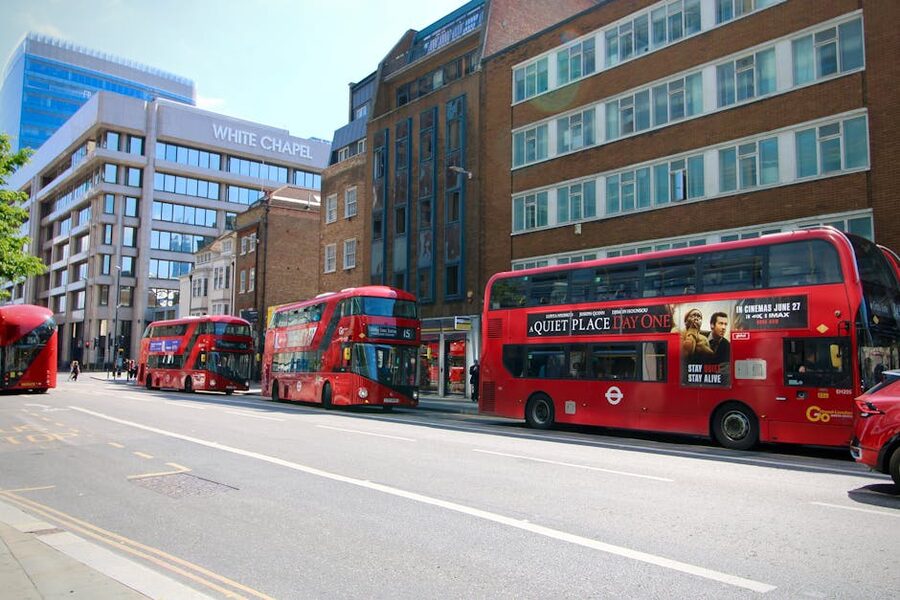
That is what a Jack the Ripper walking tour actually does. It puts you in the exact spots where five women were murdered in the autumn of 1888, while a guide tells you who the women were, what the streets were like, and why the case has stayed unsolved for 138 years. There are dozens of operators in London running versions of the same tour. They are not equal. The flagship versions on GetYourGuide book out a couple of days in advance in summer. The scammy ones don’t.
This guide tells you which to book, what to expect on the night, and a few things competitors leave out. I’ll get to the Cable Street museum at the end, because that is a separate decision.
- In a Hurry? Three Picks
- What the standard tour actually covers
- The five canonical sites in walking order
- Hanbury Street: the stop that does the work
- Why the case stayed unsolved (and why DNA didn’t fix it)
- The three tours worth booking
- 1. London: Jack the Ripper Guided Walking Tour:
- 2. Jack the Ripper Walking Tour with Ripper-Vision: .94
- 3. London: Jack the Ripper Small Group Tour:
- Ripper Vision in detail: how the projector tours work
- Day vs evening: which to pick
- The Jack the Ripper Museum on Cable Street
- The 1888 East End: why this case happened where it did
- Where to meet, what to bring, who not to bring
- Combining with the rest of London
- What to expect, and what not to
- If you’re staying further out
- More London Walking and History Stops
In a Hurry? Three Picks
Best for most visitors: London: Jack the Ripper Guided Walking Tour from $25. Two hours, expert-led, all five canonical sites. The default everyone should book first.
Best at night with a wow factor: Jack the Ripper Walking Tour with Ripper-Vision from $26.94. Same route, but the guide projects 1888 photos onto modern building walls so you see then and now superimposed.
Best with a smaller group: London: Jack the Ripper Small Group Tour from $26. Capped numbers, more questions, better hearing in narrow alleys.
What the standard tour actually covers
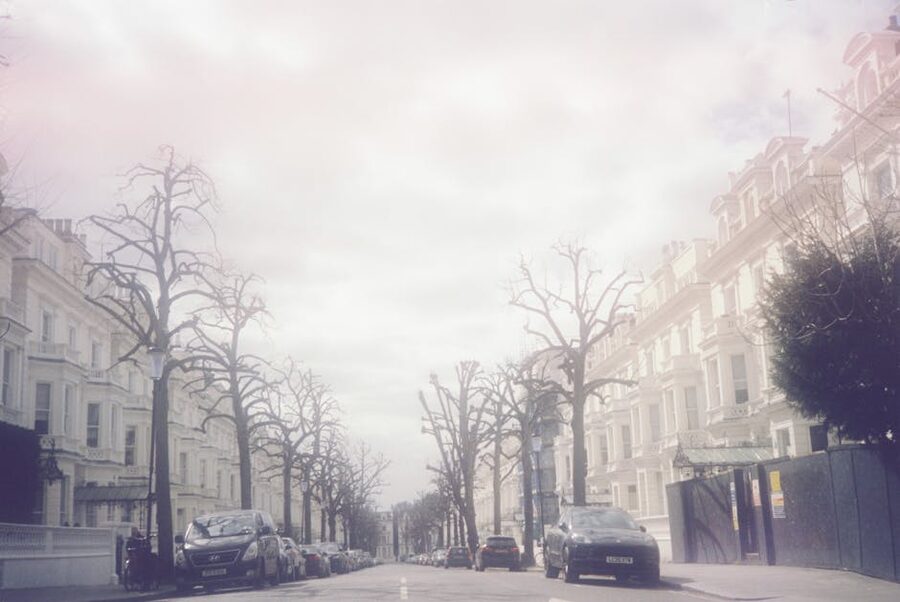
Every legitimate Jack the Ripper tour runs about two hours, covers the same core ground, and ends near Aldgate or Whitechapel station. The route itself is roughly a kilometre, which is nothing as a walk. The pace is slow because you stop a lot.
You start at or near Tower Hill, Aldgate East, or Tower Gateway. The guide walks you through Whitechapel and Spitalfields, stopping at five locations connected to the canonical victims: Mary Ann Nichols, Annie Chapman, Elizabeth Stride, Catherine Eddowes, and Mary Jane Kelly. The “canonical five” are the murders modern Ripperologists agree were the same hand. The total Whitechapel Murders file at Scotland Yard has eleven cases. Most guides will tell you that and let you decide.
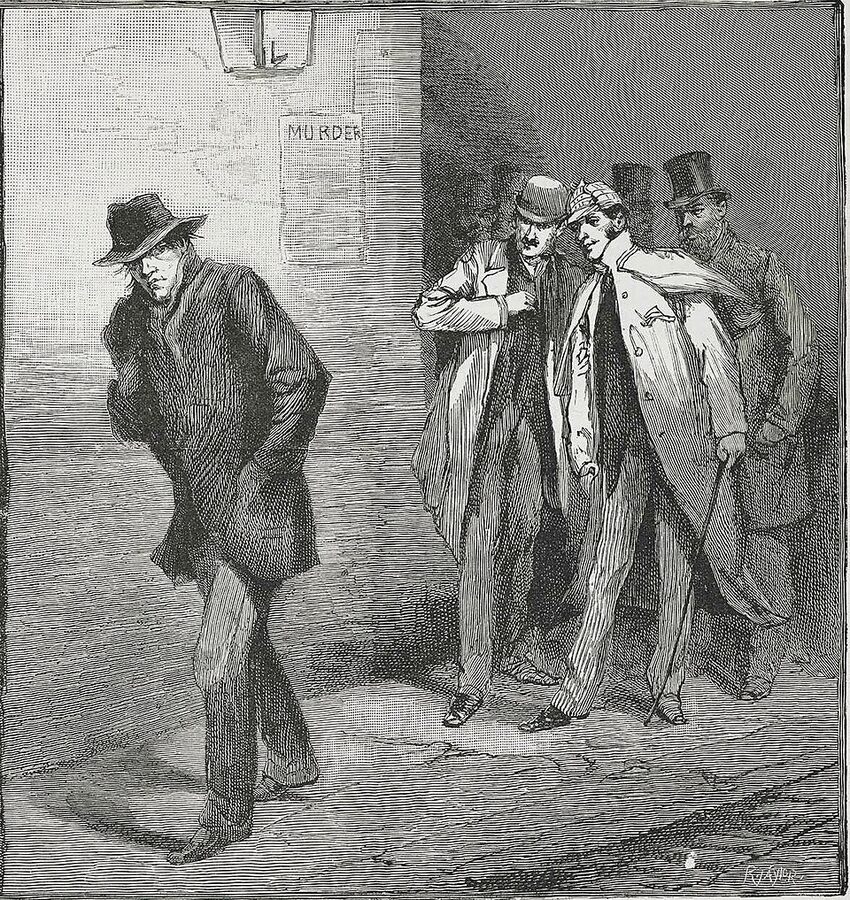
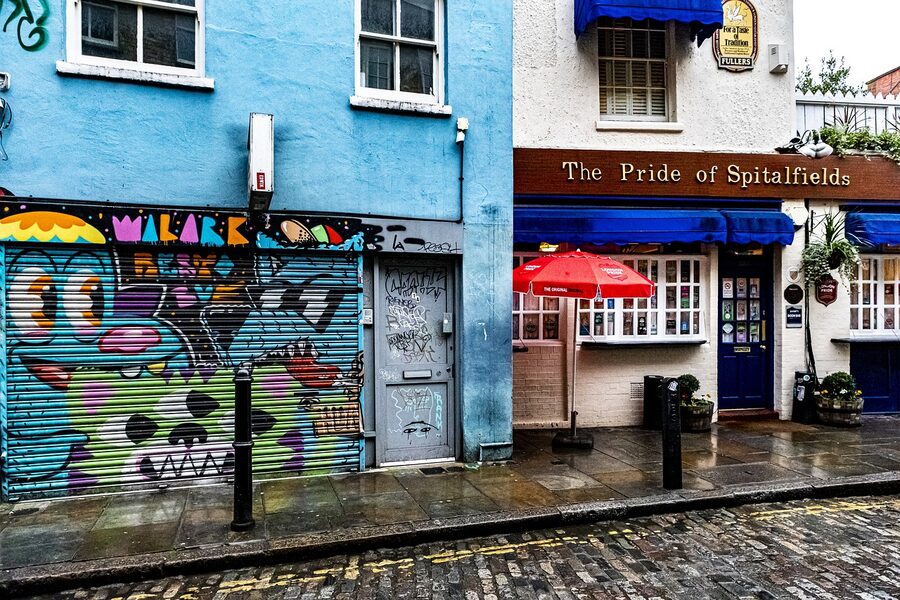
Buildings have changed a lot. Whitechapel is now glass, new-build flats, and a Crossrail station. But the street layout is mostly intact. You stand on actual Hanbury Street. You stand at actual Mitre Square. The guide hands round period photos or projects them on walls (more on Ripper Vision below). You leave knowing where things happened, not just that they happened.
The five canonical sites in walking order
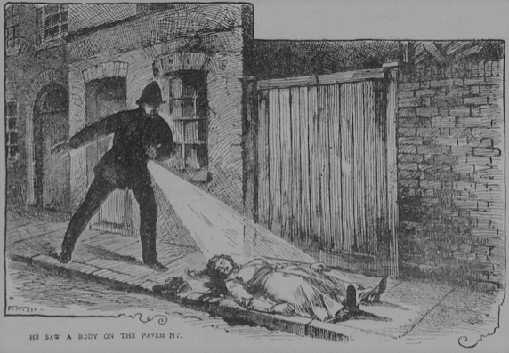
Most tours do them roughly in chronological order, which also happens to be a sensible walking circuit. Here’s what you’ll actually see.
Buck’s Row (now Durward Street). Mary Ann Nichols, 31 August 1888. The board school still stands at one end, which is the main visual anchor. The actual murder site is now the back wall of an apartment block. Your guide will point at the wall and say “right here.” It is a strange moment. Nichols was the first of the canonical five.
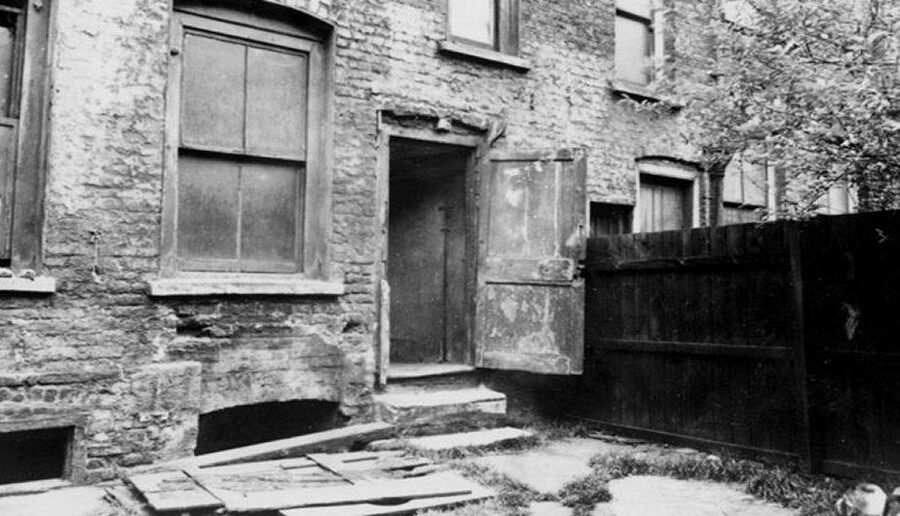
Hanbury Street. Annie Chapman, 8 September 1888. The redeveloped doorway is the moment that hits hardest, partly because it’s broad daylight on the tour and partly because the killing happened in broad daylight in 1888 too. People were sleeping in the rooms above the yard. None of them woke up. This is the stop where most groups go quiet.
Berner Street (now Henriques Street). Elizabeth Stride, 30 September 1888. The first of the “double event” night. Stride was found in a yard off the road. The killer was likely interrupted, which is why the wounds are different from the others. The guide will explain the timeline, because it is the bit non-Ripperologists get wrong.
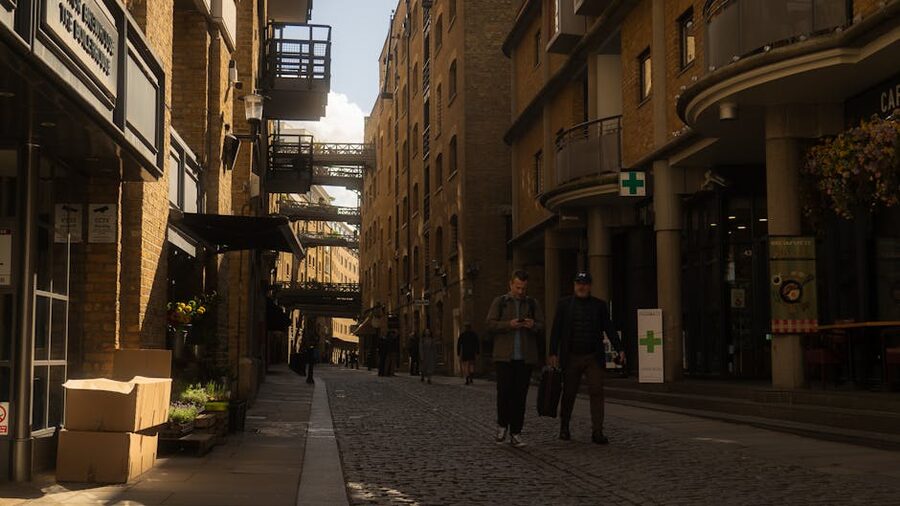
Mitre Square. Catherine Eddowes, 30 September 1888, about 45 minutes after Stride. This is the City of London end, technically a different police force from the others, which mattered at the time. The square exists. You stand in it. There is a small commemorative marker if you know where to look. Your guide will know.
Miller’s Court (off Dorset Street, now gone). Mary Jane Kelly, 9 November 1888. Kelly was the only victim killed indoors and the youngest of the five. The court itself was demolished long ago. The site is now a car park, which sounds anticlimactic and is. Some guides skip the actual frontage and brief you from the corner, because the modern building is genuinely uninteresting. The story is what carries this stop.
Hanbury Street: the stop that does the work
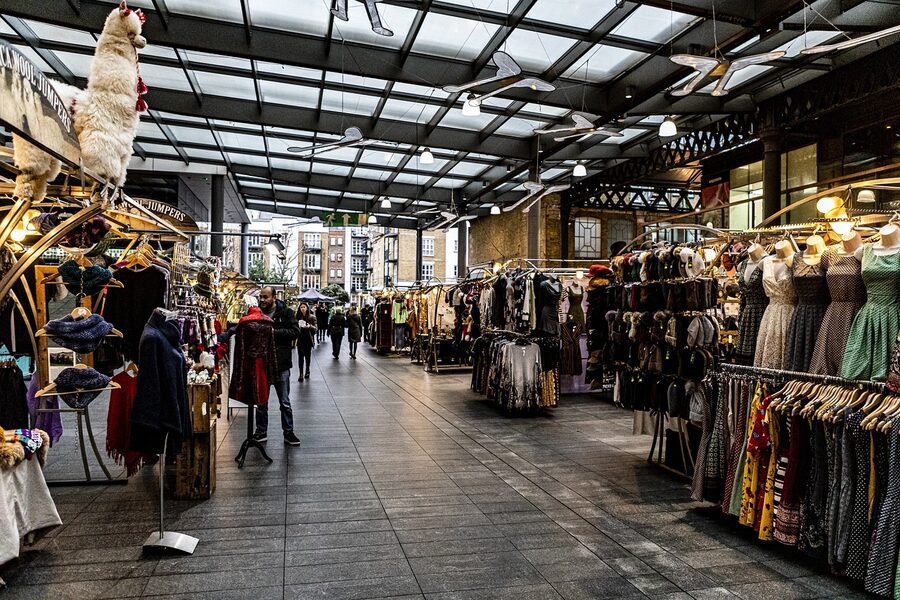
If you only remember one stop afterwards, it’ll be this one. The yard at the back of 29 Hanbury Street is where Annie Chapman was killed. The original house and yard are gone. What stands there now is a 1970s commercial building. From the street you stare at a flat brick wall.
And yet. The guide reads from witness statements. The lodgers above the yard. The carman who walked past at 4.45am and saw nothing. The neighbour who heard a voice say “no” and went back to sleep. The market trader who found the body just before six. You picture all of it. You stand there picturing it. Then a Deliveroo rider on an e-bike rips past behind you and the spell breaks. That’s Whitechapel now.
Why the case stayed unsolved (and why DNA didn’t fix it)
The short version most guides give: the case was a perfect storm of bad evidence, bad press, jurisdictional mess, and almost no forensic science. There were no fingerprints (not used in British policing yet). There was no usable CCTV (obviously). There were dozens of witness statements that contradicted each other and at least one badly-written fake letter that gave the killer his nickname.
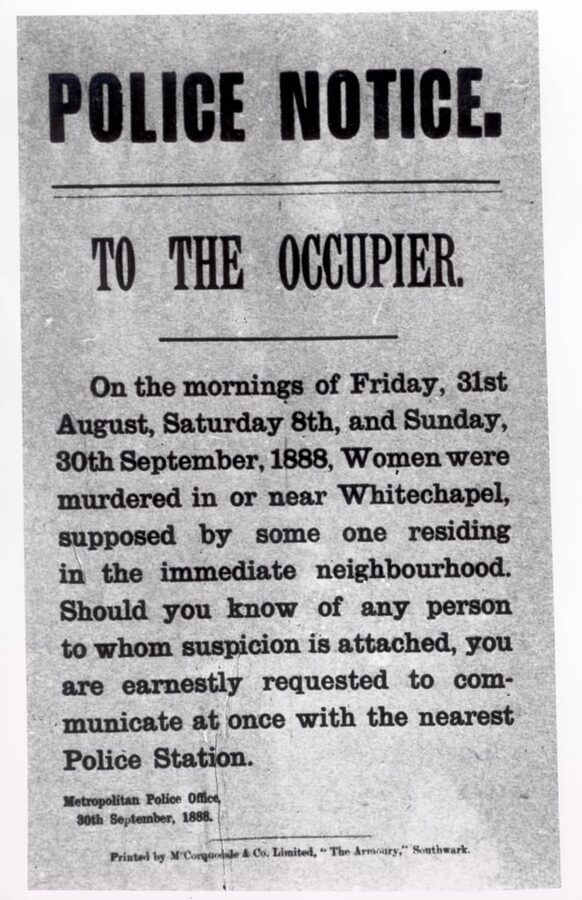
The DNA story is worth a paragraph because it comes up on every tour. In 2014 a self-published book claimed DNA testing on a shawl said to belong to Catherine Eddowes pointed to Aaron Kosminski, a Polish barber and known police suspect. Sounded definitive. Then independent geneticists pointed out the testing methodology was sketchy, the chain of custody on the shawl was thin, and the markers used (mitochondrial DNA) couldn’t actually distinguish Kosminski from thousands of other men of his ethnic background. The case is still unsolved. Anyone who tells you it’s solved is selling something.
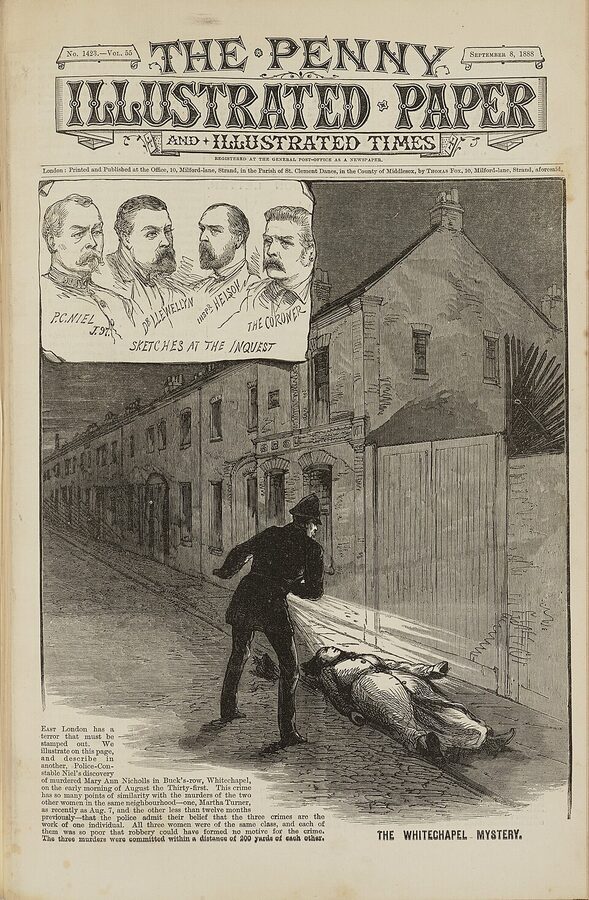
The good guides walk you through all of this without overclaiming. They run through the suspects (Kosminski, Druitt, the Polish barber, the doctor, the painter, royal cover-up nonsense) and tell you which they personally believe and why. The bad guides pretend they know who did it. Run away from anyone who says “and the killer was definitely…”
The three tours worth booking
There are about a dozen serious operators and forty-odd marginal ones. The pool below is the three I’d actually book. Each links to our full review for the long-form take, with affiliate links to the booking pages.
1. London: Jack the Ripper Guided Walking Tour: $25
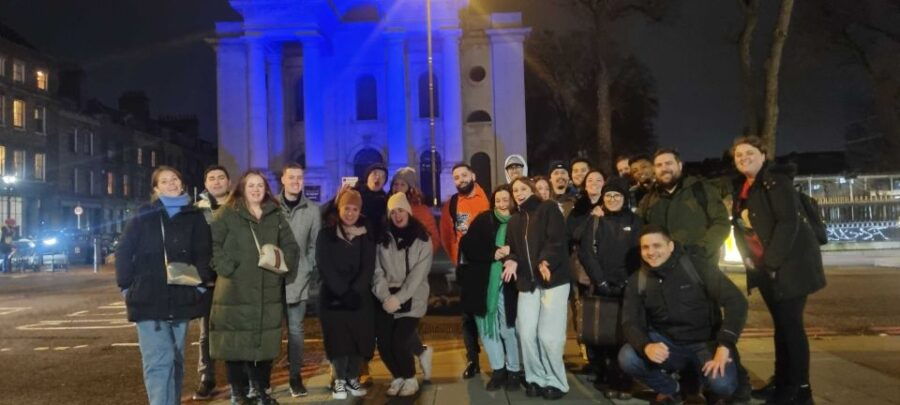
This is the default Jack the Ripper tour everyone should book first. Our full review of the flagship walking tour covers the guide quality and pacing, both of which are the strongest in the city. The guides genuinely know the case. Free cancellation 24 hours out.
2. Jack the Ripper Walking Tour with Ripper-Vision: $26.94
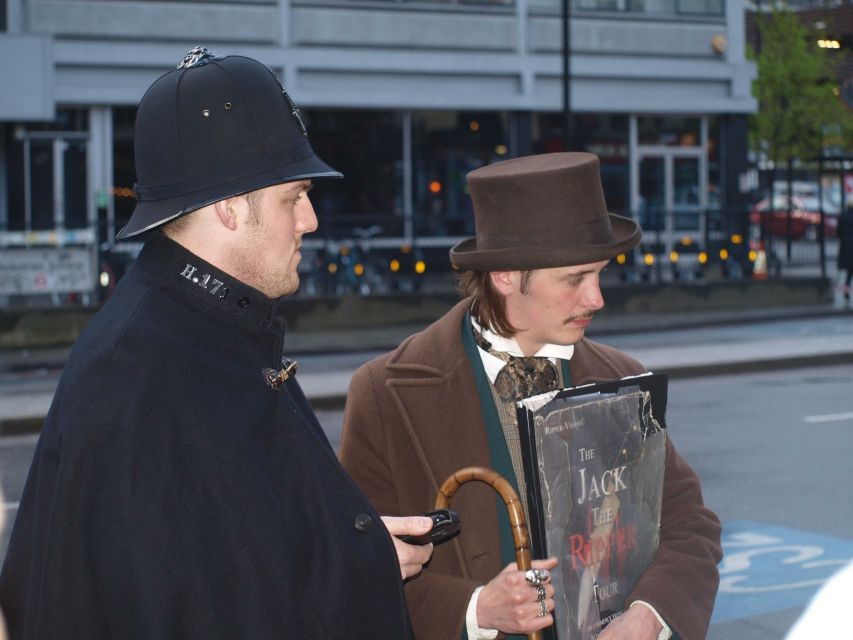
The projector idea sounds gimmicky and is actually the best version of the experience. You stand on Hanbury Street and the guide projects the 1888 photo of the original house onto the brick wall in front of you. Our Ripper Vision review explains why the night version pays off. Book this if you can pick a clear evening.
3. London: Jack the Ripper Small Group Tour: $26
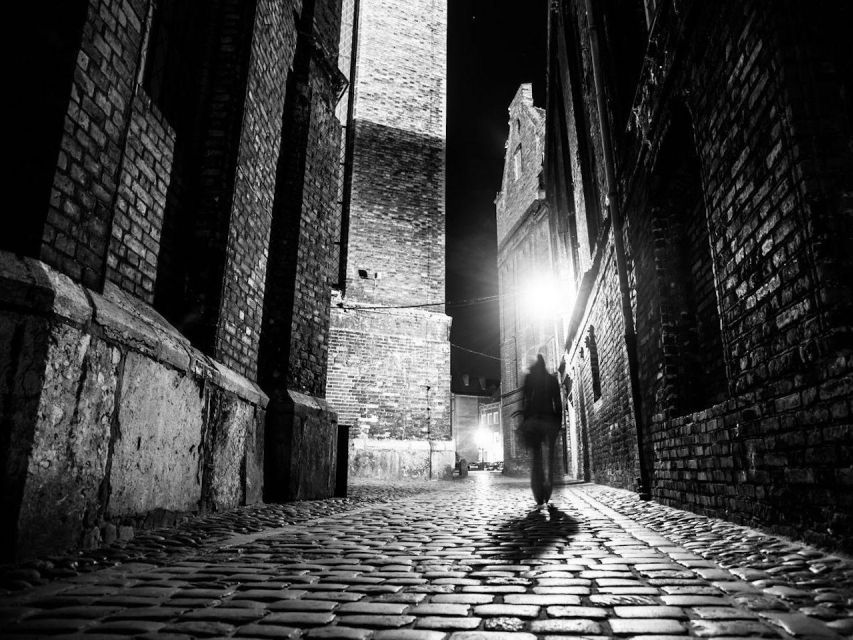
The flagship runs with crowds in summer, which is fine but limits Q&A. The small group format keeps the headcount low so the guide can answer questions in real time. Our small-group review walks through the differences. Worth the small premium if you have specific case questions.
Ripper Vision in detail: how the projector tours work
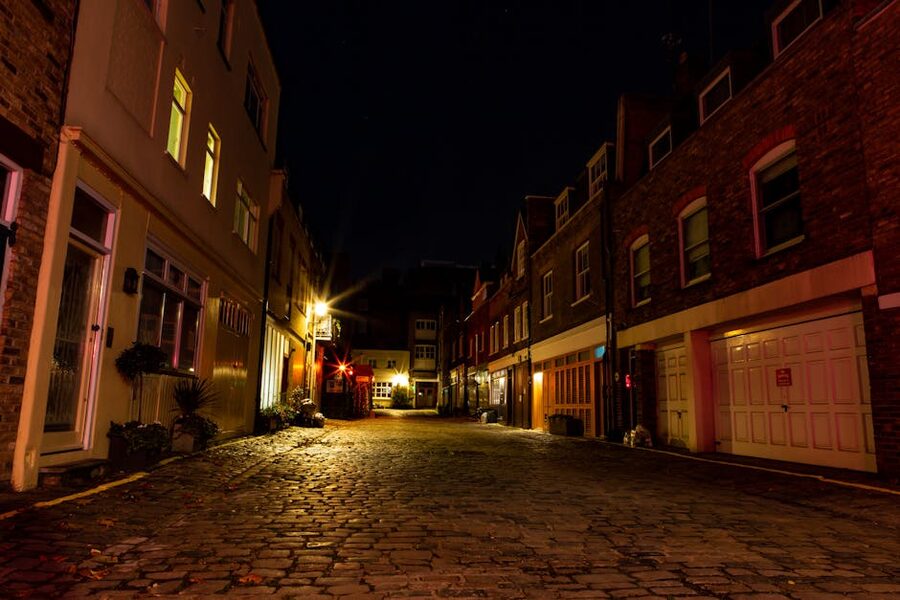
The guide carries a small handheld projector and a tablet. At each stop they line up a 1888 photo of the location and throw it onto the modern building. You see the original Hanbury Street facade overlaid on the 1970s brick, the original Miller’s Court entrance overlaid on the car park, period faces overlaid on bus shelters. It’s a good ten percent of the impact and easily worth the small price difference.
Two practical notes. First, the projection works best on plain walls. If the modern building is glass or has heavy signage, the image gets washed out. Good guides will angle to find the cleanest surface. Second, weather matters. Light rain is fine. Heavy rain or wind makes the projector hard to use, and the guide may switch to printed photos for some stops.
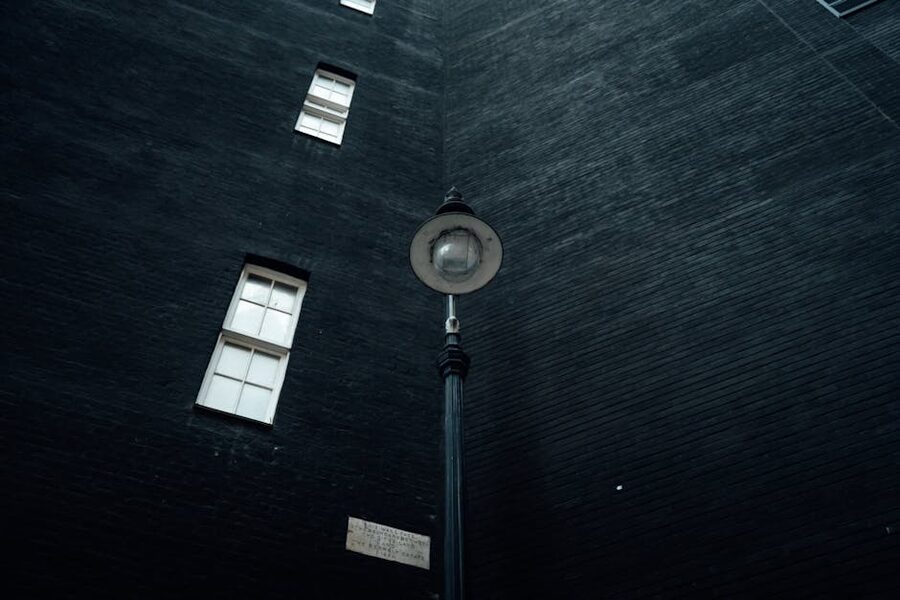
The Ripper Vision evening run is also the version with the most atmospheric pull. You’re walking the same streets at the same time of evening as the original murders, mostly. Your eyes adjust. The crowds thin. By the third or fourth stop you’re noticeably more invested than you would be at three in the afternoon.
Day vs evening: which to pick
Both work. They’re different products.
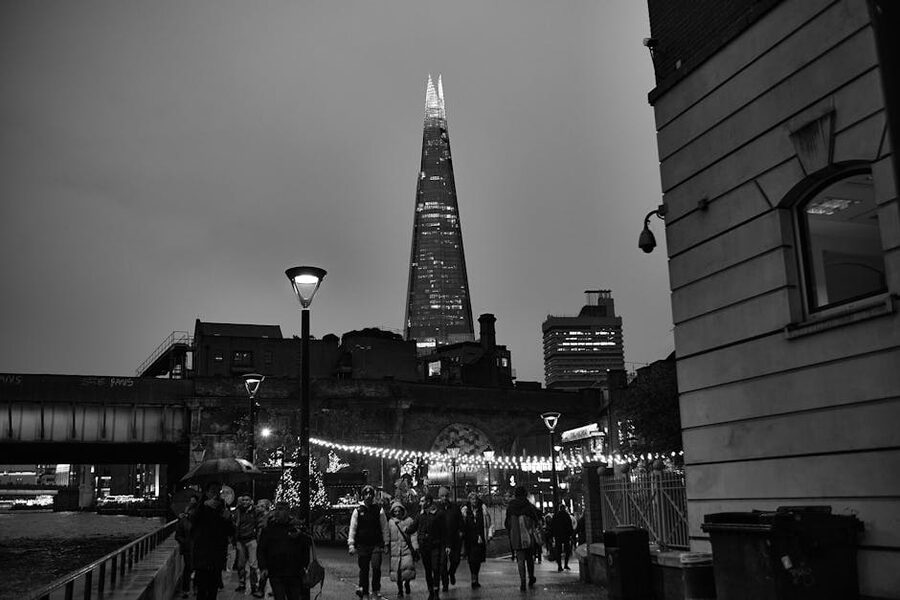
The afternoon tour is for people who want the history clean. You see the buildings clearly, you can read the signs, the guide can take questions for a long time without losing the group’s focus. Good for first-timers. Better if you have kids old enough for the content. Better in winter when sunset is at 4pm and the “evening” tour is just regular night.
The evening tour is for people who want atmosphere. The streets feel different. Office workers are gone. Pubs are full. Your group is smaller. Ripper Vision is only viable in real darkness. The dedicated evening walking tour doesn’t use projectors but starts late enough to feel right. Pick this if you’ve already done the daytime version on a previous trip, or if you want the most cinematic version on a first visit.
One quick warning. The “free walking tour” Jack the Ripper options on Guruwalk and similar platforms are tip-based. The guides often work other tours and learn the Ripper script as a side gig. Quality varies wildly. The case rewards expertise, not enthusiasm. I’d pay the $25 every time.
The Jack the Ripper Museum on Cable Street
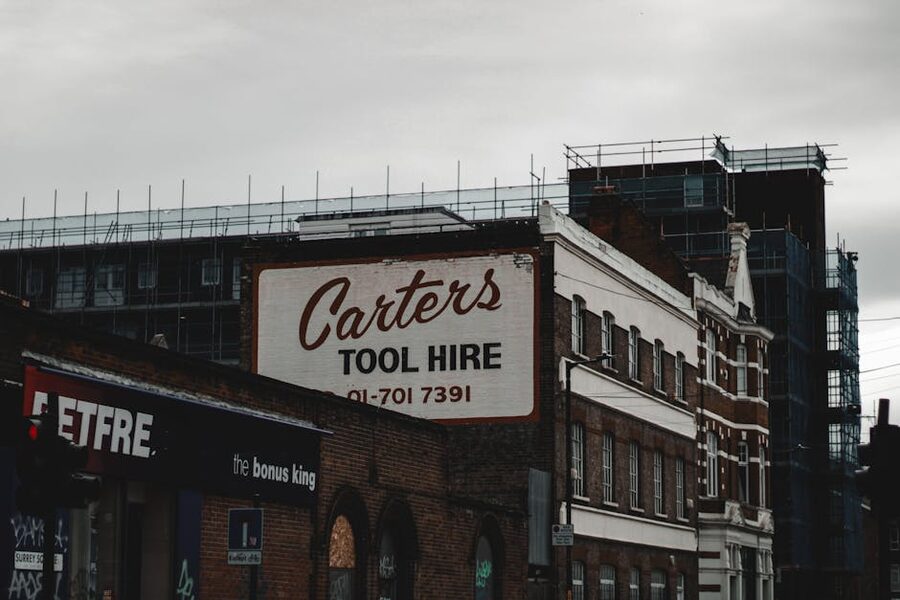
The Jack the Ripper Museum on Cable Street is a separate ticketed attraction, not part of any walking tour. It’s controversial. The museum was originally proposed as a museum of women’s history, then opened as a Ripper museum without the local consultation that was promised, which still annoys the Tower Hamlets community. You can decide for yourself whether to go.
What’s inside: six floors covering the murders, the police investigation, period artefacts, recreated rooms. A 1888 Whitechapel sitting-room, a recreated Mary Kelly murder scene that some visitors find too much, a forensics floor. It takes about 90 minutes. Not cheap. Not bad. Different experience from a walking tour and not a substitute for one.
If you only have time for one, do the walking tour. If you have a rainy afternoon and a strong appetite for the case, add the museum. Don’t expect them to be the same product.
The 1888 East End: why this case happened where it did
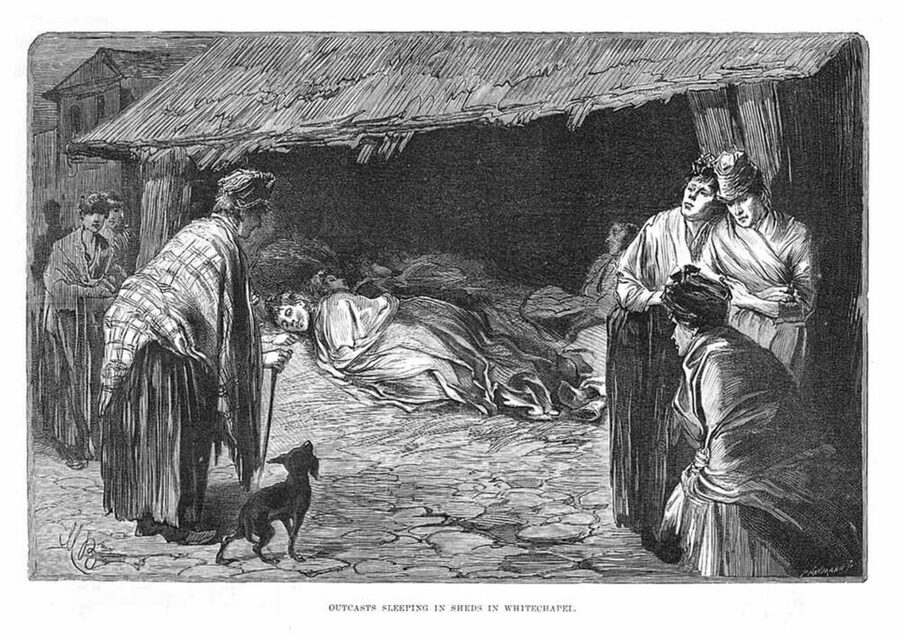
The good tours spend ten to fifteen minutes on the social context, and you should let them. Whitechapel in 1888 was the poorest square mile in Western Europe. About 80,000 people lived there. Around 1,200 of them were women working in prostitution, almost all because the casual labour market couldn’t feed them. Common lodging houses charged fourpence a night for a shared bed. If you couldn’t make fourpence, you slept in a doorway or paid threepence to lean over a rope on the wall of a basement.
The five canonical victims were all in this exact situation. They were not anonymous nobodies. They had names, kids, husbands, drinking habits, and they all knew each other. They worked the same streets. Mary Ann Nichols had been turned out of her lodging house at 1.20am the night she died because she didn’t have the fourpence. That detail is not random.
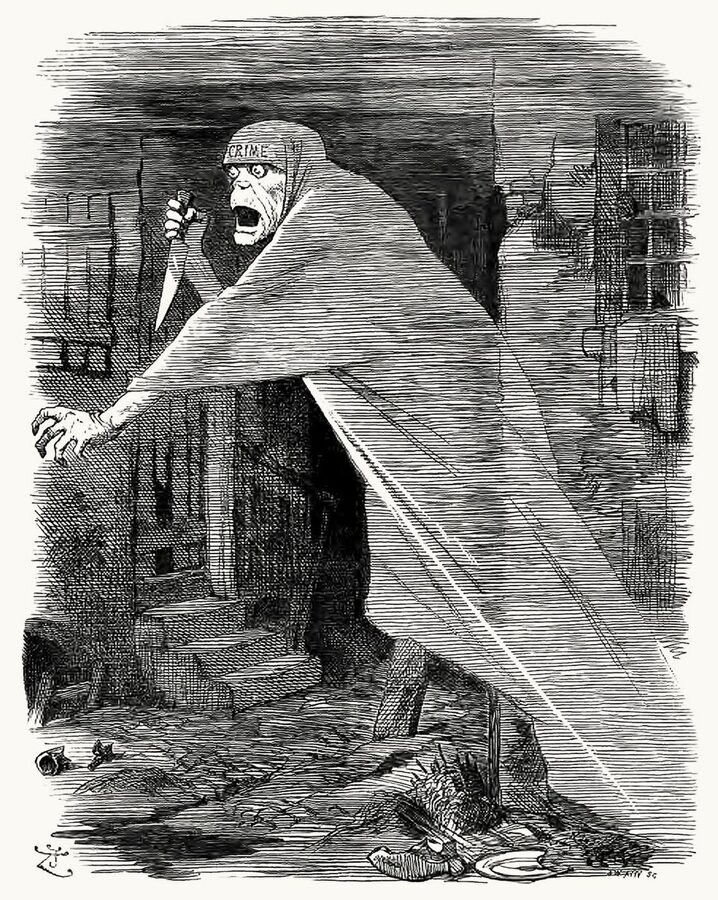
This part of the tour is the part competitors skip. The killings were the symptom. The poverty was the disease. A guide who can connect the two without grandstanding is the guide you want. The flagship and small-group tours both do this well. The cheaper tip-based ones often don’t.
Where to meet, what to bring, who not to bring
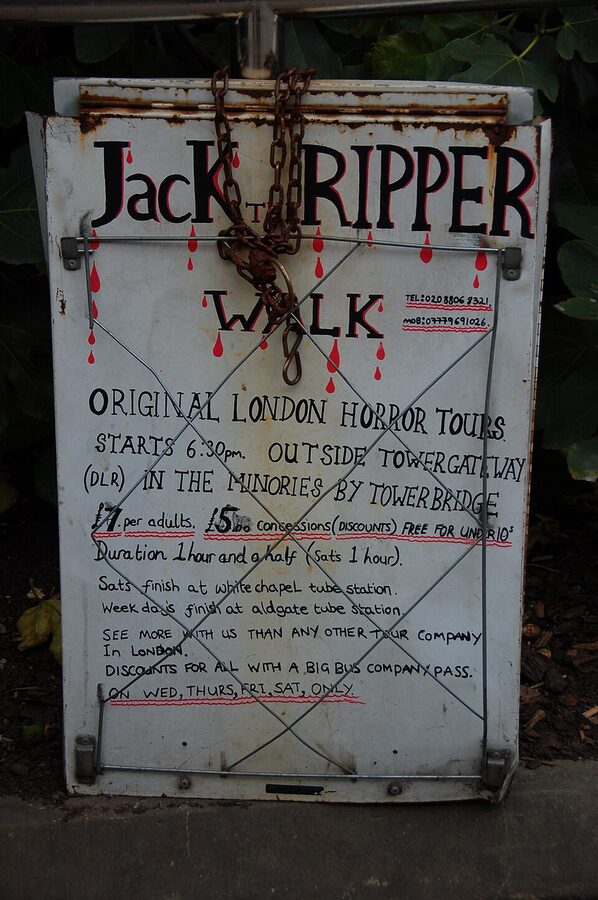
Meeting points vary slightly by operator but cluster around three tube stations: Aldgate East (Hammersmith & City and District lines), Tower Hill (Circle and District), and Tower Gateway DLR. The booking confirmation will tell you exactly which corner to stand on. Arrive ten minutes early and look for the guide, not the other way round.
Wear shoes you can walk a kilometre in slowly, mostly on pavement. Bring a light jacket. The route is well-lit but the side streets get a couple of degrees colder than central London in autumn evenings. No need for water; you’re never more than five minutes from a shop. No need for a torch.
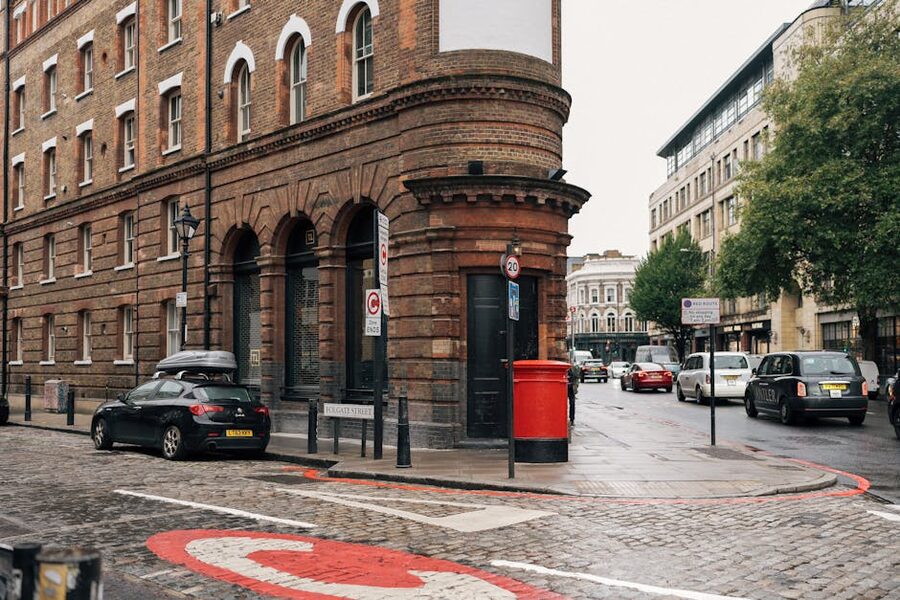
Age-wise: I’d put a soft floor at twelve. The content is dark. The guides don’t show graphic photos, but the descriptions don’t pull punches. A bookish thirteen-year-old will be fine. A sensitive ten-year-old won’t. Use your judgement. If in doubt, do the daytime tour with the smaller group; the language is the same but the atmosphere isn’t pushing.
Combining with the rest of London
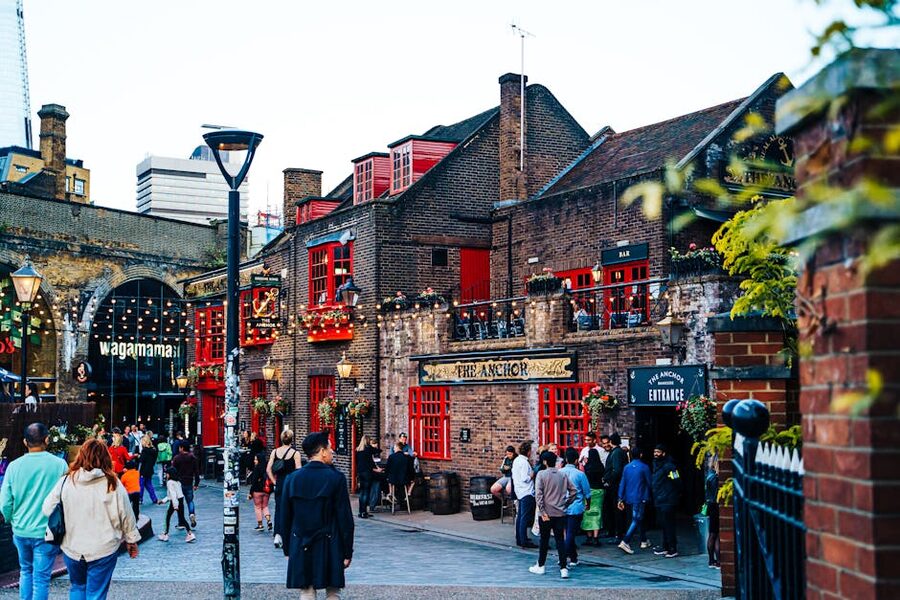
Most people pair the Ripper tour with one other London experience the same day. The cleanest pairing is the Tower of London, which is a five-minute walk from Tower Hill and slots straight into a morning. Do the Tower in the morning, lunch in Borough Market or near St Katharine Docks, then the Ripper tour at 4 or 7pm. Tower Bridge is also right there and works as a quick add-on.
If you’re combining Ripper with bus sightseeing, the London hop-on hop-off bus stops at Tower Hill, so you can do a half-day on the bus and join an evening Ripper tour without faff. For something completely different earlier in the day, the London Eye is across the river and the timed-entry slots work nicely with a 4pm Ripper start. Some travellers go full-thematic and combine the Ripper walk with Westminster Abbey, where Charles Dickens is buried, and Dickens wrote the East End that the Ripper would later terrorise.
One last alternative: if your group includes someone who really doesn’t want a murder tour, the same kind of walking-tour format works for completely different content. The Harry Potter walking tour uses the same Leadenhall Market area for entirely cheerful reasons. Different people, different evenings, same city.
What to expect, and what not to
Expect: a measured two-hour walking tour with a knowledgeable guide. Five murder sites in chronological order. Period photos or projections. Fair treatment of the suspect debate. Some social-history context. Real understanding of where these things happened and why nobody caught the killer. A bit of black humour around the absurd press coverage. A clear sense of place.
Don’t expect: ghost-tour theatrics, jump scares, anyone in costume, or graphic photos. The good tours treat the case as a real crime against five real women, not as Halloween content. If your guide is doing a horror-host voice or telling murder jokes, you got the wrong tour and should ask for a refund.
If you’re staying further out
Whitechapel is well-served. Aldgate East is six stops from King’s Cross on the Hammersmith & City line. Tower Hill is four stops from Westminster on the District. From Heathrow you can take the Elizabeth line direct to Whitechapel station in about an hour. Last trains back run until midnight on most lines, so a 7pm tour finish puts you on a tube home with no stress. Cabs and Ubers are easy from any of the meeting points if you’d rather skip the tube.
More London Walking and History Stops
If you’ve enjoyed the way the Ripper tour stitches stories onto real streets, the city has a lot more in the same register. The dedicated evening Ripper walk is the obvious follow-up if you’ve already done the daytime version. For a different kind of dramatic-place storytelling, the night-time atmosphere on the Granada flamenco evenings or the smaller venues covered in our Madrid flamenco guide hit similar buttons in different cities. And if you’d rather an entirely lighter London follow-up, the Buckingham Palace State Rooms are about as far in tone from Whitechapel 1888 as London gets.