
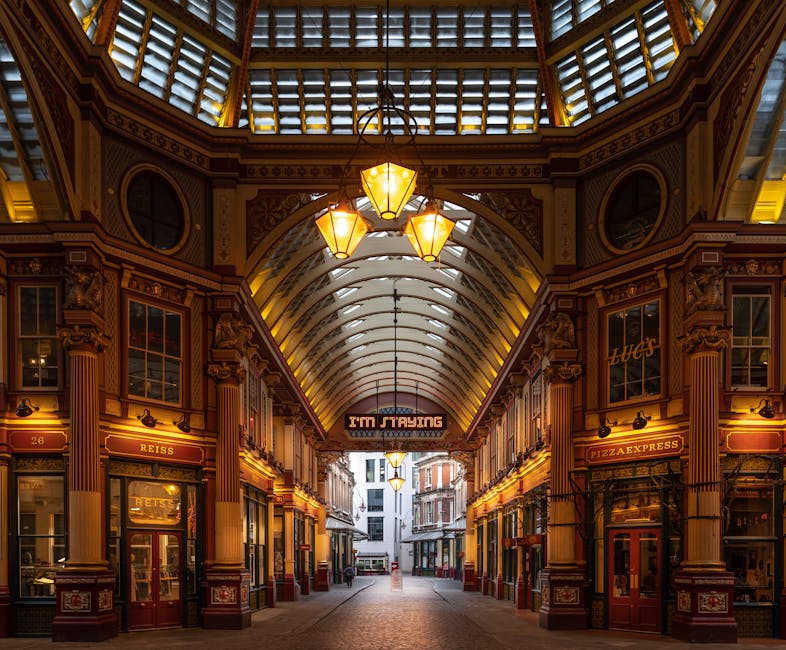
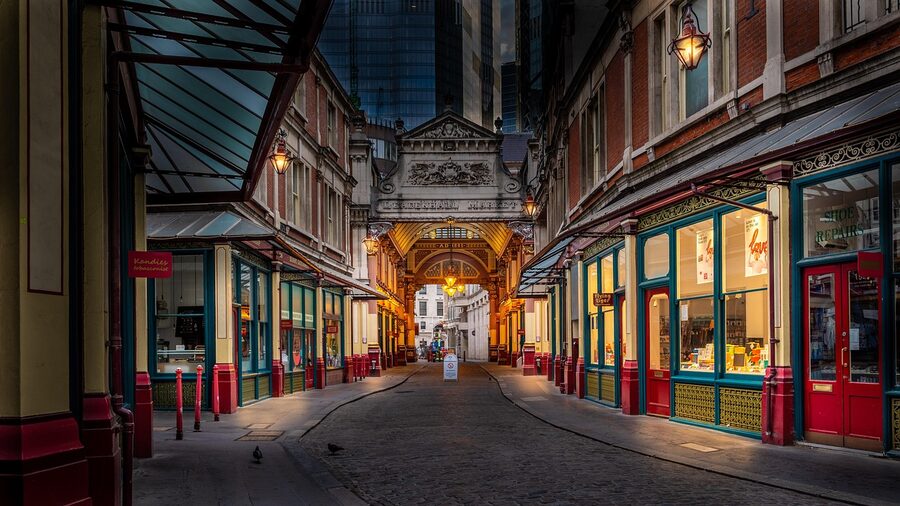
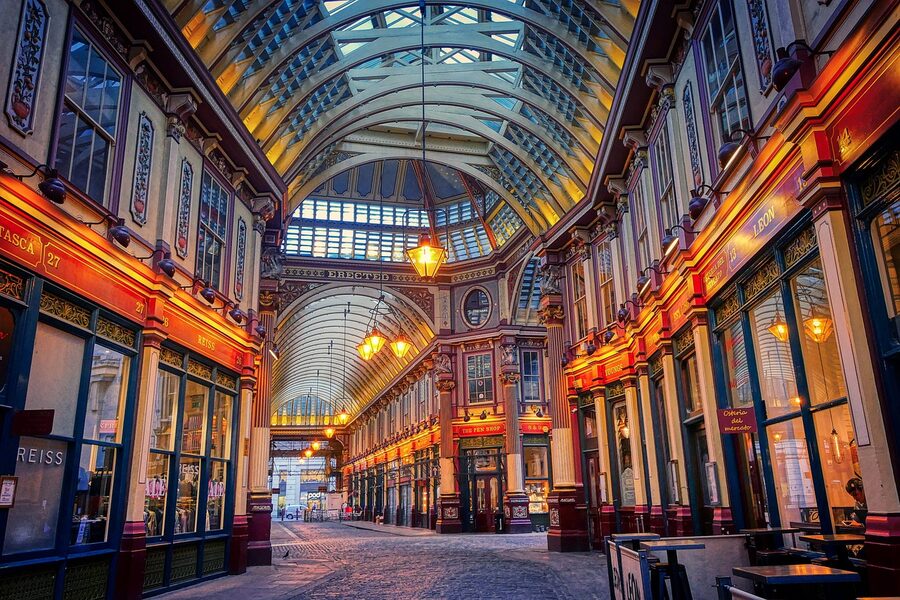
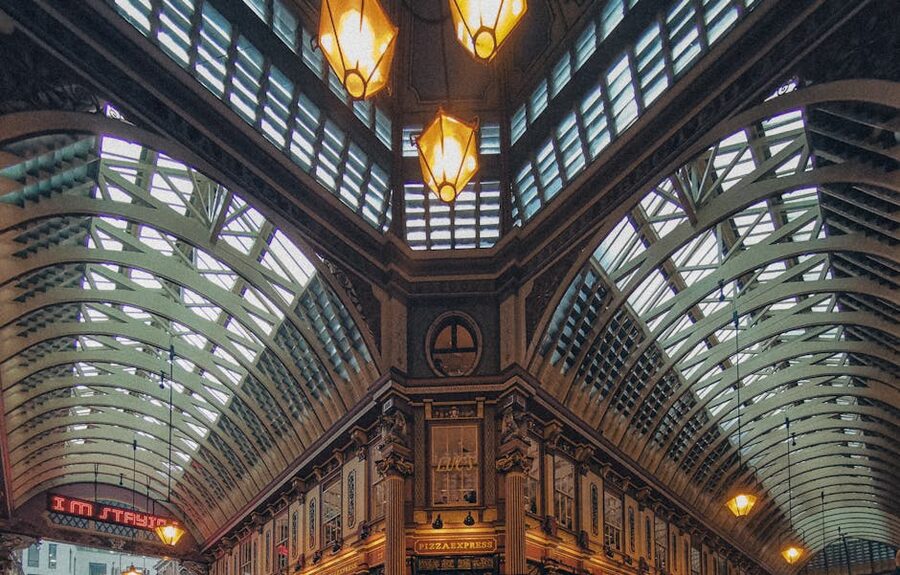
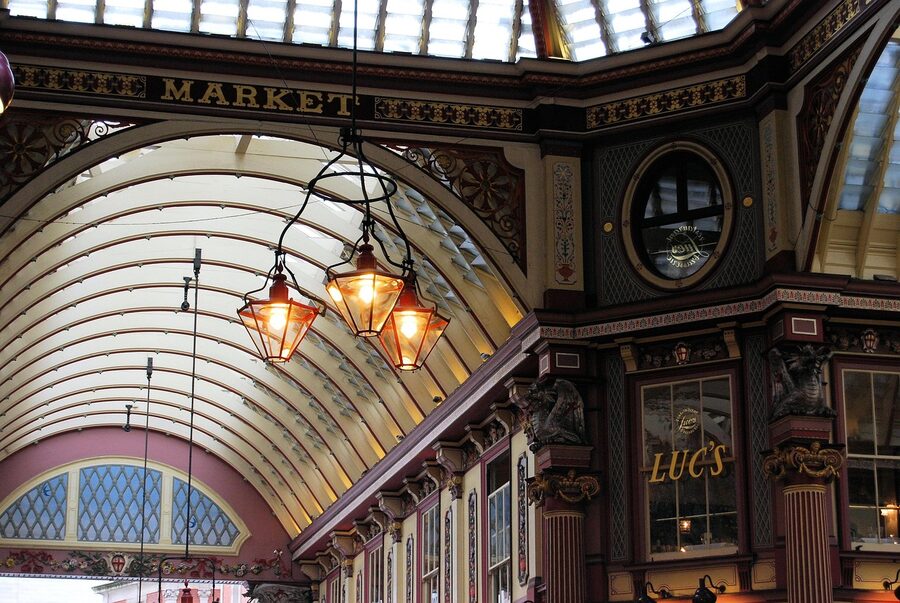
You duck under a wrought-iron arch off Gracechurch Street and the city goes quiet. Leadenhall Market opens up in front of you, all maroon and cream paint and Victorian glass, and the guide stops, points at a small painted shop with the word Optician on the window, and says: that was the door to the Leaky Cauldron. The wall behind it is the wall Hagrid tapped with his umbrella to open Diagon Alley. You take the photo. So does everyone else.
That is what a Harry Potter walking tour in London actually does. It strings together the bits of the city the films borrowed and the bits J.K. Rowling lived in while she was writing, and a good guide will sort the genuine filming locations from the things-the-books-mention from the marketing-only locations. Most of the routes run two and a half hours, cover four or five real film sites, and finish at the Platform 9 3/4 trolley at King’s Cross. This is the booking guide for that walk, and how it differs from the Warner Bros. Studio Tour at Leavesden, which is the actual sets-and-props day out.
- In a hurry? My three picks
- What the walk actually is (and what it isn’t)
- The stops on a typical 2.5-hour route
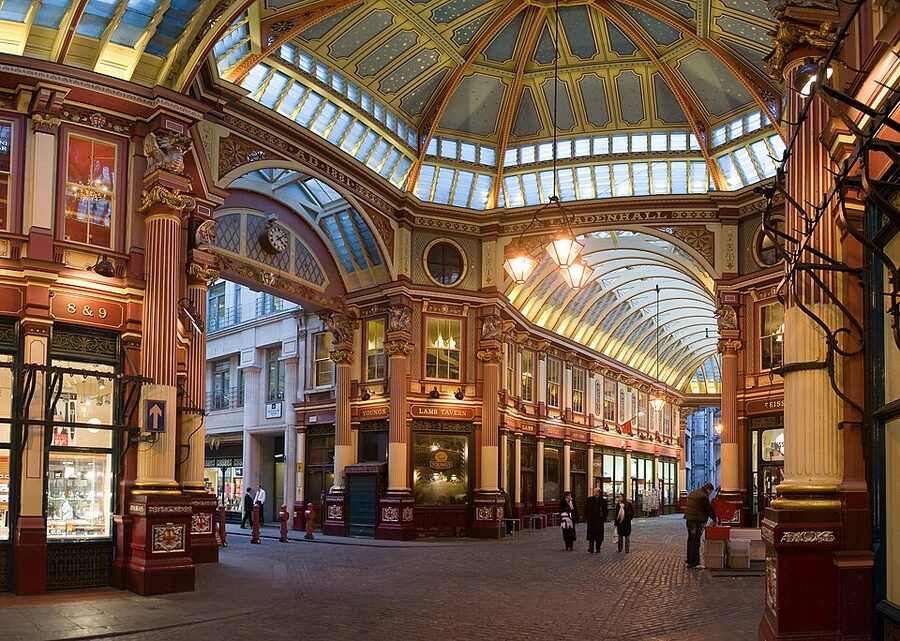
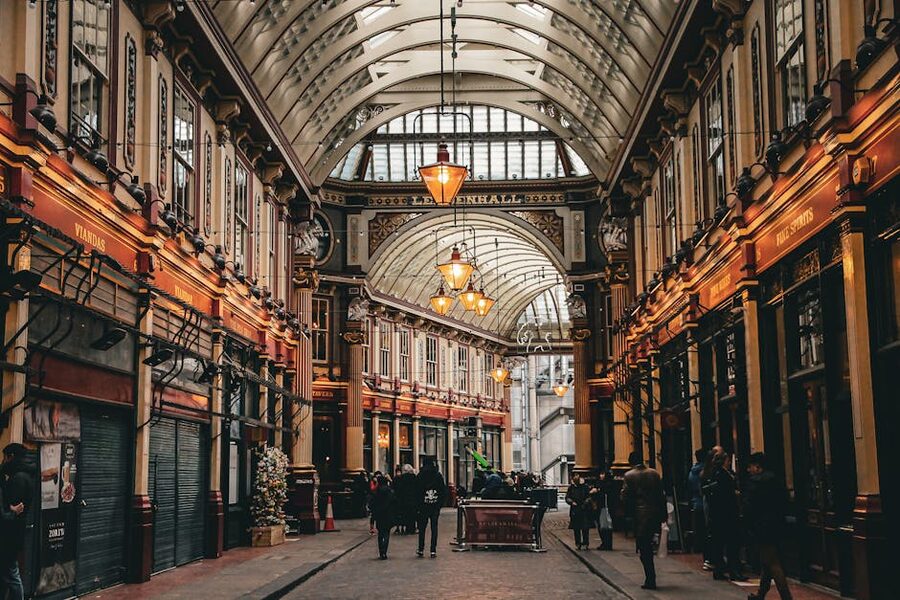
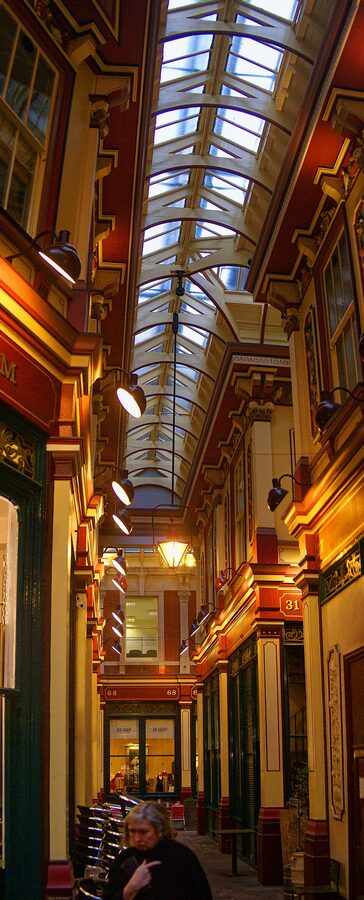
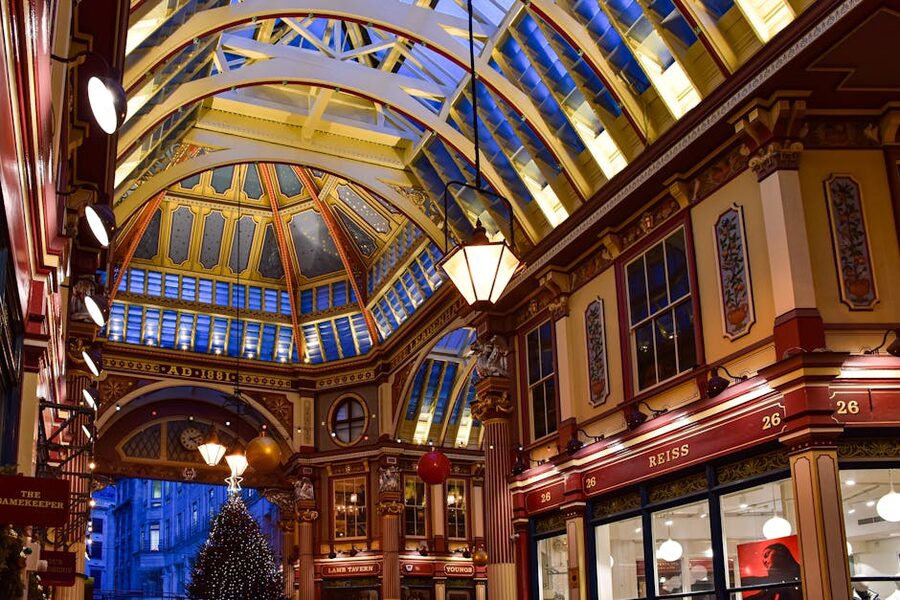
- Leadenhall Market (Diagon Alley exterior, Leaky Cauldron entrance)
- The Millennium Bridge (Half-Blood Prince opening)
- Westminster Underground (Order of the Phoenix)
- Whitehall and the Ministry of Magic phone box
- Reform Club, Pall Mall
- Australia House, the Strand (Gringotts interior)
- Cecil Court (Diagon Alley inspiration)
- Goodwin’s Court (Knockturn Alley inspiration)
- King’s Cross and St Pancras (the finish)
- Picking the right tour for you
- 1. Magical London Harry Potter Guided Walking Tour:
- 2. Original Harry Potter Locations By Boat:
- 3. Guided Harry Potter Bus Tour of Locations:
- Where to start, what to wear, when to go
- Time of day matters more than you’d think
- What the walk does not cover (and why)
- Practical booking notes
- Combining with other London plans
- What it costs all-in for a family of four
- Hidden costs to watch for
- Quick reference: which scene is filmed where
- Tours in other languages and other British HP locations
- The verdict, plainly
- More London guides worth booking alongside this one
In a hurry? My three picks
The flagship walk (the easy default): the Magical London guided walk. It is the most-booked Harry Potter walking tour in the city, runs daily, and finishes at Platform 9 3/4. Around $20.
The boat-and-walk version (the differentiator): the Original Harry Potter Locations By Boat. Same locations, but the central stretch is a Thames cruise past the Millennium Bridge instead of a slog along the South Bank. Around $37.
The bus tour (for tired feet or kids): the Guided Harry Potter Bus Tour of Locations. Sits down between stops, covers further-afield sites a walking tour cannot, ends with the Platform 9 3/4 photo. Around $53.
What the walk actually is (and what it isn’t)
This is the part that confuses people. There are two completely separate Harry Potter experiences in London and they do not overlap. The walking tour is street-level. You go to the actual buildings used as exteriors in the films, plus a few places that inspired the books. The other one, at Leavesden in Hertfordshire, is the Warner Bros. Studio Tour, which is the actual film sets, props, and costumes on the original sound stages where the films were shot. They answer different questions. The walk answers: what part of London is in the films? The studio answers: how did they make the films?
If you only have time for one, here is how I’d choose. The studio is bigger, costs more, takes most of a day, and works on every level for kids and adults. The walking tour is cheaper, takes a morning, and is more for people who already know London a bit and want to see it through the films. Many fans do both on different days. The studio is in Watford and needs a return train trip, so don’t try to bolt it onto a walking tour the same day. You will be exhausted and you will not enjoy either.
The stops on a typical 2.5-hour route
Different operators run different paths but the core stops repeat. Here is the list you’ll get on most of the popular walks, with the actual film reference for each so you know what you are looking at. I’ll go in geographic order rather than narrative, because that is how the walk runs.
Leadenhall Market (Diagon Alley exterior, Leaky Cauldron entrance)
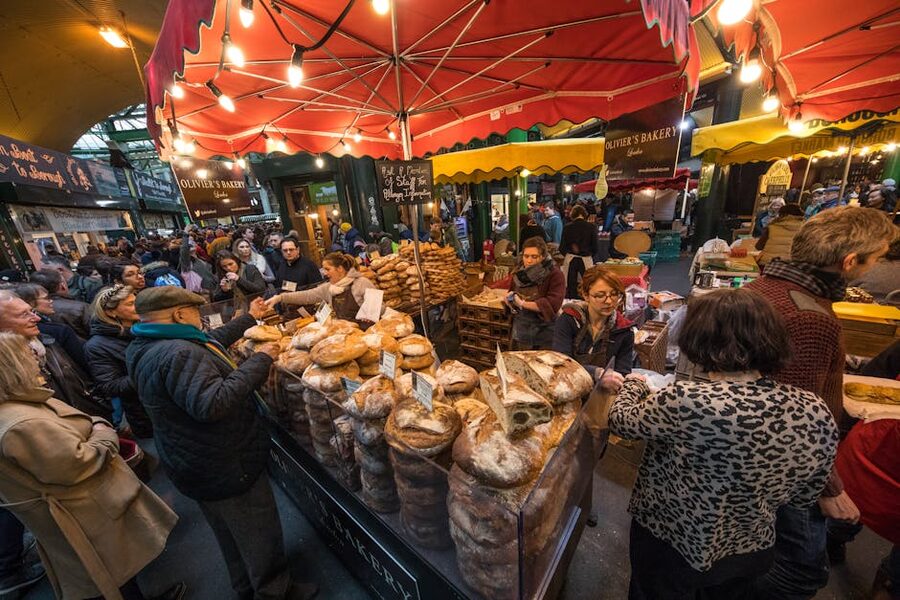
Most walks start here. The wrought-iron arcade was built in 1881 on the site of London’s medieval poultry market, and it stood in for the Diagon Alley exterior in Sorcerer’s Stone. The blue door of the optician’s shop on Bull’s Head Passage is the original Leaky Cauldron entrance, before the production team switched to using a cafe in Borough Market for the later films. You get five minutes here, plenty of photo opportunity, then the guide moves on.
The Millennium Bridge (Half-Blood Prince opening)
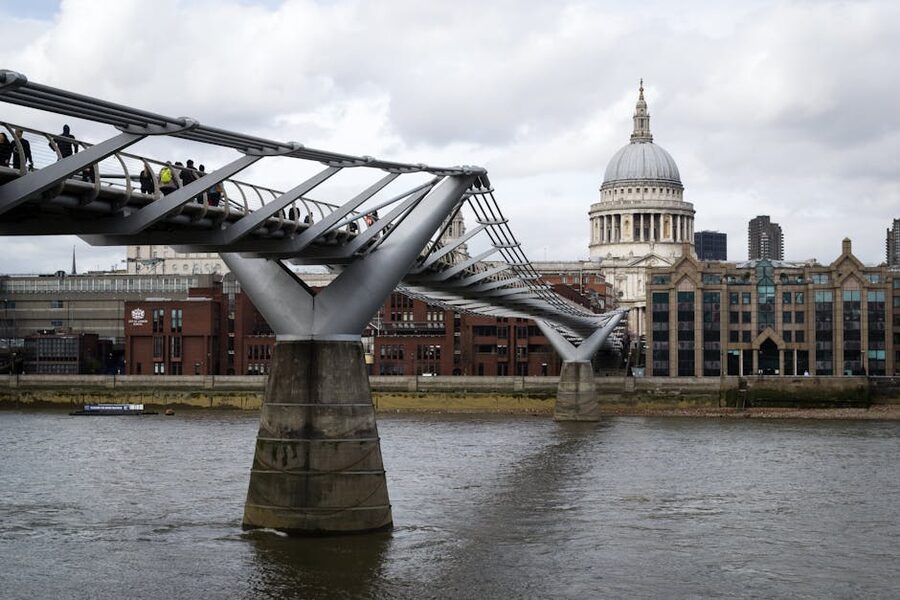
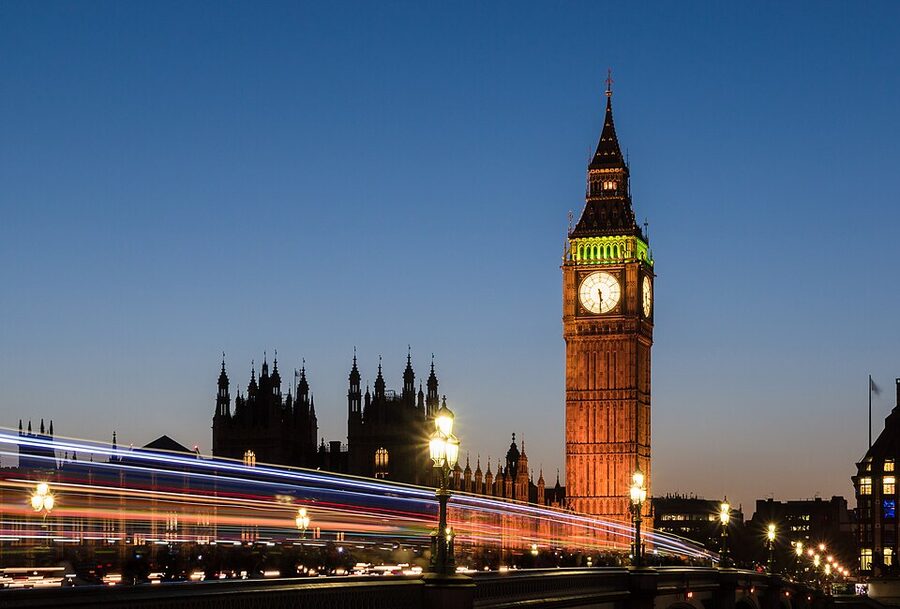
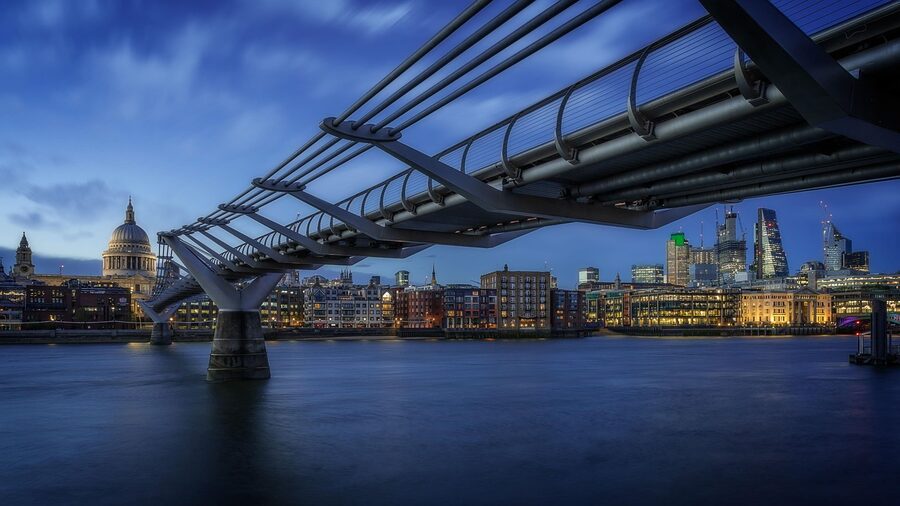
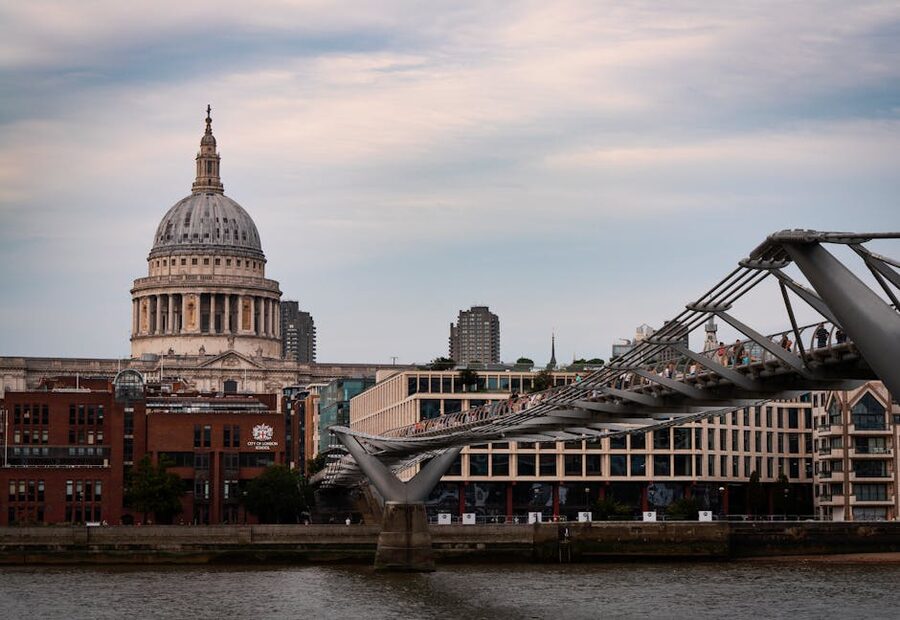
The next stretch heads west along the river toward the Millennium Bridge, which gets destroyed in the opening sequence of Half-Blood Prince when the Death Eaters whip through London. In real life it is a steel pedestrian-only suspension bridge that opened in 2000, wobbled famously for two days, was closed for two years to fix the wobble, then reopened. You walk it with St Paul’s Cathedral framed dead ahead. The film shot used a CGI version of the bridge, but the angle is unmistakable. It is also on the route for most Thames sightseeing cruises, so you may have already crossed it.
Westminster Underground (Order of the Phoenix)
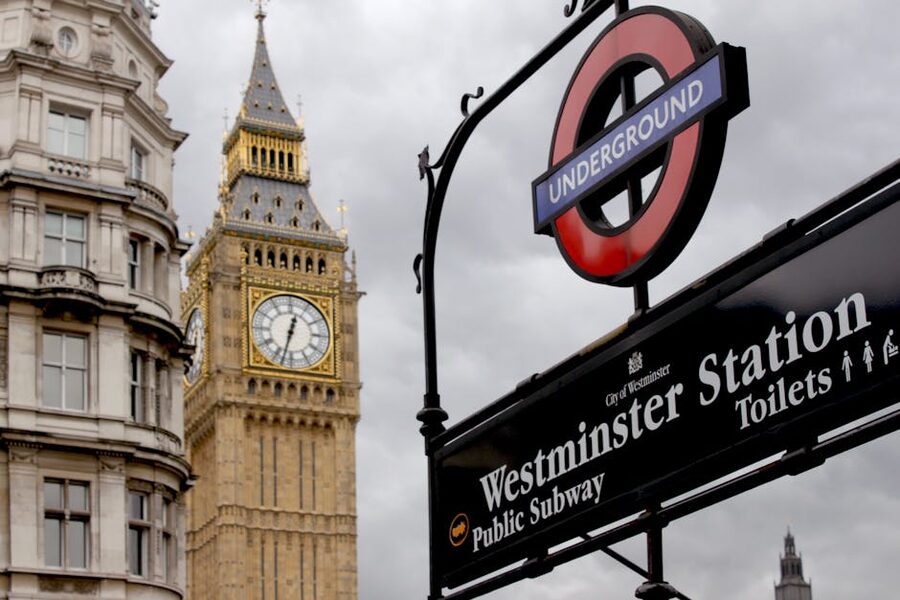
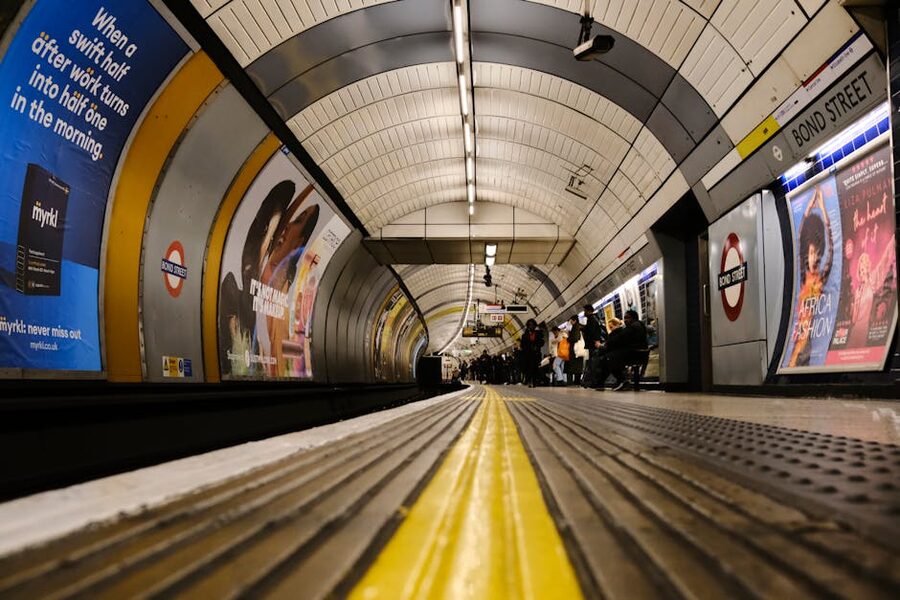
From the Millennium Bridge you walk along the South Bank past the London Eye and into Westminster. The tube station here is what you’ll see in the opening of Order of the Phoenix, where Mr Weasley takes Harry up the escalators to the disciplinary hearing at the Ministry of Magic. The interior is genuinely the Westminster Underground, all exposed concrete and angular steel because it was rebuilt for the Jubilee line in 1999. You are going up real escalators. The Ministry itself is film-magic; the building they walk into doesn’t exist.
Whitehall and the Ministry of Magic phone box
Above ground, the walk crosses Whitehall to Great Scotland Yard, where you’ll find the location of the visitor’s entrance to the Ministry of Magic, the red telephone box Harry climbs into. There is no actual film-prop box at the spot; the production used a custom prop on a different street. But the area is right and the guide will explain the geography. While you are there, the guide may also point at the Cabinet Office building, which doubled as background in a couple of Phoenix shots.
Reform Club, Pall Mall
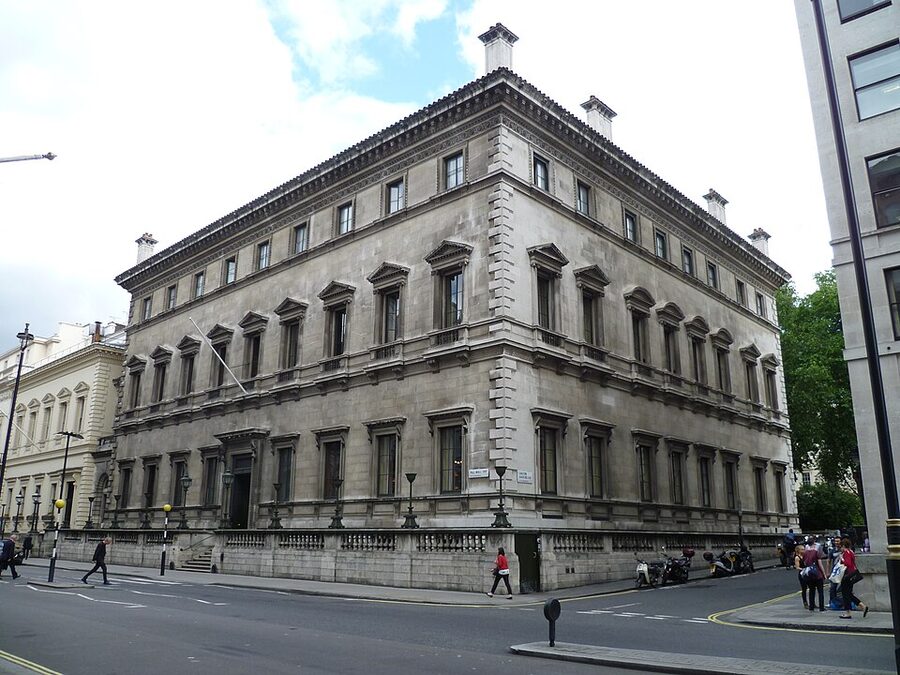
The Reform Club’s exterior is on Pall Mall, all stone and tall windows, and you’ll have walked past it without noticing if you didn’t know. It was used as a background building in several Phoenix scenes, dressed and shot from across the road. Members-only, so you cannot go in; the guide will set the scene from the pavement opposite, then push on toward Trafalgar Square. The same stretch of Pall Mall has the official route to Buckingham Palace if you want to bolt on the Changing of the Guard another day.
Australia House, the Strand (Gringotts interior)
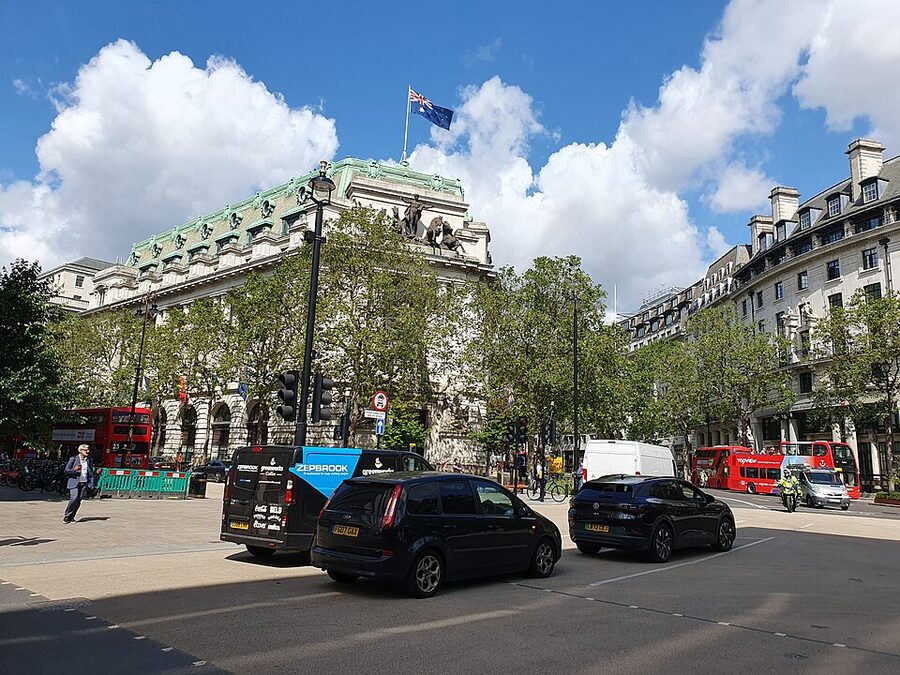
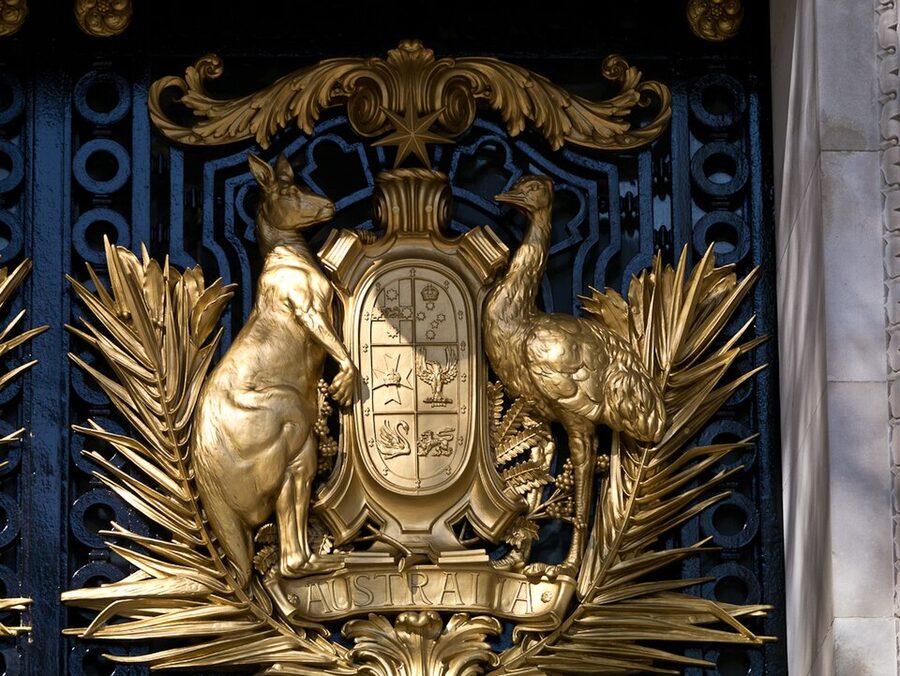
This is the one most fans don’t expect. The Gringotts Wizarding Bank interior, the cavernous marble hall with the goblins behind the counter, was filmed inside Australia House on the Strand. It is the working high commission for Australia in the UK, and the public lobby is genuinely the Gringotts hall. You cannot go in on a normal walking tour; the building is closed to the public except for embassy business. But the exterior, with its statues and grand entrance, is right there on the Strand and the guide will set the scene.
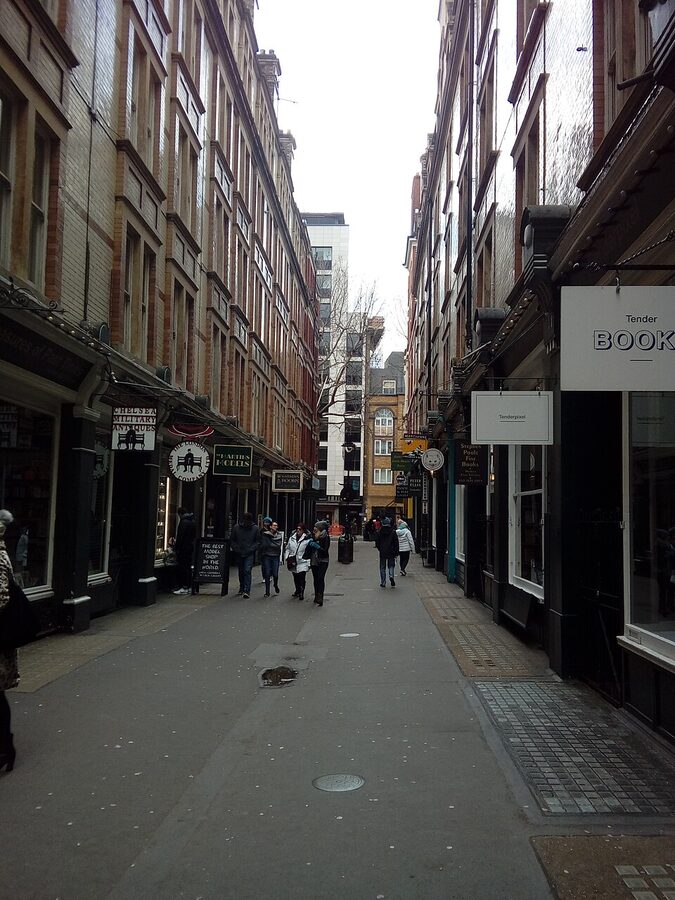
Cecil Court (Diagon Alley inspiration)
Off Charing Cross Road, Cecil Court is the small pedestrian street J.K. Rowling has named as a partial inspiration for Diagon Alley. Antiquarian bookshops, magic-themed window displays, narrow paving. It was not actually used in any of the films, but every walking tour stops here because the look is right and the books-and-magic atmosphere is the closest thing to walking down a real wizarding shopping street. There is even a bookshop selling vintage Harry Potter first editions. They are not cheap.
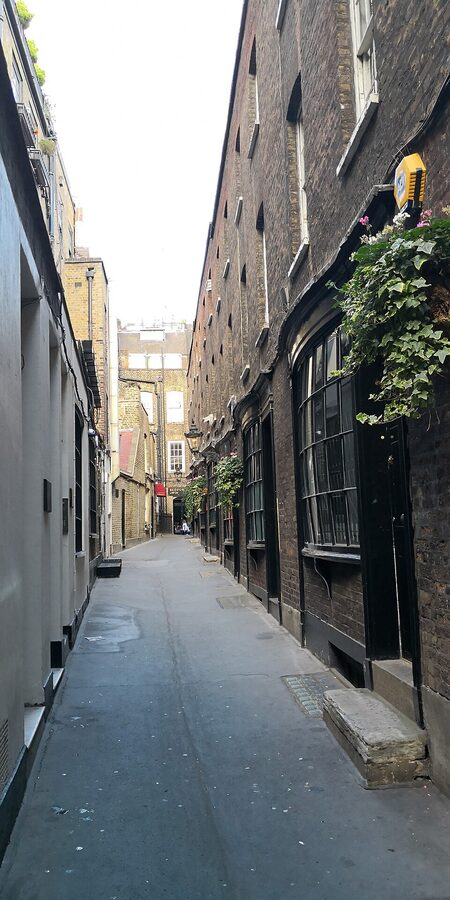
Goodwin’s Court (Knockturn Alley inspiration)
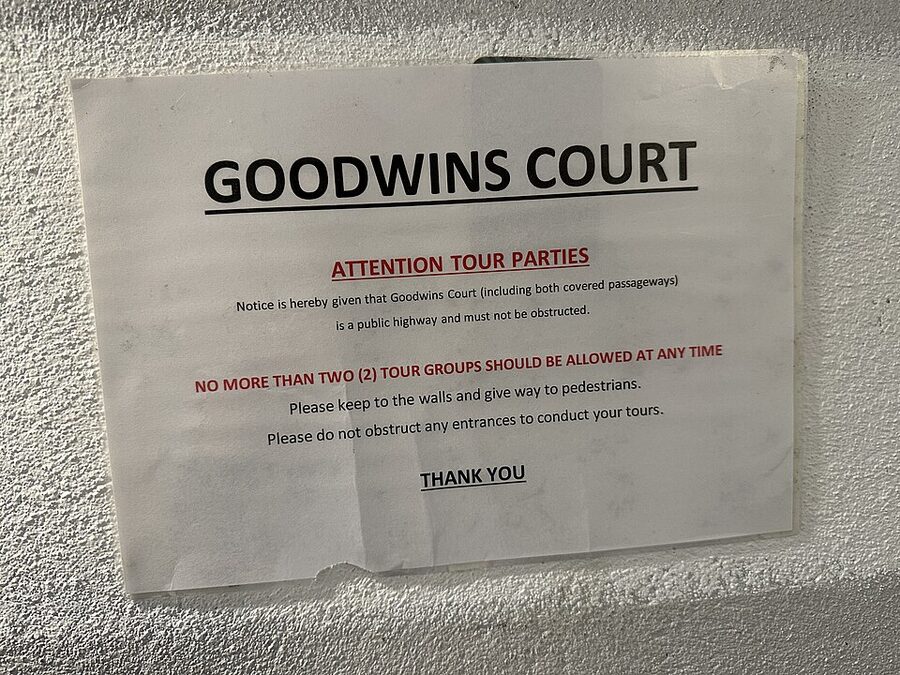
A short walk from Cecil Court, Goodwin’s Court is a tiny gas-lit alley off St Martin’s Lane that fans cite as the closest real-world match for Knockturn Alley, the dodgy lane Harry stumbles into in Chamber of Secrets. Bow-fronted shop windows, lamps that genuinely still run on gas. It was not filmed there either, but the residents have asked tour groups to keep the noise down because so many fans turn up that local people cannot get to their flats. There is an actual sign on the wall now asking guides to brief their groups to be quiet.
King’s Cross and St Pancras (the finish)
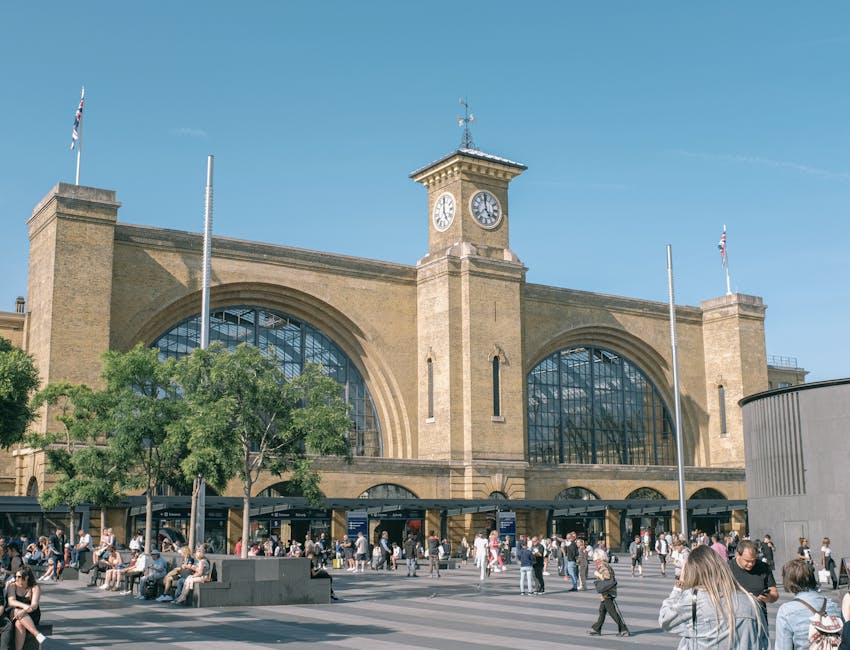
The walk almost always finishes at King’s Cross, because that is where Platform 9 3/4 lives. There is a permanent installation in the new departures concourse: a luggage trolley half-embedded in a brick wall, a Hogwarts house scarf changed daily, a queue. A staff photographer takes the picture and you can buy it from the shop next to the trolley. There is no charge to queue and take your own photo on a phone, but the queue is long. School holidays it can be 40 minutes. Mid-week morning is the only time it is quick.
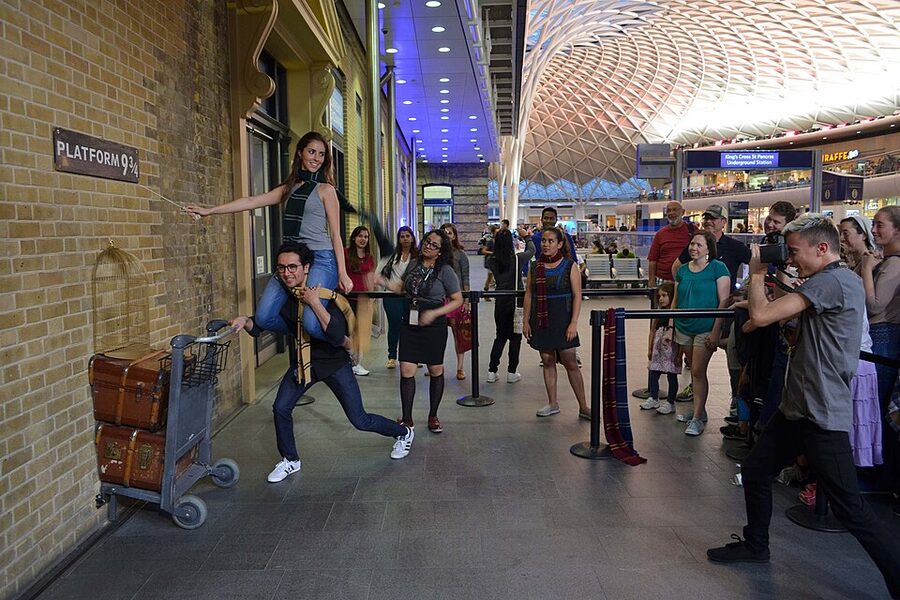
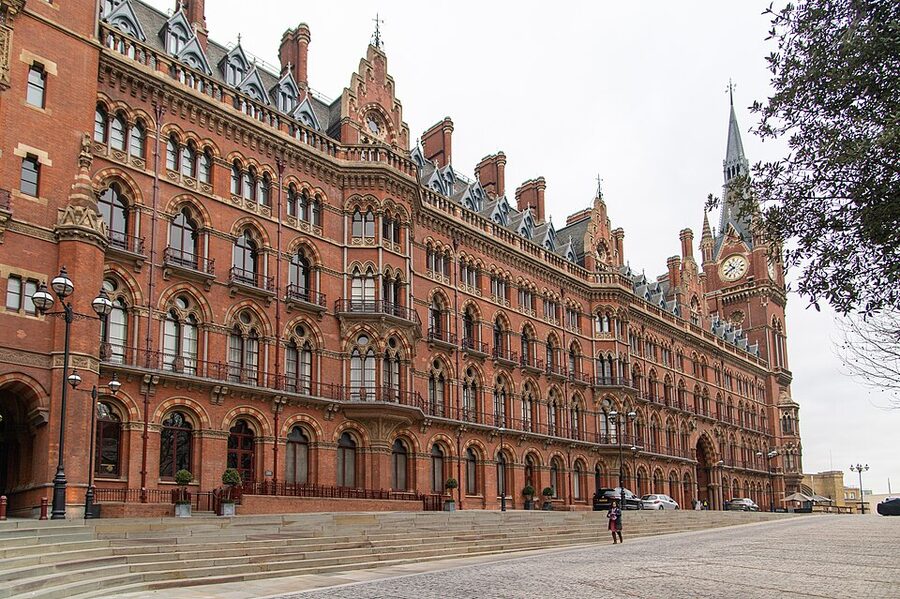
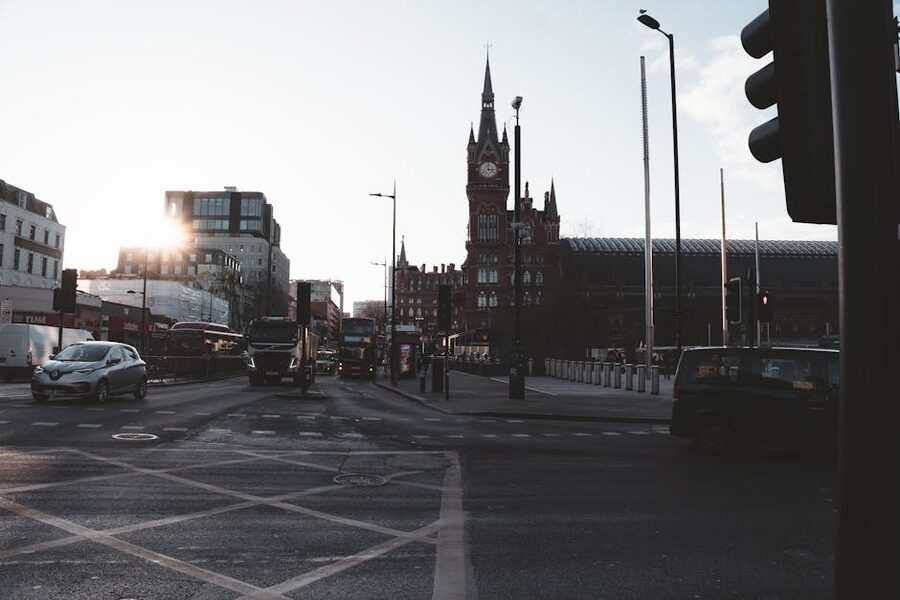
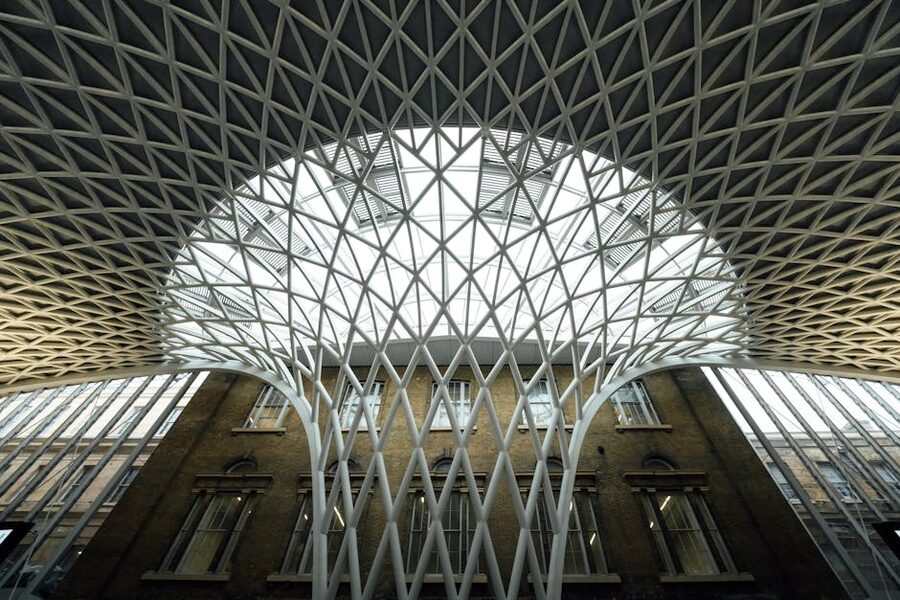
Important geography point that confuses everyone. The Hogwarts Express station you see in the films, with the red brick gothic facade and the clock tower, is not King’s Cross. It is St Pancras International, right next door. The production used the more photogenic St Pancras facade for the exterior shots, then cut to the King’s Cross interior for the platform. So if you stand outside and look at the gothic spires, that is St Pancras. King’s Cross is the building beside it with the curved modern roof. Both are on the route, both get pointed out, and the trolley itself is inside King’s Cross.
Picking the right tour for you
The flagship walking tour is what most people end up on, for good reason: it is the cheapest, most-booked, runs daily, and the guides are uniformly good. The boat option is a strong choice if your party already does a lot of walking on holiday or if anyone has knee issues; the Thames stretch in the middle gives you a 30-minute sit-down. The bus tour is for families with younger kids who’d struggle with two and a half hours of walking, and it covers a couple of further-out locations the walk cannot reach. Pick by your group, not by price.
1. Magical London Harry Potter Guided Walking Tour: $20
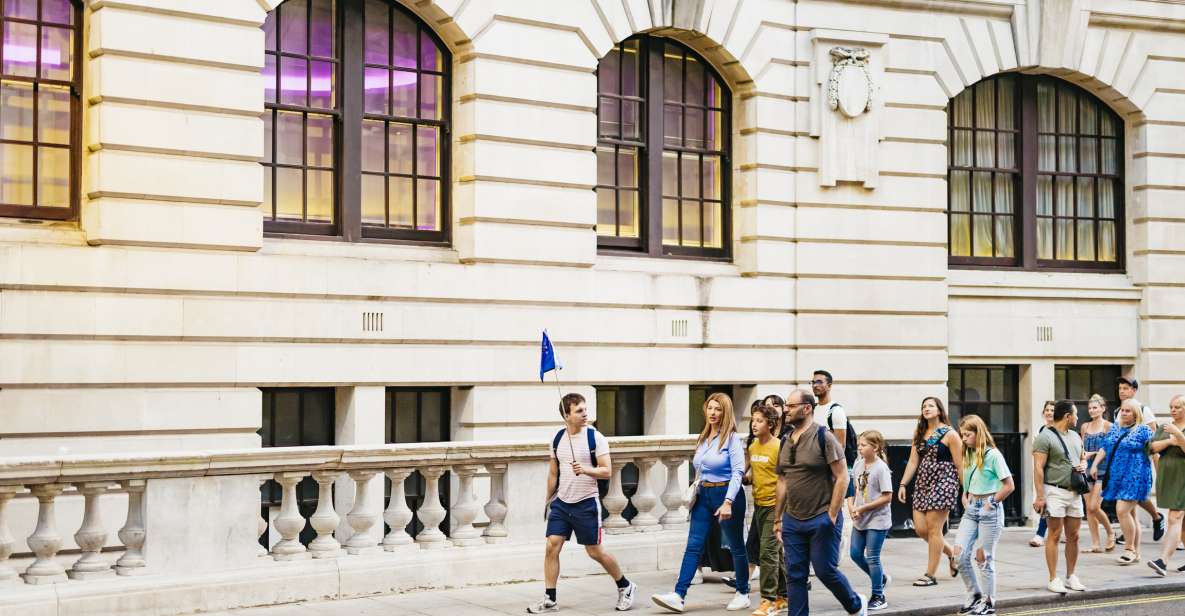
This is the one I’d book first. By a wide margin the most-booked Harry Potter walking tour in London, $20 a head, two and a half hours, finishes at the Platform 9 3/4 trolley. Our full review of the Magical London walking tour covers the morning and afternoon slot differences and which guide style suits which type of fan. If you only do one Harry Potter thing in London besides the studio, this is the one.
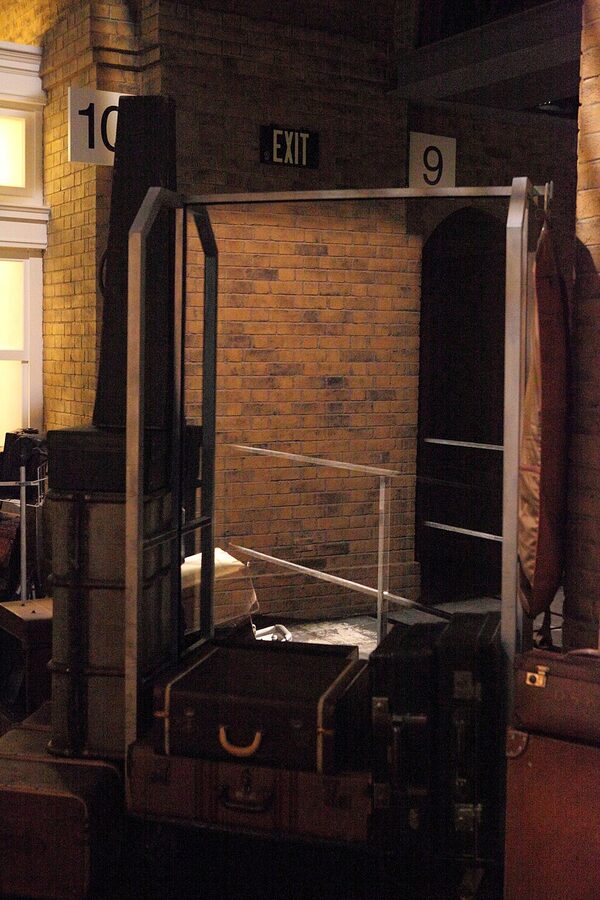
2. Original Harry Potter Locations By Boat: $37
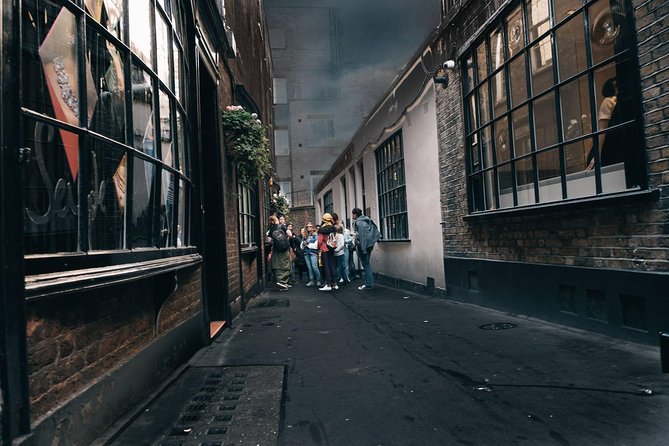
If you have done a lot of walking on this trip already, this is the version I’d pick. Same anchor stops at Leadenhall, the Millennium Bridge, and Platform 9 3/4, but a Thames cruise replaces the half-hour walk along the river. Our review of the by-boat tour compares the photo quality versus the standard walk; the boat angle on the Millennium Bridge is genuinely better than the bank shot. Two and a half hours, $37, smaller groups.
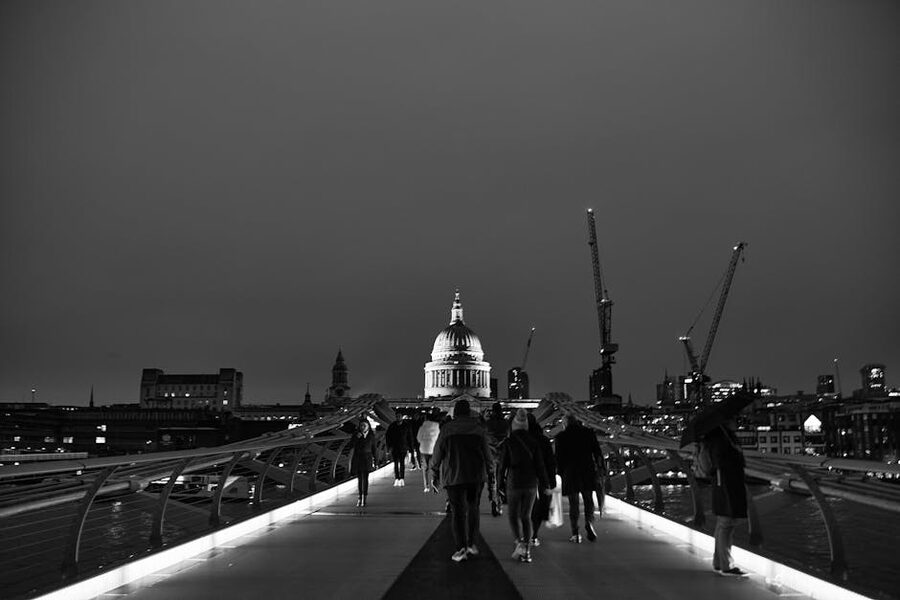
3. Guided Harry Potter Bus Tour of Locations: $53
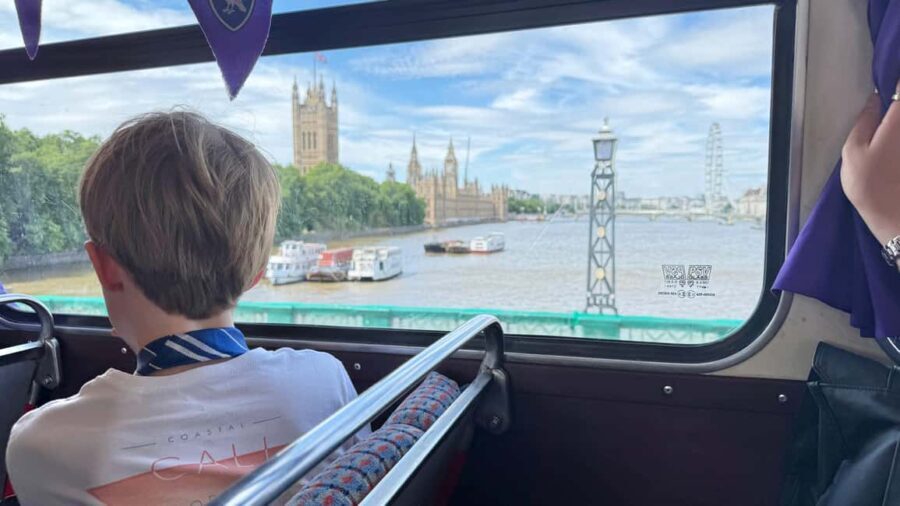
The bus is the option for families with kids under about ten, or anyone who’d rather not walk for two and a half hours. Our review of the bus tour covers what extra locations it picks up versus the walk: it can include the Hogwarts Express filming spot at the back of the route and a couple of stops that would be a long walk otherwise. Two hours, $53, finishes at Platform 9 3/4.
Where to start, what to wear, when to go
Most flagship walks meet at one of three points: the southbound exit of Bank station, the steps of St Paul’s Cathedral, or in the central courtyard of Leadenhall Market. The booking page tells you which. Get there 10 minutes early. Late arrivals are not waited for; the guide has to keep to the timing because the Platform 9 3/4 finish slot is fixed.
Wear shoes you can do two and a half hours in. The route is mostly paved and flat but Cecil Court and Goodwin’s Court have cobbles or worn stone. London weather is what it is. Rain in October through March is common; the guides keep going regardless and most operators provide a pull-out poncho if it pours. The walk is not weather-dependent; it does not get cancelled.
Best months: April to June, then September. July and August are crowded and the queue at the Platform 9 3/4 trolley is an ordeal. December is good if you don’t mind the cold; the lights at Leadenhall over Christmas are genuinely nice. January and February are quietest and cheapest. The walks run year-round.
Time of day matters more than you’d think
The morning slot, usually 10am or 10:30am, gets you Leadenhall before the office workers turn up at 11:30 for early lunch. That means clear photos. The afternoon slot, normally 2pm or 2:30pm, hits Cecil Court when the bookshop windows are lit up and St Pancras at golden hour, which is the better photo for that part of the route. Pick morning if you care about Diagon Alley shots, afternoon if you care about Platform 9 3/4 and the Hogwarts Express station shots.
What the walk does not cover (and why)
A few locations get asked about a lot but are not on the standard route. Here is why.
The studio at Leavesden, with the actual sets and props, is a separate full-day trip and a different ticket. The walks do not go anywhere near it. Read our guide to the Warner Bros. Studio Tour for that one; the booking process is different and you need to book months ahead in school holidays.
Privet Drive, Number Four, is in the village of Martin’s Heron near Bracknell, about an hour southwest of London. It is a regular suburban house that real people still live in. Tour groups are not welcome and the residents have asked operators to stop. So no, it is not on the walk.
The Knight Bus shot on Lambeth Bridge appears for about three seconds in Prisoner of Azkaban and the route does not detour for it. If you are passionate about it, walk down there yourself another day; it is on the way to the Imperial War Museum.
The Tom Riddle gravestone in Goblet of Fire is in a churchyard in Surrey, not in London at all. Some operators run a separate Surrey day-trip that combines it with Hogwarts Express filming locations along the Watercress Line, but it is a different product entirely.
Practical booking notes
Most walks are bookable up to about two hours before start time on quiet weekdays, but the Magical London flagship sells out the morning slot in school holidays. Book a week ahead in summer. The boat version sells out faster because group size is capped at around 25; book a fortnight ahead. Cancellation is normally free up to 24 hours before. Read the small print on weather: a few operators will reschedule if the Met Office issues a yellow rain warning, most will run regardless.
Group size matters. The Magical London flagship runs groups of up to 35. The small-group walking tours (different listings, often via Viator) cap at 12 to 14, which is better for hearing the guide in busy spots like Leadenhall. The boat version’s smaller cap is one of its hidden benefits. The bus tour is one bus, full or not, so size depends on the day.
Tip on tipping. UK guides are not tipped at the rate American visitors are used to. £5 per person at the end of the walk is generous, £2 is fine. The guide will not ask. Bring small notes; tap-to-tip is not a thing here.
Combining with other London plans
The walk is short enough to bolt on to almost anything. Common pairings I see work well: a morning walk plus the Tower of London in the afternoon, both in the City and 15 minutes apart on the tube. Or the morning walk plus a Thames cruise back from Westminster, which gives you the Houses of Parliament and Tower Bridge from the water. If you are doing the studio tour another day, save the walk for that morning and keep the studio for a full second day.
Families with kids: pair the walk with the studio over two days, with the studio on the second day so the kids have the walking-tour context for what they are looking at on the sets. It genuinely improves the studio experience. Couples without kids: pair the walk with something contrasting like the Jack the Ripper walking tour in the evening, or a Westminster history walk during the day. Two walking tours in one day is doable in spring or autumn but exhausting in summer.

What it costs all-in for a family of four
Rough budget for a family of four doing the standard walk: tickets at $20 a head, $80. Tube travel for the day on contactless, capped at around £8.50 per adult, less for kids, call it £25. Lunch around Leadenhall, £15-20 a head, £80. The Platform 9 3/4 photo from the on-site photographer is around £15 if you want the printed version. Total: roughly £200 for the four of you, give or take, in a week when you are not adding the studio.
If you do the boat version it is $148 in tickets but you save on a tube trip across the river. The bus is $212 for four, more comfortable, less authentic in feel.
Hidden costs to watch for
The Platform 9 3/4 shop sells branded merchandise that is significantly more expensive than the same items elsewhere in London. A house scarf is £35 there, £18 in any of three souvenir shops on Tottenham Court Road. The shop is also the queue for the photo, so you can leave the kids in front of a Quidditch broom display while a parent does the shoot. Worth knowing.
Quick reference: which scene is filmed where
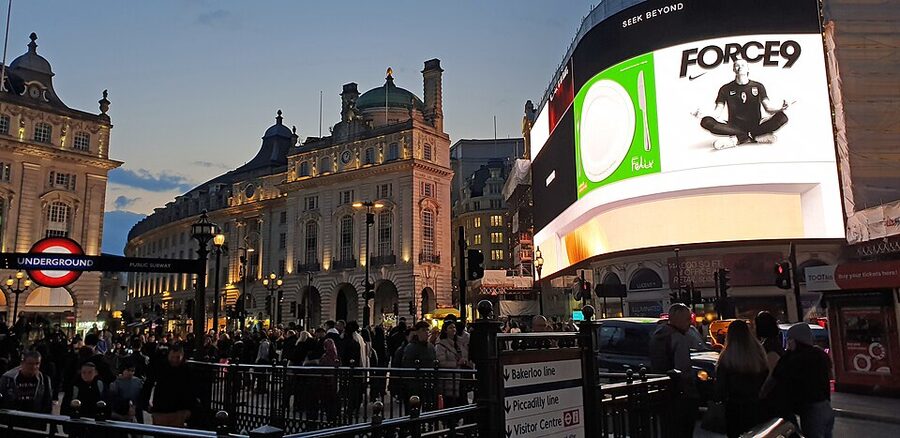
If you are like me you’ll forget which film used which spot. Quick crib sheet, ordered roughly by film: Leadenhall Market is Diagon Alley exterior in Sorcerer’s Stone; the optician’s shop on Bull’s Head Passage is the original Leaky Cauldron entrance from the same film. The Knight Bus squeezes between two double-deckers on Lambeth Bridge in Prisoner of Azkaban. Australia House is the Gringotts interior, and the Reform Club exterior shows up in dressed background shots from Order of the Phoenix onwards. Westminster Underground takes Mr Weasley and Harry to the Ministry hearing in Phoenix. Borough Market becomes the Leaky Cauldron entrance from Prisoner of Azkaban onwards, replacing the Leadenhall optician. The Millennium Bridge collapses in the opening of Half-Blood Prince. Piccadilly Circus is where the trio Apparates in the opening of Deathly Hallows Part 1.
Tours in other languages and other British HP locations
The Magical London tour also runs in a German-language version if your party prefers it; same route, same length, German guide. There is no French or Spanish equivalent yet. Outside London, the Oxford Harry Potter walking tour includes the dining hall at Christ Church (the inspiration for the Great Hall) and the Bodleian Library staircase used in Sorcerer’s Stone. Oxford is an hour by train from London Paddington and works well as a separate day trip.
The verdict, plainly
If you are a fan of the books or the films, this is one of the best two-and-a-half hours you can spend in London. The flagship walking tour is the value pick at $20, the boat is the comfortable pick at $37, and the bus is the family pick at $53. The studio at Leavesden is a separate, longer, more expensive day out; do both if you have the time and only the studio if you have to choose. Don’t try to combine them on the same day.
Before you book, check the meeting point on the operator’s confirmation email. They occasionally move it for traffic reasons and the most common cause of late arrivals is people going to the wrong tube exit. Bank station has multiple exits; Leadenhall Market entrance is on Gracechurch Street. If you are running late, stay on the route and meet the group at Leadenhall rather than chasing them up the river; the guide will pick up new arrivals at the first stop.
More London guides worth booking alongside this one
If you’ve done the Harry Potter walk and want to keep going, the most natural pairing is the Warner Bros. Studio at Leavesden on a separate day, since it answers a completely different question about the films. Add the Jack the Ripper walking tour for an evening contrast in a different part of London, or look further afield for a similar half-day of city-told-through-its-buildings walking with the Lisbon city walking tour.