
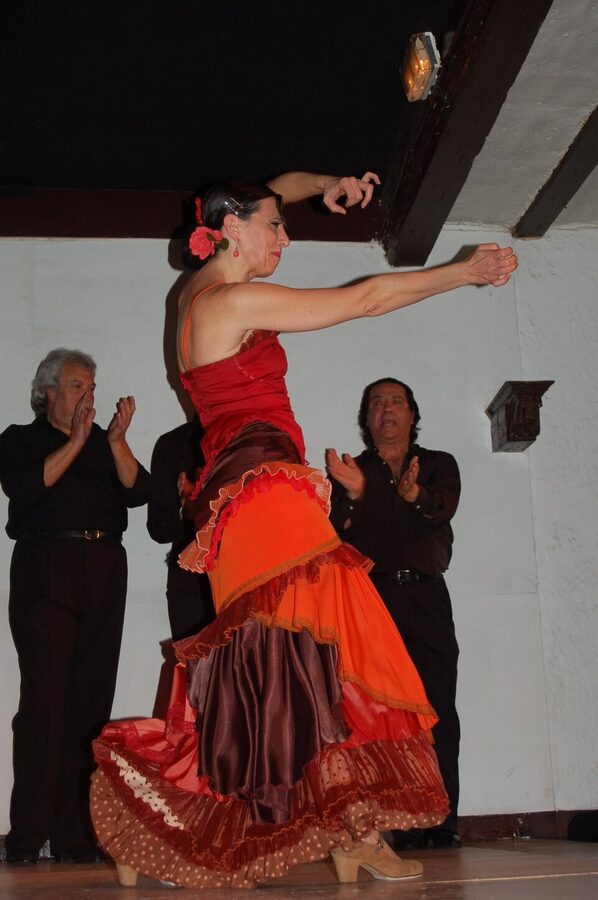
The first thing that hits you is the heel work. Not the dress, not the guitar, not even the singer’s first cry. It’s the rapid percussive crack of leather soles on wooden boards, two feet from your face, in a room that holds maybe sixty people. Madrid is where flamenco professionalised in the late 1800s, and it’s still where the working dancers from Seville and Jerez come to make their living.
- In a Hurry? Top Picks
- What you actually get when you book
- Three shows worth booking
- 1. Emociones Live Flamenco Performance: from
- 2. Torres Bermejas Show With Food and Drinks Options: from
- 3. La Cueva de Lola in La Latina: from
- The Corral de la Morería question
- Choosing your show time
- How early to book
- Where to sit
- The food question
- Two more options if you want a different angle
- A short history of Madrid as a flamenco city
- What flamenco actually is, briefly
- What to wear and what to expect of the room
- Getting to the venues
- One booking I’d avoid
- Quick FAQ
- If you only have one night in Madrid
- Pairing your flamenco night with the rest of Madrid
In a Hurry? Top Picks
- Emociones Live Flamenco Performance: from $34. The most-booked flamenco show in Madrid, intimate theater, welcome drink included.
- Live Flamenco at Torres Bermejas (food/drinks options): from $33. Historic Alhambra-inspired tablao, add tapas or full dinner if you want.
- La Cueva de Lola (cave venue, La Latina): from $38. Intimate 17th-century cave room, drink included, walking distance from Mercado de la Cebada.
What you actually get when you book
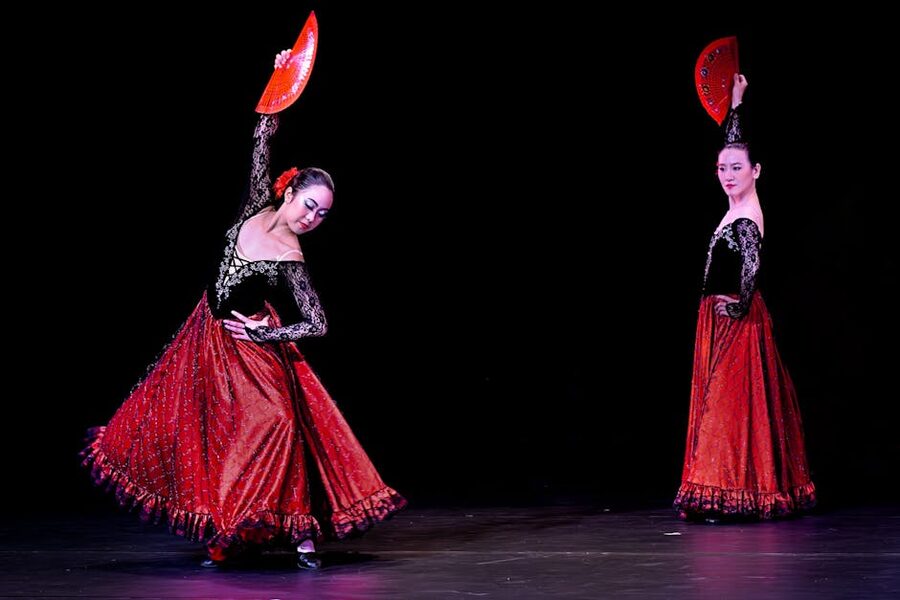
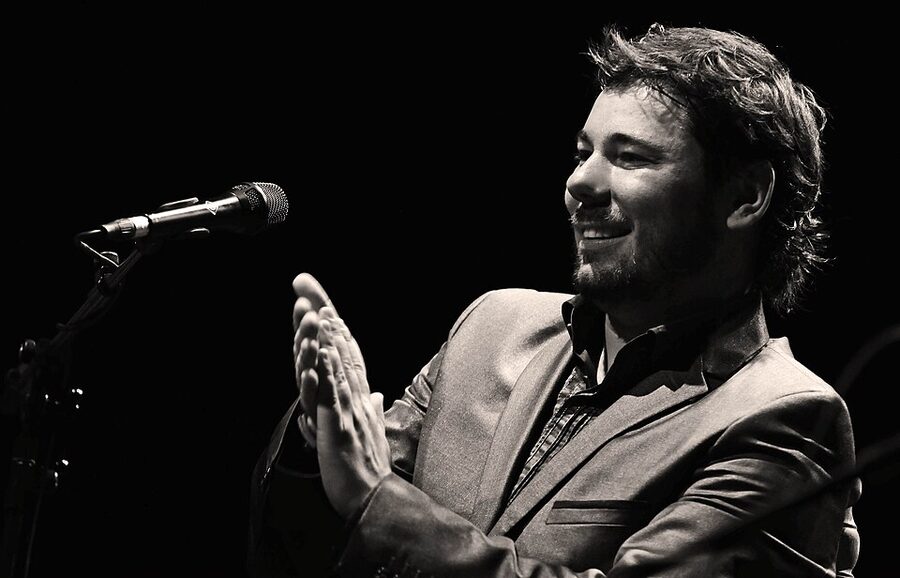
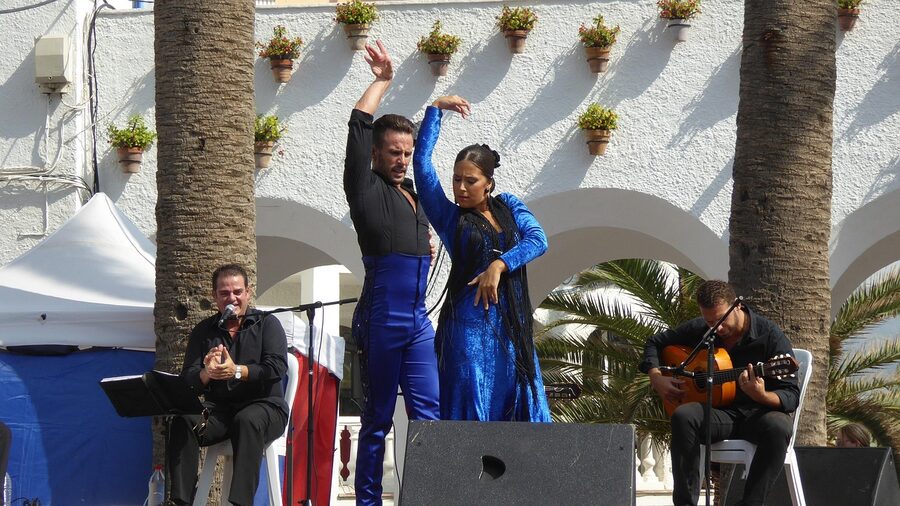
A Madrid flamenco show is not a stage musical. The format runs about an hour to an hour and fifteen minutes, with no interval. You’ll see a small ensemble: typically one or two dancers (a bailaora and sometimes a bailaor), one guitarist, one singer (the cantaor), and one or two people clapping the rhythm. That’s the show. No backing tracks, no microphones on the dancers, no big set changes.
The room itself is part of the deal. Real tablaos are small. Front-row tables sit a metre or so from the stage, and you can hear the breath at the end of each number. Most venues in Madrid seat between fifty and 150 people. Anything bigger and the intimacy goes. If a place lists 400-plus seats, it’s a hotel ballroom show, and I’d skip it.
Tickets come in tiers. The cheapest is show plus one drink (wine, beer, sangria, or a soft drink, sangria is fine but the house red is usually better). The next step up is show plus tapas. The top tier is show plus a full set menu, often with the meal served first and the show after. The food at most tablaos is decent but rarely the best meal you’ll have in Madrid. Book the show-and-drink option, then go eat properly nearby.
Three shows worth booking
Madrid has roughly fifteen tablaos running nightly schedules. I’ve narrowed it to three based on review volume, the consistency of the artists, and how easy they are to book online. All three are bookable through the same flow: pick a date, pick a time, pick a ticket type, pay. No waiting for confirmation emails to come back from a Spanish-language inbox.
1. Emociones Live Flamenco Performance: from $34
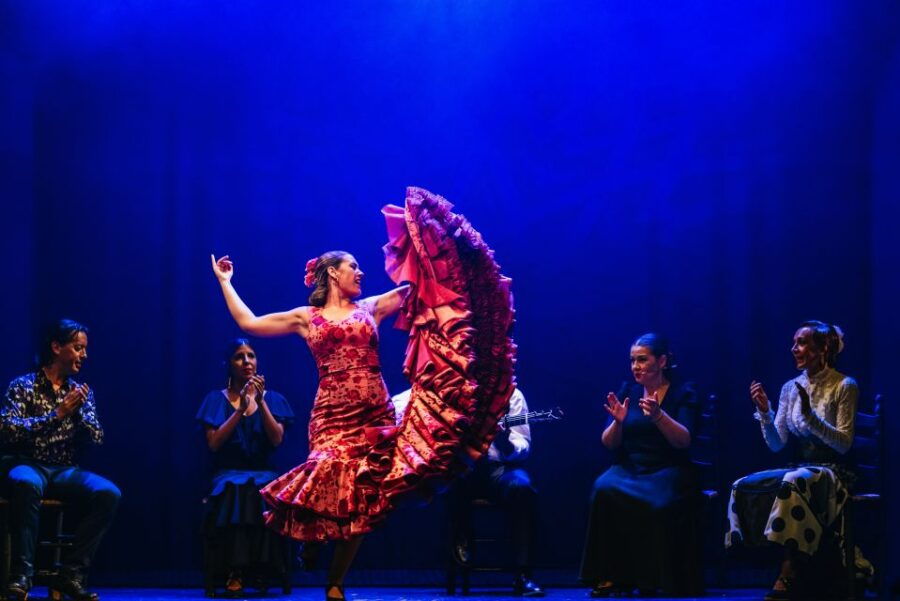
This is the one I’d book if I had to pick one without thinking. It’s central, the welcome drink is genuinely a free choice (not a stripped-down menu), and the program rotates artists week to week. The full Emociones review covers ticket tiers and walks through what the welcome-drink choice actually looks like.
2. Torres Bermejas Show With Food and Drinks Options: from $33
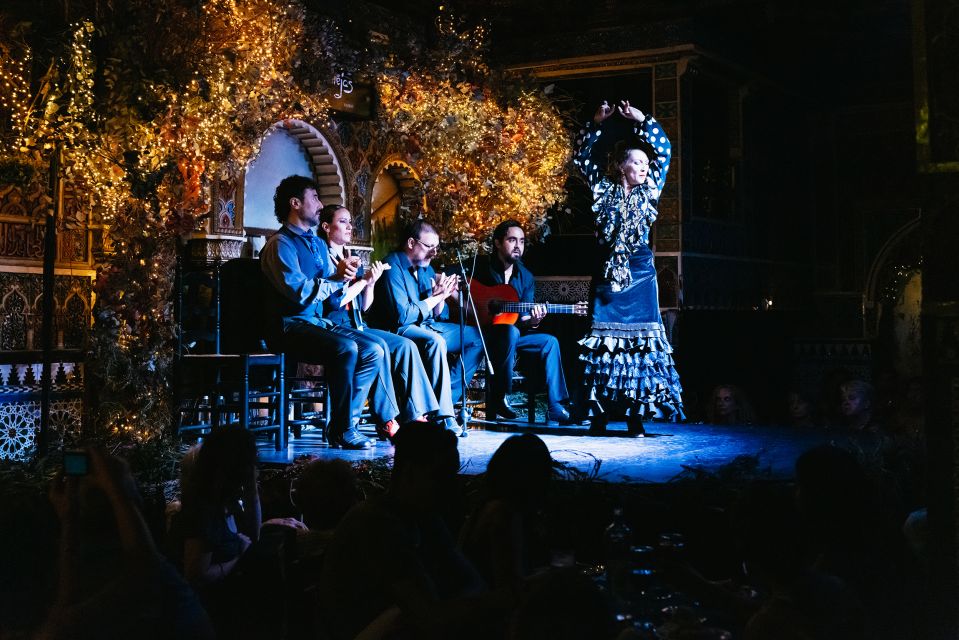
If you want the option to sit down to a proper Spanish meal first and then watch the show in the same seat, this is the booking. Pick the show-only ticket if you’ve eaten, or upgrade to tapas or a set menu. Our Torres Bermejas writeup walks through which food tier is actually worth the upgrade.
3. La Cueva de Lola in La Latina: from $38
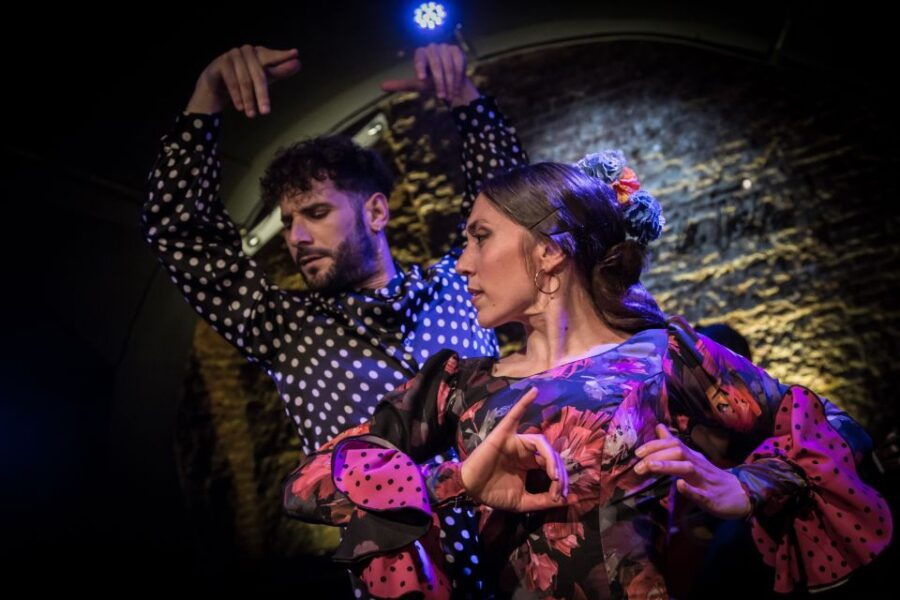
This is the most atmospheric of the three. The cave acoustics flatter the singer and guitarist in a way a normal room can’t. La Latina is also the best post-show neighborhood for tapas, so plan to stay out after. The La Cueva de Lola review has the meeting-point details and what the included drink covers.
The Corral de la Morería question
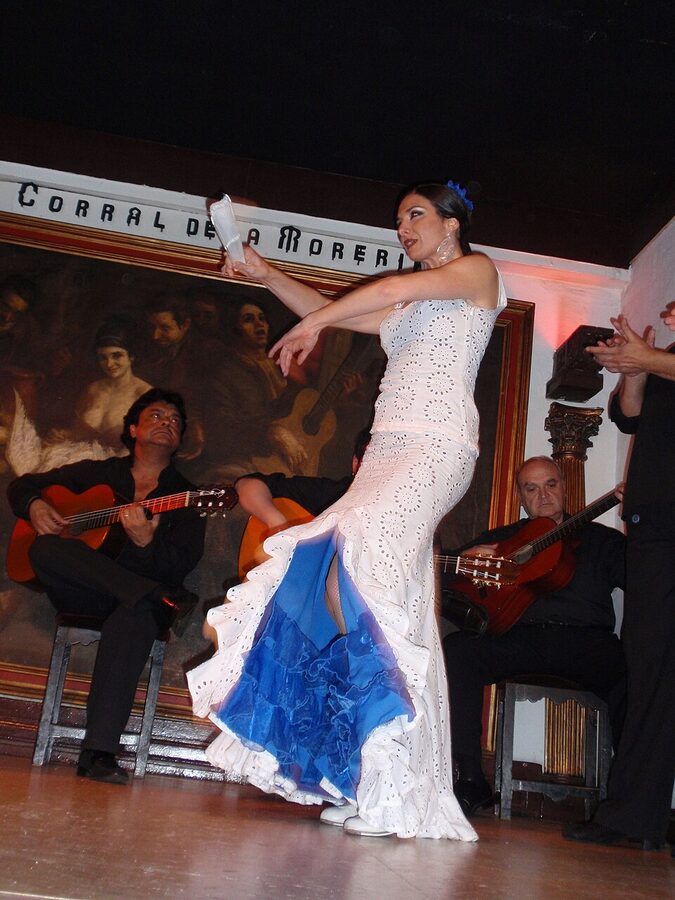
If you’ve read anything about flamenco in Madrid you’ve read about Corral de la Morería. It’s the oldest tablao in the world that’s still running, opened in 1956, near the Royal Palace. The walls are lined with photos of the artists who’ve performed there: every major bailaor and bailaora of the last seventy years. Hemingway used to drink there. The artistic programming is genuinely the best in Spain, often featuring National Flamenco Award winners.
It’s also the most expensive option in the city. The basic show-and-drink is roughly double what you’d pay at La Cueva de Lola, and the dinner package goes higher again. Worth it if flamenco is the actual reason you came to Madrid. Skip if you’re casually curious. The Corral runs an optional-dinner package that’s the standard entry point for first-timers.
Choosing your show time
Most tablaos run two shows a night, sometimes three. The standard times are roughly 19:00, 20:30, and 22:00, with the late one starting closer to 22:30 in summer. Each slot has a different feel.
The early show is quieter and more tourist-heavy. People who have a 22:00 dinner reservation. Fewer locals. The artists are warming up. I don’t book this one unless it’s the only thing left.
The middle show, around 20:30, is usually the best balance. It’s busy enough to feel alive, the artists are fully on, and you still finish in time to walk somewhere for late tapas (Madrid kitchens go until midnight without much fuss).
The late show is the most atmospheric, especially in the smaller cave-style venues. It’s also the one that runs slightly longer when the artists feel like extending. If you’re staying in central Madrid and don’t have an early flight, this is the one to pick.
How early to book
For Emociones, Torres Bermejas, and the bigger Gran Vía-area tablaos: a few days ahead is fine on quiet weekdays, a week ahead in summer. The smaller cave-style rooms (La Cueva de Lola, the Corral) sell out faster, especially Friday and Saturday. I’d book those a week or two ahead in any season.
Two periods worth being cautious about: Holy Week (the week before Easter) and the first half of August. Holy Week brings in Spanish domestic tourism. August is when half of Spain takes its holiday and Madrid actually fills with foreigners. Both push tablao bookings well ahead.
If you’re flexible on time and date, the GetYourGuide and Viator listings are usually the cleanest. The flamenco-show direct websites work too but a few of them only confirm by email and the response can take a day. Online booking platforms confirm instantly.
Where to sit
Most tablao bookings don’t let you pick a seat. You’re allocated by arrival time. Get there twenty minutes before the door opens if you want a front-row table. Front row is genuinely better at flamenco. You hear the breathing, you see the foot positions, you catch the side-glances between the cantaor and the guitarist.
The exception is the Corral, which sometimes lets you upgrade to a guaranteed first-row table at booking. Worth doing if you’re making the splurge anyway.
Avoid the side seats if you can. Some tablaos have a long thin floor plan with rows running along the side wall, and from those seats you’re seeing the dancer’s shoulder, not their face.
The food question
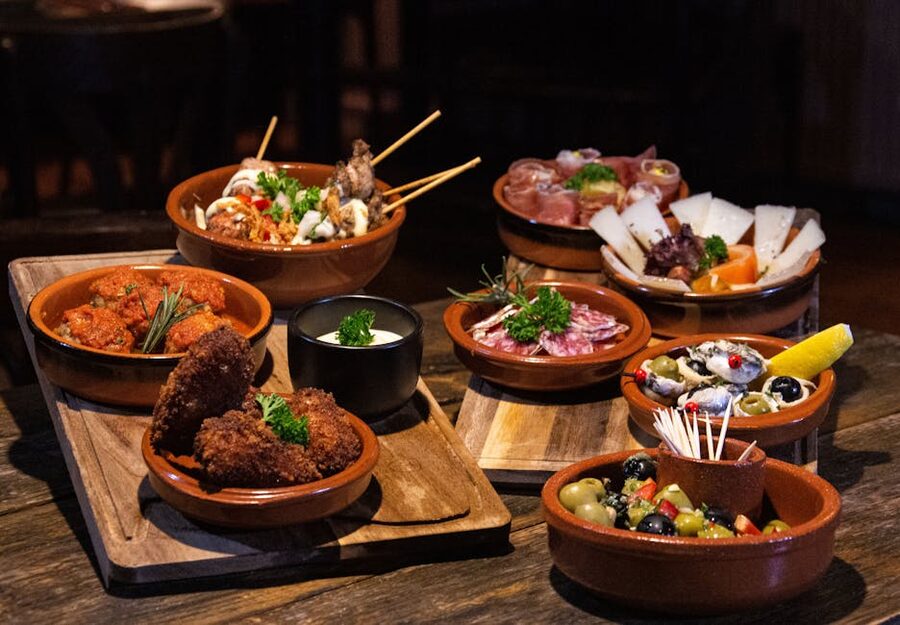
You don’t need to eat at the tablao to enjoy the show. The drink-only option is fine and usually better value. Madrid has fantastic tapas neighborhoods within walking distance of every major flamenco venue.
If you’re booking near the Corral or La Cueva de Lola, La Latina has the densest tapas streets in central Madrid. Cava Baja and Cava Alta are the obvious ones. Eat after the show, not before, the post-flamenco adrenaline pairs better with food than the pre-show nerves do.
If you’re booking somewhere near Gran Vía or Sol (Torres Bermejas, Las Tablas, the bigger tablaos), walk fifteen minutes south to Cava Baja afterwards. It’s worth the detour.
Two more options if you want a different angle
If you’ve already done a standard tablao show on a previous Madrid trip, two alternatives are worth knowing about. The Corral de la Morería with optional dinner is the high-end choice, the booking lets you start with a proper meal in the connected restaurant (one of the few tablao kitchens that’s genuinely good) before moving to the show room. And the Torres Bermejas tapas pairing is the easiest way to test whether you actually want to add food to your night, since the upgrade tiers are clearly priced.
A short history of Madrid as a flamenco city
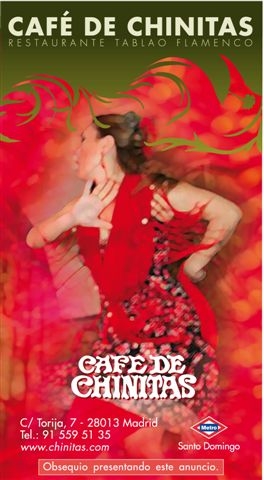
Flamenco started in Andalusia, mainly Seville, Jerez, and Cádiz, in the eighteenth and nineteenth centuries. It came to Madrid through the café cantante circuit in the late 1800s, when small theatres-with-bar started staging flamenco evenings. The most famous was Café de Chinitas, which gave its name to one of Federico García Lorca’s flamenco poems.
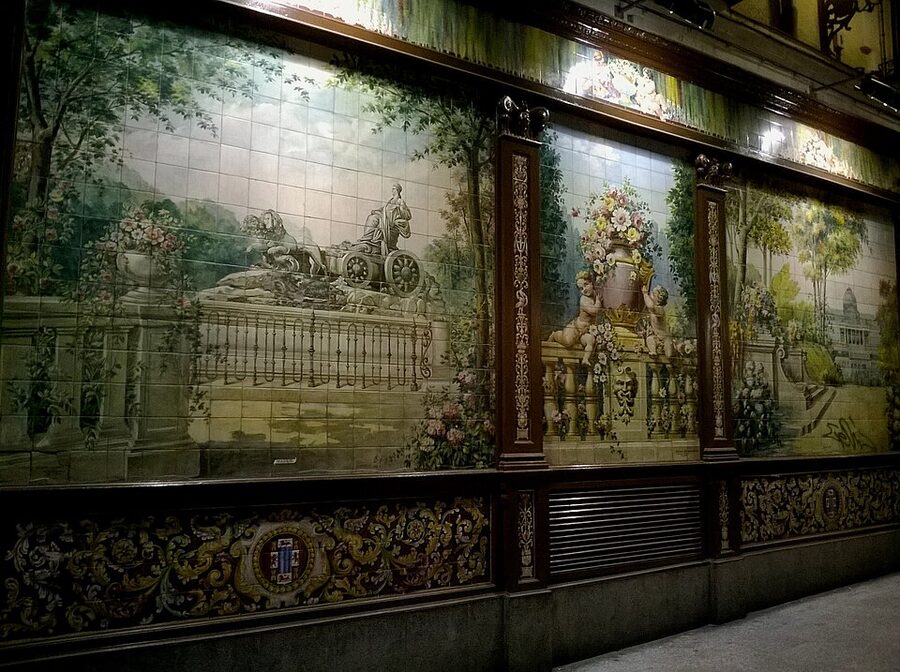
By the 1950s the format had shifted to the modern tablao: smaller, intimate, focused on the artists. Corral de la Morería opened in 1956 and set the template. Villa Rosa, on the Plaza de Santa Ana, had been running flamenco evenings since the early 1900s in a tiled bar that’s still standing today, and is now a tablao operating under the name Tablao Flamenco 1911.
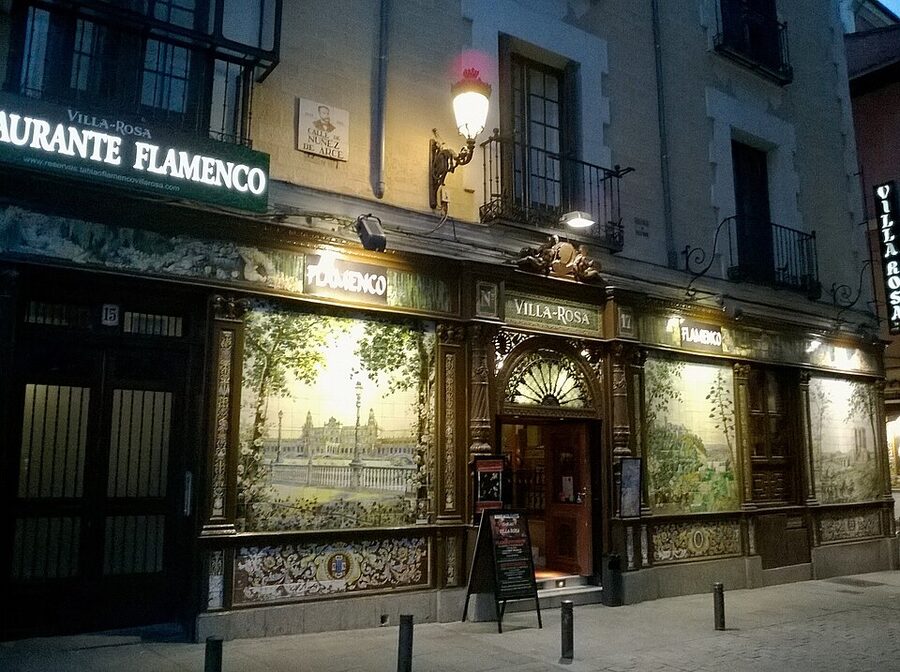
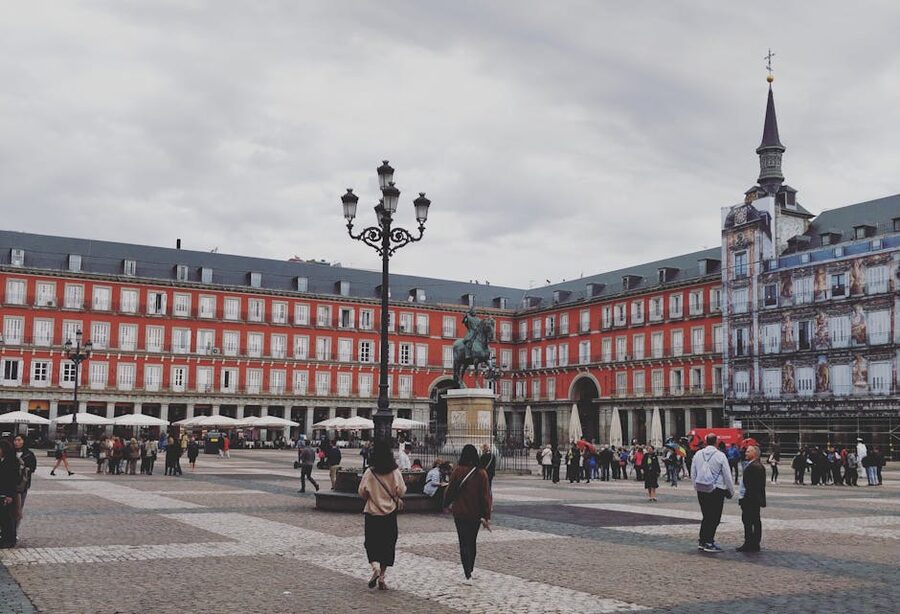
What this means in practice: when you book a Madrid flamenco show, you’re plugging into a working tradition that’s been continuous for over a century in some of these rooms. The artists rotating through Emociones, Torres Bermejas, and the Corral all trained in Andalusia and most still have a base there. They come up to Madrid because the audience is here and the rooms pay reliably. It’s a working circuit, not a tourist set piece.
What flamenco actually is, briefly
If you haven’t seen flamenco before, the structure of a typical number can feel confusing. It usually goes: guitar opens with a melody, the cantaor sings a verse (often raw, sometimes broken-sounding, that’s the point), the dancer enters and starts slow with arm and hand work, then builds to the heel work, then a closing flourish. The clappers (palmeros) keep the rhythm structure (the compás) the whole way through.
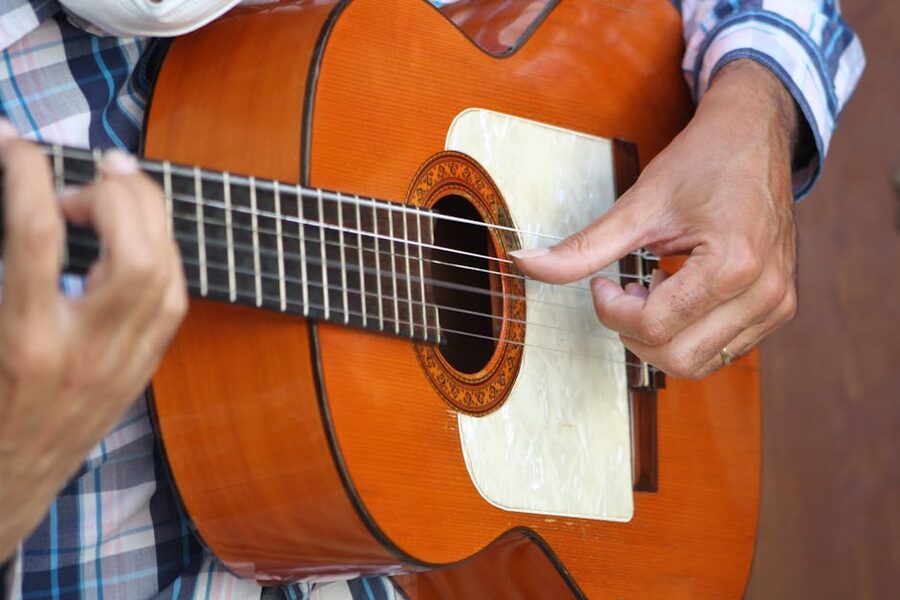
The styles (palos) have names: soleá, bulerías, alegrías, tangos, seguiriya. Each has its own rhythm and mood. Soleá is slow and grave. Bulerías is fast and playful. Alegrías is bright. Seguiriya is the heaviest, often the emotional centre of the show. Most Madrid tablao programs include three or four palos in an hour.
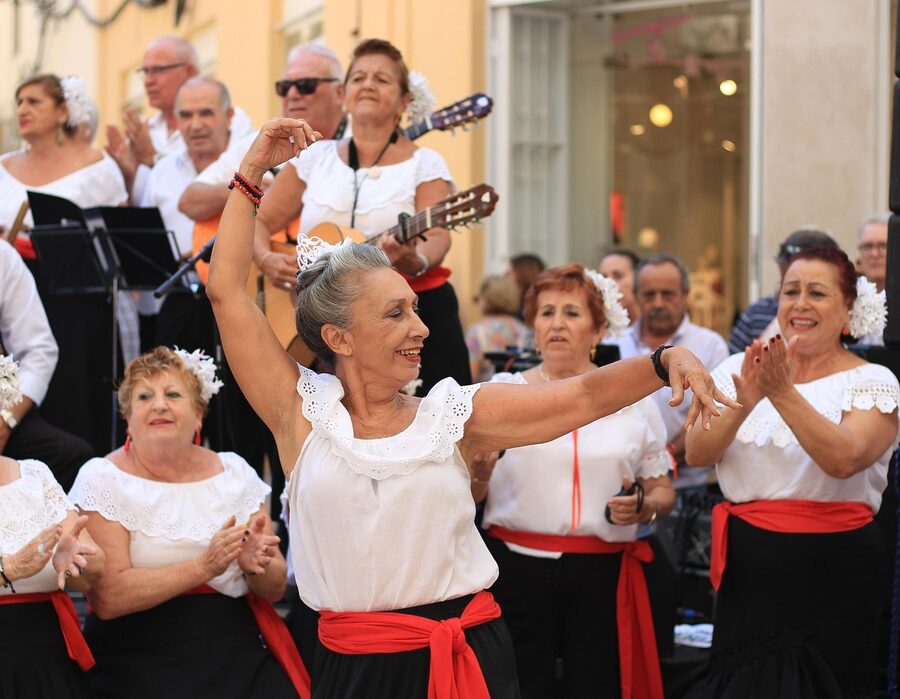
You don’t need to know any of this beforehand. The shows are self-explanatory if you watch and listen. But knowing the word olé is for moments of real intensity helps you not shout it at the wrong time. Wait for the locals to start. Then join in.
What to wear and what to expect of the room
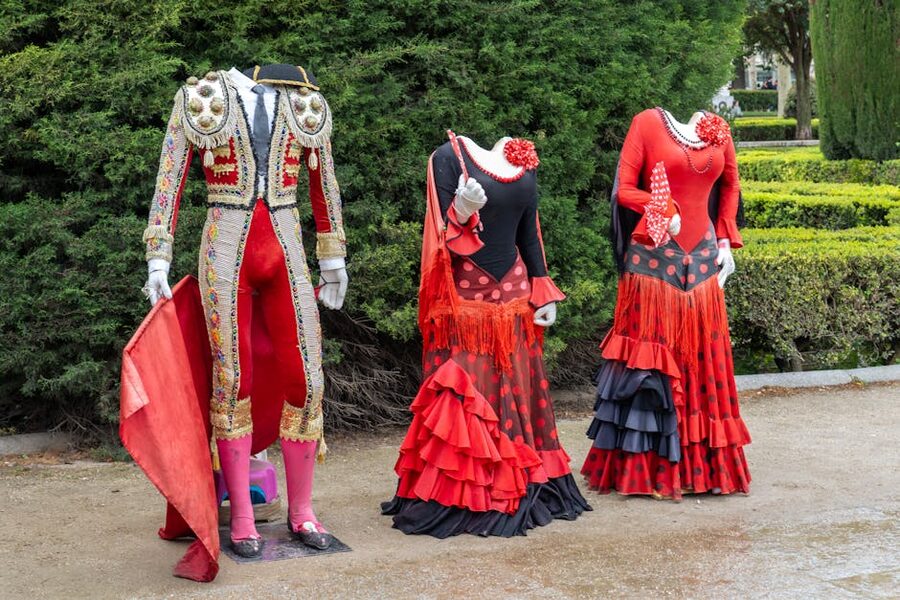
Smart casual is fine. The Corral has a slight dress-code vibe (no shorts, no flip-flops) but jeans and a clean shirt are completely acceptable. The smaller rooms are even more relaxed. Don’t dress up; you’ll feel out of place.
The rooms are warm. Wooden boards on the stage, packed bodies at small tables, and lighting that’s deliberately moody. Bring a thin layer if you’re someone who runs cold but assume the room will heat up once the show starts. The cave venues stay slightly cooler.
Most venues request you don’t film during the show. Photos at the start and end are usually okay. Genuinely, the videos never capture it. The room and the live air are the whole point.
Getting to the venues
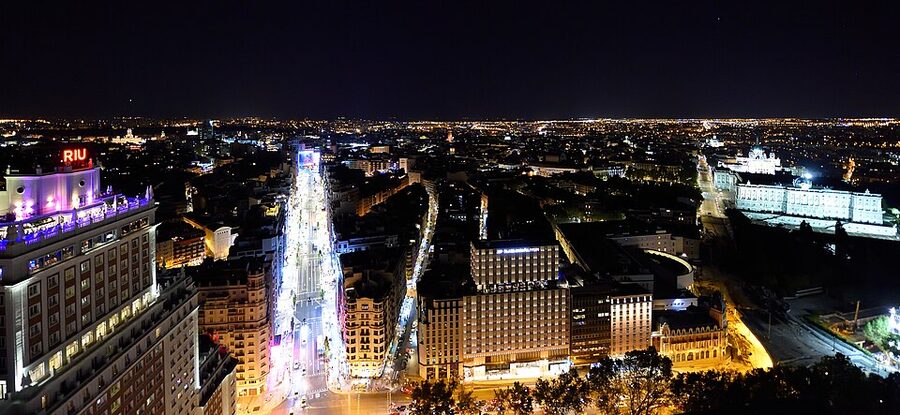
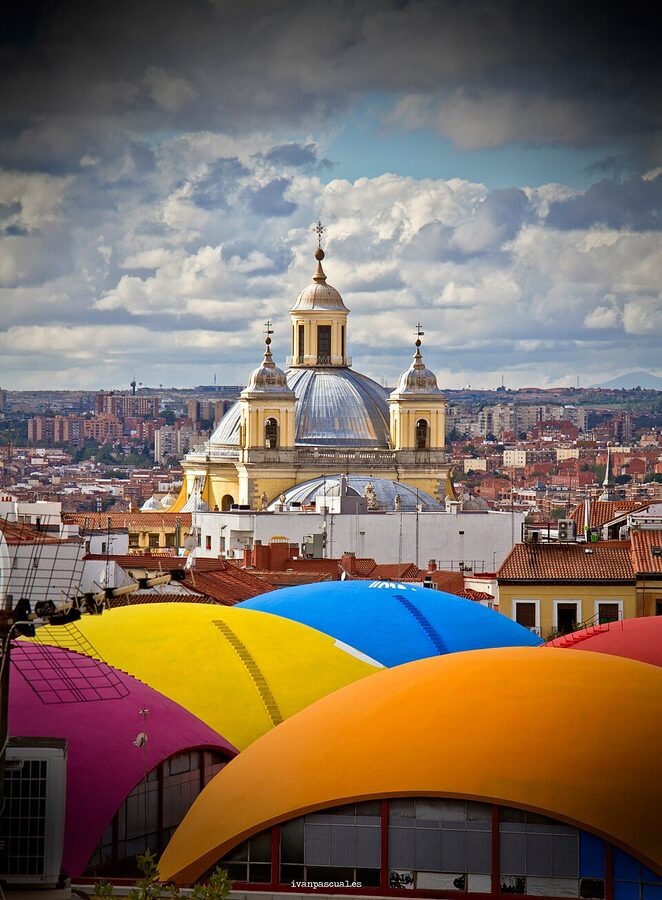
Madrid is small. The flamenco venues are mostly in three clusters. Around Plaza Santa Ana and Sol (Torres Bermejas, Tablao Flamenco 1911, Las Tablas to the north on Plaza de España). Around La Latina and the Royal Palace (Corral de la Morería, La Cueva de Lola, Las Carboneras). And a couple in Chueca and Malasaña if you go looking. All of these are walkable from the city centre. Metro stops Sol, La Latina, Ópera, and Plaza de España cover the lot.
Cabs are cheap and easy. A late-night ride across the centre will run six to ten euros. Use a normal Madrid taxi from the rank or call one through the FreeNow or Cabify apps. Both work fine.
One booking I’d avoid
Hotel-attached “flamenco dinner” packages, especially in chain hotels near the airport or in business districts, are mostly forgettable. The dancers are real but the rooms are conference spaces with bad acoustics and sound systems. If a flamenco show is hosted in a venue with chandeliers and round banquet tables, walk away. The format doesn’t survive that translation.
Also worth knowing: flamenco classes marketed as “show” experiences (where you take a quick class and then watch a short performance) are good for kids and groups but aren’t the same thing as a tablao show. Book one or the other knowing what you’re getting.
Quick FAQ
Will I understand it without speaking Spanish? Yes. The lyrics are sung in Andalusian Spanish dialect and even native speakers struggle with some of them. Flamenco isn’t about lyric comprehension; it’s about voice, rhythm, body. You’ll be fine.
Can I bring kids? Most tablaos are open to children, and several offer reduced rates for under-12s. The 19:00 show is the best one to book if you’re bringing kids. The late show isn’t really a kid environment.
How long is the show? 60 to 75 minutes for the show itself. If you’ve added dinner, plan for two and a half hours total. The Corral with full dinner can run three.
Is tipping expected? Not expected, but rounding up your bar tab is normal. There’s no expectation to tip the artists.
What if my Spanish is non-existent? All the major tablaos handle their bookings in English. Staff at the door speak enough English to seat you. The artists do the rest.

If you only have one night in Madrid
Book the 20:30 Emociones show. It’s the most reliable performance in the easiest-to-reach venue with the best price-to-experience ratio. Walk to a tapas bar in La Latina afterwards. That’s the night. You’ll have done the city.
If flamenco is the actual reason you flew to Madrid, switch the booking to the Corral de la Morería with the dinner add-on, expect to pay roughly twice as much, and don’t try to fit anything else into the evening. It’s a long, complete experience by itself.
Pairing your flamenco night with the rest of Madrid
Most people book flamenco as one night out of three or four in Madrid. The pairings I’d suggest: a morning at the Prado followed by an early-evening flamenco show works well, the Prado closes at 20:00 and a 21:00 tablao gives you exactly enough time to walk over and grab a drink first. A panoramic city tour in the afternoon and a late tablao after dinner is the easier pacing if you’ve just flown in. And if you’re doing a day trip to Toledo, slot the flamenco show on a different evening, Toledo days are long and you’ll want a quieter night when you get back. The Royal Palace sits within ten minutes’ walk of the Corral de la Morería and several of the smaller cave venues, so morning palace, evening flamenco is a clean half-day plan if you want to keep it tight.