
So here’s the question I always ask before booking one of these in any major city: do you actually need the bus, or will the Tube and your feet do the job better? London is unusual because the answer is genuinely “it depends,” and the depending part comes down to who you’re travelling with and how much time you have.
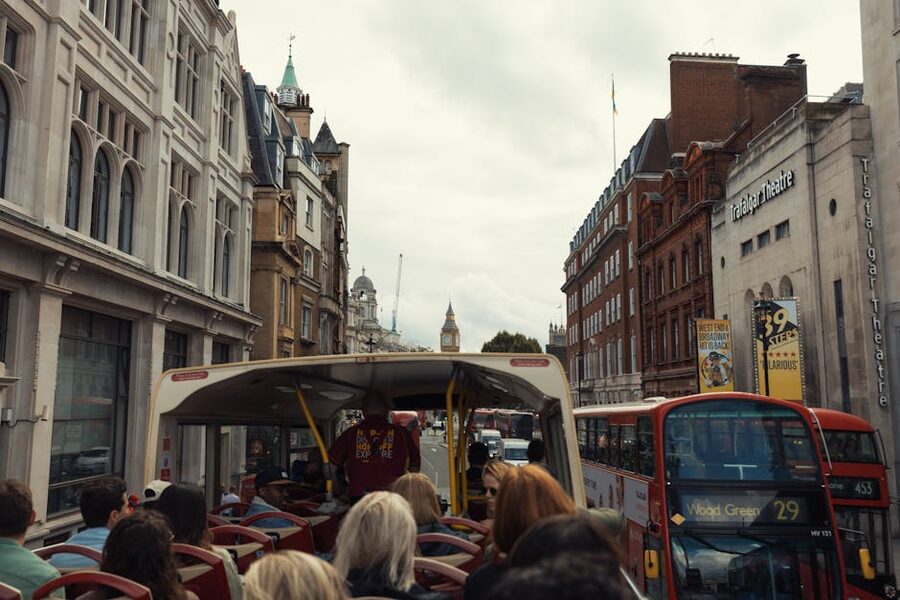
I’ve spent a lot of time in London at this point, and I still recommend a hop-on hop-off bus to a specific kind of visitor. First-time, time-pressed travellers who have two or three days max. Families with strollers who’d rather not wrestle a pushchair down to the Piccadilly line. Anyone with mobility issues for whom Tube stairs are a real obstacle. For a fit twenty-something with five days and a comfortable pair of trainers? You can probably skip it. Below I’ll explain how the three main operators differ, when the bus genuinely beats the Tube, and how to avoid the easy mistakes (paying for the wrong combo, buying the wrong-day pass, ending up on a route with no live guide).
- Quick picks if you’re short on time
- Tube versus bus: the real comparison
- Contactless, Oyster, or Visitor Oyster?
- Who actually benefits from a hop-on hop-off bus
- The three main operators
- City Sightseeing London (red and yellow)
- Tootbus (blue)
- Big Bus Tours (also red)
- What’s actually on the route
- Audio versus live guide: the actual difference
- Bus + cruise + Eye combos: when they make sense
- Our top three picks
- 1. City Sightseeing London Hop-On Hop-Off: from
- 2. Tootbus Hop-On Hop-Off with Optional River Cruise: from
- 3. Big Bus + River Cruise + London Eye: from
- How to actually use the bus on the day
- One day in London using the bus
- Two-day plan: the bus actually shines
- Night routes: are they worth it?
- What can go wrong
- Beyond the central loop
- One more note on weather
- Where to go after the bus
Quick picks if you’re short on time
City Sightseeing London Hop-On Hop-Off: from $33 per person. The cheapest of the three majors and the busiest. Multi-language audio, optional cruise add-on. Book here.
Tootbus Hop-On Hop-Off with Optional River Cruise: from $47 per person. Newer eco fleet, live English guides on the main routes. Book here.
Big Bus Hop-On Hop-Off + River Cruise + London Eye: from $74 per person. The combo if you only want to book one thing. Bus, Thames cruise, and the Eye in a single ticket. Book here.
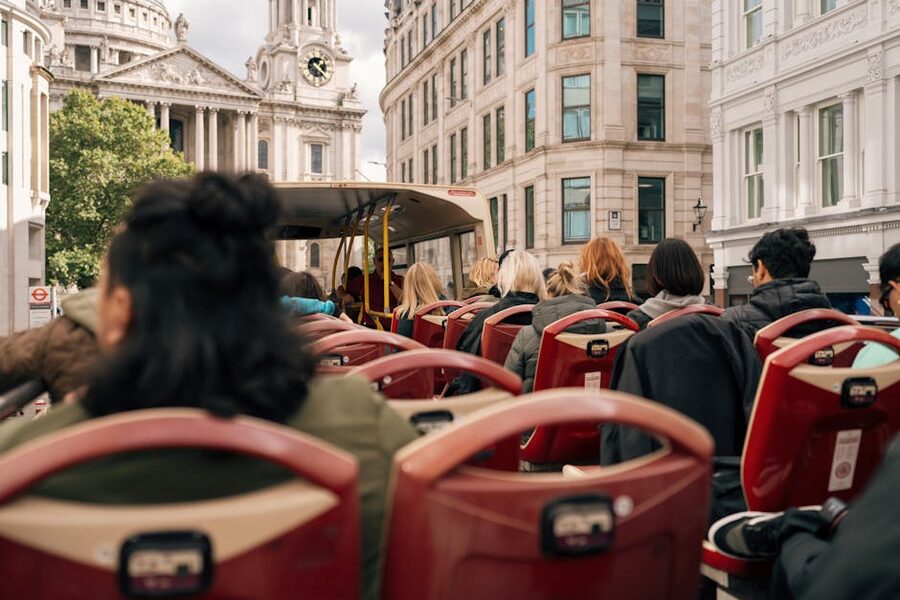
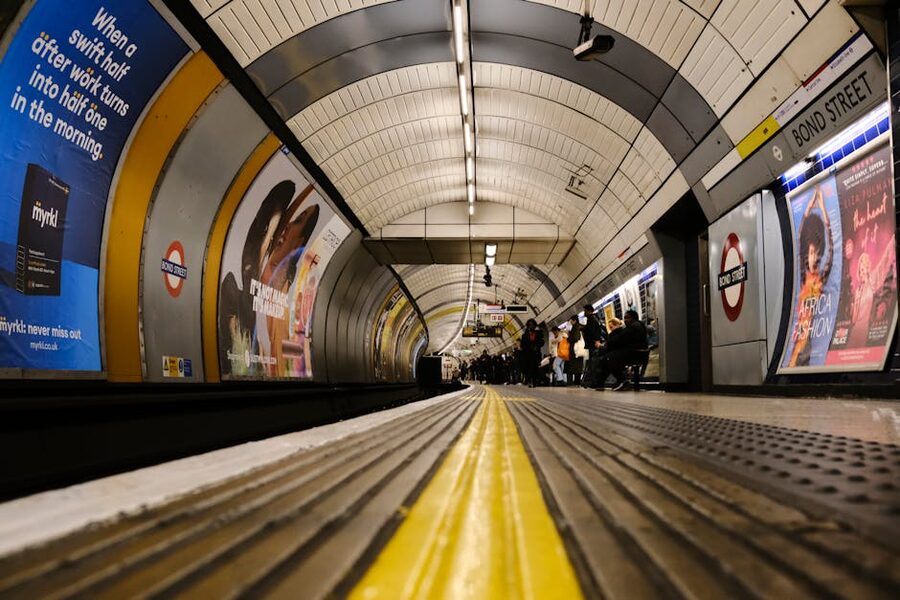
Tube versus bus: the real comparison
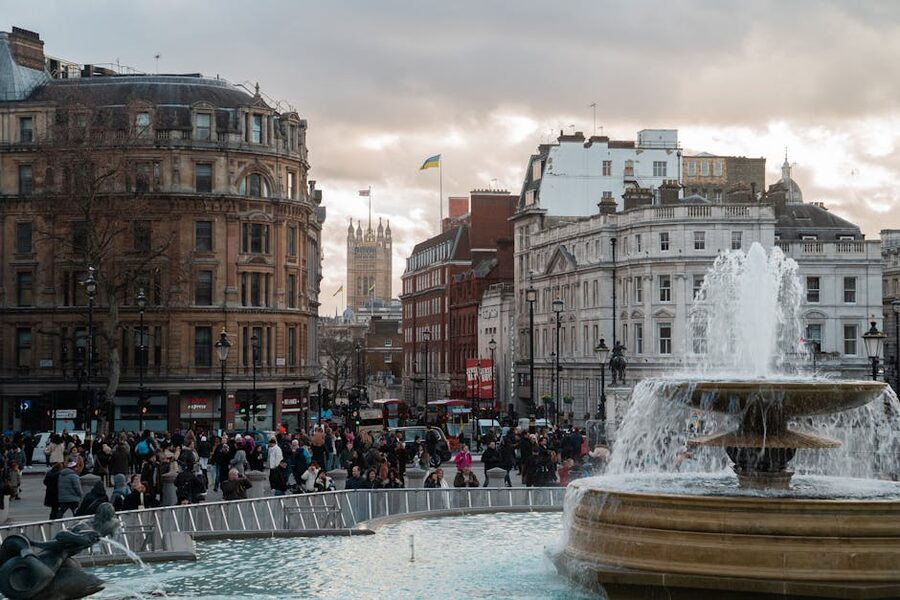
London’s Underground is genuinely good. Zones 1 and 2 cover almost every major attraction you’d want to see, single journeys cap out at £3.40 with contactless or Oyster, and the daily cap means you can’t spend more than about £8.90 a day on Tube travel inside zone 1-2 no matter how many trips you make. That’s the benchmark a hop-on hop-off bus has to beat.
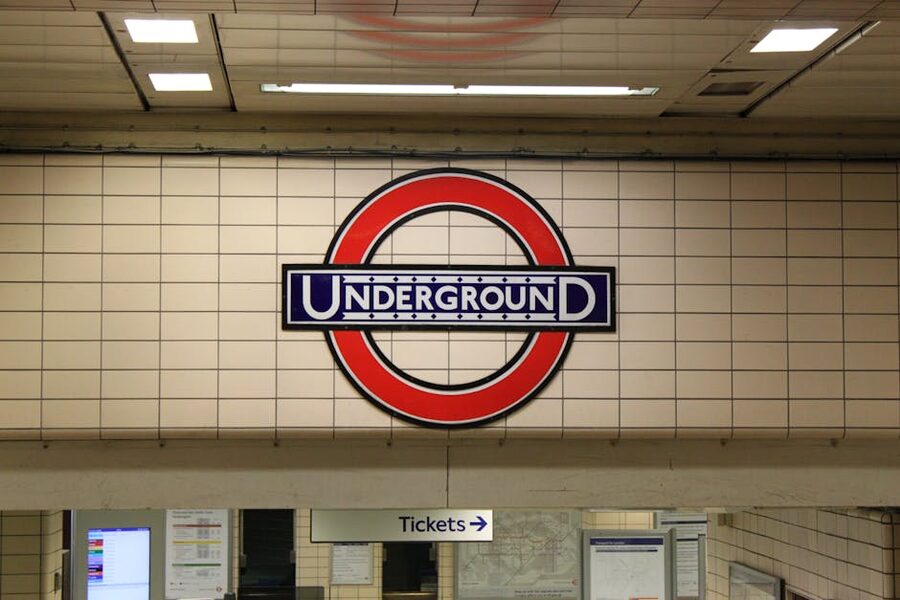
Where the Tube wins: speed and weather. A trip from King’s Cross to Westminster on the Circle line is about 8 minutes. The same trip on a hop-on hop-off bus, in central London traffic, can easily take 35 to 50 minutes. If you’re in a hurry, the Tube will always beat the bus. And if it’s raining sideways, the open top deck loses its appeal fast.
Where the bus wins: views, narration, and stairs. The Underground shows you nothing. Half the central stations are deep tube and you’ll climb four flights to reach the surface. With a stroller or a dodgy knee, that’s exhausting by lunchtime. The hop-on hop-off bus solves all of that. You sit, you watch Westminster Abbey and Whitehall slide past, the audio tells you what you’re looking at, and you don’t move until you’re ready. For two or three days of dense first-time sightseeing, that’s worth real money.
Contactless, Oyster, or Visitor Oyster?
Quick detour because this matters even if you skip the hop-on hop-off bus entirely. London’s transport network is fully contactless. You can tap in and out with any contactless debit card, credit card, or phone wallet (Apple Pay, Google Pay) and you’ll be charged the same as Oyster pricing. There’s a daily cap of around £8.90 in zones 1-2 and a weekly Monday-Sunday cap as well.

So when do you bother with an Oyster card? Two cases. One, your home bank charges hefty foreign-transaction fees on every tap (a few US cards still do). Two, you want the souvenir. The Visitor Oyster is the same as a regular Oyster but comes pre-loaded and ships internationally before you arrive. It costs a £5 activation fee and isn’t really worth it unless you’re nervous about contactless fees. Most travellers I know just tap in with their phone wallet and forget about it.
One thing to remember: always tap with the same card or device. If you tap in with your physical card and tap out with Apple Pay, the system reads them as two journeys and you’ll lose the daily cap. Pick one and stick with it for the whole trip.
Who actually benefits from a hop-on hop-off bus
I’ll be direct here. The bus isn’t for everyone. It’s a specific tool that solves specific problems.
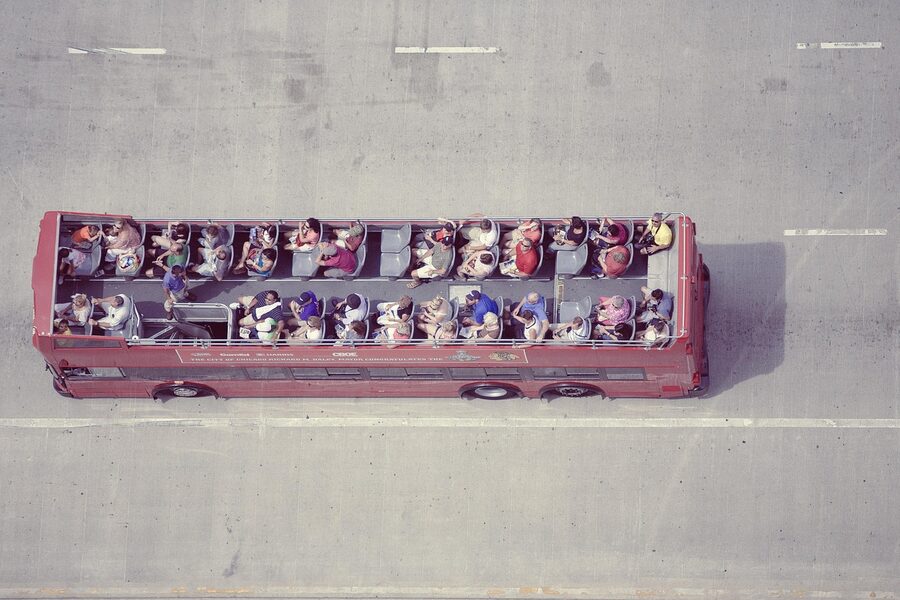
You’re a first-time visitor with 48 to 72 hours. You haven’t been here, you don’t know your bearings, and you want a fast geographic overview before you commit to walking the streets. The bus stitches together the Tower, the Shard, St Paul’s, Westminster, and Trafalgar in one continuous loop. By the end of day one you understand how London fits together.
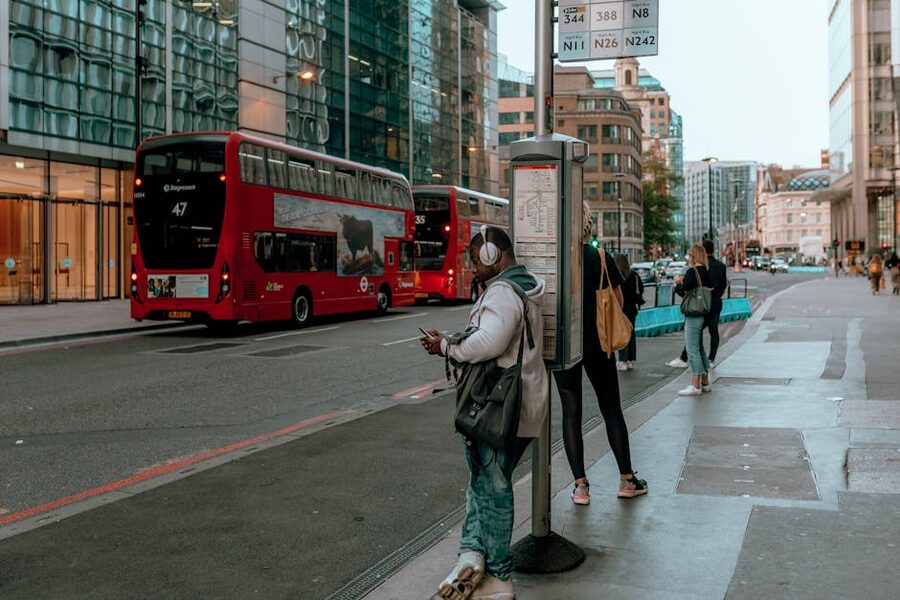
You’re travelling with kids or a stroller. Roughly 30% of the central London Tube stations have step-free access. The other 70% involve stairs, escalators, and gap-the-gap warnings on every platform. A bus rolls up at street level. Kids generally love the top deck. The audio guide is short and entertaining enough that they don’t get bored mid-stop.
You have mobility issues. All three operators run buses with wheelchair ramps and dedicated wheelchair spaces (one per bus). The Tube is improving but still patchy. If walking long distances or climbing stairs is hard for you, the hop-on hop-off bus is genuinely transformative for a London trip.
You hate planning routes. Some travellers want to see Westminster, the Tower, and Buckingham Palace and have no interest in working out which Tube line connects them. The hop-on hop-off bus removes that work entirely. You board, you ride, you get off. That’s it.
If none of the above fits you, you’re probably better off with contactless tap on the Underground and a decent pair of walking shoes. A Thames cruise handles the river views, and a single guided walking tour will give you better narration than the bus audio.
The three main operators
Three companies run hop-on hop-off buses in London. Their routes overlap heavily, so the choice usually comes down to live guides versus audio, what’s bundled, and price.
City Sightseeing London (red and yellow)
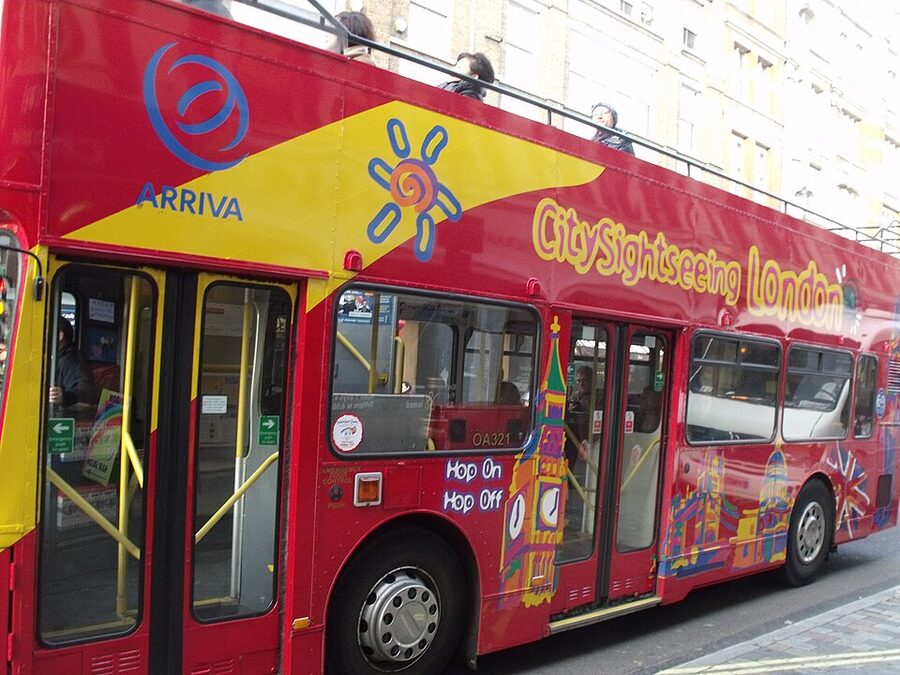
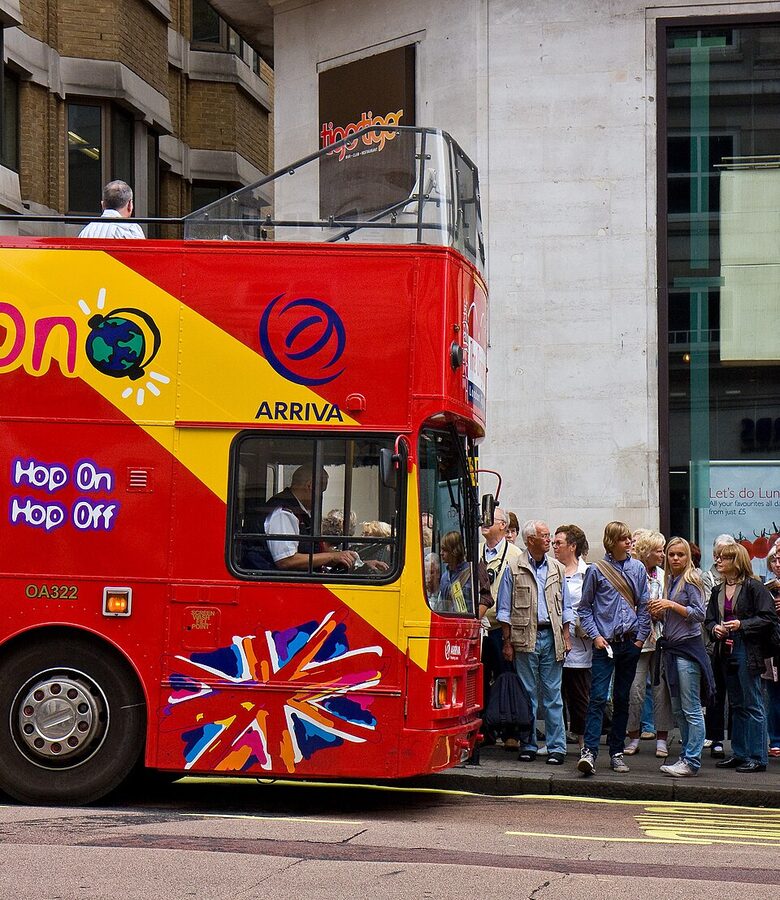
The biggest of the three by volume and the easiest to find. They cover three routes: a main red loop hitting the headline landmarks, a blue loop that pushes further south past Hyde Park and the museums, and a green link route. Audio commentary in eight or nine languages, no live guide on the standard tickets. They’re often the cheapest option once you account for promo pricing and they include kids tickets in family pricing tiers. Our City Sightseeing review goes deeper on the optional extras and how the multi-day passes shake out.
Tootbus (blue)
Newer fleet, the only operator running an all-electric and hybrid bus mix. Tootbus is the option I’d recommend if live commentary matters to you. Their main “Discovery” route uses a live English-speaking guide on board rather than recorded audio, which is a different experience altogether. Banter, jokes, off-topic asides, the whole thing. Other Tootbus routes use audio in multiple languages. The trade-off: they tend to run slightly less often than City Sightseeing and the route is a bit shorter. Our Tootbus review compares the live-guide route to the audio-only one and explains the cruise upgrade.
Big Bus Tours (also red)
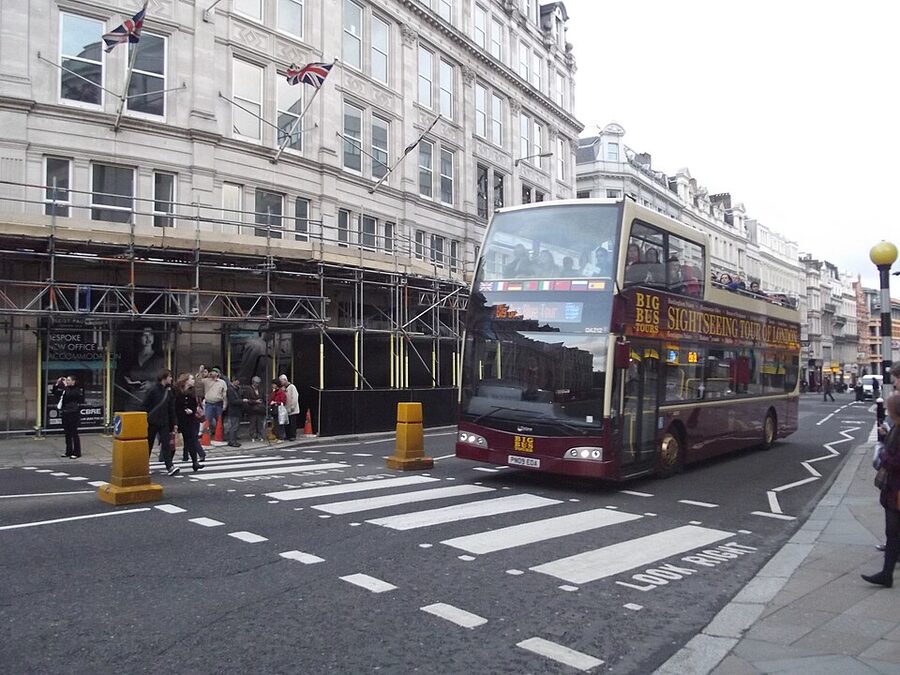
Big Bus is the global brand most travellers will recognise from other cities. In London they run more or less the same route layout as City Sightseeing (Westminster, Tower, St Paul’s, Trafalgar) and bundle add-ons aggressively. The two key combo tickets are bus + Thames cruise, and bus + cruise + London Eye in a single booking. If you were already going to do all three, the combo saves you money over buying separately and removes the “what time do we have to be at the Eye” anxiety. Audio in multiple languages and a free walking tour add-on at no extra cost.
What’s actually on the route
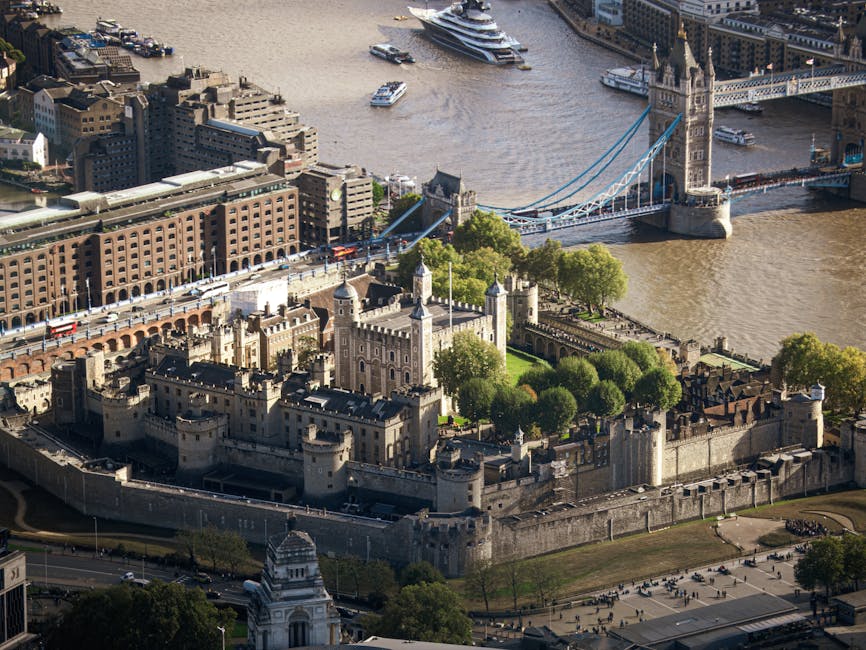
All three operators cover roughly the same headline list, which is why the route question matters less than people assume. Expect stops at or very close to:
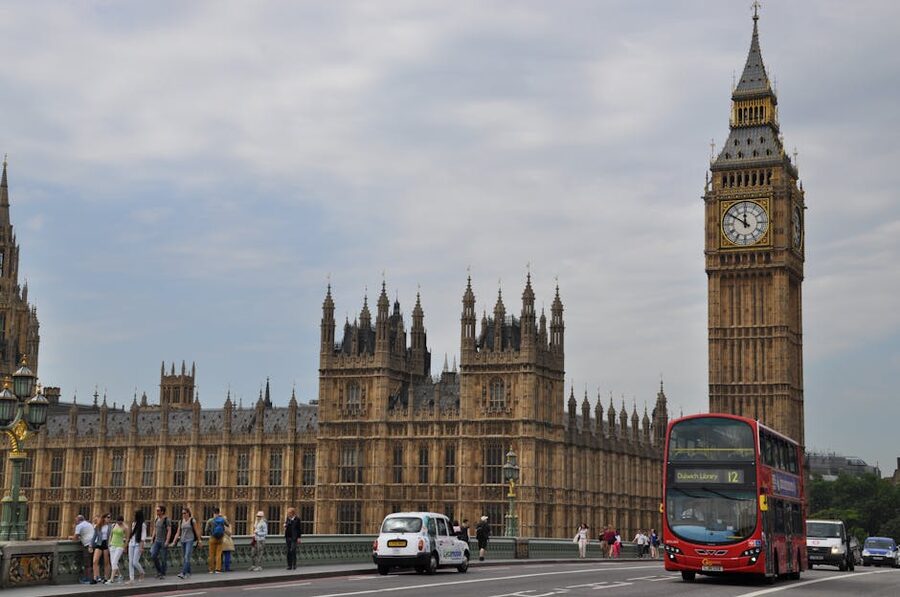
- Westminster (Big Ben, Parliament, Westminster Abbey)
- Trafalgar Square
- St Paul’s Cathedral
- Tower of London and Tower Bridge
- London Eye / Waterloo
- Hyde Park / Marble Arch
- Piccadilly Circus
- Buckingham Palace area (close, never directly outside)
What varies between operators is the side routes (Kensington, the South Bank, Greenwich), the night tours (Big Bus and City Sightseeing run after-dark routes seasonally; Tootbus does too in summer), and the precise stop count. The standard 24-hour ticket on any operator gives you about 8 to 10 hours of useful sightseeing time once you account for sleep, meals, and the fact buses stop running around 6pm in winter and 7pm in summer.
Audio versus live guide: the actual difference
This is the question I get most. Audio commentary across all three operators uses the same general structure: a recorded voice that triggers as the bus approaches each landmark, with multilingual options through a headphone jack at your seat. Quality varies. Tootbus and Big Bus generally have the better-recorded audio. City Sightseeing’s audio is fine but the headphone jacks on older buses can be temperamental, so test before the bus pulls away.
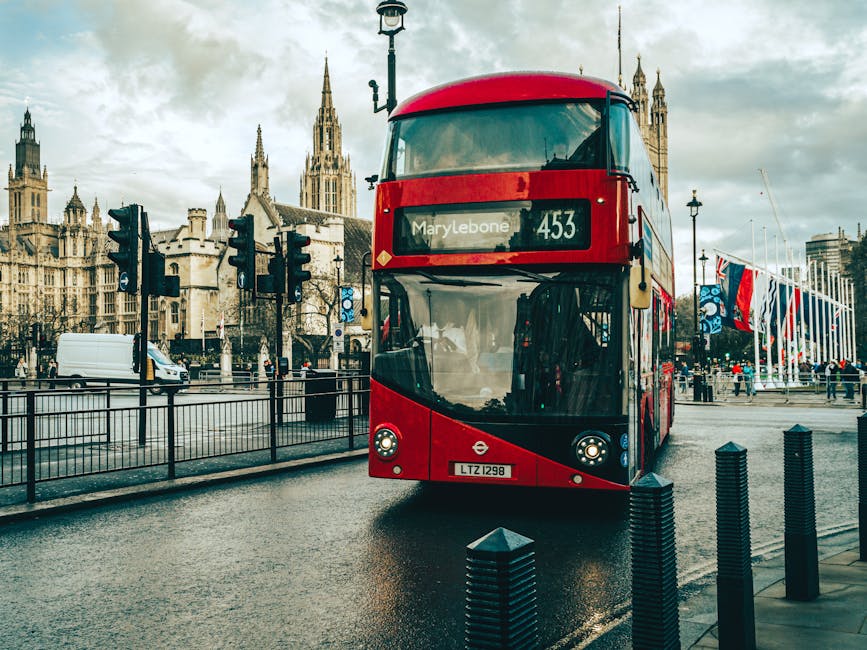
Live guides are different. The Tootbus Discovery route is the standout here, with a real person at the front of the bus telling stories rather than playing a track. You get jokes about the royals, asides about which pub Dickens drank in, and answers if you wave a hand and ask. The downside is the language is English only on those buses, and a tired guide on the second loop of the day will repeat the same jokes. But on a sunny morning with a fresh guide, it’s a genuinely better experience than recorded audio.
If audio quality is your main concern, the workaround on any operator is simple. Bring your own headphones with a 3.5mm jack. The included earbuds are cheap and uncomfortable. Your AirPods don’t help because the system isn’t Bluetooth. Wired in-ears are the move.
Bus + cruise + Eye combos: when they make sense
This is where you can either save real money or get nudged into paying for things you wouldn’t book separately. Be careful.
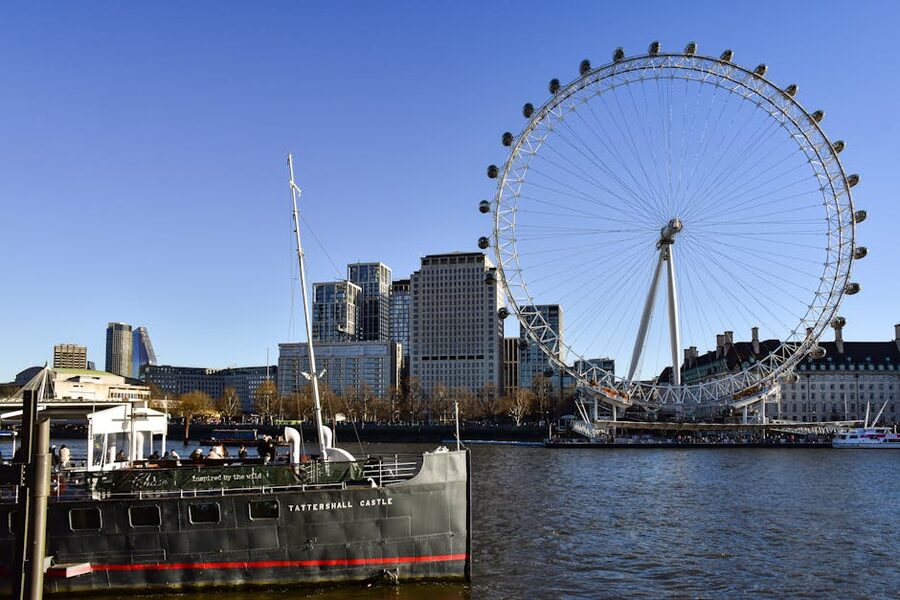
Bus + Thames cruise: almost always worth it. The cruise leg of these tickets uses City Cruises or a similar operator and gets you a full hour on the river between Westminster and Greenwich. The cruise alone retails around £20-25, so adding it to a bus ticket is usually a £10-15 upgrade. If you weren’t going to do a cruise separately, you might still enjoy this one because the river angle on London is genuinely different from the street angle.
Bus + cruise + London Eye: only worth it if you were already going to do the Eye. The Eye on its own costs £40+ at peak times, so the combo can save you money if you’d booked all three. If you’re on the fence about the Eye (it’s expensive and the queue is real), don’t let the combo talk you into it. Skip it and book the bus alone.
Bus + walking tour: Big Bus throws this in at no extra cost on most tickets. It’s an actual guided walk around Westminster led by a real person, runs a few times a day, and is genuinely good. If you were going to take any operator, this is one tip in Big Bus’s favour. Our review of the Big Bus combo walks through how the three pieces fit together logistically.
Our top three picks
1. City Sightseeing London Hop-On Hop-Off: from $33
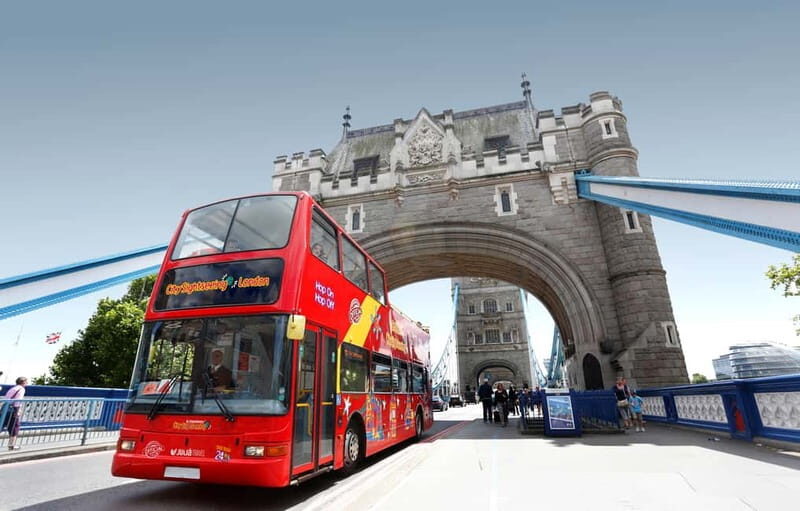
The cheapest of the three majors and the busiest fleet, which translates into shorter waits at every stop. Multi-language audio, optional river cruise add-on, and decent kids pricing make this the default I send first-time visitors to. Our full City Sightseeing review covers the bookable extras in more detail.
2. Tootbus Hop-On Hop-Off with Optional River Cruise: from $47
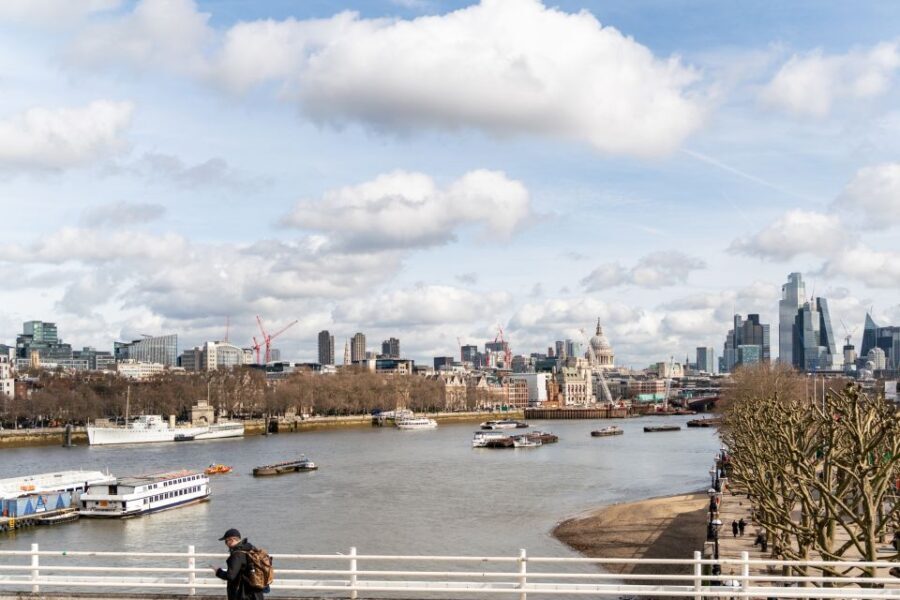
The newer eco fleet matters less to most travellers than the live-guide option, which is genuinely a different experience from recorded audio. Tootbus also bundles a river cruise upgrade cleanly and the price difference versus City Sightseeing is small. Our Tootbus review explains the live versus audio routes and how to pick.
3. Big Bus + River Cruise + London Eye: from $74

This is the easy answer for travellers who’d already planned to do all three things. The combo saves over buying each separately and the timed Eye slot is bookable inside the same ticket. If the Eye wasn’t on your list to begin with, skip the combo and pick a bare bus ticket instead. Our combo review walks through the logistics of stitching the three together.
How to actually use the bus on the day
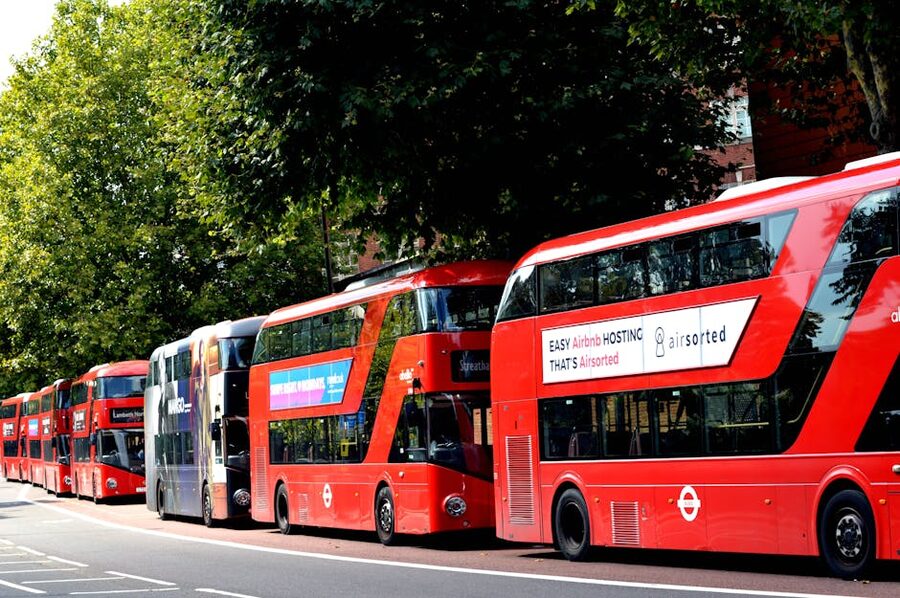
A few practical things I wish someone had told me the first time:
Start at the right stop. The audio is sequenced to specific landmarks, so if you board mid-loop you’ll hear about Hyde Park while you’re staring at Tower Bridge. Best stops to start are Trafalgar Square, Westminster, or near the Tower. The London Eye stop is also a good first stop if you’re staying south of the river.
Do one full loop first. Don’t get off at the first attraction. Ride the full circuit once with the audio playing so you understand where everything is. Then get off at whichever stop interested you most. This sounds boring but it makes the second day faster because you already have your bearings.
Plan around closing time. Most operators run last buses around 5-6pm in winter and 7-8pm in summer. If you’re using the bus to get back to your hotel, check the timetable before you commit. After the last hop-on hop-off, you’re back to walking or the Tube.
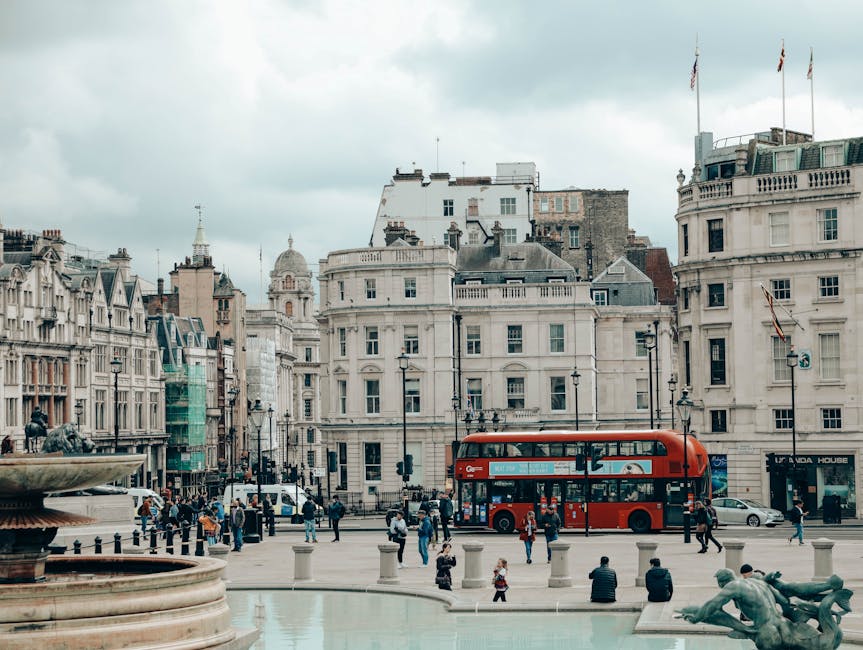
Skip the upper deck if it’s wet. Open-top buses get genuinely soaked in rain. The lower deck has windows and the same audio, and you’ll stay dry. London weather changes hourly so don’t book based on the morning forecast.
Don’t try to combine with too many timed entries. The bus runs every 10-20 minutes but London traffic is real. If you’ve booked Tower of London entry at 11am and you’re starting the bus at 9am, you’ll spend the whole ride watching the clock. Use the bus on a flexible day and save timed bookings for a separate day.
Combine with walking, don’t replace it. The bus drops you near the attraction, not at it. Buckingham Palace stops are about a 5-7 minute walk from the gates. Tower Bridge stops are a few hundred metres from the bridge itself. Wear shoes you can walk in for two hours minimum.
One day in London using the bus
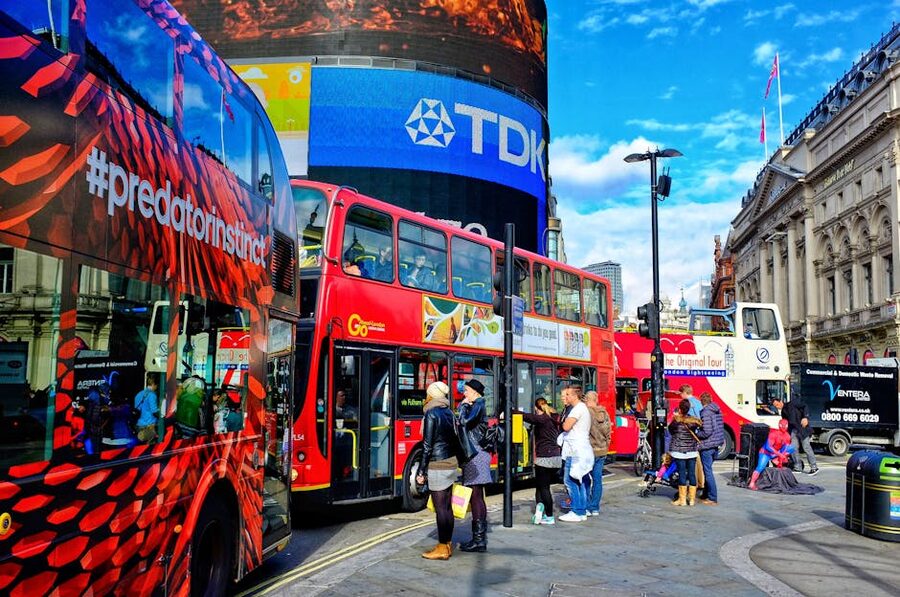
If you have one day and you’re committed to using the bus, here’s a route that actually works. Start at Trafalgar Square around 9:30am with a 24-hour ticket activated at the boarding stop. Stay on board for the full first loop (about 90 minutes depending on traffic) so you hear all the audio and see how the city fits together.
Get off at the Tower around 11am. Spend two hours there if you’ve booked entry. Lunch nearby (the food market at More London near Tower Bridge is a solid option). Re-board around 2pm and ride to Westminster.
Walk Westminster Abbey, Parliament Square, then catch the bus to St Paul’s. Quick exterior visit (entry is paid and slow). Re-board, ride past the London Eye for the final audio segment, and get off near your hotel or Trafalgar Square for dinner.
That’s about as much as one day with the bus realistically gives you. If you try to add a fourth major attraction on the same day, you’ll be rushed and exhausted by 6pm.
Two-day plan: the bus actually shines
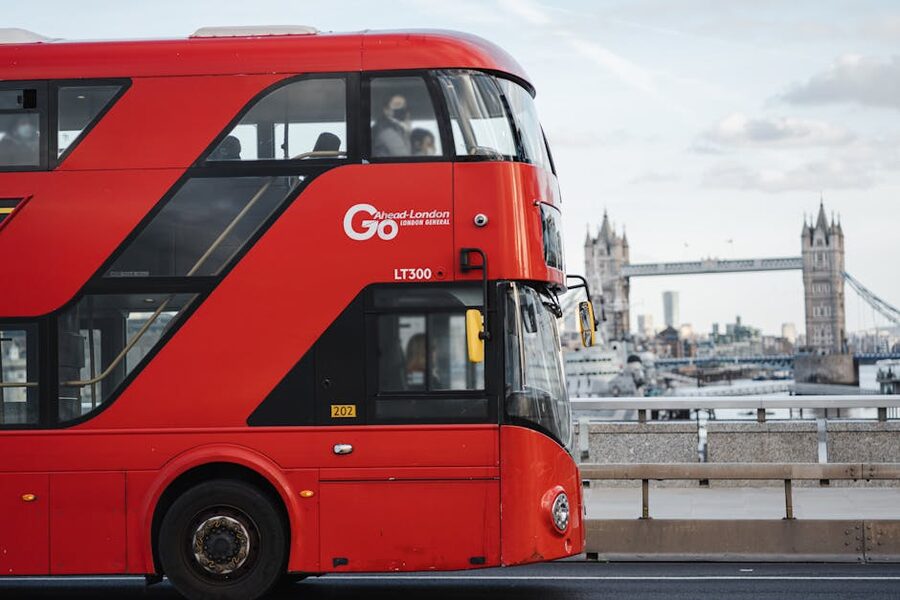
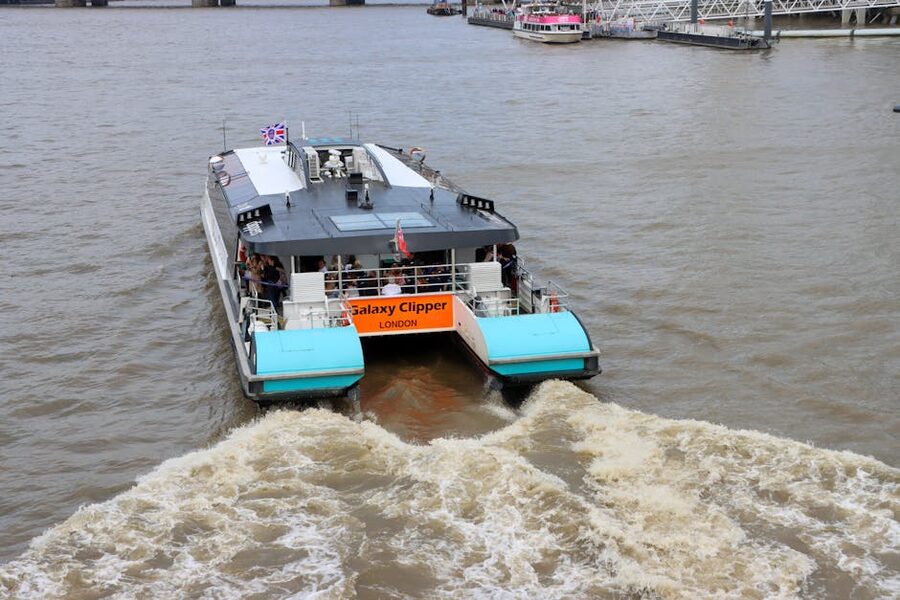
Two days is where the hop-on hop-off bus stops being a luxury and starts being efficient. Get a 48-hour ticket. Day one: full loop, then a long visit at the Tower and Westminster. Day two: ride to Hyde Park, walk through, jump back on at Marble Arch, ride to Buckingham Palace for the late-morning area, then bus to Trafalgar for lunch and a museum.
The 48-hour ticket spreads across two calendar days easily because it activates on first tap, not on purchase. You can buy a Friday afternoon ticket and it’ll still be valid through Sunday afternoon.
If you have three or more days, I’d genuinely consider not buying a hop-on hop-off ticket at all. By day three the appeal of looping past the same landmarks fades fast. Better to use contactless on the Tube for getting around and book individual experiences: a Thames cruise on its own, a Jack the Ripper walking tour, or a deeper visit to one of the major museums. The bus is a starter, not a full meal.
Night routes: are they worth it?
Big Bus and City Sightseeing both run after-dark routes seasonally. They’re separate tickets, not included in your day pass usually, and they sit in the £25-35 range. The route is shorter, the loop slower, and you see London lit up: Tower Bridge with its blue lights, the Eye in colour, Parliament against a dark sky.
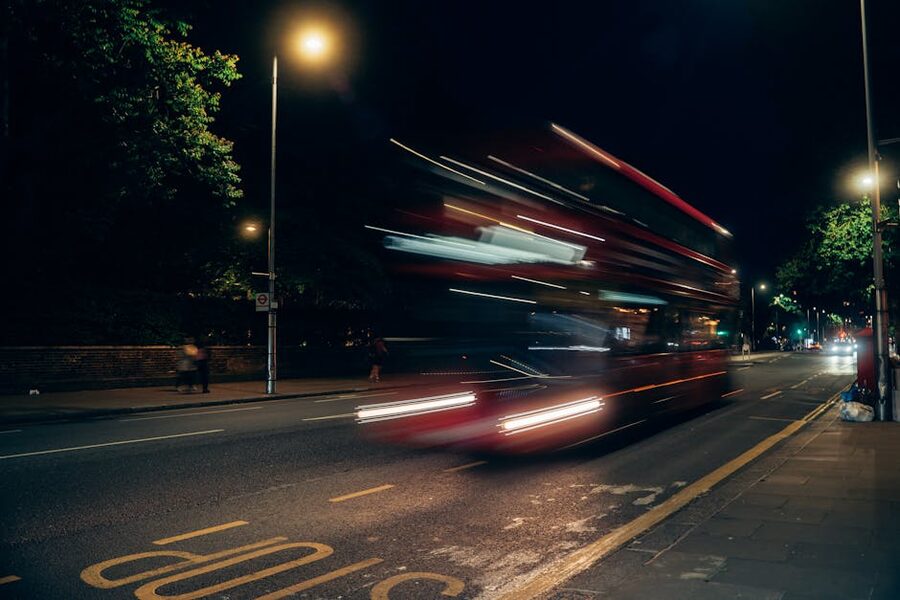
I think they’re worth it once if you’ve never seen London at night. They’re not worth it if you’ve already done a thorough river cruise after dark, because the Thames clipper at night gives you a similar lit-up view at a lower price. If you only have budget for one night experience, pick the cruise. The bus night tour is bonus content.
What can go wrong
A short list of mistakes I’ve seen first-time visitors make on these buses:
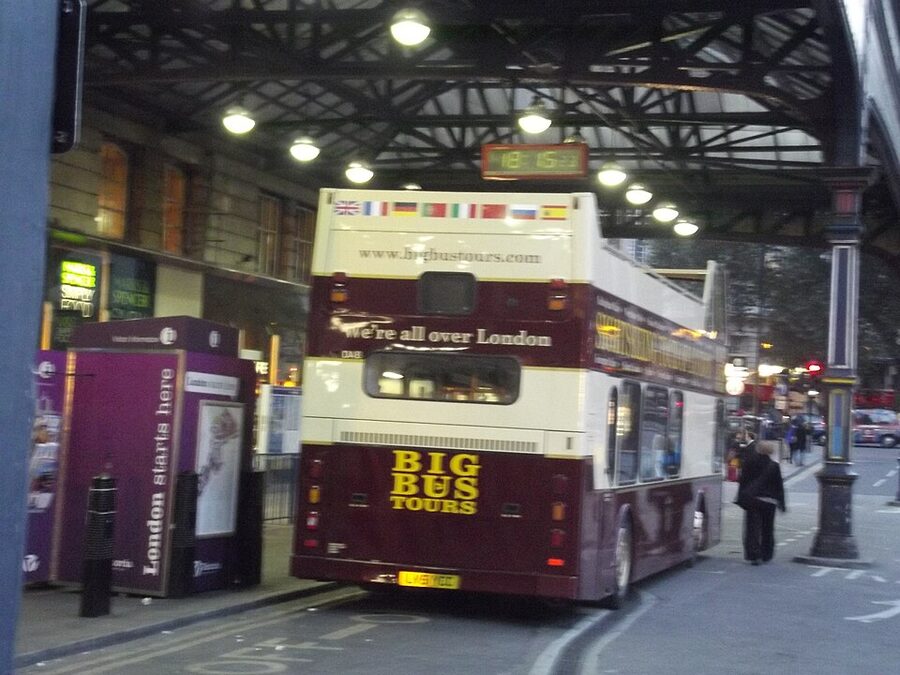
Booking the wrong operator’s stop. All three companies use red buses (well, two of them; Tootbus is blue). At a busy stop like Victoria, three different operators may load within fifty metres of each other. Check the bus’s livery and route logo before you climb on.
Buying a 24-hour ticket when 48 makes sense. The price gap between 24 and 48 is usually small. If you’re staying two nights or more, almost always upgrade.
Trying to use the bus to get to Warner Bros Studio Tour or other day-trip destinations. The hop-on hop-off network is central London only. WB Studio is in Watford, an hour by train. Don’t bus toward it.
Not checking which stops are temporarily closed. London does roadworks more or less constantly, and temporary stop closures show up on the operator’s app, not always on the printed map. Check the app on the day if a stop seems missing.
Ignoring the cruise add-on. The cruise is genuinely the best bonus on these tickets. The river angle on London changes the whole impression of the city. Book it if it’s £10-15 extra.
Beyond the central loop
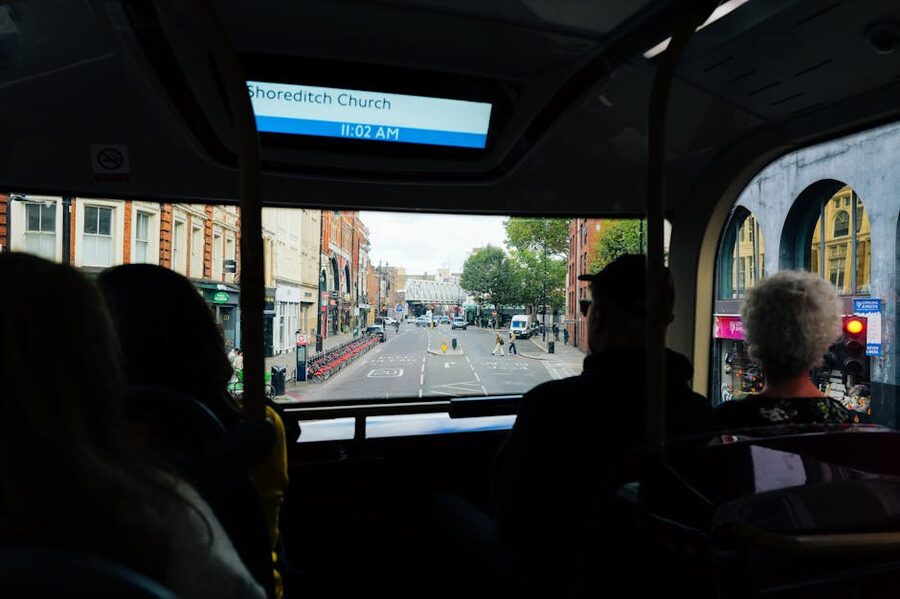
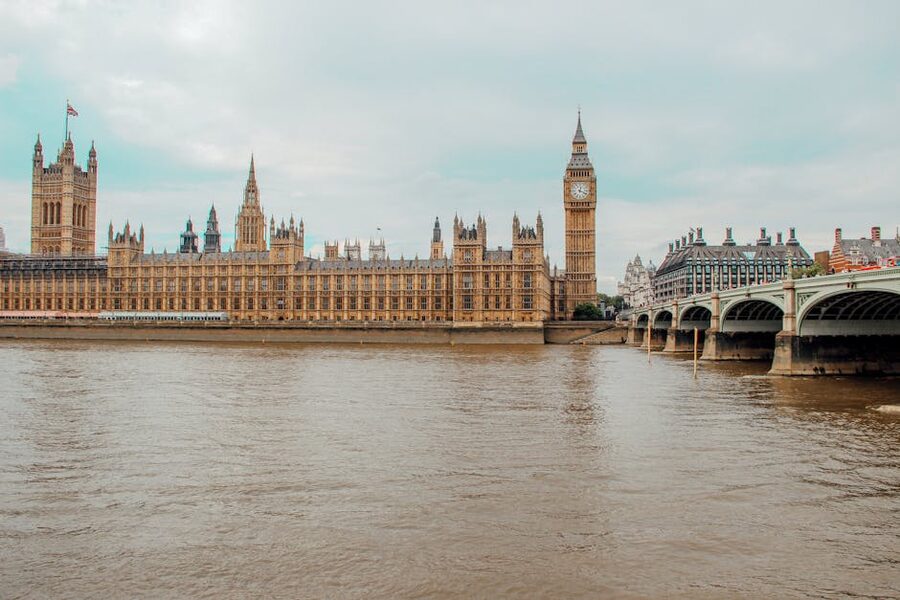
The hop-on hop-off network covers central London. Zone 1 mostly. If you want to see Greenwich, Camden, Notting Hill on a market day, or Shoreditch, you’ll need the Tube, the Overground, or a Thames clipper for Greenwich. None of those is hard. Tube fares cap, the clipper to Greenwich is genuinely lovely, and the Overground to Shoreditch is fast.
One operator route I’d actually recommend skipping: the side loops that push out to Kensington and the museum district. They take ages, the traffic on Knightsbridge is glacial, and you can walk the same area faster. Better to bus to Buckingham Palace, walk Hyde Park, and jump back on the main loop at Marble Arch.
One more note on weather
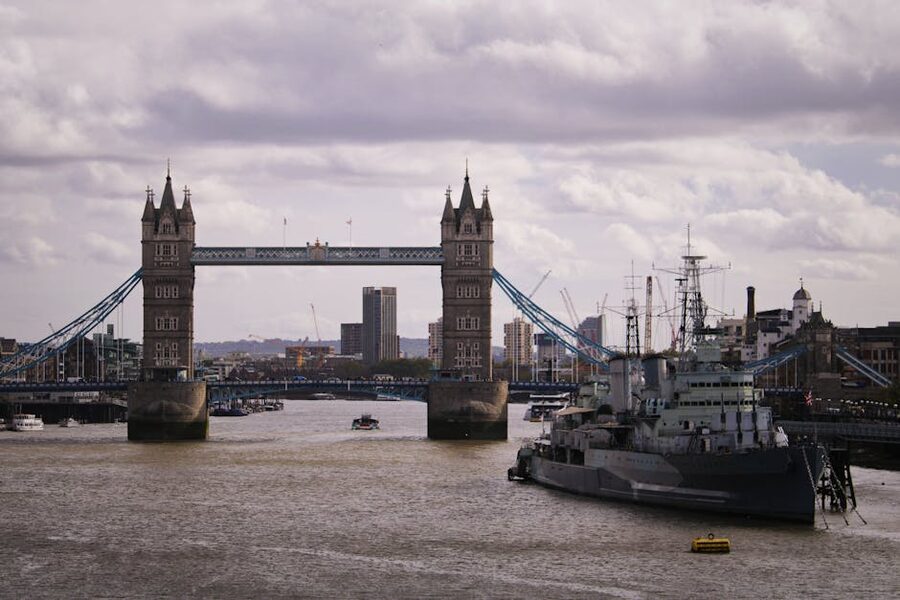
London weather is the silent factor in this whole equation. Sunny days on the upper deck are the photos in the brochure. Cloudy dry days are still fine, the lower deck stays dry, and the audio works regardless. It’s the heavy rain and the cold winter mornings that drag the experience down. December through February, I’d think twice. May through September, the bus is at its best.
Check the forecast the morning of, not the night before. London’s weather changes hourly and you can usually spot a window of dry hours that matches a 90-minute first loop. Time your boarding for the dry stretch and you’ll have a good day.
Where to go after the bus
After two days of looping, the hop-on hop-off bus has done its job. You’ve got the layout. You know which areas you want to dig into. From here, the better moves are walking tours that go deeper than recorded audio can: a Jack the Ripper tour through Whitechapel covers ground the bus skips entirely, the Harry Potter walking tour hits filming locations the bus rolls past without comment, and a Buckingham Palace State Rooms visit rewards real time on the ground. The bus is the warm-up. The walks and the deep visits are the meal.