
Your capsule lifts off the boarding platform so slowly that for a moment you forget you’re moving. Then the Thames embankment drops away and Big Ben swings into view straight across the river, the Houses of Parliament unfurling beside it through the glass. About fifteen minutes later, near the top, Westminster Abbey’s gothic spires line up with the dome of St Paul’s through the same window, and the city stops feeling like a map and starts feeling like a city you can read.
I’ve been up the London Eye in summer queues, in horizontal February rain, and at sunset with a glass of champagne in my hand. The ticket you book makes a real difference. Below is what to choose, and what to ignore.


In a hurry? My three picks
Standard or Fast Track entry, around $39: the flagship ticket. Skip the booth queue and pick fast track if you’re going on a weekend or in school holidays. Check availability.
Eye + Madame Tussauds combo, around $66: two big-ticket attractions in one purchase, valid up to 90 days apart. Best value if you’re staying more than two nights. Check availability.
Big Bus + River Cruise + Eye combo, around $74: three transport-style sights bundled together for a first-timer day. Check availability.
- In a hurry? My three picks
- What you’re actually booking
- The ticket types, ranked by who they’re for
- Standard entry (timed slot)
- Fast track / skip the line
- Flexi (any time, any day)
- Champagne flight
- Private capsule
- Sunset slots are the best slots
- Combo tickets: when they’re worth it
- Three Eye tours I’d actually book
- 1. London Eye Standard or Fast Track Entry:
- 2. London Eye + Madame Tussauds Combo:
- 3. Big Bus Hop-On Hop-Off + River Cruise + London Eye:
- How to actually get there
- Which slot to pick if the day is up to you
- Things people get wrong
- Eye-with-other-attractions: how I’d plan one day
- What it’s actually like inside the capsule
- Practical bits
- Skip-this list
- Compared to other big-city wheels and viewpoints
- Where to stand on the ground for photos
- Booking workflow that actually works
- Eye + Thames Cruise: my favourite combination
- What it costs all in
- One last thing about the timing
- If you’ve got a longer London trip
What you’re actually booking
The Eye is a 135-metre observation wheel on the South Bank of the Thames, directly opposite the Houses of Parliament. It opened on the last day of the millennium, in December 1999, and was originally only meant to stand for five years. It’s still here. The original sponsor changed several times, which is why some signage still reads Coca-Cola London Eye on older maps and lastminute.com London Eye on others. The wheel itself is the same.

One full rotation takes about 30 minutes. The wheel doesn’t actually stop for boarding. It rotates so slowly that you step on and off as it moves. Anyone who can’t manage a small step gets a brief stop on request, which staff handle constantly and without fuss. There are 32 sealed glass capsules, each holding up to 28 people, though in practice mine has usually had between 12 and 20.
What you can see from the top, on a clear day: the Houses of Parliament and Big Ben directly across, Westminster Abbey just beyond, Buckingham Palace pretty much hidden behind trees in the middle distance, St Paul’s dome, the Shard south of the river, the dense blocks of the City of London with the Gherkin and the Walkie-Talkie, and on a really clear winter day the green of the North Downs in the south. London is flatter than people expect. The Eye is one of the few places where you actually feel that.
The ticket types, ranked by who they’re for
This is where most blogs lose people. There are five real ticket types and a sea of marketing names. Here’s the version that matters.
Standard entry (timed slot)
Cheapest option, a fixed time slot, you join the standard queue at the entrance about 15 minutes before your slot. Works fine on weekday mornings or January afternoons when there’s almost no queue. On a sunny Saturday or in school holidays you’ll be standing for 30 to 60 minutes even with a pre-booked time, because the timed queue and the walk-up queue feed into the same boarding ramp. Roughly $30 if you book direct on the official site, slightly more on resellers.

Fast track / skip the line
This is the upgrade I push hardest. About $10 more than standard and it puts you in a separate, much shorter queue all the way to the boarding ramp. On a busy day this saves you the better part of an hour. The Standard or Fast Track ticket lets you choose either at booking, and it’s the most-booked Eye ticket on the market for a reason.
If you’re visiting on a Saturday, in any school break, or anywhere between June and August, just pay the extra. You’re not buying speed, you’re buying the difference between standing outside in the rain and walking on.
Flexi (any time, any day)
A flexi ticket lets you turn up on any date, no slot. It costs noticeably more, around $40 to $50 standard, more for fast track. I’ve used it once when the weather forecast was awful all week and I wanted to jump on the one decent afternoon. For most travellers a fixed slot is fine, because the weather forecasts within 48 hours are reliable enough.
Champagne flight
You get a glass of Pommery Brut on board, fast track access included, and you go on a normal capsule shared with other champagne ticket holders. About $50 to $60. This is sold hard around Valentine’s, anniversaries, and proposals. It’s the upgrade I’d actually recommend for an evening visit, because the queue you skip at twilight is the worst of the day. The champagne is solid, not extraordinary. Don’t book it for the wine. Book it for the timing.

Private capsule
You hire the whole capsule. Marriage proposals, small birthday groups, corporate hospitality. Prices start in the low hundreds and run up sharply with food and drink add-ons. Worth it for a proposal. Otherwise the standard ticket plus the view is what you came for.

Sunset slots are the best slots
If I could only pick one time, I’d pick the slot that ends about 10 minutes after official sunset. You board in golden light, you reach the top in pink light, and you come down in the blue hour with the lights of Westminster reflecting in the river. The Eye does sell specific Sunset and Night flights on certain dates, mostly in autumn and winter when sunset falls inside operating hours, but you can engineer the same thing on a normal ticket if you book the right slot.
In summer, sunset is at about 21:15 and the wheel often closes at 21:30, so the last slots vanish weeks ahead. In winter, sunset is at 16:00 and you have your pick. Late October and February are my favourite months for this exact reason. The Eye is calmer, the slot you want is available the day before, and the light is better than midsummer harsh sun.


Combo tickets: when they’re worth it
The Eye sits in the Merlin family of attractions, which means you can buy combo tickets that bundle it with Madame Tussauds, SEA LIFE London, the London Dungeon, and Shrek’s Adventure. The bundles look generous on paper. Most of them only make sense if you’d actually visit the second attraction at full price.
The combo I do recommend, with caveats, is the Eye + Madame Tussauds bundle. Tussauds tickets at the door run higher than the bundled price, the two are about a 20-minute walk or two Tube stops apart, and the combo is valid for 90 days so you don’t have to do them on the same day. If you’re a first-timer with kids, this is the one to grab.
The triple combo with SEA LIFE is fine if you have very young children, because SEA LIFE sits literally next door to the Eye on the South Bank. Skip it for adults travelling without kids; SEA LIFE is short and pricey for what it is.
The Big Bus + River Cruise + Eye combo bundle is a different proposition. It’s a way to do most of central London in one ticket and one app, including a separate Westminster-area river cruise. I’d buy it for a one-day stopover or for visitors who flat-out hate the Tube.
Three Eye tours I’d actually book
I’ve ranked these by how I’d use them, not by review count.
1. London Eye Standard or Fast Track Entry: $39
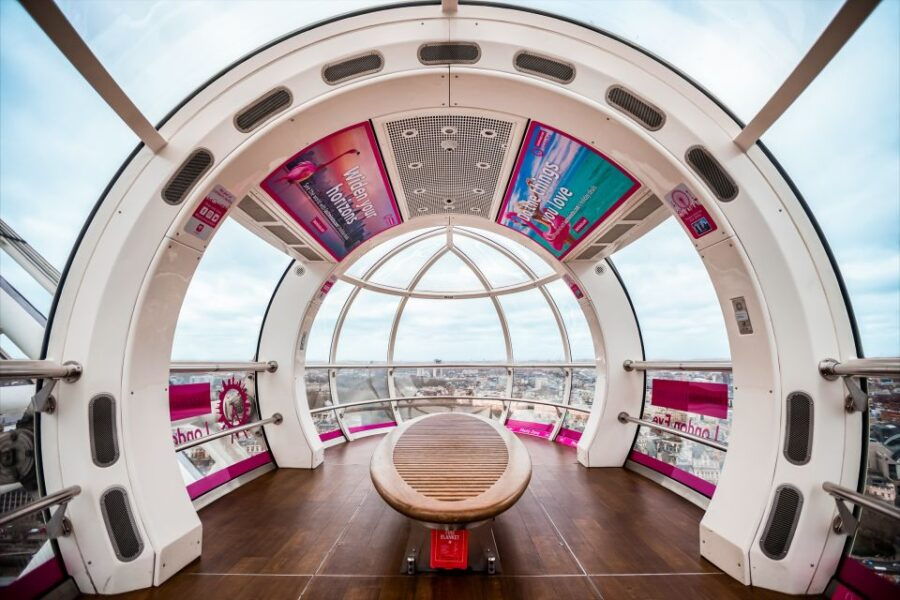
This is the one I’d book for almost any traveller, almost any time of year. The ticket lets you choose standard or fast track at booking, which gives you the flexibility to match your day to your patience. Our full review walks through how to pick a slot that lines up with sunset on your travel dates.
2. London Eye + Madame Tussauds Combo: $66
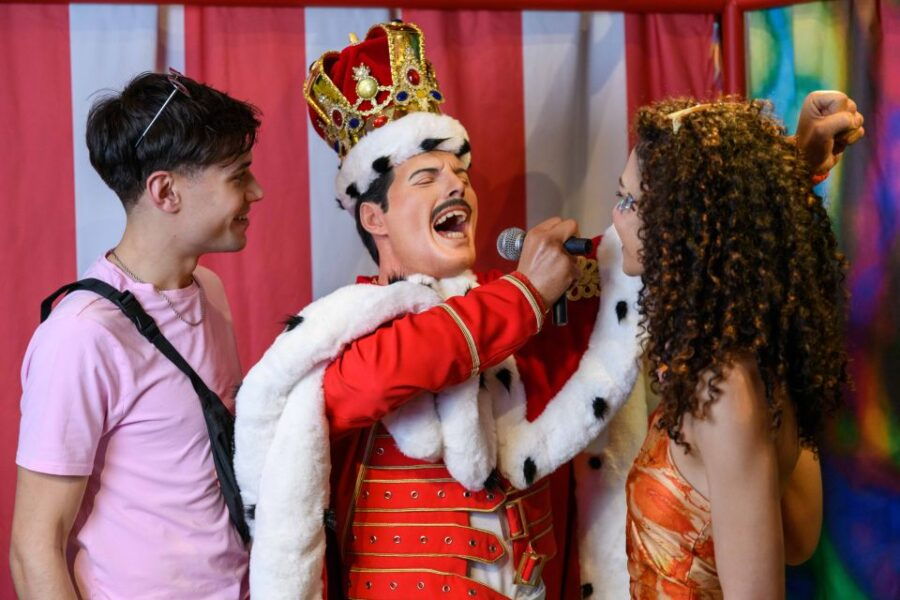
The combo is well-priced compared to buying both at the door, and it suits families and first-timers who want both classic London tick-boxes covered. We cover the Tussauds-then-Eye walking route in our combo review, including which Tube stop saves you the most time.
3. Big Bus Hop-On Hop-Off + River Cruise + London Eye: $74

This is the bundle I’d buy for someone with 24 hours in London and no patience for Tube logistics. Open-top bus, Thames cruise, and a slot on the Eye, all on one ticket. Our full review breaks down the route and which Big Bus stops are worth getting off at.

How to actually get there
The Eye sits on the South Bank between Westminster Bridge and Hungerford Bridge. Three main approaches:
Waterloo station. The closest mainline and Tube. About 7 minutes’ walk through the County Hall area. Use exit 5 for the most direct route.
Westminster Tube. One stop and one bridge crossing. About 8 minutes including the walk over Westminster Bridge, and the bridge is where everyone is taking those classic Big Ben + Eye photos. Worth the slightly longer walk.
By river. Thames Clippers stop at London Eye Pier (Waterloo) directly underneath the wheel. If you’re already doing a Westminster to Greenwich cruise on the same trip, time it so you arrive by river.

Which slot to pick if the day is up to you
If your dates are flexible, here’s how I’d order it:
Best of all: a Tuesday or Wednesday in late October or early November, slot ending about 10 minutes after sunset. Almost no queue, golden hour into blue hour, the Christmas lights start going up along the South Bank and the river looks alive.
Second best: any weekday in February. Same logic, even shorter queues, and you get a clear winter day if you’re lucky.
Worst: a Saturday afternoon in July or August, mid-rotation. Hot, packed, hazy, queue stretching back along Jubilee Gardens. If those are the only dates you have, book fast track and pick a slot before 11:00 or after 19:00.
Things people get wrong
A few patterns I see again and again from first-timers and from competitor guides.
Booking the cheapest option for a peak day. Standard tickets in August save you about $10 and cost you an hour of your day. Fast track is the upgrade you actually feel.
Trying to “save it for sunset” without a slot. Sunset slots in summer go three to four weeks ahead. By the time you’re in London, your only option is a 14:00 in full sun or a 21:00 after dark. Book sunset before you fly.
Buying the wrong combo. Don’t buy the SEA LIFE bundle if you’re an adult travelling without children. Don’t buy the London Dungeon combo if you don’t actually like that style of attraction. The Tussauds combo is the only Merlin bundle most people find genuinely worth it.
Underestimating wind. The Eye runs in almost any weather but stops in proper gales, which happen a few times a year. If a storm is forecast, check the official site that morning. Tickets are usually rebookable within the same week.

Eye-with-other-attractions: how I’d plan one day

If you’ve only got one day in central London and the Eye is your anchor, here’s the route I’d run.
Start at Westminster Tube around 09:30. Walk across Westminster Bridge for the Big Ben and Eye photo. Spend an hour at Westminster Abbey or in the Houses of Parliament if you’ve pre-booked. Walk back across the bridge along the South Bank. Lunch at one of the food stands behind the Eye, around 12:30. Eye slot at 13:30 with fast track. Out by 14:15.
From there it’s a 25-minute riverside walk to the Tower of London, or you can grab a Thames Clipper from Waterloo Pier and be at Tower Pier in under 15 minutes. Tower of London for the afternoon, finishing about 16:30, then a slow walk over Tower Bridge for the second-classic London skyline shot.
Evening: dinner around Borough Market or back across the river in Covent Garden, then a Westminster to Greenwich evening cruise if you want one more angle on the city by night, or call it a day at a pub.
If your trip includes a film studio day, plan the Warner Bros Studio Tour on a different day entirely. Studio days are about five hours plus transit and don’t fit into an Eye day.
What it’s actually like inside the capsule

You queue, you scan a barcode, you walk through a brief security check. Up the ramp, the next capsule rolls past, and you step on through a sliding door that closes behind you. The capsule is bigger than it looks from outside; you can walk around freely. There’s a low oval bench in the middle and grab rails along the glass. The floor is solid, not glass.
Sound from outside basically vanishes. You hear the people in your capsule and a low background hum from the wheel. Phones still work because the capsules aren’t shielded. There’s no audio guide as standard. You can pre-book a separate “interactive guide” tablet for kids; in my opinion it’s optional and most adults look out the window the whole time anyway.

About four minutes in, you’re above the South Bank trees. Around twelve minutes you’re at the level of the top of Big Ben. The top is around fifteen minutes, which is when most photos are taken. The descent feels faster because by then you’ve already seen the views and you start watching the river boats and the buskers on the riverside path below.
Inside the capsule, here’s the rule I always give people: stop trying to photograph everything in one rotation. Pick the four big sights you actually want, photograph each one when it’s lined up, and just look out the window for the rest. The view is better through your eyes than through your phone.
Practical bits
Opening times. Roughly 11:00 to 18:00 in winter, 10:00 to 20:30 in summer, with longer hours through school holidays. Always check the official site for your exact date because the wheel sometimes closes for private events.
Bag policy. Small bags fine. No large suitcases. Lockers nearby at Waterloo if you’re arriving from a train.
Accessibility. Wheelchair accessible. Staff hold the wheel for boarding when needed. Accessible toilets are in the entrance building, not in the capsules.
Toilets and food. Best to use the toilets at Waterloo or in the County Hall building before boarding. Capsules don’t have toilets and a full rotation plus boarding is around 40 minutes start to finish.
Cancellation. Most online tickets, including the major GetYourGuide entry tickets and the combo bundles, are free to cancel up to 24 hours before. Book early, change later if you need to.
Skip-this list
A short opinion section for the people who like opinion.
Skip the 4D pre-show. It’s bundled with most tickets so you’ll likely pass through it. Don’t go out of your way to schedule extra time for it. It’s a four-minute marketing film.
Skip the souvenir photo. They take a photo as you board and try to sell it at the end for around £15. The lighting is harsh and the background is fake. Take your own selfie at the top.
Skip walk-up tickets in summer. The on-the-day kiosk price is higher and the next available slot can be three hours away. Book online before you go.

Compared to other big-city wheels and viewpoints
If you’ve already done a city wheel somewhere else, the Eye is unusual in two ways: it’s slow, and it has sealed glass capsules instead of open gondolas. That means you get a slow read of the skyline rather than a quick adrenaline spin. People expecting a fairground ride sometimes find it underwhelming. People expecting a leisurely viewing platform tend to come off happy.
For comparison’s sake, you can read about the panoramic walkway perspective on Spain’s Setas de Sevilla for the urban-canopy take, or our take on the Madrid panoramic city tour for the bus-up-to-a-viewpoint version. None of these is a like-for-like swap, but the Eye is closest in spirit to a slow-moving, glass-walled version of the latter. If you’ve climbed the Torre dos Clérigos in Porto on a previous trip, you’ll recognise the same instinct: a city is best read from a single calm vantage point, not a dozen rushed ones.
Where to stand on the ground for photos

I find these angles, in order of how often I come back to them:
Westminster Bridge looking south, with the Eye on the right and County Hall in the foreground. Best around 30 minutes before sunset. This is the postcard shot and you’ll have company.
Jubilee Gardens directly below the wheel. Looks straight up, which suits a wide-angle phone lens. Almost no one stops here, which is odd because it’s the only place where the wheel fills the frame.
Hungerford Bridge, the pedestrian footbridge slightly downriver. The whole curve of the Thames bends away with the Eye on your left. Quieter than Westminster Bridge.
From the Embankment side of the river, just east of Waterloo Bridge. You get the Eye against the South Bank skyline rather than against open sky. Underrated.

Booking workflow that actually works
The booking flow I use, in order:
1. Pick the day first, not the slot. Look at the seven-day weather forecast, pick the day with the clearest sky, fall back to the day with the most diffuse cloud if every day is cloudy. Avoid days with forecast wind over 30mph.
2. Decide on standard or fast track. If your day is a weekend or a school holiday, fast track. Otherwise standard is fine.
3. Pick the slot to land you at the top around sunset. Sunset times are easy to look up. Pick the slot whose end time is roughly sunset plus 10 minutes.
4. Book through the channel that includes free cancellation. GetYourGuide and the official site both offer this. Don’t use a non-refundable third-party reseller for a peg-the-weather purchase.
5. Save the ticket to your phone wallet. The barcode scans straight from a phone screen at the gate.

Eye + Thames Cruise: my favourite combination
This isn’t a marketed combo, it’s just a route. Do the Eye at sunset, walk back across to Westminster Pier, board a Westminster to Greenwich Thames cruise for the night sail. From the river you watch the Eye go past lit up, then float past the Houses of Parliament, then under Tower Bridge as it does its hourly opening cycle if you’re lucky on the timing.
You see the same skyline twice from two different heights and two different angles. It’s the single best two-hour stretch in central London, and it costs the price of an Eye ticket plus a cruise ticket.
What it costs all in
For a couple, no kids, doing the Eye properly: about $80 for two fast track tickets in low season, about $100 for two in summer. Add roughly $40 if you switch to champagne. Allow another $15 to $25 for food and drink at the South Bank stalls, more if you sit down.
For a family of four with two children: the Tussauds combo plus a fast track upgrade comes in around $260 to $300. Tussauds alone covers an extra two hours and a different kind of day.
For a one-day London stopover where the Eye is one of three sights: the Big Bus + River Cruise + Eye bundle at about $74 a head is the most efficient single purchase you can make in this city.
One last thing about the timing
The Eye does sell out, especially around sunset slots in summer and around Christmas. It rarely sells out in winter weekday afternoons. If you’re flexible about when, you’ll always get a ticket. If you have a fixed date and a fixed time slot in your head, book it the moment your dates are confirmed.

If you’ve got a longer London trip
The Eye is a single-afternoon job and you’ll want other anchors for the rest of your time in town. We’ve covered the Tower of London ticket maze in detail, and the Warner Bros Studio Harry Potter tour for a separate day out of central London. A Westminster to Greenwich Thames cruise pairs especially well with the Eye for an evening doubleheader. Beyond London, if you’re crossing into Europe on the same trip, the calm-viewpoint mood of the Eye sits next to walks like the Acropolis at sunset, although the Acropolis day is a guide-led history walk rather than a quick rotation. Different mood, same instinct: stand still somewhere high and let the city explain itself.