
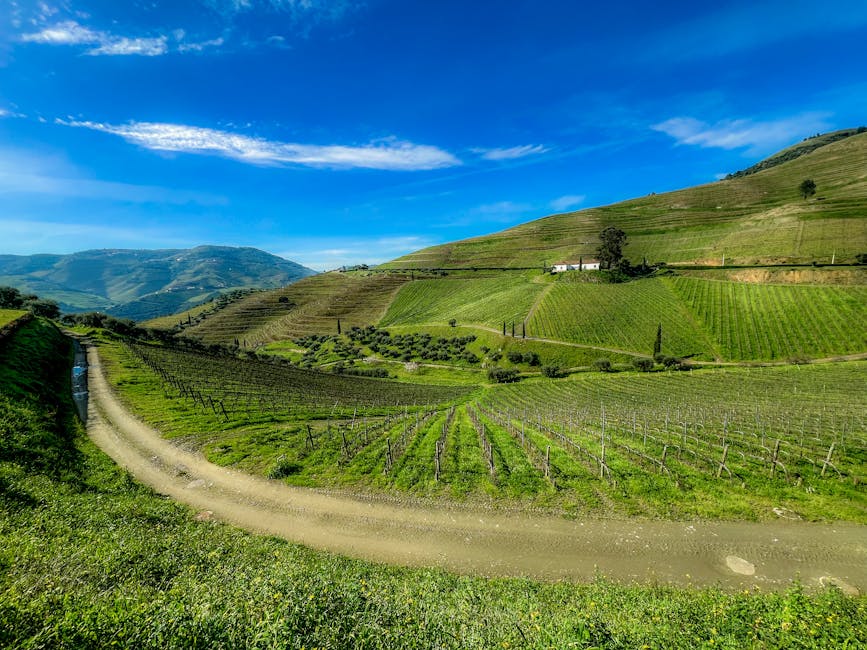
The boat pushes upriver out of Régua and the schist hillsides start closing in on both sides. They’re terraced in long parallel lines, sometimes a hundred lifts of stone wall stacked from waterline to ridge, every step planted with vines that have been there a century. By 11am you’ve already left the Atlantic weather behind. The valley traps heat between its walls, and the Douro slows to a green-brown crawl, and the rabelo boats moored along the bank below your lunch quinta look exactly the way they did in 1900. That’s the day you’ve booked.
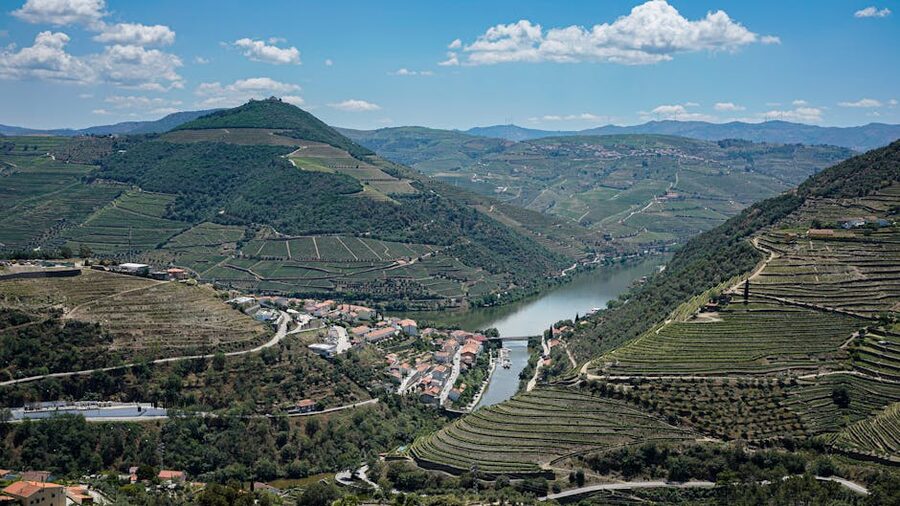
This guide covers what a Douro Valley day trip from Porto actually looks like once the van leaves the city, how Régua and Pinhão differ as your turnaround point, where the rabelo cruise fits into the schedule, and how the group-coach format compares to private and train-plus-driver alternatives. I’ll also cover the 2-day variant and why some travellers should pick it over the day trip.
- In a Hurry? Three Day-Trip Picks
- What the Day Actually Looks Like
- Why a Day Trip Works (and When It Doesn’t)
- Régua vs Pinhão: Which Is Your Turnaround
- The Two Quinta Tastings
- What You’ll Actually Taste
- The Rabelo Boat Cruise
- The Pinhão Station Photo Stop
- Group Coach vs Private vs Train-Plus-Driver
- Why I’d Pick Each Format
- Three Tours I’d Book
- 1. From Porto: Douro Valley with Boat Tour, Wine Tasting and Lunch:
- 2. Porto: Douro Valley with Winery, Lunch, Tastings and Cruise:
- 3. Douro Valley Private Cruise, Two Family Wineries and Home-Cooked Lunch: 3
- The 1-Day vs 2-Day Question
- What to Bring and Wear
- Photographers’ Notes
- The Wine-History Bit
- Combining the Douro With Other Porto Days
- How This Compares to Other European Wine Regions
- More Portugal Guides
In a Hurry? Three Day-Trip Picks
Flagship boat, wine and lunch tour, around $82. The most-booked Douro day trip from Porto. Two quinta tastings, a sit-down lunch, the rabelo cruise out of Pinhão, and a long stop at the Pinhão azulejo station. Book the flagship Douro day trip.
Premium small-group winery tour with lunch, around $99. A 10-hour version with two winery visits, a longer lunch, and the river cruise built in. Smaller vans, more time at each stop. Check the small-group winery version.
Private cruise, two family wineries and a home-cooked lunch, around $153. A private day for travellers who want a working family quinta over a polished tasting room. Lunch is at the host family’s house. Grab the family-wineries private day.
What the Day Actually Looks Like
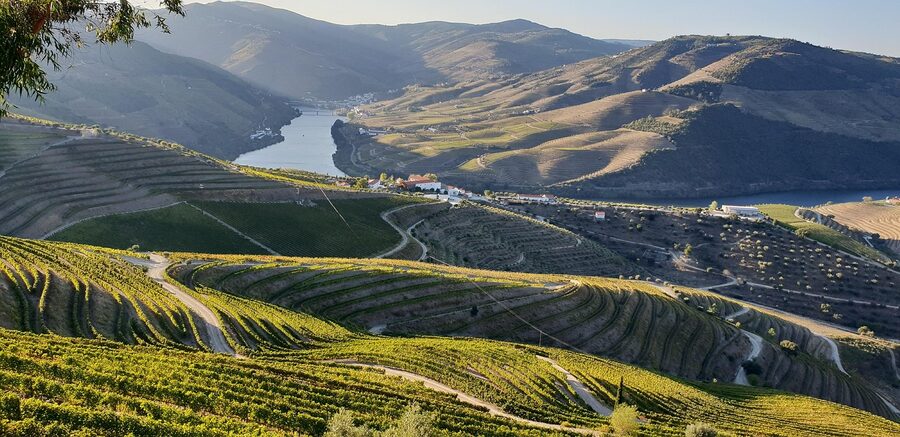
Most Douro day trips meet at a central Porto pickup point between 7:30 and 8:30am. Boavista, Casa da Música, Aliados. A few of the smaller operators add hotel pickups for a price bump. The drive east on the A4 takes about 90 minutes to Régua and another 30 minutes upriver to Pinhão. You’re climbing the whole way out of Porto, and the scenery shifts around Amarante where the eucalyptus gives way to oak and then to the open valley.
The standard structure is two quinta visits with tastings, a long lunch at one of them, a rabelo boat cruise on the Douro, and a photo stop at the Pinhão train station. Order varies. Some operators do the cruise first and the wineries after. The flagship tour does morning quinta, lunch quinta, then afternoon cruise. Our review of the most-booked operator walks through the day stop by stop, and if you’re trying to picture how the schedule plays out, that’s the one to read first.
You’re back in Porto between 6:30 and 7:30pm. Earlier if your operator runs a tighter schedule, later if there’s traffic on the A4 around Amarante. Plan to be done for the night when you get back. The wine tastings add up.
Why a Day Trip Works (and When It Doesn’t)
The Douro is closer to Porto than most people think. Régua is 100km, Pinhão is 130km. By European wine-region standards that’s a short hop. You can absolutely see the valley in a day. What you can’t do in a day is visit more than two quintas, do any serious hiking, or spend an unhurried hour walking around Pinhão village. If those things matter to you, book the 2-day version. I’ll cover that further down.
Régua vs Pinhão: Which Is Your Turnaround
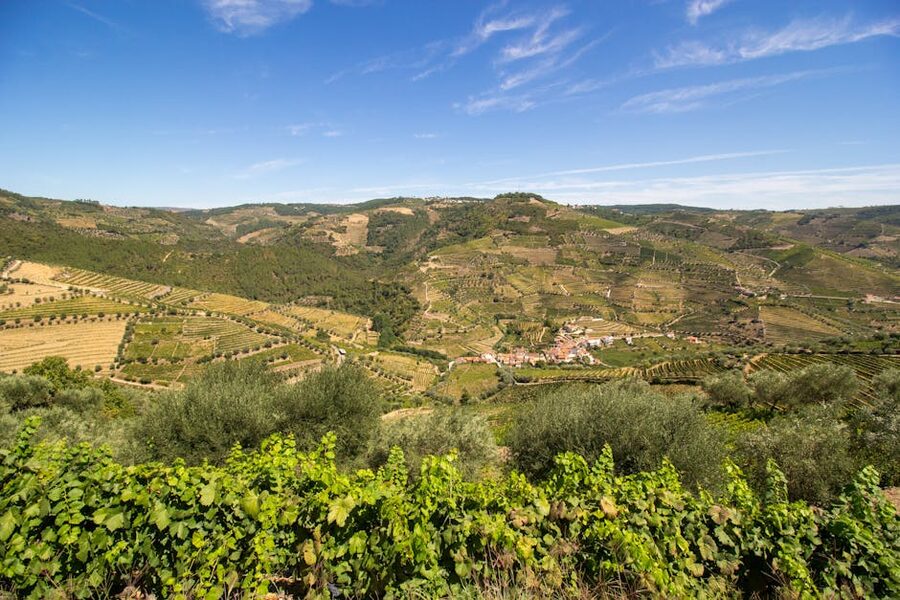
Most day-trip operators run to one of two endpoints. Peso da Régua is the lower-valley town at km 100 from Porto. Pinhão is the upper-valley village at km 130. They feel different, and which one your tour goes to changes the day.
Régua is bigger. There’s a wine museum (Museu do Douro) right on the riverfront, a few decent restaurants, a real working town that exists when the tour buses leave. Some shorter Douro day trips end at Régua, do the cruise from there, and head back without going further upriver. That gives you more time at each stop but you miss the most photographed stretch of valley.
Pinhão is smaller and more atmospheric. It sits at the confluence of the Pinhão tributary and the Douro, and the steep terraces rise straight from the village. The train station with the azulejo panels is here. Most rabelo cruises depart from Pinhão’s quay. Premium operators run to Pinhão and do the cruise from there because the river views above the village are the ones that end up on postcards.
If your tour is a flagship coach format, it’s probably Pinhão-bound. If you’ve booked a budget short version, check before you book. The cheaper Régua-only versions can be excellent value, but the photo opportunities are different. Our take on the small-group premium tour covers the Pinhão-stop version specifically.
The Two Quinta Tastings
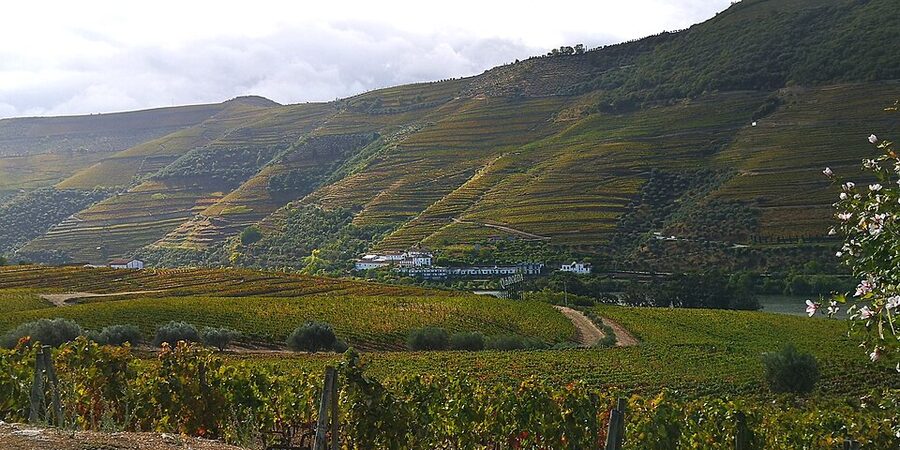
The standard format is two quintas in a day. The first visit is usually mid-morning, around 11am. You walk the vines, hear the family or estate’s history, and taste three to five wines. The second visit doubles as lunch and runs from around 1pm to 3pm. You eat a long sit-down meal at the quinta, with table wine and ports paired across the courses.
The character of the quintas your operator picks tells you what kind of day you’re getting. Big, polished houses with on-site shops and tasting rooms (Sandeman, Quinta do Seixo, Quinta do Bomfim) feel like wine-tourism in the modern sense. Smaller family-run quintas feel like you’re being shown around someone’s home, because you are. Neither is better. The polished operations have better facilities, the family ones have better stories.
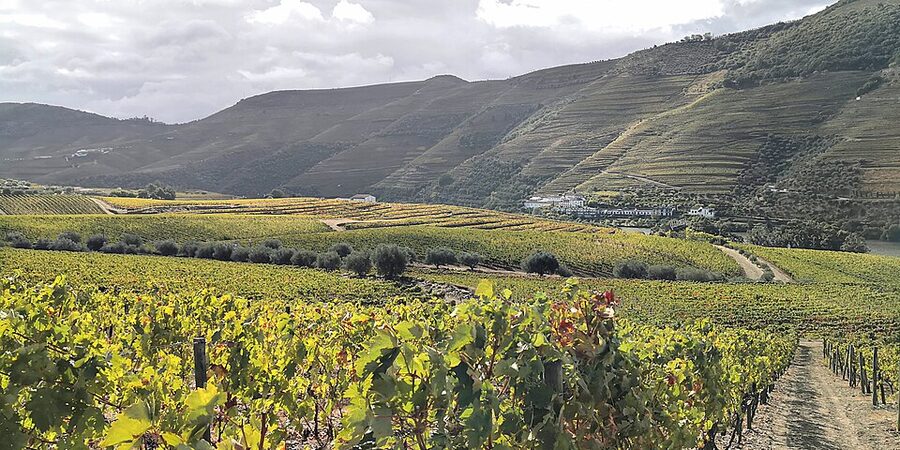
If you have strong preferences, book the private family-quinta format. Our review of the family-wineries private day covers the version where lunch is cooked in the host’s kitchen and the second tasting is in someone’s living room. It’s the most personal version of the day. The trade-off is you don’t see a big-name house.
What You’ll Actually Taste
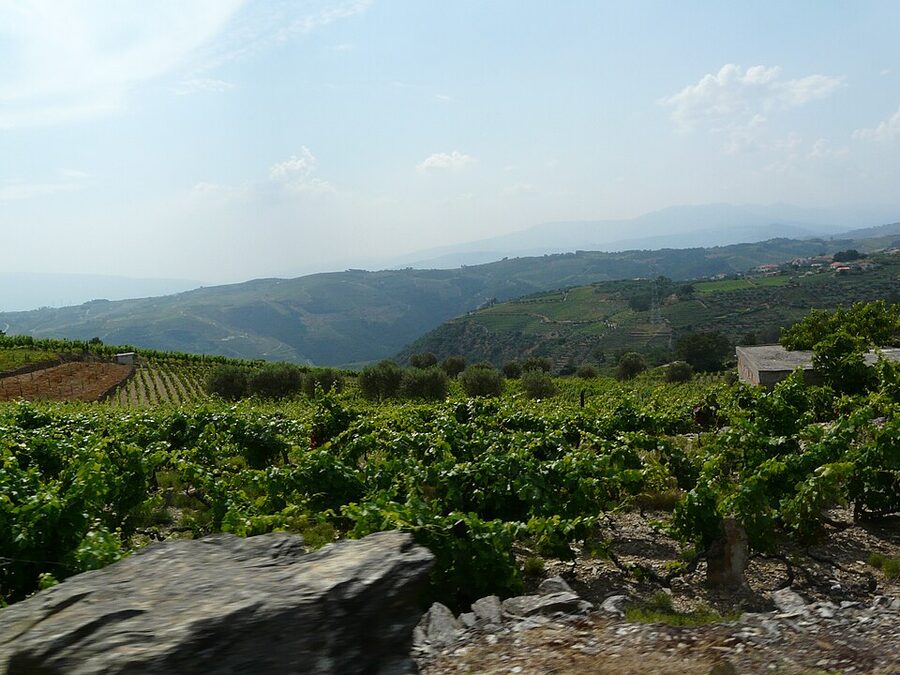
Two things matter. First, port is the famous wine, but the Douro region also produces excellent table wines (DOC Douro), which is what you’ll mostly drink with lunch. Tinta Roriz, Touriga Franca, and Touriga Nacional are the grapes to listen for. Second, on the port side you’ll usually taste a white port, a tawny (aged in barrel), and a ruby or LBV. The ruby is fruity and dark, the tawny is nutty and amber. Both are served slightly chilled, never room temperature.
The bottles you taste are usually available to buy at quinta prices, which run roughly 30-50% below Lisbon retail and well below what you’d pay outside Portugal. If a particular tawny clicks for you, buy a bottle there. Carrying it home in checked luggage is fine.
The Rabelo Boat Cruise
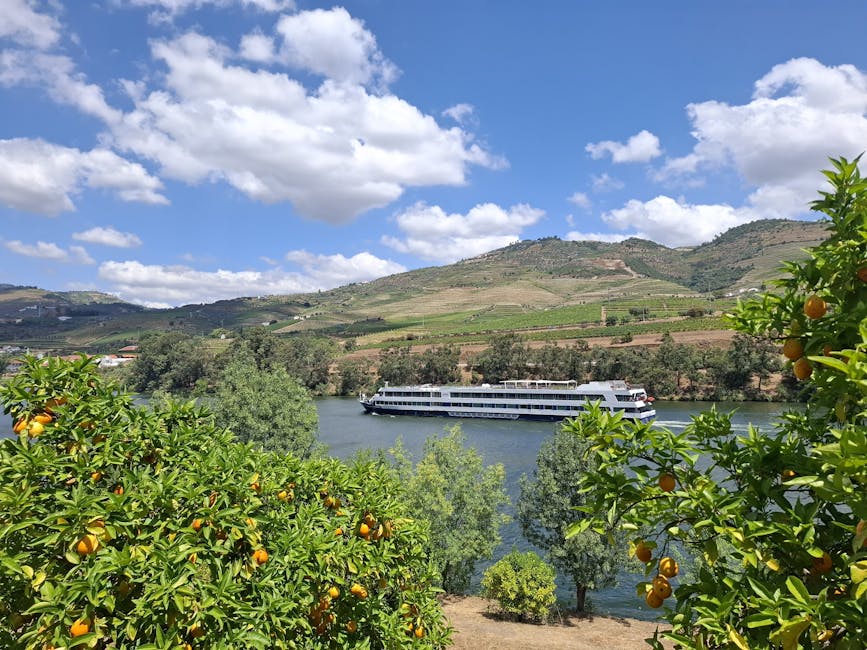
The cruise is usually 50-60 minutes and runs upriver from Pinhão, or upriver from Régua, depending on your turnaround. Some go through the Bagaúste lock at Régua, which is a 20-minute add-on. Most don’t. The standard cruise stays in the wide stretch above the village and turns around at one of the bends.
The boats sell drinks and sometimes serve a small port-and-tonic on board. That cocktail (white port, tonic, lemon, mint) is the regional thing to drink in summer. Don’t be surprised if it’s served as part of the tour. Most operators include it in the package price. Our review of an alternative wine-tour version covers the cruise plus two wine estates with lunch as a slightly different format.
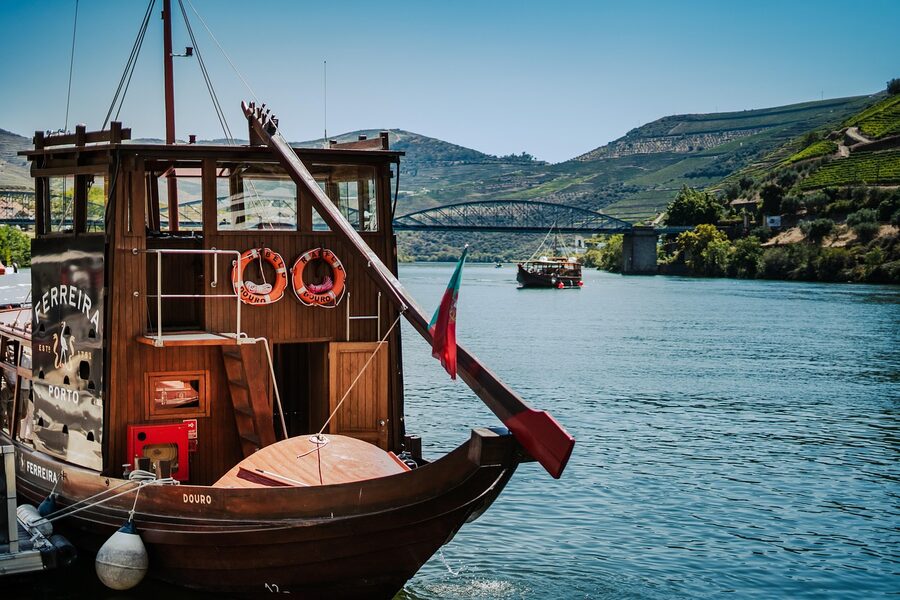
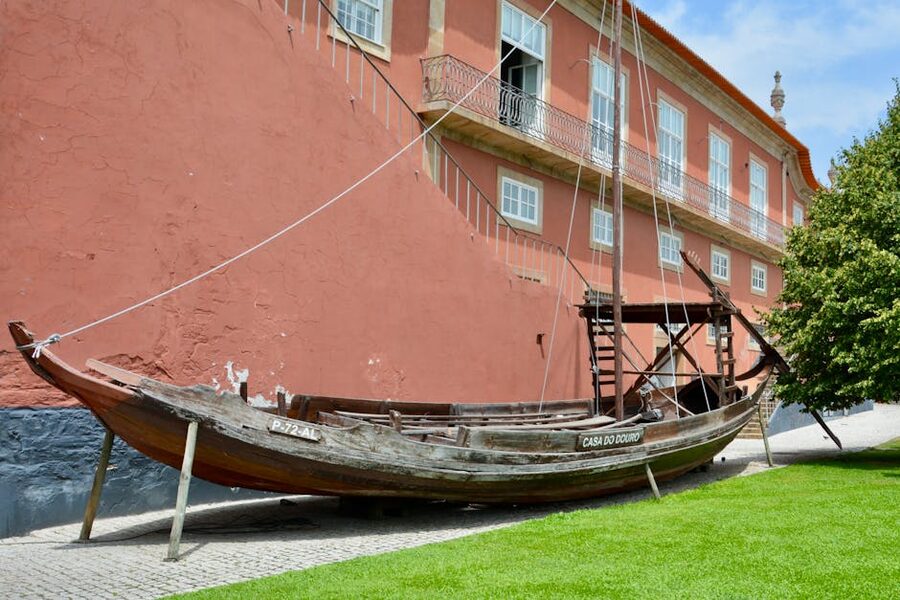
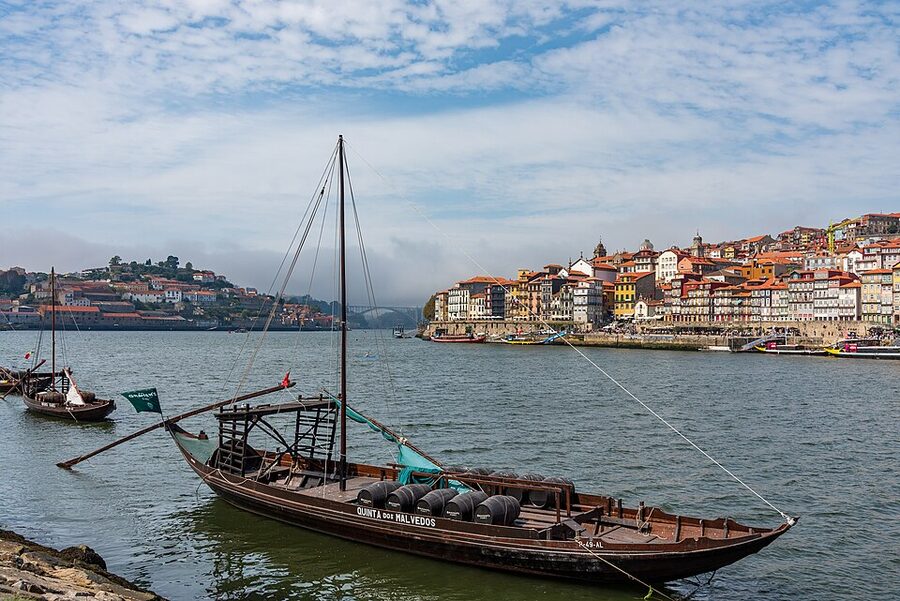
The historic rabelos themselves are the flat-bottomed wooden boats that hauled port-wine barrels downriver from the quintas to the cellars in Vila Nova de Gaia for centuries. The trade ended in 1887 when the railway reached Pinhão. A few rabelos are kept moored along the Porto and Gaia waterfront for the annual São João regatta and for tourist photos, but they don’t run cargo any more.
The Pinhão Station Photo Stop
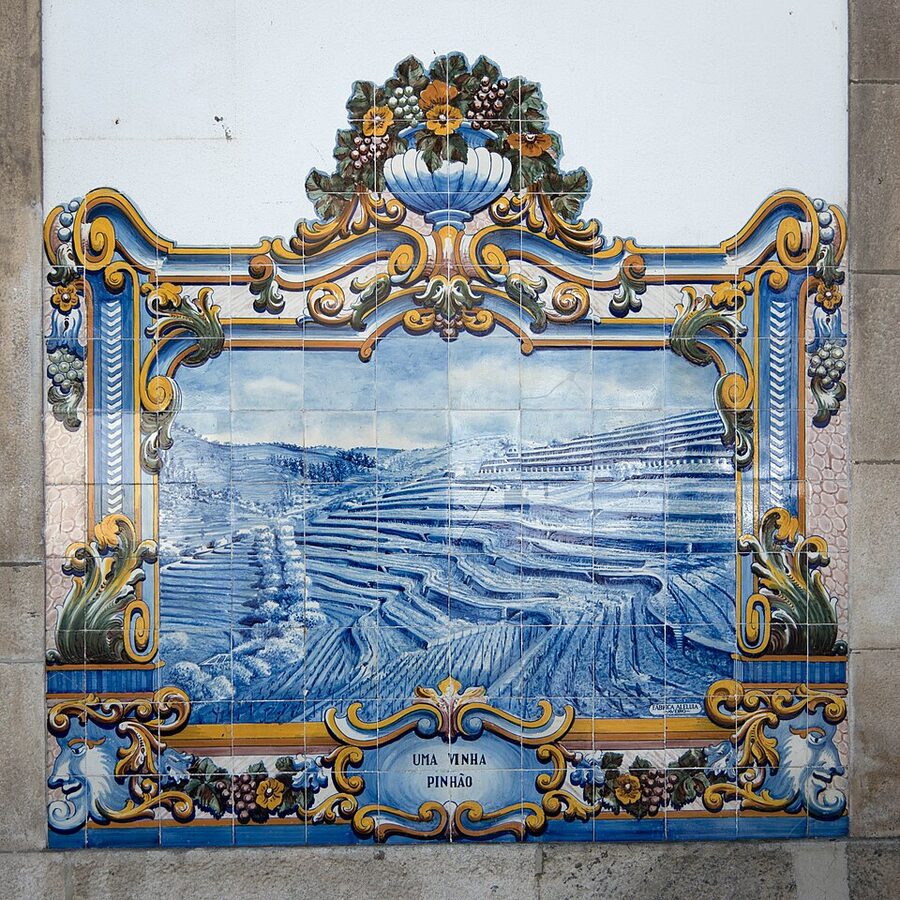
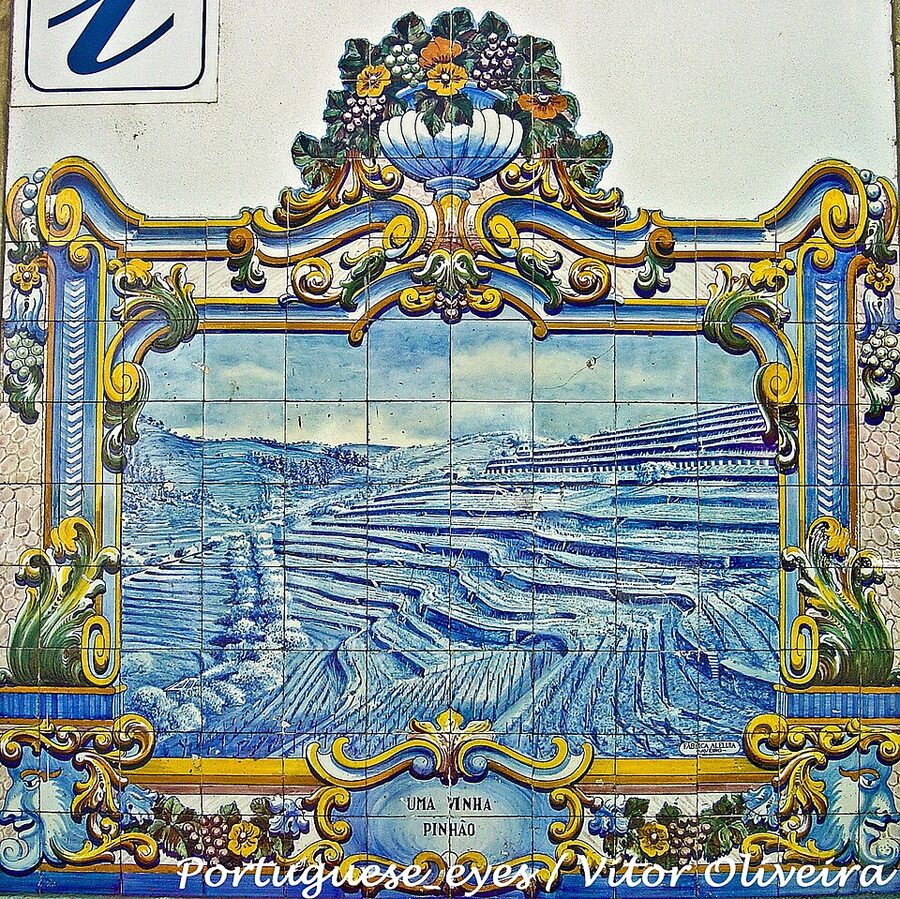
This is the visual hook of the day. Pinhão station was rebuilt in 1937 with 24 hand-painted azulejo panels covering the entire platform and ticket-hall walls. The panels show the working life of the valley: the harvest, the press, the rabelo boats, the donkeys carrying baskets of grapes up the terraces. Each panel is roughly two metres wide.
The station is still an active stop on the Linha do Douro railway. Trains run from Porto’s São Bento station up to Pocinho, which is the last stop. Most day-trip operators give you 15-30 minutes at the station for photos. Morning light hits the panels through the eastern windows and they’re at their best then. By midday the platform is in shadow.
If your tour cuts the station stop short or skips it, complain politely and ask the guide to add ten minutes back at the cruise dock instead. It’s the one stop that costs nothing and produces the best photos of the day.
Group Coach vs Private vs Train-Plus-Driver
Three formats matter. Each has trade-offs.
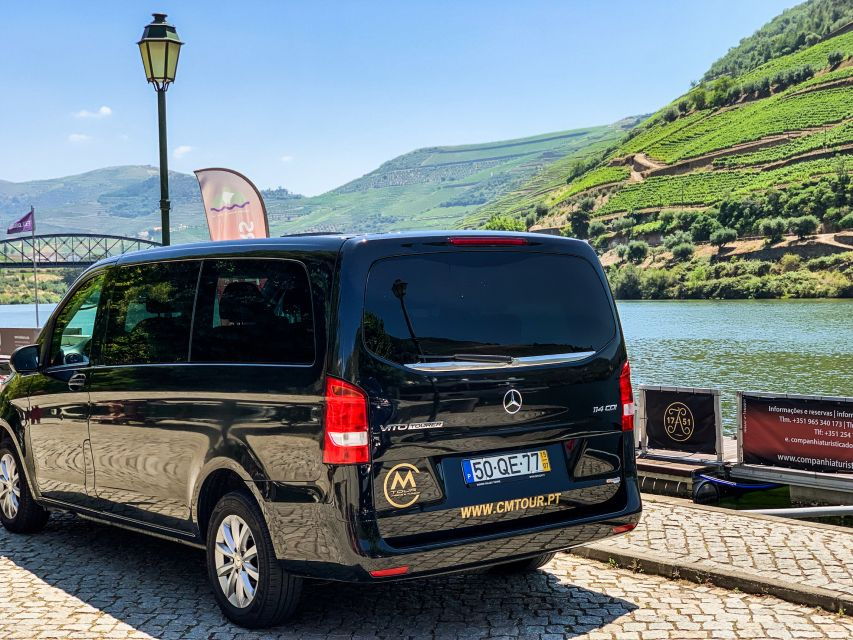
Group coach or van. The standard. 15 to 50 people in a coach, two to eight people in a van. The flagship tours run vans for groups of about 14-16, divided across two or three vehicles for the day. This is the cheapest option and the schedule is fixed. Our review of one of the lower-cost coach versions covers the format if you want to compare.
Private day. A driver, a guide (often the same person), and just your group. Cost runs $150-300 per person depending on group size. You pick the schedule, the quintas, the lunch length, the cruise time. Worth it if you’re a foursome or a couple celebrating something. The family-wineries version I mentioned above is one of the most-loved private formats.
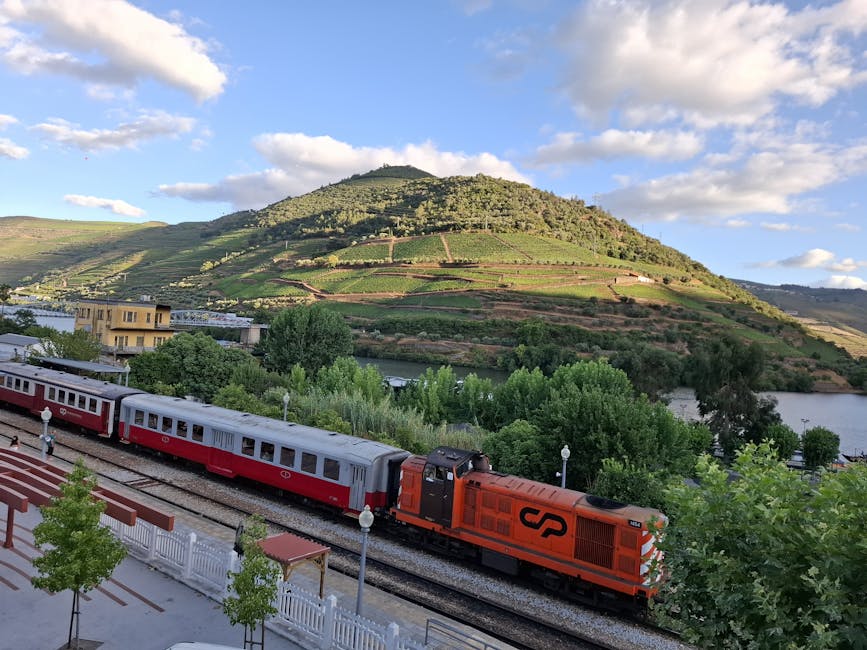
Train plus driver pickup. Catch the 8:15am Linha do Douro train from Porto’s São Bento station. You’re in Pinhão by 11am, a hired driver meets you, and you do the wine tastings and lunch with them. Cruise either before lunch from the station’s quay or after lunch when the heat drops. Train back to Porto at 6pm, in São Bento by 9pm. This is the format for travellers who don’t want to spend three hours each way in a van. Operators arrange the driver-on-arrival format on request, or you can book separately and combine.
Why I’d Pick Each Format
Coach for first-time visitors who want the standard greatest-hits day at a reasonable price. Private for travellers who care about the quintas and want to spend more time tasting and less time travelling. Train-plus-driver for travellers who love trains, photographers who want the morning Douro views from the carriage, and anyone who’s already done a coach day trip from another European city.
Three Tours I’d Book
These three are the picks I’d make from the most-reviewed Porto-to-Douro options. They’re sorted by booking volume, but each one is genuinely different in character.
1. From Porto: Douro Valley with Boat Tour, Wine Tasting and Lunch: $82
This is the day trip I’d book first if I’d never been to the valley. Two quinta tastings, a sit-down lunch at one of them, the rabelo cruise out of Pinhão, and a long photo stop at the azulejo station. Our full review of the flagship walks through how the day plays out. At this price point with this volume of bookings, it’s the safe pick.
2. Porto: Douro Valley with Winery, Lunch, Tastings and Cruise: $99
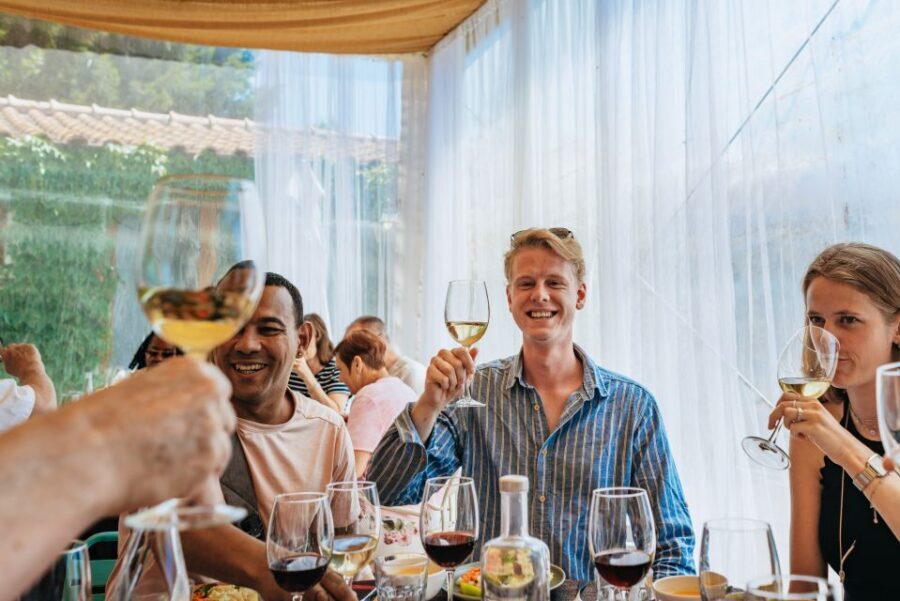
Pick this if you want the same itinerary but slowed down by a couple of hours. The vans are smaller, the lunch runs longer, and the operator tends to use higher-end quintas. Our review of this version covers the small-group format and the quintas it usually visits. The price step up from the flagship is worth it if you’re sensitive to coach-tour pacing.
3. Douro Valley Private Cruise, Two Family Wineries and Home-Cooked Lunch: $153
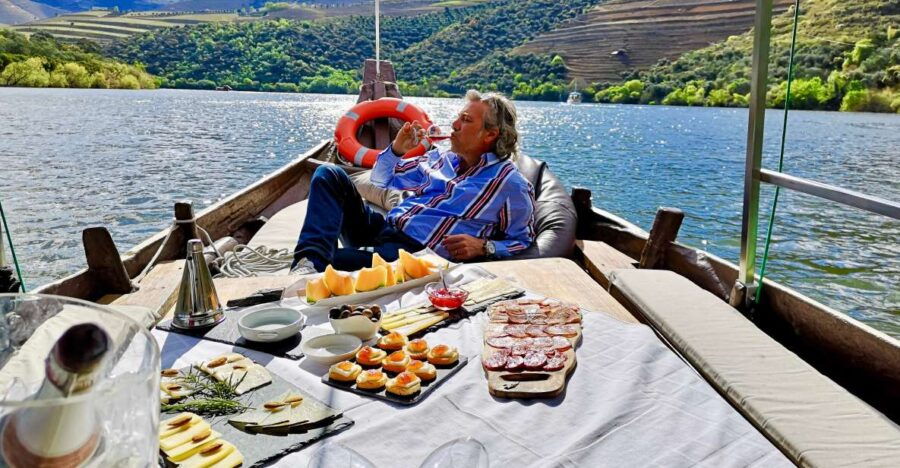
Book this for the most personal version of the day. The wineries are working family operations rather than tourist showrooms, and lunch is cooked over the family hearth in a village of fewer than 200 people. Our review of the family-wineries private day covers what the format actually feels like. It’s the day I’d pick for a couple’s anniversary or a small group of food-and-wine-minded friends.
The 1-Day vs 2-Day Question
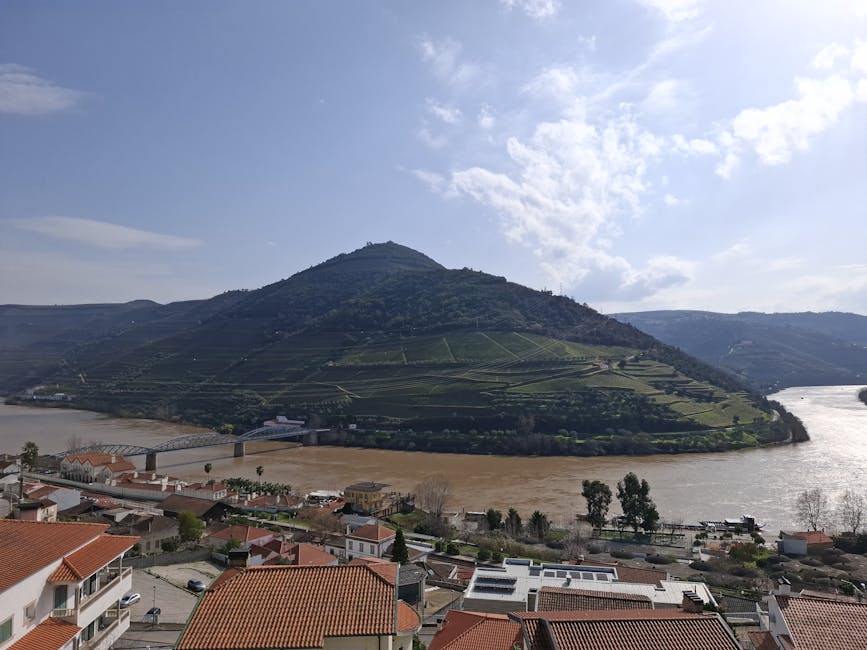
Most travellers do the day trip. It works, you see the valley, you taste good wine, you’re back in Porto for dinner. But the day-trip format has one weakness: you’re never in the valley at golden hour, because you’re either on the bus going home or already back in Porto. The light on the terraces between 5pm and 8pm is the best of the day.
The 2-day version solves this. You stay overnight at a quinta or a small Pinhão hotel. Day one is the standard tour. Day two is a slower morning, a single quinta visit, lunch, and the train back to Porto. You spend an evening in the valley after the day-trippers leave. Cost is roughly double the day trip plus the hotel.
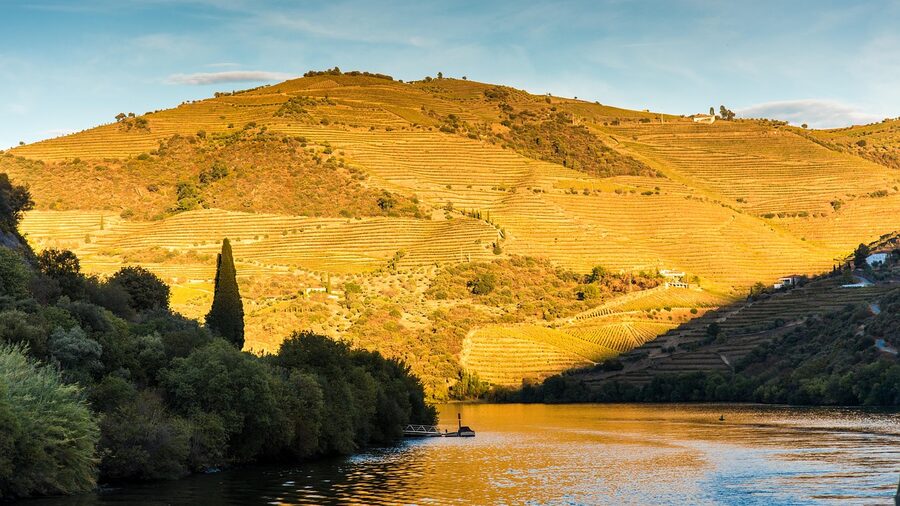
I’d default to the day trip if Porto is just one stop on a Portugal itinerary. I’d default to the 2-day version if you’ve designed your trip around food and wine specifically. The Douro rewards the second day in ways it doesn’t reward the first.
What to Bring and Wear
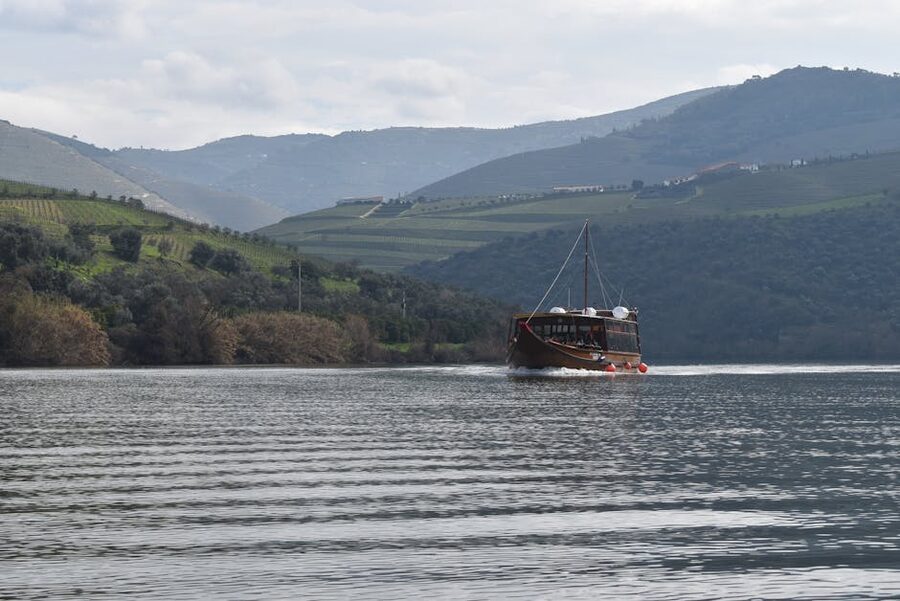
The valley climate is harsher than Porto’s. Summer temperatures hit 38-40°C in July and August because the schist absorbs heat all day and radiates it back at night. October and November are golden-light season but you’ll want a layer for the boat. The river creates wind even when the air is still.
Bring a refillable water bottle (the wineries usually have taps), a hat, sunglasses, comfortable walking shoes for the vineyard tours, and cash for the small purchases at the quintas. Most accept cards but not always. If you’re driving yourself, designate a driver and stick to it. The Douro driving roads are tight, twisty, and unforgiving when you’ve had three glasses of port.
Photographers’ Notes
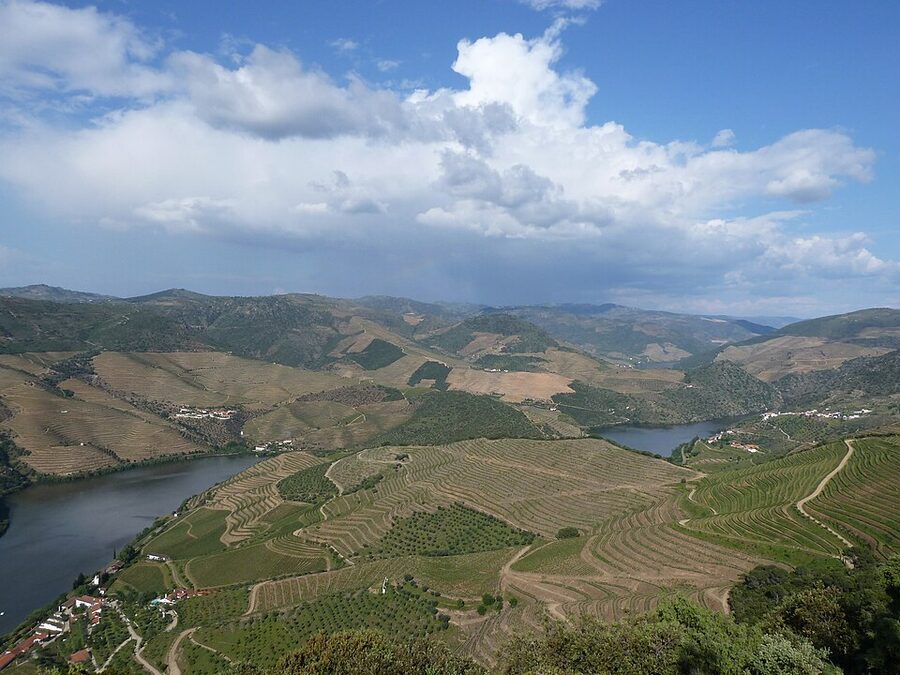
If you’re shooting the day, three locations matter. Pinhão station for the azulejos in morning light. The Galafura or Casal de Loivos viewpoint for the wide valley shot (ask your driver to stop). And the boat itself, looking back at Pinhão as you head upriver. That stretch in late afternoon, with the bridge in the frame and the terraces glowing, is the postcard shot.
Don’t bother with the boat as the subject. Modern cruisers don’t photograph well. Focus on the valley walls and the river instead. If you want a rabelo as the subject, shoot the moored ones in Pinhão before the cruise, not from the boat itself.
The Wine-History Bit
The Douro is the world’s first demarcated wine region. The Marquis of Pombal drew up the boundaries in 1756, almost a century before Bordeaux’s 1855 classification. Pombal’s commission set up granite pillars (marcos pombalinos) at the edges of the legal port-wine production zone. Some of those pillars are still standing in the hills above Régua. The original demarcation included strict rules about which vines could be planted and what yields were allowed, and those rules have been refined but not really changed in 270 years.
The terraces themselves are older. Roman vinegrowers planted the schist hillsides 2,000 years ago, the Cistercians from the local monasteries refined the work in the 12th century, and the wine started being shipped to England in serious volumes after the 1703 Methuen Treaty cut the tariff on Portuguese wine into Britain. The English merchants who set up shop in Porto and Vila Nova de Gaia (Sandeman, Taylor’s, Graham’s, Croft, Cockburn’s, Warre’s) are the ones who eventually built the Douro into a global wine name.
If you’ve done a Porto city tour, you’ll have walked past the lodge buildings of those English shippers in Gaia. The lodges are where the port wine was aged for years before being shipped out. Most are still operating and most run cellar tours that pair well with a Douro day. Our guide to booking a Cálem cellar tour covers the most popular Gaia lodge if you want to do the cellar half of the wine story too.
Combining the Douro With Other Porto Days
The Douro day is the longest single excursion in the Porto region. Plan it for the second or third day of your Porto stay so you’ve already got the city legs and aren’t trying to fit in two big days back to back. A reasonable three-day Porto plan: city walking and Ribeira on day one, Douro on day two, cellar visits and a slower morning on day three. Our guide to booking a Porto tuk-tuk tour covers the city-day option if you want to cover the historic centre fast on day one without doing it all on foot. The 6 Bridges cruise guide is the natural pairing for a half-day in Porto on the wrap-up day.
If you’re flying in late, give yourself a recovery day before the Douro. The valley starts at 7am and ends at 7pm, and that’s a long day after a transatlantic flight.
How This Compares to Other European Wine Regions
If you’ve done Tuscany day trips, the Douro will feel familiar in format but different in landscape. Tuscany is rolling. The Douro is vertical. The terraces and the schist make it the more cinematic of the two from a boat or train, but Tuscany has more village stops and more food-and-wine pairings packed into a day. For Spanish wine equivalents, the Douro pairs naturally with the Andalusian sherry country. Our Jerez horses-and-sherry guide covers the Andalusian wine region cousin, where the day-trip format is similar but the focus is on fortified wine and equestrian tradition rather than terraces.
For travellers comparing day-trip formats across Iberia, the Malaga to Ronda and Setenil de las Bodegas day trip runs on the same long-coach loop with a wine angle and clifftop villages. It’s a different terrain entirely, but the schedule rhythm and the bus discipline are nearly identical. The Douro holds up well in any cross-Iberian comparison and is the one I’d pick first for visual impact.
More Portugal Guides
If you’re working on a Porto-and-Lisbon Portugal plan, the natural follow-ups are our Lisbon-to-Sintra day-trip booking guide for the Lisbon end of the trip and our Lisbon fado night guide for the evening that pairs well with port-wine afternoons. For travellers staying mostly in Porto, our Cálem cellar tour guide covers the Vila Nova de Gaia side of the port story, and our Porto city tour booking guide is the half-day pairing on either side of the Douro day.