
My friend Sara went to her first fado night last spring and called me at midnight on a Tuesday. There were twelve people in a converted Mouraria taverna, she said, three musicians on a low platform, no microphones at all. The singer cracked on the opening note of “Lágrima” and Sara thought for a second the woman was about to stop. Then the Portuguese guitar caught the line, the room went still, and nobody clapped until the last note had faded into the wall behind the singer. A stranger leaned over between sets and said the word saudade, then tried for a minute to translate it, then gave up.
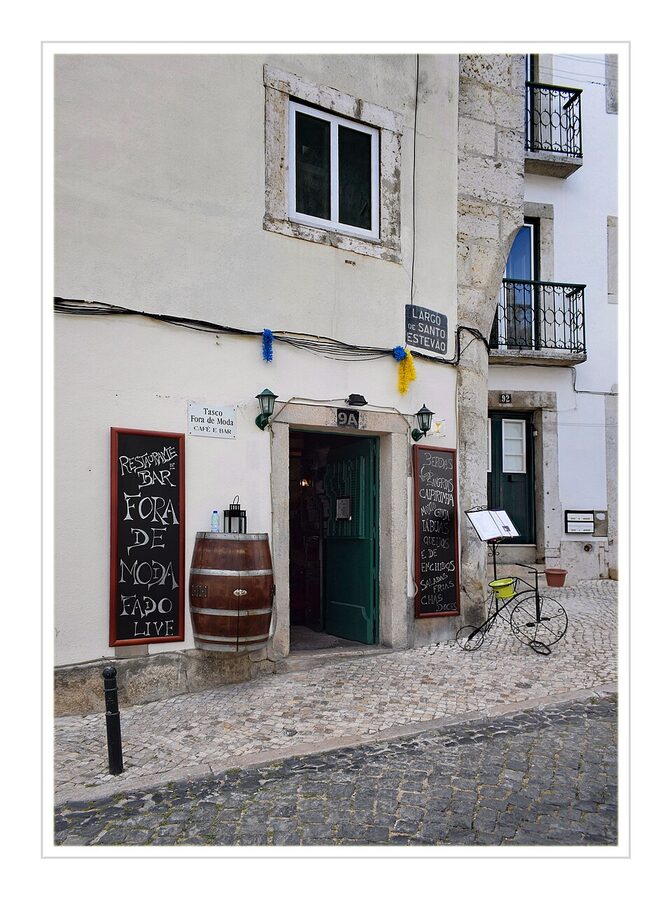
This guide is about how to actually book a fado show in Lisbon without ending up at a tourist trap with backing tracks and a buffet. There are three formats that work and one that doesn’t. I’ll walk you through the difference, name the famous houses, explain what to listen for, and then tell you which three tickets I’d put in front of a friend.
In a hurry? My three picks:
- Lisbon: Live Fado Show and Port Wine in Historic Central Venue, around $19. Drink-and-show format, intimate room, the most-booked fado ticket in Lisbon and the safest first-timer pick.
- Lisbon: Fado Show and Wine inside Medieval Walls, around $18. Same drink-and-show format inside a stone-vaulted room older than the genre. Fifty minutes, lights low.
- Lisbon Alfama Tour and Live Fado With Traditional Dinner, around $58. The full-evening dinner-and-show, four hours, with an Alfama walk built in. Pick this if it’s your only Lisbon night.
- What fado actually is
- Lisbon fado vs Coimbra fado
- Saudade is the spine
- The four formats you’ll be sold
- Drink and show (about an hour, around -20)
- Dinner and show (3 to 4 hours, around -90)
- Traditional fado house (no dinner, often no booking)
- The buffet-with-singer trap (avoid)
- Where the real fado houses are
- The famous houses, briefly
- The singers worth knowing before you go
- Three Lisbon fado tickets actually worth booking
- 1. Lisbon: Live Fado Show and Port Wine in Historic Central Venue,
- 2. Lisbon: Fado Show and Wine inside Medieval Walls,
- 3. Lisbon: Alfama Tour and Live Fado With Traditional Dinner,
- How to choose between them
- Practical bits before you book
- The Museu do Fado afternoon
- What a fado night feels like, blow by blow
- Pairing fado with the rest of your Lisbon trip
- What to listen for during the show
- Beyond Lisbon: the performance-evening cousins
- Avoiding the common booking mistakes
- One small thing about the room
- More Portugal guides
What fado actually is
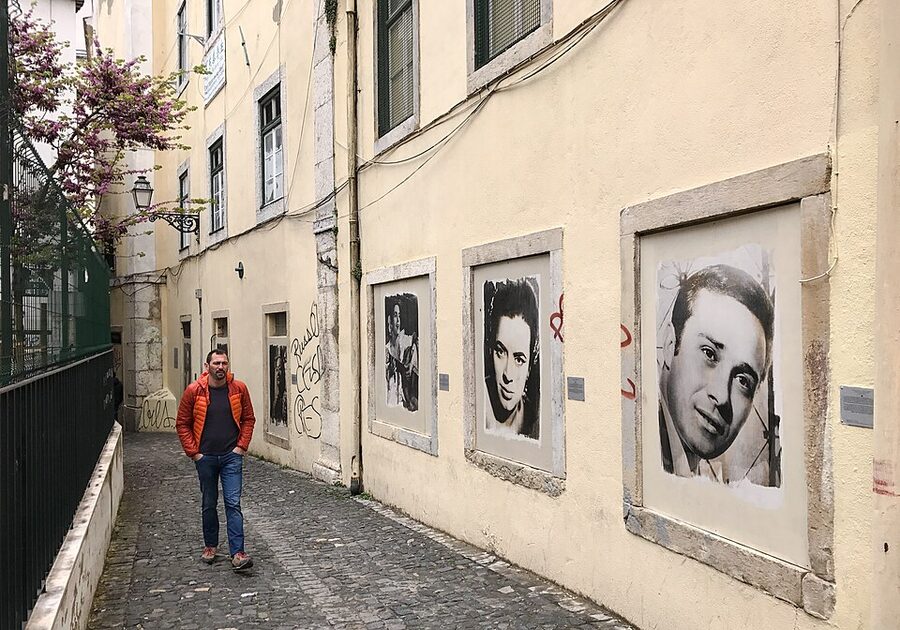
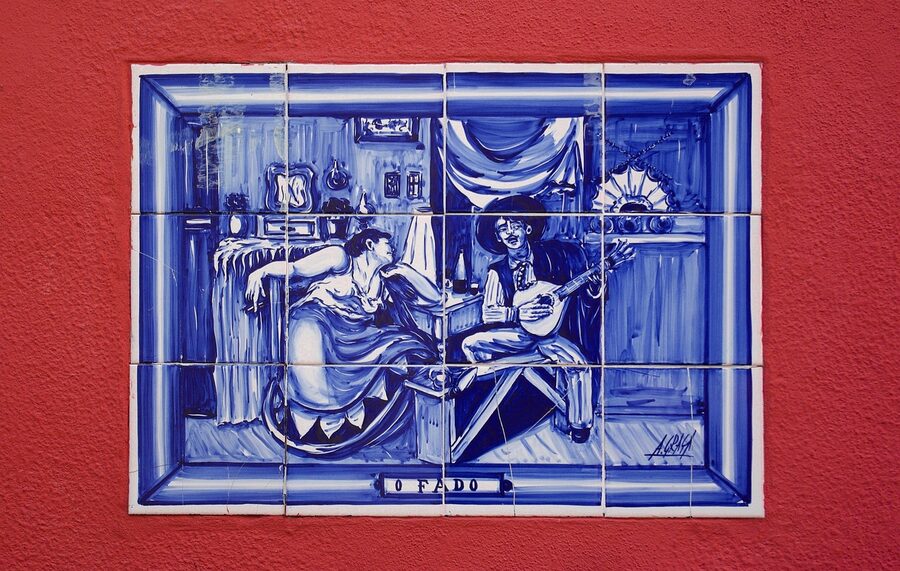
Fado is Lisbon’s traditional song. UNESCO put it on the Intangible Cultural Heritage list in 2011. It was born in the 1820s and 1830s in the alleys of Alfama and Mouraria, sung first by sailors, sex workers, and rural migrants who had nothing else to do at the end of a hard day. Maria Severa, a tavern singer who lived in Mouraria in the 1820s, is usually called the first fadista. Her name is on a small plaque on Rua do Capelão. She died at twenty-six. Most fado songs since have been about losing someone or somewhere or something.
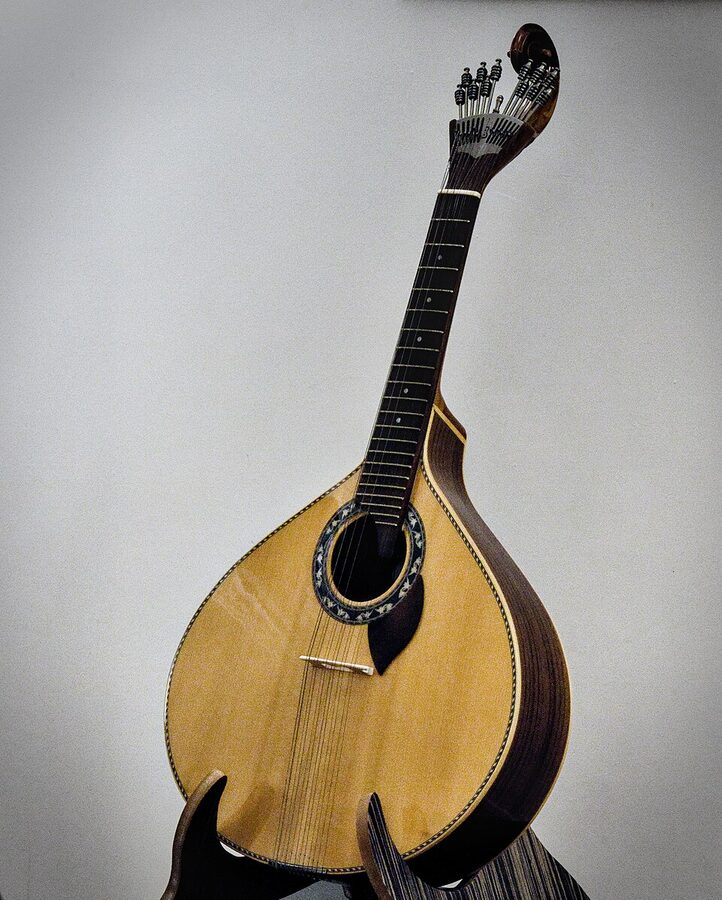
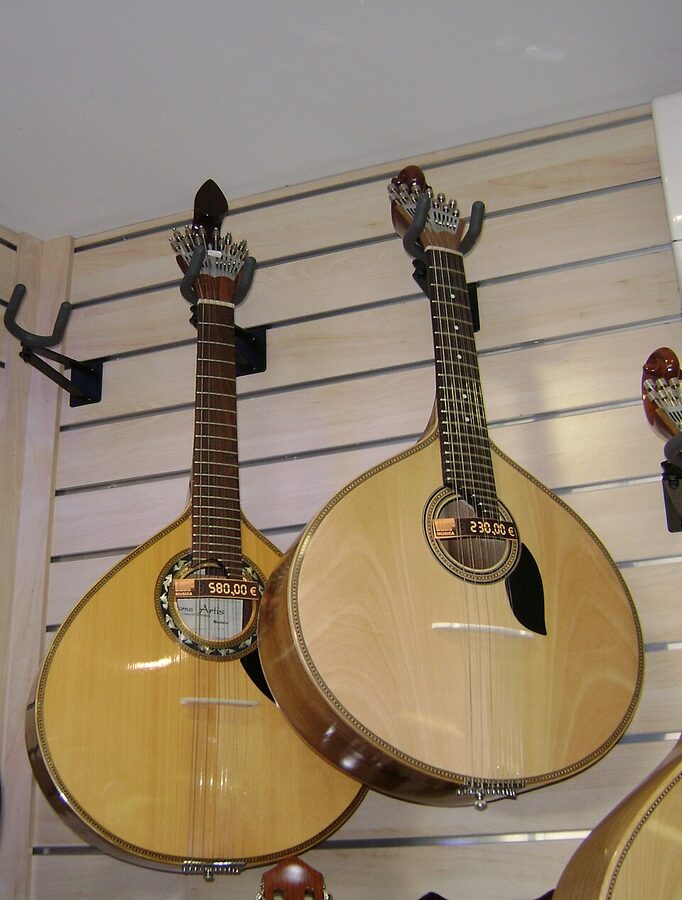
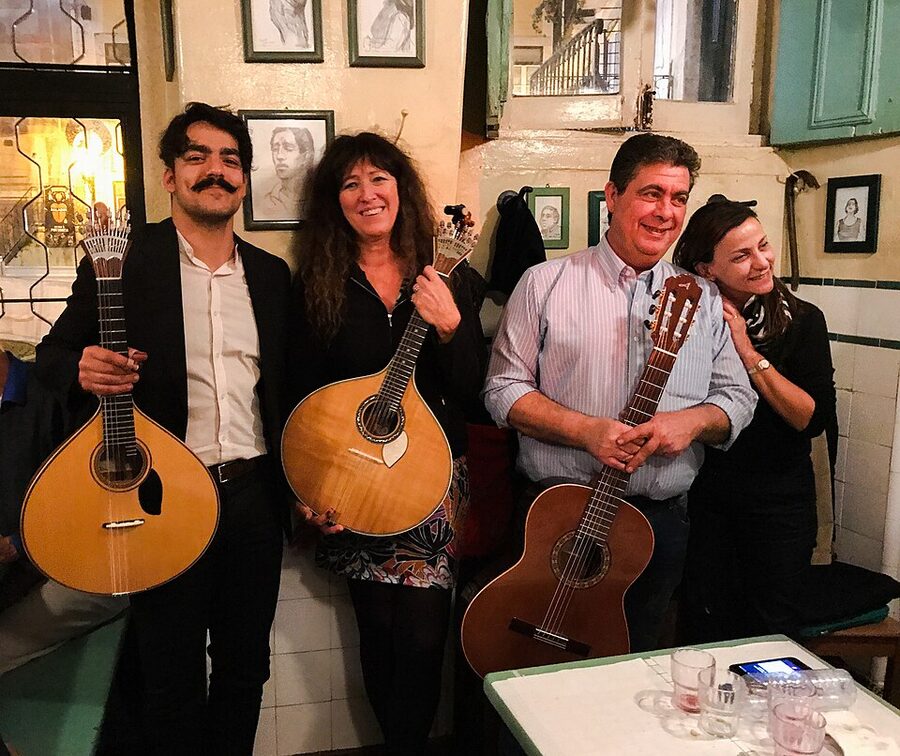
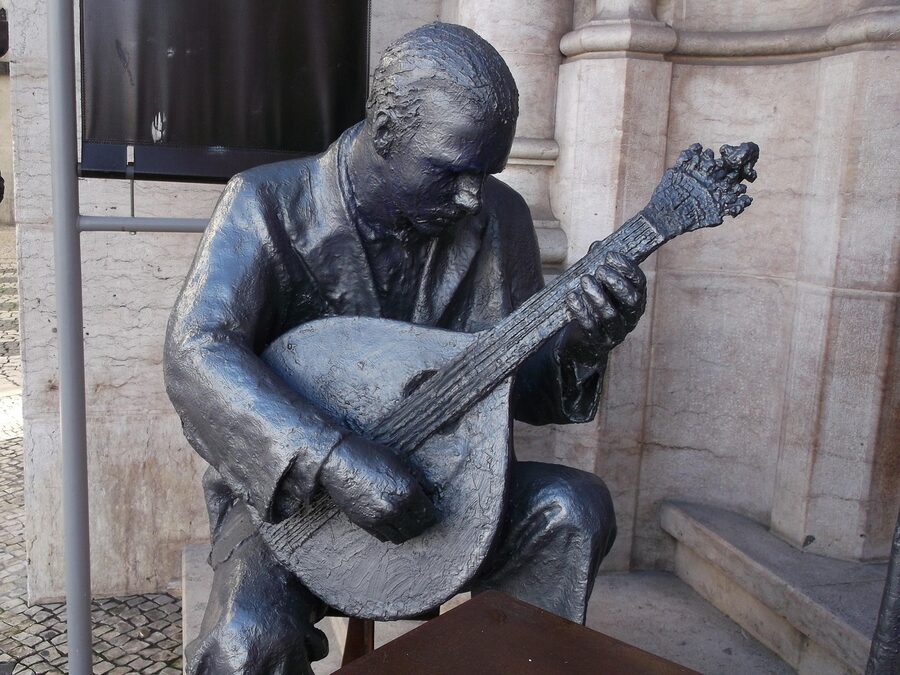
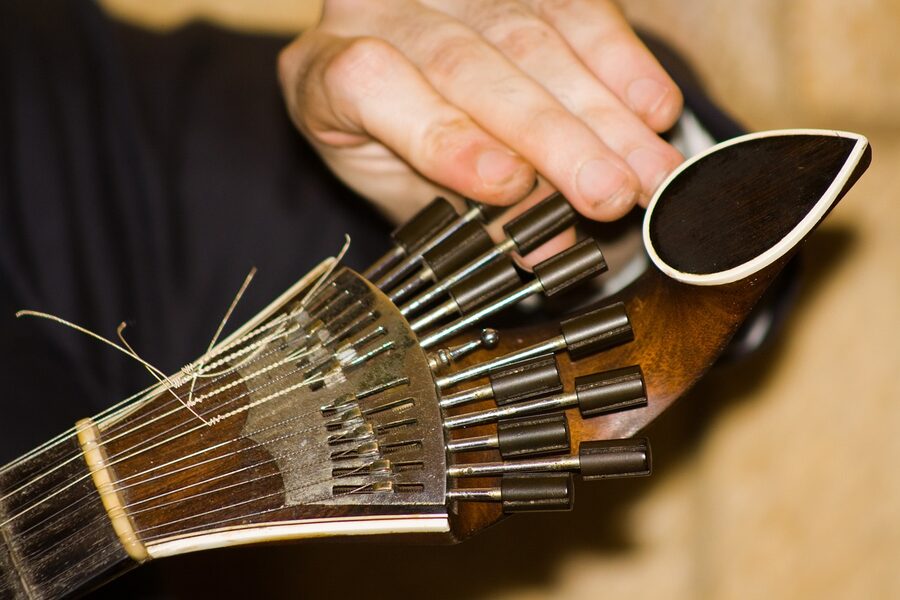
The standard line-up is one singer and two guitars. The singer is the fadista, almost always alone on the floor. The two guitars are a Portuguese guitar (the round 12-string with the teardrop body) and a viola (a regular six-string acoustic, called a viola in Portugal even though it’s a guitar). The Portuguese guitar carries the high tremor. The viola anchors the rhythm. There is no drummer. There is no piano. There are no microphones in a real fado house. The room is the amplifier, which is why the rooms are small.
Lisbon fado vs Coimbra fado
You’ll see “fado” used for two different things in Portugal and they are not the same. Lisbon fado is what this guide is about. It’s the urban, theatrical, mostly-female-singer form, born in the working-class neighbourhoods, performed in fado houses and tavernas. The lyrics are usually about lost loves, lost places, and the sea taking your husband.
Coimbra fado is the academic version. It’s sung only by men, traditionally students at the University of Coimbra, who perform in black robes and serenade in the streets of that university city up north. The instruments are the same but the tone is more formal, the rhythm slower, the lyrics often about academic life and youth. If you’re in Lisbon and someone tells you they sing Coimbra fado, that is a real and respected tradition; it just isn’t this tradition. Book Lisbon fado for Lisbon.
Saudade is the spine
Every guide will tell you saudade doesn’t translate. They’re right and they’re not just being romantic. The closest English is “a longing for something that may never have been,” which is also the line every tour guide rolls out, but the word means something more like nostalgia plus regret plus a calm acceptance that you can’t get the thing back. Fado is built on it. So is most Portuguese poetry of the last two centuries. So is the way an old man in a Mouraria doorway will look down the street while you walk past.
You don’t have to feel saudade to enjoy a fado night. You only have to know that the songs aren’t trying to be cheerful. If the singer’s voice cracks, that’s not a mistake. If the room doesn’t applaud until the last note has died, that’s not awkward. It’s the form.
The four formats you’ll be sold
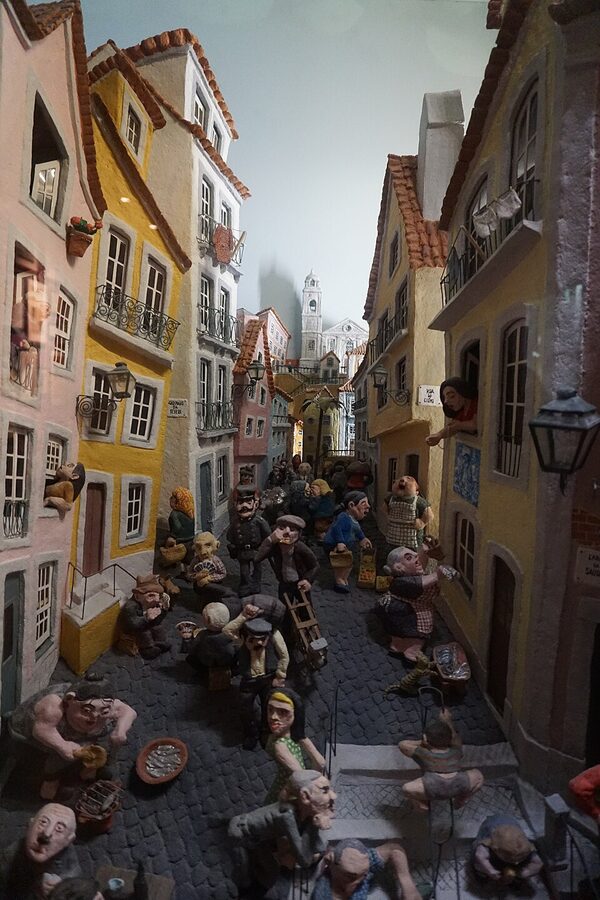
Lisbon sells fado in roughly four shapes. Three are worth your money. The fourth is what you avoid.
Drink and show (about an hour, around $18-20)
The cleanest format. You arrive at a fado house at 8pm or 9pm, sit at a small table, get a glass of port wine or a non-alcoholic option, and watch fifty to sixty minutes of live music. No dinner. No buffet. The room is small (typically 30 to 60 seats), the lights drop, and the music is the entire point. If you have already eaten, or you’re going to eat after, this is the format that gets you closest to what fado actually is. The two flagship picks I cover below are both this shape.
Dinner and show (3 to 4 hours, around $50-90)
The full evening. You get a Portuguese set menu (usually three courses, often grilled fish or pork, plus wine), and the music plays in two or three sets between courses. Some operators tack on a guided Alfama walk before dinner so you arrive at the table already oriented. Done well, this is the most romantic night you’ll have in Lisbon. Done badly, you’re in a mass-tourism dining hall with a buffet and a singer working through her seventh set of the evening. The reviews matter; we’ll get into who does it well.
Traditional fado house (no dinner, often no booking)
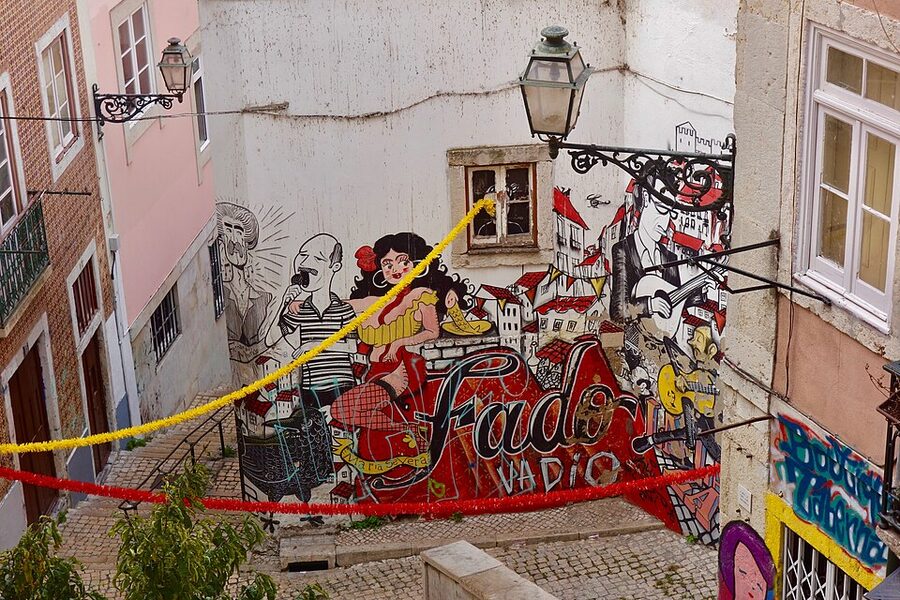
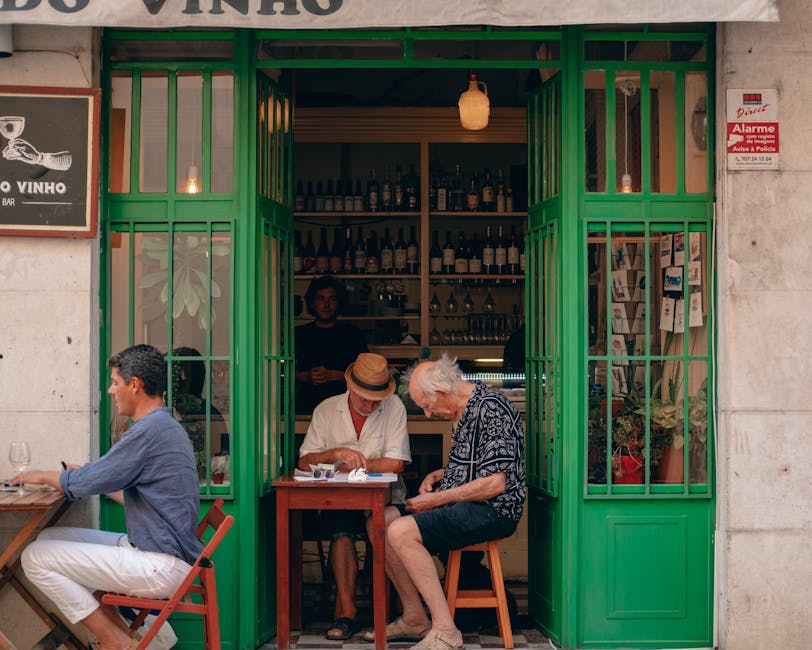
The most authentic version is the one you can’t really book in advance. A few small casas de fado in Alfama and Mouraria run a “vadio” night, which is amateur fado, where any singer in the room can ask for a song. There’s no menu, no ticket, no website. You walk in around 9:30pm, drink at the bar, and listen for as long as you stay. Tasca do Chico in Bairro Alto is the famous one (a cousin location now also runs in Alfama). A Baiuca and Mesa de Frades in Alfama also dip in and out of this. The crowd is half locals, half travellers who knew which door to push.
This is the closest you’ll get to what Sara wandered into. You will pay slightly more for drinks than at a regular bar (a glass of house red runs around 5 euros), and you might wait for a seat. But the music is the real thing, and you’ll see Lisboetas doing this on a Tuesday because they grew up around it.
The buffet-with-singer trap (avoid)
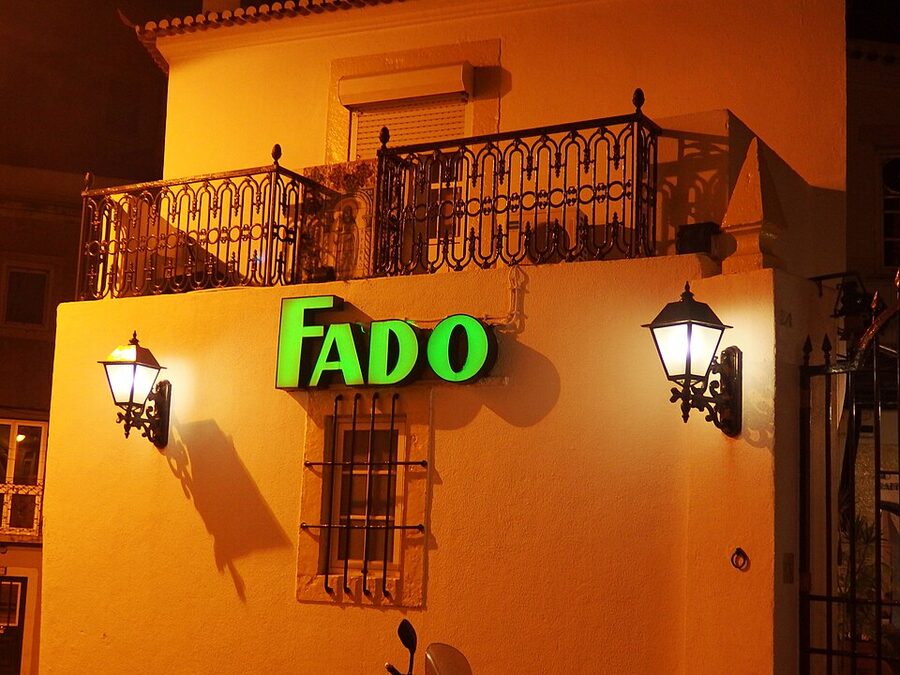
This is the version with neon signs on the touristy stretches near Cais do Sodré and around Praça do Comércio. The room seats 200, the food is on a hotplate, the singer changes every twenty minutes, and one of those singers is genuinely good while the other three are cycling between groups. Coach tours feed into these. They cost about the same as a real dinner-and-show in Alfama (around 50 to 70 euros), and you walk out feeling nothing. If you see “fado dinner buffet” anywhere in the listing, keep scrolling.
Where the real fado houses are
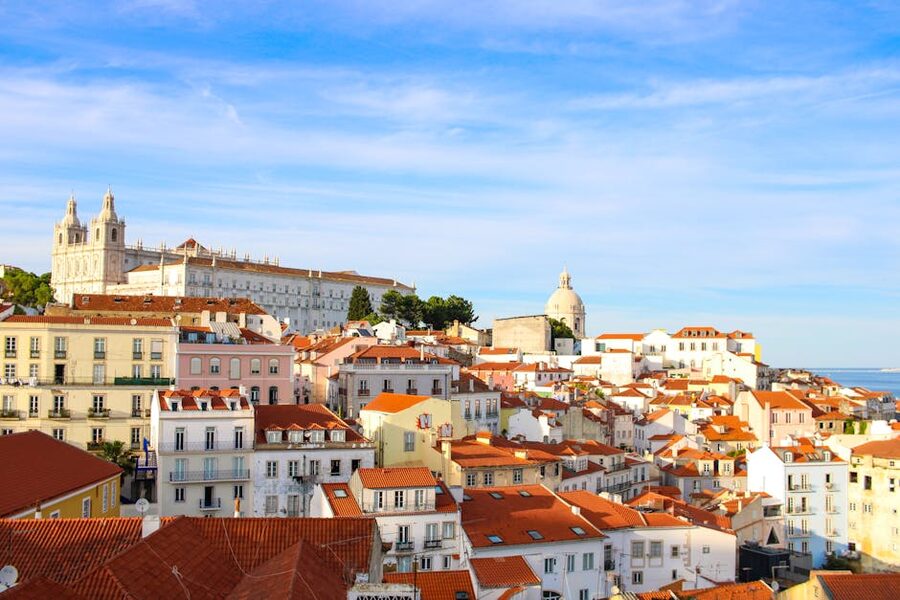
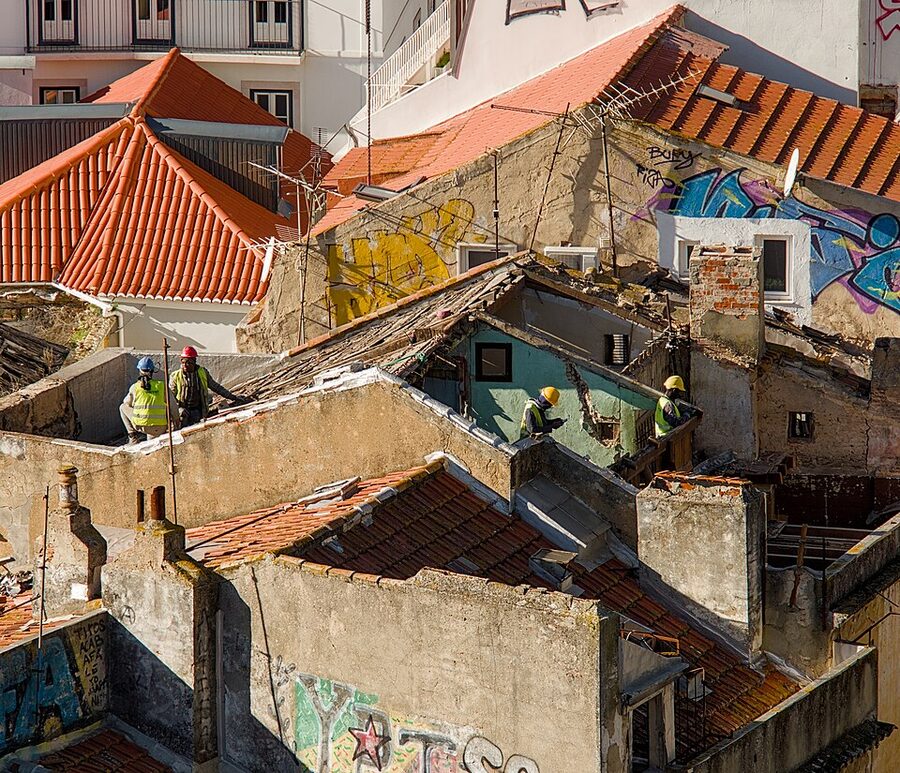
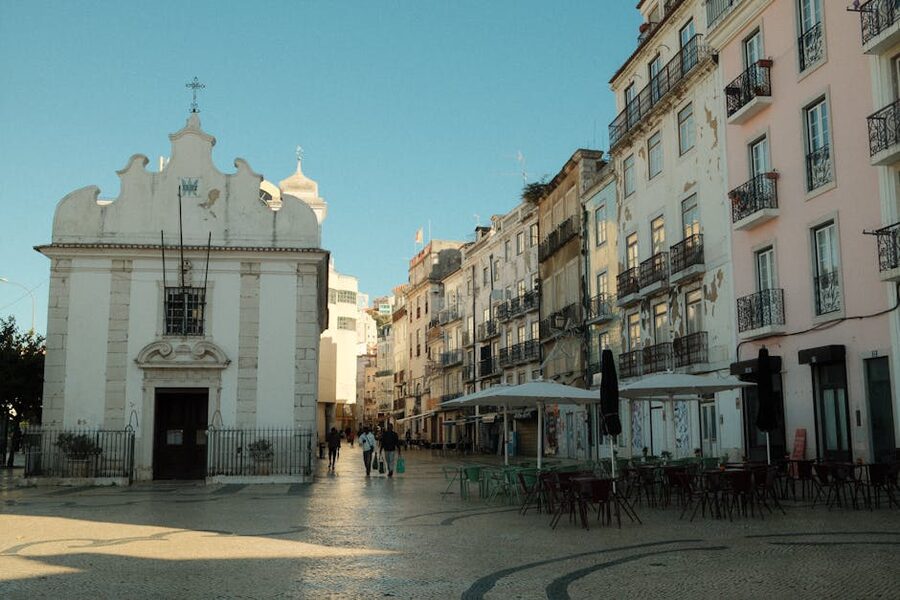
The two neighbourhoods that matter are Alfama and Mouraria, both on the same hill, both with their own fado history. Alfama is more polished now, with sit-down restaurants that put on shows for visitors. Mouraria is grittier and more local; that’s where the Camilla Watson photo project lives, and where Sara’s Tuesday night was. Bairro Alto, on the opposite hill, has Tasca do Chico and a handful of newer fado bars that lean toward the casual end. Chiado, between Bairro Alto and Baixa, has a couple of the most-booked tourist shows.
The famous houses, briefly
Mesa de Frades in Alfama is widely considered the best room in Lisbon for serious fado. It seats about 40 people in a converted chapel with original 18th-century azulejo tiles. You eat dinner, the singers change between courses, and if you book a month ahead you might get a Wednesday with a name-recognition fadista on the bill. Two seatings a night, around 60 to 80 euros for dinner and show.
Tasca do Chico in Bairro Alto is the famous casual room. The original is a ten-table tavern on Rua do Diário de Notícias where amateur and pro singers turn up unannounced. No reservations, no menu, just drinks and song from about 8pm to 2am. The wait can be brutal in summer.
Clube de Fado in Alfama is the polished mid-tier, with a guitarist who once played for Mariza on staff some nights. Dinner and show around 50 to 70 euros, more reliable for tourists than Mesa de Frades, less authentic than Tasca do Chico.
A Baiuca in Alfama is the small-room option that draws locals. Tiny dining room, three sets a night Thursday to Sunday. Reservations only by phone, no online booking. If you speak some Portuguese or have hotel concierge help, this is worth the effort.
The singers worth knowing before you go
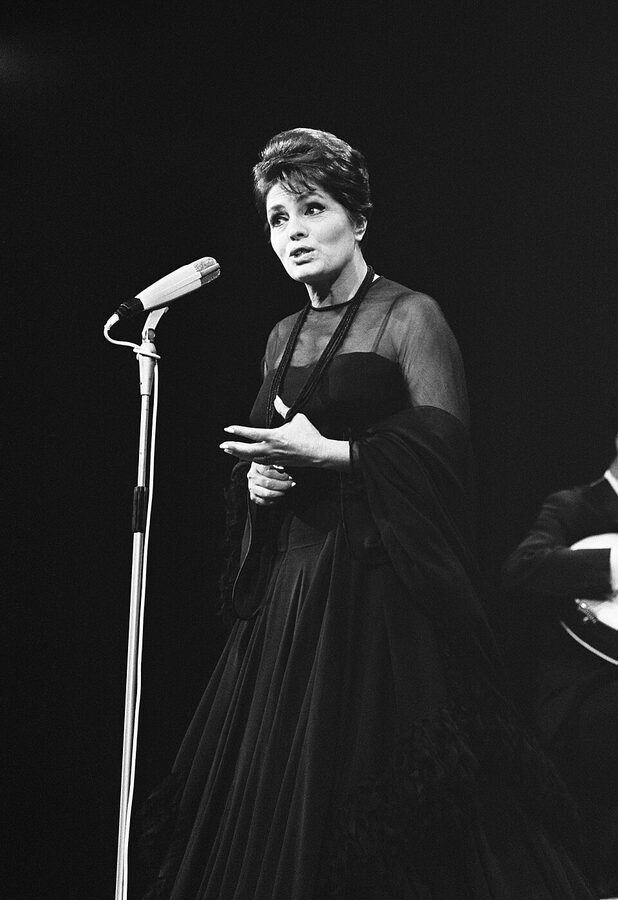
You don’t need a deep knowledge to book a show. But knowing four or five names changes how you listen, because the fadistas on the small-room circuit will sometimes do a song associated with one of these singers, and a working knowledge of who sang what makes the night feel less like a transaction.
Amália Rodrigues (1920-1999) is the icon. She effectively invented modern fado as a touring international art form. Her recording of “Lágrima” (the song Sara heard the singer crack on) is the gold standard. Her tomb is in the National Pantheon in Alfama and you’ll see her face on murals across the city. Listen to her before your trip.

Mariza is the modern name. Born in Mozambique, raised in Mouraria, she has done for fado since 2000 what Amália did from the 1950s on. Tall, platinum hair, she sells out arenas. If you watch one current fadista on YouTube before your trip, watch her live in Lisbon.
Carminho is the next generation. Daughter of fadista Teresa Siqueira, she records with everyone from Caetano Veloso to Pablo Alborán. Lighter voice than Mariza, more lyrical, often what newer fadistas in the small rooms are quietly trying to sound like.
Two more useful names: Camané for the male voice (rare in modern Lisbon fado but excellent), and Ana Moura for the rock-and-fado crossover side. None of these will be at the room you book, but the singers you do hear will likely cover one of their songs.
Three Lisbon fado tickets actually worth booking
I’ve sat through too many Lisbon fado nights, the great ones and the buffet ones. These three are the ones I’d hand to a friend without caveats.
1. Lisbon: Live Fado Show and Port Wine in Historic Central Venue, $19
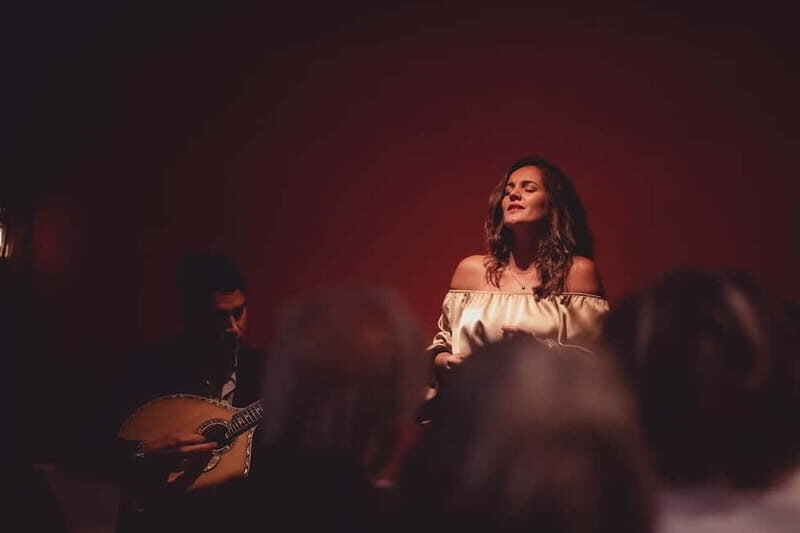
This is the safest first-timer pick by a long way. The room is small, the musicians are unamplified, the port wine arrives before the lights go down, and you’re out by 10pm with time for a late dinner. Our full review of the Lisboa em Fado show covers the venue layout and what to expect from the singers. Pick this one if you have one fado evening and don’t want a dinner commitment.
2. Lisbon: Fado Show and Wine inside Medieval Walls, $18
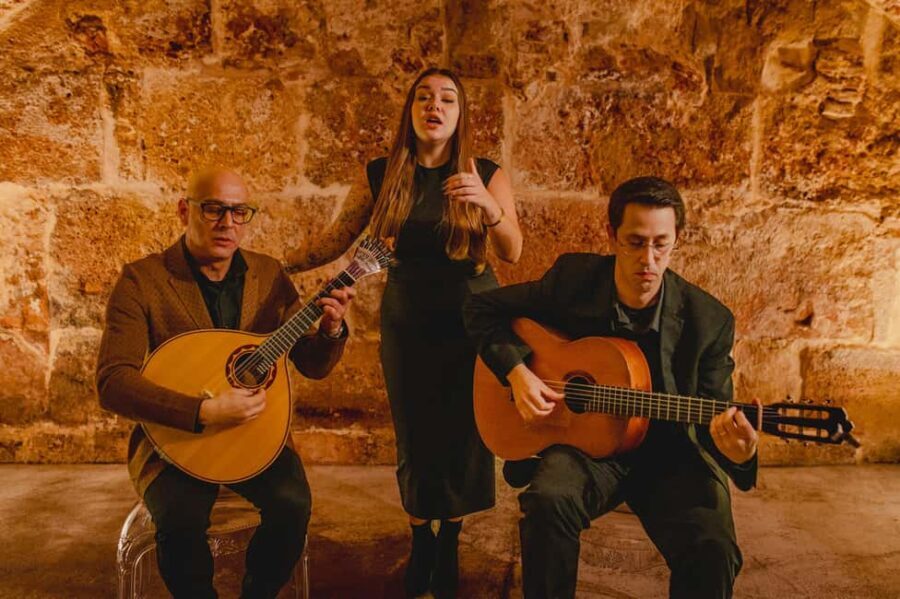
The alternative if the flagship is sold out, or if you specifically want the room to feel like an old vault rather than a parlour. The acoustics here are different, with the stone making the Portuguese guitar ring longer than it does in a wood-panelled room. Our review goes into the venue and the show length. Same price bracket, slightly different mood, and the wine pour is on the generous side.
3. Lisbon: Alfama Tour and Live Fado With Traditional Dinner, $58
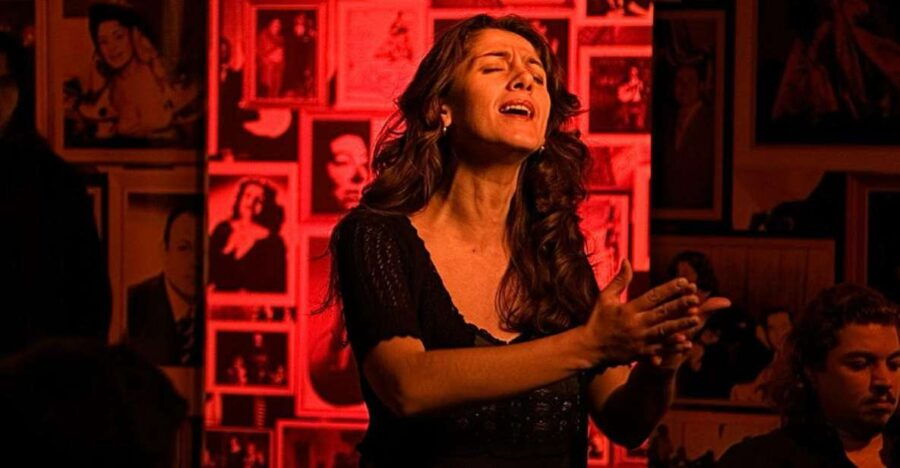
If you only have one evening in Lisbon and you want it to be the night, this is the format that earns the price. You meet near Sé in the late afternoon, walk Alfama with a guide who points out fado history (Maria Severa’s plaque, the Watson murals, the door to A Baiuca), then sit down to a Portuguese set menu while the singers do two sets between courses. Our review notes that the dinner can be hit-or-miss, but the Alfama walk and the show carry the evening. Worth the four hours if you have them.
How to choose between them
Three quick filters. If you have one short evening and you want pure music, pick the central drink-and-show. If you want the same format but in a more atmospheric room, pick the medieval-walls show. If you have a full evening to give the genre and you want a meal in Alfama with the music wrapped around it, pick the dinner-and-tour. None of the three is wrong; they just answer different questions about how much of your night fado is allowed to take.
Two more notes. Group size matters. The drink-and-show rooms cap at around 50 to 60 seats, which is small enough that the music still works without microphones; check the venue capacity before you book. And if you’re travelling solo, fado is one of those experiences that genuinely works alone. The room goes quiet, the singer does her thing, and you don’t need a conversation partner. I’ve gone alone twice and didn’t regret either night.

Practical bits before you book
Start times. Most fado-house shows run two seatings a night: the early one starts around 7:30pm or 8pm, the late one around 9:30pm or 10pm. The early seating tends to draw older travellers and is calmer. The late seating draws locals and runs a fraction longer because no one has anywhere to be in the morning. If you’re already eating dinner first, book the late slot.
Dress code. There isn’t one, exactly, but Mesa de Frades and Clube de Fado expect long trousers and a collared shirt for men, and Tasca do Chico and the drink-and-show rooms accept anything short of a beach outfit. Lisbon evenings can be cool even in summer because of the Atlantic; bring a light jacket.
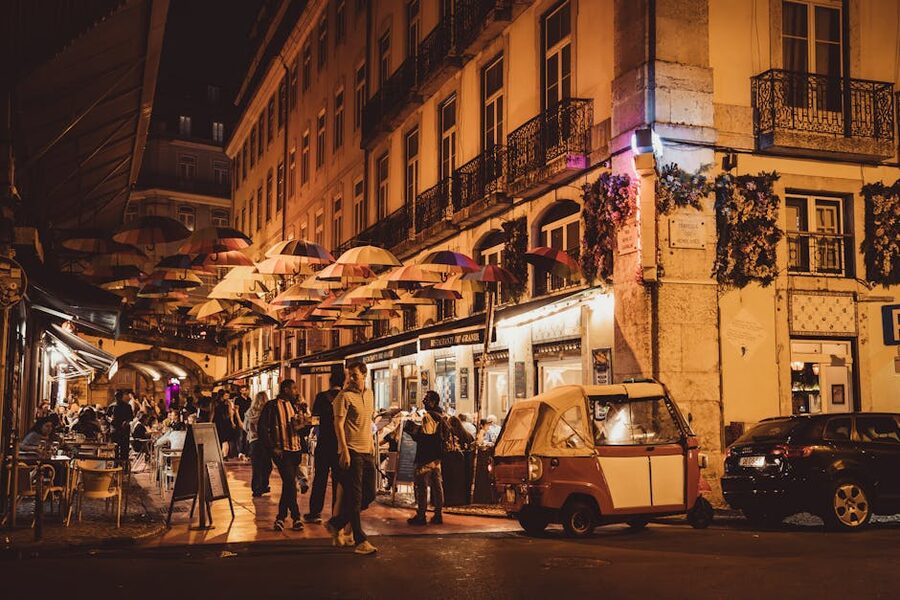
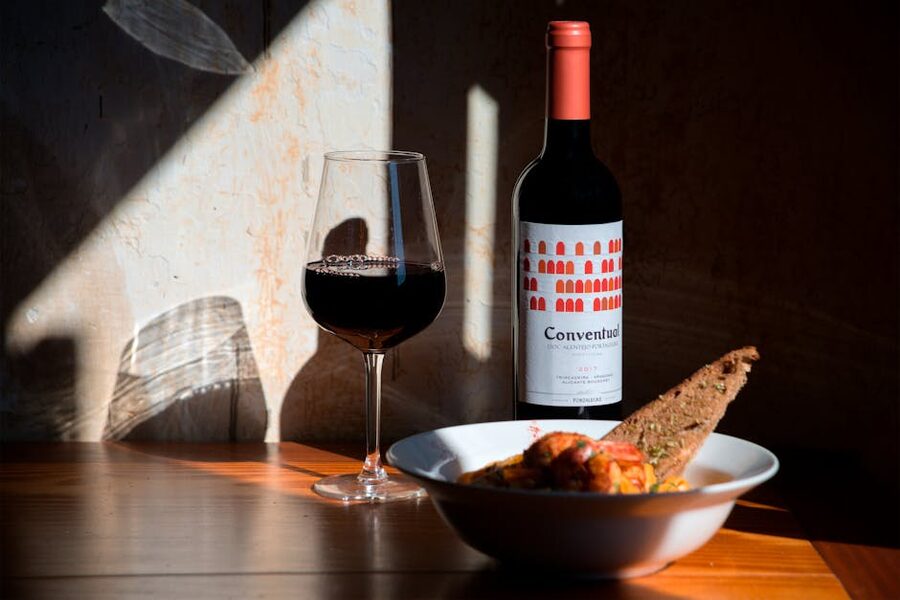
What to eat first or after. If your show doesn’t include dinner, eat early at a tasca near the venue. Casa do Alentejo on Rua das Portas de Santo Antão (a 19th-century palace turned restaurant) is a 15-minute walk from most central venues and serves a proper Alentejano menu. For something simpler, any sit-down place in Mouraria does grilled sardines, bacalhau à brás, and house red for under 20 euros. Avoid restaurants with menus translated into six languages and laminated photos.
What to drink. Inside the show: port wine, usually included. Before or after: vinho verde (the slightly fizzy young white) goes with grilled fish, and ginja (the local sour-cherry liqueur) is sold in shot-sized chocolate cups for a euro at street stalls in Largo de São Domingos. Two ginjas before a 9:30pm show is the right amount.
Photography. Phones go down during songs. Some venues say it explicitly, others don’t, but every fado room expects you to put the phone away once the music starts. The musicians notice. So do the locals at the next table. Two seconds of flash is enough to get a glare you’ll think about for a week.
The Museu do Fado afternoon
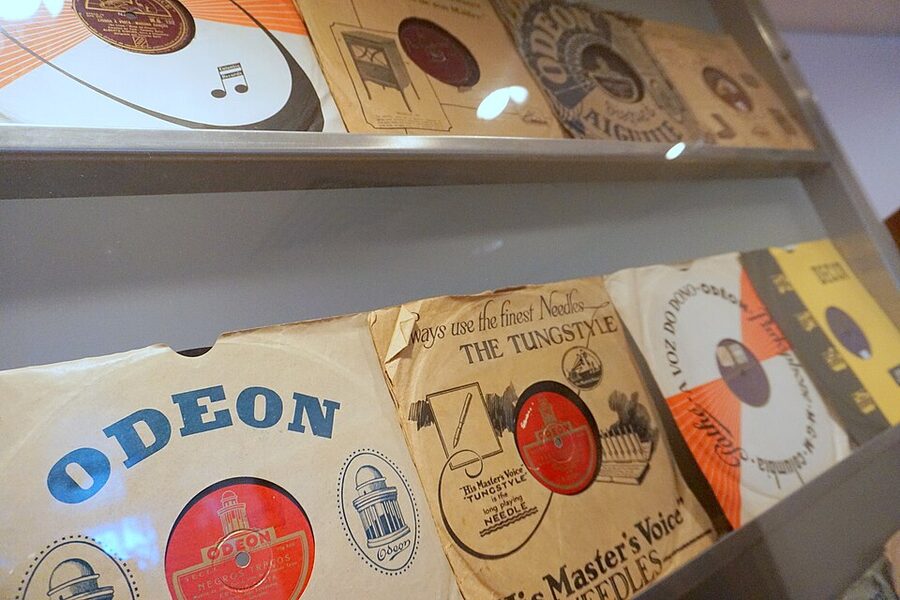
If you have a free Saturday afternoon and you’re booking a show that night, walk to the Museu do Fado in Alfama. It’s at Largo do Chafariz de Dentro, five minutes downhill from the Sé cathedral. The entry is around €5 and you can do the place properly in 90 minutes. The exhibition is bilingual, the listening stations have headphones with hand-picked tracks from Maria Severa-era recordings up through Mariza, and the gift shop sells decent reissue CDs that aren’t tourist tat. Going to the museum the afternoon of your show is the cheat-code that turns the night from a foreign performance into something you actually understand. The line “this is the version Amália sang in Paris in 1956” lands differently when you’ve heard the recording two hours earlier.
If you’re already considering a Lisbon Card for the museums and transit, the Museu do Fado is included on it. So is the Pantheon next door, which is where Amália is buried.
What a fado night feels like, blow by blow
Here’s the order of events at a typical drink-and-show in Lisbon, so you know what to expect.
You arrive 15 minutes early. The host seats you at a small wooden table; if you’re a couple, expect to share with another pair. The port wine arrives in small glasses. You can see the platform but there’s no curtain, no stage lighting yet. The room fills slowly. Conversation is at normal volume.
The lights drop. A door opens at the side and the two musicians walk in, sit on stools, and start tuning quietly. They don’t introduce themselves. Tuning takes about a minute. Then a fadista walks in, often older than you expect, often dressed in black with a black shawl. She does not speak. The viola starts a slow figure. The Portuguese guitar enters. The singer takes a breath, and the first line lands.
You will probably not understand the lyrics. That’s fine. The shape of the song carries. Each fadista does three or four songs in a set, the room stays silent during each song, and applause comes only at the end of each. The singer leaves and a second fadista enters. Then the first comes back. Across an hour you might hear three or four singers and twelve or fifteen songs. There is no encore. The lights come up. You walk out into Lisbon at 10pm.
If you walked in skeptical, you walk out changed. That’s the part Sara couldn’t put on the phone at midnight, and that the stranger in her venue couldn’t put into English with the word saudade.
Pairing fado with the rest of your Lisbon trip
The best night I’ve had in Lisbon went like this: a morning visit to Jerónimos Monastery in Belém, lunch at a Belém pasteis café, an afternoon nap, then a slow Alfama walk and a 9:30pm fado show. That’s a full day, and you can lift it almost wholesale.
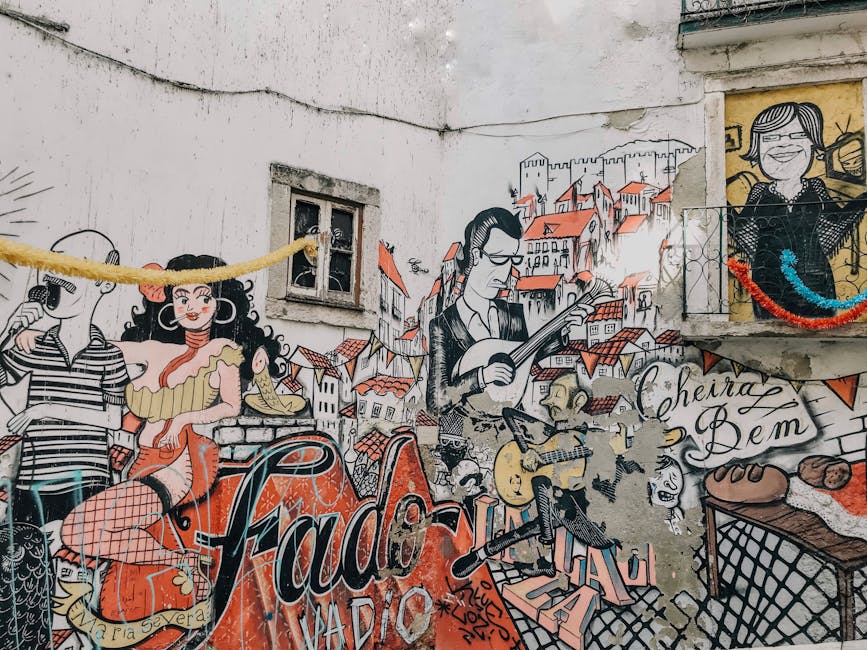
Another solid pairing. Day one in central Lisbon does the orientation walk; we wrote up the city centre walking tour in detail, and the standard route swings past Mouraria where the guides point at the same fado-tribute walls Sara stood under. Then evening is the fado show. Day two is Sintra, on a coach day trip to Sintra, Cabo da Roca and Cascais or a smaller-group Sintra and Cascais small-group day if you want fewer stops. If your one Sintra priority is the painted palace, the standalone Pena Palace ticket guide lets you take the train at your own pace.
Logistically, the fado neighbourhoods are not flat. Mouraria and Alfama are both built on a hill and the cobbles are slick after even a light rain. If you’ve already done a four-hour walking tour that day, your knees will not love a second hill climb after dinner. The fix is a private tuk-tuk back from your fado venue to the hotel; it’s ten euros and saves a thirty-minute uphill in the dark.

What to listen for during the show
Three small listening keys that will make the night land.
One. The Portuguese guitar tremor. On the slow passages, the guitarist’s right hand will quiver across the strings in a way no normal guitar player does. That tremor is what gives fado its emotional weight, the same way a violin vibrato carries an aria. It’s a learned technique, not a natural one, and the masters do it almost without thinking.
Two. The breath before the line. Fadistas pause longer between phrases than pop singers do. Listen for that pause. The room leans forward. The singer waits a half-beat longer than you think she will. Then the line arrives. That micro-suspense is fado’s signature.
Three. The end. Fado songs don’t usually fade or build to a chorus; they end on a held note that the singer lets ring while the room stays silent. If you applaud while the note is still hanging, you’re early. Wait for the silence to feel complete, then clap. Locals know.
Beyond Lisbon: the performance-evening cousins
If a Lisbon fado night opens something for you, Spain is where the family tree branches. Andalusian flamenco shares the same emotional centre, the same one-singer-and-guitar setup, the same tradition of small rooms where you applaud at the end of the silence. Seville’s Triana and Santa Cruz neighbourhoods are the spiritual home of flamenco, and we cover the room-by-room booking detail in our Seville flamenco guide. Granada’s Sacromonte caves are the older, rawer setting, and the Granada flamenco evening in the gypsy caves is closer to a vadio fado night than a polished Madrid tablao. Madrid itself does the polished version best; we wrote up the Madrid flamenco scene for travellers who want a city-centre tablao with food. Barcelona keeps a strong scene too, walked through in our Barcelona flamenco guide, while the smaller Málaga flamenco scene and the older Jerez horse and dance tradition show how the form mutates further south.
The thread connecting fado and flamenco is older than either form. Both came up in the 19th century in poor urban neighbourhoods, both were sung by women whose names ended up on plaques after they died young, and both still work best in rooms with no microphones and a hundred years of cigarette smoke in the wood.
Avoiding the common booking mistakes
Three patterns I see often.
Booking too late in the day. The intimate rooms (40 to 60 seats) sell out two to four days ahead in shoulder season and a week ahead in June and September. The buffet-style rooms always have space because nobody who looks at reviews chooses them. If you’re trying to book at 4pm for a show that night and only the buffet has tickets, push the show to tomorrow.
Trying to combine fado with too much else. Fado lives in the evening and asks for your attention. Doing a 9-hour Sintra coach day, then a sunset Tagus cruise, then a fado dinner show at 9:30pm is a recipe for nodding off during the second set. Fado works as the evening, not as a third act on top of two heavy ones.
Picking by venue photo. Most fado-house websites use the same handful of stock images of unidentified singers in red light. The photo doesn’t tell you anything about who’s actually singing. Read the recent reviews and look for words like “the older fadista” or “the female with the lower register”; the rooms that have a stable cast get described that way, the rotating-singer buffet rooms don’t.
One small thing about the room
The first night I went to Mesa de Frades, the singer was a woman in her sixties who did three songs and didn’t speak. The fourth song was a duet, where she stayed seated and a man around her age walked in from the back, sang one verse, and walked back out. He didn’t bow. She didn’t acknowledge him. After the song, the room stayed silent for what felt like a long time, and then, at the same moment, every table started clapping. Nobody clapped first. We all knew when it was over because we had all been waiting for the same thing. That was the moment fado arrived for me. It’s also what Sara meant on the phone at midnight, even if she couldn’t quite name it.
More Portugal guides
For a longer Lisbon stay, the Jerónimos Monastery in Belém is the morning-and-pasteis pairing that works best alongside a fado evening. The Lisbon Card covers both the Museu do Fado and the Pantheon where Amália is buried, and a private tuk-tuk handles the Alfama and Mouraria hills without the climb.