
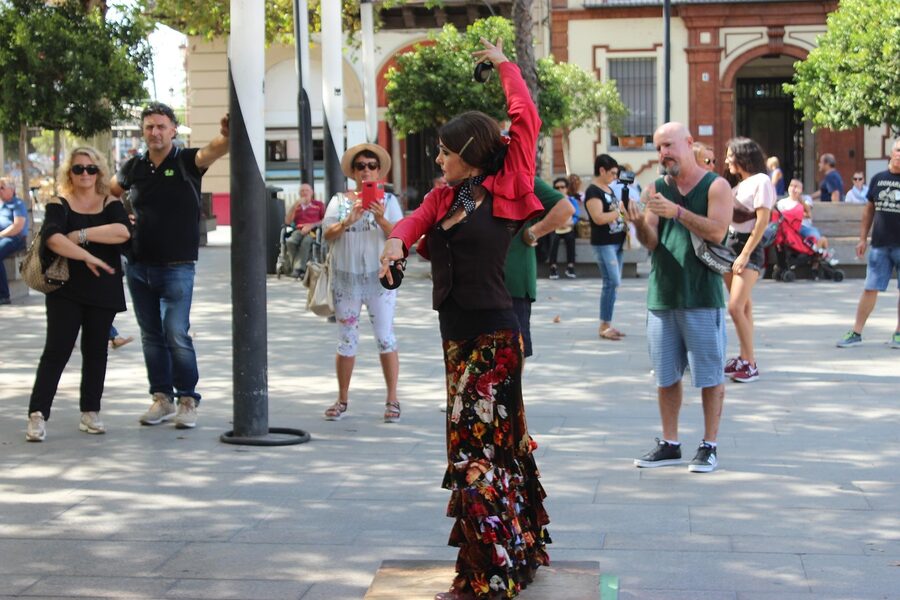
You hear the cajón before you see it. A single, sharp slap of a hand on the wooden box, then silence, then a low hum from the cantaor in the dark, and a chair scrapes back. The dancer doesn’t move yet. She’s listening. In a Seville tablao you sit close enough to count the beads on her shawl, and you wait with her.
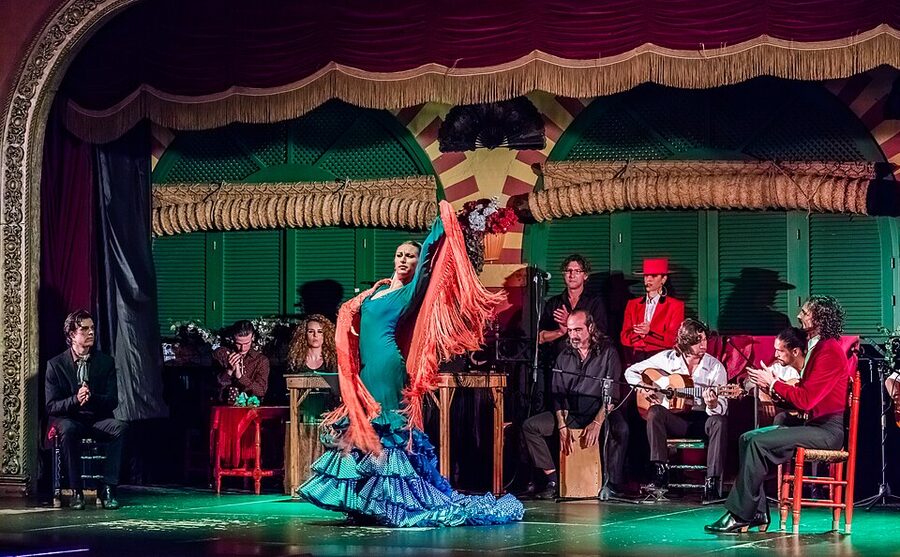
Andalusia is where flamenco was born. Not invented or codified, born. The art form grew out of the Romaní (gitano) communities of Seville, Jerez and Cádiz in the 18th and 19th centuries, and the city’s neighbourhoods are still where the working artists train and rehearse. So a Seville show isn’t really comparable to a tablao anywhere else, including the city I cover in our Madrid flamenco booking guide. The difference is the room.
- In a Hurry? Top Picks
- What a Seville flamenco show actually is
- Tablao vs theatre vs peña: which type of venue to book
- Where the rooms are: the geography
- Three shows worth booking
- 1. Live Flamenco Dancing Show at the Theater (Teatro Flamenco Sevilla): from
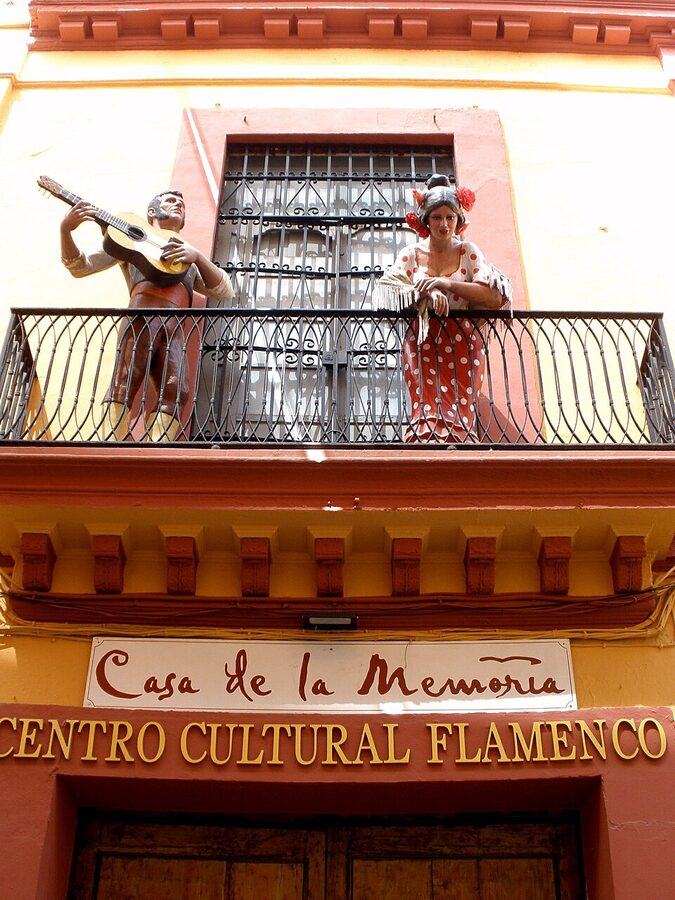
- 2. Casa de la Memoria Flamenco Show: from
- 3. Live Flamenco Show at Teatro Flamenco Triana: from
- How tickets are tiered
- When to book and which time slot to pick
- What to wear and how early to arrive
- The history bit, briefly
- How a Seville evening fits together
- Other shows worth knowing about
- Common first-timer mistakes
- Combining flamenco with the rest of Seville
- Other Seville reads
In a Hurry? Top Picks
- Live Flamenco Dancing Show at the Theater: from $27. The most-booked flamenco show in Seville. Six performers, central location on Calle Sierpes, easiest to slot into a packed itinerary.
- Casa de la Memoria Flamenco Show: from $28. A 15th-century palace courtyard that seats around 100. The most respected venue in the city for purist programming.
- Live Flamenco Show at Teatro Flamenco Triana: from $28. Across the river in the historical home of flamenco. Worth the walk for the neighbourhood alone.
What a Seville flamenco show actually is
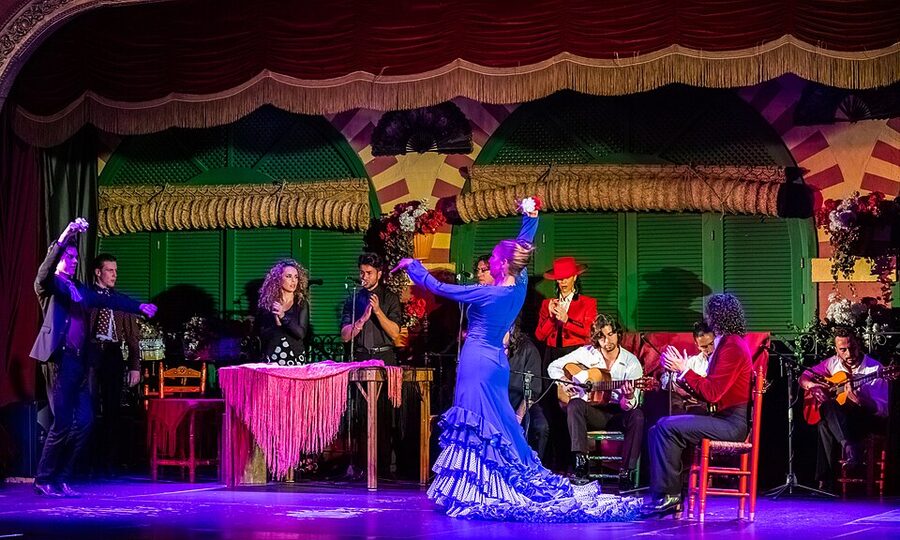
It’s a small room, a wooden floor, and an ensemble of four to six artists. No interval. No microphones on the dancers. No fog machines, no themed cocktails, no dinner theatre. The format runs sixty to seventy-five minutes and that’s it. You walk back out into the alley afterwards still slightly stunned.
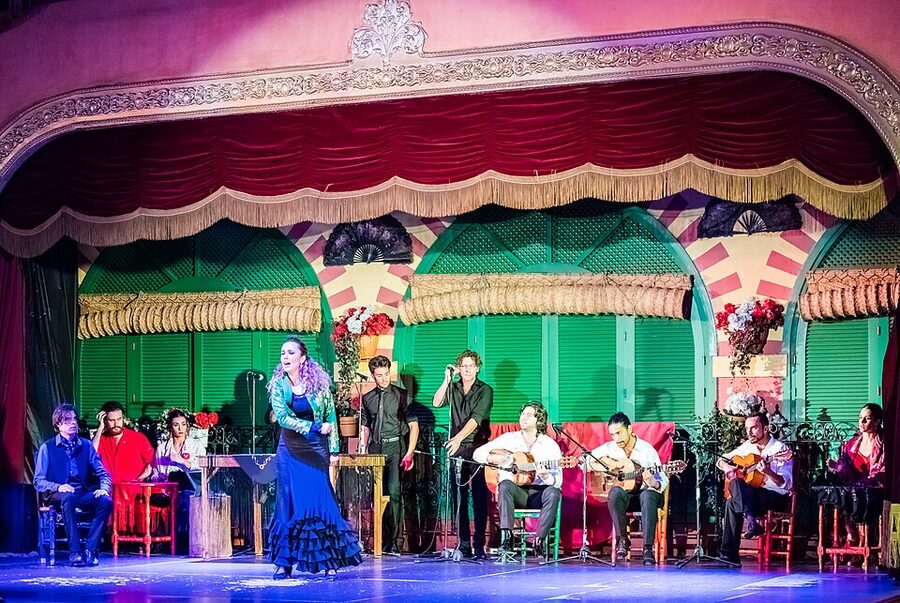
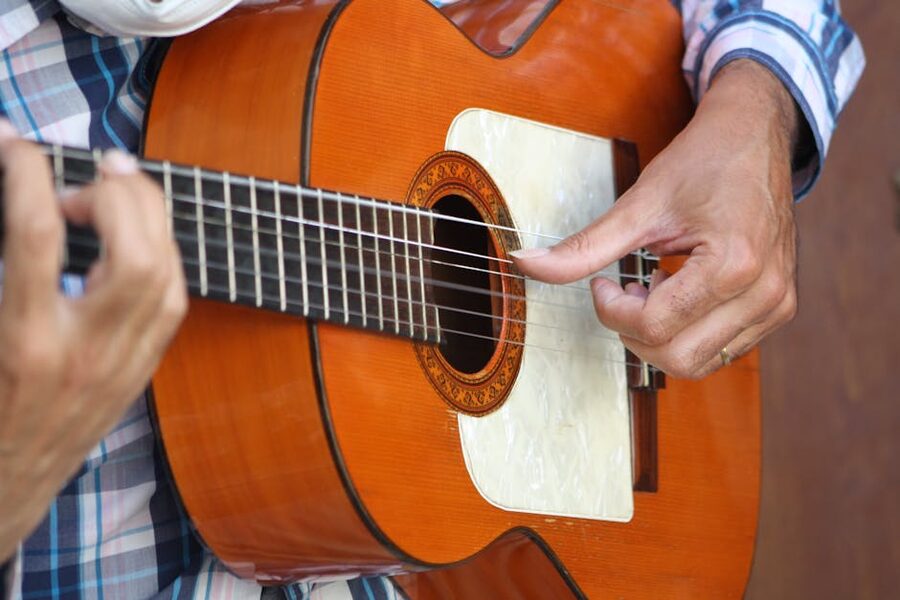
The ensemble is consistent across venues. Two dancers (a bailaora and a bailaor), one or two guitarists (tocaores), one or two singers (cantaores), and a percussionist on cajón and palmas. Some shows add a second bailaora. The artists rotate through programming so each number is led by a different performer. You’re not watching a show, exactly. You’re watching the artists trade off.
Tablao vs theatre vs peña: which type of venue to book
This is where Seville splits from every other Spanish city you might book a show in. There are three different formats running simultaneously, and the price tells you almost nothing about which is which.
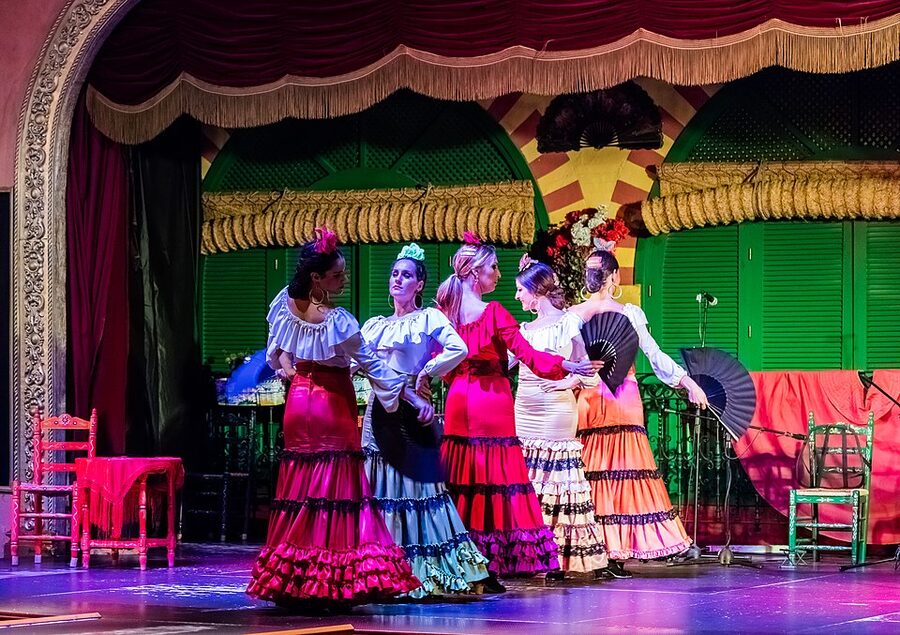
Tablao: a small commercial venue purpose-built for flamenco. Drink usually included. Capacity 40 to 120. This is the format most visitors book and the one I’d send a first-timer to. Tablao Las Setas, Tablao El Arenal, and the show at Tablao Flamenco Las Setas are all in this category.
Theatre: a larger room, sometimes a converted cinema or proper stage with raked seating. The big tickets here are Teatro Flamenco Sevilla on Calle Sierpes and Teatro Flamenco Triana across the river. Capacity 150 to 300. Trades intimacy for a clearer view if you’re seated more than four rows back.
Cultural centre / peña: a non-commercial venue programmed by flamenco associations. The headline option here is Casa de la Memoria, which sits in a 15th-century palace and runs purist programming. Capacity around 100 in a courtyard. The one I’d book if you’ve already seen one tablao show and want to go deeper.
One thing the briefing pages don’t always make clear: most Seville tablaos do not push the dinner combo as hard as Madrid does. In Madrid the show-plus-dinner package is half the listings. In Seville the default is show-plus-drink, and you eat properly somewhere else afterwards. That’s a feature, not a bug. Eat at a real Triana bar after the show, not at the tablao kitchen.
Where the rooms are: the geography
Seville’s flamenco venues cluster in three zones, and which one you pick changes the whole evening:
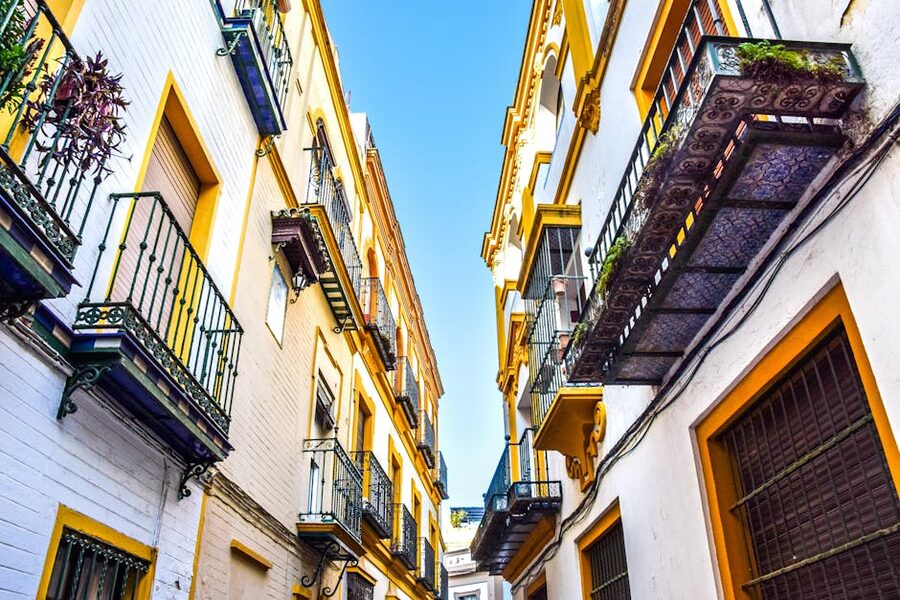
Santa Cruz / city centre: Casa de la Memoria, Casa de la Guitarra, and a couple of smaller tablaos. Walk-in distance from the cathedral and the Alcázar. The most convenient if your hotel is in the historical centre. The downside is that the streets are tight and very loud with tour groups until about 10pm.
El Arenal / centro: Teatro Flamenco Sevilla on Calle Sierpes (the main shopping street), Tablao El Arenal near the bullring, and Tablao Las Setas under the wooden parasol structure I cover in the Setas guide. Easy to combine with dinner in El Arenal afterwards.
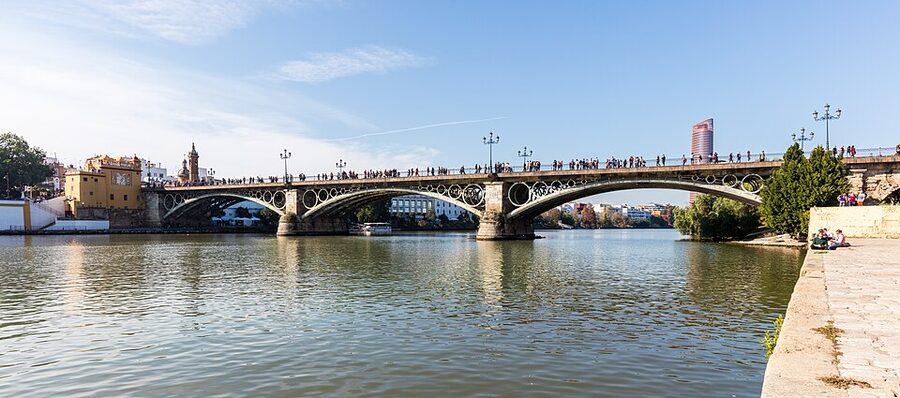
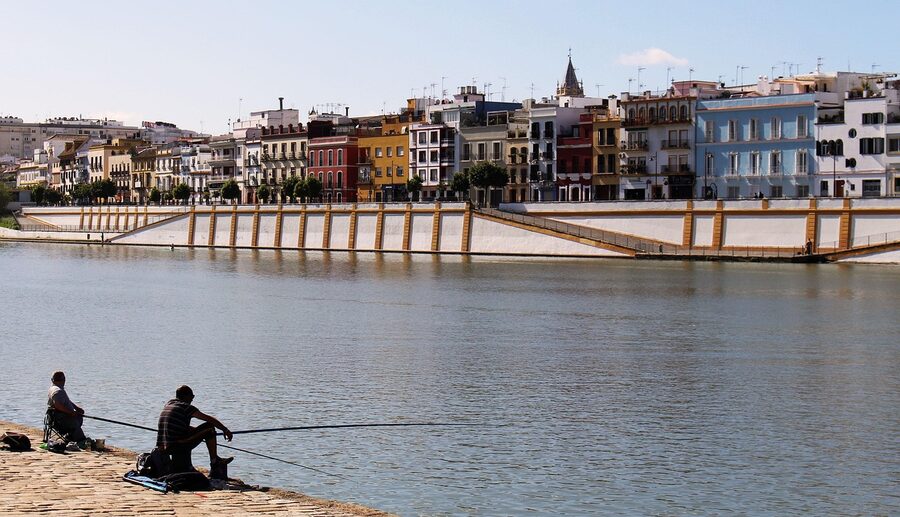
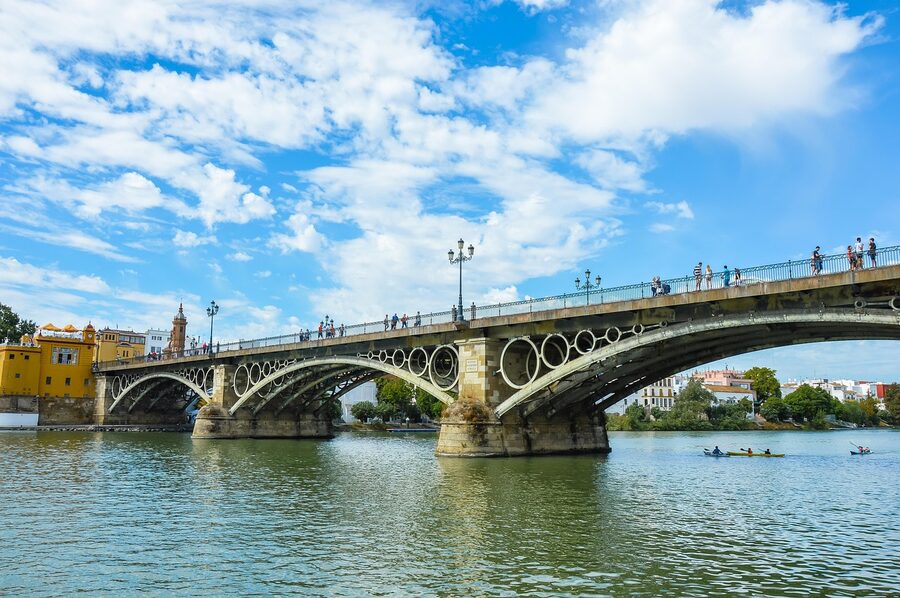
Triana: across the Puente de Isabel II. Teatro Flamenco Triana, the smaller Tablao Orillas de Triana, and the bars along Calle Betis. This is the historical neighbourhood. If you only book one Seville show, I’d push you toward Triana over the centre. The walk back across the bridge afterwards is part of the experience.
Three shows worth booking
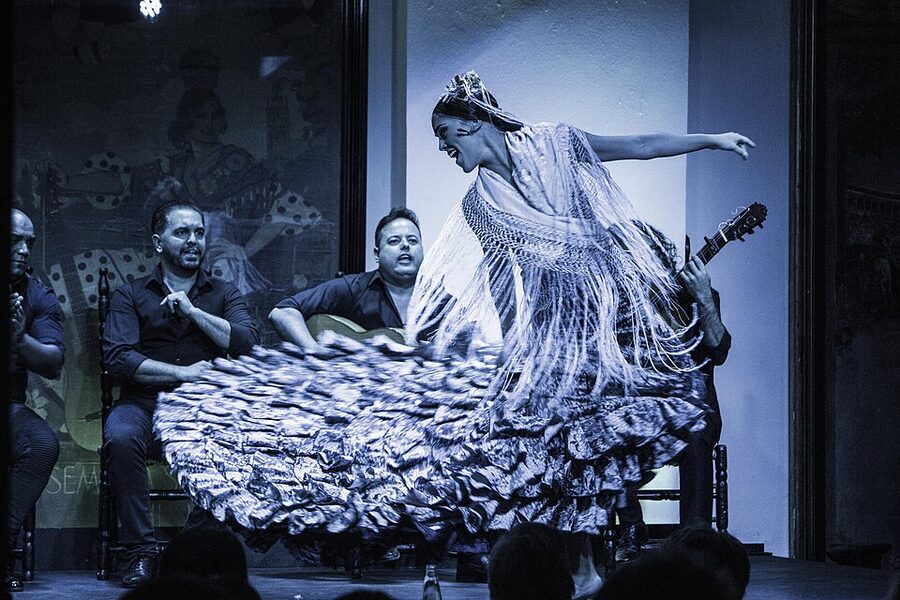
I’ve narrowed it to three picks, one for each format and each part of the city. Booking is identical across all three: pick a date, pick a showtime, choose a ticket tier, pay. Confirmation lands in your inbox within minutes. No phone calls, no Spanish-language email threads.
1. Live Flamenco Dancing Show at the Theater (Teatro Flamenco Sevilla): from $27
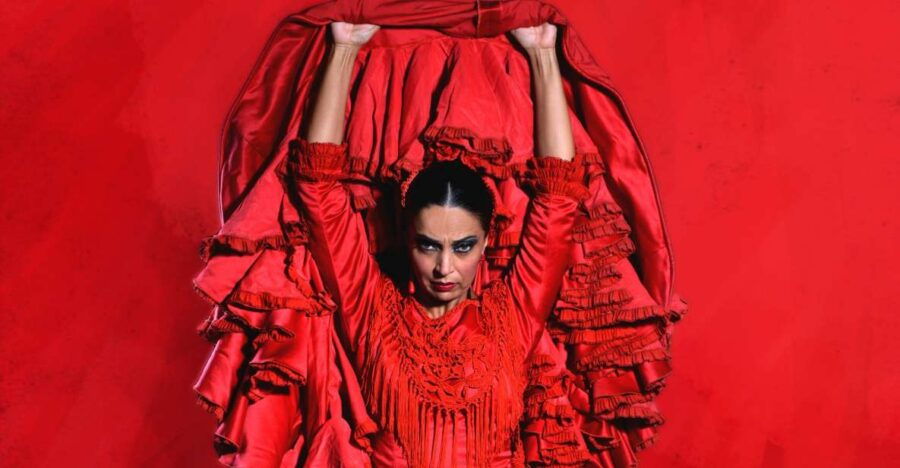
This is the one I’d book if your trip is short and you don’t have a strong opinion. Central, easy to find, the artists are professionals on regular rotation, and the room is large enough to actually seat a couple in a hurry. Our full review of the Teatro Flamenco Sevilla show walks through where the good seats are and what time the late show starts.
2. Casa de la Memoria Flamenco Show: from $28
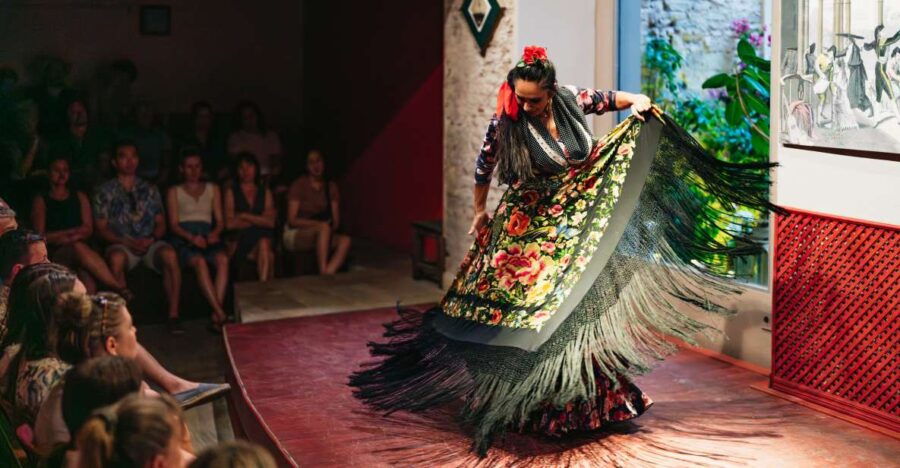
This is the one I’d book if you’ve seen tablao flamenco before and want to go deeper, or if you only have one night and want to make it count. The programming leans toward purist styles, the artists are often the ones the bigger venues poach for guest spots, and the courtyard acoustics are unbeatable. Our Casa de la Memoria review covers the early-show vs late-show difference (book the late show if you can).
3. Live Flamenco Show at Teatro Flamenco Triana: from $28
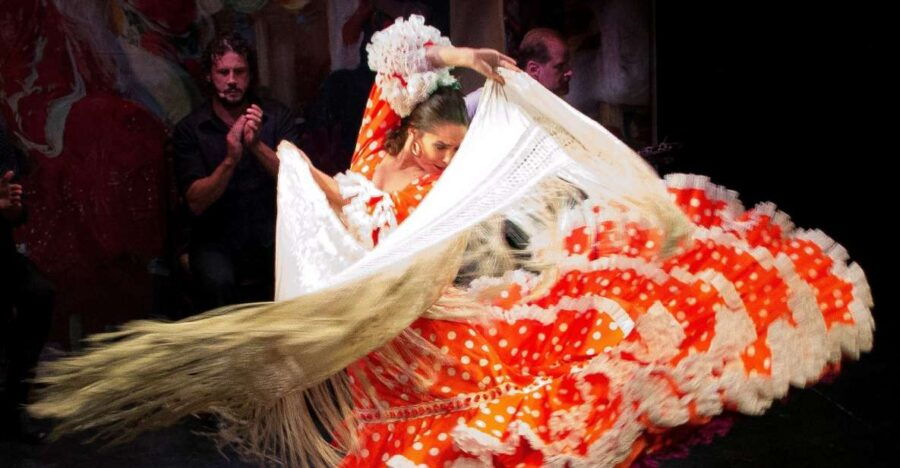
Book this one if you can plan an evening around it. Walk over the Puente de Isabel II about an hour before the show, eat tapas on Calle Salado or Calle Betis, and wander back to the venue. Our Teatro Flamenco Triana review has the timing notes and a list of the bars I’d hit before doors open.
How tickets are tiered
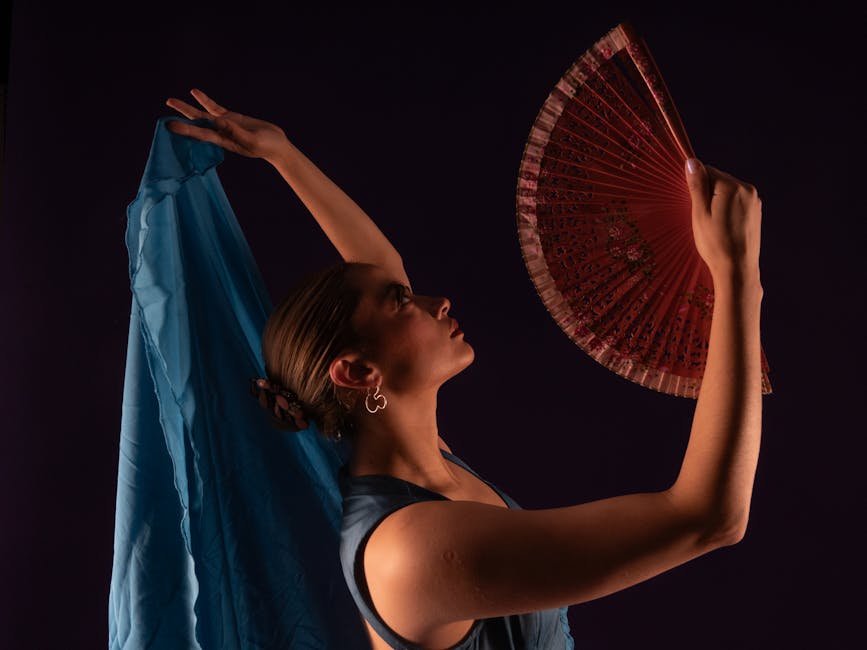
Most Seville shows offer two or three ticket tiers:
Show plus drink. The standard. You get one drink (wine, beer, sangria, soft drink) included. This is what I book at every venue. The drink is fine, you’ll have one and forget it, you’re there for the dancing.
Show plus tapas. Some venues add a small plate of tapas before the show. It’s a small step up in price and you’ll eat better outside, but if you’re staying late and don’t want to queue at a restaurant, it solves a problem.
Show plus dinner. The full set menu. Available mainly at the larger theatres like El Palacio Andaluz, less so at the small tablaos. The food at Palacio Andaluz is properly Andalusian (gazpacho, a stew, a fish course), but you’re paying for the kitchen and the room, not the artists. Skip the dinner combo unless your group has a non-flamenco-fan you need to feed in the same room.
One pricing trap to flag: the cheapest seats at the bigger theatres are sometimes called visión limitada (limited view). They’re behind a column or off to the side. At Teatro Flamenco Sevilla and El Palacio Andaluz they’re listed as a separate, cheaper ticket. Avoid them. Pay the extra few euros for a regular seat.
When to book and which time slot to pick
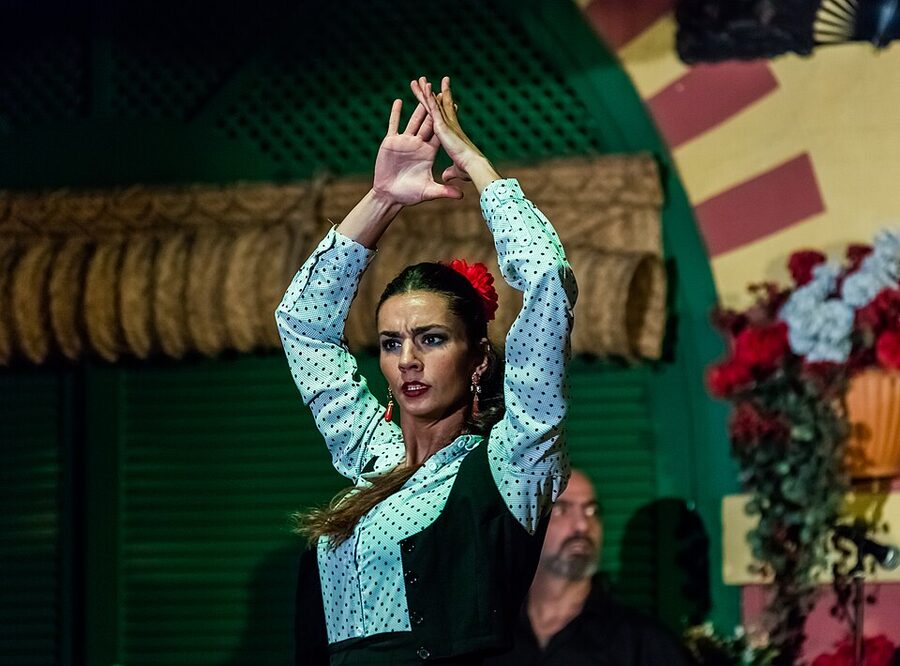
Book at least 24 hours in advance for any of the three I’ve listed above. Casa de la Memoria sells out three to five days ahead in spring and autumn, sometimes a week in April during Feria. Teatro Flamenco Sevilla has more capacity but the prime late-evening slot still goes early.
Most venues run two shows a night. The 7pm or 7:30pm early show, and a 9pm or 10pm late show. Book the late show. Always. The early show has more day-trippers, more children, and the artists are warming up. By 10pm the room is locals plus the more committed visitors, and you can feel the difference within five minutes of curtain.
April is Feria de Abril, the city’s spring fair, and that whole week the venues are either fully booked or running modified shorter shows. If you’re visiting during Feria, book three weeks out, not three days. Early May is calmer and the weather’s the same. May and October are the sweet spots in general.
What to wear and how early to arrive
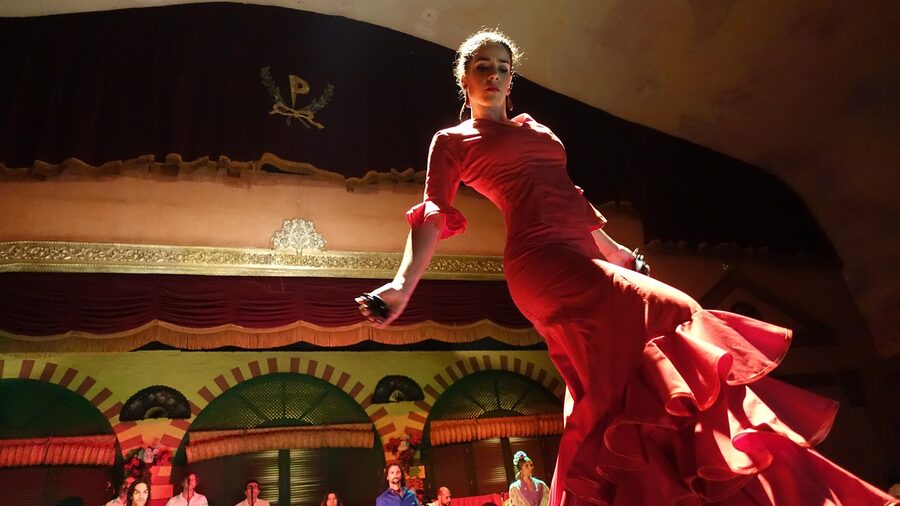
Smart casual. Nothing fancy. Jeans and a clean shirt are fine. Sevillanos themselves dress up for the theatre but visitors aren’t expected to. Don’t wear anything stiff or rustly because the rooms are quiet and you’ll regret moving around.
Doors open about 20 to 30 minutes before showtime. Get there at the early end and snag a good seat. Most tablaos and the Casa de la Memoria don’t assign seats; it’s first-come for the table you want. The theatres do assign seats, but you still want to arrive early because the streets nearby are tight, hard to find on first try, and the ticket queue can stretch out the door.
Phones off. Photos before the show only. Most venues are strict about this and a couple have started ejecting people who pull a phone out during a number. The dancers can see every screen in the room and it breaks the spell.
The history bit, briefly
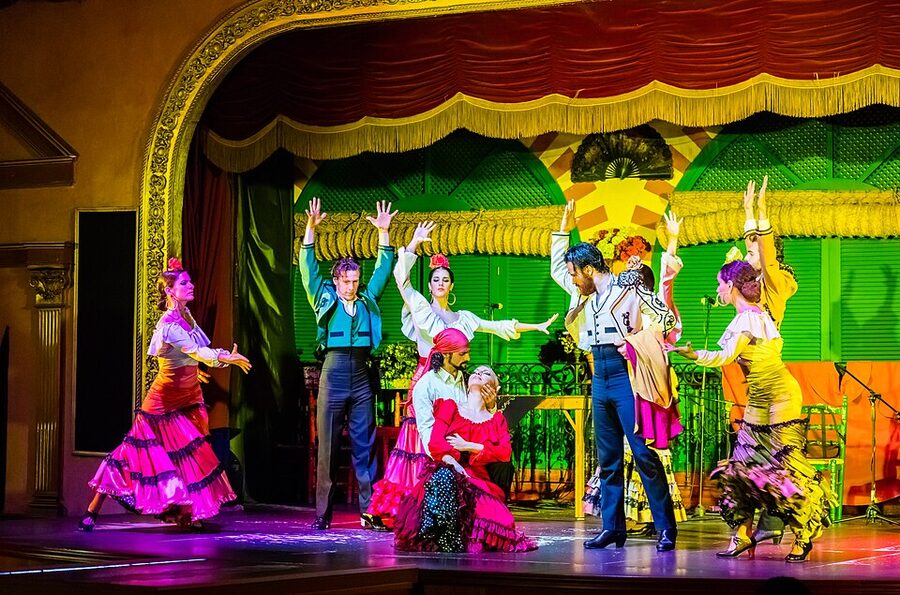
Flamenco is younger than most visitors assume. The art form as we know it crystallised in Andalusia in the late 18th and early 19th centuries, in the Romaní (gitano) communities of Seville (especially Triana), Jerez de la Frontera, and Cádiz. It’s a fusion of Romaní song, Moorish musical structure, Sephardic and Castilian influences, and later, in the 20th century, Latin American rhythms.
The first commercial venues, the cafés cantantes, opened in Seville and Madrid in the 1850s. By the 1920s the form had codified into the dozens of palos (styles, like soleá, bulerías, alegrías, seguiriyas) you’ll hear cycled through in any modern show. UNESCO inscribed flamenco on the Intangible Cultural Heritage list in 2010.
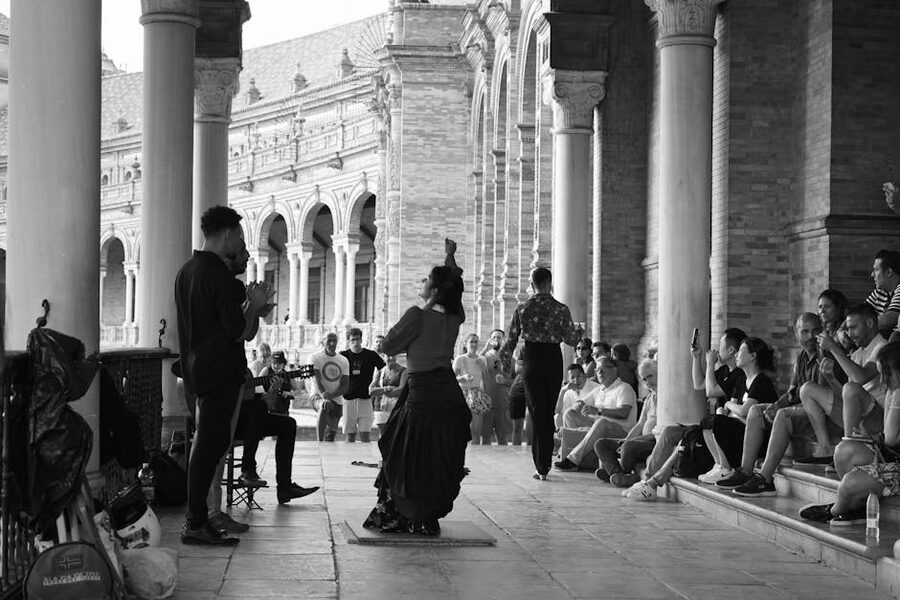
Triana is the neighbourhood that gets cited most often as the cradle. The Romaní families who developed the form were displaced from there in waves through the 20th century, but the bars on Calle Salado and Calle Betis still draw flamenco aficionados every weekend. If you can find a bar (peña) with a chalkboard listing a show, walk in. The peñas are not on tour itineraries and the artists are often the same ones you’d see at Casa de la Memoria the next night, just in jeans.
How a Seville evening fits together
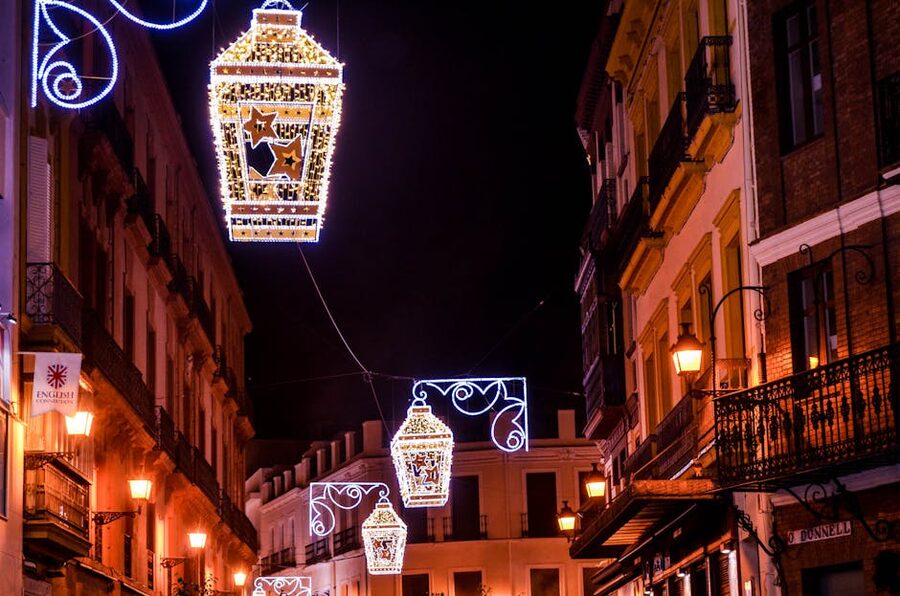
The flamenco show is one block of an evening, not the whole evening. Here’s how I’d structure a night around it.
If you’re booking a centre-city show (Teatro Flamenco Sevilla or Casa de la Memoria): see the cathedral in the late afternoon, eat tapas around 8pm in Santa Cruz, walk to the venue for a 10pm show, then unwind in El Arenal until midnight. The Setas de Sevilla observation deck stays open into the evening if you want to see the city lit up first.
If you’re booking a Triana show: cross the bridge at sunset (it’s one of the better golden-hour walks in Spain), eat tapas on Calle Salado, then wander to Teatro Flamenco Triana for the late show. Walk back over the bridge afterwards and you’ll have the city lit up on the far side. A river cruise the next afternoon, like the ones in our Guadalquivir cruise guide, is the natural sequel because it lets you see Triana from the water.
If you’re combining flamenco with a city overview: a daytime hop-on hop-off bus covers most of the major sights and lets you save the evening fully for the show. I’d skip lunch in the centre on tour day and save the appetite for the post-show meal.
Other shows worth knowing about
Beyond the three I’d lead with, a few other Seville options worth knowing:
The Puro Flamenco Show at the Museo del Baile Flamenco lets you combine the show with a visit to Cristina Hoyos’s flamenco museum the same day. Smart combo if you want context before the performance.
The Traditional Flamenco Show in Triana at Tablao Orillas de Triana is a smaller alternative on the Triana side. It runs a slightly more austere program than the bigger venues and seats around fifty.
The show at La Casa de la Guitarra in Santa Cruz is the cheapest option I’d put on a shortlist. It’s a tiny room, BYO patience, and the focus is on the guitar work as much as the dance.
The show at Tablao Flamenco Las Setas sits under the wooden parasol structure I cover in the Setas guide. Easy to combine with a daytime visit to the rooftop walkway.
Common first-timer mistakes
A few things I see go wrong, often:
People applaud too early. Flamenco numbers have a structure that builds through several climaxes before the actual ending. If you clap on the first big footwork burst you’ll be the only one. Wait for the artists to break their pose and look up.
People expect the cante to sound pretty. It doesn’t. The cantaor’s voice is meant to be raw. If you find yourself wincing at the singing, you’re hearing it correctly. That’s the cante jondo style, and the venues that smooth it out for tourists are the ones I’d skip.
People book the dinner combo at venues where the food is an afterthought. Skip it. Eat at a Triana bar or in El Arenal afterwards.
People book the early show. Don’t. The 10pm slot is always better.
People sit in the front row at a tablao and expect to take photos. The dancers can see you, the room is small, and the camera is the one thing that breaks them out of the trance. Sit second row at a tablao if you want to watch closely without being part of the choreography by accident.
Combining flamenco with the rest of Seville
Two days is the minimum for a Seville visit that includes a flamenco show. One day for the daytime sights (cathedral, Alcázar, a river cruise), one for the show plus exploration around it. Three days lets you slot in two different shows in two different formats, which is what I’d push you toward if you’re a first-time flamenco viewer. See a tablao first, then a peña-style venue like Casa de la Memoria the next night.
If you’re connecting Seville to other Spanish cities, the obvious comparison is the Madrid flamenco scene, where the rooms are bigger, the dinner-combo culture is stronger, and the artists are often Sevillanos working away from home. Both are worth doing, but if you only have one night for flamenco, do it here.
Other Seville reads
For the rest of the trip, our Seville Cathedral guide walks through how to skip the worst of the queues at La Giralda, and the Alcázar booking guide covers the timed-entry system that catches a lot of visitors out. The Guadalquivir river cruise is the easiest way to see the Triana waterfront from the water before your show. If you’re flamenco-curious beyond Seville, the Madrid flamenco guide is the closest sibling read.