
The clifftop monument at Cabo da Roca has a line carved into it from the Portuguese poet Camões: where land ends and sea begins. You stand there at the westernmost point of continental Europe, the Atlantic 140 metres straight down, and the next stop west is North America. It’s a strange thing to fit into a coach-tour day, but the standard Sintra trip squeezes it in alongside a 19th-century romantic-architecture mashup, a fairytale estate with an underground initiation well, and a former royal beach town. Four stops, 65 to 80 kilometres of driving, eight or nine hours.
This guide walks through the four stops on a typical Lisbon day trip, what each one is actually like once the coach door opens, where the Quinta da Regaleira variant fits in, and how the small-group format compares to the 60-seat coach. I’ll also cover what to bring, because Pena Palace days can disappear into mist and Cabo da Roca’s clifftop wind will send a thin jacket back to Lisbon by itself.
- In a Hurry? Three Day-Trip Picks
- What the Day Actually Looks Like
- The 65 to 80 Kilometre Loop
- Stop One: Pena Palace, the Fake-Old Fairytale
- What Your Tour Ticket Actually Includes
- The Mist Problem
- Stop Two: Quinta da Regaleira (If You Have It)
- Stop Three: Cabo da Roca, Where Land Ends
- Bring a Real Jacket
- The Photography Stops
- Stop Four: Cascais, the Royal Beach Town
- The Lunch Question
- Coach vs Small-Group: Which Format Suits You
- Who Each Format Is For
- The Three Day-Trip Picks I’d Actually Book
- 1. Sintra, Pena, Regaleira, Cabo da Roca and Cascais Full Day:
- 2. Sintra, Pena, Cabo da Roca and Cascais with Hotel Pickup:
- 3. Sintra, Pena, Regaleira, Cabo Roca Coast and Cascais:
- What to Bring
- What I’d Skip
- The History Behind the Day
- Photography Stops Along the Day
- Common Day-Trip Questions
- Can I do this trip myself by train?
- Are tickets included?
- How long is the actual day?
- Can I skip a stop?
- Is it worth it if I have only a half-day?
- What to Pair It With
- How This Compares to Other European Day Trips
- More Portugal Guides
In a Hurry? Three Day-Trip Picks
Flagship 4-stop day trip, around $23. The most-booked Sintra trip from Lisbon. Pena Palace, Quinta da Regaleira, Cabo da Roca, Cascais. Long day, big coach, full itinerary. Book the flagship Sintra day trip.
Tour with hotel pickup, around $58. The same four-stop route but with a Lisbon hotel pickup and drop-off built in. Worth the price bump if you would rather not deal with finding a meeting point at 8am. Check the pickup version.
Regaleira-included variant, around $23. The four-stop trip with Quinta da Regaleira priced in alongside Pena. Best value if you want both Sintra estates without choosing between them. Grab the Regaleira variant.
What the Day Actually Looks Like
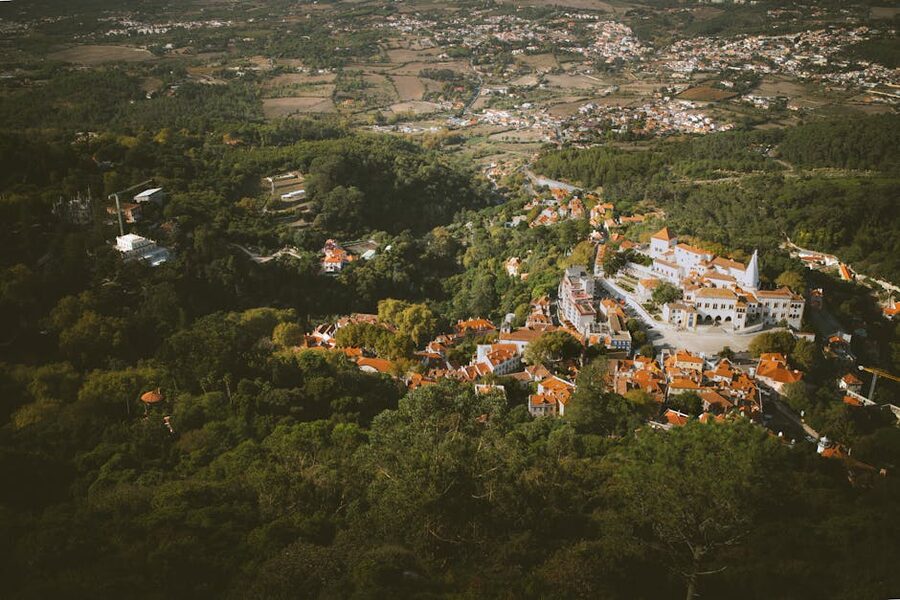
Most of these tours leave Lisbon between 8 and 9am from a central meeting point, usually somewhere near Praça do Comércio or Marquês de Pombal. The drive to Sintra is about 30 minutes if traffic behaves. From there the coach climbs the wooded hills above the town and parks at a lower car park. Pena Palace sits at the top, and you take a shuttle bus up the steep last stretch unless you want to walk the 25 minutes uphill in the heat.
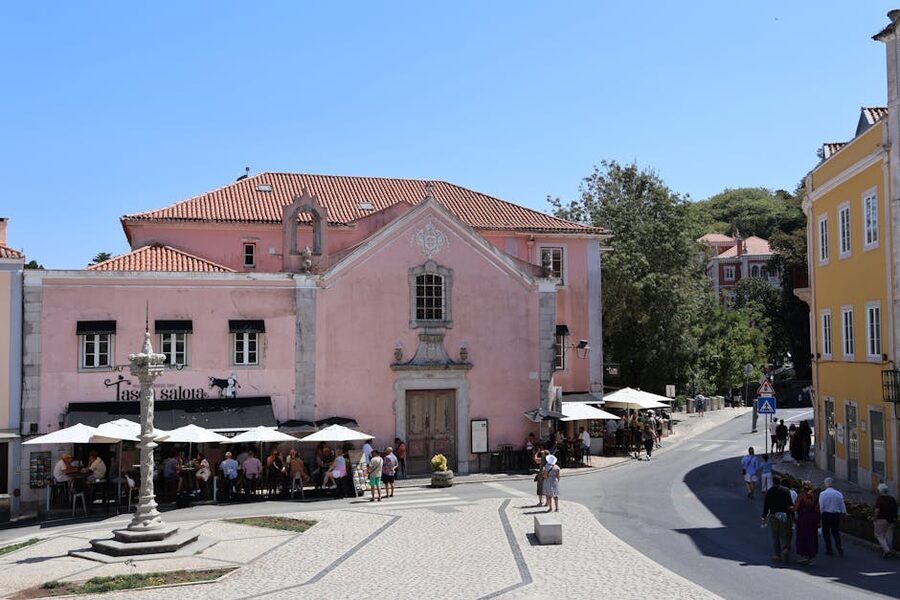
You’ll get roughly 90 minutes to two hours at Pena. That’s enough for the exterior, the terrace photos, and a fast pass through the state apartments if your ticket includes interior access. After Pena you come back down for a quick stop in Sintra town for lunch. Then west to Cabo da Roca for the clifftop monument, then south along the coast road to Cascais. The order varies by operator, and a few flip Cascais and Cabo da Roca depending on traffic.
You’re back in Lisbon between 5 and 7pm. The flagship operator runs this nine-and-a-half-hour route, while shorter eight-hour versions skip Quinta da Regaleira to free up the schedule. If you want both Sintra palaces in the same day, expect a long one.
The 65 to 80 Kilometre Loop
Lisbon to Sintra is about 30 km. Sintra to Cabo da Roca, 18 km. Cabo da Roca down to Cascais, another 16 km. Then 30 km back along the marginal coast road to Lisbon. Add the loops and shuttles inside Sintra and you land at 65 to 80 km of coach driving for the day. None of it is highway-grim. The road from Sintra to the cape passes through pine forest and over grazing land, and the coast back to Lisbon hugs the Atlantic the whole way.
Stop One: Pena Palace, the Fake-Old Fairytale
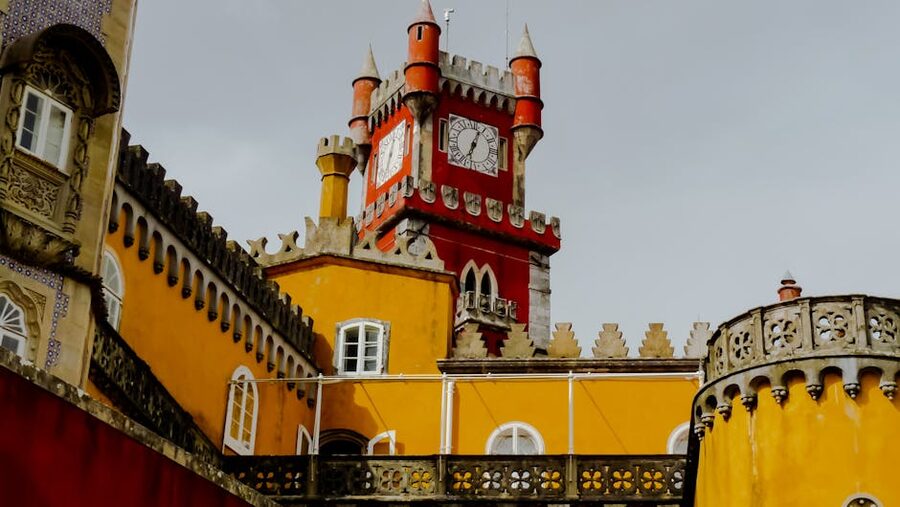
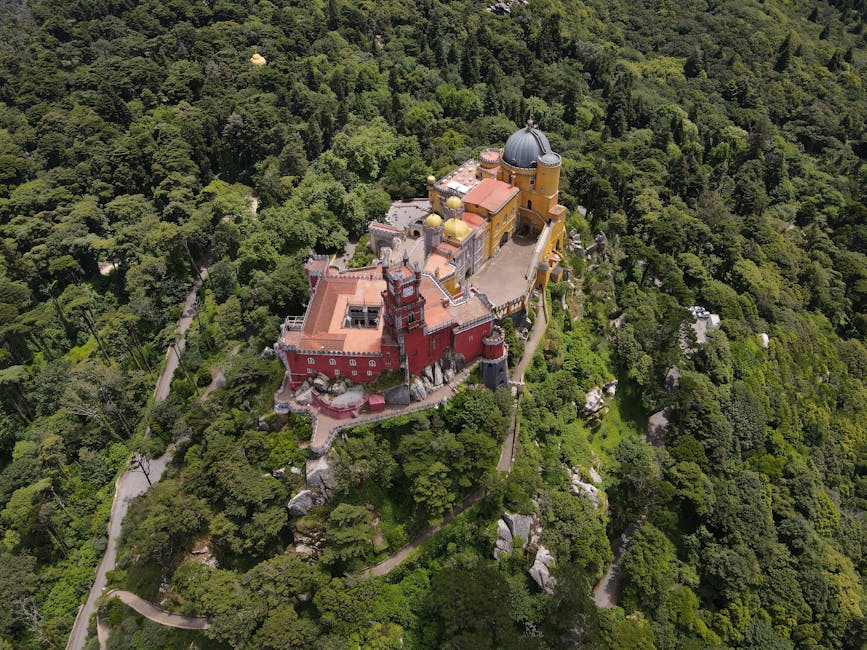
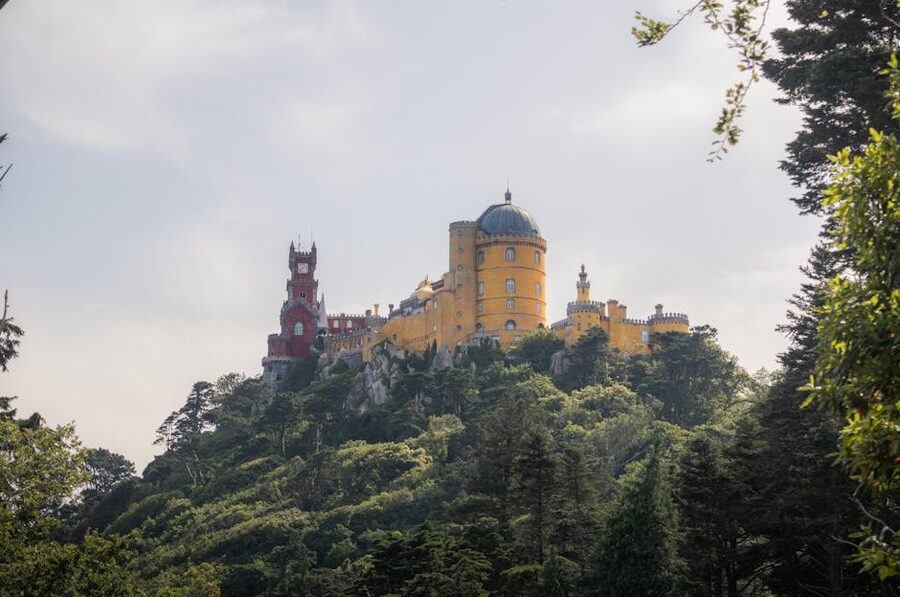
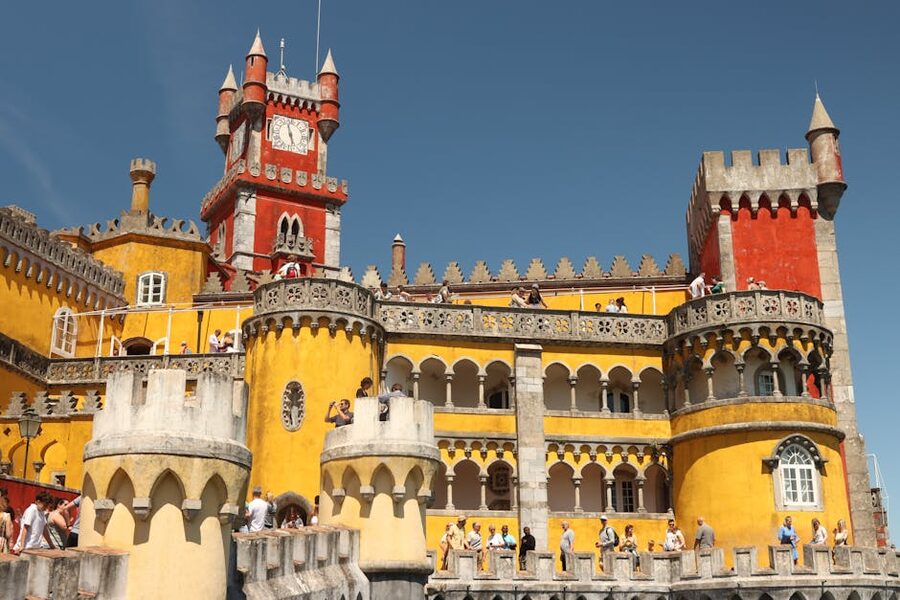
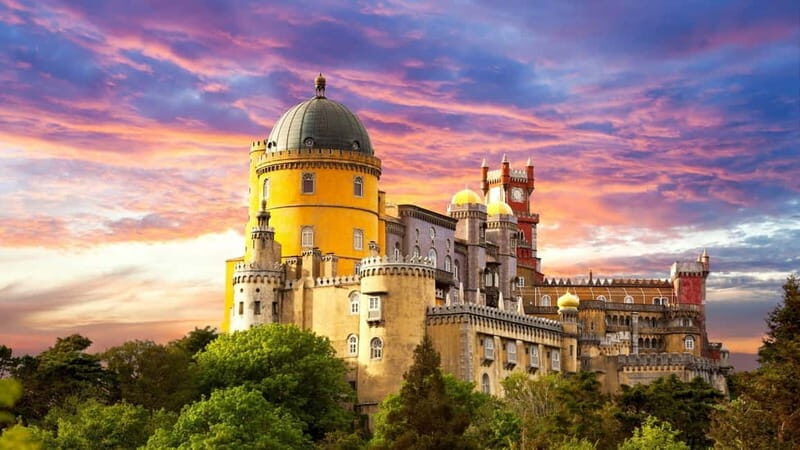
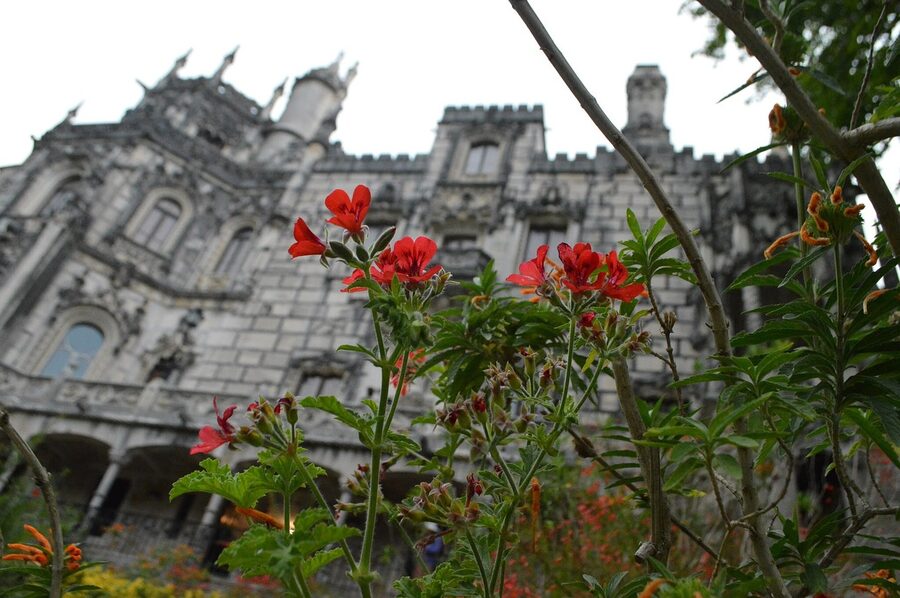
Pena Palace was built in the 1840s by Ferdinand II, the German-born husband of Queen Maria II. He wasn’t trying to copy a real medieval Portuguese palace. He was trying to build something that looked like every romantic-era idea of a palace at once. Moorish horseshoe arches, Manueline carved stone, Gothic towers, Renaissance ceiling work, all stacked on top of each other on a hilltop. The yellow and red exterior, restored in 1996, is what the place looked like in Ferdinand’s time. It faded to a stony grey for most of the 20th century before the heritage authority repainted it.
The point most guides skip: this is one of the earliest examples of romantic architecture in Europe, built decades before the better-known Bavarian and German imitations. Ferdinand was friends with the architects behind King Ludwig’s Bavarian palaces, and the design ideas flowed both ways.
What Your Tour Ticket Actually Includes
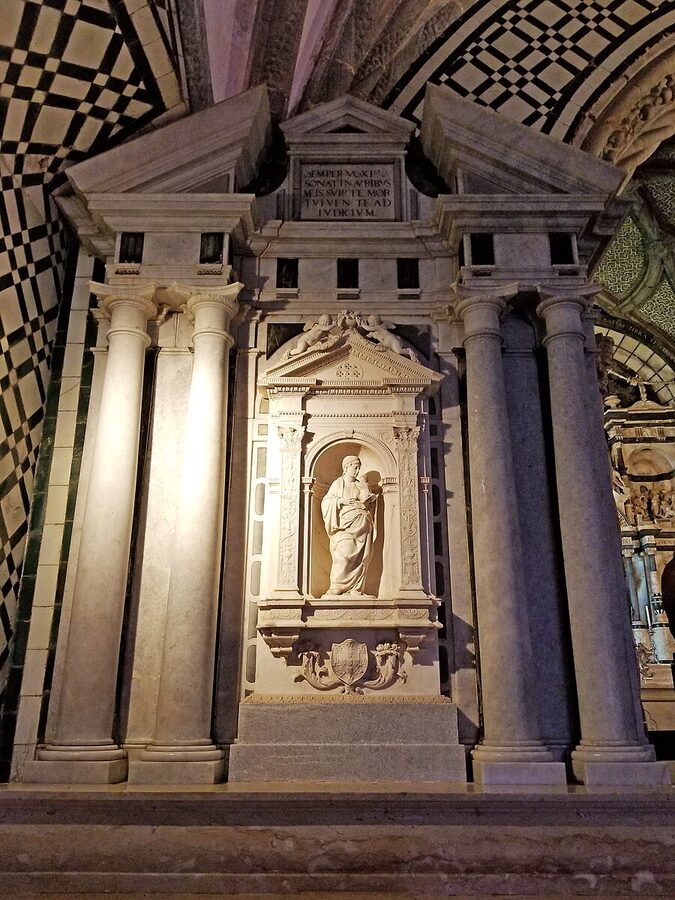
Day trips usually price in the Pena Park entry, but the Pena Palace interior is a separate add-on. Some tours bundle it. Others don’t. Check before you book. The interior covers the state apartments, the chapel, and the cloister, and it’s worth seeing once. The state rooms are kept as they were when the last royal family fled in 1910. Half the appeal is the absurdity of the kitchen copper-pot collection sitting next to a Manueline carved doorway. Our Pena Palace and Park entry-ticket review covers the standalone option for travellers who want to skip the day-trip format entirely and just visit Pena.
The Mist Problem
Sintra sits where Atlantic moisture meets the coastal hills. On a third of summer days and most autumn mornings, the upper hill where Pena sits is wrapped in cloud. The yellow and red towers vanish into white. Sometimes it burns off by 11am. Sometimes it doesn’t. Tour operators don’t refund for weather, and there’s no way to know in advance. If your forecast shows fog, plan for the lower town and the gardens to be your real Sintra experience and treat clear views of Pena as a bonus.
Stop Two: Quinta da Regaleira (If You Have It)
Not every Sintra day trip includes Quinta da Regaleira. The flagship four-stop tour does. The shorter eight-hour ones don’t. If yours doesn’t, you can buy a Regaleira ticket on arrival and skip a different stop, but most operators won’t hold the bus for you. Check what’s included before you book.
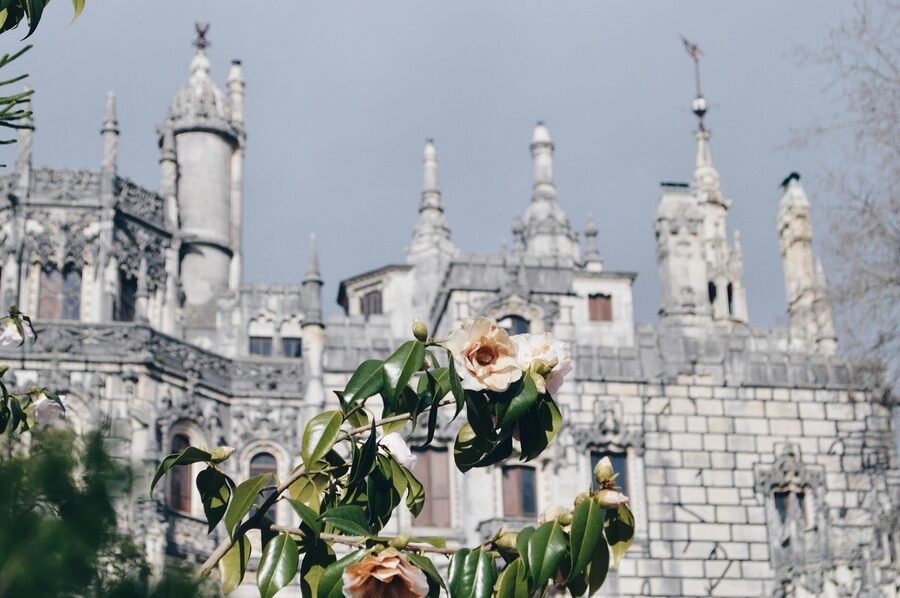
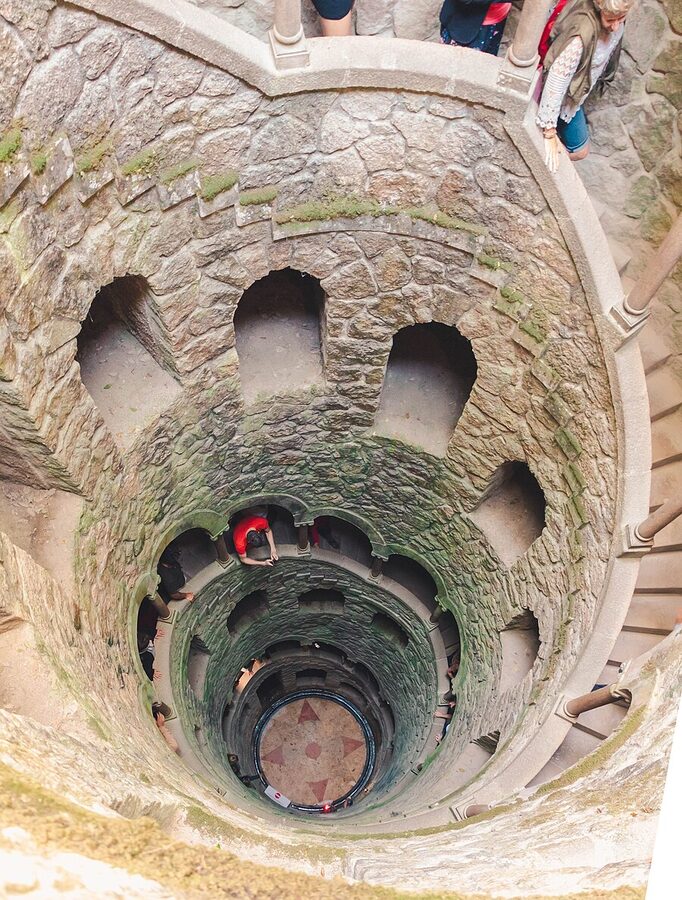
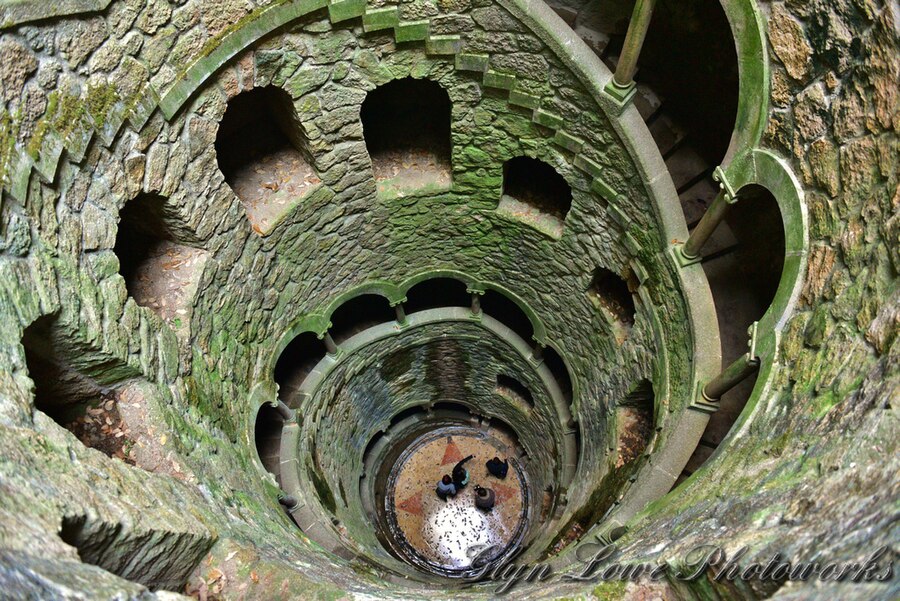
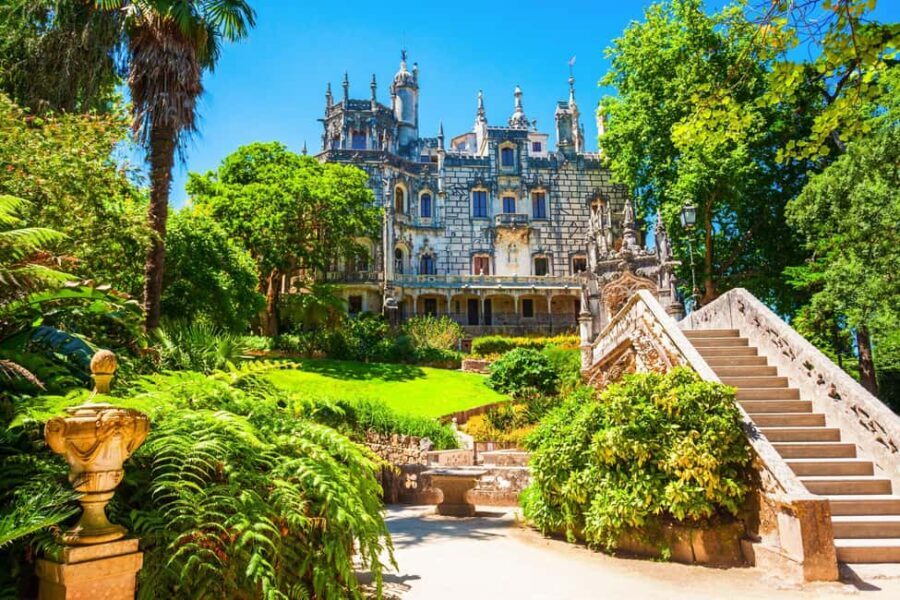
Regaleira is the Sintra everyone posts. The estate is a palace and gardens built around the turn of the 20th century by António Augusto Carvalho Monteiro, a Brazilian-Portuguese coffee and gemstone trader who decided to build a private fantasy world full of Masonic and Templar references. The famous Initiation Well is the centrepiece, a 27-metre spiral staircase descending into a tunnel network. You walk down, you walk through the dark, you come out by a grotto pool. Our Regaleira entry-ticket-with-host review covers what’s actually inside the well system and how long the walk takes once you’re underground.
If you’re trying to decide between the Regaleira variant and a non-Regaleira day trip, here’s how I think about it. The Regaleira-included flagship gets you both major Sintra estates in one day, but you’ll spend less time at each. Skipping Regaleira gives you breathing room at Pena and a longer lunch in Sintra town. Both are valid. If this is your only day in Sintra, I’d bias toward the Regaleira-included version.
Stop Three: Cabo da Roca, Where Land Ends
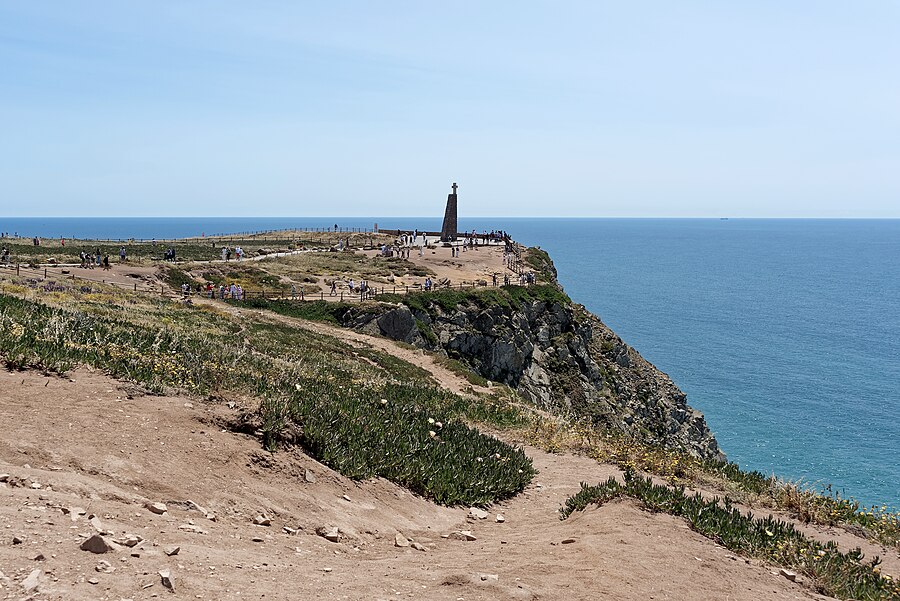
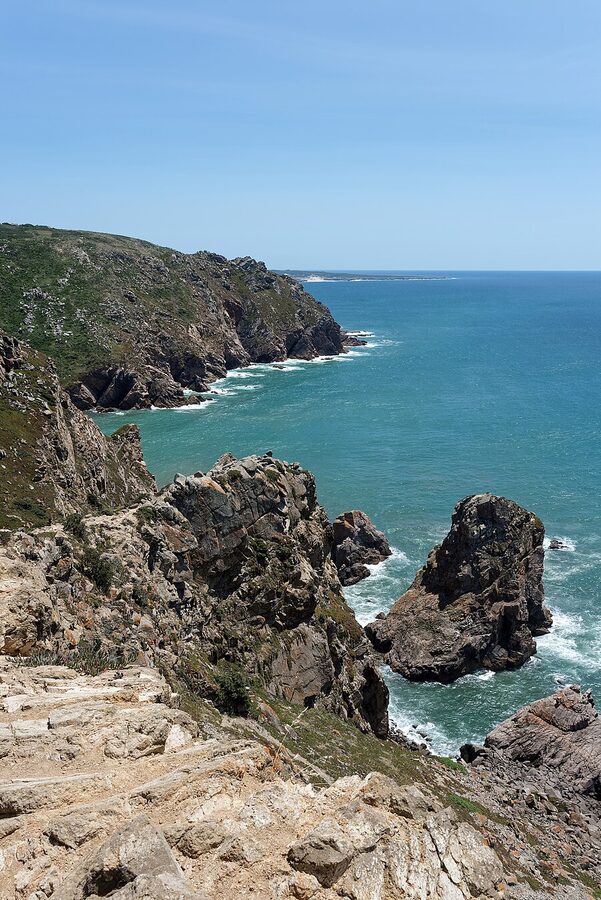
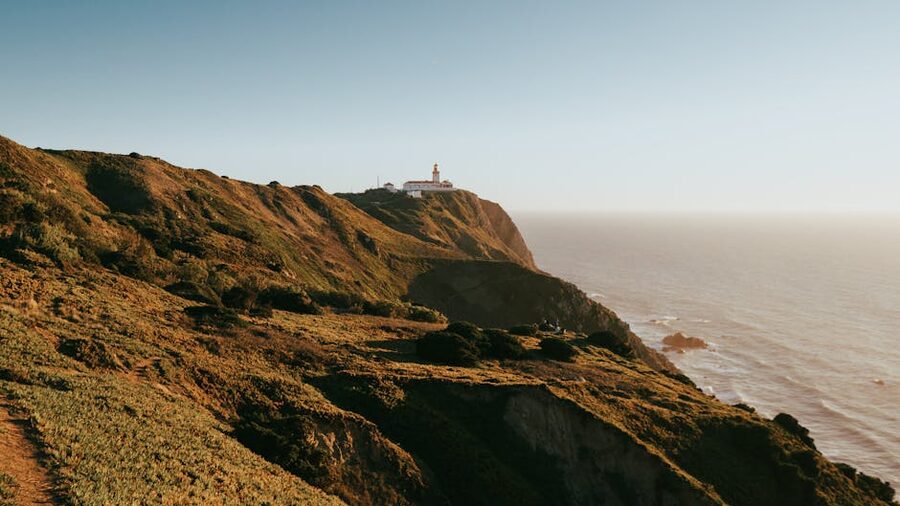
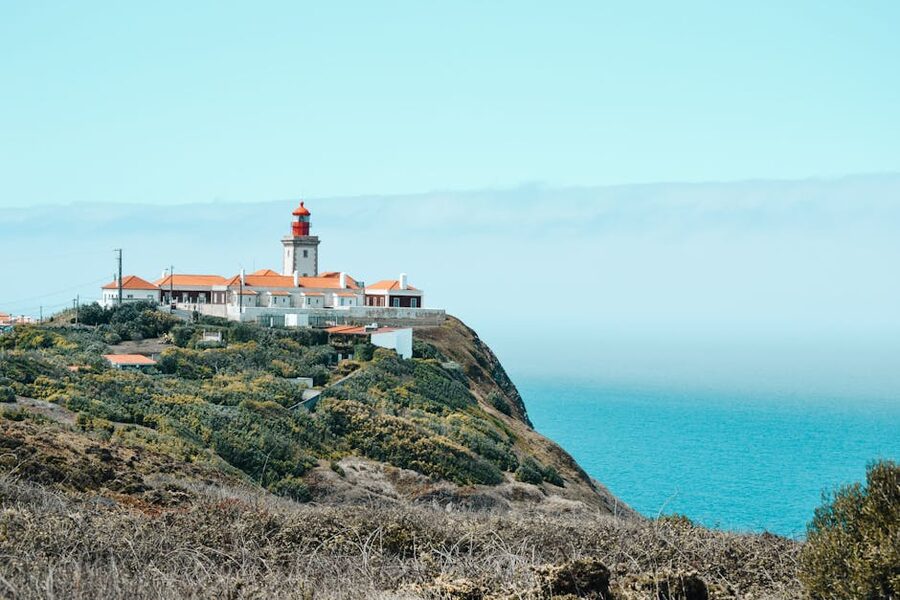
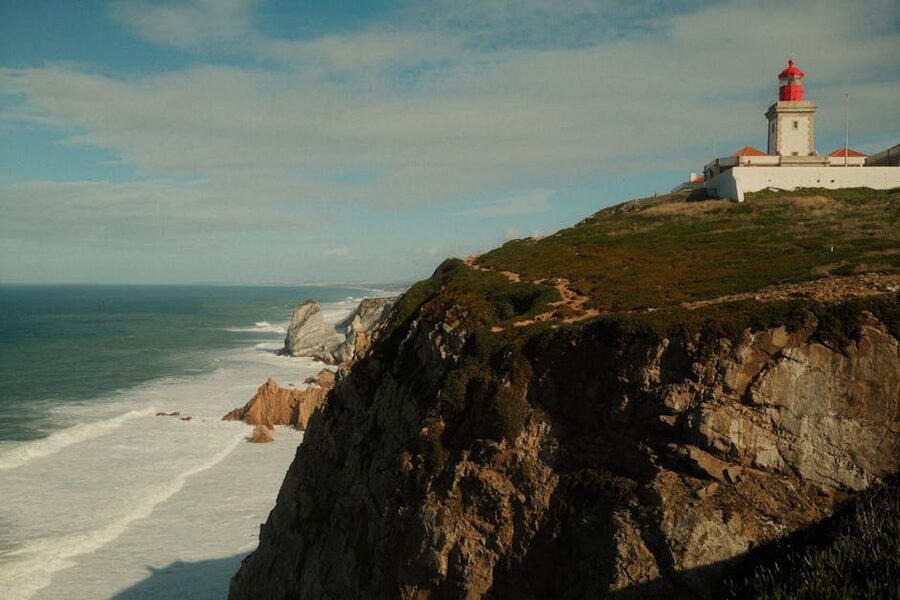
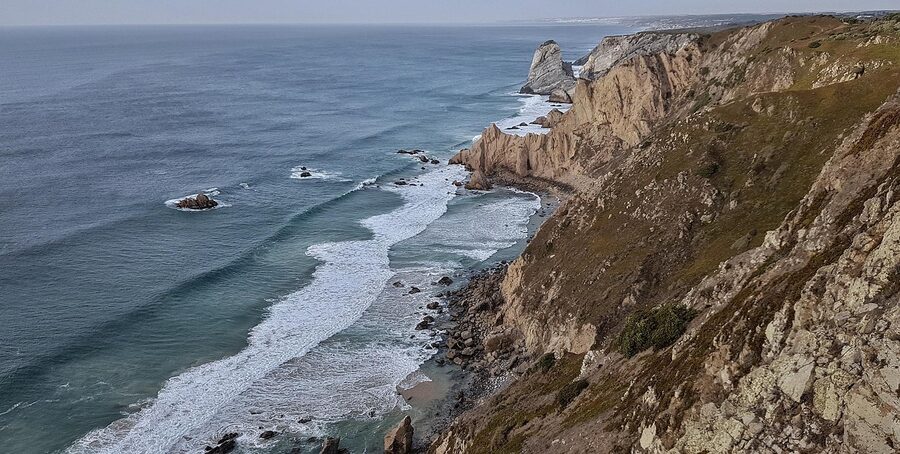
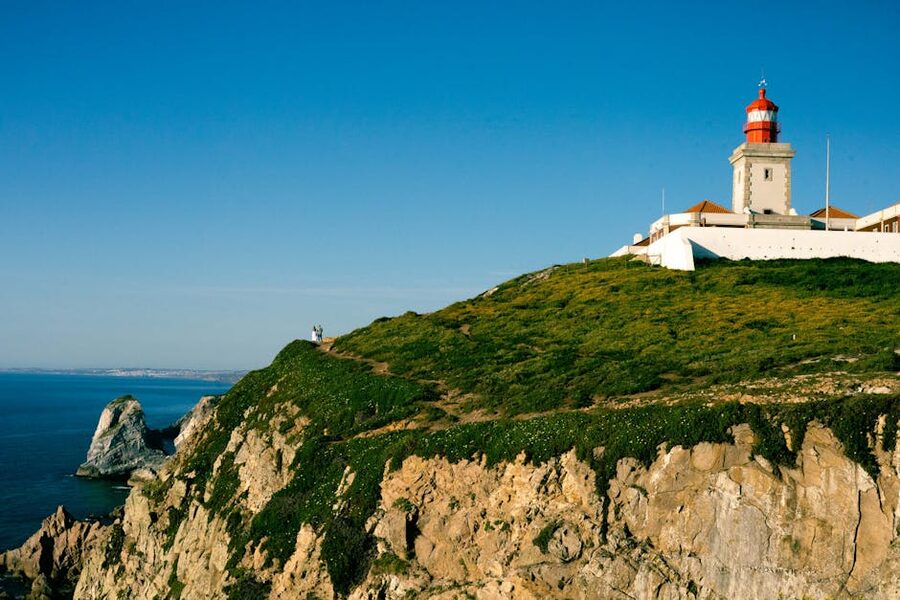
Cabo da Roca is the westernmost point of continental Europe. The cliff drops 140 metres straight to the Atlantic, and the only thing on it is a stone pillar with the inscription Aqui… onde a terra se acaba e o mar começa, the Camões line that translates as here, where the land ends and the sea begins. There’s a lighthouse, a small visitor centre that sells the cape certificate stamped with your name and date for a few euros, and a café. That’s the whole stop.
You get 20 to 30 minutes here on most tours. It’s enough. The experience is the standing on the edge, the wind, the view down to the sea. The certificate is the closest thing this cape has to a souvenir gimmick, and honestly it’s worth the four euros if you like that kind of thing. They’ve been printing them since the 1980s.
Bring a Real Jacket
Cabo da Roca’s wind comes off the Atlantic uninterrupted. Even on warm summer days, the cape can be 5 to 8 degrees cooler than Lisbon and the wind speeds tend to sit between 30 and 50 kilometres an hour. Mid-August at the cape, you can be in shorts and shivering. A thin shell or wind layer in your day pack saves the stop. People who skip this advice end up huddled near the coach door not enjoying the cliff.
The Photography Stops
The monument shot everyone takes is from the south side, with the cape stretching away. Better photos are from the lighthouse path that runs about 200 metres north, where you can frame the lighthouse with the cliffs falling into the sea behind it. The light is harsh at midday, which is when most coaches arrive. If you can choose, the late-afternoon tours that hit Cabo da Roca around 4 or 5pm get the better light.
Stop Four: Cascais, the Royal Beach Town
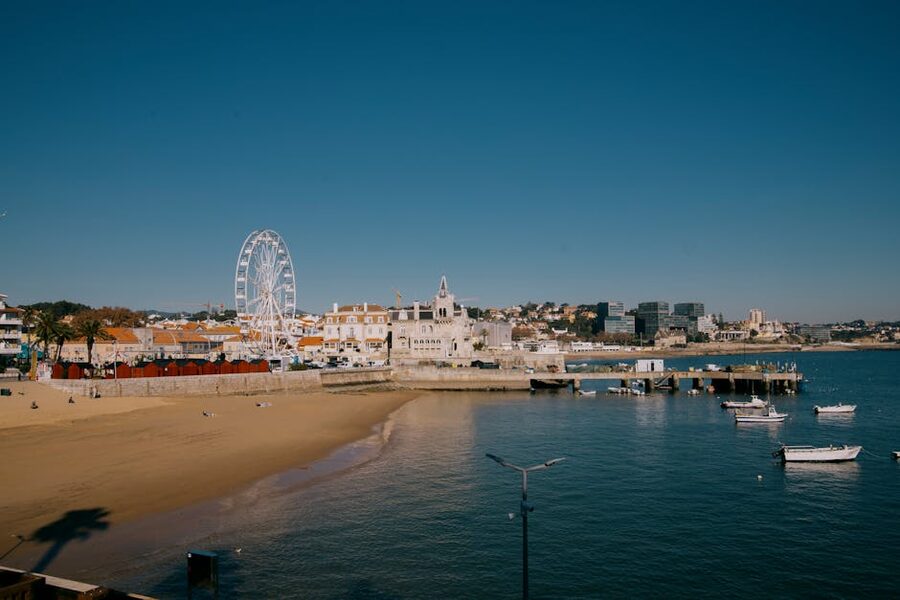
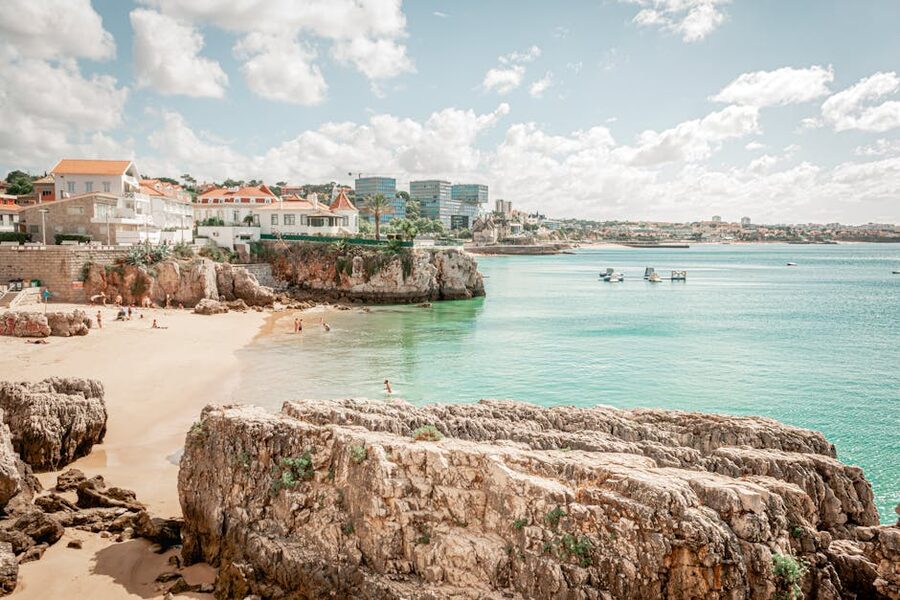
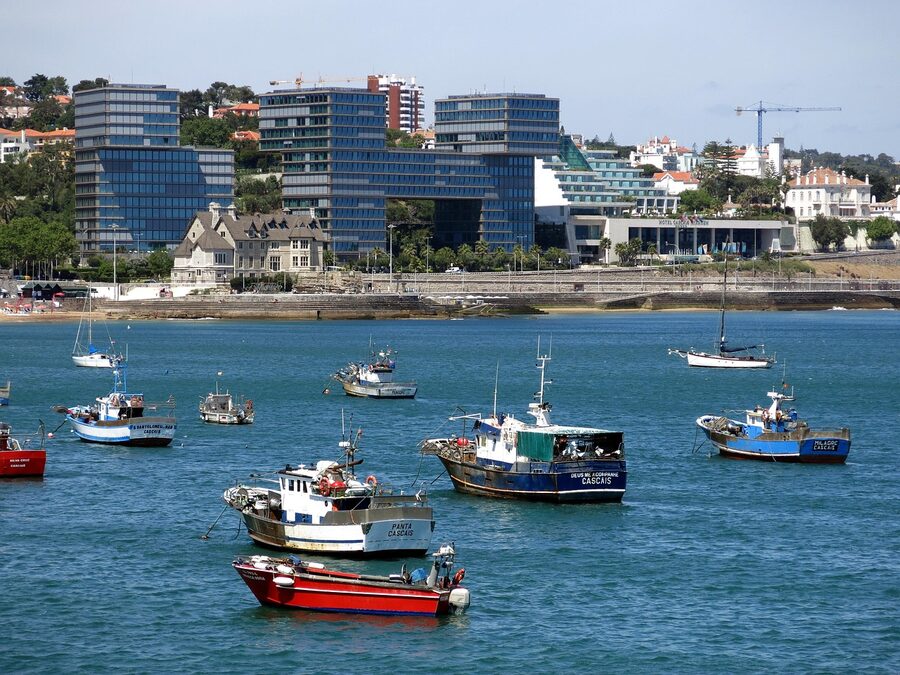
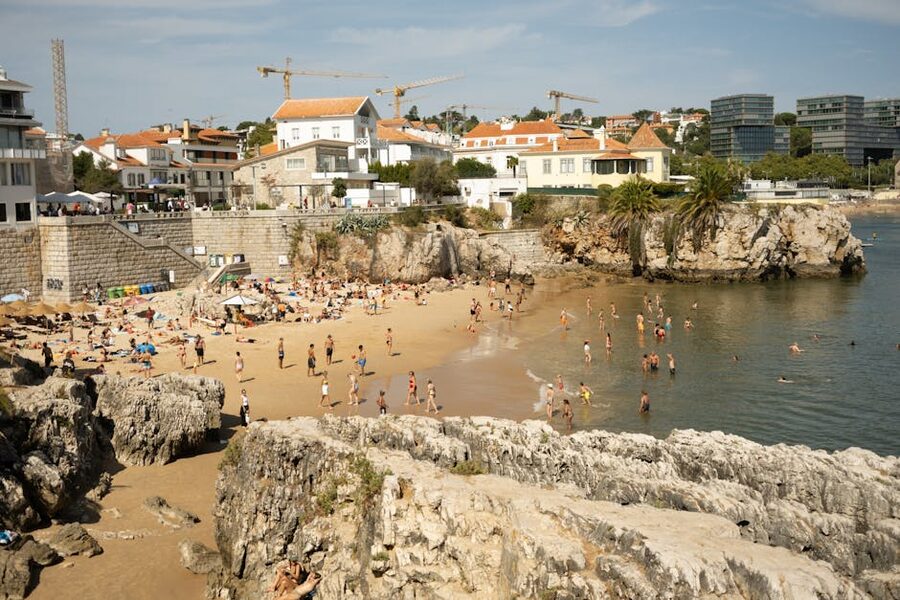
Cascais was a working fishing village until 1870, when King Luís I picked it as the royal family’s summer residence. The aristocracy followed, the railway arrived, and within 30 years Cascais became the upmarket seaside resort it still is today. The old town has cobbled streets and tile-fronted houses. The newer marina is a Mediterranean-style waterfront with restaurants and boats.
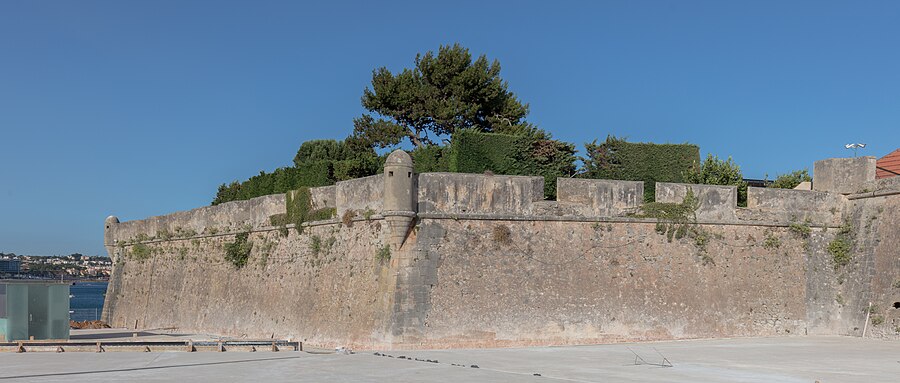
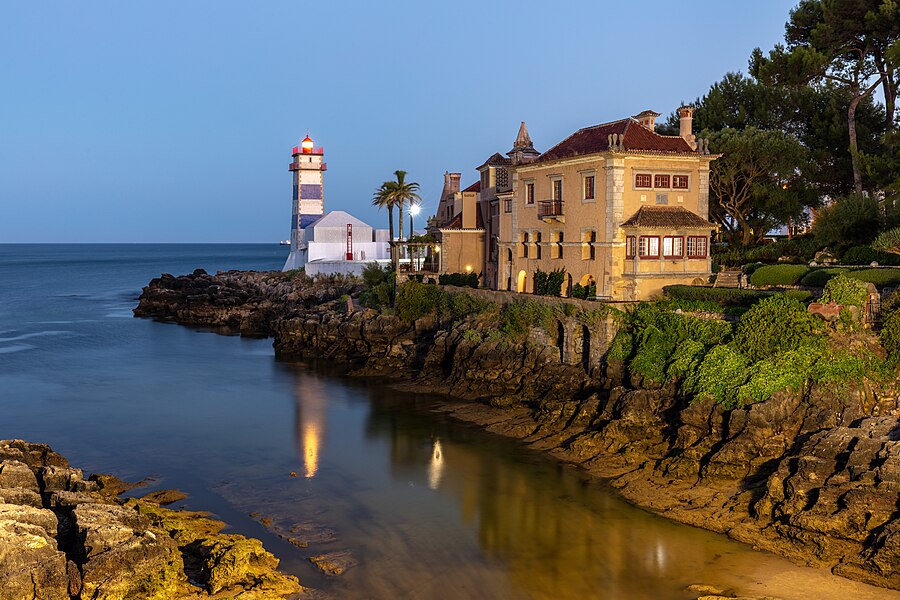
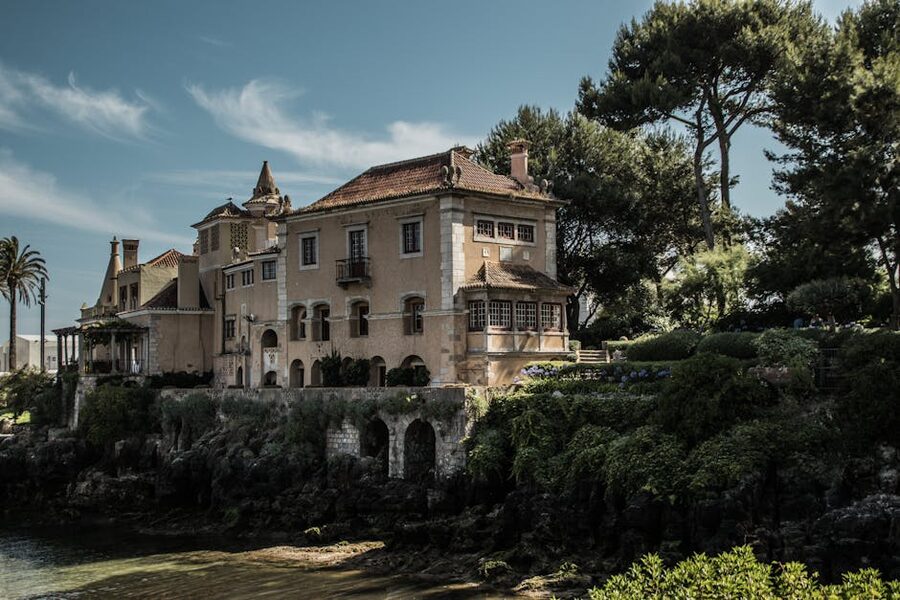
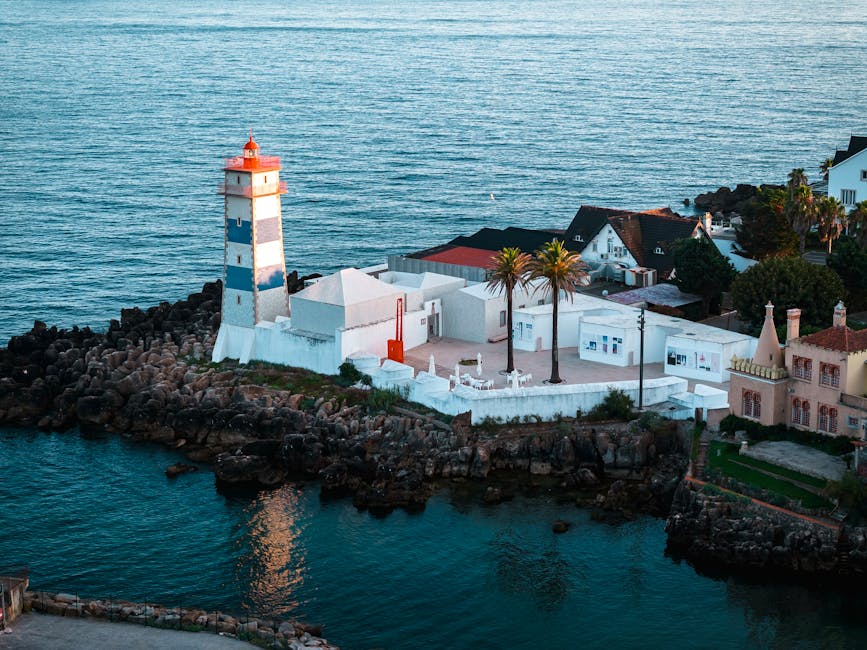
You get 45 to 90 minutes here on most tours. Use it for a coffee at a café in the Largo Camões square, a walk through the old town to the citadel, or a stroll along the small Praia da Ribeira beach if it’s beach weather. The Citadel is now a luxury hotel, the old royal residence is the Casa de Santa Maria, and the Santa Marta lighthouse on the headland is a small museum that’s worth 20 minutes if you have them.
If you only have an hour, walk the headland path from the marina out to Boca do Inferno, a sea-eroded cliff arch about 20 minutes’ walk west of the centre. The path is flat and the views back along the coast to Sintra are some of the best on the day. Most tours skip Boca do Inferno because the schedule is tight, but you can do it on your own if you’re quick.
The Lunch Question
Most coach tours don’t include a sit-down lunch, just a 45-minute stop in Sintra town for sandwiches or a quick plate. By the time you reach Cascais you’re usually well past your normal lunch time. If your tour includes a Cascais stop in the late afternoon, treat it as a late lunch or early dinner. The Mar do Inferno restaurants near Boca do Inferno do simple grilled fish for around €15. The marina restaurants are pricier and tourist-priced. Check the operator’s notes for what is and isn’t included before you assume.
Coach vs Small-Group: Which Format Suits You
Most of the budget Sintra day trips run on full-size coaches, 50 to 60 seats. The price ($23 to $30 typical) reflects this. You’re sharing the day with a busy bus, and the schedule is fixed. You move when the group moves. At Pena Palace this means waiting for the slowest in the group at every shuttle, and at Cascais you’ll have the same rushed 45 minutes everyone else gets.
Small-group tours run with 8 to 12 people in a Mercedes van. Prices double or triple, $60 to $120. What you get for the markup: hotel pickup, more time at fewer stops (often skipping Cabo da Roca to give Pena and Regaleira an extra hour each), and a guide who has time to actually answer your questions instead of doing the same speech to a crowd. The flagship Sintra small-group format is the comparison if you’re weighing this up. The article on how to book a small-group Sintra and Cascais day trip goes deeper on the small-group differences.
Who Each Format Is For
Pick the coach if: it’s your only day in Lisbon, you want all four stops in one go, and you’re comfortable with a structured group day. The standard coach tour we cover here is the cheapest way to do the loop.
Pick small-group if: you’ve got the budget, you want fewer rushed transitions, and you’d rather have two hours at Pena than one. This full-day option is one of the alternatives in the small-group bracket worth comparing.
The Three Day-Trip Picks I’d Actually Book
1. Sintra, Pena, Regaleira, Cabo da Roca and Cascais Full Day: $23

This is the most-booked Sintra day trip on the market and it’s earned the position. You get all four stops plus Quinta da Regaleira, all packed into a single day, at coach-tour pricing. Our full review of the flagship walks through what’s actually included at each stop and how the schedule plays out. It’s the booking I’d make first if you’re doing only one day in Sintra.
2. Sintra, Pena, Cabo da Roca and Cascais with Hotel Pickup: $58
Pick this if you’re staying anywhere in central Lisbon and want to skip the early-morning meeting-point hunt. The price is roughly double the flagship, but the pickup is door-to-door and the group is usually smaller. Our pickup-tour review covers what’s bundled and what isn’t, and it’s worth checking before you book because the inclusions vary.
3. Sintra, Pena, Regaleira, Cabo Roca Coast and Cascais: $23
This is the back-up I reach for when the flagship is sold out. The route is the same four stops plus Regaleira, and our review of this version covers the small differences in pacing and the included Regaleira ticket. The pricing matches the flagship at around $23, so it’s a straight substitute when your dates are tight.
What to Bring
The day covers four micro-climates and a lot of walking, and packing for it is more about layers than gear. Pena Palace days can disappear into mist, Cabo da Roca’s clifftop wind cuts through almost anything thinner than a real shell, and Cascais in summer is shorts weather. Pack for all three.
- Layered clothing. A breathable t-shirt or shirt for Sintra and Cascais, a long-sleeve layer for the wind, and a real shell or windbreaker for the cape. Even in July.
- Walking shoes with grip. The Pena terrace stones are slippery when wet, the Regaleira initiation well steps are damp year-round, and the cape clifftop paths are sandy gravel.
- Water. 750ml minimum. Sintra has water fountains at the palace shuttle stops, but Cabo da Roca only has the small café.
- Sun protection. The cape is bright even when overcast, and the Sintra hilltop has long open sections without shade.
- A small day pack. Coaches don’t always have luggage storage at every stop, so anything you carry, you carry all day.
- Phone with offline maps. If you get separated from your group at a stop (it happens at the bigger coach tours), having Sintra and Cascais downloaded saves you.
What I’d Skip
Tripods aren’t worth bringing for a coach day. There’s no time to set up. A small phone gimbal is enough if you care about steady shots. Heavy guidebooks are dead weight, your tour guide will give you the highlights and the rest is a search away on your phone.
The History Behind the Day
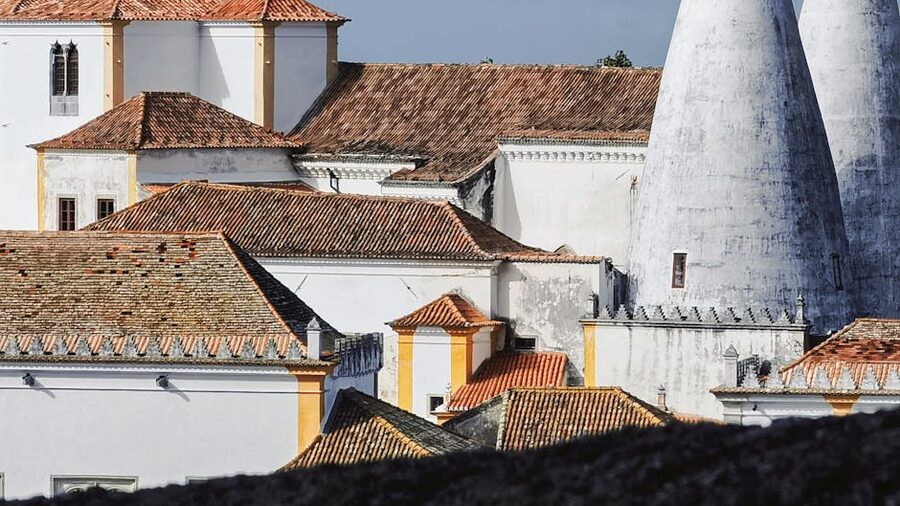
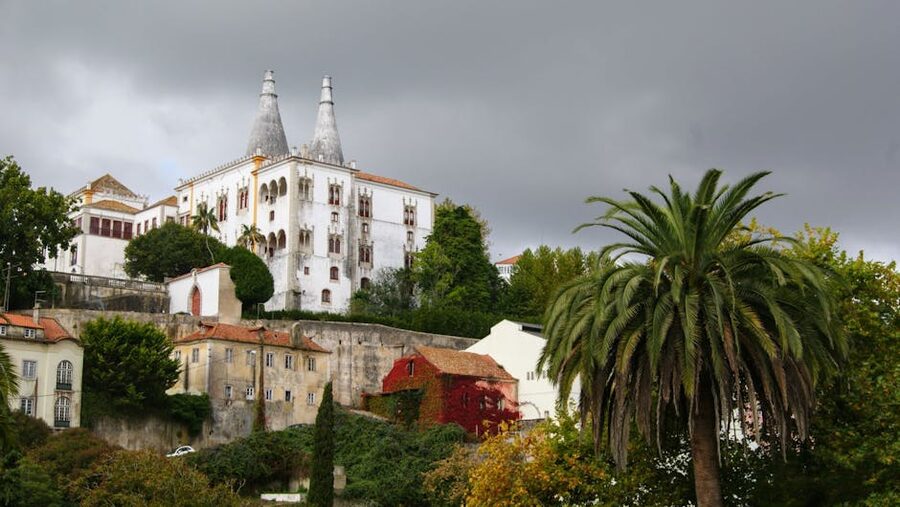
Sintra has been a Portuguese royal retreat since the 12th century, when Afonso Henriques pushed the Moors back to the south. The Moorish castle on the hill above town pre-dates that, built in the 8th or 9th century to protect the trade routes. The Sintra National Palace down in the centre, with its two iconic conical chimneys, was the first royal palace and was inhabited continuously from about 1380 to 1880. So when Ferdinand II built Pena in the 1840s, he was adding to half a millennium of royal building on these hills.
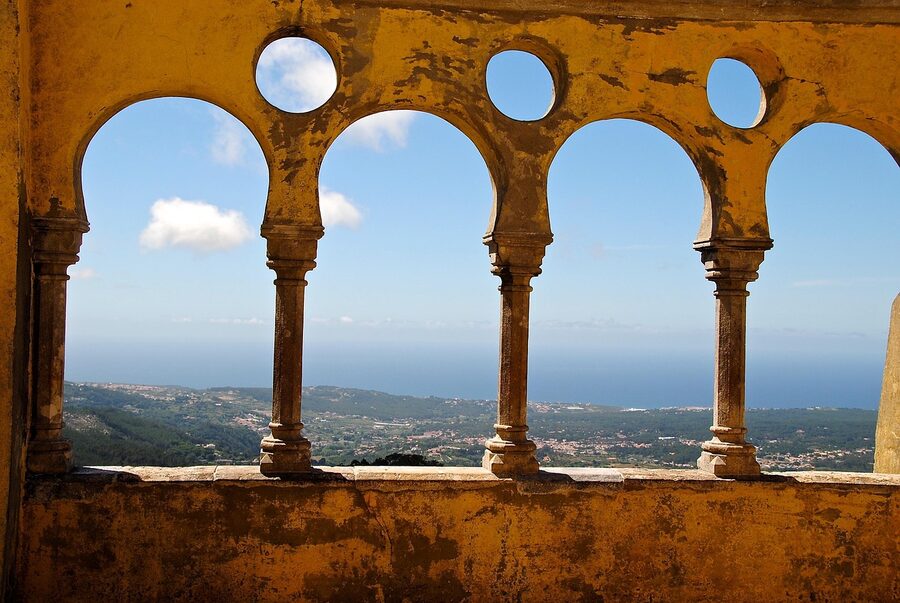
The romanticism that shaped Pena was a 19th-century reaction against industrial-era ugliness. Ferdinand wasn’t unique. Across Europe, kings and aristocrats were building fairytale architecture as a kind of nostalgic protest. What’s interesting about Pena is that it pre-dated most of them. Neuschwanstein in Bavaria, the most famous example, was built 30 years after Pena.
Cabo da Roca’s importance pre-dates the kings. For Roman, then Visigothic, then medieval European geographers, this was the literal end of the world. The Portuguese name Promontorium Magnum shows up in Roman maps. Camões wrote his line about land ending and sea beginning in the 1572 epic poem Os Lusíadas, the foundational text of Portuguese literature, and the cape monument quotes him directly.
Cascais became royal in 1870 because King Luís I had been there as a teenager and remembered swimming. He picked it as a summer residence partly because the Lisbon-to-Cascais railway had just opened, which meant the court could commute. By 1890 every major Portuguese aristocrat had a Cascais villa. Many of those villas are now luxury hotels, the Citadel itself among them.
Photography Stops Along the Day
The four best photo stops on the day, in order of how often they get missed:
- Pena Palace, lower terrace. Most coach tours dump people at the upper entrance and the photo angle from there is a flat exterior shot. Walk back down 50 metres for the lower terrace which gives you the towers framed against the forest.
- Quinta da Regaleira chapel approach. Better than the well shots, which are crowded. The path between the palace and the chapel has a sightline that gets the towers and the chapel in the same frame.
- Cabo da Roca lighthouse path. 200 metres north of the monument, the path drops slightly and you get the lighthouse with the cliffs falling into the sea behind. This is the cape’s signature shot.
- Cascais marina at golden hour. If your tour ends in Cascais after 5pm, the marina light is gold-warm and the boats catch it. The standard tourist shot of the cape and Citadel is from the eastern breakwater.
Common Day-Trip Questions
Can I do this trip myself by train?
Yes, sort of. Lisbon to Sintra by train is 40 minutes, then you take a 434 bus or a tuk-tuk up to Pena. Sintra to Cascais needs a bus or taxi, and Cabo da Roca is hard without a car. Most independent travellers manage Sintra plus one of Cascais or Cabo da Roca, not both. The day-trip coach is the only sensible way to do all four in one day.
Are tickets included?
Pena Park entry is usually included on coach tours. Pena Palace interior is sometimes a separate add-on. Quinta da Regaleira is included only on the variants that explicitly say so. Cabo da Roca and Cascais have no entry fees. Read the inclusions carefully before you book, because the cheapest tours often quote the price without the palace interior.
How long is the actual day?
Eight to nine hours from Lisbon meeting point back to Lisbon drop-off. With the variants that include Quinta da Regaleira, you’re closer to nine and a half. The pickup tours add about 30 to 45 minutes for the door-to-door circuit.
Can I skip a stop?
Yes, but only by staying. If you decide at Cascais that you want to spend the night, the operator will leave without you and you’ll need to take the train back to Lisbon (40 minutes, frequent). Don’t try to bail mid-day at Cabo da Roca or Sintra unless you’ve got transport sorted, because both are awkward to get out of without a car.
Is it worth it if I have only a half-day?
No. Half-day Sintra trips skip Cabo da Roca and Cascais and rush Pena, and you lose the whole point of the day. If you’ve only got half a day, just go to Sintra by train and visit Pena on your own, or pick a different excursion entirely. Same for the day-and-a-half stay-overnight variants.
What to Pair It With
If you’ve got two days in Lisbon, the natural pair to a Sintra day is a Lisbon city walking tour the day before or after. The two trips cover completely different ground. Sintra is about palaces and coastline. Lisbon city is about Alfama, Chiado, and the trams. Our guide on how to book a Lisbon city centre walking tour covers the standard route through Rossio, Chiado, and the Alfama, and our take on the most-booked Lisbon history-and-stories walk goes deeper on the operator pick.
For travellers who want a deeper Pena Palace visit on a separate day, our standalone Pena Palace ticket booking guide covers the entry-only options without the day-trip format.
How This Compares to Other European Day Trips
If you’ve done the Madrid-to-Toledo or Madrid-to-Segovia coach trips, the Sintra format will feel familiar, the same morning-meet, big-coach, four-stop rhythm. The differences are mainly the coastline (Sintra has it, Toledo doesn’t) and the architecture mix (Pena is unique). Travellers comparing across cities sometimes look at how the Madrid-to-Toledo day trip works and the three-city Spanish equivalent, and the Sintra route holds up well against both for variety. The Avila and Segovia route from Madrid is the closest direct comparison for a coach-loop format with a UNESCO site as the anchor.
For Iberian palace lovers, the natural cousin to Pena is the Andalusian palace circuit. The Alhambra in Granada is the obvious one, an actual Moorish-Nasrid palace where Pena’s romantic version got its inspiration. Seville’s Real Alcazar blends Moorish and Christian Mudejar in a way Pena imitates, and the Cordoba Mezquita is the third site in the Andalusian palace family. If you’re flying to Lisbon and adding Spain, the through-line from Pena to the Andalusian originals is one of the more rewarding architectural sequences in Europe. The Greek monastery day trip from Athens, while different in character, runs on the same long-coach format with a clifftop monumental set-piece.
More Portugal Guides
If you’re working through your Lisbon planning, the natural follow-ups are our Pena Palace standalone ticket guide for travellers who want to skip the coach format and just visit Pena on their own, and our small-group Sintra and Cascais day-trip guide if the coach feels too big and you’d rather do it in a Mercedes van. For the city itself, the Lisbon city centre walking tour guide covers the half-day Rossio-Chiado-Alfama route most travellers pair with a Sintra day.