
Do you actually need a hop-on hop-off bus in Valencia, or would a bike do the job better? It’s a fair question, and the answer is unlike most Spanish cities, the bike is genuinely competitive here. Valencia is bigger than Palma but flat as a pancake, and the old riverbed is a 9km traffic-free park that links almost every sight you came for.
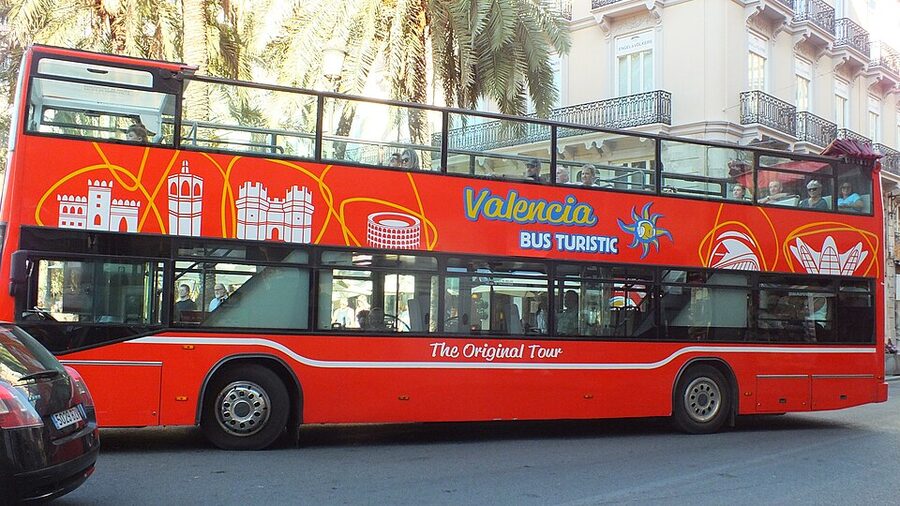
This guide is the version I wish I’d had on my first trip. I’ll lay out where the bus genuinely earns the ticket, where a guided bike tour does the same job better, and which length of pass to actually buy if the red bus is the right call. The City of Arts and Sciences and Bioparc are the two distance-stretching stops, so almost everything turns on if those two are on your list.
- In a Hurry? My Top Picks
- Is the Bus Even the Right Choice Here?
- The Two Routes Explained
- Stops Worth Hopping Off At
- 24-Hour vs 48-Hour: The Maths
- The Audio Quality Question
- The Bike Alternative That Actually Works
- Valenbisi: The DIY Bike Option
- How to Book: The Practical Bit
- My Top Bus Pick (And Two Better Alternatives)
- 1. Valencia: 24 or 48-Hour Hop-on Hop-off Bus Ticket:
- 2. Valencia: City Highlights Guided Bike Tour:
- 3. Valencia: Top 25 Highlights Guided Bike Tour:
- Where the Bus Earns Its Keep: A Quick Summary
- What’s Around the Loop
- Pairing the Bus With Other Valencia Days
- Practical Things Most Guides Skip
- How Valencia Compares to Other HOHO Cities
- More Spain Guides Worth Reading
In a Hurry? My Top Picks
- Valencia 24 or 48-Hour Hop-on Hop-off Bus Ticket: from $31. The flagship Bus Turistic red-bus pass with 17 stops, audio in 10 languages, and the only practical way to chain old town, Bioparc and the City of Arts in one ticket. Check availability.
- Valencia City Highlights Guided Bike Tour: from $26. Three hours through the Turia ex-riverbed park and old town with a local guide. Better than the bus if you want depth and the streets the double-decker physically can’t enter. Check availability.
- Valencia Top 25 Highlights Guided Bike Tour: from $34. A 2.5 to 3-hour ride that adds the Ruzafa neighbourhood and Serranos Towers to the standard route. Pick this one if you want a longer, more thorough lap. Check availability.
Is the Bus Even the Right Choice Here?
Valencia is the third-biggest city in Spain. The historic centre is denser than Palma, but the truly memorable sights spread further than they do in Seville or Madrid. Bioparc sits at the western edge. The City of Arts and Sciences sits 3km south of the cathedral. The beach and Marina Real are 4km east. That sprawl is what gives the bus its case.
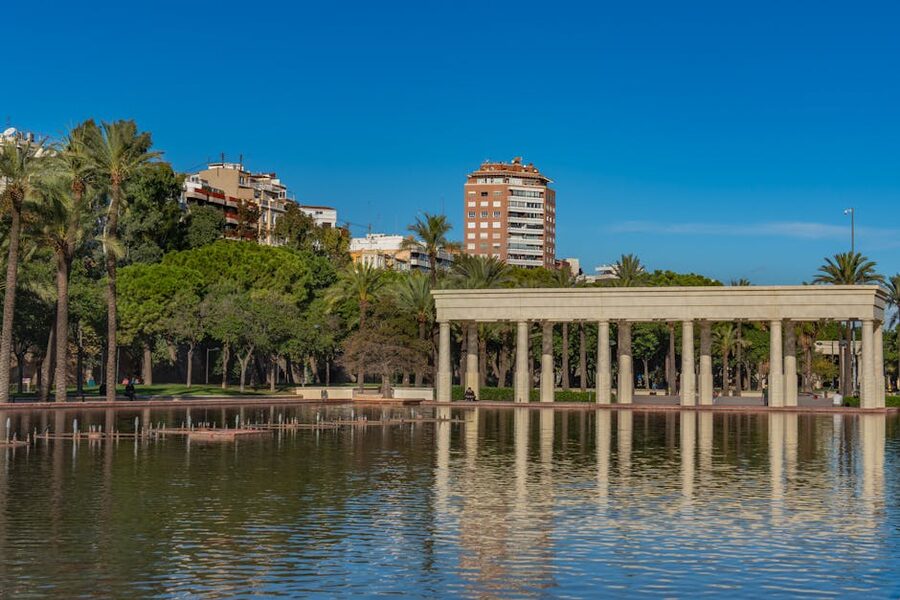
What flips the maths is the Turia. After the 1957 flood the river was diverted south of the city, and the old bed was turned into a long green park that runs west to east through Valencia. So the same line that connects the old town with the City of Arts and Sciences is also a flat, traffic-free bike route. That’s why a guided city highlights bike tour earns serious consideration here in a way it doesn’t in most cities. The Turia does the heavy connective lifting that the bus does elsewhere.
The bus still wins for two profiles. If you’re sceptical of cycling in city traffic. And if Bioparc is on your list, because the bus drops you at the gate while the bike route gets you most of the way and then leaves a 10-minute walk through suburbs.
The Two Routes Explained
Here’s the part most travellers miss before booking. The Valencia Bus Turistic isn’t a single circular route. It’s two separate routes that share a ticket on most passes.
The Historical and Maritime route is the one you’ll actually use. It runs the full 17 stops: from Pintor Sorolla in the old town out to the City of Arts and Sciences, the Oceanogràfic, the Marina Real and the Malvarrosa beach, then back via Mestalla, the Museo de Bellas Artes, Bioparc and the IVAM. A full loop without hopping is roughly two hours.
The Albufera route is a separate add-on. It runs out to the Albufera Natural Park, the rice fields and the lagoon south of the city, with a small boat trip included on the lagoon itself. The Albufera ride only counts as one trip out and back, not a hop-on hop-off loop. Different ticket, different price, different rhythm. Treat it as a half-day excursion rather than part of the city sightseeing.
If your only goal is the city, buy the historical route ticket and skip the Albufera. If you want a half-day in the rice paddies and an Albufera boat trip, look at it as a separate booking, or take a dedicated Albufera eco boat tour at sunset, which I’d argue is a better experience than the daytime bus version anyway.
Stops Worth Hopping Off At
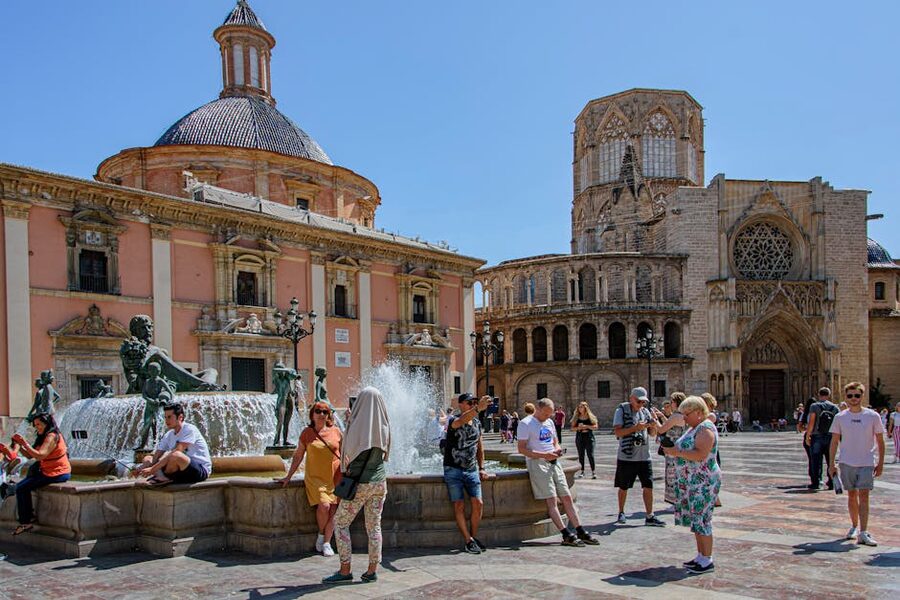
The 17 stops are not equal. Some are useful drop-off points. Others are connector stops you’ll only really use if you’re trying to fill the loop. Here’s how I’d actually use the ticket.
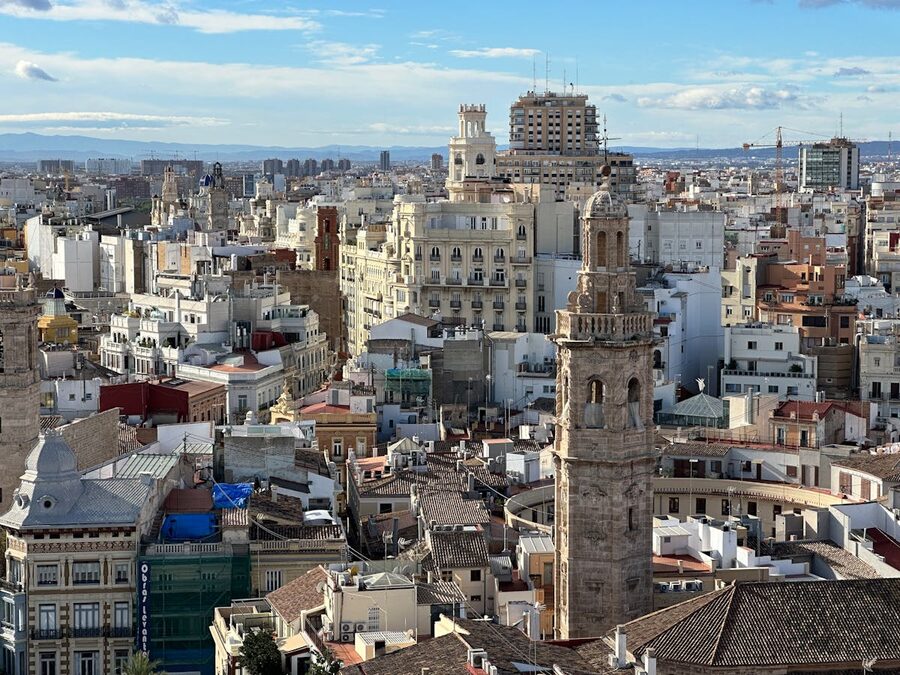
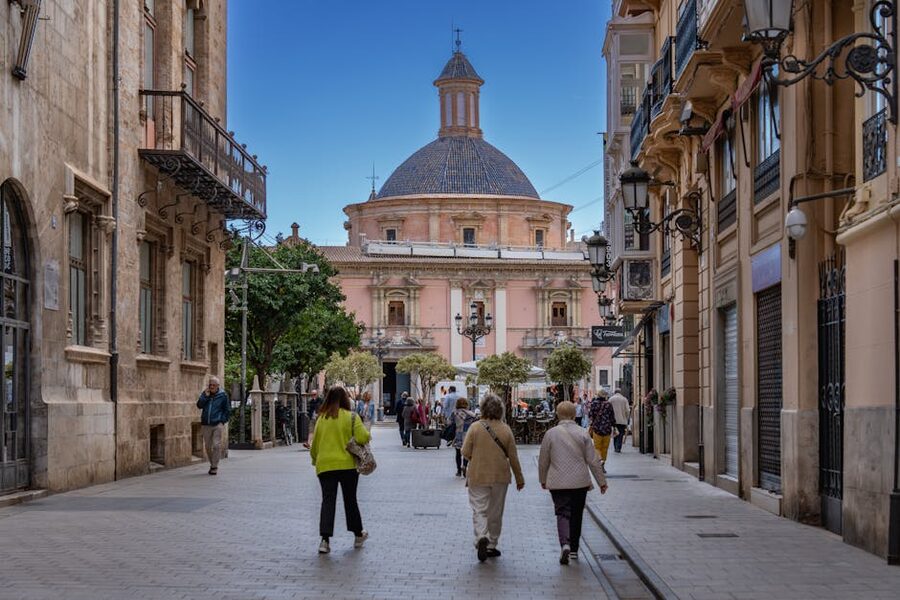
Pintor Sorolla and the cathedral cluster. Pintor Sorolla is the headline starting stop, and the cathedral, the Lonja de la Seda and Plaza de la Virgen are all within a 10-minute walk. So this is one stop, not three, despite what the bus map implies. Get off once and walk it.
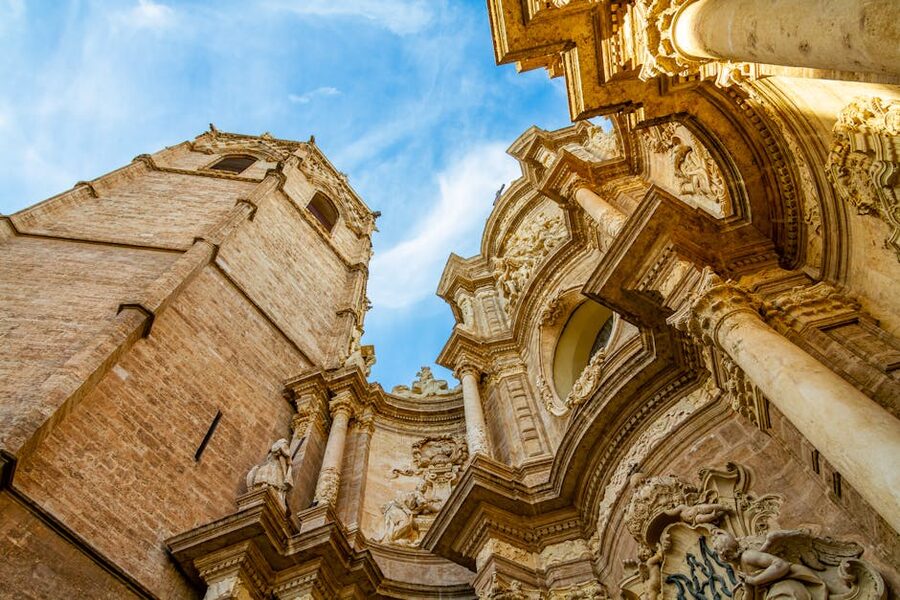
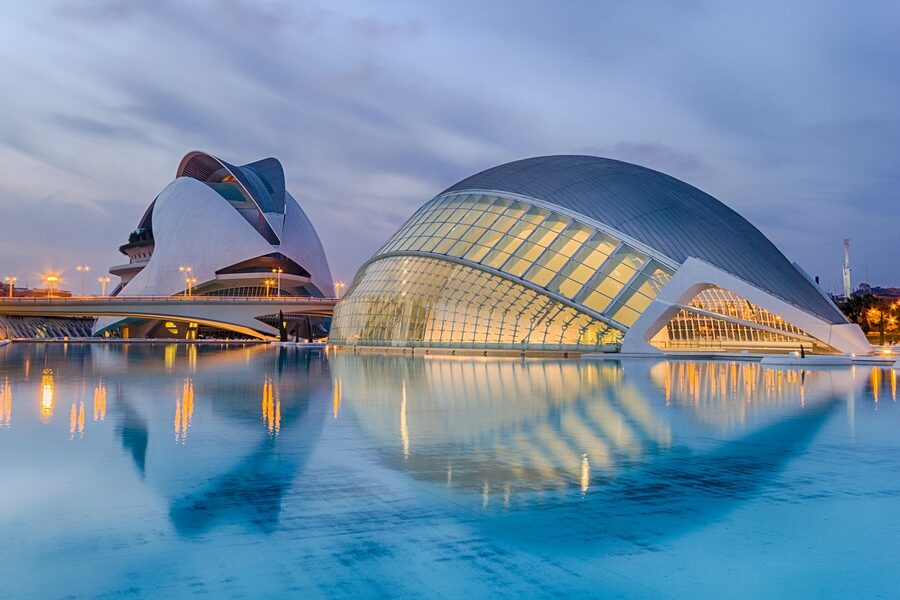
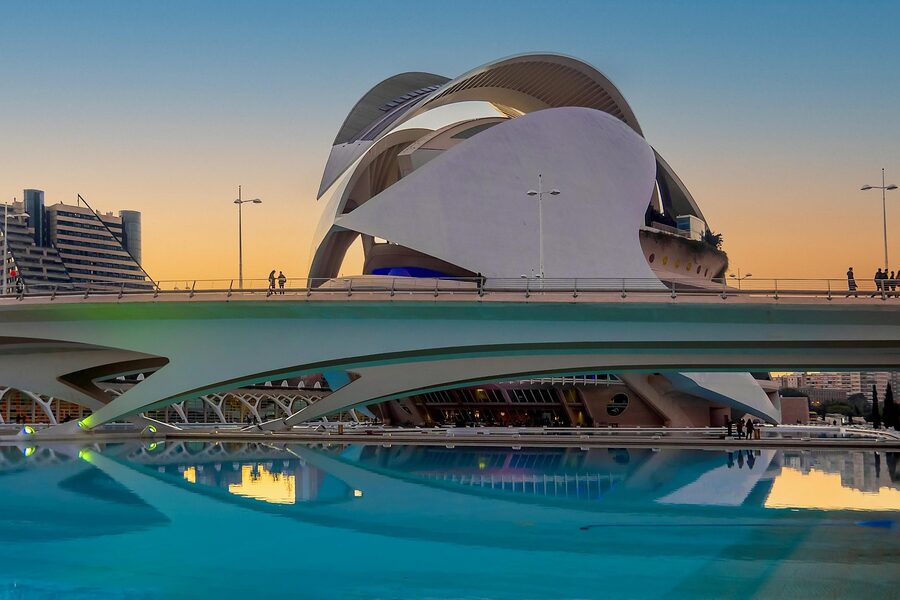
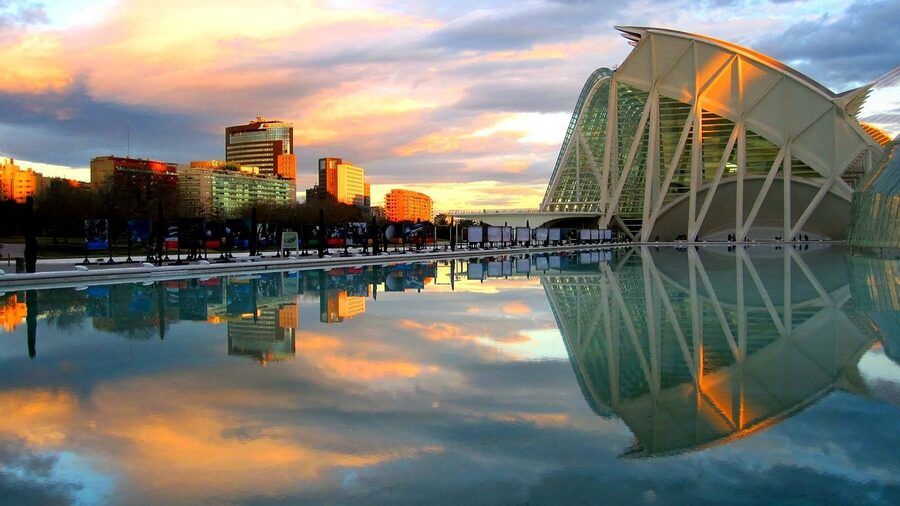
City of Arts and Sciences (the southern terminus). The big one. The bus stop here drops you between the Hemisferic, the Science Museum and the Oceanogràfic. If you only ride the bus once, this is the leg that earns the ticket because it’s a 30-minute walk from the cathedral and the metro stops short. For the science side of things, our Oceanogràfic guide covers the combo tickets and timing.
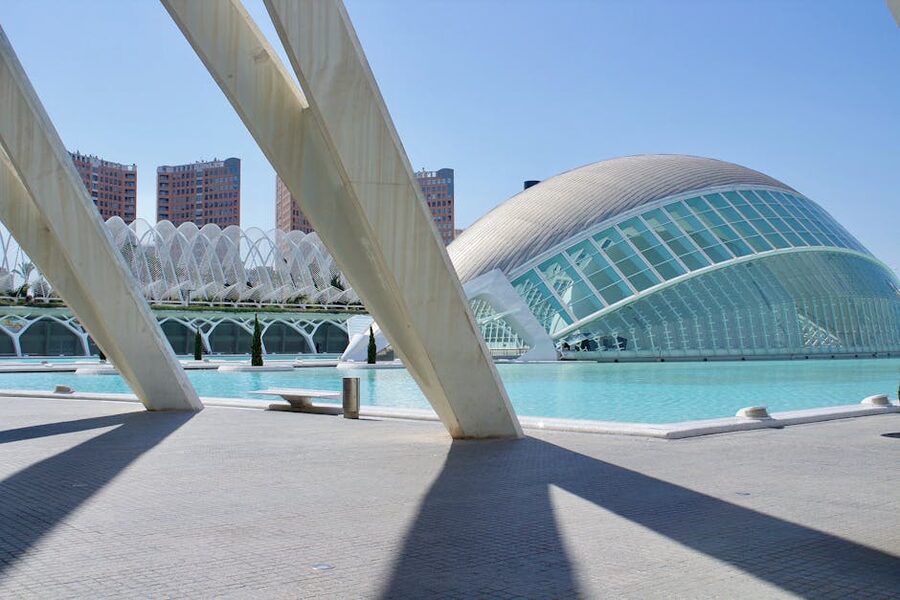
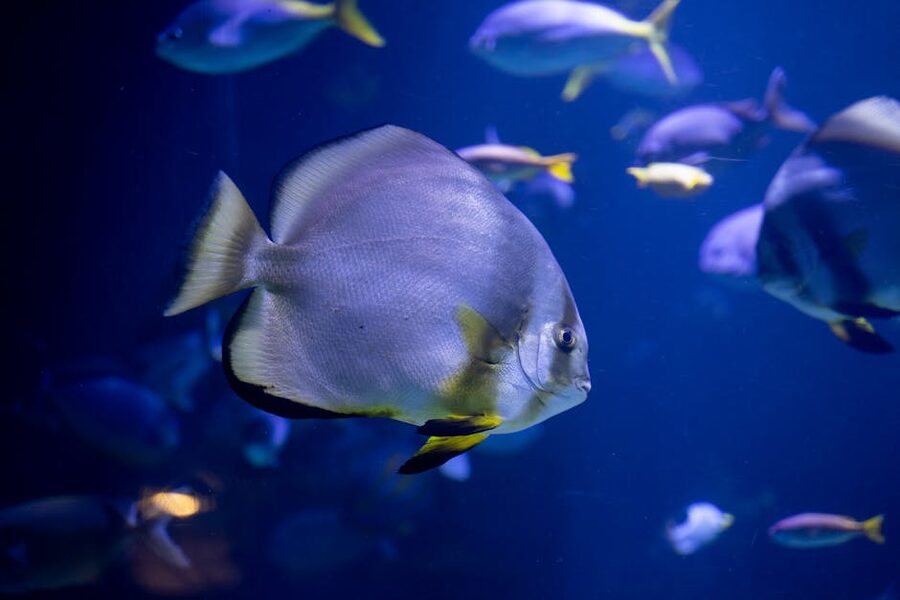
Oceanogràfic. Ten minutes south of the City of Arts cluster, the bus actually saves you time here. Allow three to four hours inside if you’re going in. If you’re not, you can stay on the bus and use the stop as a viewing pass.
Marina Real and Malvarrosa beach. The eastern terminus. The Marina Real is the old America’s Cup site and Malvarrosa is the city beach. Useful if you want lunch by the water on a hot day. The walk between the two is 15 minutes along the seafront.
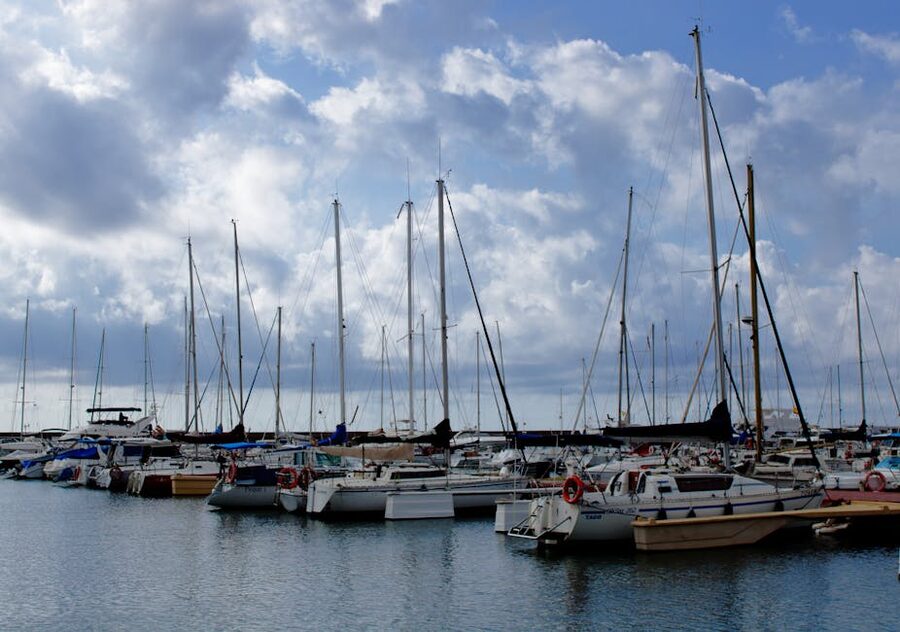
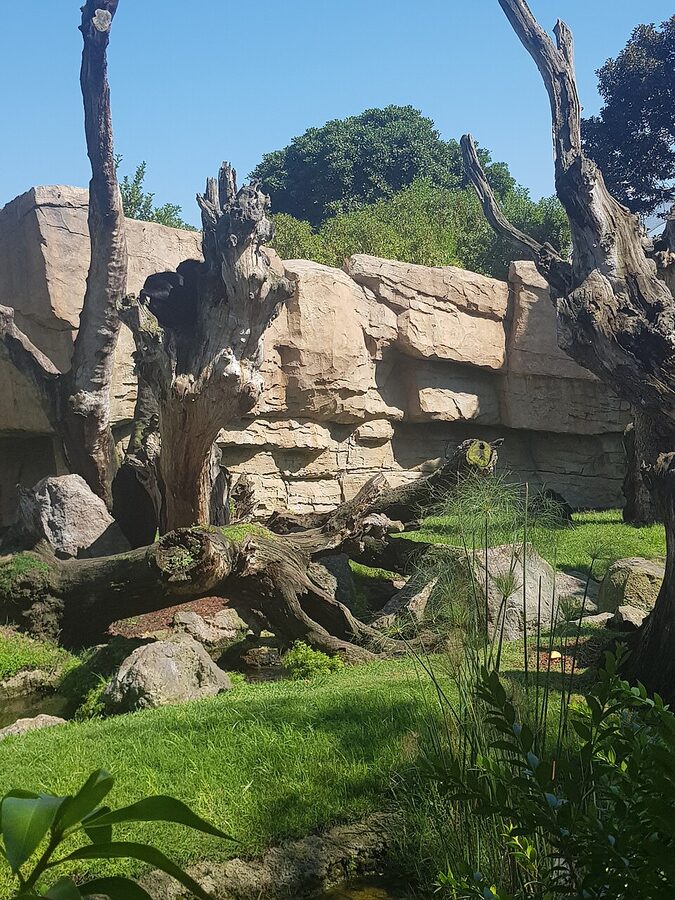
Bioparc. Western terminus. This is the immersive zoo, ranked among the best in Europe, and it’s the other reason the bus earns its keep. From the cathedral it’s a 25-minute walk plus a final stretch through suburban streets, so the bus is a real time-saver. Allow at least three hours inside.
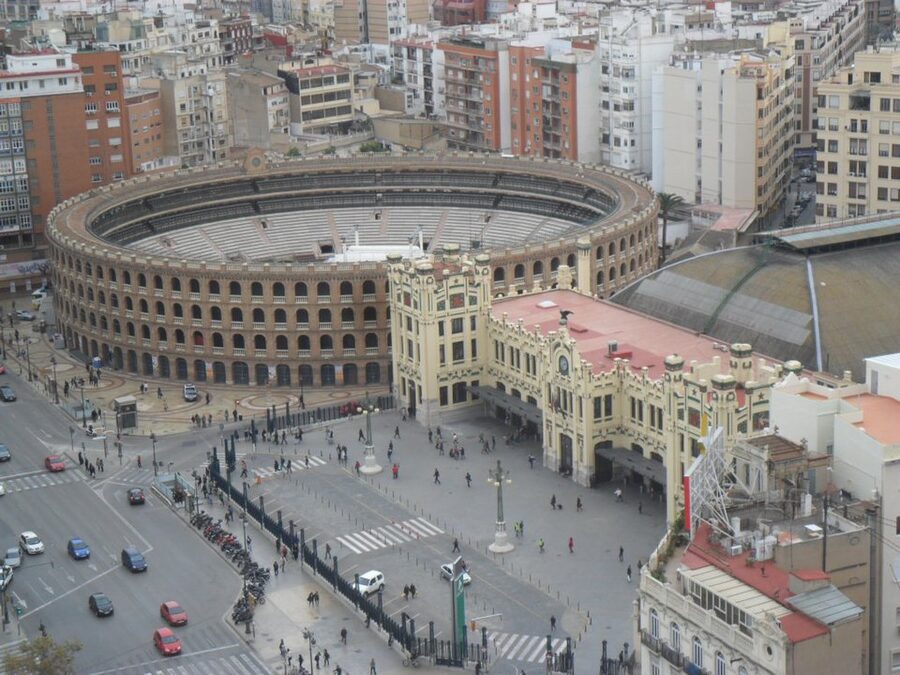
Plaza de Toros and Estación del Norte. One stop, two sights. The bullring and the modernist train station sit side by side. If you’re arriving on a high-speed AVE train from Madrid, you’ll already be here. The bus stop is the easiest connection point if you’re picking up the loop straight from the train.
The other stops (Mestalla, Museo Fallero, IVAM, the Bellas Artes) are connectors more than destinations. Useful if those museums are on your list. Otherwise treat the loop as a four-stop ticket: cathedral cluster, City of Arts, Oceanogràfic-and-beach, Bioparc. That’s the route I’d actually run.
24-Hour vs 48-Hour: The Maths
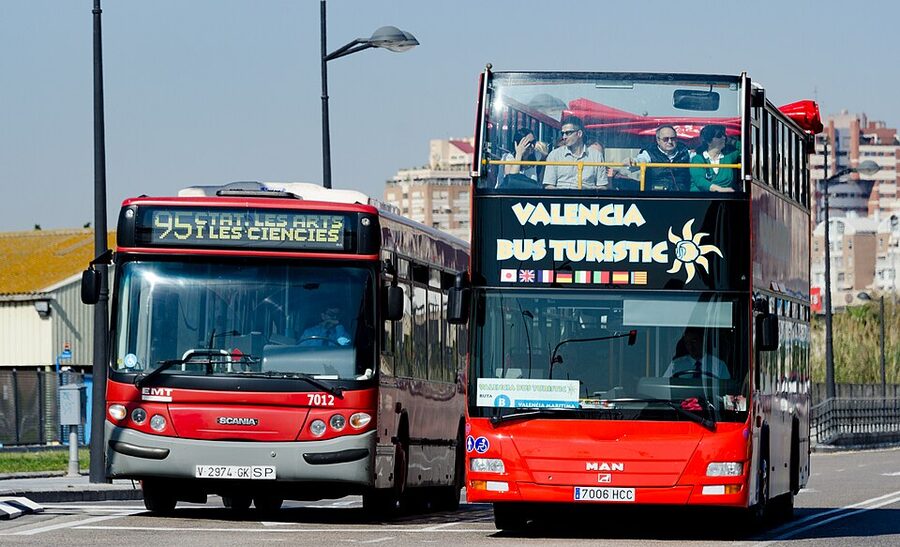
The 24-hour ticket and the 48-hour ticket are priced very close to each other on the official site. So the per-day price on a 48-hour pass looks like a discount. But the question isn’t price-per-day. It’s if you’ll actually use a second day.
The full loop is roughly two hours straight through. With three or four genuine hops (cathedral, City of Arts, Bioparc, beach) you’re looking at a full afternoon, maybe a long one. That fits inside a single day.
The 24-hour pass is the right default for almost everyone. Buy it in the morning, hit the cathedral on foot, ride the bus to the City of Arts, then on to Bioparc, then back via the beach for sunset. That’s a full Valencia day.
The 48-hour upgrade only pays off in two narrow cases. Cruise passengers staying two nights who want to split the City of Arts and Bioparc across two afternoons. And families with kids where pacing is the constraint, not budget. For a typical two to four day Valencia trip, the cheaper ticket wins. Buy the 48 only if you have a clear two-day plan in advance.
The Audio Quality Question
The Bus Turistic audio runs in 10 languages: Spanish, Catalan, English, French, German, Italian, Portuguese, Japanese, Russian and Chinese. The English script is decent but generic. It tells you the cathedral started in 1262, that Calatrava designed the City of Arts, that the Lonja de la Seda is a UNESCO site. It doesn’t go into the kind of detail you’d get from a walking guide.
The bigger weakness is geography. The audio narrates what you see now, but the bus is moving and the GPS-triggered commentary lags by a few seconds. By the time the voice tells you about the Plaza Redonda, the bus is already past it. That’s a small issue on a long stretch, a real one in the dense old town where things flash by quickly.
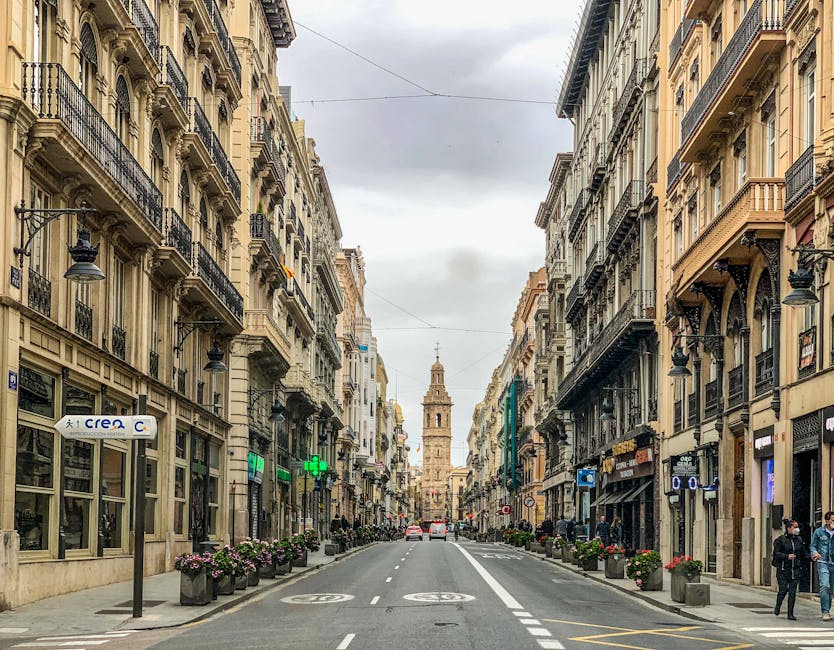
The other variant on offer is a budget option, the cheaper Valencia hop-on hop-off ticket, sometimes sold via a different operator at a lower price. The route and audio are functionally similar, the price slightly lower, and the saving is genuine if you’re flexible on dates. I’d not pay extra for any “premium” audio upgrade if one is offered, the difference is marginal at best.
For real depth, take a proper walking or bike tour and use the bus as transport. That’s the right hierarchy.
The Bike Alternative That Actually Works
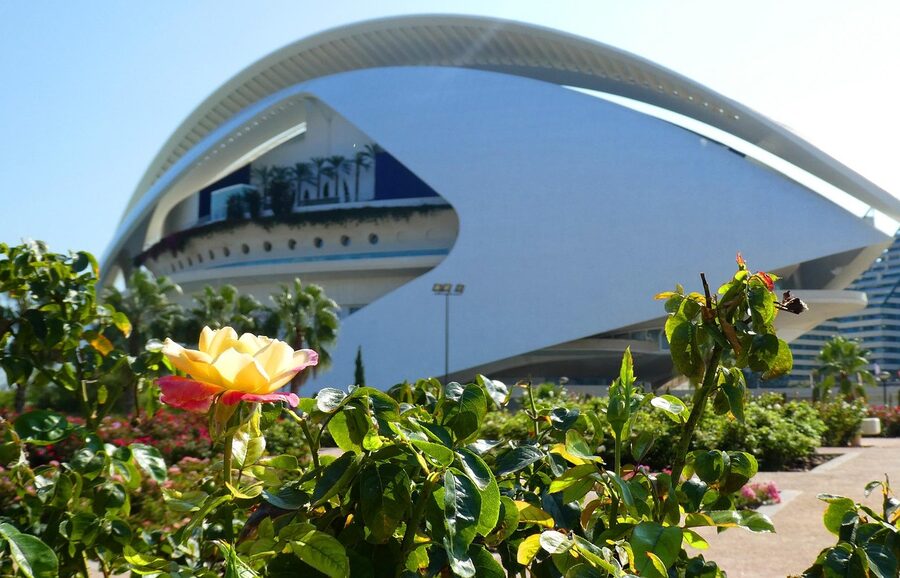
Here’s the part most HOHO articles skip. Valencia is the only major Spanish city where I’d seriously suggest a guided bike tour as the default option, and the reason is the Turia.
The 9km ex-riverbed park has no traffic. It runs west-east through the heart of the city, dipping under the road bridges that crossed the old river. From the Bioparc end it links to the old town in 20 minutes of pedaling. From the old town to the City of Arts and Sciences is another 20. So a single bike route covers more or less the same loop as the bus, plus the lanes the bus can’t enter.
The city highlights guided bike tour is the most-booked version. Three hours, friendly group, covers the cathedral, the Lonja, the Turia stretch and the City of Arts. The pace is slow enough for a non-cyclist. Bikes are decent, helmets included, water provided.
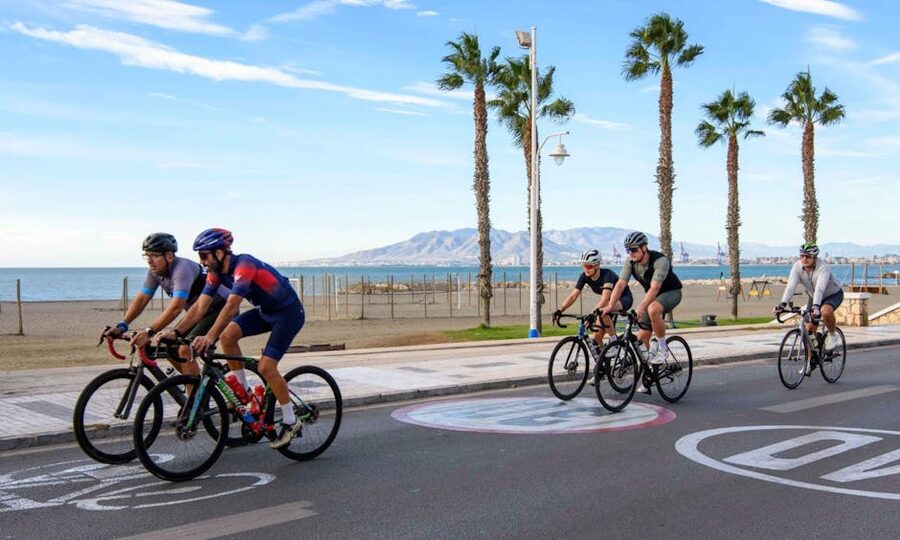
For a more thorough version, the top 25 highlights bike tour runs 2.5 to 3 hours and adds Ruzafa neighbourhood and the Serranos Towers to the standard route. Smaller groups, slightly slower pace, and it covers a few sights the standard tour skips. There’s also a no-frills straight Valencia bike tour that’s the cheapest entry point if budget matters.
The trade-off with bikes is real. Bike tours are guided experiences with set start times, not on-demand transport. So if your day is “be at the cathedral at 11, then City of Arts at 14, then beach for sunset”, the HOHO does that better. If you want depth and old-town texture, take the bike.
Valenbisi: The DIY Bike Option
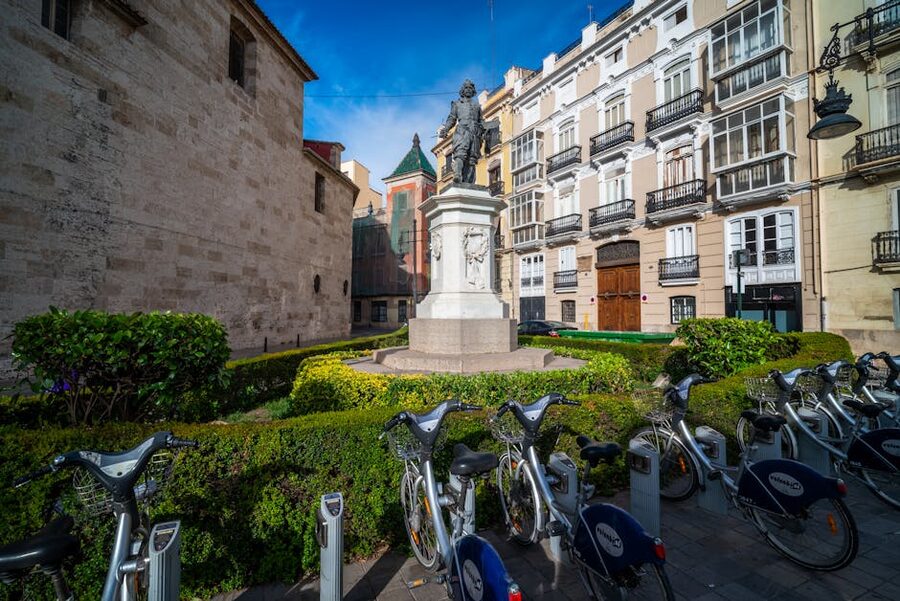
If you don’t want a guided tour but you do want the bike, Valenbisi is the city’s public bike-share network. The seven-day tourist pass costs about €13 and gives you 30 minutes of free riding per trip. There are around 280 stations, including stops near the cathedral, the Turia and the Marina Real. So in practice you can ride from one sight to the next, dock the bike, do the visit, then grab a fresh bike for the next leg.
That’s roughly the same flexibility as a HOHO ticket, with the same hop-on hop-off rhythm, at a fraction of the price. The catch is that you need basic confidence on a bike in a city, the app set-up takes 15 minutes, and at peak times stations near the City of Arts can run empty.
I’d still take a guided bike tour for first-time visitors. Valenbisi is the better fit for travellers who already cycle in their home city and want flexibility on a longer Valencia trip.
How to Book: The Practical Bit
Booking online through GetYourGuide or directly with the bus operator usually saves a few euros over paying on the bus. The voucher arrives on your phone, you scan it on boarding, and you can hop on at any stop. There’s no need to print anything.
The validity window starts when you first board, not when you book. If you buy a 24-hour ticket on Tuesday and don’t board until Wednesday morning, the clock starts Wednesday. Useful if you’re booking before your flight or transfer.
Frequencies run roughly every 20 to 25 minutes in high season, dropping to every 30 to 40 minutes in winter. The first bus is around 9:30 in summer and the last departure is around 19:30 high season, earlier in winter. Worth checking the day’s last bus when you board, especially if you’re planning to ride the loop after a late Bioparc visit.
One small tip from a recent rider. The Pintor Sorolla stop in the old town often has the longest queue at first departure. If you’re not particular about where you board, walk to the next stop or two further along the route and you’ll catch the same bus with less wait. It’s the kind of thing the operator doesn’t advertise, but it consistently shaves time off the start of the day.
My Top Bus Pick (And Two Better Alternatives)
I’ve put three options below. The bus is still the right call for travellers who want one ticket that covers the whole sprawl, especially Bioparc and the City of Arts. The two bike tours are the better fit if you want depth, the lanes the bus can’t reach, and the unique advantage Valencia gives the cyclist.
1. Valencia: 24 or 48-Hour Hop-on Hop-off Bus Ticket: $31
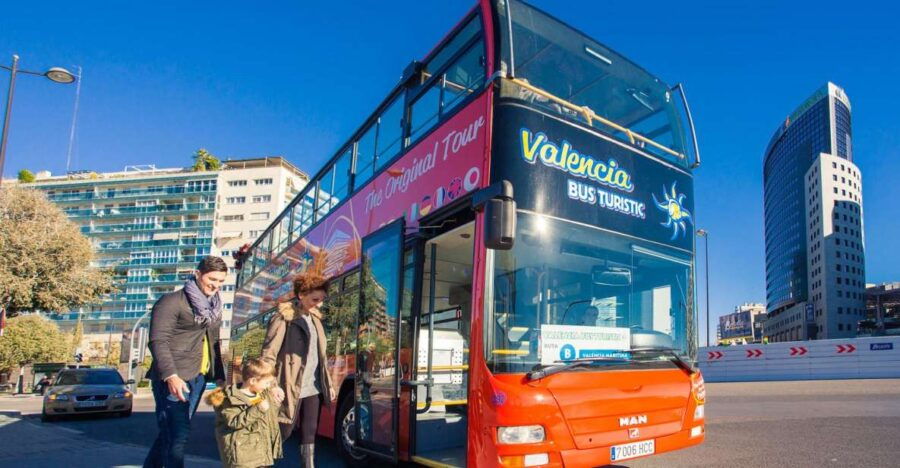
This is the ticket I’d book if you want one tool that handles cruise day, Bioparc and the City of Arts in a single afternoon. The route is well-run and the buses leave at predictable intervals. Our full review walks through every stop with timing and audio notes. Skip the 48-hour upgrade unless you have a clear two-day plan in mind.
2. Valencia: City Highlights Guided Bike Tour: $26
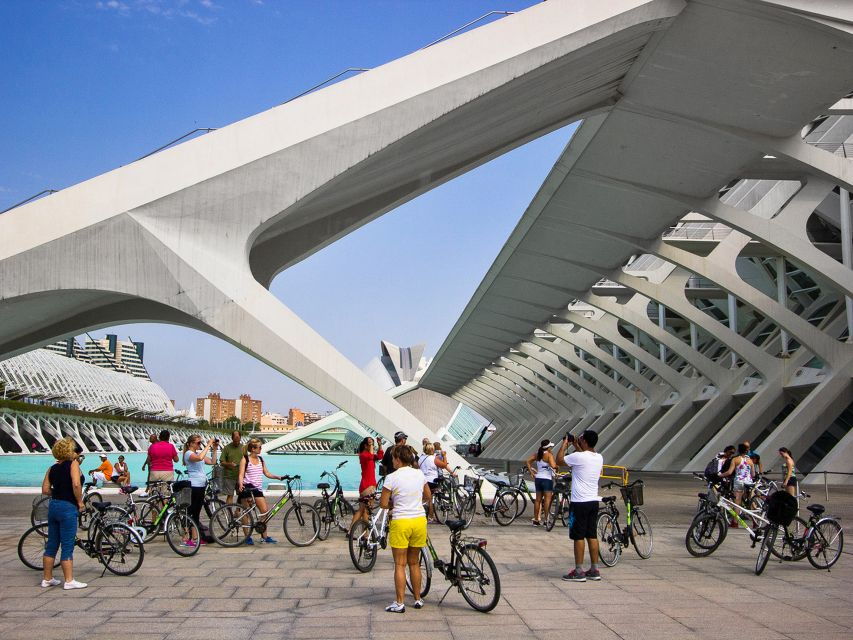
The strongest argument for the bike option is the Turia. The ride links the old town to the City of Arts in a way the bus simply cannot, because the bike rolls right through the park. The guide explains what you’re looking at in real time, which the audio guide can’t match. My full review covers what to expect on the route and how the cycling level compares to a flat city tour.
3. Valencia: Top 25 Highlights Guided Bike Tour: $34
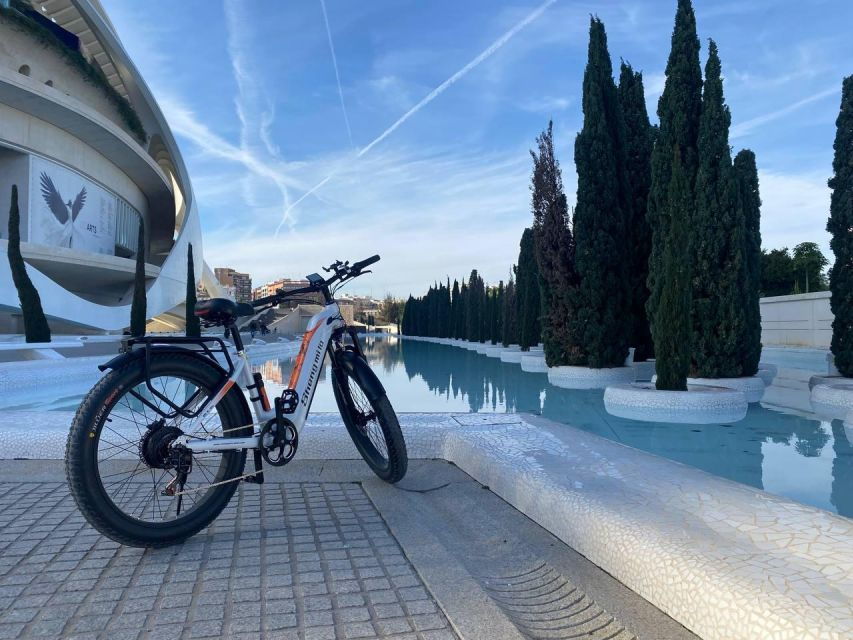
Pick this one over the standard bike tour if you want the longer, more thorough loop. The route adds the Ruzafa neighbourhood, the Torres de Serranos and a few stops the shorter tour skips. Our review goes into the cycling level and where it differs from the standard three-hour version.
Where the Bus Earns Its Keep: A Quick Summary
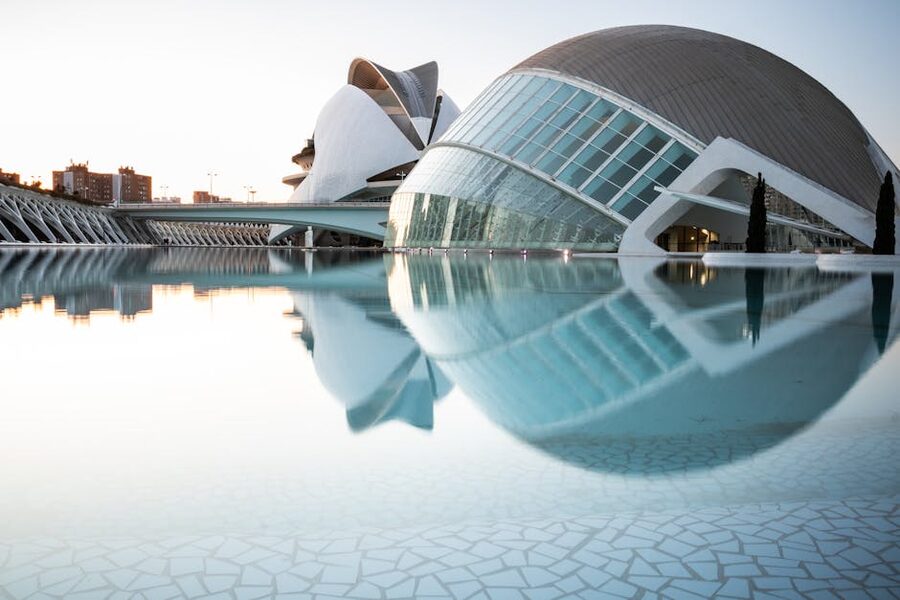
To pull it together. The bus genuinely earns the ticket if you fall into one of these profiles.
You want Bioparc and the City of Arts in the same trip. Both are 25 to 30 minutes’ walk from the cathedral and on opposite sides of the city. The bus connects them in a single loop and saves the equivalent of a hot half-hour walk in each direction.
You’re a cruise passenger. If you’re docking for a single day, the bus stops at the Marina Real and gives you a self-paced loop through the City of Arts, the cathedral and the beach in roughly five hours. That’s faster than booking a shore excursion and cheaper than two taxis.
You’re not comfortable on a bike in a city. Valencia is flat and the Turia is traffic-free, but Mediterranean traffic on the boulevards still feels chaotic if you’re not used to it. The bus is the no-stress alternative.
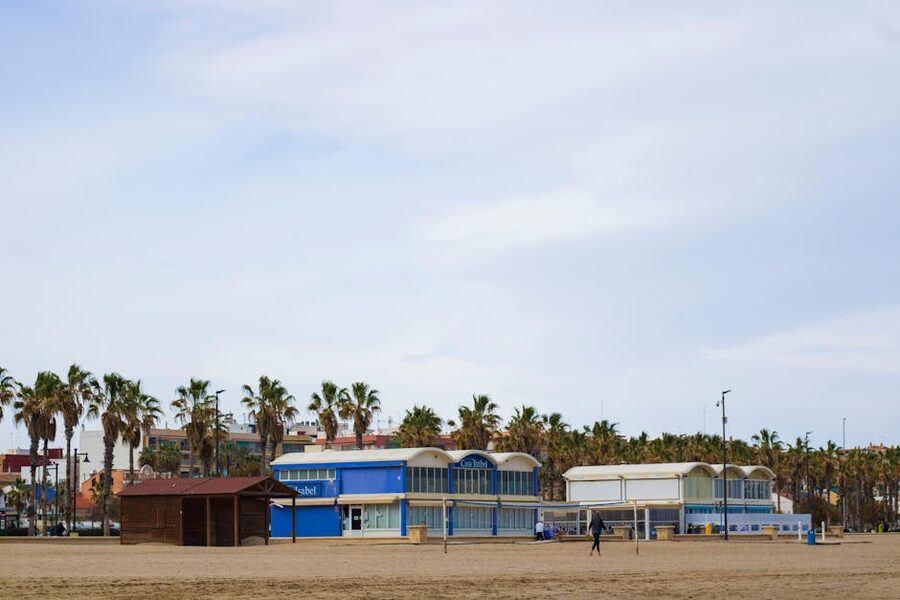
Where the bus is hard to justify. If you’re staying inside the old town and your priorities are the cathedral, the Lonja, the Mercat Central and a bit of tapas-walking. The historic centre is small enough to walk in a single morning. A guided bike tour covers the same ground in three hours with proper context.
What’s Around the Loop
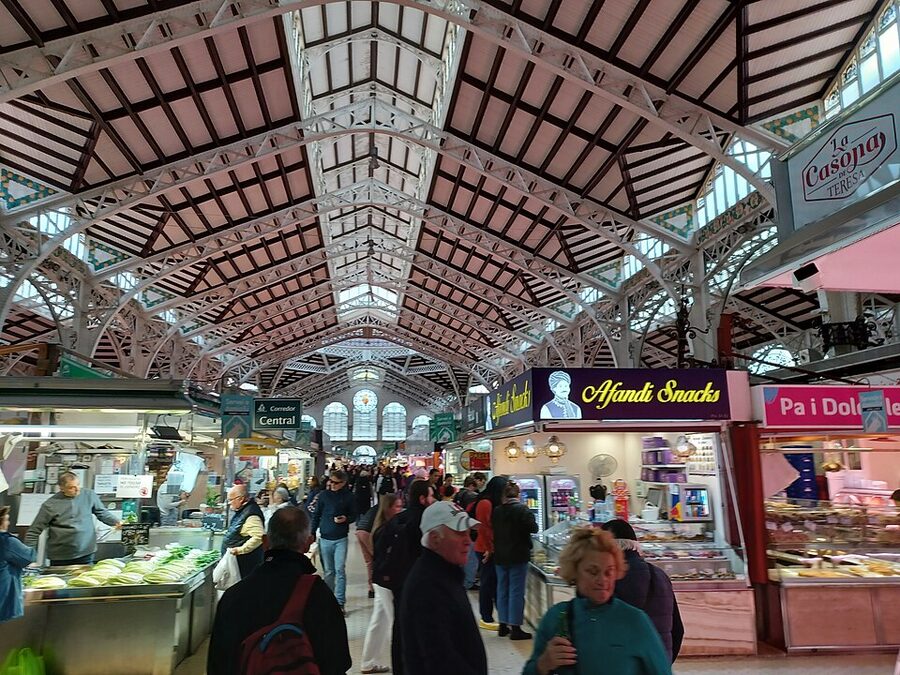
A few sights the bus passes near but doesn’t quite stop at, worth knowing about.
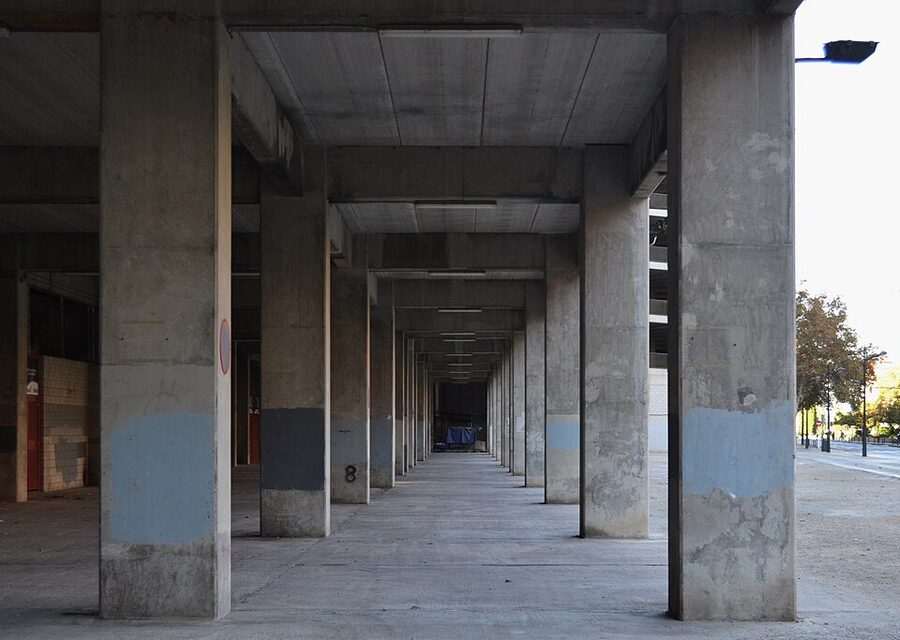
The Mercat Central is a 1928 modernista food market with around 400 stalls. It opens around 7:30 and most stalls shut by 15:00. Best in the morning, before the cruise crowds arrive. The bus stops on the wide boulevards nearby but the entrance itself is a short walk.
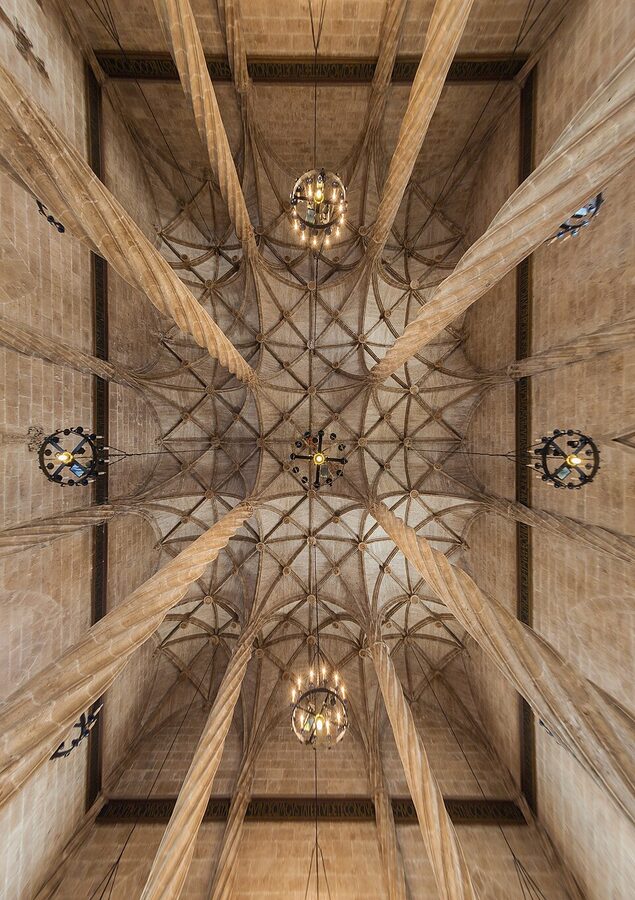
The Lonja de la Seda sits opposite the Mercat. It’s a 15th-century silk exchange, UNESCO-listed, and in my opinion the most underrated sight in Valencia. The Sala de Contratación inside is a vaulted hall held up by twisted columns that look like stretched palm trees. Entry is a few euros, takes 30 minutes, and the bus audio mentions it but the bus doesn’t stop.
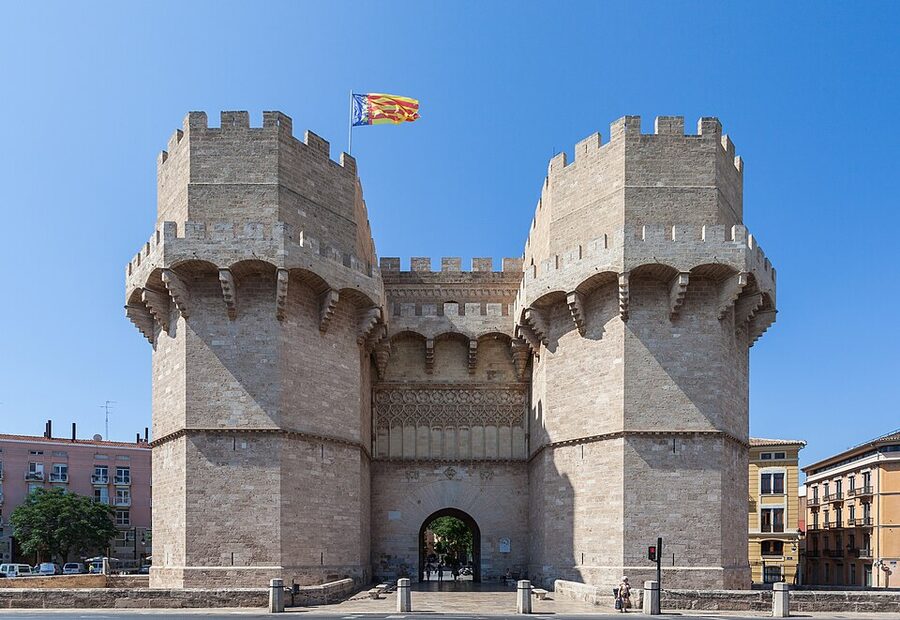
The Torres de Serranos are the medieval city gates at the northern end of the old town. Climb the towers for a free view over the rooftops if you go on a Sunday or holiday. Otherwise it’s a couple of euros and the climb takes ten minutes.
And the Mestalla stadium is a stop on the loop, useful only if you’re a Valencia CF fan. The new Nou Mestalla is supposed to replace it eventually, but the old ground is still the home stadium and the stop puts you outside the entrance for tour days.
Pairing the Bus With Other Valencia Days
If you have three or four days in Valencia, treat the HOHO as a half-day on arrival and structure the rest around it.
Day one with the bus, ending at the City of Arts and Sciences for sunset photos. Day two on foot through the old town, hitting the cathedral, the Lonja, the Mercat Central and the Torres de Serranos. Day three at the Oceanogràfic in the morning and the Marina Real area in the afternoon, ending with a sunset catamaran cruise. Day four for an Albufera excursion or a day trip out of the city.
That gives you four distinct experiences across three or four days. The bus pulls double duty as both transport and a sightseeing tool, which is its real value once you stop pretending it’s a substitute for a walking guide.
Practical Things Most Guides Skip
A handful of small things that change the experience.
Sun and shade. The upper deck has no roof. In July and August, that means sunscreen, a hat and a water bottle. Valencia summer hits 35°C regularly. The lower deck is air-conditioned and a perfectly fine fallback if the heat is brutal, you just lose the views. I rode the loop once at midday in late July without water and learned that lesson the hard way.
Loop direction. The bus runs one way around the city. If your stop is just past where you boarded, you’ll do a near-full lap to get back. So plan accordingly, especially around lunch when timing slips.
Wheelchair access. The lower deck is accessible. The upper deck is stairs only. If you’re travelling with a wheelchair or stroller user, you can still ride, but you give up the open-top experience that’s the main point of the ticket.
Strollers and kids. Most operators allow folded strollers in the luggage area. Kids under five usually ride free, but the policy varies between operators. Check the small print on your specific ticket.
Albufera as a separate trip. If you’re tempted by the Albufera bus, consider whether a dedicated sunset eco boat tour isn’t a better experience for similar money. The Albufera at sunset is genuinely special, the daytime version less so.
How Valencia Compares to Other HOHO Cities
I’ve ridden the HOHO in Barcelona, Madrid, Seville and Palma too, and the geometry of each city changes the answer. Barcelona is the strongest case for a 48-hour upgrade because Sagrada Família, Camp Nou and Park Güell sit in three different directions and a single day isn’t enough to cover them. Seville is the opposite extreme, the medieval centre is so dense the bus has to detour wide and the value drops sharply.
Palma sits closer to Valencia in spirit, but with one big difference. In Palma the bus exists almost entirely to get you to Bellver Castle. In Valencia, the bus has multiple genuine destinations along the loop, and competes with a serious bike alternative the others don’t have. The Madrid panoramic city tour is a one-shot version that’s easier to compare to a single Valencia day than to the full HOHO experience.
The unique Valencia variable is the Turia. No other Spanish HOHO city has a 9km traffic-free park threading through the centre. That single feature shifts the bus-vs-bike calculus more than people expect.
More Spain Guides Worth Reading
If you’re chaining Valencia with the rest of Spain, our Seville hop-on hop-off guide is the closest comparison for a compact-centre debate, and the Barcelona equivalent is the case where a longer pass actually pays off. Once you’re settled in Valencia itself, the sunset catamaran cruise is the natural follow-up to a Marina Real bus stop, and the Caves of Hams is one to slot into a longer Mediterranean trip if you’re island-hopping after.