
My friend Sara flew into Málaga expecting Seville. She’d been promised flamenco by a Spanish coworker, pictured a tiered tablao with red curtains, and walked into a converted shop on Calle Vélez Málaga that fit maybe ninety people. Two cañas in, a guitarist sat down a metre from her knees and started warming up. By the third palo she’d stopped checking her phone for the rest of the trip.
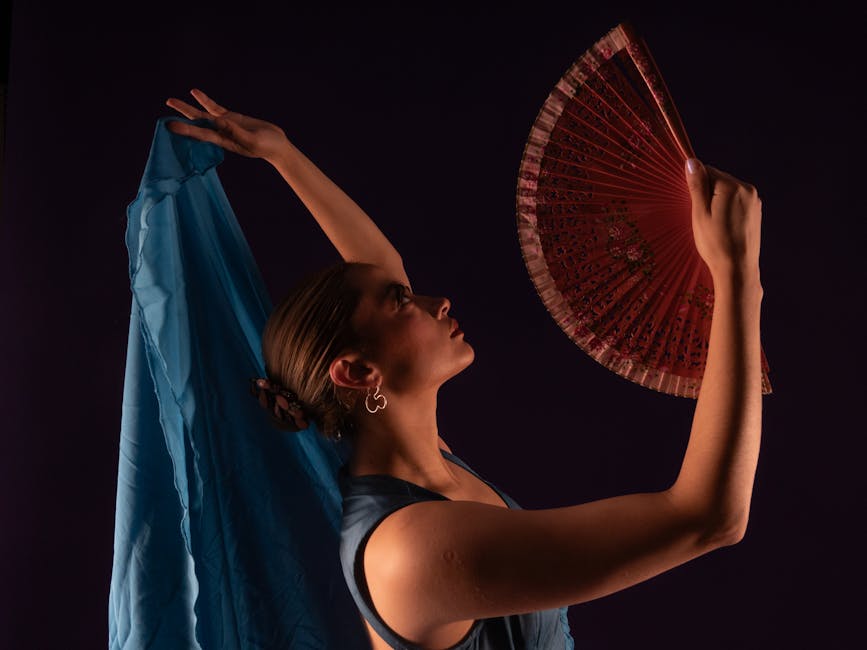
That’s the Málaga differentiator in a sentence. The shows are smaller, the rooms are tighter, the price is lower, and you’ll usually be eating or drinking through the first half. This guide covers how to book each of the main venues, what they actually cost, and how Málaga compares to the four other flamenco circuits that get more press: Seville’s tablaos, Granada’s Sacromonte caves, Madrid’s polished theatre format, and Barcelona’s tourist-heavy halls.
In a Hurry? Top 3 Picks
- Live Flamenco at Flamenco Alegría, $29. The default pick. One hour, four shows a day, the most experienced artists in the city. Book Flamenco Alegría
- Theatro Club Málaga, $34. The other dedicated flamenco venue, more theatre-style staging, slightly bigger room. Book Theatro Club
- Alegría Show + Dinner, $67. Same venue as pick one, with a sit-down meal and reserved table before the show. Book the dinner combo
- In a Hurry? Top 3 Picks
- The Málaga scene in one paragraph
- How to book: it’s GetYourGuide or the venue door
- The three picks, ranked by what we’d actually book
- 1. Live Flamenco Show at Flamenco Alegría:
- 2. Theatro Club Málaga Live Flamenco Show:
- 3. Show and Food at Alegría Flamenco and Restaurant:
- Other venues worth knowing about
- How Málaga compares to the rest of the cluster
- What to expect in the room
- Pairing flamenco with the rest of the day
- Practical bits we wish we’d known
- Choosing your one show
- What I’d skip
- If your flight gets in late
- The food situation
- The Málaga-Picasso connection that nobody mentions
- Booking timing in one paragraph
- If you only have ninety minutes
- One last thing about the language
- What to do after the show
- Pairing the rest of your Málaga time
The Málaga scene in one paragraph
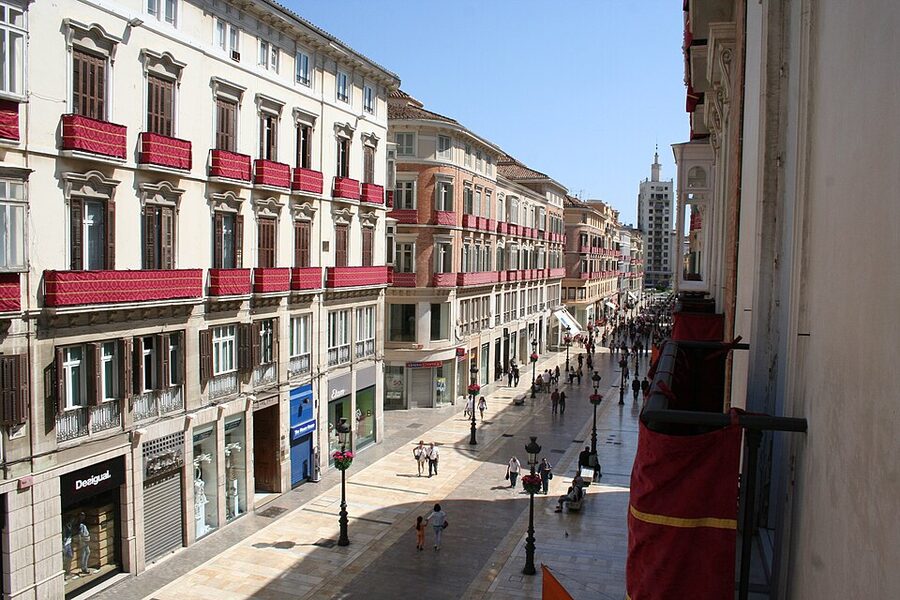
Málaga is not a flamenco capital. Seville and Jerez are. What Málaga has is a working circuit of small venues, mostly clustered between the Cathedral and the port, that book the same Andalusian artists who tour the bigger cities. The shows are an hour, the rooms are intimate, and the prices sit roughly half of what you’d pay in Madrid for the same line-up. There’s no equivalent here of Granada’s Sacromonte caves or Seville’s Tablao El Arenal heritage venue. What you get instead is closer to a neighbourhood gig than a tourist set piece.
Two venues do most of the work: Flamenco Alegría on Calle Vélez Málaga and Teatro Flamenco Málaga Club in the centre. A third, El Gallo Ronco, is smaller and runs less consistently. A handful of restaurants tack a flamenco set onto dinner service. That’s basically the menu.
How to book: it’s GetYourGuide or the venue door

Both main venues sell on GetYourGuide, on Viator, and on their own websites. Prices are roughly identical across the platforms. We default to the GetYourGuide listings because cancellation up to 24 hours before is standard and the confirmation comes through faster. The venue’s own site sometimes runs a five-euro early-bird discount but rarely worth the hassle of switching.
Walk-up tickets are real but unreliable. Alegría’s four-shows-a-day schedule means there’s almost always a slot the same evening, but the centre seats sell first. Theatro Club is harder to walk into, especially for the 19:00 and 21:00 slots in summer. If you’re booking same-day on the phone, do it before 17:00.
One quirk worth knowing: most listings price in dollars on GetYourGuide. The euro charge at the venue door is sometimes a euro or two different from what the booking confirmation says. Nothing dramatic. We mention it because the first time it happens it’s confusing.
The three picks, ranked by what we’d actually book

1. Live Flamenco Show at Flamenco Alegría: $29

Alegría is the dominant venue in the city for a reason. It’s the easiest hour-long show to get into, the artists are the most experienced, and the price-to-quality ratio is the best in the cluster. Our full review of the Alegría show covers the four-show-a-day rotation and which slot to pick. The 19:00 and 21:00 are the busier ones; the 17:30 and 22:30 are easier walk-ups. Skip the front row if you’re tall, the stage sits low.
2. Theatro Club Málaga Live Flamenco Show: $34
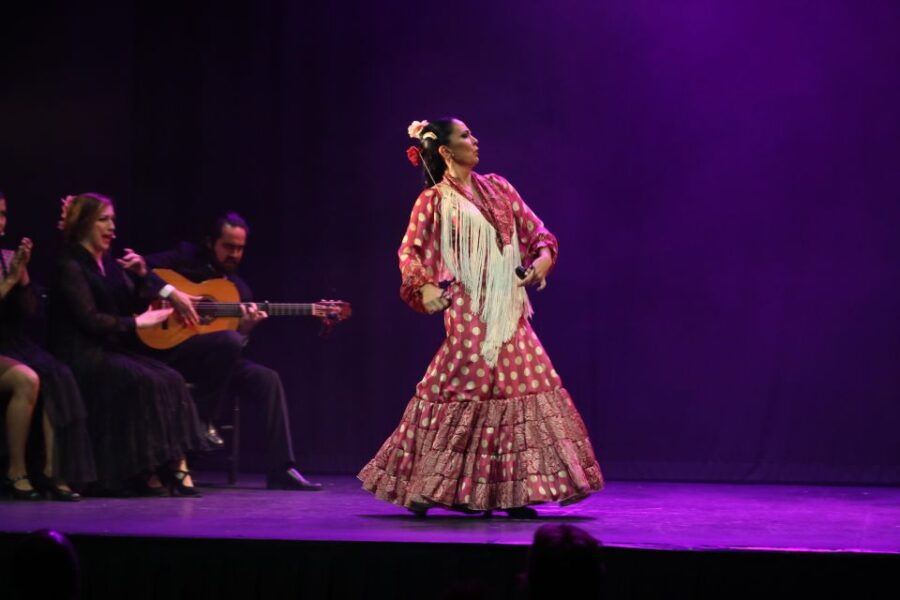
Theatro Club is the second-largest dedicated flamenco venue in Málaga and the closest you’ll get here to the Madrid theatre format without leaving Andalusia. The room holds maybe 120 people on tiered benches, the lighting is properly run, and the cast rotates more aggressively than Alegría’s. We’ve broken down how the Theatro Club seating tiers work in our review. Centre rows three through five are the value pick. The front row is too close for the wider choreographies.
3. Show and Food at Alegría Flamenco and Restaurant: $67

This is the Alegría show we’ve already recommended, paired with a two-course Andalusian dinner in the venue’s own restaurant before the doors open. Roughly two and a half hours start to finish. Our review of the Alegría dinner combo goes through the menu and which courses to skip. The fish is the better order; the meat is fine but no one’s coming for the steak. Drinks are a la carte on top of the package, so don’t assume the price covers wine.
Other venues worth knowing about
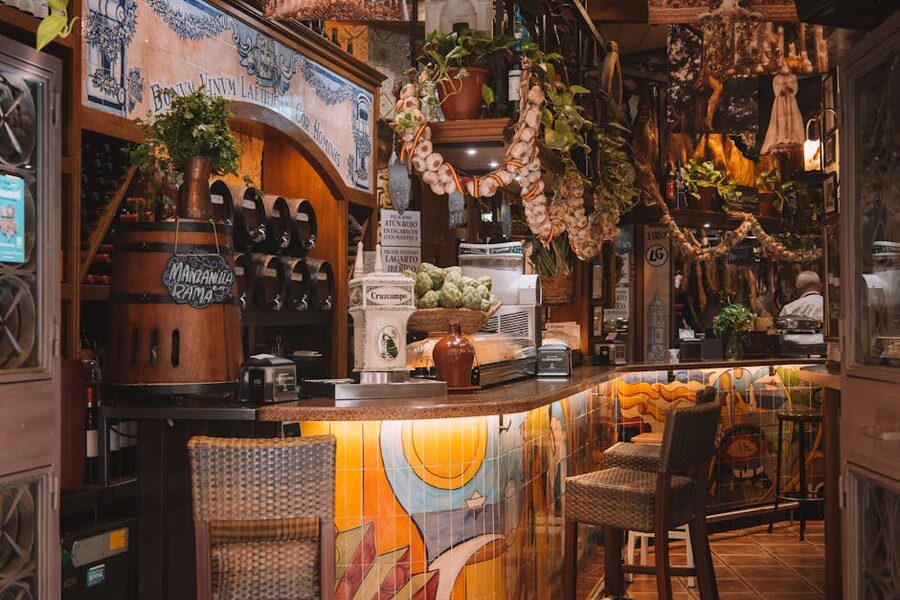
El Gallo Ronco sits a few streets back from Calle Larios and feels like a flamenco bar more than a tablao. Capacity is under fifty. The schedule is patchier than Alegría’s; check the listing the day you want to go because they cancel low-attendance slots. We’d book it as a second flamenco rather than a first, mostly because the line-up is less guaranteed and you want to know what flamenco actually sounds like before you commit to forty minutes of one cantaor with a single guitarist.
The Alegría main listing on GetYourGuide is occasionally cross-listed under a second product page for the same Alegría show. Pricing tracks within a euro. If the headline listing is sold out for your slot, check the alt page; sometimes there’s last-minute availability there.
One last category: the dinner-with-flamenco places that aren’t dedicated venues. These are restaurants in the centre that hire a duo (one guitar, one dancer) for thirty minutes during dinner service. The flamenco is decorative rather than the point. If your priority is dinner with some music in the background, fine. If you want to actually watch flamenco, book Alegría and eat tapas afterwards.
How Málaga compares to the rest of the cluster
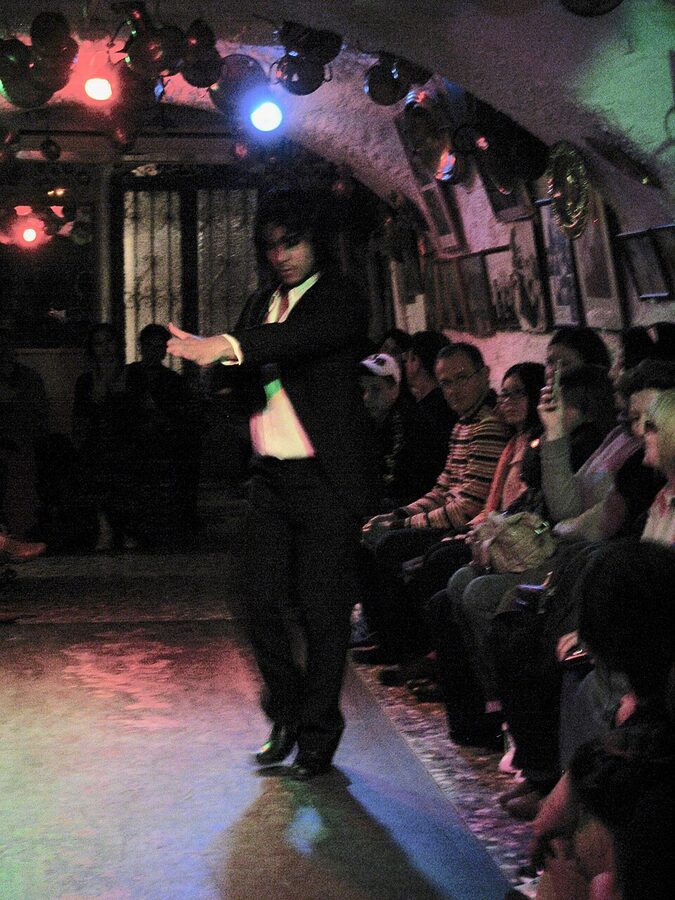
If you’re touring Spain and trying to decide which city to actually book your flamenco night in, the short version is: pick the city you’ll be in for two nights, not one. Flamenco evenings tend to start at 19:00 or 21:00 and run until 22:30. If you’ve spent the day on a train and you’re checking in late, you don’t want to also be racing to a show.
The longer version splits by what you actually want from the evening:
Seville is the most authentic and also the most touristed. The big tablaos (El Arenal, Los Gallos, La Casa del Flamenco) are properly run, the artists are first-rank, and the price is twenty to thirty per cent more than Málaga. If flamenco is the actual reason you flew to Andalusia, do a Seville show. Our guide to booking a Seville flamenco show walks through how the three big tablaos differ and which is the cleanest first booking.
Granada is the niche pick. The Sacromonte cave shows are unique, the room is dug into the hillside, and the format is fixed: a zambra, with a specific song order that runs the same way every night. They’re smaller than Málaga venues and slightly more expensive. Book Granada flamenco if you’re already going for the Alhambra and you want a different atmospheric setting. Our Granada flamenco guide covers the cave-vs-tablao split and how to actually get up to Sacromonte without overpaying for the round-trip transfer.
Madrid is the polished version. Big theatre venues, full orchestral lighting, longer shows (90 minutes plus), higher prices (sixty to a hundred per ticket without dinner). The artists are excellent and they fly in from Andalusia weekly. Madrid is the right pick if you want the full theatrical experience and the budget allows. Our Madrid flamenco guide compares Corral de la Morería with the cheaper tablaos.
Barcelona is, frankly, the weakest of the five. Flamenco isn’t a Catalan art form. The tablaos there hire visiting Andalusian acts and the rooms are bigger and less personal. Prices match Madrid, the line-ups are middle-tier, and the experience is worth it only if Barcelona is your only Spanish city. Our Barcelona flamenco breakdown goes through which venues book the better artists if you do end up booking there.
Where Málaga fits: cheapest of the five, smallest rooms, best value if you’ve never been to flamenco before and want a low-stakes first show. The artists at Alegría are not the famous ones from Madrid stages, but they’re the same circuit that the bigger names came up through. You’re seeing working flamenco, not festival flamenco.
What to expect in the room
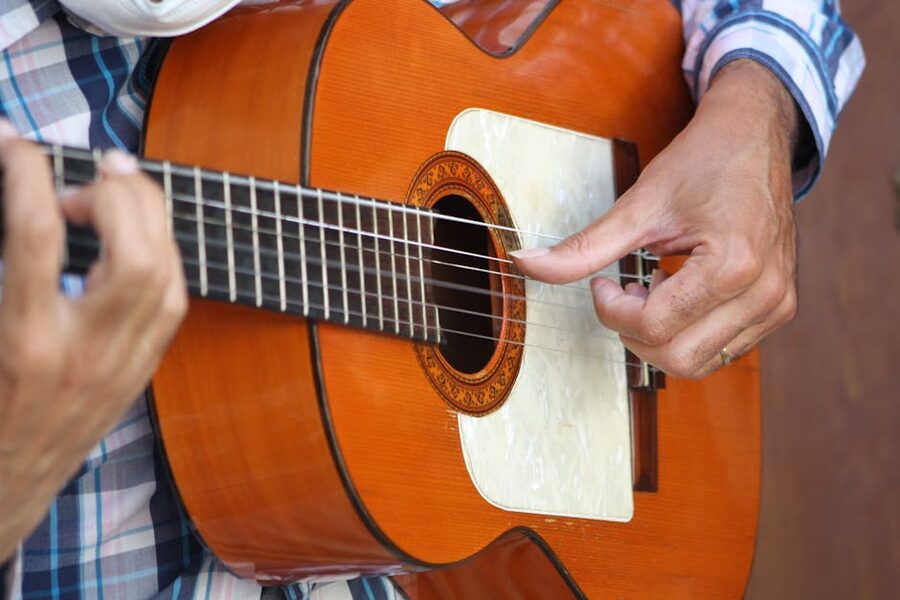
A typical Málaga show runs sixty minutes and divides roughly into thirds. The first twenty minutes are guitar and cante (singing) heavy, often with no dance at all, sometimes with palmas (handclaps) accompanying. This is the section first-timers tend to find slowest. The middle stretch introduces the bailaora (the female dancer) or bailaor (male). The final twenty minutes is when everyone is on stage at once and the energy peaks. Do not get up to use the bathroom in the last twenty minutes; you will block half the room’s view.
The dress code is whatever. T-shirts and jeans are fine. The artists themselves wear the traditional outfits but there’s no expectation that the audience matches. Don’t bring a flash camera; flash photography is banned in every venue and the staff will ask you to put it away.
One audience-side detail that throws first-timers: there’s a call-and-response convention where you’re supposed to shout “olé” at moments of particular intensity. Most foreign audiences sit quietly through the whole show. The artists handle this fine, but if you want to participate, watch the locals in the front rows; they call when something specific lands, not on a metronome.
Pairing flamenco with the rest of the day
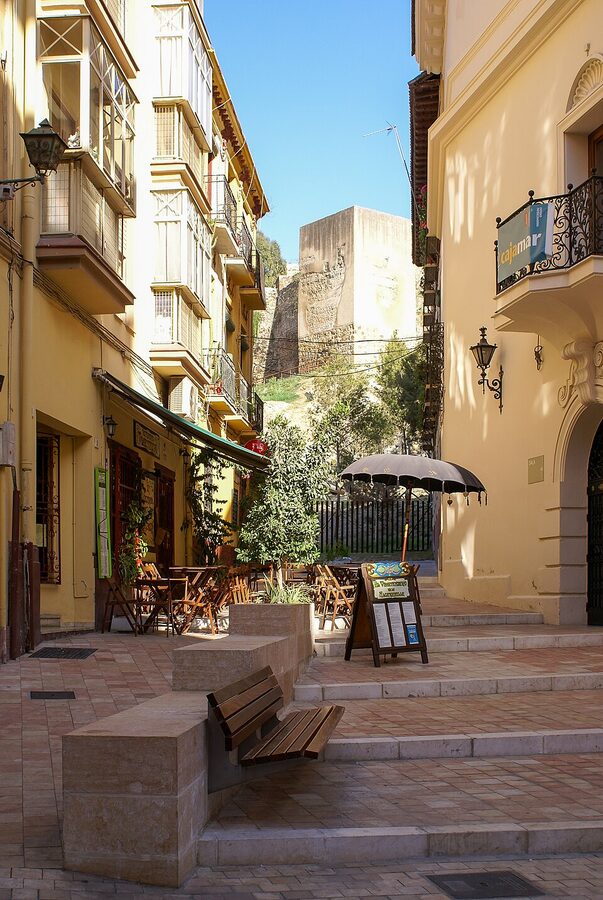
The cleanest single-day plan we’ve used: Picasso Museum in the morning when it opens at 10:00, lunch at the bar at the Mercado Atarazanas, an afternoon walk along the port to La Malagueta beach, and a 19:00 or 21:00 flamenco show on the way back. Total walking distance from the Picasso Museum to Alegría is about twenty minutes, all flat.
If you’ve got a multi-day Málaga trip, the standard pairing is to do a day trip out (Caminito del Rey or Ronda) on day one, recover with a flamenco evening on day two, and use day three for the museums. The day trips run six to eight hours and you’ll be exhausted by 19:00. We’d not stack a same-day Caminito with a same-night flamenco; the Caminito del Rey trail is a 7.7-kilometre walk and your legs will not enjoy a tiered bench afterwards.
For the Ronda trip specifically, the timing is friendlier: you’re sat in a coach for half the day, you get back to Málaga around 18:30, and an Alegría 21:00 show is a very doable end to the day. If you go for that, book the show first and the Ronda and Setenil tour second so you’ve already locked your evening in.
Practical bits we wish we’d known
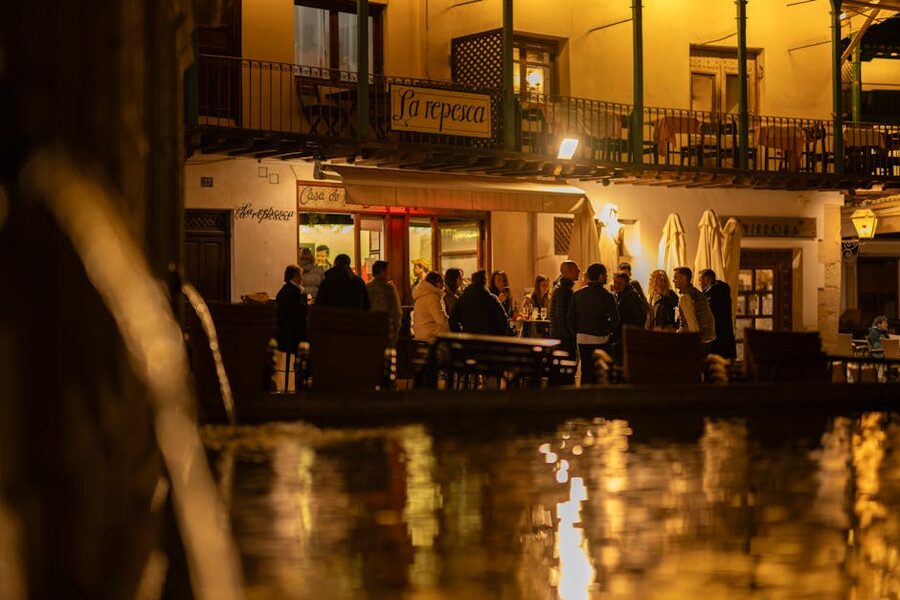
Cash works at every venue but card is faster. The bar at Alegría and Theatro Club both take contactless. Tipping is not expected; the artists are paid by the venue. If the show was particularly good and you want to thank the cantaor on the way out, a euro coin in the tip jar by the bar is fine, more than that gets weird.
Show timings: in summer (June through September) the schedule expands. Alegría sometimes adds a late 23:00 slot that runs to about midnight. In winter, the 17:30 disappears and the 22:30 is rare. Theatro Club holds steady at 19:00 and 21:00 year-round. Check the listing the day you book; we’ve turned up to a venue with a “schedule subject to change” warning that we hadn’t noticed in the confirmation email.
Kids: technically allowed, practically not great. The shows are loud, the bailaora’s footwork is visceral up close, and the after-21:00 slots run past most kids’ bedtime. The 17:30 Alegría slot is the only one we’d consider with a child under twelve, and even then only if the kid actually wants to be there.
Choosing your one show
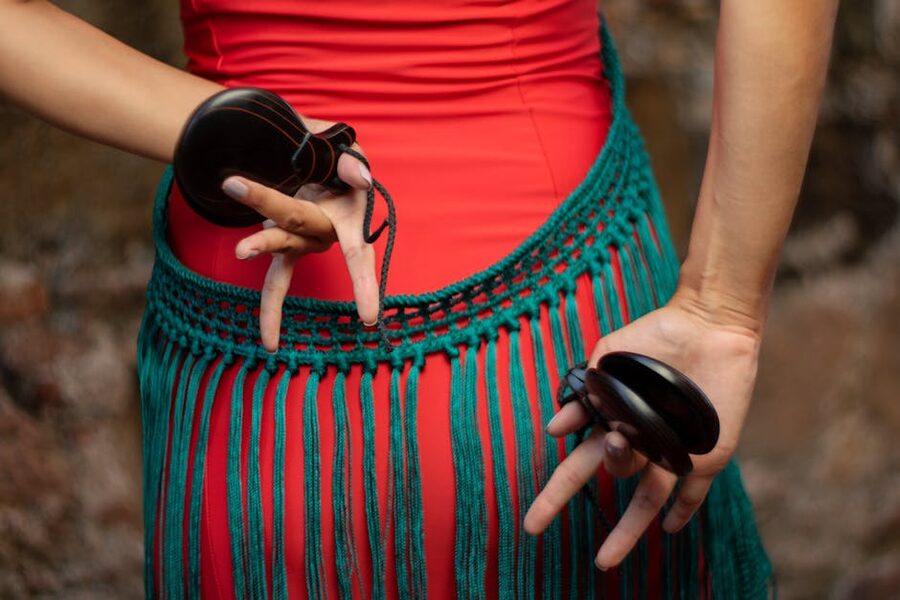
If you’re in Málaga for one night and you’ve never seen flamenco, book the Alegría 19:00 show. Don’t overthink it. It’s the right venue, the right slot, the right price.
If you’re in Málaga for two nights and want a flamenco-heavy evening on one of them, the Alegría dinner combo is the better experience but it does eat the entire night. You won’t fit much else in.
If you’ve already done flamenco in Seville or Granada and you want to compare formats, book Theatro Club. The room is closer to what Madrid does and you’ll feel the difference from the cave or tablao styles you’ve seen in the other Andalusian cities.
If you’re a flamenco hobbyist and the artists are the actual reason you’re in town, do a deep dive on the Theatro Club rotating cast and pick the night a specific bailaora you’ve heard of is performing. The line-ups go up about two weeks in advance.

What I’d skip
The dinner-with-thirty-minutes-of-flamenco places. They’re fine restaurants but the flamenco is barely flamenco; it’s a dinner show. The artists know it, the rotating quality is uneven, and you’re paying for both the meal and the music without getting the better version of either.
VIP front-row upsells. The front row at Alegría is too low and too close. You’ll be looking up the entire show. Rows three through five are the value pick at every Málaga venue.
Walking-tour combos that bolt a flamenco show onto a daytime tour. The flamenco in those packages is usually a stripped-down twenty-minute set in a side room, not a real tablao show. Book the walking tour separately and go to a proper venue at night.

If your flight gets in late
You can still see flamenco the night you arrive. Both Alegría and Theatro Club run a 21:00 or 21:30 slot that you can make if your flight lands by 19:00 and you go straight to the hotel, drop your bag, and walk over. We’ve done this exact thing twice. It’s tight but it works. Don’t try it if you’re checking into a hotel outside the centre, the cab time alone kills the schedule.
What we wouldn’t do: book a 19:00 show on a same-day arrival. The window is too tight if anything goes wrong with the flight.
The food situation

If you’re booking a show-only ticket and not the dinner combo, eat before. Most shows include a single drink; a few include none. There’s no proper food at the show-only events, just a few tapas plates if you ask. The venue area in central Málaga is dense with tapas bars and they all do the right thing for a pre-show meal: small plates, fast service, no two-hour commitment.
El Pimpi, on Calle Granada, is the famous one and it’s overpriced for what you get. Casa Lola on Calle Granada or any of the bars on Calle Méndez Núñez are the quieter wins. Aim to sit down by 18:30 if your show is at 21:00; the kitchens get slammed between 19:00 and 20:00 and you’ll wait.
If you do book the Alegría dinner combo, you’re locked into the venue’s restaurant. The kitchen is fine but it’s not why you’re there. We’d treat the dinner as the warm-up rather than the main meal and not expect to remember it the next day.
The Málaga-Picasso connection that nobody mentions
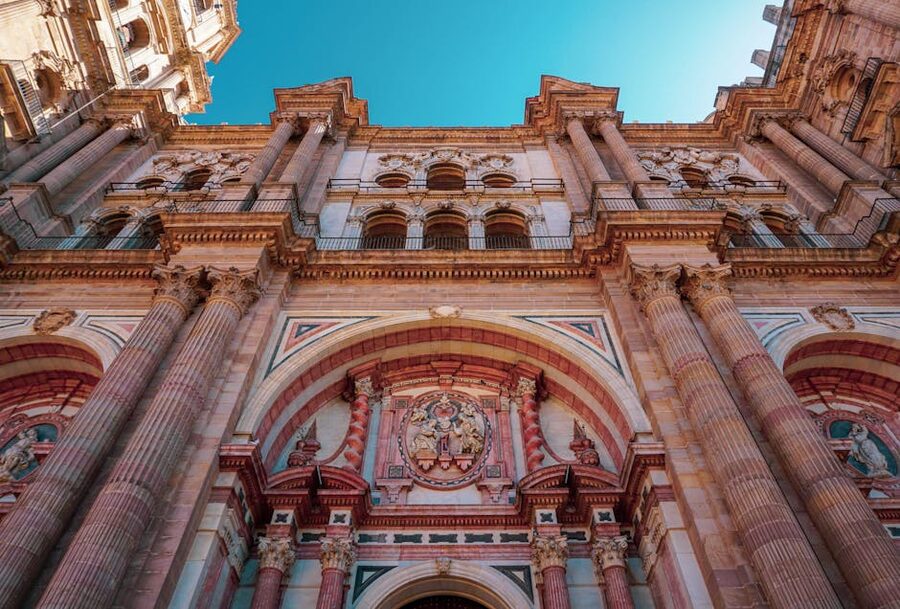
Picasso painted flamenco scenes throughout his career and a small section of his early Málaga sketchbooks at the Picasso Museum includes preparatory drawings of bailaoras. We mention it because the museum is a fifteen-minute walk from Alegría, and if you do the museum in the late afternoon and the show in the evening, you’ve effectively bookended the same artistic tradition in one day. Worth it for the symmetry alone.
Booking timing in one paragraph
Two days ahead is enough for any Málaga flamenco show outside summer weekends. In July and August, the Saturday slots fill three to five days ahead. Alegría’s 21:00 Saturday is the single hardest slot in the city to walk into. Theatro Club’s Friday 21:00 is the second-hardest. Everything else, including all weekday slots, you can book the morning of. If you’ve left it to same-day, book before 17:00; both venues confirm bookings up to two hours before show time and after that you’re hoping for a walk-up.
If you only have ninety minutes
The 19:00 Alegría show is sixty minutes of show plus fifteen minutes of seating and a ten-minute exit. You’re out the door by 20:30. If you’ve got something else booked at 21:00, this is the slot that fits. Don’t try to compress Theatro Club; it runs longer and the seating is slower because of the tiered benches.
One last thing about the language
You don’t need any Spanish to enjoy a flamenco show. The cante is in Spanish but it’s also old, regional, and full of compressed slang; even fluent Spanish speakers don’t catch every line. The performance is meant to communicate emotionally, not lyrically. Sit, listen, watch the bailaora’s feet, and don’t worry about translation. The artists are not playing to the language. They’re playing to the room.
What to do after the show
Most shows finish around 22:00 or 22:30. That’s still early by Málaga standards. The bars on Plaza de la Merced are a five-minute walk from both venues and run until 02:00. If you’re doing the show as the early part of an evening, this is the natural next stop. If the show was the whole night, walk back along Calle Larios; the street is at its best after 22:00 once the day shoppers have cleared out.
Pairing the rest of your Málaga time
Most readers booking a flamenco show in Málaga are also building out a wider Costa del Sol trip. The Caminito del Rey day trip is the standout outdoor experience here, an hour from the city and the closest Spain gets to a proper canyon hike. The Picasso Museum in the centre takes about two hours and slots cleanly into the morning before an evening show. And for the white-villages day, the Ronda and Setenil tour is the easier sit-back-in-the-coach option. If Andalusia is your wider trip, our Seville flamenco guide covers the city most worth pairing with Málaga for a flamenco-themed week.