
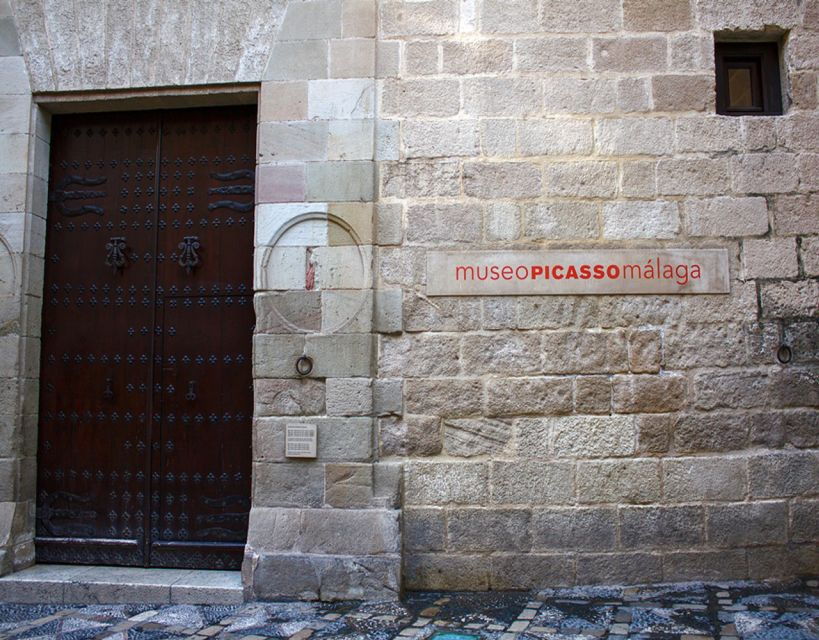
Most people who type “Picasso Museum Spain” into Google end up at the Barcelona one. That museum is great, but it’s not the artist’s actual hometown collection. The Museo Picasso Málaga sits 200 metres from the house Pablo Picasso was born in, and the collection here was donated almost entirely by his daughter-in-law and grandson. Different pictures, different period range, fewer queues.
I’ve been three times now. The first visit was a mistake (I’d booked thinking I was getting the Barcelona one, realised on the train), and it’s still my favourite of the two. Here’s how to book it without overpaying or queuing.
- In a Hurry? My Quick Picks
- Wait, This Is Not the Barcelona One?
- What’s Actually in the Collection
- The Building Is Half the Visit
- Booking, Step by Step
- Where to Buy
- Timed Entry, and What “30-Minute Window” Means
- Sunday Free Entry, the Catch
- Other Discounts Worth Knowing
- Casa Natal Picasso, the Must-Do Add-On
- Order to Visit Them In
- My Three Tour Picks
- 1. Museo Picasso Málaga Entry Ticket: around
- 2. Casa Natal Picasso Birthplace Entry: around
- 3. Picasso Museum Guided Tour with Skip-the-Line: around
- Practical Logistics
- Getting There
- Hours and Timing
- What to Bring, What to Leave
- How It Compares to Other Spanish Art Museums
- What I’d Skip
- Beyond the Museum
- Common Mistakes I See
- Where Else to Use Your Spain Days
In a Hurry? My Quick Picks
Standard entry, around $15: the basic Museo Picasso Málaga timed-entry ticket. This is what 90 percent of visitors actually need.
Combine with the birthplace house, around $5 extra: Casa Natal Picasso entry at Plaza de la Merced. Two minutes’ walk from the main museum, lets you stand in the room he was actually born in.
Want context, around $41: a small-group guided tour with skip-the-line. Worth it if you don’t know the difference between Cubism and Synthetic Cubism. I didn’t, the first time.
Wait, This Is Not the Barcelona One?
No. And the difference matters more than most guides admit.
The Picasso Museum in Barcelona opened in 1963 and focuses heavily on his early years. Lots of Blue Period work, the Las Meninas variations, sketches from his Barcelona art-school days. The collection there is dense in one slice of his life and lighter on everything that came later.
The Málaga museum opened in October 2003. The collection is a family donation, mostly from Christine Ruiz-Picasso (his daughter-in-law) and Bernard Ruiz-Picasso (his grandson), and it covers the whole arc of his career. Early academic studies are in there, but so are Cubist works, late ceramics, prints, sketchbooks, and sculptures from the 1960s and 70s. It’s a smaller, more personal slice that reads like family pictures pulled out of an attic, because in a sense that’s what they are.
Practical upshot: if you’ve been to the Barcelona Picasso Museum and felt you’d seen “the” Picasso collection, you haven’t. They overlap in maybe 5 percent of subject matter. If you’re an art-museum person doing a Spain trip, do both. If you only have time for one and you care about the full career, pick Málaga. If you only care about his student years and the early Barcelona scene, the Barcelona one wins. Our Park Güell guide, the Casa Batlló guide, and the Sagrada Família guide cover the obvious next moves there if you’re already on a Catalan modernism tear.
What’s Actually in the Collection
About 233 works are now on permanent display, plus rotating loans. The donation broke down to roughly 133 pieces from Christine, 22 from Bernard, and another 49 on a long-term loan agreement with the wider family.
What that means in the galleries: 14 oil paintings from Christine alone, plus drawings, sketchbooks (one full Royan-period book of about 36 drawings), 58 etchings, ceramics. Then the Bernard donation adds 5 more oils and a chunk of late prints. The full effect is that you walk through chronologically and watch his hand change. Early academic, then Cubist experiments, the wartime work, the Mediterranean ceramics from his Vallauris years, late nudes. Two hours covers it well. Three hours if you read the wall texts.
The temporary exhibition rooms downstairs are worth checking before you go. They run two or three big shows a year, often pairing Picasso with a contemporary or a teacher. The 2024 Maria Helena Vieira da Silva show was excellent. If you’re going for the temp exhibition specifically, your standard ticket usually includes it, but verify on the museum site because some special shows are ticketed separately.
The Building Is Half the Visit
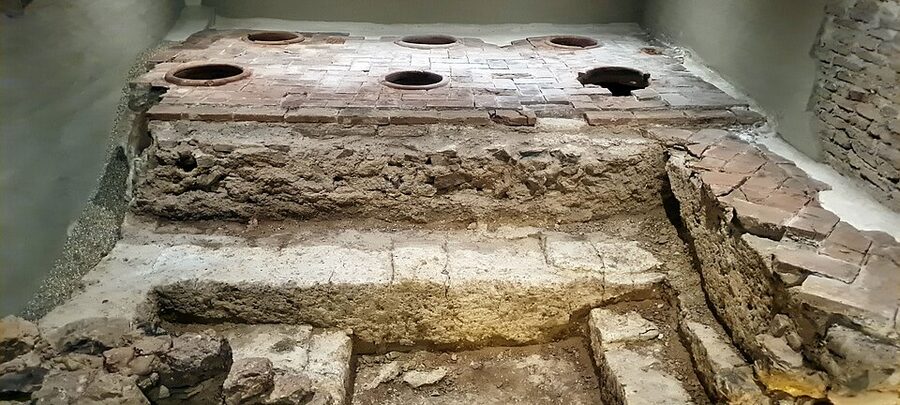
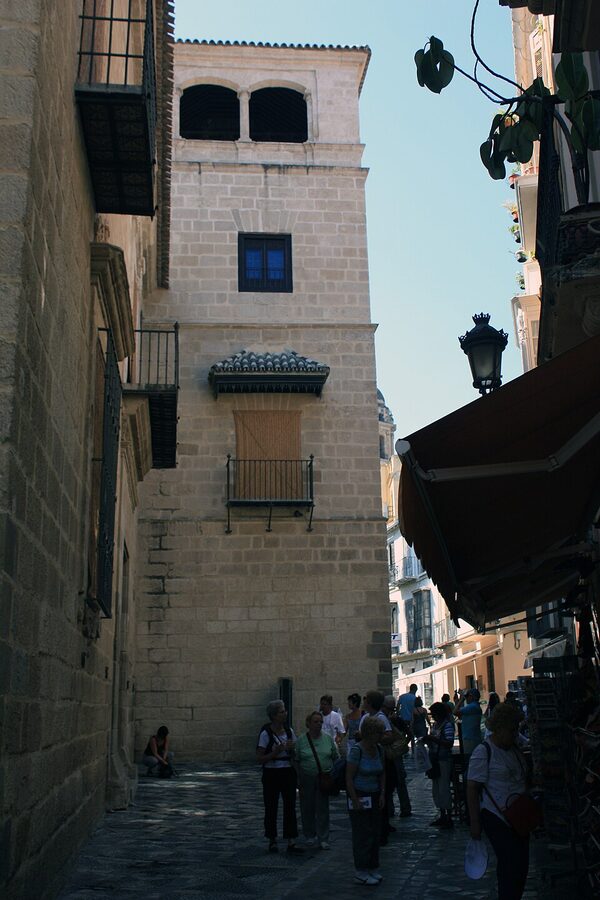
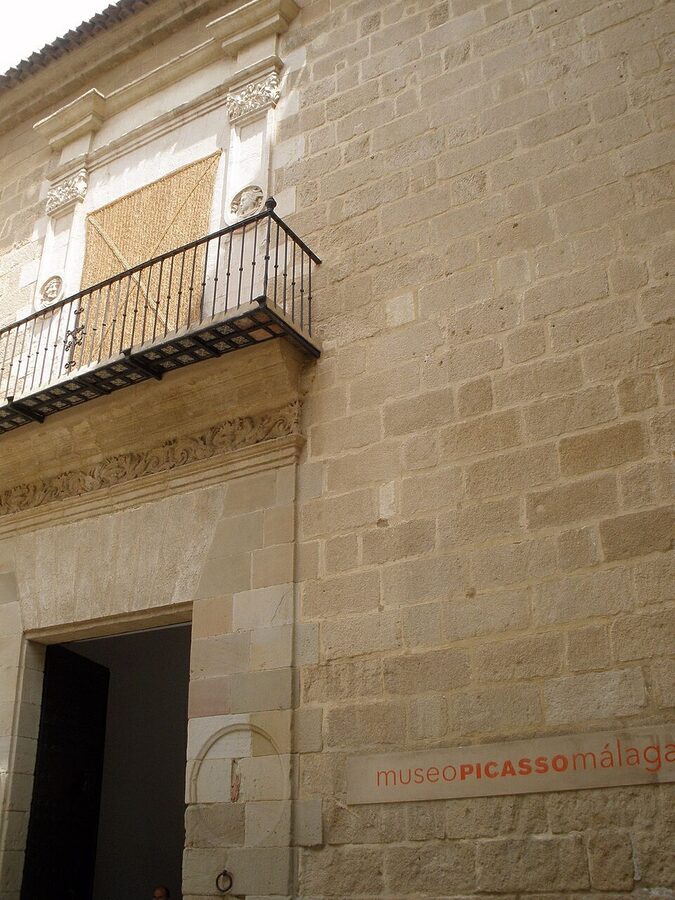
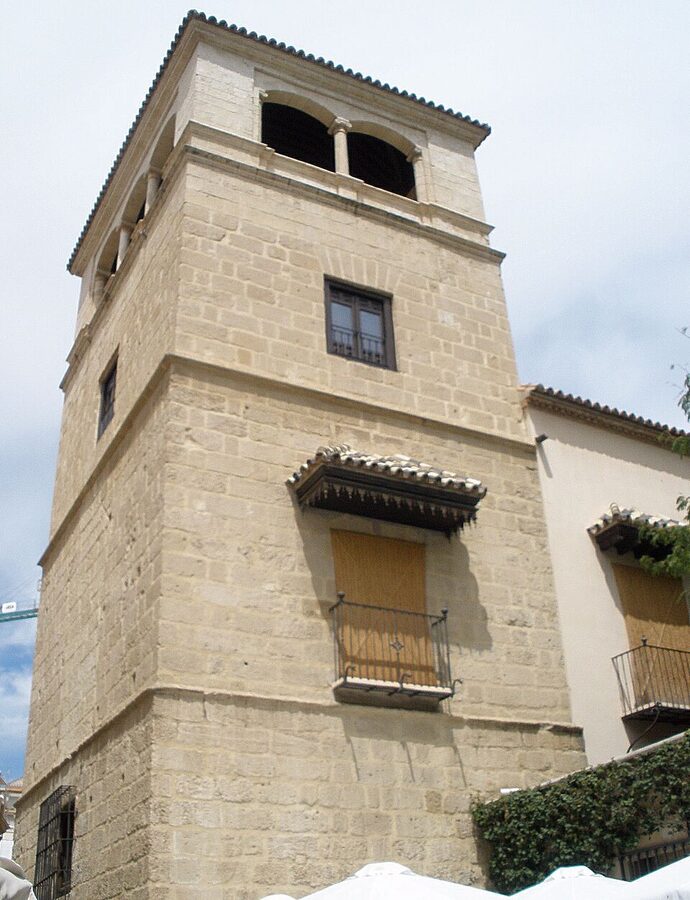
I almost forgot to say this. Palacio de Buenavista was built in the first half of the 16th century for Diego de Cazalla, on top of a Nasrid-era palace. You can see the older Phoenician and Roman archaeological layers in the basement, and they kept the Renaissance and Mudéjar details in the upper floors. The combination is rare. Most Spanish art museums are housed in either modern boxes (Reina Sofía, Centro Botín) or ornate palaces of one consistent period. This one is a layered cake. If you like architecture as much as paintings, give yourself thirty minutes for the basement and the courtyard alone.
Booking, Step by Step
You can buy at the door, but only if there’s space in the next time slot. In high season (Easter week and roughly mid-July through August), slots regularly sell out one to two weeks ahead. In November or February you’ll usually walk up and get in within an hour. Book online either way. The fee difference is small and the certainty is worth it.
Where to Buy
Three viable routes:
- The official museum site, museopicassomalaga.org. Cheapest by a euro or two. Site is in Spanish and English. Free cancellation depends on the ticket type, read the fine print.
- GetYourGuide and Viator. A small markup, but you get free cancellation up to 24 hours before. I usually book here for the flexibility because I keep changing plans.
- Tiqets. Sometimes cheaper than GYG for combo tickets, especially the Casa Natal combo.
The phone number on the official site (+34 901 246246) works if you want to reserve and pay at the desk. I’ve never bothered. The online queue is shorter than the phone queue.
Timed Entry, and What “30-Minute Window” Means
Your ticket has a specific entry time. You have a 30-minute window from that time to actually walk in. Miss it and you may forfeit the ticket. The museum is firm about this, especially when slots are full.
Re-entry is not allowed. Once you leave, you’re out. Plan one continuous visit, not a coffee-break loop.
Sunday Free Entry, the Catch
Free admission every Sunday during the last two hours before closing. The exact time depends on the season. November to February closing is 6pm so free entry starts at 4pm. March to June and September to October closing is 7pm so free starts at 5pm. July and August closing is 8pm so free starts at 6pm. Public holidays sometimes shift this. Check the museum site the week of your visit.
The catch: those last two hours on Sunday are by far the busiest of the entire week. Every local in Málaga knows about the free slot. If you genuinely don’t mind a packed gallery and you’re saving a tenner, go for it. If you came from another city to see the collection properly, pay the 15 euros and visit on a Tuesday morning instead.
Other Discounts Worth Knowing
Reduced entry runs around 9 euros for students under 26, retirees, large families, and disability cards. Free year-round (no Sunday clock) for under-18s, EU unemployed cards, and ICOM members. The audio guide is usually 4 euros extra and I’d skip it on a first visit, the wall texts are good. On a second visit it’s worth it because it covers paintings the wall texts gloss over.
Casa Natal Picasso, the Must-Do Add-On
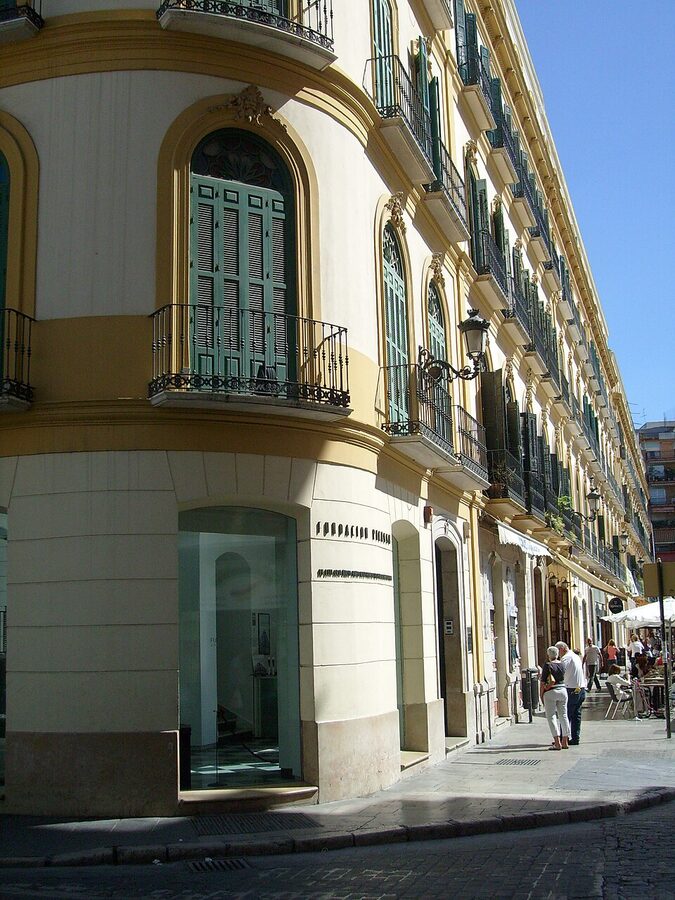
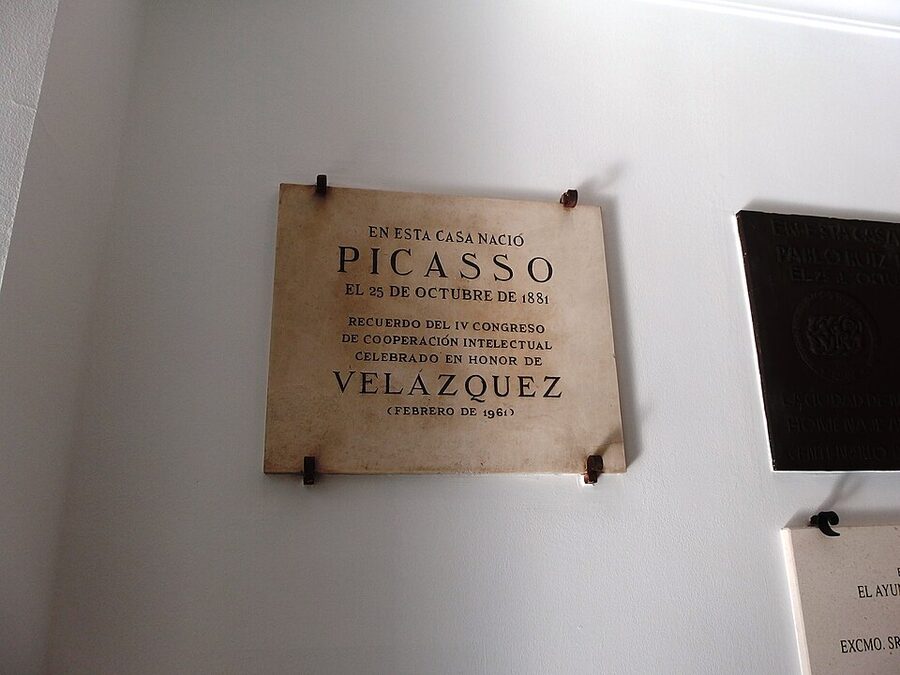
This is the bit most rushed visitors miss. The Casa Natal sits at Plaza de la Merced 15, about 200 metres and three minutes’ walk from the main museum. It’s the actual house Pablo Ruiz Picasso was born in on 25 October 1881. Tiny, two main floors, run as a separate museum by the Fundación Picasso.
What you actually see: family memorabilia, Picasso senior’s painting smock and palettes (the father was an art teacher), early childhood objects, and a small selection of works by Pablo and the wider family. Some rotating exhibitions take place in adjoining rooms. Don’t expect a heavy art-historical experience. The thing of value here is standing in the room he was born in. That’s it. Twenty minutes covers it.
Tickets are around 4 to 5 euros for the basic combined Casa Natal + temporary exhibition entry. If you also want the Centre Pompidou Málaga or the old Russian Museum collection thrown in, there’s a triple-pass for around 16.50 euros. I wouldn’t bother with the triple unless you’re staying three days and it’s raining.
Order to Visit Them In
If you only do one, do the main Picasso Museum. If you do both on the same day, do Casa Natal first (smaller, twenty minutes, sets the biographical context) then walk to the main museum and let the bigger collection unfold. Going the other way around makes the Casa Natal feel anticlimactic.
My Three Tour Picks
Three options I actually recommend, in order. The flagship entry ticket is the right answer for most people. The other two solve specific problems.
1. Museo Picasso Málaga Entry Ticket: around $15
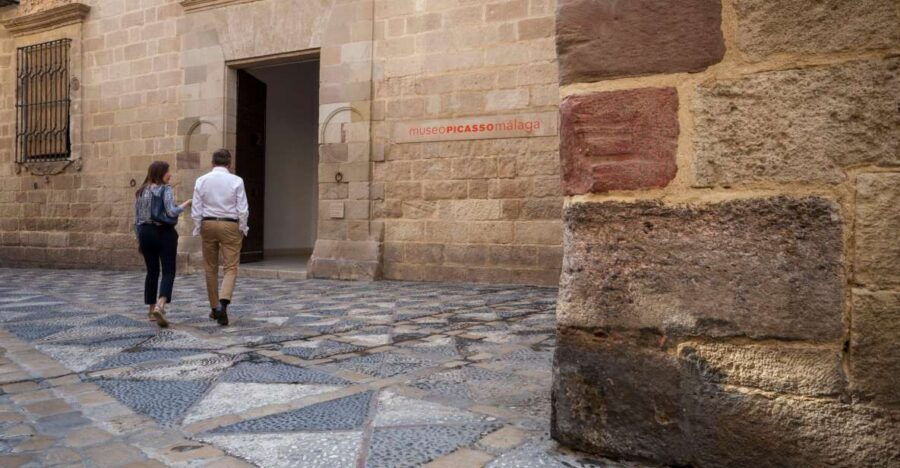
The basic ticket gets you the permanent collection, the temporary exhibition (usually included), and the basement archaeological remains. Our full review of this ticket walks through the quirks of the timed-entry system. Book a 10am or 11am slot for the lightest crowds.
2. Casa Natal Picasso Birthplace Entry: around $5
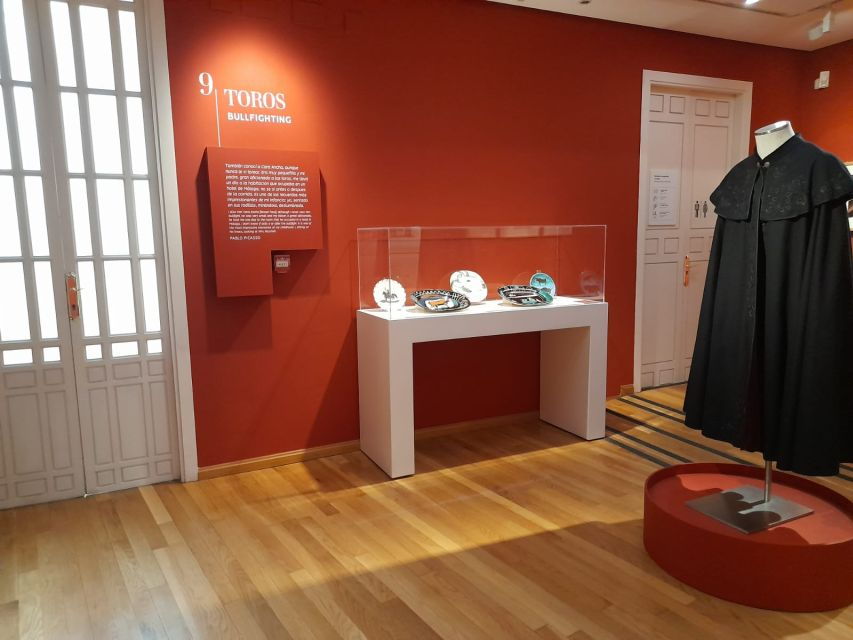
Twenty minutes inside the house Picasso was born in, plus the small temporary-exhibition wing. Our notes on the Casa Natal ticket cover the audio guide and the rotating shows. Don’t go expecting a major collection. Go for the room.
3. Picasso Museum Guided Tour with Skip-the-Line: around $41
Small-group guided format, 1.5 hours, ticket included. Our guided-tour writeup mentions Esther by name; she’s the regular guide and the reviews mention her by name with good reason. If you can pick a slot she’s leading, do it.
Practical Logistics
Getting There
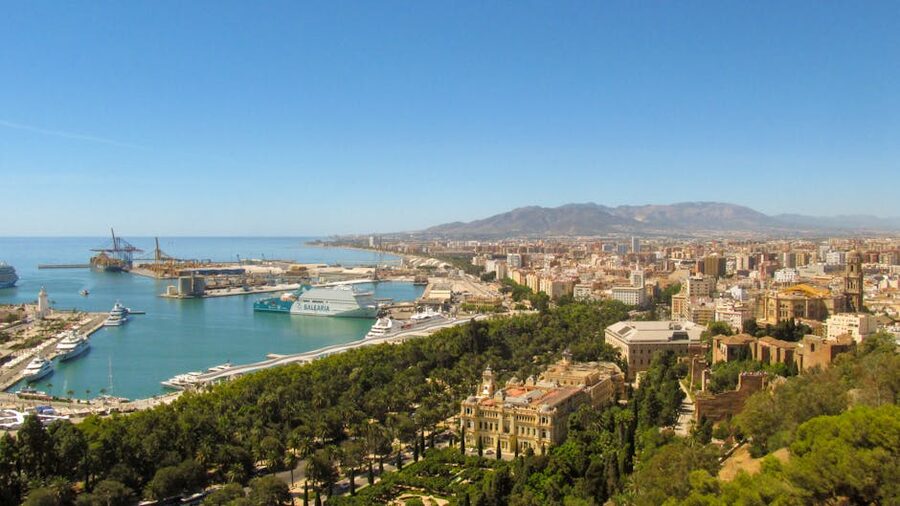
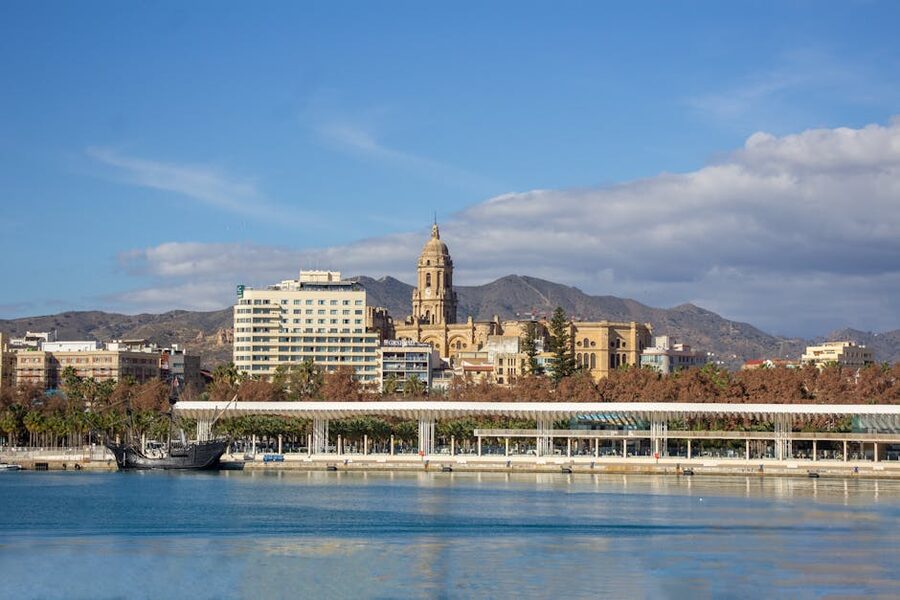
From the cruise port: 10-minute walk through the old town. Cross Plaza de la Marina, head up Calle Marqués de Larios, turn right at Plaza de la Constitución.
From the airport: the C1 city bus and the C2 cercanías train both drop you near the centre. Twenty-five minutes by bus, twelve by train. The train is cheaper (1.80 euros) but stops less often. From the central María Zambrano station, it’s another fifteen-minute walk or a 5-euro taxi.
Driving is a bad idea. Old-town parking is scarce and the streets near the museum are pedestrian. Use the Alcazaba car park if you must, then walk five minutes.
Hours and Timing
Open daily, but the closing time shifts seasonally. Roughly 10am to 6pm in winter, 10am to 7pm in spring and autumn, 10am to 8pm in summer. Closed Christmas, New Year, and 1 January. Some Spanish holidays modify hours, check the official site if you’re booking around a holiday.
Best time to visit: Tuesday or Wednesday morning, ideally a 10am or 11am slot. Avoid Sunday afternoons (free entry crowds) and Easter week (sold out and full). The museum is far quieter than the Alhambra or the Sagrada Família, so even a “busy” weekday is calmer than you’d expect.
What to Bring, What to Leave
Small bag only. Backpacks go in the cloakroom, free. No big tripods, no flash photography. Phone photos without flash are fine in the permanent collection. Some temporary exhibitions ban photography entirely, watch for the signs.
Café on site is small and overpriced. The streets behind the museum (Calle Granada, Calle San Agustín) have a dozen better options for under 10 euros.
How It Compares to Other Spanish Art Museums
If you’re doing a full Spain art-museum loop, here’s how the Málaga Picasso fits in. The Prado in Madrid is the heavy classical-art day. Velázquez, Goya, Bosch, the kings’ paintings. You need three to four hours minimum and you’ll still feel rushed. The Reina Sofía covers 20th-century Spanish art, including Guernica, and overlaps thematically with the Picasso Málaga but in a much bigger, more political package.
Compared to those, Málaga is the small, focused, biographical version. Two hours, one artist, his hometown, his family’s gift. It pairs better with a city like Málaga than with the heavyweight Madrid stops.
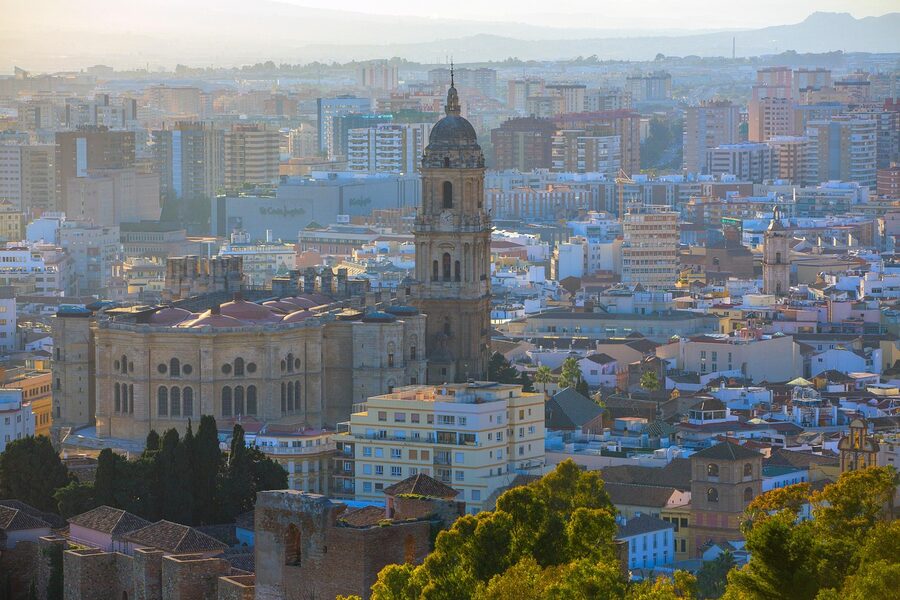
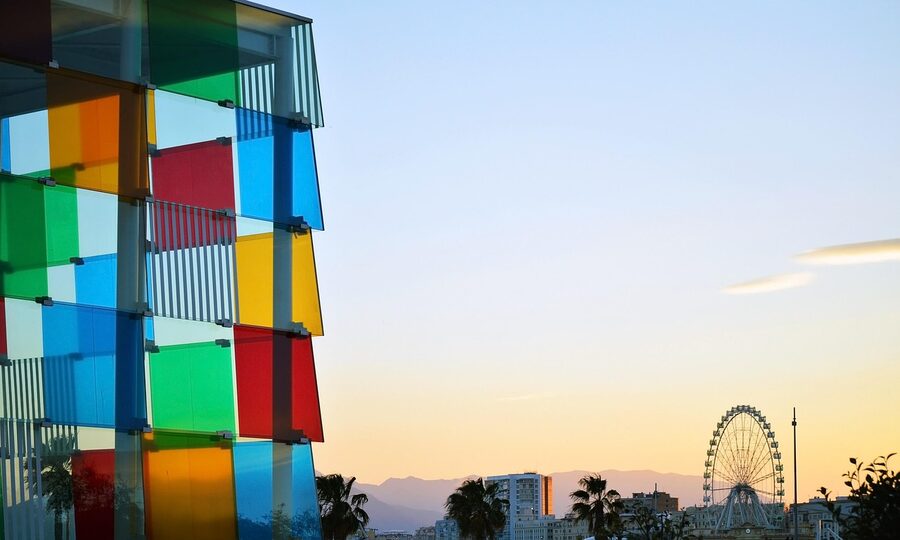
If you’ve already done the Seville Cathedral route or visited the Seville Alcázar on the Andalusian trail, the Málaga Picasso slots in nicely on a one-day Málaga stop. It’s not enough on its own to justify the trip, but combined with the Alcazaba, the cathedral, and dinner near the port, it makes a full and satisfying day.
What I’d Skip
The audio guide on a first visit (the wall texts are detailed enough). The triple-pass with the Russian Museum and Centre Pompidou (only worth it on a long stay). Booking the temporary-exhibition-only ticket if you’re not specifically there for that show; the standard ticket usually covers it.
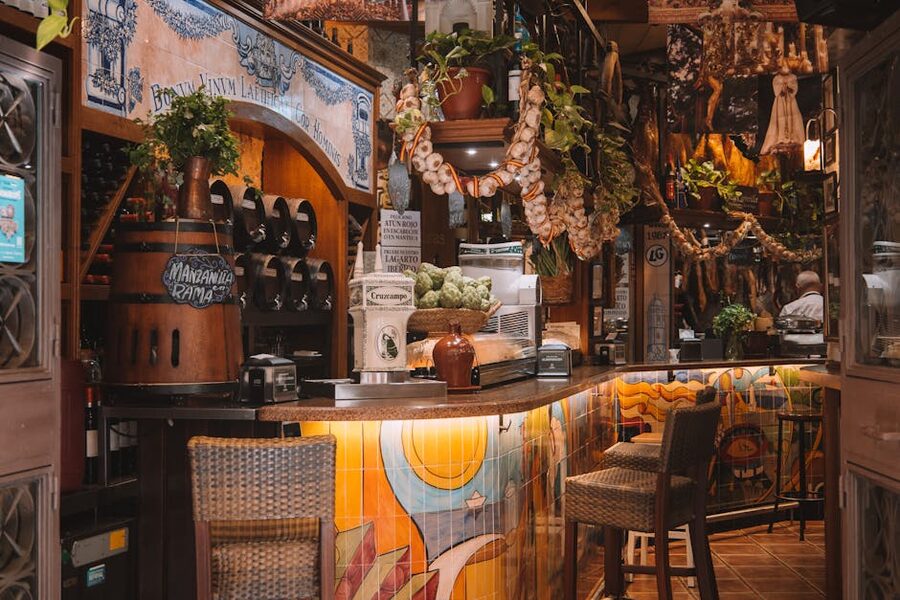
Also skip the cafe inside. The portions are small, the prices match a museum cafe in Madrid, and there’s a tapas bar two streets away that does Iberian ham plates for half the price.
Beyond the Museum
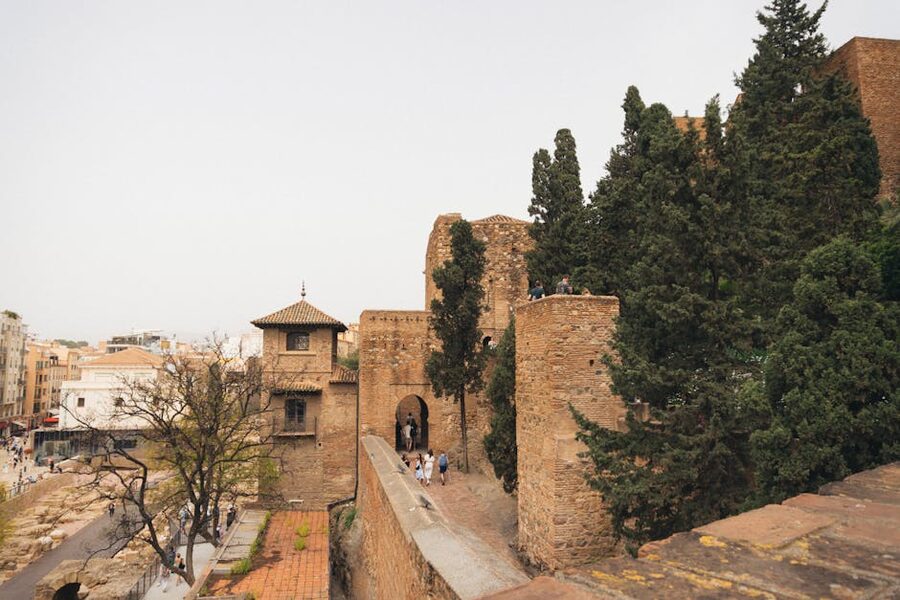
If you’ve got a half-day after the museum, the obvious moves are the Alcazaba (Moorish fortress, 15 minutes’ walk, around 3 euros), the cathedral (5 minutes, around 7 euros), and the Atarazanas market for lunch. If you’ve got a full extra day, the inland day trips are where Málaga earns its keep.
Our Caminito del Rey guide covers the cliff-edge walkway about an hour north. Our Ronda and Setenil day-trip guide handles the white-villages run, with the Tajo gorge bridge and the cave houses tucked under rock overhangs. And the Málaga flamenco guide sorts out the evening, because the small tablaos here run differently from the big-room shows in Seville or Madrid.
Common Mistakes I See
Booking the wrong Picasso museum. If your travel agent or your itinerary just says “Picasso Museum, Spain”, check which city. They are different museums with different collections. I’ve watched people argue with the ticket desk about a Barcelona reservation in Málaga.
Treating the Casa Natal as the main event. It’s the supporting act. If you only have an hour, do the main museum and skip the birthplace.
Showing up at the listed entry time without checking your slot. The 30-minute window is from your booked time, not the museum’s opening time. Get there ten minutes early.
Going on a Sunday “to save money” and then being annoyed at the crowds. The 15 euros is worth it on any other day.
Where Else to Use Your Spain Days
If Málaga’s your jumping-off point, the Alhambra in Granada is the obvious next stop and roughly two hours by bus or car. The Mezquita in Córdoba sits between Málaga and Madrid on the AVE line, easy half-day. And if you’re heading north from there, the Madrid art trio (Royal Palace, Prado, Reina Sofía) is the natural follow-up. Different country in atmosphere, different light, but the same Spain.
Plan the Picasso Málaga as a relaxed half-day. Book a 10am slot. Walk it in two hours. Hit the Casa Natal at noon. Lunch in the old town. Climb the Alcazaba in the afternoon. That’s a near-perfect day in Málaga, and you’ll have the rest of the trip to fill with cliff walks, white villages, and the flamenco evenings.