
The oiran walked out slowly. Impossibly slowly. Each step was a deliberate, exaggerated motion — the platform geta sandals were at least 15 centimetres tall, and she moved like someone balancing on stilts through a hurricane, except with total control. The kimono must have weighed 20 kilograms. The headdress was a small engineering project. And the audience — packed into a surprisingly intimate theatre in the backstreets of Asakusa — went completely silent. That was the moment I understood what Kaguwa is selling. Not a tourist show. A time machine.
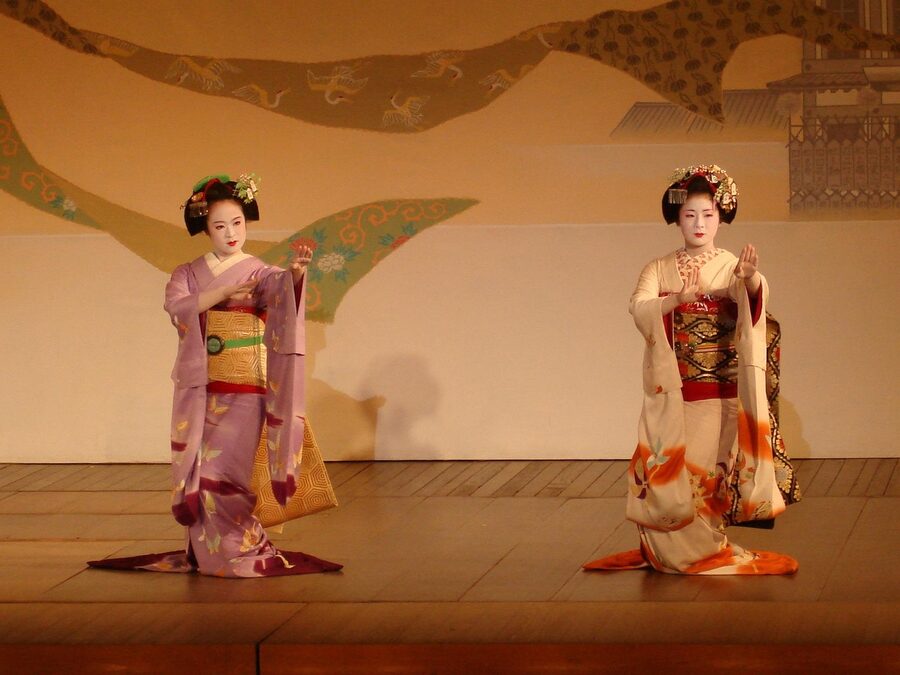
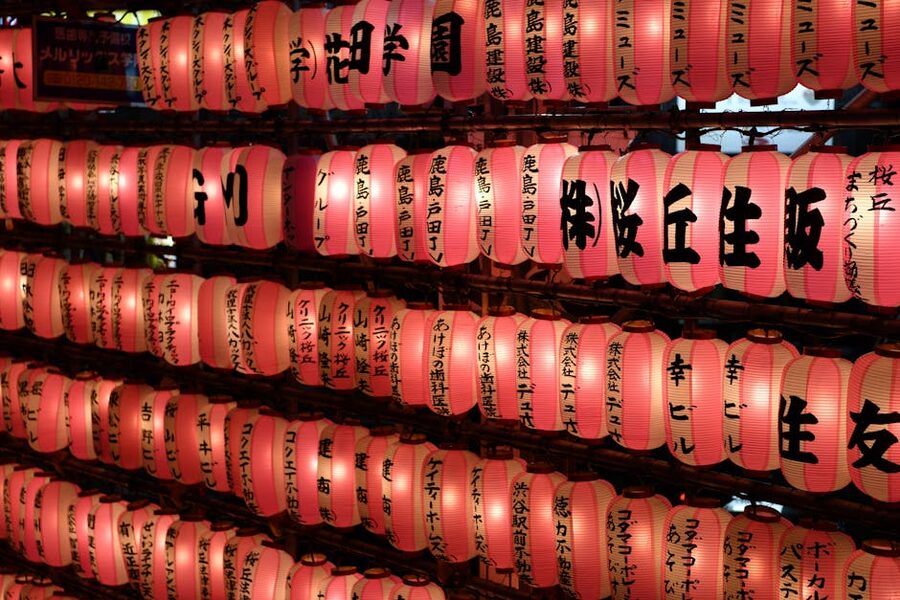
Asakusa Kaguwa is a 60-minute Japanese-style cabaret show in the heart of Tokyo’s oldest entertainment district. Professional performers dressed as oiran (Edo-era courtesans), geisha, samurai, and ninja perform a series of acts that blend traditional dance with sword fighting, comedy, and audience interaction. It’s non-verbal — no Japanese language skills needed — and it includes a drink. The whole thing feels like someone took the greatest hits of Japanese performing arts and compressed them into one hour.
Short on time? Here are my top picks:
Best overall: Asakusa Kaguwa Cabaret Theater Ticket — $49, 2 hours (includes 1 drink + show time), 2,270 reviews. The main event. Front row VIP and all-you-can-drink options available.
Budget option: Mokubakan Theater — Dance Show Only — $26, 2 hours, perfect 5.0 rating. Same venue company, dance-focused show without the cabaret elements.
Different location: Ginza Konparu Japanese Cabaret Show — $50, 2 hours. Similar concept in the upscale Ginza district instead of Asakusa.
- What You’ll Actually See
- Oiran Procession
- Samurai Sword Fighting
- Geisha Dance
- Comedy and Audience Interaction
- The Best Asakusa Kaguwa Tickets
- 1. Asakusa Kaguwa Japanese Dance Cabaret Theater —
- 2. Mokubakan Theater — Dance Show Only —
- 3. Ginza Konparu Japanese Cabaret Show —
- Seating: Regular vs VIP
- Oiran, Geisha, and the Yoshiwara: A History
- Why Kaguwa Works (When Many Tourist Shows Don’t)
- How to Book
- Kaguwa vs Other Tokyo Entertainment
- Combining Kaguwa With Asakusa
- Practical Tips
- Getting There
- More Tokyo Experiences
What You’ll Actually See
The show runs about 60 minutes with multiple acts. Each one draws from a different corner of Japanese performing arts. Here’s what to expect.
Oiran Procession
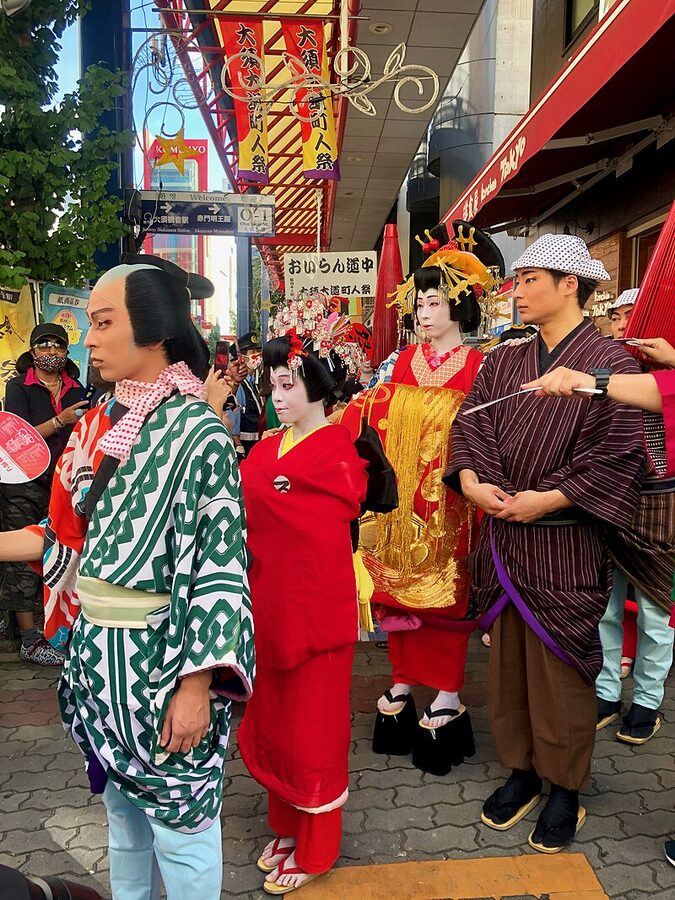
The centrepiece of Kaguwa is the oiran. If you’ve never seen an oiran procession, it’s nothing like the quiet elegance of a geisha. Oiran were the highest-ranking courtesans of Edo-period Japan — think of them as the rock stars of the Yoshiwara pleasure quarter. Their costumes were deliberately over-the-top: multi-layered kimono in bold patterns, towering headdresses pinned with dozens of ornate hairpins, and those platform geta sandals that force the signature slow, swaying walk. The walk itself — called the “oiran dochu” — is a performance art. Each step is choreographed. The oiran doesn’t just cross the stage. She owns it.
Samurai Sword Fighting
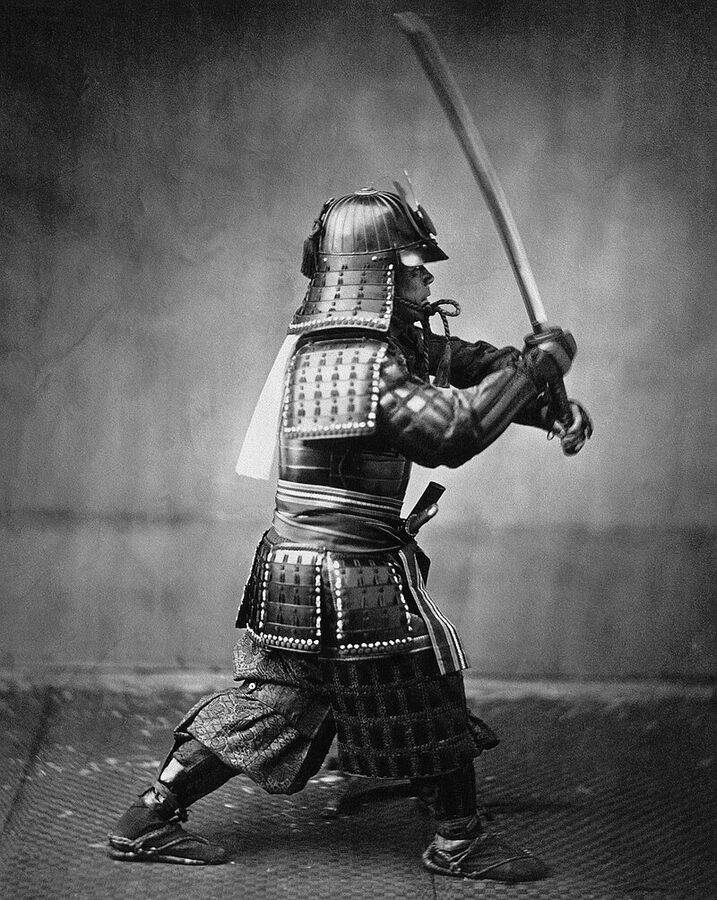
The samurai acts are choreographed combat sequences — tate, the Japanese equivalent of stage combat. Two performers with katana swords go at each other with speed and precision that’s more impressive because you’re sitting about five metres away. The sound of the blades is real. The footwork is real. It’s stage combat, but performed by people who clearly trained with actual martial artists.
Geisha Dance
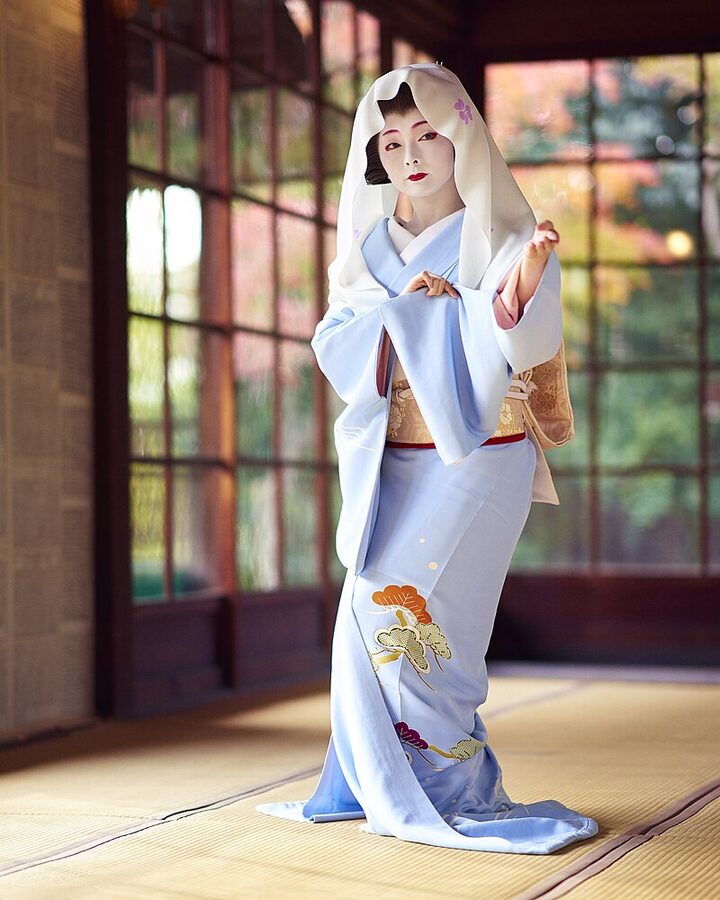
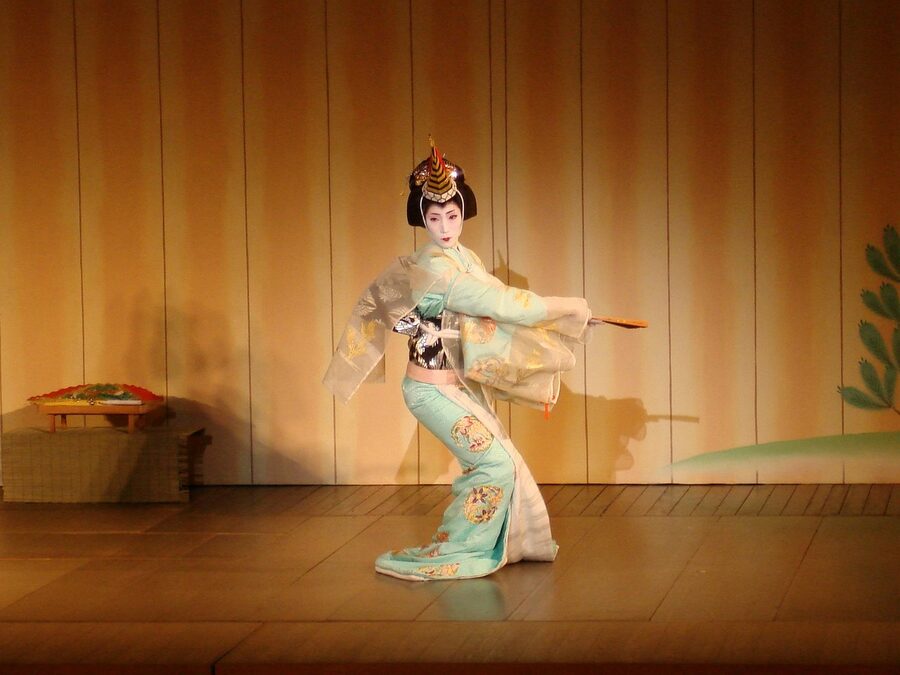
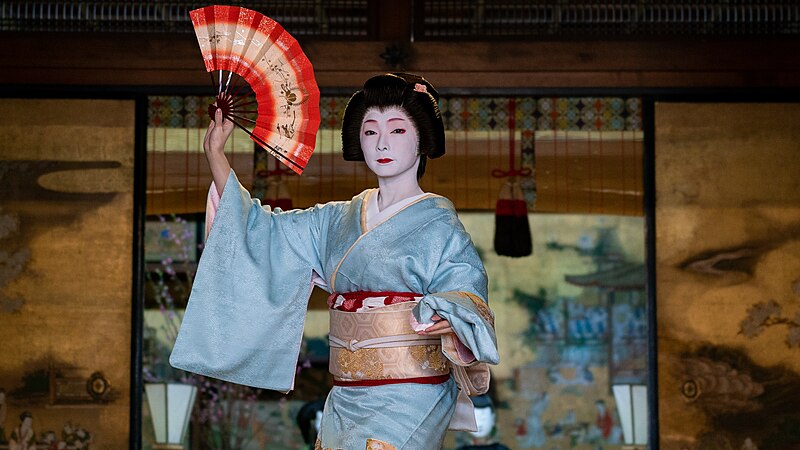
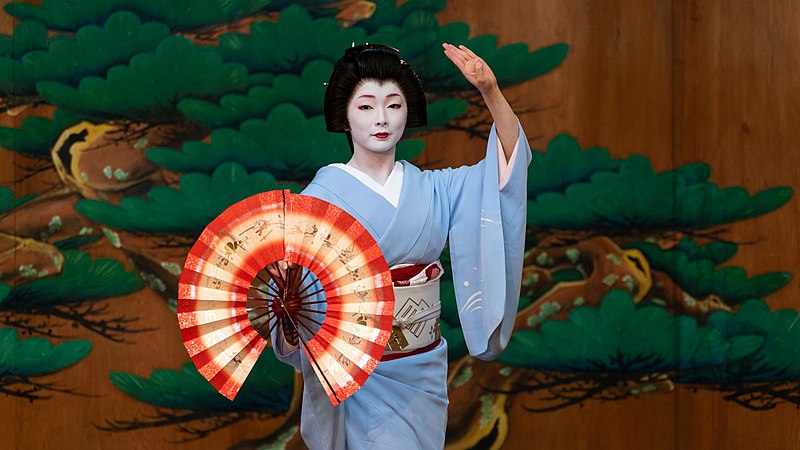
The geisha segments are the opposite of the samurai scenes — slow, deliberate, hypnotic. The performers use fans, parasols, and subtle hand movements that draw from nihon buyo (traditional Japanese dance). If you’ve seen geisha dance in Kyoto’s Gion district, this is the same tradition adapted for a cabaret stage. The difference is that in Gion, you’re watching from 30 metres away. At Kaguwa, you’re watching from 3.
Comedy and Audience Interaction
Not everything is serious. Some acts are deliberately comedic — slapstick ninja scenes, audience participation bits where someone gets pulled on stage, and physical comedy that works regardless of language. The non-verbal format means the comedy is visual and physical rather than joke-based. It’s surprisingly effective. The Japanese audience members laugh just as hard as the travelers.
The Best Asakusa Kaguwa Tickets
1. Asakusa Kaguwa Japanese Dance Cabaret Theater — $49
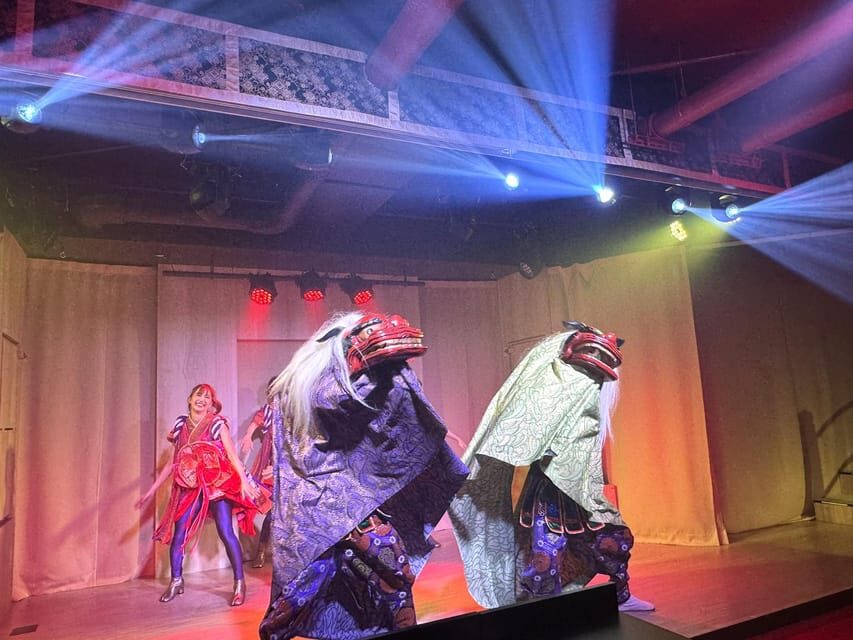
This is the flagship experience. Over 2,270 reviews and it’s one of the highest-rated entertainment experiences in Tokyo. The ticket includes one drink (beer, wine, soft drinks, or a cocktail), and VIP seats offer all-you-can-drink until the show starts. Our full review goes deeper into each act and what makes the show work. Jea, who visited recently, called it a great show with a really fun and touching story — and praised the performers’ passion.
2. Mokubakan Theater — Dance Show Only — $26
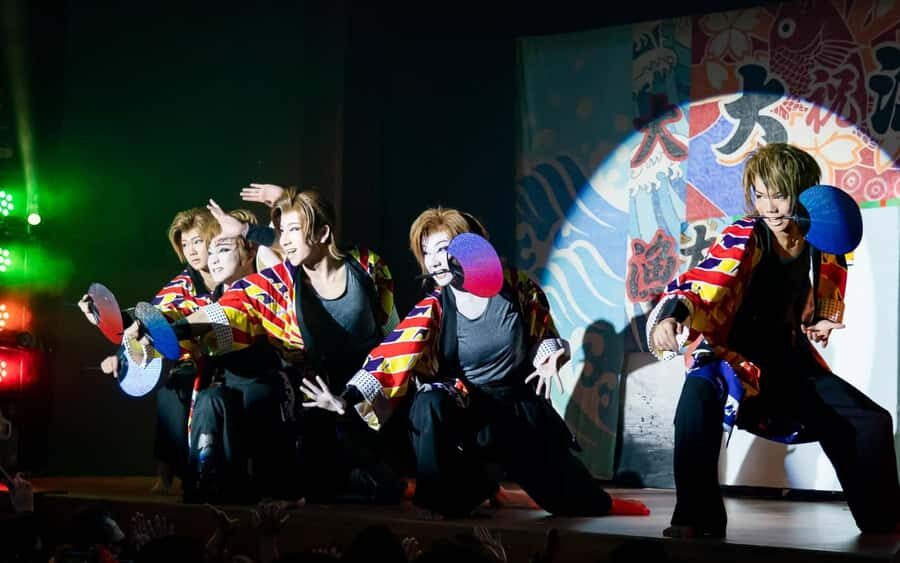
Same venue company, different format. The Mokubakan strips away the cabaret elements and focuses on traditional Japanese dance. At $26, it’s nearly half the price of the main Kaguwa show. Perfect 5.0 rating across 42 reviews — smaller sample size but consistently praised. Our review covers what makes the pure dance format different from the full cabaret experience.
3. Ginza Konparu Japanese Cabaret Show — $50
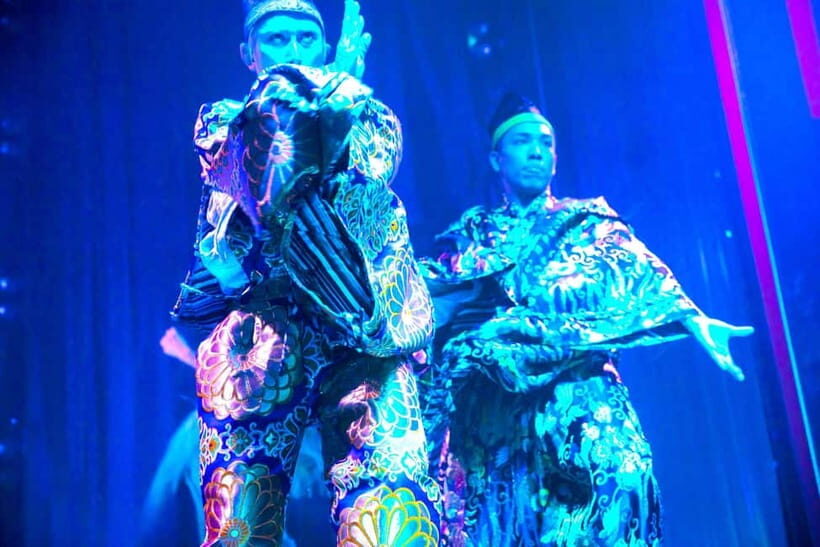
If you’re based in central Tokyo and Asakusa feels too far, Konparu runs a similar Japanese cabaret format in Ginza. Same concept — oiran, geisha, samurai performances with a drink included — in a more central location. The show is newer with 38 reviews, but the format is proven. Our review compares it to the Asakusa version.
Seating: Regular vs VIP
The venue is small — about 100 seats — so there isn’t really a bad seat. But there are differences worth knowing.
Regular seating ($49): Includes one drink (choose from beer, wine, shochu highball, cocktail, or soft drinks). You’ll be in the middle or back of the theatre. The stage is elevated, so sightlines are fine from everywhere. This is what most people book and most people are happy with it.
VIP / Front Row ($59-69): Front-row seats plus all-you-can-drink from the moment you arrive until the show starts. If you arrive 30 minutes early (which the venue recommends), that’s 30 minutes of free drinks. The front row also puts you close enough to the performers that you can see the individual embroidery on the oiran’s kimono. During the audience interaction segments, front-row seats have a much higher chance of getting pulled into the action.
Late Show vs Early Show: Kaguwa runs multiple shows per evening. The early show (around 5:30-6pm) tends to fill with families and early diners. The late show (around 8-8:30pm) has a more adult, nightlife atmosphere. The performances are identical — the audience energy is the difference.
Oiran, Geisha, and the Yoshiwara: A History
To understand what Kaguwa is recreating, you need to understand what oiran actually were — and why they’re not the same as geisha.
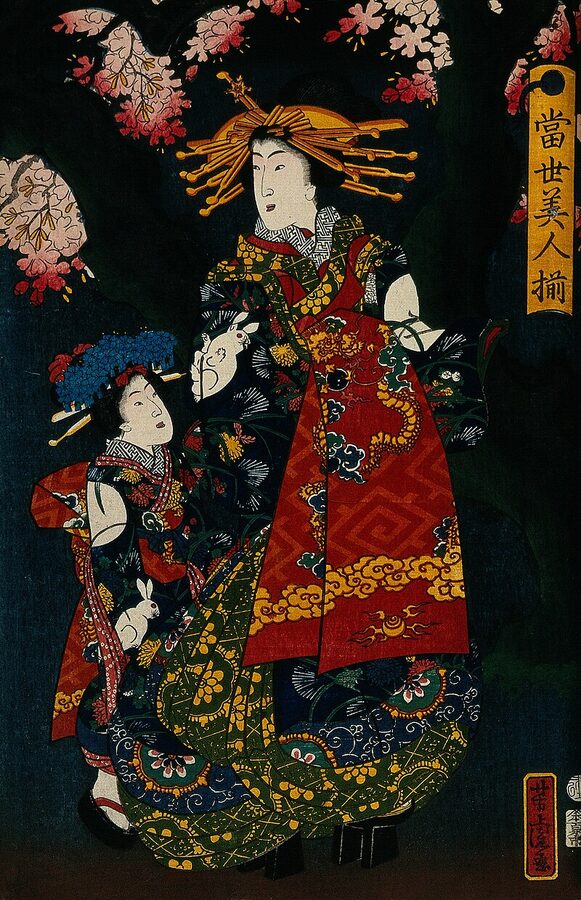
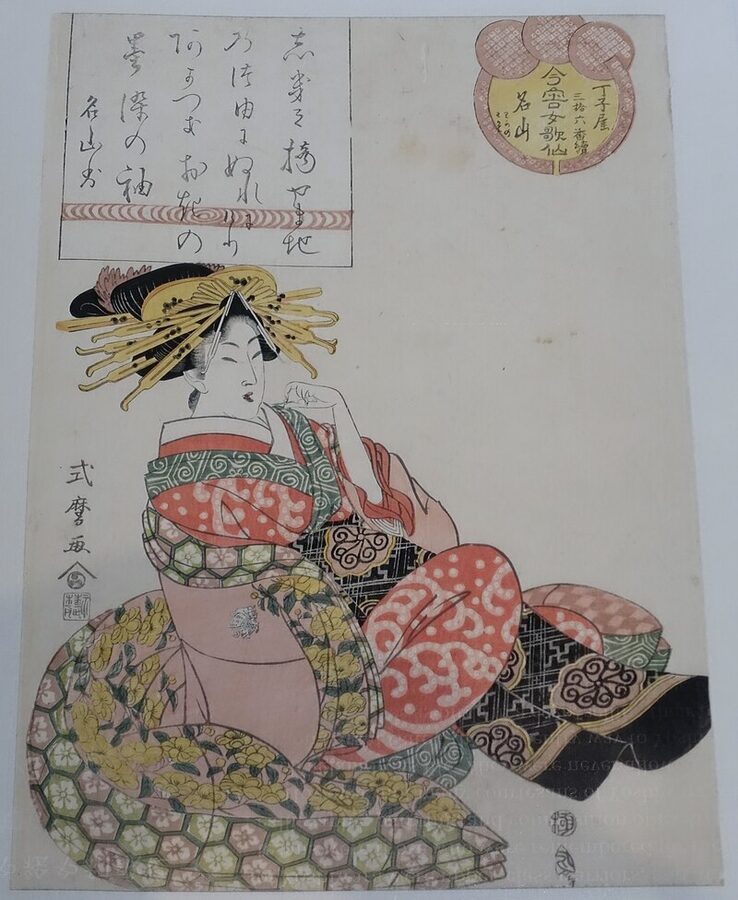
Oiran were the elite courtesans of Edo-period Japan. They operated in the Yoshiwara licensed pleasure quarter — which, not coincidentally, was located in Asakusa. So when you watch an oiran performance in Asakusa, you’re watching it in the same neighbourhood where the real oiran lived and worked.
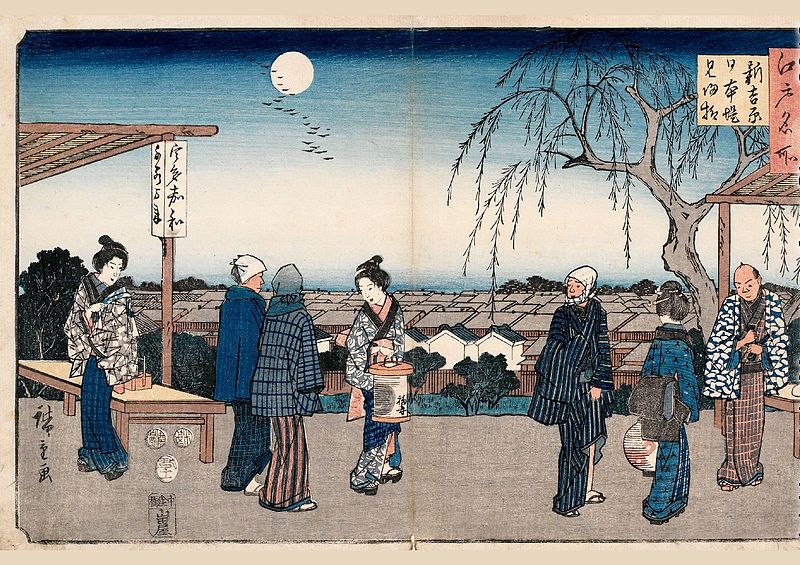
The Yoshiwara was established in 1617 and relocated to Asakusa in 1657 after a devastating fire destroyed the original district near Nihonbashi. For the next 300 years, it was the centre of Edo’s entertainment culture. The highest-ranking oiran — called “tayuu” — were educated in poetry, calligraphy, music, and conversation. They chose their own clients. The oiran dochu procession — the slow, elaborate walk through the district — was a public spectacle. Crowds gathered to watch. Woodblock print artists documented them. They were celebrities.
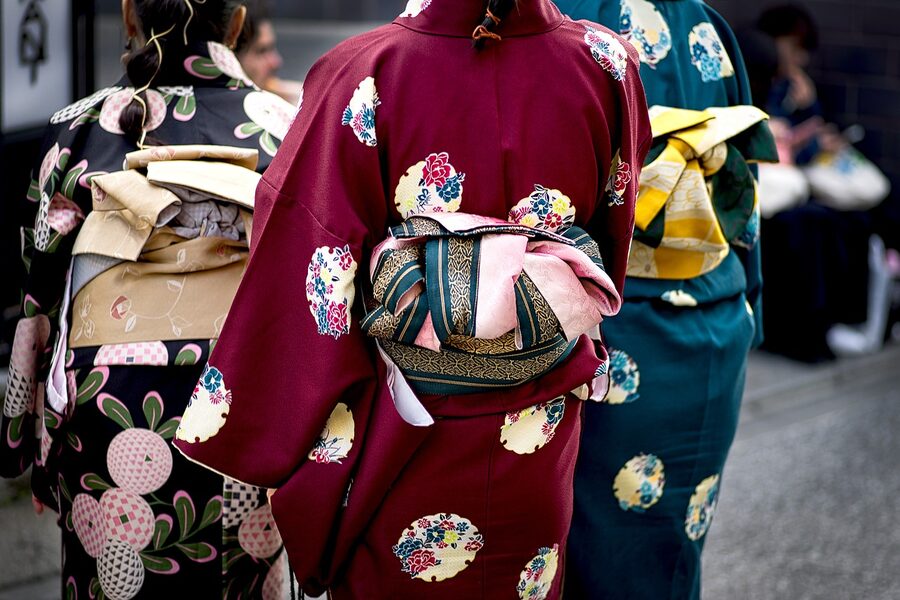
Geisha emerged later — around the mid-1700s — as entertainers who specifically did NOT sell sex. Their art was conversation, music, and dance. The two professions coexisted in the pleasure quarters but served different functions. The confusion between the two is a Western invention. In Japan, the distinction has always been clear.
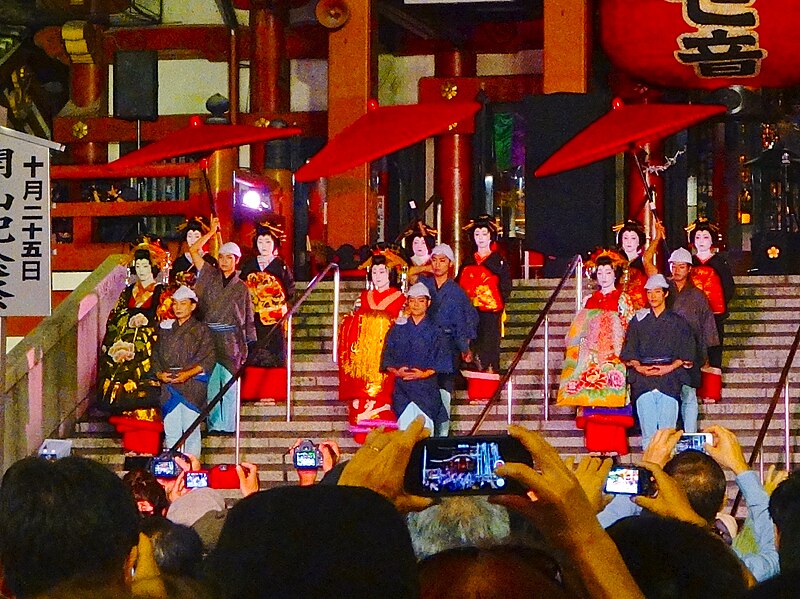
The Yoshiwara was officially closed in 1958. The oiran tradition effectively died with it. What survives are recreations — like festival parades and shows like Kaguwa — that preserve the visual spectacle and performing arts while leaving the exploitation behind. Watching the oiran act at Kaguwa is about as close as you can get to seeing what a Yoshiwara procession actually looked like.
Why Kaguwa Works (When Many Tourist Shows Don’t)
Tokyo has no shortage of “traditional Japanese shows” aimed at travelers. Most of them are forgettable. Kaguwa works for a few specific reasons.
The performers are professionals. These aren’t costumed actors reading from a script. The dancers have trained in nihon buyo (Japanese classical dance). The sword fighters have martial arts backgrounds. The oiran performers have practiced the walking technique for months. The difference between a professional and a costumed amateur is obvious within 30 seconds.
The venue is tiny. About 100 seats. Compare that to the big theatre shows in Shinjuku or Roppongi that seat 500+. At Kaguwa, you’re close enough to hear the fabric rustle when the oiran turns. The intimacy changes the experience completely.
It’s non-verbal. No narration, no subtitles, no audio guide. The performances communicate through movement, music, and visual storytelling. This sounds like a limitation but it’s actually an advantage — you watch instead of reading. You react to what you see instead of what someone tells you to feel. The Japanese audience and the international audience have the same experience.
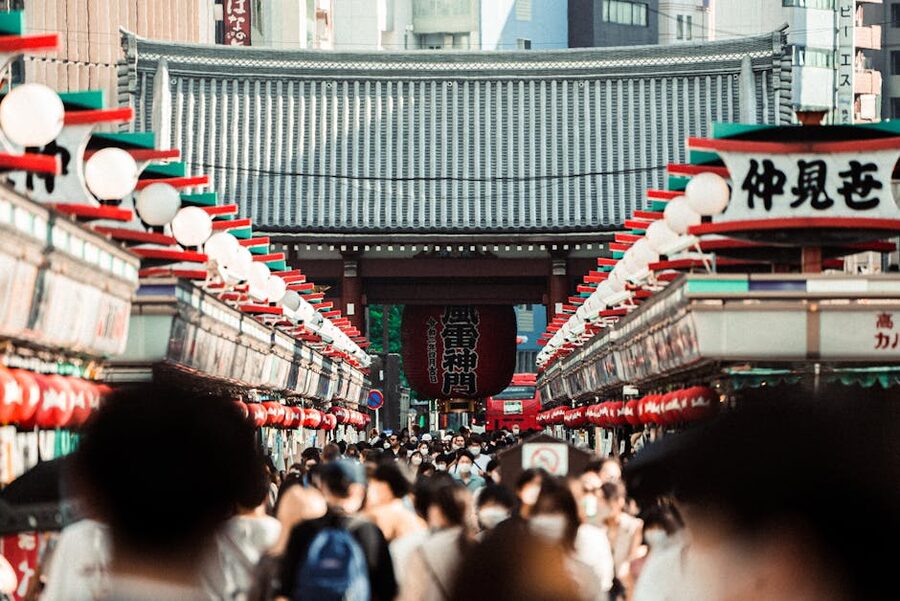
It’s in Asakusa. The neighbourhood matters. Watching oiran and geisha performances in the same district where those traditions actually lived adds a layer of authenticity that a theatre in Shinjuku can’t match. Walking through the lantern-lit backstreets of Asakusa to reach the venue is part of the experience.
How to Book
Kaguwa tickets are available through GYG, Klook, Viator, and the official website (asakusa-kaguwa.com). The GYG listing has the most reviews and the easiest cancellation policy (free cancellation up to 24 hours).
Booking tips:
Book 2-3 days ahead. Kaguwa fills up, especially late shows on weekends. Same-day tickets are sometimes available but don’t count on it.
Choose your show time. Early shows (around 5:30-6pm) and late shows (around 8-8:30pm) are both available. If you’re combining with an Asakusa walking tour or a rickshaw tour in the afternoon, the early show slots in perfectly.
VIP is worth it if you drink. The price difference between regular and VIP is about $10-20. If you’re going to have 2-3 drinks before the show anyway, the all-you-can-drink VIP pays for itself. Plus front-row seats.
Arrive 30 minutes early. The venue recommends it and for good reason. The pre-show atmosphere is part of the experience — drinks, the venue decor, watching the anticipation build. VIP guests especially should arrive early to maximise the all-you-can-drink window.
Kaguwa vs Other Tokyo Entertainment
How does Kaguwa compare to other Japanese cultural shows in Tokyo?
Kaguwa vs Robot Restaurant (Shinjuku): The Robot Restaurant is a neon-lit sensory assault — robots, lasers, drums, dancers in LED costumes. It’s spectacle for spectacle’s sake. Kaguwa is the opposite: traditional, intimate, grounded in real Japanese performing arts. If you want to understand Japan, Kaguwa. If you want to lose your mind for two hours, Robot Restaurant.
Kaguwa vs Samurai Experience (Tokyo/Kyoto): The samurai experiences are hands-on — you wear armour, hold swords, learn techniques. Kaguwa is a seated show. Different formats entirely. You could do both in one trip: samurai class in the afternoon, Kaguwa show in the evening.
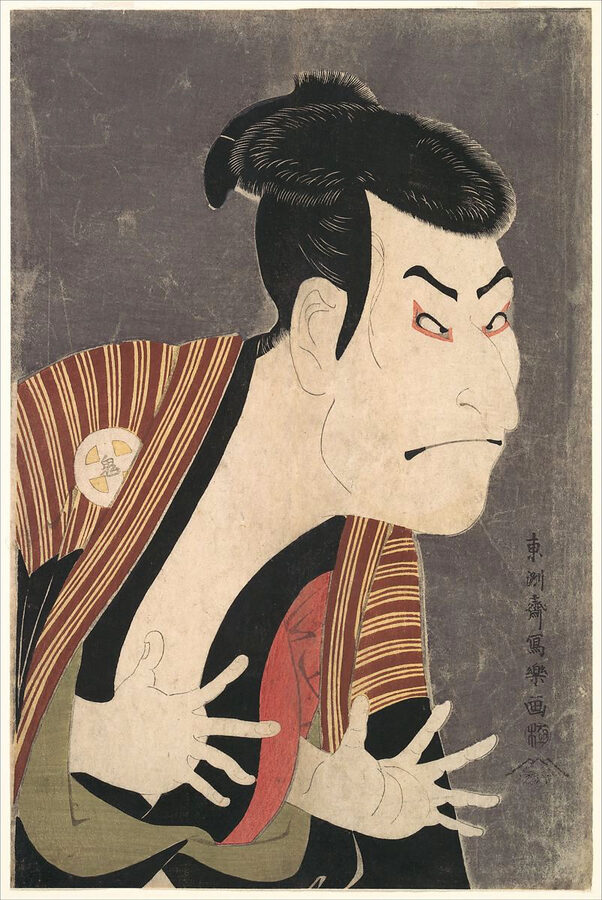
Kaguwa vs Kabuki (Kabuki-za Theatre): Kabuki is the real deal — a UNESCO-recognised art form performed in a grand theatre. It’s also 3-4 hours long, entirely in Japanese, and costs $50-200 depending on seats. Kaguwa gives you the visual essence of kabuki-style performance in 60 minutes, in a format that doesn’t require Japanese language skills or a full afternoon.
Kaguwa vs Sumo Experience: Completely different — sumo is athletic, physical, ritualised. Kaguwa is artistic, visual, theatrical. Both are uniquely Japanese. Sumo in the morning, Kaguwa in the evening makes for an extraordinary day.
Combining Kaguwa With Asakusa
Kaguwa is in Asakusa, which means you can build an entire day around the neighbourhood.
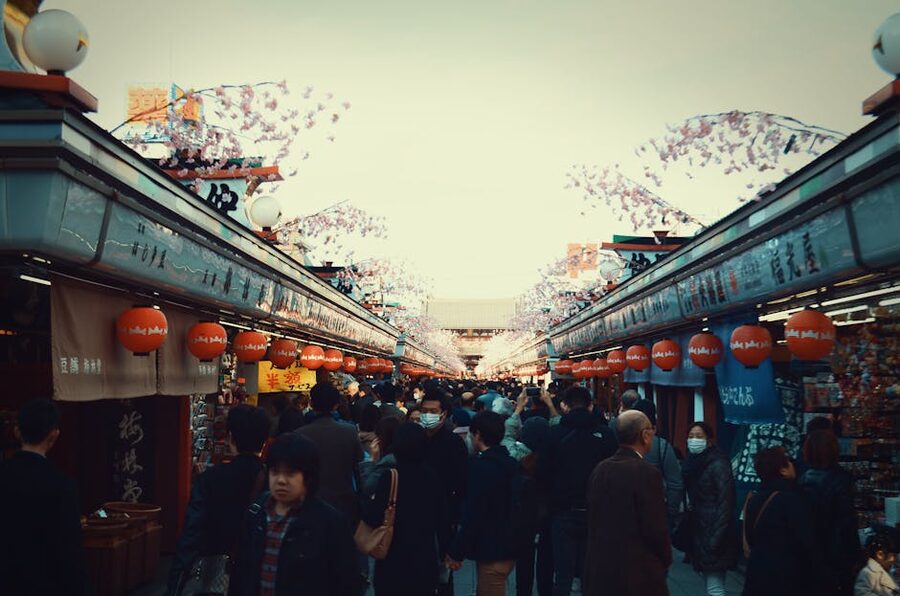
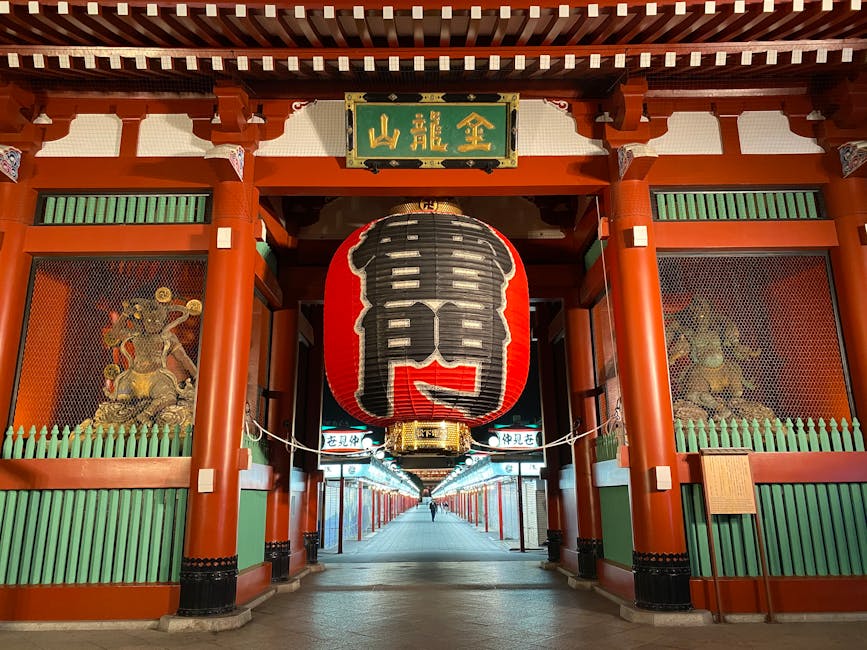
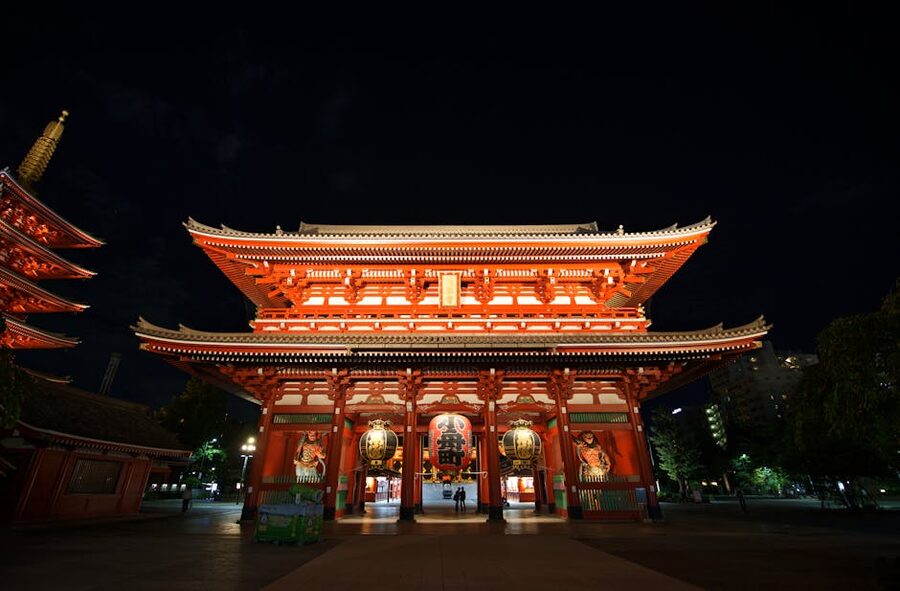
Morning: Sensoji Temple walking tour (9-11am). The temple is a 5-minute walk from the Kaguwa theatre. Learn the 1,400-year history of the neighbourhood where you’ll be watching the show later.
Afternoon: Asakusa rickshaw tour or wander Kappabashi Kitchen Street (10-minute walk from Sensoji). Grab lunch at one of the backstreet tempura shops.
Early evening: Walk through Hoppy Street for a pre-show drink. The red lanterns come on around 4pm and the atmosphere is perfect. Order a nama Hoppy and some nikomi (beef stew).
Evening: Kaguwa show (5:30pm or 8pm). Arrive 30 minutes early for VIP drinks.
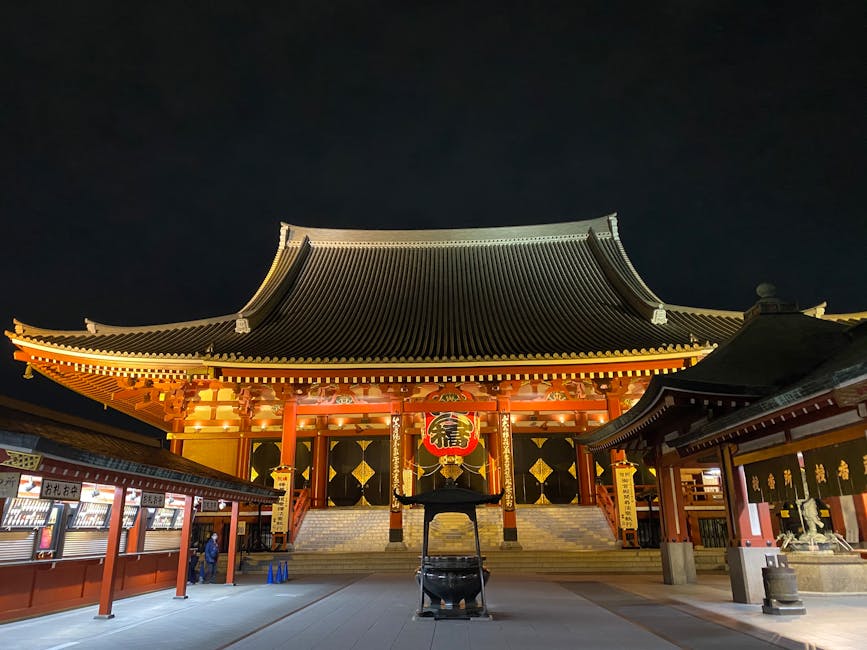
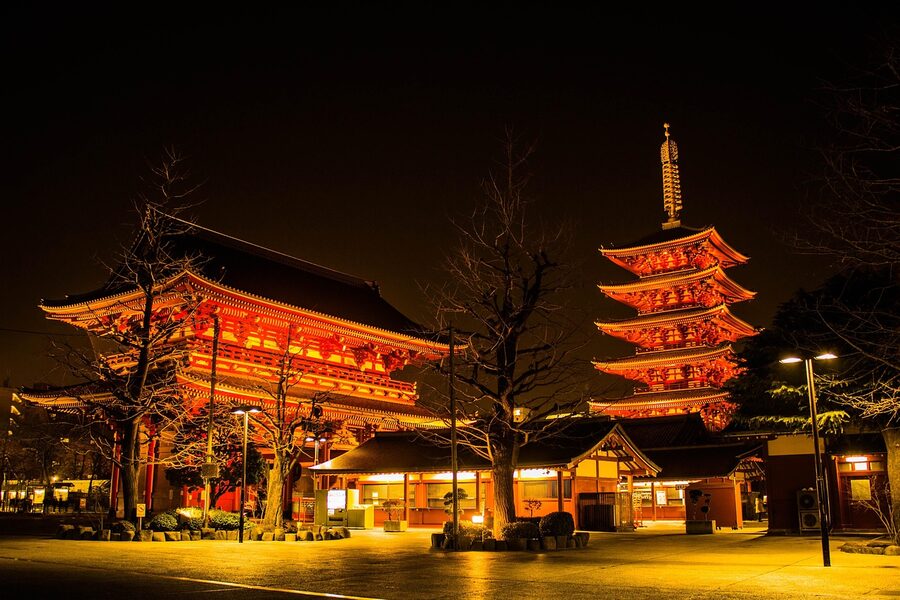
After the show: Tokyo bar hopping tour or a quiet walk through the illuminated Sensoji grounds (the temple is open 24/7 and spectacular at night).
Practical Tips
Location: The theatre is in the Asakusa backstreets, about a 5-minute walk from Sensoji Temple and a 3-minute walk from Asakusa Station (Ginza Line, Exit 1). The exact address is on your ticket confirmation. Look for the venue signage — it’s a small building and easy to walk past if you’re not paying attention.
Photography: Photography and filming are allowed during the show. The venue encourages it. No flash. The lighting is theatrical, so your phone photos will actually look good.
Dress code: None. Come as you are. Some visitors dress up for the late show, but it’s not expected or required.
Duration: The show itself is 60 minutes. Budget 2 hours total including arrival, drinks, and the show. The ticket listing says 2 hours — that includes the pre-show time.
Language: The show is entirely non-verbal. No Japanese needed. The booking process is in English. The staff speak basic English.
Accessibility: The venue is small with limited mobility access. Contact them directly if you have specific accessibility needs.
Age: Suitable for all ages. The comedy is family-friendly. The oiran and geisha content is artistic, not sexual. Children enjoy the samurai sword fighting scenes.
Cancellation: Most booking platforms offer free cancellation up to 24 hours before the show. Check the specific policy when booking.
Getting There
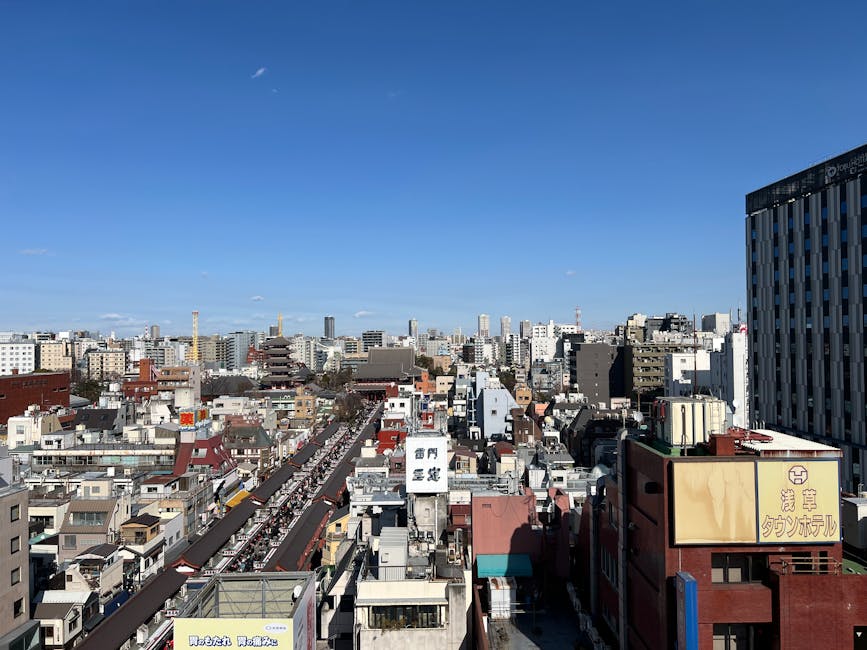
From Asakusa Station (Ginza Line): Exit 1, walk north toward Sensoji Temple. The theatre is in the backstreets to the west. 3-5 minutes on foot.
From Shinjuku: Take the Marunouchi Line to Akasaka-mitsuke, transfer to the Ginza Line to Asakusa. About 25 minutes total.
From Shibuya: Ginza Line direct to Asakusa. About 30 minutes.
From Tokyo Station: Marunouchi Line to Ginza, transfer to Ginza Line to Asakusa. About 15 minutes.
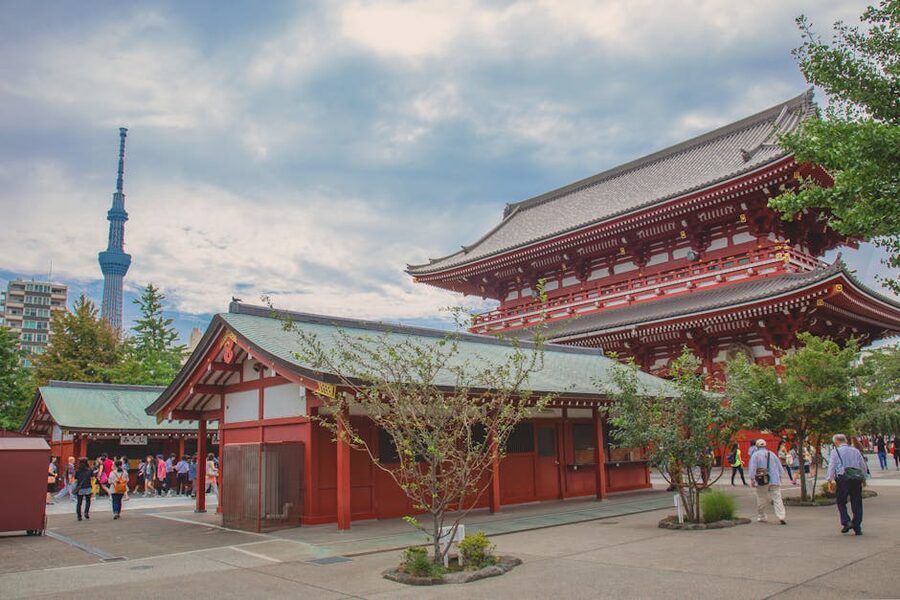
If you’re visiting Tokyo Skytree the same day, it’s a 15-minute walk from Sensoji across the Sumida River. Easy to combine.
More Tokyo Experiences
Kaguwa pairs naturally with other traditional Tokyo experiences. If you’re spending the day in Asakusa, our Sensoji Temple walking tour guide covers the neighbourhood history that gives the show its context. The Asakusa rickshaw tour is a fun afternoon activity before an evening show. For a completely different kind of Japanese culture, the Samurai Ninja Museum lets you handle real swords and armour. Our Shinjuku night walking tour and Tokyo bar hopping guides cover the best options for continuing your night after the show. And for something completely unexpected, the Tsukiji fish market food tour is the best morning activity in Tokyo — fish market for breakfast, temple for the afternoon, cabaret for the evening.