
I was halfway through spreading rice on a sheet of nori when I realized I’d been doing it wrong my entire life. Not wrong as in “it doesn’t taste good” wrong. Wrong as in “this is why every roll I’ve ever made at home falls apart the second I try to cut it” wrong.
The instructor — a former sushi chef who’d spent twelve years behind the counter at a traditional sushi bar in Ginza — watched me pack the rice too thick, too tight, too far to the edges. He reached over, scraped half the rice off, and said: “Less rice, more space. Sushi is about the fish, not the rice.”
That one correction changed everything. And that’s exactly why taking a proper sushi making class in Japan is worth every yen.
Short on time? Here are my top 3 picks:
Best overall: Sushi Making Experience in Tokyo — $59.69. Taught by a real sushi chef. You learn proper knife work, rice seasoning, and leave with 8-10 pieces you made yourself.
Best budget: Sushi Making Class in a Happi Coat — $42. Fun atmosphere, traditional outfit included, and solid instruction for the price.
Best for Osaka: Sushi Making Osaka Class — $31.01. Cheapest option that doesn’t cut corners. Great for travellers on a food tour through Kansai.
- How Sushi Making Classes in Japan Actually Work
- Why Not Just Watch YouTube?
- The Best Sushi Making Classes to Book
- 1. Sushi Making Experience in Tokyo — .69
- 2. Sushi Making Class in Asakusa —
- 3. Sushi Making Class in a Happi Coat —
- 4. Sushi Making Class in Osaka — .01
- 5. Sushi Making Class at Tsukiji — .74
- Tokyo vs Osaka vs Kyoto: Where Should You Book?
- When to Book Your Class
- What to Expect on Class Day
- Tips That Will Save You Time and Money
- What You’ll Actually Learn to Make
- Getting to Your Class
- The History Behind Japanese Sushi
- Planning the Rest of Your Japan Food Trip
How Sushi Making Classes in Japan Actually Work
Most sushi classes follow the same general format: you show up, put on an apron (or in some cases a happi coat), and spend 60 to 100 minutes learning from a professional sushi chef. The classes are almost always conducted in English, which removes the biggest barrier most travellers worry about.
Here’s what a typical class covers:
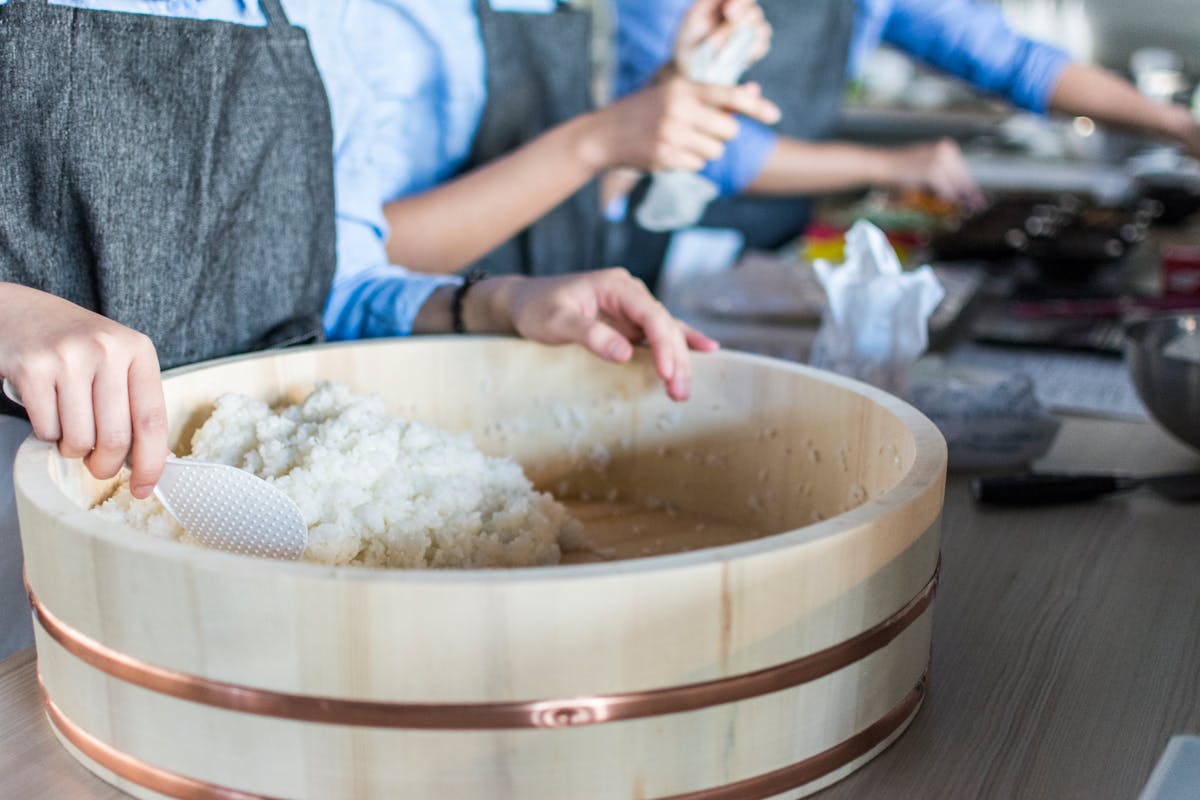
- Rice preparation — how to season and cool sushi rice properly (this is where most home attempts go wrong)
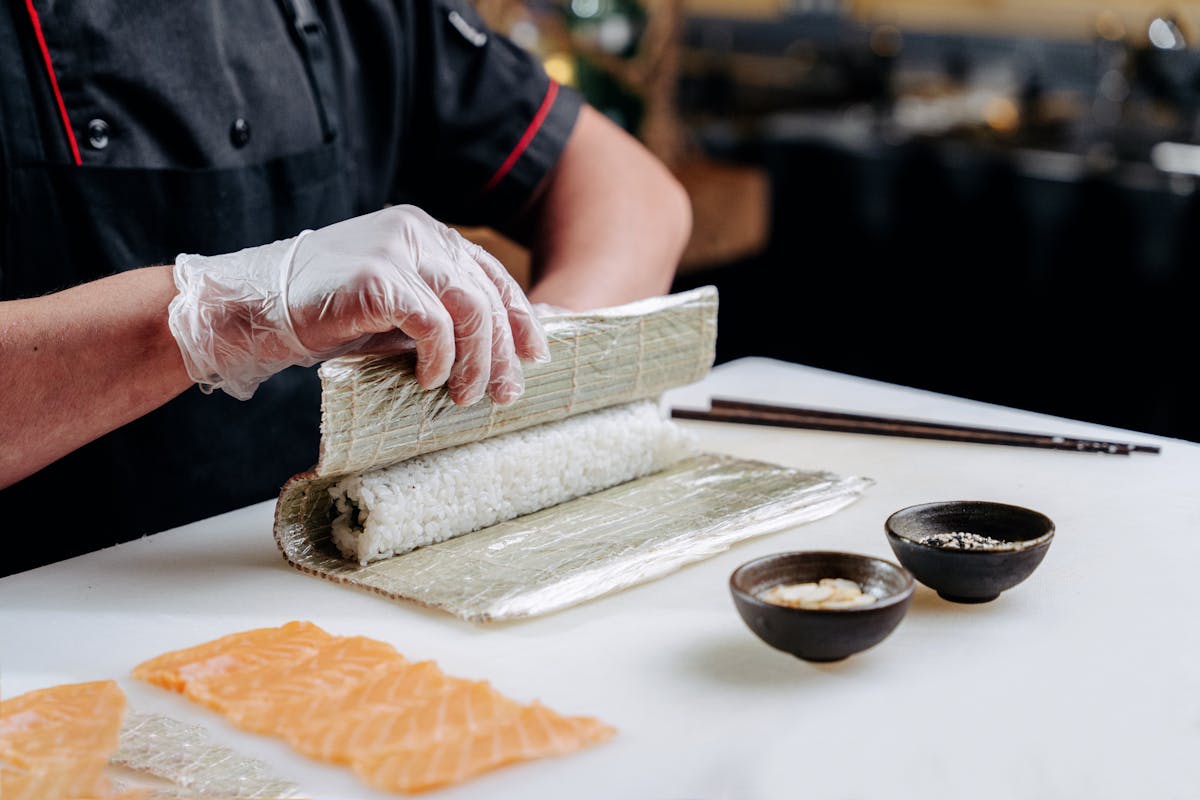
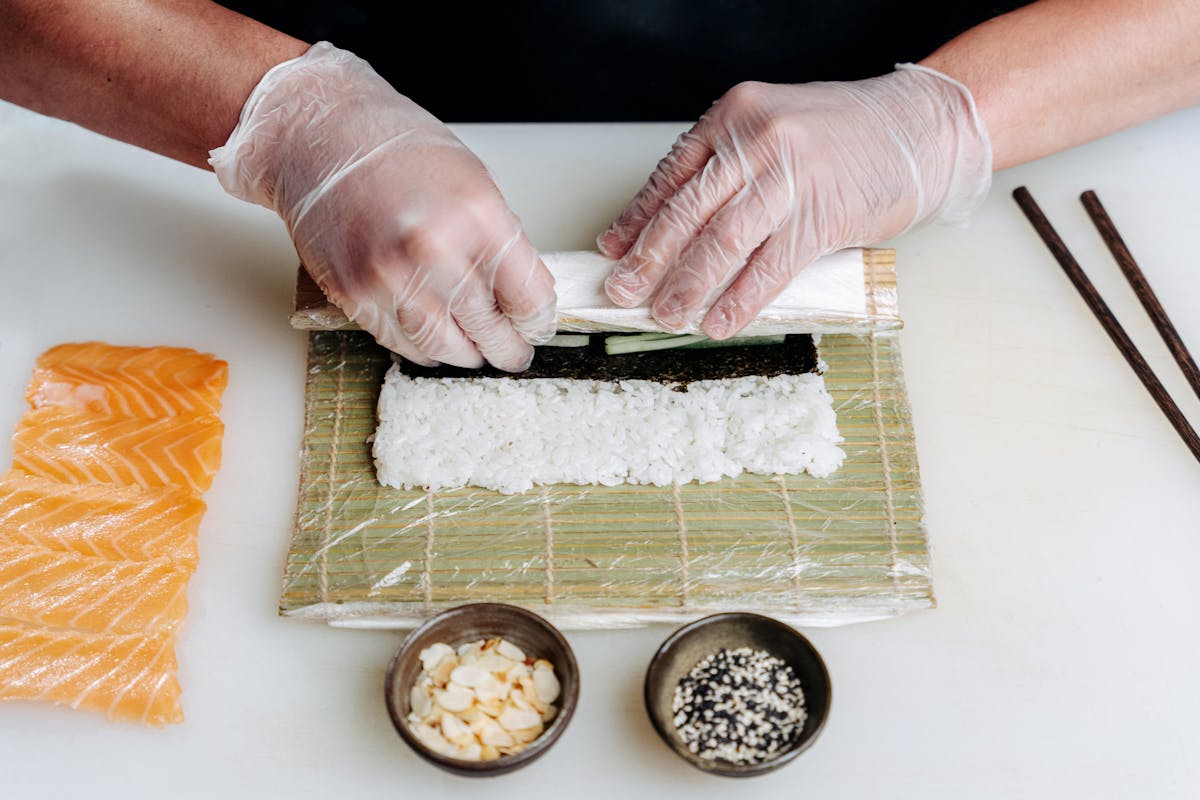
- Maki rolls — the bamboo mat technique for making standard and inside-out rolls
- Nigiri — shaping rice by hand and draping fish over it with the right pressure
- Knife skills — how to slice fish cleanly without tearing the flesh
Classes run anywhere from $31 to $60, depending on the city and what’s included. Tokyo classes tend to be slightly more expensive than Osaka, and Kyoto sits somewhere in the middle. Every class I’ve seen includes all ingredients and tools. You eat everything you make at the end, which usually amounts to 8-12 pieces of sushi — more than enough for lunch.
Group sizes are small, typically 4-10 people. If you want a private session, most operators offer that at a premium, but honestly the group classes are more fun. You learn from other people’s mistakes, and there’s something satisfying about comparing your rolls to the person next to you.
Why Not Just Watch YouTube?
Fair question. I thought the same thing before my first class. But there are three things you can’t get from a video:
Touch. Sushi is all about how things feel in your hands. How wet is the rice? How much pressure do you use when shaping nigiri? How do you know when your knife angle is right? A chef standing next to you can correct these in real time. A video can’t.
Fish quality. The fish you work with in a Tokyo sushi class is restaurant-grade. The stuff at your local supermarket back home is not even close. Working with proper ingredients teaches you what good sushi should taste like, which changes how you shop and cook forever.
Context. The chefs in these classes don’t just show you technique. They explain why each step matters. Why the rice is fanned while being seasoned. Why the wasabi goes between the fish and rice, not on top. Why certain fish is cut against the grain and others aren’t. It’s food education wrapped in a hands-on experience.
The Best Sushi Making Classes to Book
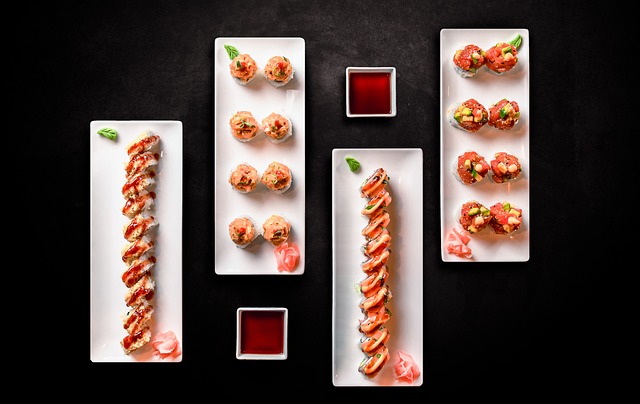
I’ve gone through the top-rated sushi classes across Tokyo, Osaka, and the Tsukiji area. These five stand out for the quality of instruction, the ingredients, and the overall experience. I’ve ranked them by how much you actually learn — not just how Instagram-friendly the setup is.
1. Sushi Making Experience in Tokyo — $59.69

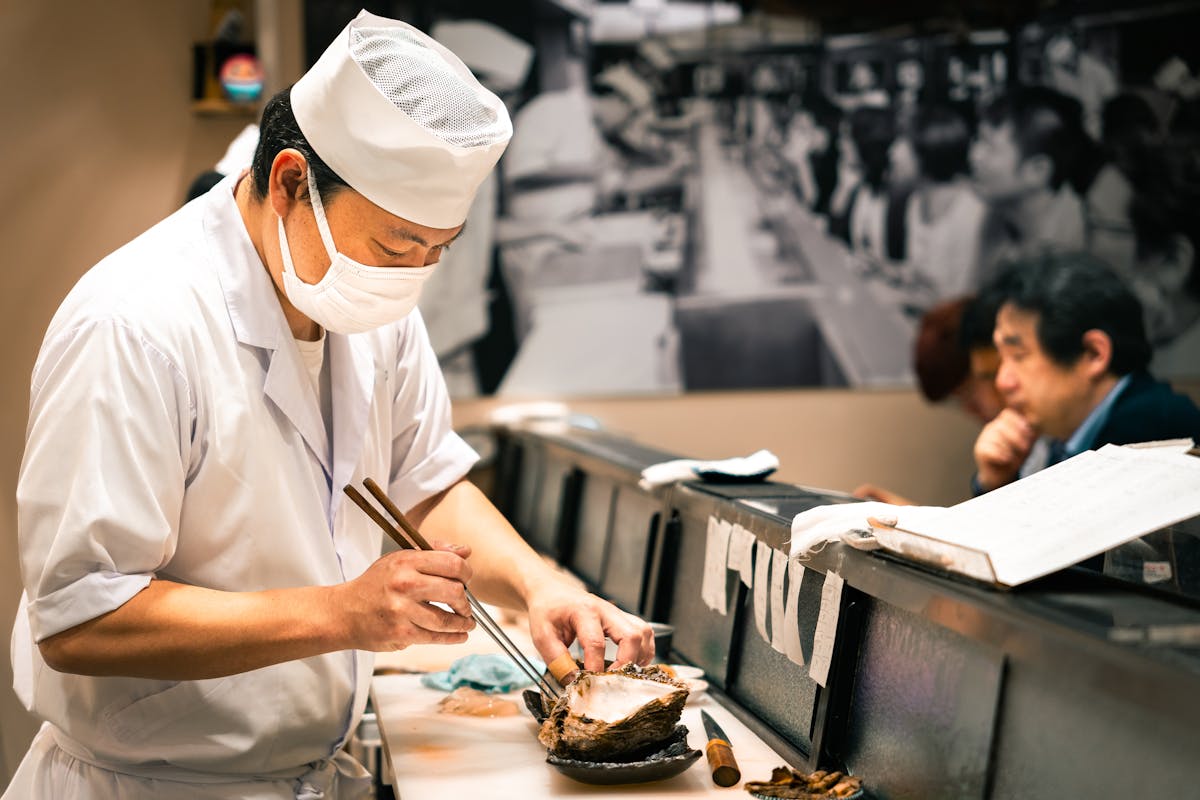
This is the one I’d book if I could only pick one. It’s taught by a professional sushi chef — not a cooking school instructor, not a tour guide who learned on the job, but someone who spent years behind a real sushi counter. You feel the difference immediately.
The class covers both maki and nigiri, but what sets it apart is the depth. You learn about fish selection, proper rice-to-vinegar ratios, and knife angles that actually matter. It’s the kind of class where you walk out feeling like you genuinely improved, not just had a fun afternoon. At $59.69, it’s the most expensive on this list, but it’s also the most educational.
This is one of the most popular sushi classes in Tokyo, consistently rated at the top by participants. If you’re serious about learning proper technique rather than just getting a photo op, start here.
2. Sushi Making Class in Asakusa — $58
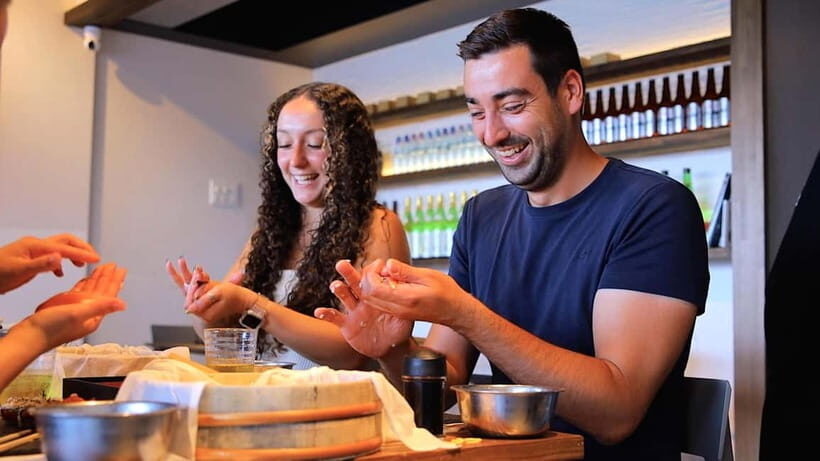
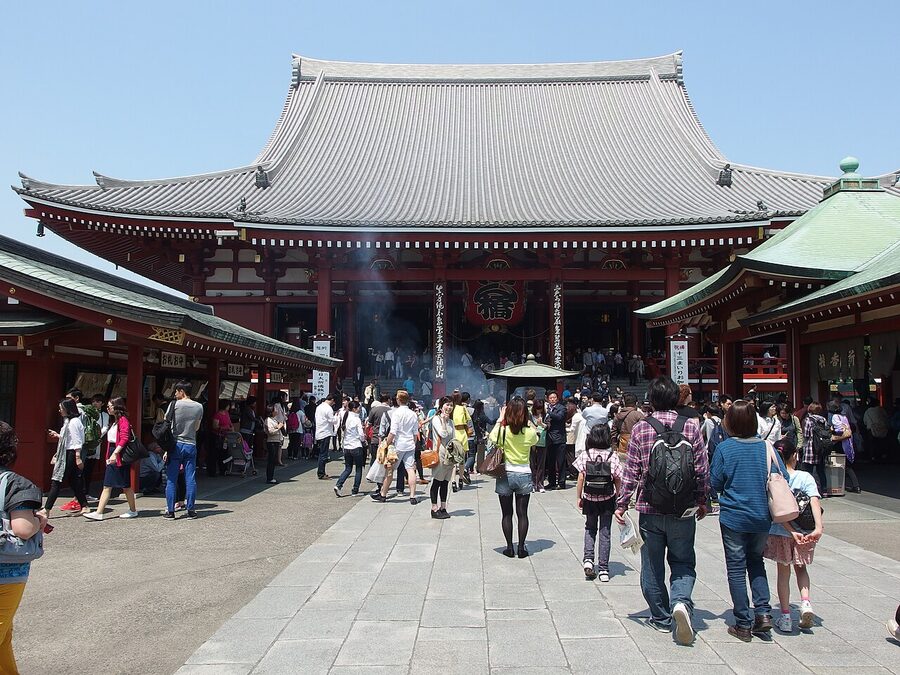
This 100-minute class in Asakusa is the longest on the list, and the extra time shows. You cover both standard maki rolls and authentic nigiri, with enough practice time that you’re not rushing through either one. The location in Asakusa is a bonus — it’s one of Tokyo’s most walkable neighborhoods, so you can easily build this into a Skytree visit or a morning at Senso-ji temple.
At $58 it’s nearly the same price as the top pick, but the slightly longer format gives you more hands-on practice. The instruction covers proper rice spreading, rolling technique, and the fish-cutting basics that make the difference between sloppy home sushi and something you’d actually be proud to serve. If you’re staying in eastern Tokyo or planning a day around Asakusa, this is the natural choice.
3. Sushi Making Class in a Happi Coat — $42
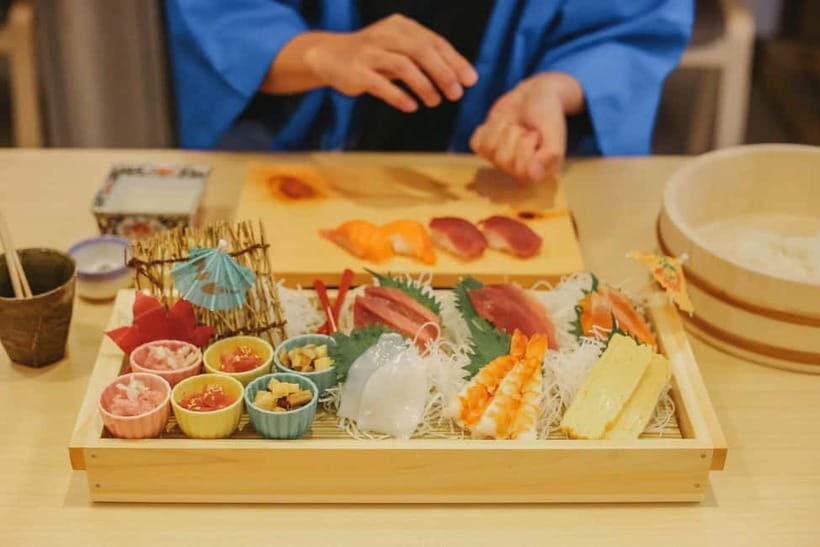
This is the best budget option in Tokyo, and it’s not a compromise. At $42 you get a 90-minute class where you learn to make both maki and nigiri while wearing a traditional happi coat — the short jacket that sushi chefs historically wore in their shops. It sounds gimmicky but it actually adds to the atmosphere.
The instruction is solid. You get proper knife training, rice technique, and enough practice to make a full plate of sushi by the end. The price point makes this a no-brainer if you’re traveling on a tighter budget or if you want to squeeze a sushi class in without it dominating your day’s spending. Operated by SUSHI GARYU, which has a strong reputation among repeat visitors to Tokyo.
4. Sushi Making Class in Osaka — $31.01
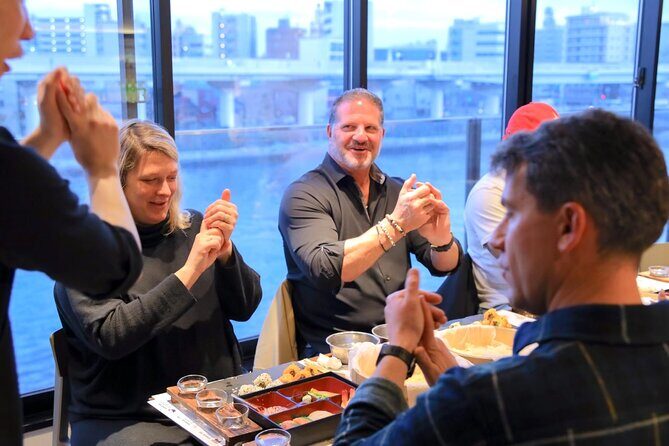
If you’re doing the classic Tokyo-Osaka-Kyoto route and want to fit in a sushi class without the Tokyo price tag, this is the one. At $31.01 it’s the cheapest class on this list by a wide margin, and the quality doesn’t suffer for it. Osaka is a food city through and through, and the instructors here bring the same Kansai warmth and directness that makes Osaka street food culture so appealing.
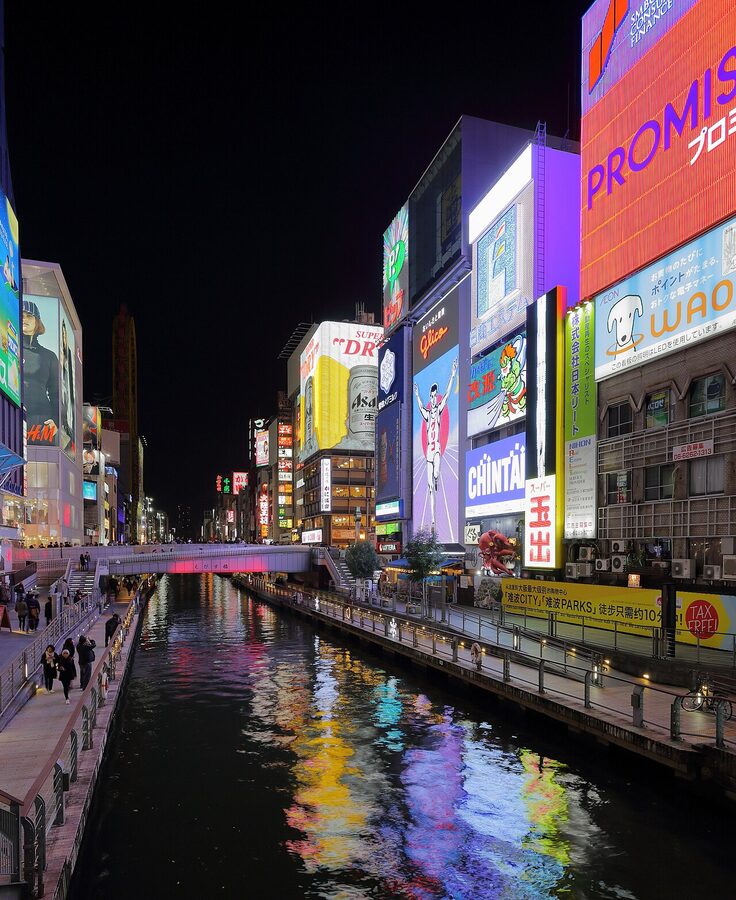
The class covers maki and authentic Japanese sushi techniques. It’s run by the same organization behind the top-rated Tokyo experience, so the curriculum is proven. The difference is the price — Osaka’s lower overhead means you save nearly $30 compared to a comparable class in Shinjuku or Asakusa. Pair this with a walk through Dotonbori’s street food scene and you’ve got a full food day in Osaka for under $50.
5. Sushi Making Class at Tsukiji — $49.74
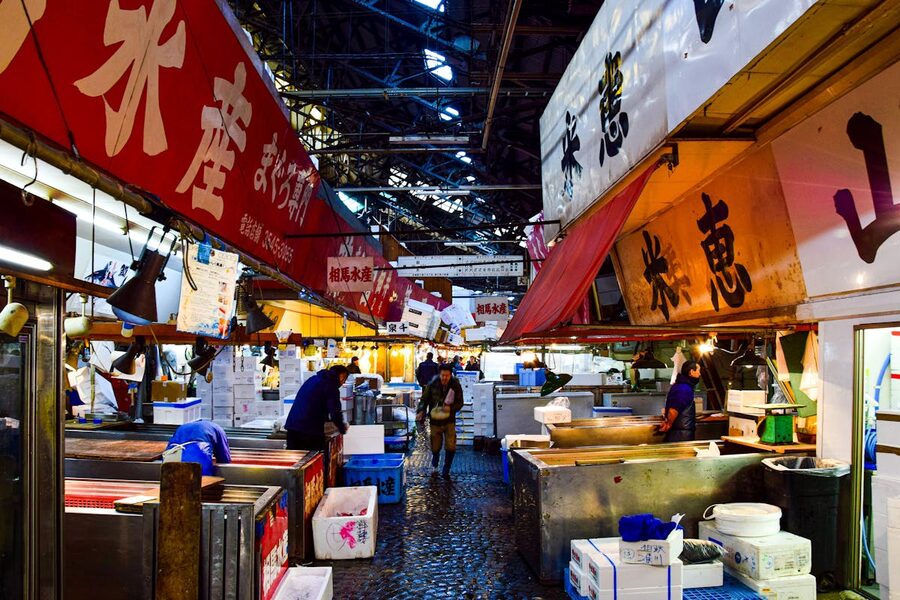
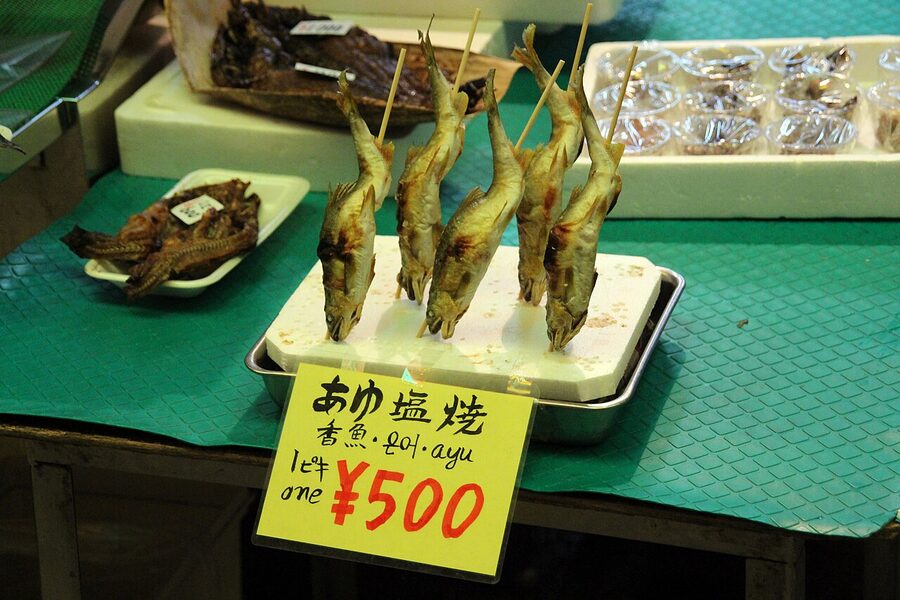
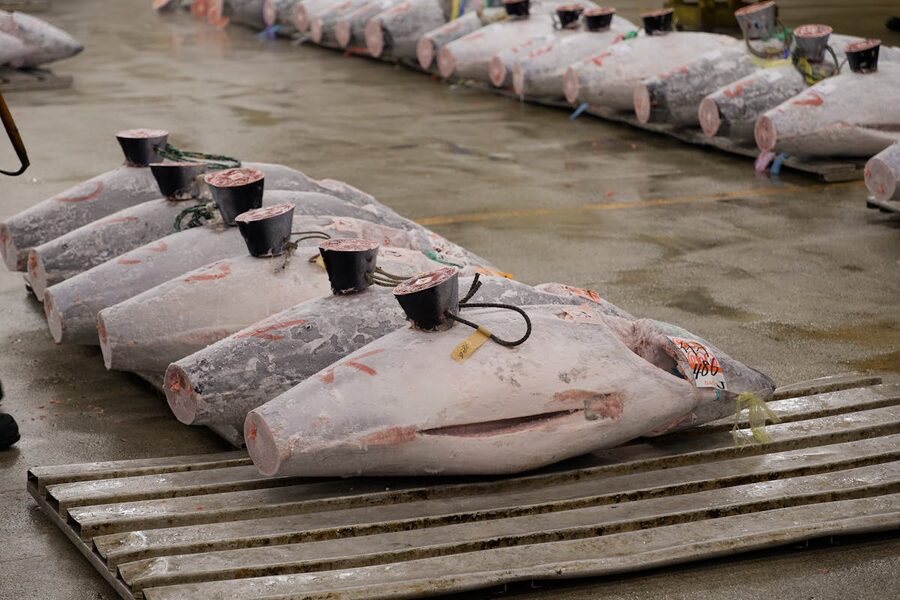
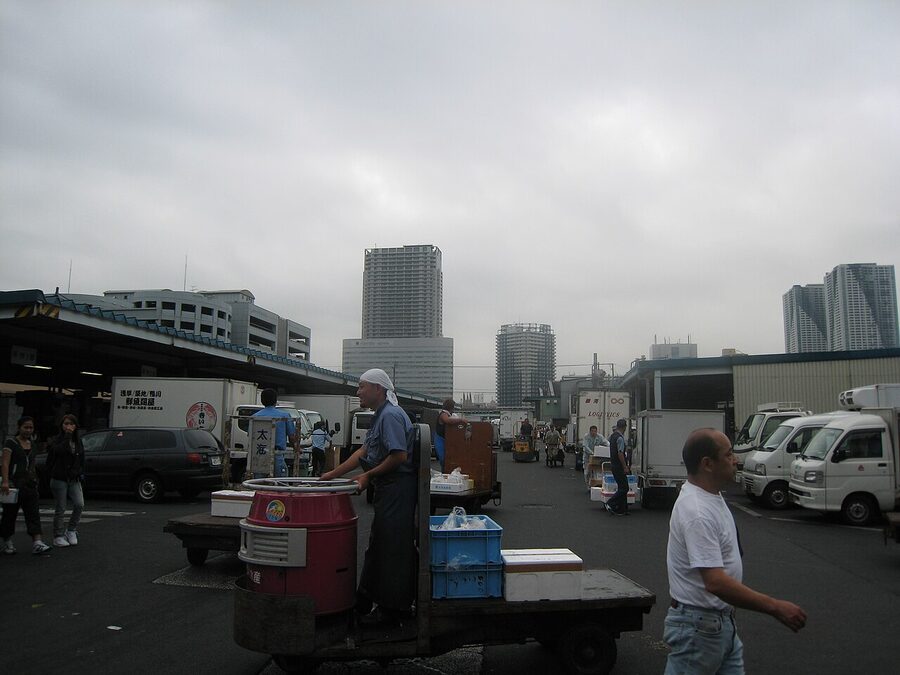
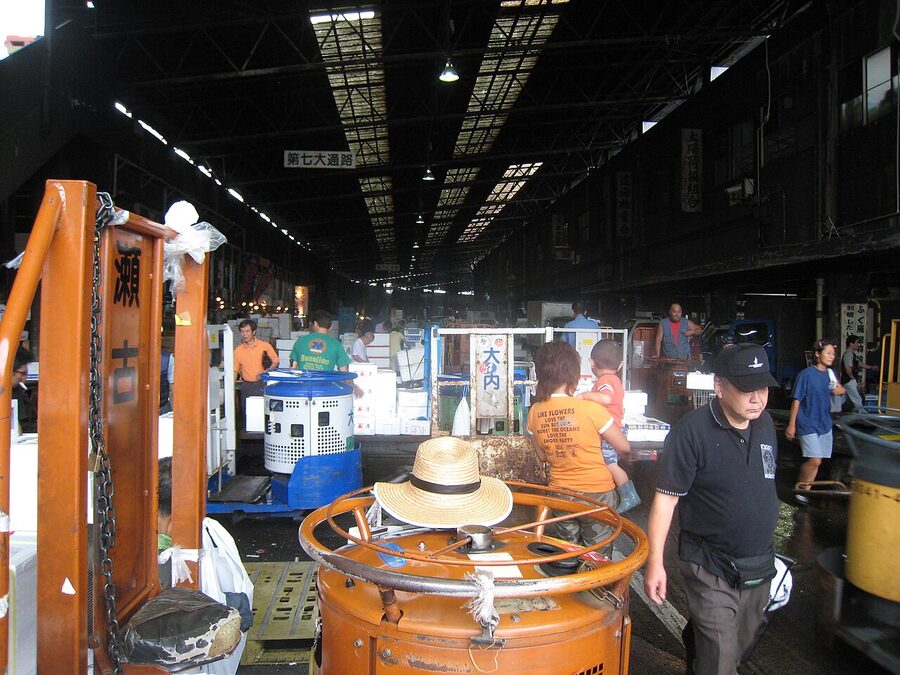
The Tsukiji location makes this one special. While the main wholesale market moved to Toyosu in 2018, the outer market at Tsukiji is still a working seafood market — and the fish you use in this class comes directly from the stalls around you. There’s something satisfying about walking past the vendors who sold the tuna you’re about to slice.
The 90-minute class is taught by Japan Wonder Travel, which runs a tight operation. You learn from a sushi master (their term, but in this case it’s earned) and cover the fundamentals of both maki and nigiri. At $49.74 it sits in the middle of the price range, but the Tsukiji atmosphere adds value you can’t put a number on. If you’re already planning to hit the Tsukiji outer market for street food, booking this class for the same morning makes your whole day flow.
Tokyo vs Osaka vs Kyoto: Where Should You Book?
Each city has a different feel, and the sushi classes reflect that.
Tokyo has the most options and the highest-quality instruction. The fish is sourced from Toyosu and Tsukiji markets, and many instructors are former professional sushi chefs. If you want the most technical, serious class, Tokyo is where you book. The downside is price — expect to pay $42-60.
Osaka is the budget-friendly choice without sacrificing quality. The food culture in Osaka is more relaxed and generous — portions tend to be bigger, prices tend to be lower, and the atmosphere is warmer. The sushi class here is $31, which is remarkable for what you get. Osaka also has the strongest street food scene in Japan, so you can build a full food day around your class.
Kyoto is where tradition runs deepest. The city has fewer dedicated sushi classes than Tokyo or Osaka, but the ones that exist tend to emphasize the historical and cultural context of sushi. If you care more about understanding the why behind the craft than just learning technique, Kyoto is worth considering. Check local cooking schools for availability — the smaller operations don’t always list on the major booking platforms.
When to Book Your Class
Timing matters more than most people realize.
Book 2-3 weeks ahead if you’re visiting during peak season (March-May for cherry blossom, October-November for autumn). The most popular classes cap at 6-8 people and fill up fast. I’ve seen the top-rated Tokyo classes show “sold out” for the entire following week during Golden Week.
Morning classes are better than afternoon ones. The fish is freshest in the morning (it comes straight from the market), the instructors are sharpest, and you’re less likely to be in a post-lunch food coma while trying to concentrate on knife angles. Most classes run between 10:00 AM and 12:00 PM.
Avoid Sundays and Mondays if you’re booking the Tsukiji class. Some outer market vendors close on these days, which means the market walk before class is less interesting. Tuesday through Saturday gives you the full experience.
What to Expect on Class Day
Every class I’ve taken or researched follows roughly the same flow:
Arrival (10 minutes before start): You check in, wash your hands, and put on your apron or happi coat. The workspace is already set up with your cutting board, knife, bamboo mat, and ingredients. Most places offer green tea while you settle in.
Introduction (10-15 minutes): The chef explains the types of sushi you’ll be making, shows you the fish selection for the day, and demonstrates the rice preparation technique. Pay attention here — the rice demonstration is the most important part of the entire class.
Hands-on practice (45-60 minutes): This is the core of the class. You make 2-3 types of maki rolls and several pieces of nigiri. The chef walks around correcting your technique in real time. Don’t be afraid to ask questions — the small group size means you get genuine attention.
Eating (15-20 minutes): You eat everything you made, which is usually 8-12 pieces. Most classes provide soy sauce, pickled ginger, and wasabi. Some include miso soup. The eating part is always fun because you can taste the difference between your first roll (probably messy) and your last one (probably decent).
Tips That Will Save You Time and Money
- Don’t eat a big breakfast. You’ll be eating a full plate of sushi at the end of class. A light breakfast or just coffee is plenty
- Wear short sleeves or roll them up. You’ll be working with sticky rice and raw fish. Long sleeves get in the way
- Bring your phone charged. The chefs are usually happy to take photos of you while you work. Some classes have a designated photo moment at the end with your finished plate
- Tell them about dietary restrictions when booking. Most classes can accommodate vegetarian, vegan, and gluten-free diets if you let them know in advance. Last-minute requests are harder to handle because the fish is already prepped
- The $31 Osaka class is not worse than the $60 Tokyo one. It’s just in a cheaper city. Don’t assume price equals quality here — Osaka’s food culture is arguably stronger than Tokyo’s, and the lower cost reflects lower overhead, not lower skill
- Kids can join most classes. Generally children under 4 are free (sharing with a parent) and kids over 4 get their own setup. It’s a surprisingly good activity for families because children love working with their hands
What You’ll Actually Learn to Make
The specific menu varies by class, but here’s what you can expect across all five options on this list:
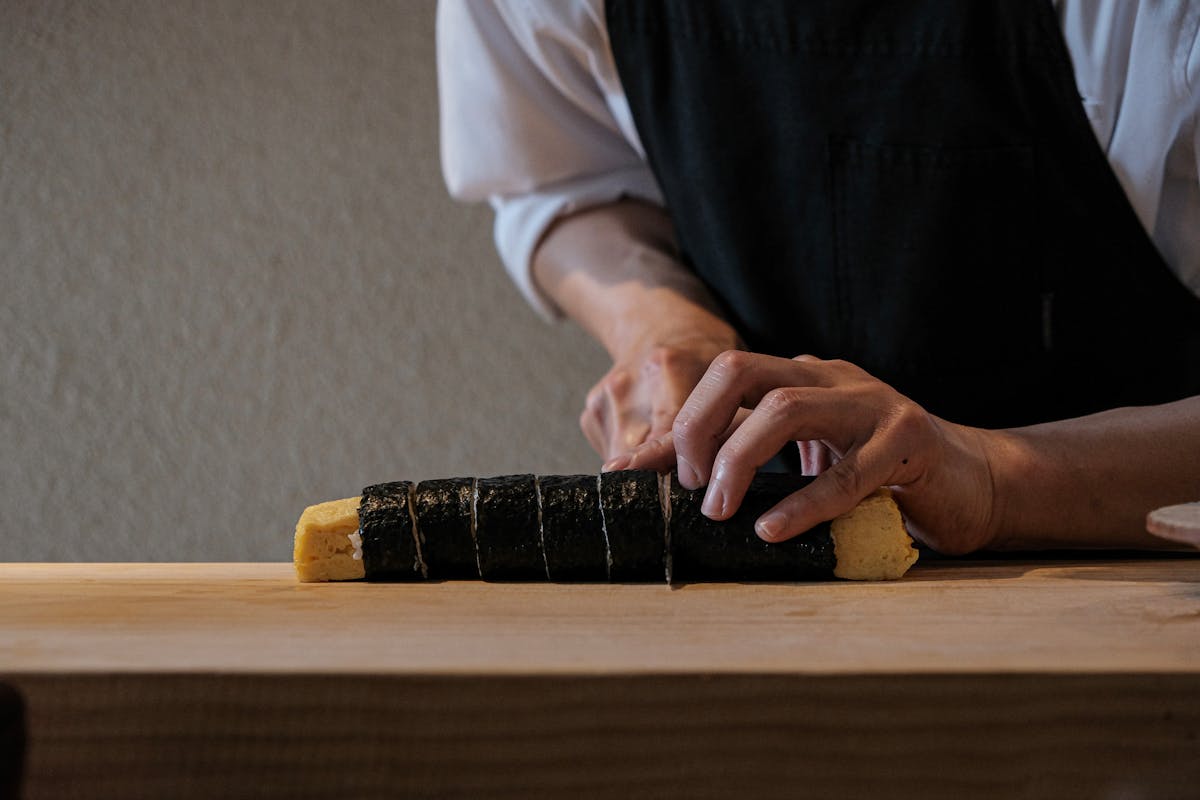
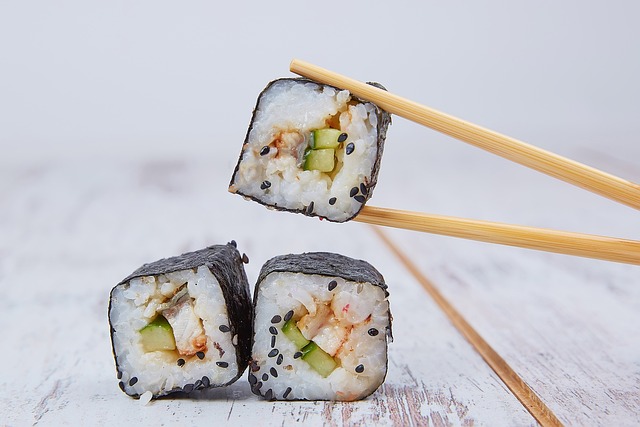
Maki rolls (hosomaki and futomaki): These are the standard seaweed-wrapped rolls. You’ll learn the rice spreading technique, how to position your fillings so they don’t end up off-center, and the bamboo mat rolling motion that makes or breaks every piece. Most classes have you make 2-3 different maki with different fillings — typically salmon, cucumber, and tuna.
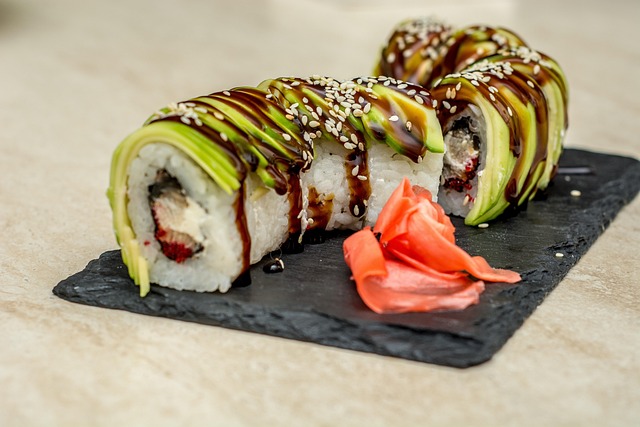
Inside-out rolls (uramaki): The rice goes on the outside, the seaweed on the inside. This is trickier than it looks because the rice sticks to everything — your hands, the mat, the table. The chefs teach you to wet your hands between rolls to prevent this, which is one of those simple tricks that changes everything.
Nigiri: This is where real skill shows. Shaping the rice into the correct oblong form, applying the right amount of wasabi, and draping the fish so it sits naturally — it’s all in the hands. Your first few nigiri will look like someone sat on them. By the end of class, they’ll look like something from an actual sushi bar. Maybe.
Getting to Your Class
Asakusa classes (options 1, 2, and 3): Take the Ginza Line or Asakusa Line to Asakusa Station. The classes are within a 5-10 minute walk from the station, usually near Senso-ji temple. The area is flat and easy to navigate. Arrive early and walk through Nakamise-dori for the atmosphere.
Tsukiji class (option 5): Take the Hibiya Line to Tsukiji Station or the Oedo Line to Tsukijishijo Station. The outer market is a 3-minute walk. If you’re coming from Shinjuku, it’s about 25 minutes by metro.
Osaka class (option 4): The class is centrally located near major stations. Take the Midosuji Line to Namba or Shinsaibashi. From either station it’s a short walk. If you’re combining with a Kyoto day trip, note that the Shinkansen from Kyoto to Osaka takes only 15 minutes.
The History Behind Japanese Sushi
What we call sushi today barely resembles what it started as. The original form — narezushi — was fermented fish packed in rice and left for months. The rice was thrown away. Nobody ate it. It was just a preservation method, developed somewhere in Southeast Asia and brought to Japan around the 8th century.
Edo-period Tokyo (then called Edo) changed everything. Street vendors in the 1820s started serving fresh fish on top of vinegared rice as a fast food. No fermentation, no waiting. You picked it up with your hands, ate it in two bites, and moved on. This was nigiri-zushi, and it was invented by a man named Hanaya Yohei around 1824. The form hasn’t changed much since.
Maki rolls came later, and the California roll — the one that introduced sushi to most Americans — was invented in Vancouver in the 1970s by a Japanese chef adapting to local tastes. So when you’re rolling your inside-out maki in class, you’re participating in a surprisingly recent tradition.
Planning the Rest of Your Japan Food Trip
Beyond cooking classes, Tokyo has plenty to fill your days. The Shinjuku food tour covers ramen, yakitori, and hidden izakayas, while the Mount Fuji and Hakone day trip pairs well with a morning class the day before. For culture of a different kind, the samurai experience gives you hands-on time with swords instead of knives. And if you are heading to the Kansai region, the Nara day trip and Osaka food tours round out the cultural side of your trip nicely.
This article contains affiliate links. If you book through our links, we earn a small commission at no extra cost to you. This helps us keep producing honest, detailed guides like this one.