
The Puerto Princesa Underground River is a UNESCO World Heritage site, one of the New Seven Wonders of Nature, and the longest navigable underground river in the world. It runs for 8.2 kilometres through a limestone karst mountain on the west coast of Palawan, draining into the South China Sea through a cave mouth shaped like an elephant’s skull.
You can only see about 4.3 kilometres of it on the standard paddle-boat tour — past that point the cave gets narrower, the ceiling closes in, and the oxygen starts to run out. That is where the government stops you, and it is still one of the strangest, most cinematic day trips in the Philippines.
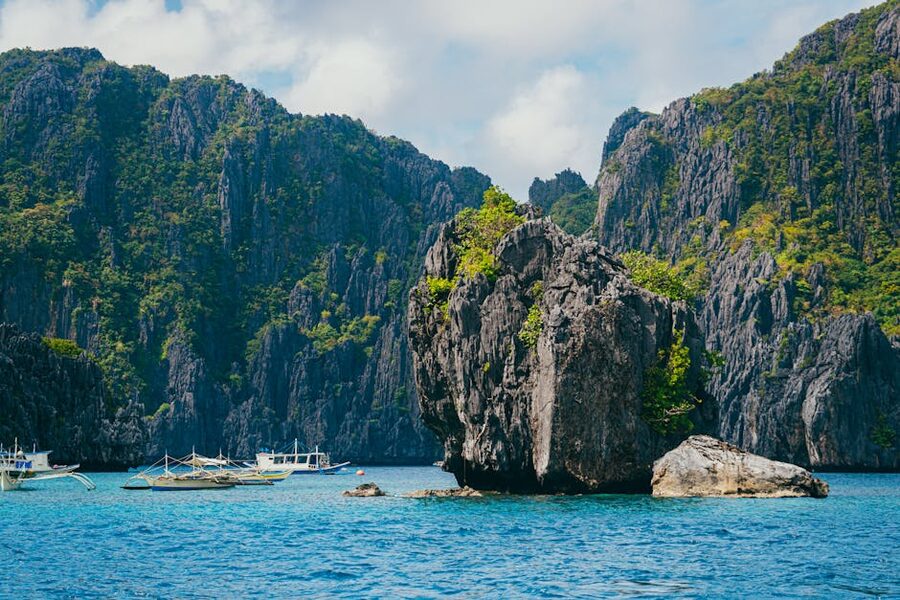
What nobody tells you is that the cave is the easy part. The hard part is the entry permit system, the two-hour road transfer from Puerto Princesa city to Sabang wharf, and the boat wait at the beach once you arrive. If you try to do it as a DIY trip without a guide, you will spend a day and a half just sorting out paperwork.
This guide is about skipping all of that by booking the right tour — and about which of the three main Puerto Princesa experiences is actually worth your day.
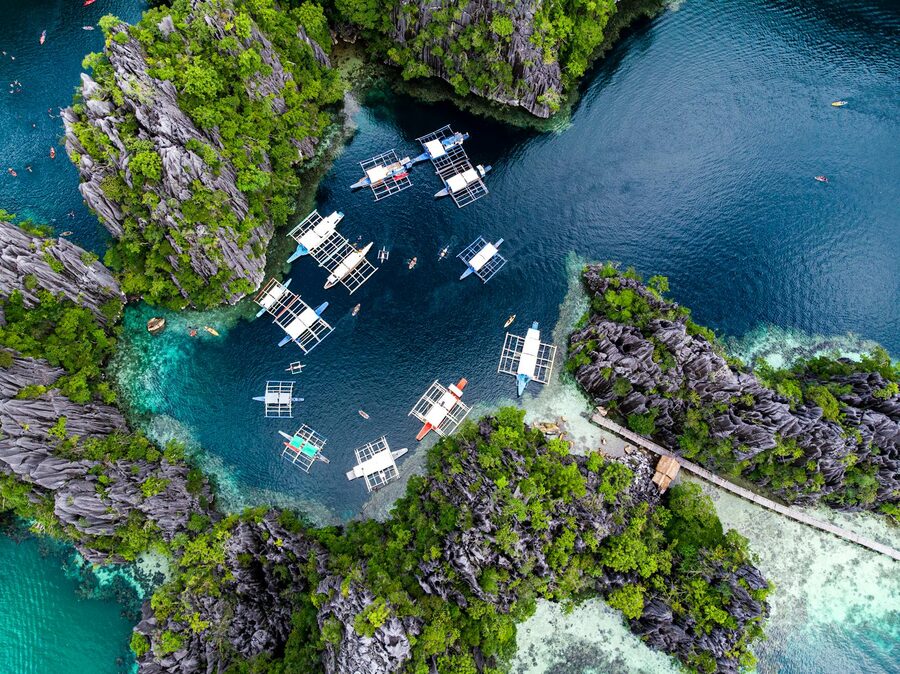
Short on time? Here are my top picks:
Best overall: From Puerto Princesa: Underground River Full-Day Trip — $48. The standard full-day package with permit, van transfer, buffet lunch and boat ride handled for you.
Best add-on day: Puerto Princesa: Honda Bay Island Hopping & Optional Massage — $36. The other half of the Puerto Princesa experience — three reef islands, snorkelling, grilled lunch on the beach.
Best combined adventure: Puerto Princesa: Underground River, Zipline & Paddleboat Tour — $77. Packs the cave, a jungle zipline, and a mangrove paddle boat ride into one ten-hour day.
- Why This Cave Is Unlike Any Other Cave You Have Been In
- The Tour Operators Worth Booking — All Three Compared
- 1. From Puerto Princesa: Underground River Full-Day Trip —
- 2. Puerto Princesa: Honda Bay Island Hopping & Optional Massage —
- 3. Puerto Princesa: Underground River, Zipline & Paddleboat Tour —
- How Booking the Permit System Actually Works
- Getting to Sabang Wharf
- What the Cave Experience Actually Feels Like
- What to Bring — and What to Leave at the Hotel
- When to Go — Weather, Crowds and Booking Windows
- Is the Underground River Worth the Hype?
- Related Guides on This Site
- Final Thoughts
Why This Cave Is Unlike Any Other Cave You Have Been In
Plenty of places call themselves “underground rivers.” Most of them are short grottos with a trickle of water and some dramatic lighting. Puerto Princesa is in a different category entirely. The river rises in a mountain called Saint Paul’s Range, which tops out at 1,028 metres, and it flows underground for the entire length of the mountain before emptying into a lagoon at Sabang beach.
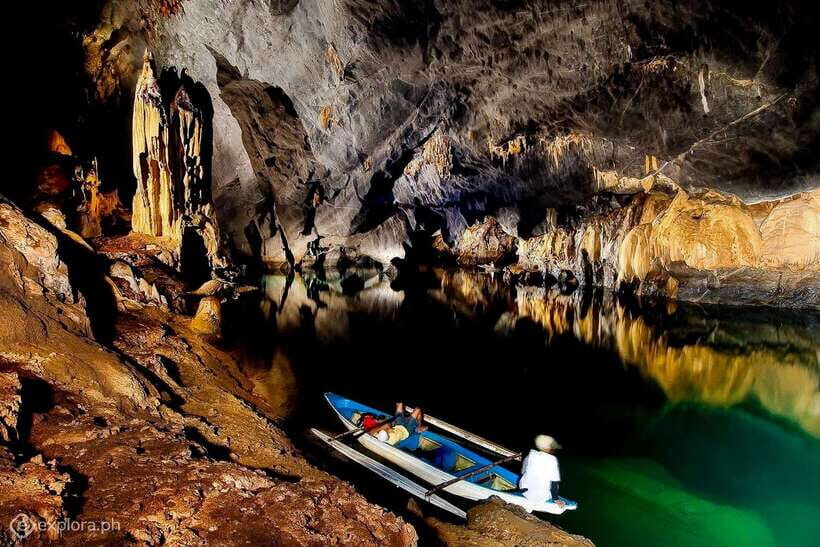
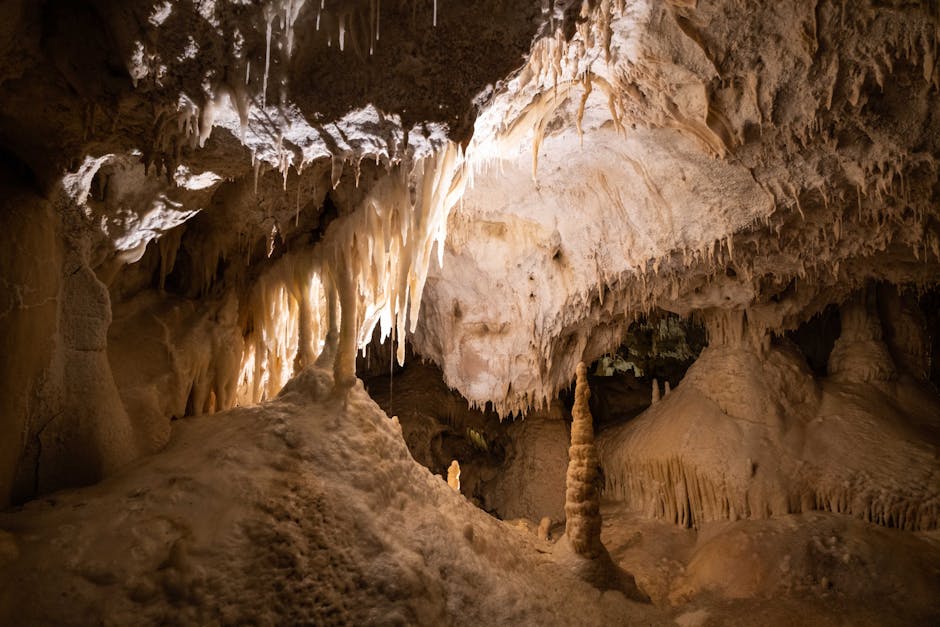
The full length of the channel is 24 kilometres, of which 8.2 kilometres is navigable. You paddle into the open mouth of the cave from a small lagoon — there are no lights, no handrails, no concrete walkways. Just your guide’s searchlight sweeping across a ceiling that is, at its highest point, three hundred metres above your head.
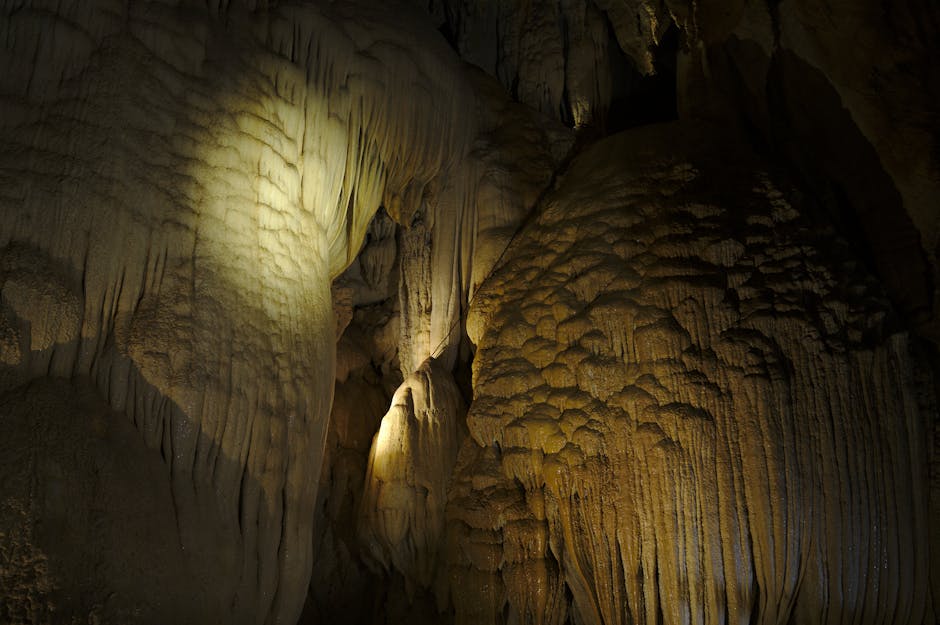
The reason the ceiling is that high is that the cave sits at a junction of geological time. The whole karst range is limestone laid down during the Miocene, then lifted and eroded by rainwater over millions of years. What that means in practice is that inside the cave you are moving through a cathedral-sized dome, then a narrow corridor, then another dome.
One of the chambers is called “the Cathedral” by the guides — when the boat drifts to a stop in the middle of it, the acoustics do something peculiar. Your own voice comes back at you from the far wall a full two seconds later, and the guides lean into this by shouting out Biblical silhouettes they claim to see in the rocks above. A Holy Family. A Last Supper.
Most of them require a generous imagination. One or two of them genuinely look like what they are supposed to look like.
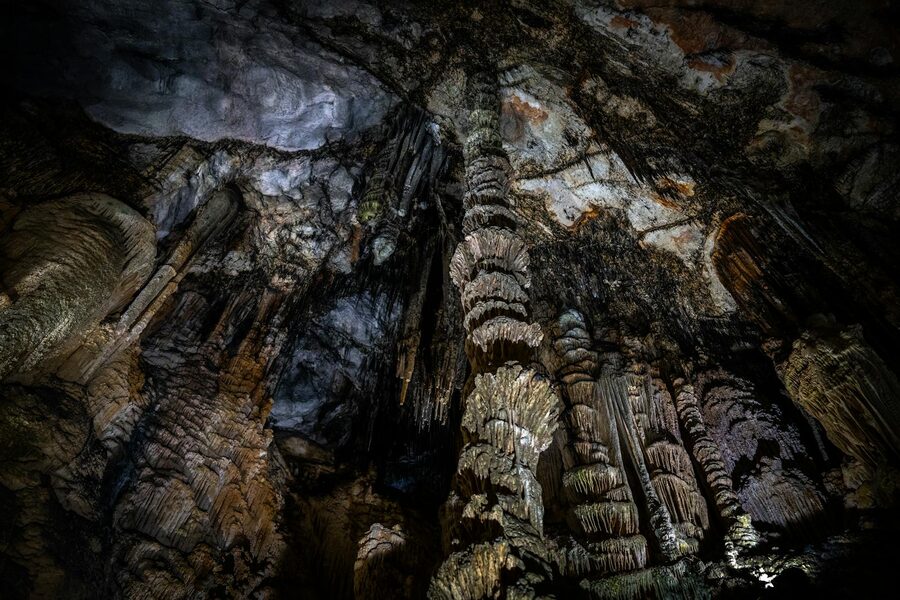
There are bats in the cave. Hundreds of thousands of them. You will not see many because they roost in cracks high on the ceiling, but you will hear them clicking, and the boatman will tell you (loudly, so everyone flinches) to keep your mouth closed when looking up. The joke is an old one, but the reason behind it is true: the water you are floating on is not pure river water.
It is river water mixed with guano, and on a warm day you can smell it. None of this is a reason not to go — it is the reason to go. You are inside a functioning, wild, unmanicured cave ecosystem, not a tourist-polished attraction.
The Tour Operators Worth Booking — All Three Compared
Puerto Princesa has hundreds of tour agencies selling the same underground river trip. Almost all of them sub-contract to the same pool of licensed boat operators once you reach Sabang, so the experience on the water is functionally identical across providers.
Where they differ is in the transfer vehicle, the buffet lunch venue, the pickup punctuality, and the quality of the English on the guide side. The three options below are the ones I keep coming back to — high volume of happy travellers, reliable permit handling, and the fewest complaints about the early start.
1. From Puerto Princesa: Underground River Full-Day Trip — $48
This is the one I recommend to almost everyone who asks me about Palawan.
It is the standard full-day Underground River package run by Corazon Travel & Tours — hotel pickup in Puerto Princesa city between 6:30 and 7:30am, van transfer up the north road to Sabang wharf (around two hours), boat transfer to the cave lagoon, the paddle-boat cave tour itself, and a buffet lunch back at Sabang before the return drive.
Permits, entrance fees, environmental fees and boat fees are all bundled in. English-speaking guide throughout. Drop-off back at your hotel usually happens around 5 to 6pm.
The thing I love about this tour is that the logistics disappear. Getting into the cave is a paperwork problem more than a geography problem — the government caps the number of daily visitors, requires a permit lodged the day before, collects an environmental fee at Sabang, issues a boat ticket that has to match your permit, and then assigns you to a specific departure slot on the lagoon.
Doing all of that yourself from a Puerto Princesa guesthouse involves two separate government offices and an early-morning queue. Book this package and the guide hands you your permit when you board the van.
What you get for your $48 is effectively a full day of concierge service: you will be collected at breakfast, driven straight to Sabang without a single line to stand in, and walking onto your assigned boat within twenty minutes of arrival. At a 4.3-star average across more than 1,400 bookings, this is the most battle-tested operator in the city.
With a group size of ten to fifteen, the Corazon guides have the time to actually point out the specific cave formations and hang back on the return paddle if you have questions.
The buffet lunch at the end is the sleeper hit. It is served at a beachfront canteen on the Sabang shore after the cave tour — a full Filipino spread of grilled fish, chicken adobo, pancit noodles, rice, fresh fruit, and usually a vegetable dish or two. You will go back for seconds. If the eight-to-ten-hour day length gives you pause, just know that most of it is van time with air conditioning and a view; the actual on-your-feet work is maybe two hours total.
2. Puerto Princesa: Honda Bay Island Hopping & Optional Massage — $36
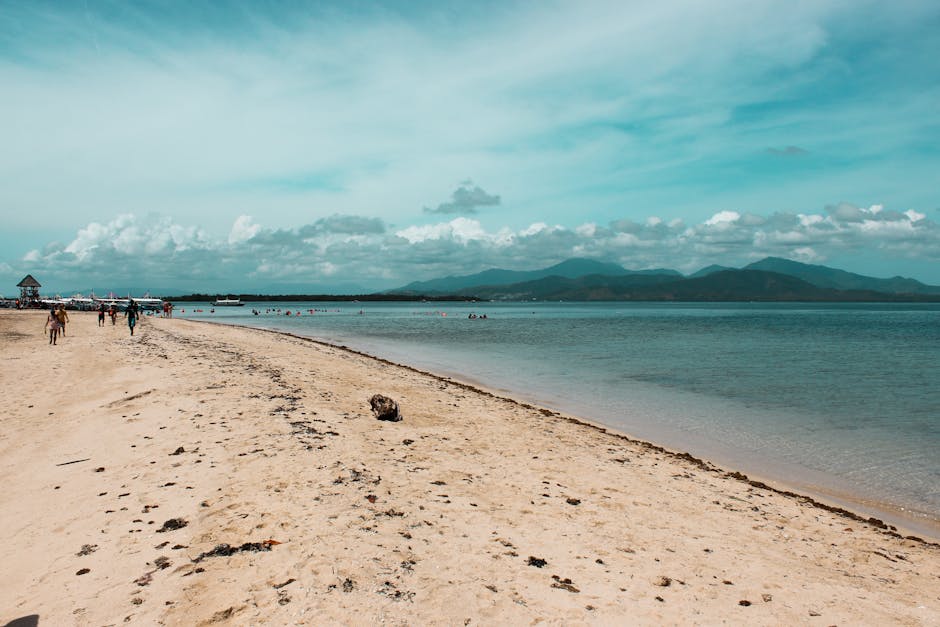
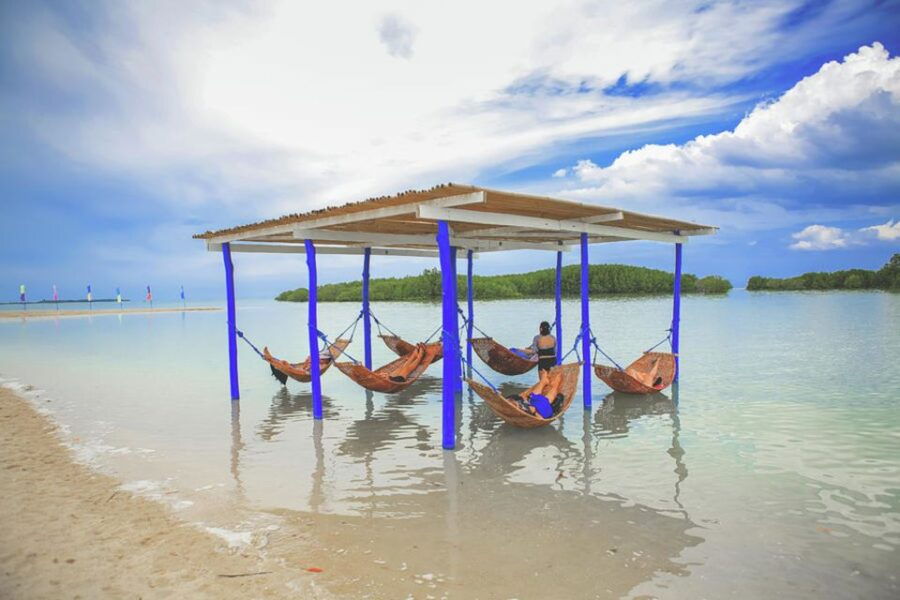
Honda Bay is the other half of the Puerto Princesa story. It is a completely different day from the underground river — the reef-and-beach side of the city, about thirty minutes by van from your hotel. The tour visits three islands, typically Luli, Cowrie and Starfish, with a banca boat transfer between them, a grilled seafood lunch on one of the stops, and snorkel gear rental included.
Life jackets are mandatory on all three islands and are bundled in. The optional hour-long Filipino massage add-on happens back in the city at the end of the afternoon. Hotel pickup and drop-off within Puerto Princesa are included.
The snorkelling at Cowrie Island is the big draw. The house reef is shallow enough for non-swimmers and healthy enough to host parrotfish, clownfish, sergeant majors, and the occasional reef shark if you stay out long enough. Cowrie is clearly the best of the three islands and, honestly, it beats the cramped snorkel spots further up in El Nido and Coron that everyone on Instagram fights over.
The beach food is the second reason to book this one. Lunch is grilled-over-coals seafood — whole fish, squid, prawns, all with rice and whatever fruit is in season — and at $36 with a 4.4-star average across nearly 500 bookings, I honestly think the lunch alone is worth the ticket price. You will remember this meal longer than you will remember the snorkelling.
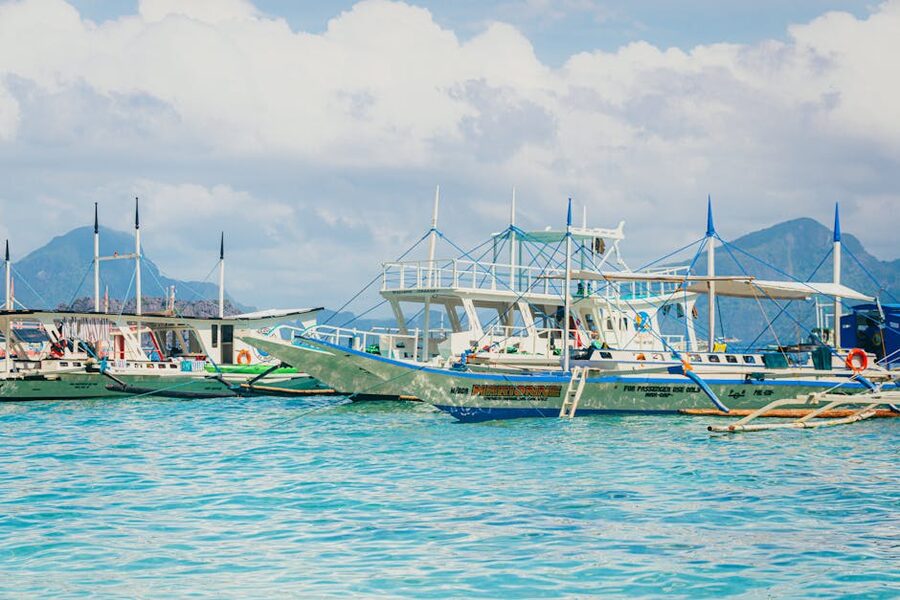
Here is the tactical reason to keep this tour in your pocket: Honda Bay is the right choice on any day that the Underground River is booked out. The cave has a hard daily cap on visitor numbers, and in peak season (December through February, and around Easter) every operator in the city gets turned away once the cap is hit. Honda Bay has no such cap.
If your dates are tight, book the underground river two days in advance and slot this in as a same-day backup if the cave permits are gone.
3. Puerto Princesa: Underground River, Zipline & Paddleboat Tour — $77
This is the combined adventure package — the full underground river experience as above, plus the Sabang Mangrove paddle-boat tour and the Ugong Rock zipline on the same day. Because the cave tour happens in the morning, the afternoon is free to add the mangrove paddle and the 50-metre-drop jungle zipline without needing a second day in Puerto Princesa.
Hotel pickup at 5:30am in the city (earlier than the standard tour to make room for the extra stops), return around 5 or 6pm. Permits, entrance fees, buffet lunch, zipline harness and paddle-boat ticket are all included. Guide and van transfer throughout.
The value equation here is straightforward. Booking the three activities separately would cost you around $95, plus you would need a second day in Puerto Princesa and a second van transfer. At $77 the packaged version is faster and cheaper, and the 4.5-star rating tells you the execution holds up. If you are tight on days in Palawan, this is your move.
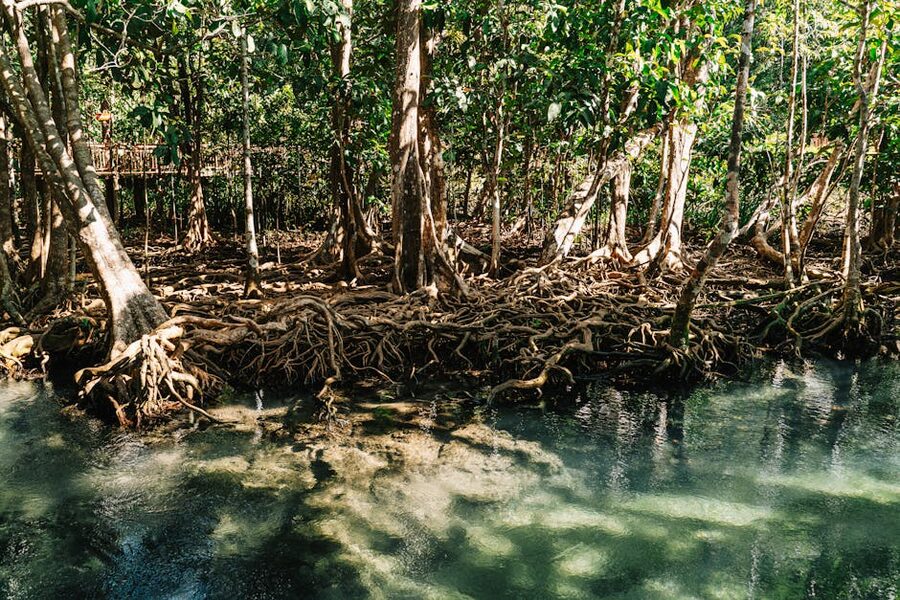
The mangrove paddle-boat is the quiet surprise of the day. A fifteen-year-old local paddler takes you up a blackwater creek under a dense canopy of century-old mangroves, narrating monitor-lizard sightings and pointing out the bird nests in the branches overhead. If you go in expecting the weaker segment of the day, you will leave thinking it was the best part of the afternoon. I genuinely rate it above the cave on a good-weather day.
The Ugong Rock zipline, by contrast, is a five-minute adrenaline hit. You climb the limestone spire from the inside (the tower is hollow and connects to a cave system), reach the top, and then fly 71 metres down to the forest floor on a single steel cable.
If heights make you nervous, skip the zip and stick to the cave segment — but do the climb through Ugong Rock anyway, because the scramble up through the hollow tower is worth doing even without the flight down at the end. Fair warning: ten hours on a combined tour is a long day, and the 5:30am pickup is earlier than the standard package. Sleep the night before.
How Booking the Permit System Actually Works
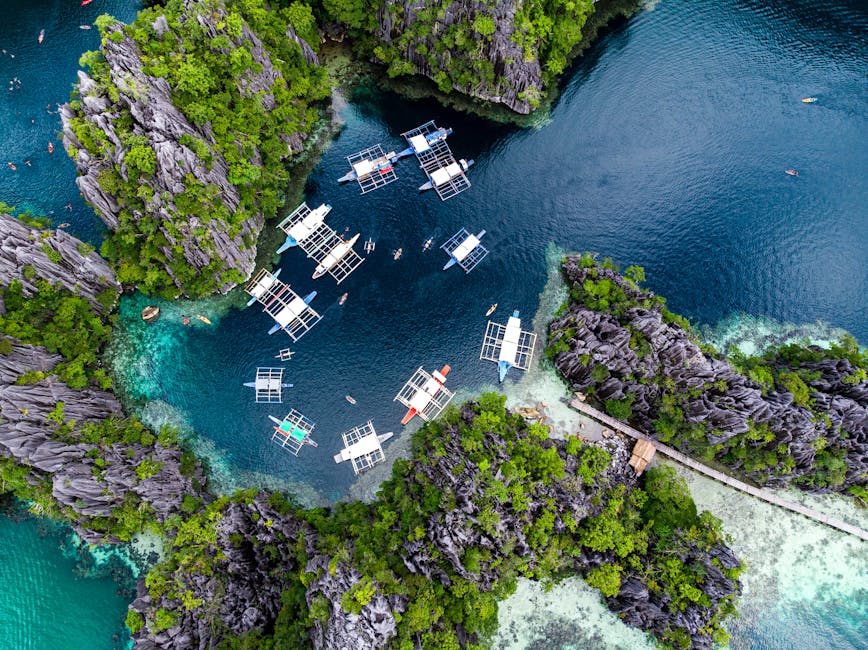
The underground river has a daily visitor cap of 900 people, enforced by the Puerto Princesa Subterranean River National Park Management Office. This cap is the reason you cannot just turn up at Sabang wharf and buy a boat ticket on the day.
The system works like this: a permit must be lodged with the PPSRNP office at least 24 hours in advance, your name and passport number are written on the permit, and when you arrive at Sabang you exchange the permit for a boat ticket at the ranger station. Miss your assigned boat slot and you forfeit the permit.
There are four practical ways to get a permit:
1. Book a package tour in advance. This is what 95% of visitors do. The operator lodges your permit under their allocation, arranges the van, sorts the lunch, and walks you through the ranger station. You never touch any paperwork. This is the option I recommend in 90% of cases — the price premium over the DIY route is somewhere between $10 and $20, and you save half a day of logistics.
2. Lodge a permit yourself at the PPSRNP office. The office is in Puerto Princesa city, open 8am to 5pm weekdays. You will need your passport, and you will need to physically show up the day before your planned visit. The permit is free but the environmental fee (200 pesos, roughly $3.50) is collected at Sabang. You then need to arrange your own van transfer (around 1,200 pesos one-way, roughly $21) and your own lunch.
3. Stay overnight in Sabang. A small number of guesthouses in Sabang village will arrange the permit on your behalf for guests staying the night before. This is the option for independent travellers who want to be at the cave mouth early and who do not mind missing the Puerto Princesa city experience. The road to Sabang is sealed but slow — expect two to two-and-a-half hours each way.
4. Go during shoulder season and book two days out. Between May and October, the cap is rarely hit. Between December and April, it is hit almost every day, and booking three or four days in advance is strongly advised. A same-day permit is essentially impossible in peak season.
Getting to Sabang Wharf
Sabang is on the northwest coast of Palawan, roughly 80 kilometres from Puerto Princesa city. The road is the Puerto Princesa North Road, fully sealed, and it takes between one hour and forty minutes and two hours and twenty minutes each way depending on traffic in the barangays and the behaviour of the jeepneys on the straightaways. All packaged tours use air-conditioned vans with hotel pickup. If you are doing it independently, there are three options:
- Shared van from San Jose terminal. The San Jose bus terminal is the main transport hub in Puerto Princesa. Vans to Sabang leave when full (usually every 30 to 60 minutes) from around 6am to 11am. Cost is around 300 pesos one-way ($5). Last return van from Sabang is typically 3pm — miss it and you are stranded overnight.
- Private van hire. Any tour agency or guesthouse in Puerto Princesa can arrange a private van for around 3,500 pesos return ($62). This gets you flexibility on timing and hotel pickup but it is more expensive than the package tour including permits and lunch.
- Tricycle or motorbike. Possible but painful. Tricycles are not designed for 80-kilometre journeys and the road has some steep sections. Motorbikes are fine if you have licence and experience; Puerto Princesa rental costs around 500 pesos per day ($9) plus fuel.
What the Cave Experience Actually Feels Like
The packaged day starts with a pickup at your hotel in Puerto Princesa city between 6:30 and 7:30am. The van will already have a few other travellers in it — most tours run as small-group shared vans with 8 to 14 seats, and the pickup order means you will usually be collected somewhere in the middle of the route. The driver will stop at a gas station or convenience store along the way for anyone who skipped breakfast.
The drive to Sabang takes you up the coast road through rice paddies, small barangays, and long sections of coconut plantation. About 90 minutes in, the road climbs through the Cleopatra’s Needle mountain range, and the view opens onto the west coast of Palawan — jungle to the left, sea to the right, and the Saint Paul Range rising ahead in the distance. This is the stretch where the tour feels like an expedition rather than a day trip.
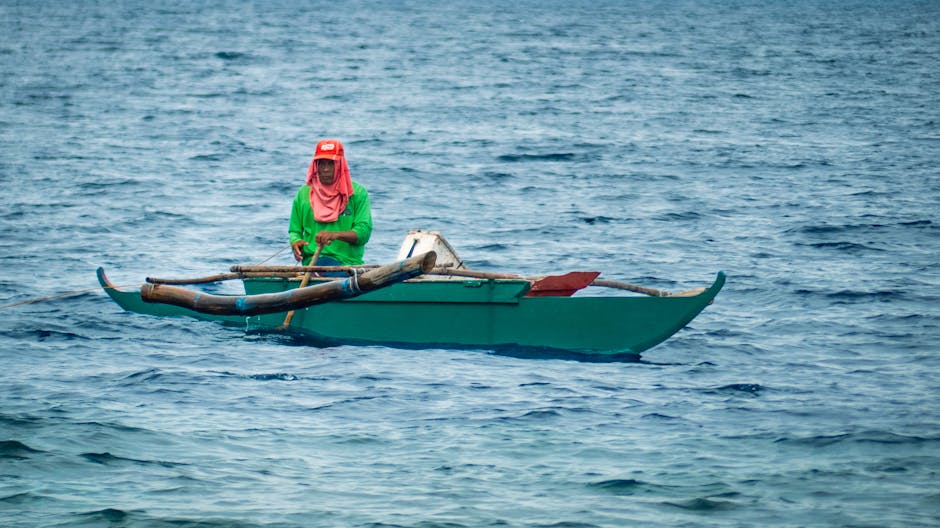
At Sabang you park at the tourism centre near the wharf. The guide collects your permit from the ranger station, you pay the environmental fee (if not already bundled), and you walk down to the beach where a small shuttle boat is waiting to take you around the headland to the cave lagoon. The boat transfer is ten to twenty minutes depending on sea conditions — on a rough day it gets bumpy, and you will get wet. Bring a waterproof bag for your phone.
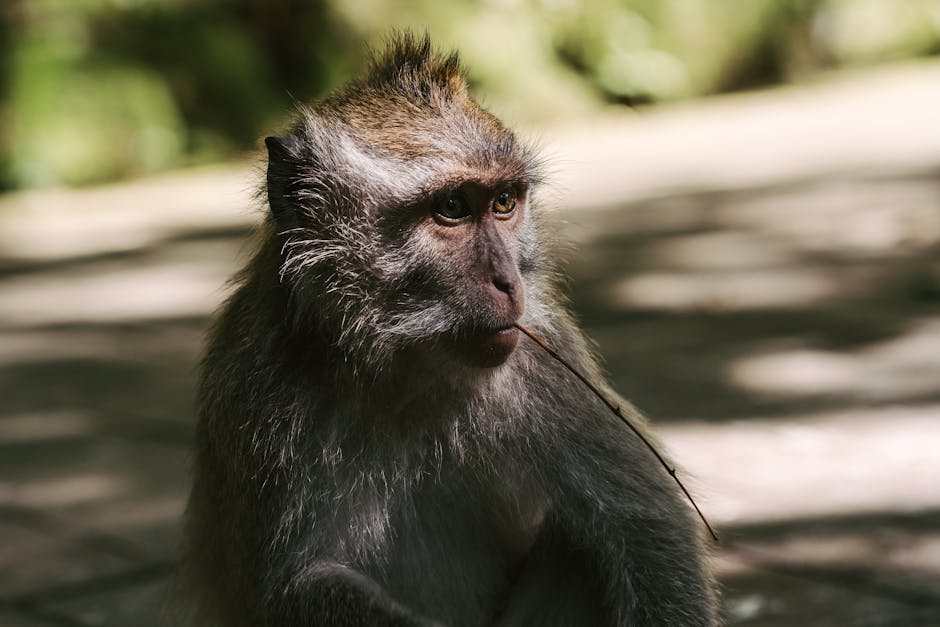
From the lagoon beach you walk a short jungle trail (about 400 metres) to the cave mouth. The trail is lined with boardwalks and is not physically demanding, but it is also the hunting ground of a colony of long-tailed macaques. The monkeys are habituated to travellers and specifically to the sandwiches and water bottles they carry. They will snatch anything visible and loose.
Keep your day pack zipped and your camera on its strap. The guides will tell you this, and about one person per group ignores them, and that person’s water bottle will disappear into the canopy within a minute.
At the cave mouth you board the paddle-boat. These are narrow wooden boats that seat six to eight plus the boatman, lit by a handheld spotlight the guide operates from the front of the boat. You are given a hard hat (for dripping water and low ceilings) and a life jacket.
No motors are allowed inside the cave — the entire trip is done by a single oar at the back of the boat, pushed by an incredibly patient boatman who knows the channel by memory. The boat drifts in silence, and the commentary is delivered by an audio headset or by the guide pointing the spotlight at whatever formation is coming up next.
The tour inside the cave lasts around 45 minutes. You travel 1.5 kilometres into the mountain, reach a turnaround point, and come back out the same way. The full navigable length is 4.3 kilometres, but the standard tour uses the first third of that — the chambers further in are deeper, narrower, and reserved for scientific permits.
What to Bring — and What to Leave at the Hotel
The cave is wet, dark and warm. Here is what actually helps on the day:
- Sturdy sandals or closed shoes. You will be walking a short jungle trail and stepping into a shallow-bottomed boat. Flip-flops get slippery on the boardwalks.
- Quick-dry clothes. The boat transfer from Sabang to the lagoon can soak you. Cotton stays wet all day.
- A light rain jacket. The cave ceiling drips, and the drips are not polite about where they land.
- Cash in pesos. For the environmental fee if not included, drinks at Sabang, tips for the boatman (100 pesos is appropriate), and any souvenirs at the market stalls near the wharf.
- A waterproof phone pouch. You will want to photograph the cave mouth and the lagoon, and the boat transfer is splashy.
- Insect repellent. Mosquitoes on the jungle trail, especially after rain.
- Passport. Your permit is tied to your passport number and the ranger station checks ID at the boarding desk. A photo on your phone is usually not accepted.
What you can leave at the hotel: snorkel gear (the cave has no snorkelling — this is a dry-cave experience, you stay in the boat), swimwear (unless you are adding Sabang beach time afterwards), a tripod (forbidden inside the cave — it blocks the boat), and a drone (national park airspace, illegal without scientific permit).
When to Go — Weather, Crowds and Booking Windows
Palawan has a two-season climate: a dry season from November to May, and a rainy season from June to October. The two seasons are genuinely different, and they affect this trip in opposite ways:
Dry season (November to May) is the obvious choice. Sunny days, calm sea for the Sabang boat transfer, dry jungle trail, and clear skies on the drive up the coast. The catch is the 900-person daily visitor cap. Between Christmas and Easter the cap is hit most days, and I have seen travellers turned away at Sabang after driving two hours. Book your permit three to four days out in this window. Even shoulder months like November and May can fill up on weekends.
Rainy season (June to October) is the counterintuitive choice. Fewer visitors, easier permits, and a notably greener jungle on the drive. The downside is that the boat transfer from Sabang to the lagoon gets cancelled on rough-sea days — this typically happens on three to five days per month in July and August. If the sea is running, the tour waits an hour or two for the swell to drop; if it does not drop, the tour refunds you. The cave itself is unaffected by rain.
The sweet spot is early November, late May, or mid-June — shoulder weeks where the weather is mostly dry, the cap is not yet an issue, and the prices have not yet hit peak-season markups.
Is the Underground River Worth the Hype?
The New Seven Wonders of Nature list is a strange thing. Some of the other winners — Iguazu Falls, the Amazon, Jeju Island, Halong Bay — are genuinely spectacular by any measure. Others are on the list because of a global voting campaign more than their geological rank. Where does Puerto Princesa sit on this spectrum?
Honestly: closer to the genuine side than the campaign side. The cave is not the longest navigable underground river in the world (that title is disputed, and depending on how you measure it Mexico’s Sistema Sac Actun is longer). It is not the most dramatic cave system on Earth (Mulu in Borneo is bigger).
It is not even the only limestone karst river you can paddle through in Southeast Asia (there is a good one in Vietnam’s Phong Nha too).
What makes it worth the trip is the combination: a functioning wild cave ecosystem, with monkeys on the trail and bats in the ceiling, reached by a wooden boat rowed in silence, inside a jungle-covered mountain range that rises 1,028 metres straight out of the sea. There are not many places in the world where you can say all of those things about the same day trip.
If you have three days in Puerto Princesa, do the underground river on day one, Honda Bay on day two, and spend day three recovering at a beach or paying for the massage. If you have two days, combine the cave with the zipline-and-paddleboat package on day one and do Honda Bay on day two. If you only have one day, the standard underground river full-day trip is the one to book — it is the reason anyone flies into this city in the first place.
Related Guides on This Site
Puerto Princesa is the gateway to Palawan, and most travellers combine it with the more famous islands further north and south. If you are planning the rest of your Philippines trip, these guides pick up where this one leaves off:
- How to Book El Nido Island Hopping Tour A — the lagoons-and-beaches tour from El Nido town, six hours north of Puerto Princesa by road.
- How to Book a Jaipur City Tour — for readers building a broader Asia itinerary and considering India before or after the Philippines.
- How to Book a Malacca Day Trip from Kuala Lumpur — an easy stopover on the Singapore–KL–Manila route.
- How to Book a Cameron Highlands Day Trip — the mountain counter-balance to a beach-heavy Philippines itinerary.
- How to Book an Udawalawe Safari — Sri Lanka’s elephant park, often paired with a Philippines trip via Colombo.
- How to Book Taj Mahal Skip-the-Line Tickets — for the Delhi stopover a lot of Europe-to-Manila routes include.
- How to Book a Batu Caves Tour from Kuala Lumpur — a different kind of limestone cave experience, above ground, in Malaysia.
- How to Book a Kulen Mountain Tour in Siem Reap — waterfall-and-river trip in Cambodia with a similar full-day structure.
- How to Book a Banteay Srei Temples Tour — the quieter Angkor outer temples, for travellers combining Cambodia with Palawan.
- How to Book a Komodo Island Tour — Indonesia’s dragon island, another New Seven Wonders of Nature finalist.
Final Thoughts
The Puerto Princesa Underground River is one of those rare attractions where the real thing is better than the marketing, not worse. The bureaucracy around the visit exists because the site is genuinely fragile — the cap on visitor numbers is not a tourist-trap racket, it is what keeps the bats alive and the water clean.
Book the packaged full-day trip, show up rested, leave your drone at the hotel, and let the boatman do his strange quiet job of drifting you through a mountain. You will step back into daylight on the far side with the same slightly stunned expression everyone on your boat is wearing, and you will understand why this trip is the one people fly into Puerto Princesa specifically for.