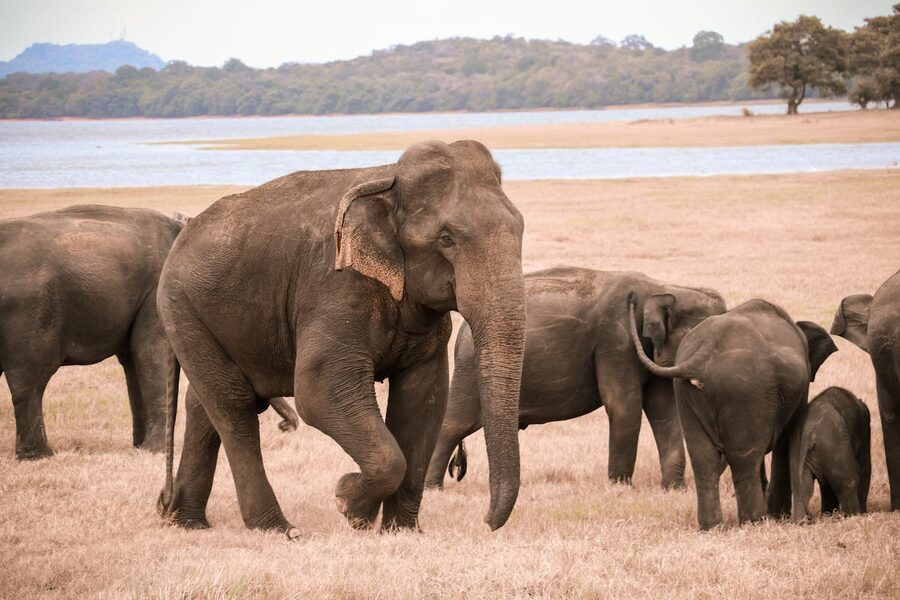
Udawalawe National Park holds somewhere north of six hundred wild Sri Lankan elephants inside its 119 square miles of scrubland, reservoir edge, and riverine forest. That’s a number worth sitting with for a second.
Yala gets the magazine covers because of its leopards, but leopards are cats, which means they are nocturnal, solitary, and — in the case of a park that gets 400,000 visitors a year — extremely good at not being where your jeep happens to be. Elephants are not subtle.
Elephants are eight-foot-tall mammals that travel in family groups and feed on roughly 300 pounds of vegetation a day, which means they are never far from either water or a decent-sized tree, and Udawalawe has plenty of both.
The practical upshot, confirmed by park rangers and by a decade of TripAdvisor reviews that you can cross-reference yourself, is that sightings at Udawalawe are effectively guaranteed. Not “likely” — guaranteed. The question is not whether you will see elephants. The question is which tour you book to see them, and that question has three good answers.
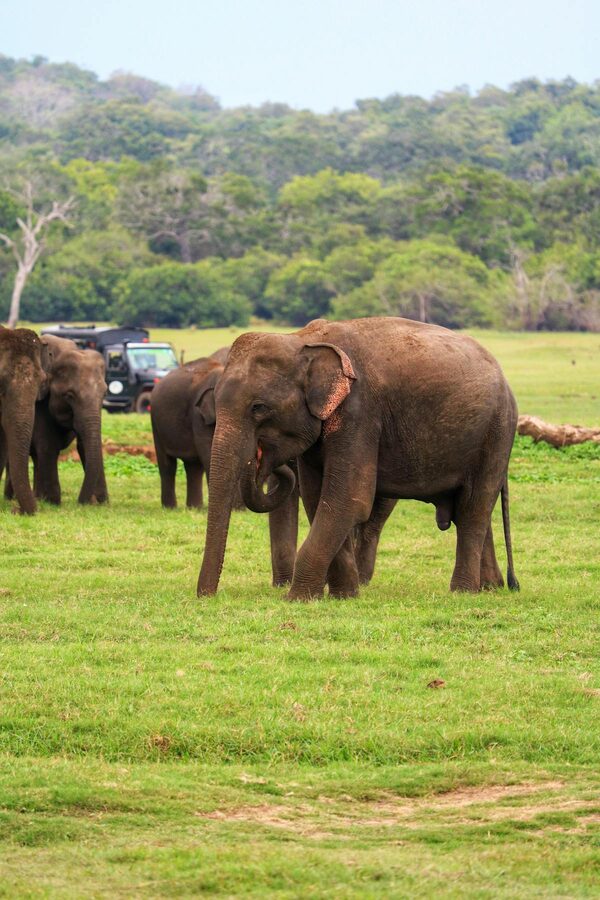
Here is the problem most travellers run into when they start looking into a Sri Lanka safari. You land in Colombo, you spend a day or two getting your bearings, and then you start typing “Sri Lanka safari” into Viator and GetYourGuide and you get hit with 400 listings. Half of them are Yala. A quarter are Udawalawe. A handful mention Minneriya or Wilpattu or Bundala. They all cost roughly the same.
They are all five stars. They all have stock photos of elephants drinking from waterholes. How do you actually choose?
And more importantly — how do you avoid the very real trap of booking a cheap Yala tour only to discover, once you arrive, that Block 1 of Yala on a Saturday in peak season is basically a traffic jam of forty jeeps circling the same patch of undergrowth trying to photograph the same irritated leopard?
This guide solves that. It walks you through the three safari tours I’d actually book if I were landing in Colombo tomorrow, ranked by what the real reviewer data says about consistency of sightings, guide quality, and the most underrated factor of all — whether the operator actually owns the jeep or just sells you on to a random driver at the park gate.
I cross-referenced review counts and ratings across Viator and GetYourGuide, read through several hundred individual reviewer comments, then pulled the final three from the tour database on this site. Two of the three are Udawalawe, which is deliberate — that’s where the elephants are.
The third is a Yala tour for travellers who want the leopard lottery experience, and a Minneriya option for people doing the Cultural Triangle. Between them, they cover every reasonable itinerary a first-time Sri Lanka traveller might plan. If you are already heading down south for a week of surf and beaches, see also our guide to booking a Colombo tuk-tuk city tour for the day you arrive.
- Quick Answer: The 3 Best Sri Lanka Safari Tours
- Tour 1: Udawalawe National Park Private Safari Tour (Best Overall)
- Udawalawe National Park Private Safari Tour
- Tour 2: Yala National Park Safari Tours Morning/Evening/Full Day (Best Leopard Option)
- Yala National Park Safari Tours: Morning/Evening/Full Day
- Tour 3: From Sigiriya — Minneriya National Park Elephant Safari (Best for Cultural Triangle)
- From Sigiriya: Minneriya National Park Elephant Safari
- Udawalawe vs Yala vs Minneriya: Which One Should You Actually Book?
- What to Actually Pack for a Sri Lankan Safari
- The Best Time of Year to Book a Sri Lanka Safari
- Booking Logistics and Getting There
- Other Wildlife You Will Actually See
- Accommodation Near the Parks
- Is a Sri Lanka Safari Worth It?
- Final Thoughts
Quick Answer: The 3 Best Sri Lanka Safari Tours
After pulling review counts, ratings, prices, and operator data from the tour database, then cross-checking against reviewer comments on both Viator and GetYourGuide for consistency, these three tours came out on top. One big-volume Udawalawe private safari on Viator, one Yala safari for the leopard chasers, and a Minneriya elephant safari for travellers already in the Cultural Triangle:
- Best overall Udawalawe (Viator): Udawalawe National Park Private Safari Tour — 1,499 reviews, 5.0 stars, from $25
- Best Yala safari (GetYourGuide): Yala National Park Safari Tours: Morning/Evening/Full Day — 818 reviews, 4.8 stars, from $25
- Best for Cultural Triangle (GetYourGuide): From Sigiriya: Minneriya National Park Elephant Safari — 365 reviews, 4.8 stars, from $33
The first tour is the one I’d book if I only had time for one. The second is for travellers who want a shot at a leopard and are willing to accept the lower strike rate. The third is the answer to “I’m already in Sigiriya climbing Lion Rock and don’t want to backtrack south.” Each one has a full breakdown below — what travellers love, what to watch out for, and who it’s genuinely for.
Tour 1: Udawalawe National Park Private Safari Tour (Best Overall)
If I had a single jeep drive’s worth of safari time in Sri Lanka and nothing else, I would not hesitate: Udawalawe, private jeep, half-day, this operator. The reasoning is boringly pragmatic.
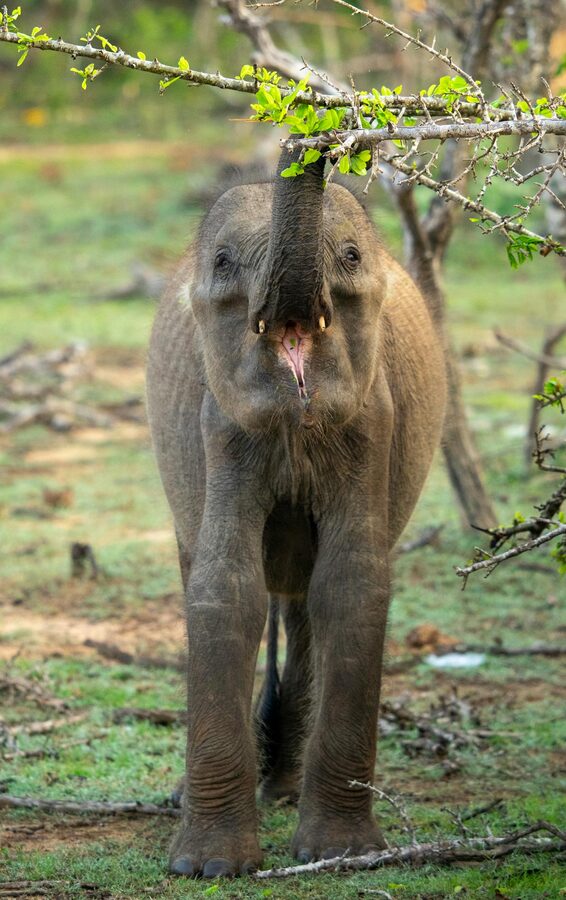
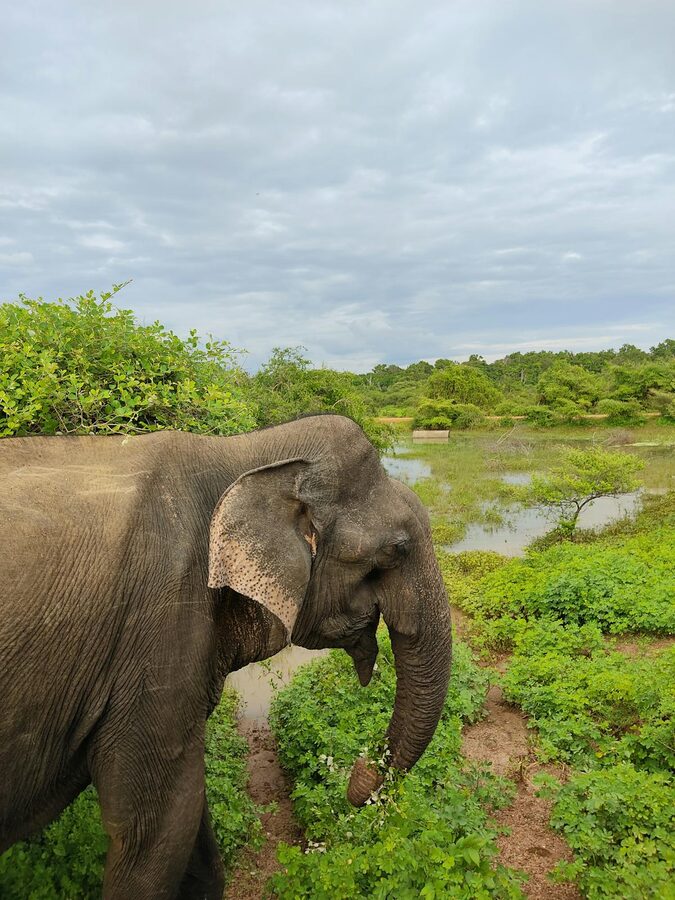
Udawalawe’s terrain is open scrubland and reservoir edge rather than dense jungle, which means you can actually see across distances, which means the animals can’t stay hidden the way leopards do in Yala’s thicker cover. The park’s elephant density is the highest of any Sri Lankan reserve.
The jeep fleet here is smaller than at Yala because Udawalawe doesn’t get the same cruise-ship-day-trip volume, so the drives feel like wildlife watching rather than a motorcade. And at $25 for a half-day private safari, the value is frankly absurd compared to what the same experience would cost you in Kenya or South Africa.
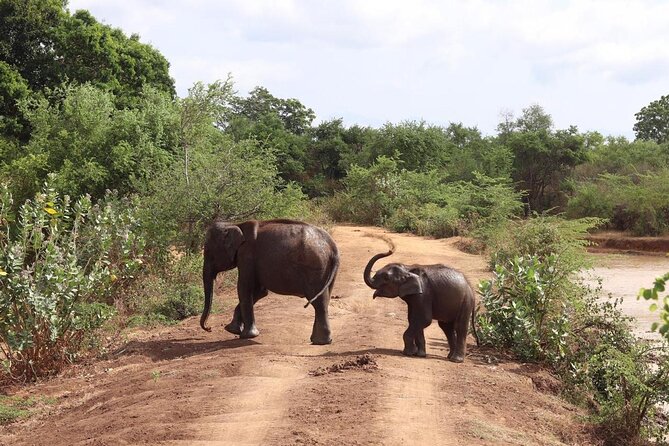
Udawalawe National Park Private Safari Tour
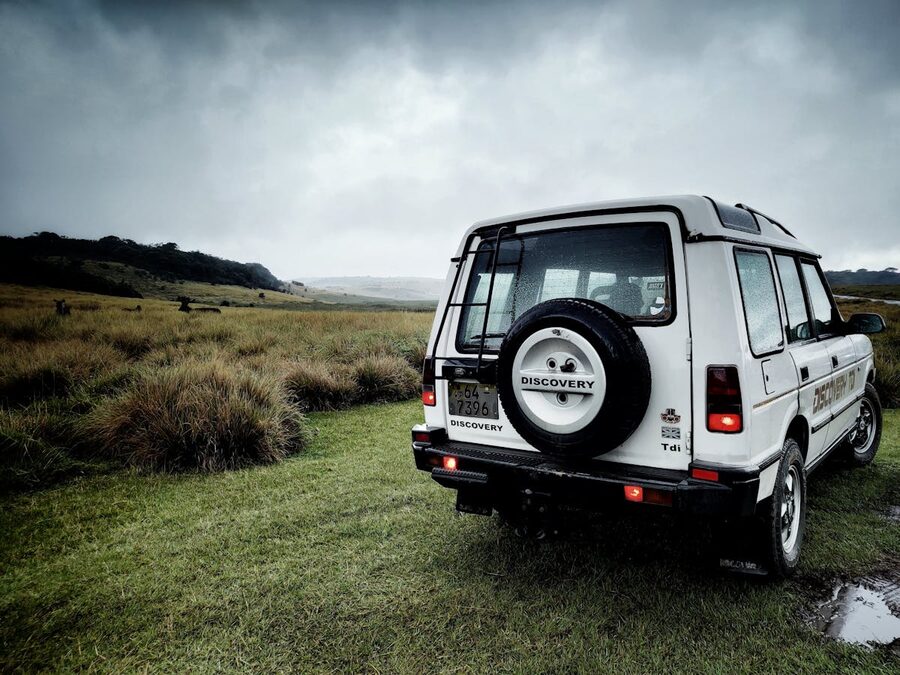
Private jeep safari inside Udawalawe National Park with a dedicated English-speaking driver-guide. Covers the main wildlife zones of the park including the reservoir edge, the main elephant grazing plains, and the riverine forest strip. Pickup available from local hotels. Half-day format typically runs 3 to 4 hours inside the park.
The elephant sightings come up in literally every review, and the consistency is the thing worth paying attention to.
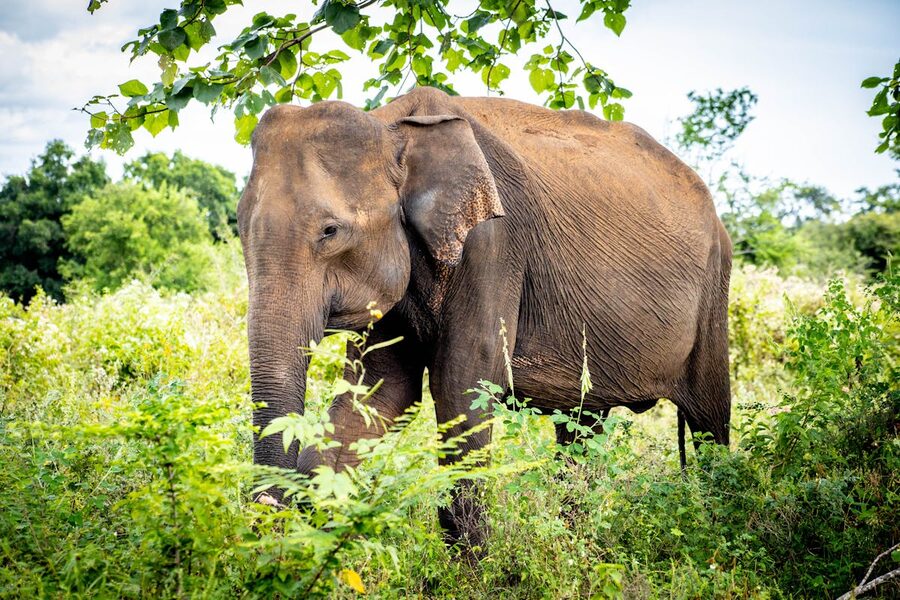
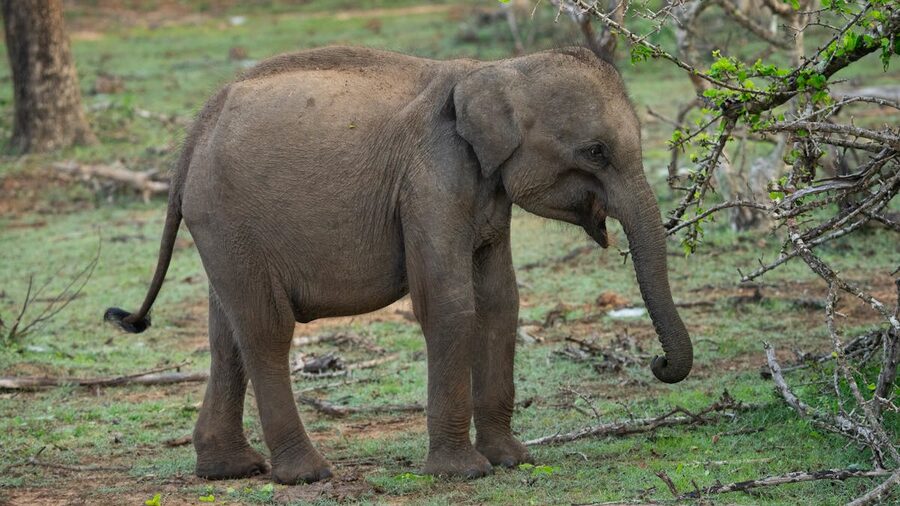
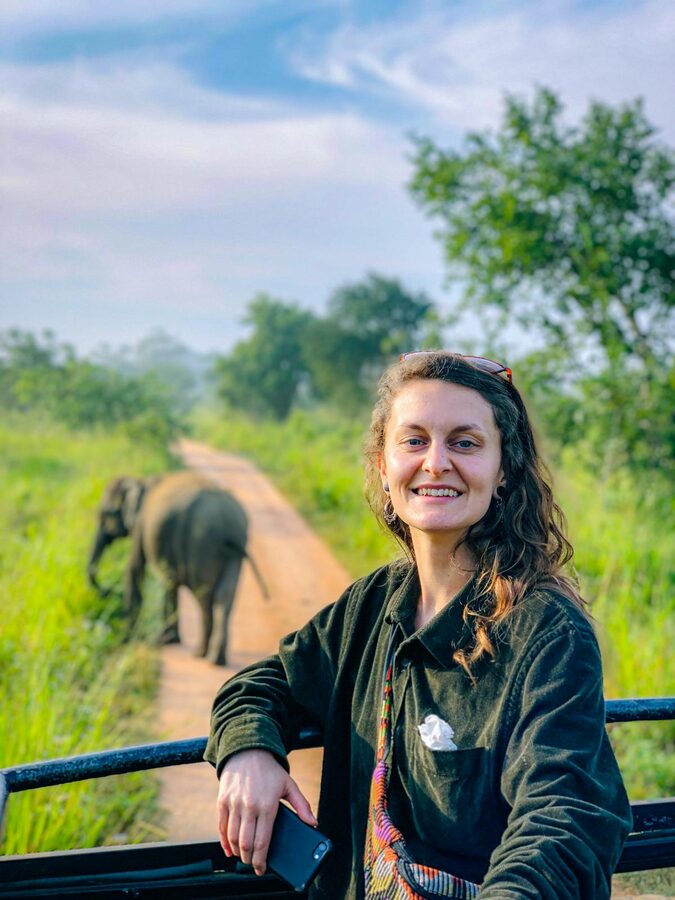
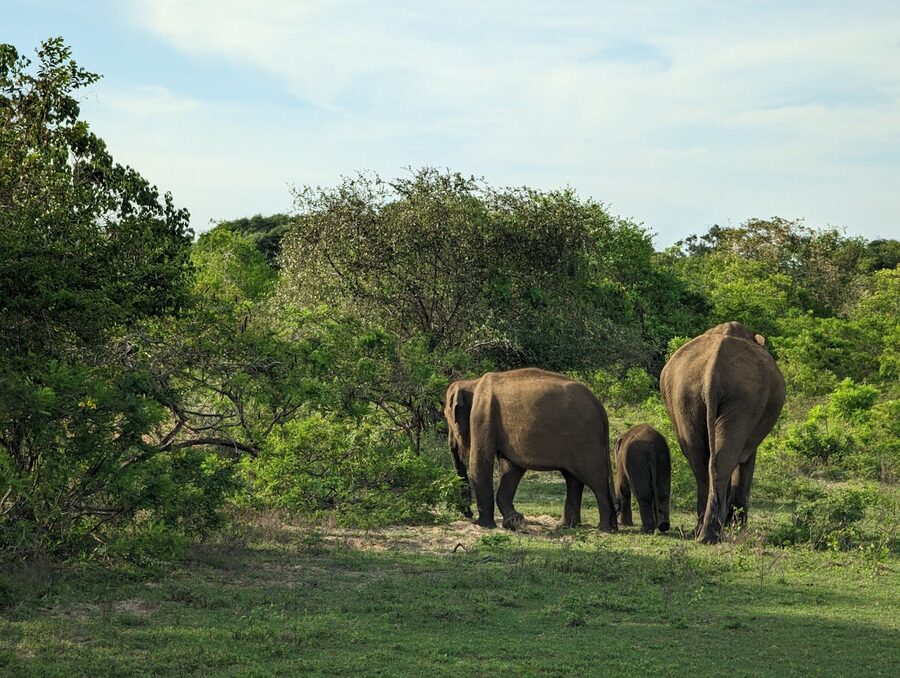
When a tour operator has 1,499 reviews at a perfect 5.0 average, you are not looking at a statistical accident — you are looking at a business that has figured out how to deliver the same thing over and over. travellers describe watching herds of eight, ten, twelve elephants at a time crossing the road in front of the jeep, young calves pushing between their mothers’ legs, bulls rubbing against trees at the edge of the waterholes.
Several specifically mention seeing elephants at such close range that the driver-guide had to back the jeep up to maintain a safe distance. The second thing that comes up constantly is the guide knowledge.
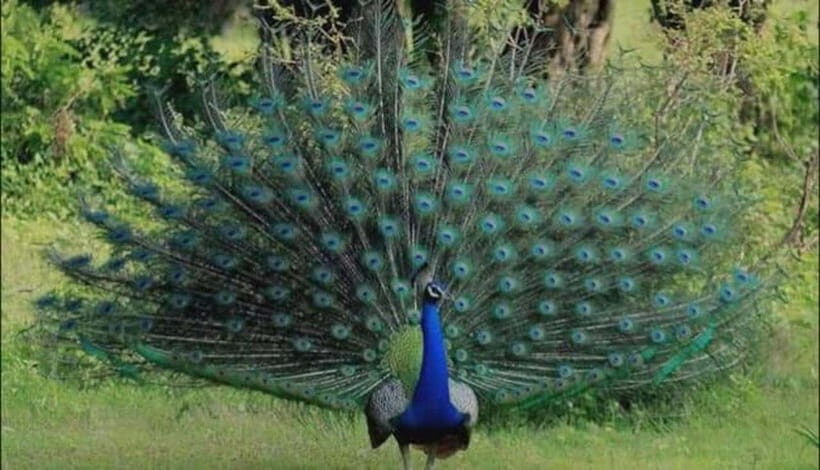
This is not a nine-to-five operation where a driver takes a tourist into the park for beer money — the guides here grew up near Udawalawe, they know which herds tend to be where at which time of day, and they will stop the jeep for water buffalo, peacocks, crocodiles in the reservoir, and the occasional sloth bear. The third recurring theme is the value.
People who have been on safaris in East Africa consistently say this one costs a tenth of what a comparable private drive would run them elsewhere, and they cannot quite believe the pricing is real.
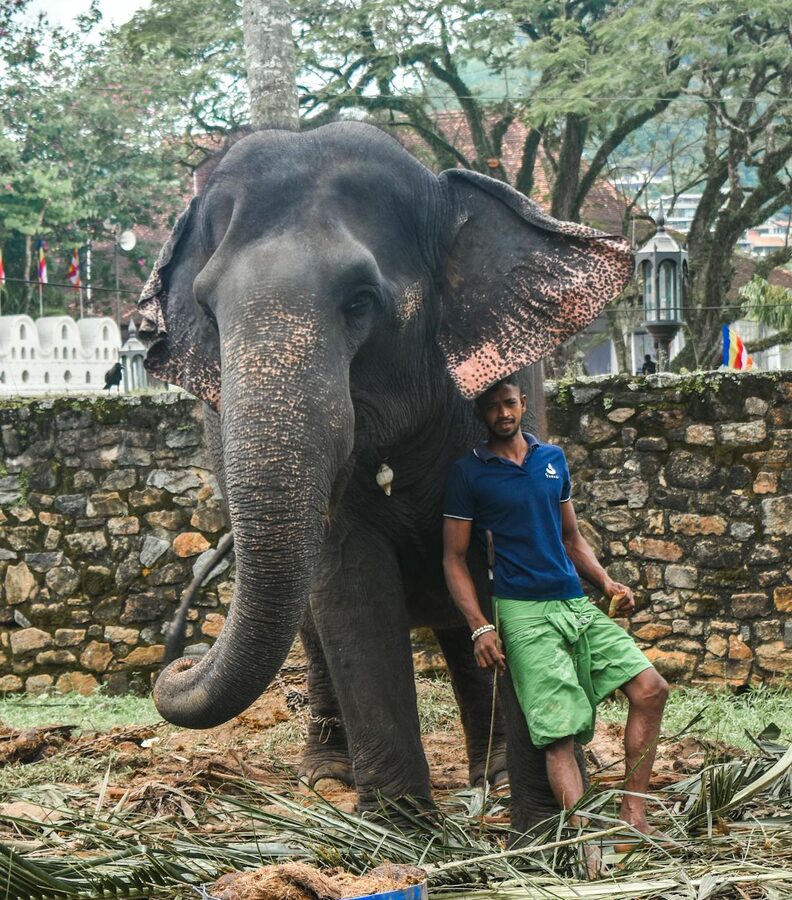
What to watch out for: A couple of things worth knowing before you book. First, the park entry fee is not always included in the quoted price on the listing — check the fine print, because the entrance ticket plus the jeep permit typically runs about $30 per person on top of the tour cost.
Some listings roll this in, some don’t, and some split the difference by quoting a lower headline price and collecting the fees in cash at the gate. Second, the dust. Udawalawe in the dry season (roughly May through September) is a dust bowl. If you are wearing white, you will not be wearing white by the end of the drive.
Bring a buff or bandana to cover your mouth, sunglasses for your eyes, and do not plan on washing your clothes before you swap them. Third, timing.
The 2pm to 6pm afternoon slot is significantly better than the 6am morning slot for one boring reason: elephants come to the reservoir to drink as the day cools, which means you are almost guaranteed to watch a herd at the waterhole if you time the drive right.
Fourth, book ahead in high season — December and January in particular sell out a week in advance, and walking up at the park gate and hoping for a private jeep is a good way to end up paying double.
Who it’s for: First-time safari-goers who want the highest probability of seeing wild elephants for the lowest possible price. Families with kids — Udawalawe’s elephant-heavy viewing is genuinely exciting for a five-year-old in a way that a leopard hunt through thick bush is not. Couples who want a private drive without the private-tour markup.
Budget travellers doing the Colombo–Galle–Ella circuit who want to add one wildlife day. Not the right call if your heart is set on big cats — you will almost certainly not see a leopard at Udawalawe. It happens, but rarely.
Tour 2: Yala National Park Safari Tours Morning/Evening/Full Day (Best Leopard Option)
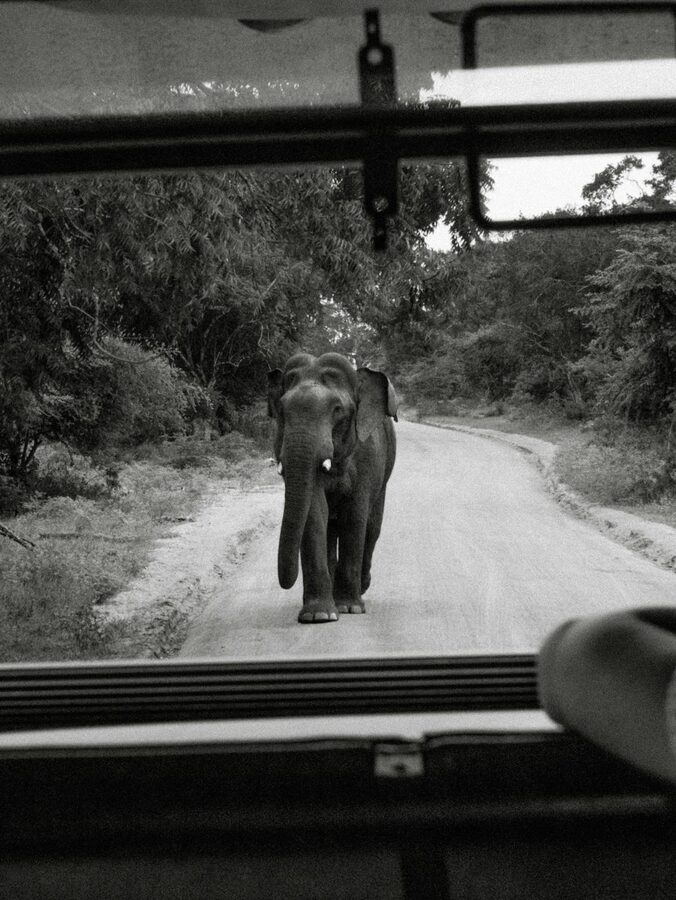
Yala is the other half of the Sri Lanka safari conversation, and it deserves its own tour slot for one reason: it is the park where, if you are going to see a leopard in the wild, you are going to see it here. Yala has one of the highest leopard densities of any protected area in the world.
The trade-off is that everyone knows this, which means Yala gets volume — specifically, Block 1 of Yala, which is the most leopard-rich section, gets hit with a non-trivial number of jeeps on any given morning. If the phrase “leopard traffic jam” puts you off, book the full-day option instead of the morning-only slot, because the afternoon drives thin out considerably.
If you are happy to take your chances, this tour offers the best balance of price, flexibility, and consistency that I could find.
Yala National Park Safari Tours: Morning/Evening/Full Day
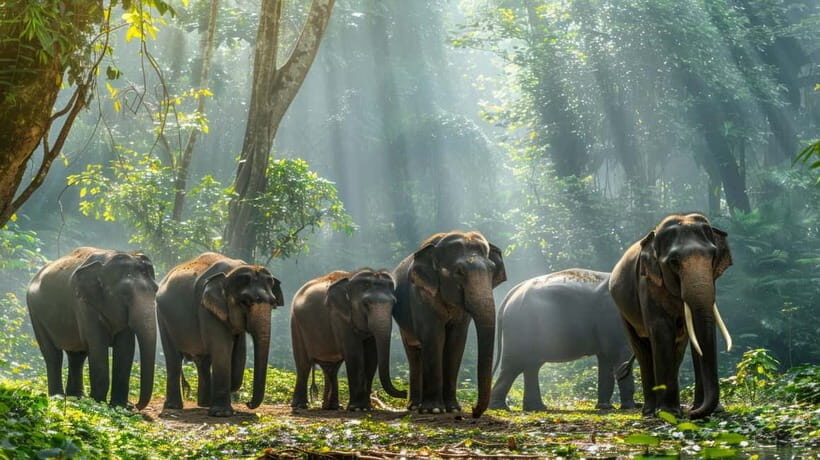
Flexible jeep safari format into Yala National Park with morning, evening, or full-day options. Pickup from Tissamaharama, Kataragama, and surrounding accommodation. Experienced driver-guide with knowledge of the park’s leopard territories and elephant corridors. Park entry fees typically collected separately on arrival at the gate.
The flexibility is the first thing that comes up. Being able to pick between a three-hour morning, a three-hour evening, or a full eight-hour day means you can match the drive to your travel style.
Families with young children go short, dedicated wildlife photographers go long, and couples on a lazy beach trip sometimes do a morning and then book a second evening drive if the morning was especially good. The second thing travellers mention is the variety of wildlife — Yala is not just a leopard park.
You will see elephants here too (the population is smaller than Udawalawe’s but the encounters are still reliable), plus saltwater crocodiles in the lagoons, sambar deer, wild boar, peacocks in ludicrous numbers, and pelicans and storks at the coastal edges.
Several travellers specifically call out the sunset moment over the lagoons on the evening drive — the light in Yala at dusk does something unreasonable to photographs of wading birds, and it is routinely the highlight of the tour even for travellers who came hoping to see a leopard and didn’t.
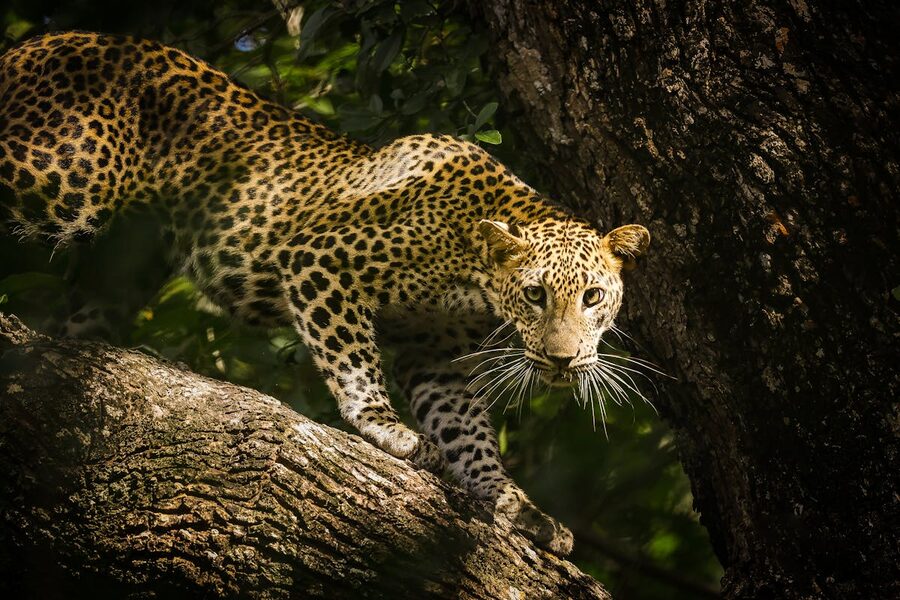
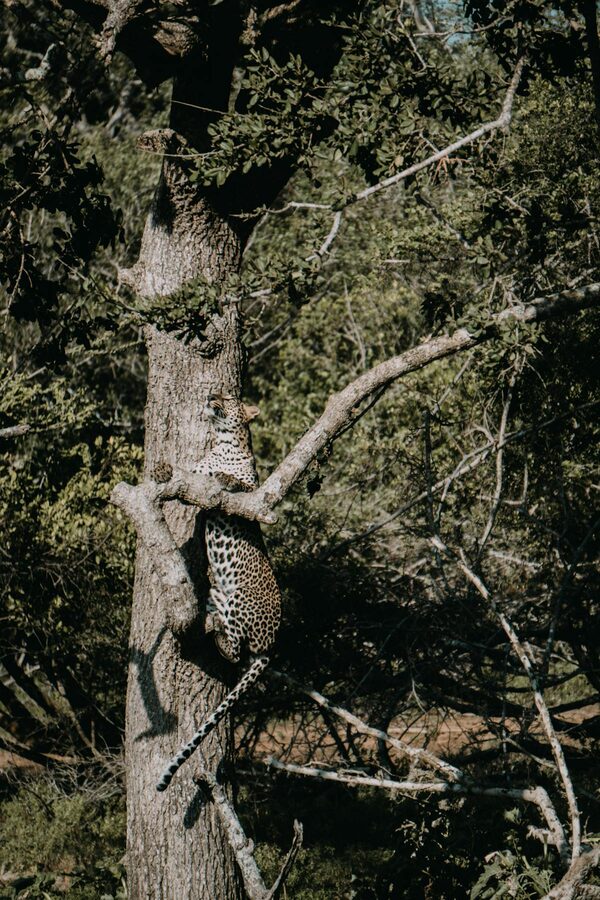
What to watch out for: The leopard expectation management is the big one. travellers who booked this tour specifically to see a leopard and didn’t see one are the source of almost every negative review. Here is the honest version: leopards are seen on roughly 50-70% of Yala drives in high season, and on roughly 30-40% in low season.
Those are not bad odds for a wild cat in thick bush, but they are very much not the “guaranteed” territory that Udawalawe elephants occupy. Go in expecting a great general safari with a decent shot at a leopard, and you will almost always leave happy. Go in expecting a guaranteed leopard photograph, and you may not. Second warning: Block 1 congestion.
If you book a morning drive in peak season (December to February), you will share the best viewing zones with a lot of other jeeps. Ask your driver to work the quieter sections of Block 1 if it is your first visit — the sightings rate is lower but the atmosphere is a lot more like what you came for.
Third: the park is occasionally closed on short notice for maintenance in the monsoon shoulder months (typically late September and early October), and some operators do not notify travellers until the day of. Check the status before you commit to non-refundable accommodation in Tissa.
Who it’s for: Travellers who have already booked the south coast (Tangalle, Mirissa, Weligama) and want to add a safari day on the way through. Wildlife photographers who care about leopards specifically. People doing a week-plus in Sri Lanka who can afford to spend two safari days and want variety.
Not the right call if you are doing a rushed four-day itinerary with only one safari slot — in that case, book Udawalawe instead because the guaranteed elephant sightings will deliver a much higher chance of a great experience.
Tour 3: From Sigiriya — Minneriya National Park Elephant Safari (Best for Cultural Triangle)
This is the tour for the traveller whose itinerary does not run through the south coast at all.
If you are landing in Colombo, heading north to Dambulla and Sigiriya to climb Lion Rock and see the Dambulla cave temples, and then looping back through Kandy — which is by a good margin the most popular Sri Lanka itinerary for first-time visitors — then driving eight hours south to Udawalawe or Yala just for a safari is frankly a terrible use of time. Minneriya solves that problem.
It sits a short drive from Sigiriya, hosts the famous annual Elephant Gathering (usually August to September, when 200 to 300 elephants congregate around the receding reservoir), and delivers a proper safari experience without adding a full day of backtracking to the trip.
From Sigiriya: Minneriya National Park Elephant Safari
Afternoon jeep safari from Sigiriya into Minneriya National Park with hotel pickup and drop-off included. Focused on elephant viewing at the Minneriya reservoir — during peak season (August to September) the operator may reroute to neighbouring Kaudulla or Hurulu if elephant concentrations have shifted. English-speaking guide and water included. Park entry fees typically added on arrival.
Convenience is the word that comes up most. If you are staying at one of the big Sigiriya resort properties, the pickup happens at your hotel entrance at around 2pm, you are at the park gate by 2:30, and you are back by dinner. That is not something you can say about a Udawalawe drive if you are based in the Cultural Triangle.
The second thing travellers love is the Elephant Gathering itself — not every month, not every week, but if you happen to be visiting in late August or early September, Minneriya is where Asia’s largest annual concentration of wild elephants happens.
Upwards of 300 you can be present on the best days, which is a number that sounds fake until you see the photographs. travellers who catch the gathering consistently describe it as the single best wildlife experience of their trip, and in some cases of their lives.
The third thing worth noting is the operator’s flexibility — if the elephant concentration has shifted to neighbouring Kaudulla or Hurulu (which happens seasonally because the elephants follow the water levels across a connected reservoir system), the guide will reroute rather than waste the drive on an empty Minneriya.
What to watch out for: The seasonality is the biggest caveat. Outside the August–September gathering window, Minneriya is still a good elephant park but it is not dramatically better than Udawalawe, and the herds are smaller and more scattered.
Book this one if the timing is right or if the Cultural Triangle is already on your itinerary — don’t book it over Udawalawe if the calendar is wrong and you are coming from the south. Second, the reservoir logistics. Minneriya is a large reservoir with the elephants concentrated at whichever edge has the freshest grass.
In practice that means some drives are very productive and others require a little more patience before you reach the main herd, and travellers who were unlucky with the day’s concentration patterns are the source of most of the mid-range scores. Third, the pickup-time communication occasionally slips — a handful of travellers mention the driver arriving 30 to 45 minutes late to the hotel.
Plan a buffer and don’t book it on a day when you also have a tight evening dinner reservation.
Who it’s for: Travellers doing the classic Cultural Triangle loop (Dambulla, Sigiriya, Polonnaruwa, Kandy) who want to add one wildlife day without detouring to the south. Anyone visiting in August or September who wants a shot at the Elephant Gathering. Photographers specifically — the light at Minneriya late in the afternoon, with a herd backlit against the reservoir, is reliably spectacular.
Not the right call if you are going to be in the south anyway (in which case do Udawalawe) or if leopards are a priority (in which case Yala is the answer).
Udawalawe vs Yala vs Minneriya: Which One Should You Actually Book?
This is the question every traveller ends up stuck on, and the answer depends on four variables: where your broader itinerary already runs, what month you are visiting in, whether you specifically care about leopards, and how many safari days you are willing to spend. Here is the decision tree I would walk a friend through if they rang me from Colombo asking which one to book.
If you are doing the south coast anyway, book Udawalawe. It is two hours inland from Tangalle or Mirissa, the elephant sightings are the most reliable of any Sri Lankan park, the jeep drive is cheap, and the wider area is genuinely beautiful in its own right.
You can stay in a small guesthouse near the park gate for one night, do the afternoon drive, sleep, do an optional overnight tented camping experience at Yala on the second night if you really want to commit, and then continue your beach itinerary without losing much time. This is the default answer.
If you are also willing to commit a second safari day, add Yala. Do Udawalawe for the guaranteed elephants, then head east to Tissa and do a Yala morning drive for the leopard lottery. Two parks, two different ecosystems, two different wildlife stories.
Most travellers who do this say the contrast is the best part — Udawalawe feels like Africa in miniature, and Yala feels like nowhere else on earth because of the coastal and lagoon elements. If I were writing a week-long Sri Lanka itinerary from scratch and wildlife was a priority, I would build two safari days into it exactly this way.
If your itinerary does not run south at all, book Minneriya. Driving eight hours south for a safari and then eight hours back north just to continue the Cultural Triangle is almost never worth it. Minneriya is a genuinely good park with a very strong seasonal peak, and the convenience factor of being a 30-minute drive from your Sigiriya hotel is massive.
This is the answer for the classic first-timer loop that does Colombo–Dambulla–Sigiriya–Kandy–Ella–coast. If you prefer a longer guided loop, there is also a 2-day Sigiriya, Dambulla and wildlife tour that bundles the main Cultural Triangle stops with a Minneriya-adjacent safari day.
If you are visiting in August or September, seriously consider Minneriya regardless of your itinerary. The Elephant Gathering is a legitimate bucket-list wildlife event — not the kind of thing tour operators brand as “bucket-list” and then fail to deliver, but the kind of thing that has been written up in every serious wildlife publication in the world. If the timing is right, detouring for it is worth it.
What to Actually Pack for a Sri Lankan Safari
Sri Lanka’s safari packing list is a little different from the East African equivalent because the climate, the distances, and the dress code all shift. Here is what I would load into a day-pack the morning of the drive, based on both reviewer advice and what the better operators explicitly recommend. First, a buff or bandana.
Udawalawe and Yala are both dusty parks in the dry season and the back of a jeep kicks up a surprising amount of fine silt. A cheap buff pulled up over your nose will save you from spending the rest of the day clearing your sinuses. Second, sunglasses, ideally polarised — they cut the glare off the reservoirs and make it easier to spot animals against the water. Third, a peaked cap or sun hat.
The jeep’s canvas top shades you from direct overhead sun but offers zero protection from the side, and the Sri Lankan sun in the late afternoon comes in very low and very hot.
Fourth, insect repellent — not for the drive itself, because you are moving, but for the pickup window before you get in the jeep and for the moments you stop at reservoir edges. DEET or picaridin are both fine. Fifth, a light long-sleeved shirt.
This sounds counterintuitive in 30-degree heat, but it protects your arms from sun and dust in a way that short sleeves do not, and it also keeps mosquitoes off you at the brief stops. Sixth, water — one litre minimum, and ideally two for a full-day drive. Most operators include a bottle but it is never enough. Seventh, a zoom lens if you are a photographer.
Something in the 70-300mm range is ideal for elephants at the distance they tend to be at, and you will want longer glass (300mm+) for leopards at Yala.
Eighth, closed-toe shoes. You will not leave the jeep inside the park, but the pickup and drop-off often involves walking through dusty verges or stepping down into uneven ground, and flip-flops are a recipe for either a twisted ankle or a very dusty foot.
Ninth, a portable battery pack for your phone — most jeeps do not have USB charging and you will burn through your phone battery faster than expected because you will be using the camera constantly. Tenth, cash in small denominations, both for park fees (if they are not included in the tour price) and for tipping the guide at the end of the drive.
Sri Lankan safari guides are not well-paid and a $5 to $10 tip at the end of a private drive is genuinely appreciated and appropriate.
The Best Time of Year to Book a Sri Lanka Safari
Sri Lanka has two monsoon systems that hit opposite sides of the island, which makes timing a safari a slightly odd exercise. The south-west monsoon runs roughly May to September and hits the west and south coasts, which means Udawalawe and Yala (both in the south) are actually at their driest in the months when the coastal resorts are getting hammered by rain.
The north-east monsoon runs roughly October to January and affects the dry zone in the north and east, including Minneriya. The practical upshot is that there is no single “best” month for safari — it depends which park you are going to.
Udawalawe: Best from May through September. The dry season concentrates wildlife around the reservoir, visibility is at its best, and the jeep tracks are drivable everywhere. Worst in November through January when the park is soggy and sightings are more scattered. Note that May through September is also the peak south-coast beach rain season — accept that your beach days might get wet in exchange for the better safari conditions.
Yala: Best from February through June, when the dry season concentrates leopards near the remaining water sources and the coastal grasses are dry. The park is closed for about a month in September and early October for maintenance. Avoid the December holiday rush if you can — the sightings are still good but the jeep congestion is at its peak.
Minneriya: The Gathering runs roughly mid-July through mid-September, peaking in August. Outside those windows Minneriya is a normal elephant park — fine, but not the famous spectacle. The rest of the year you might be better off driving the extra 30 minutes to Kaudulla or Hurulu depending on where the elephants have migrated.
Booking Logistics and Getting There
Udawalawe sits roughly five hours south-east of Colombo by road. The most common way to reach it is as part of a south-coast circuit: you come down the coastal expressway from Colombo to Galle, work your way east through the beach towns (Unawatuna, Mirissa, Tangalle), and then turn inland at Tangalle for a two-hour drive up to the Udawalawe area.
Most operators will include hotel pickup from Udawalawe town itself, and from nearby guesthouses along the main road. If you are based further away (say, Ella or Tissa), you will typically have to arrange a separate transfer.
Yala is accessed from Tissamaharama, a small town about 30 minutes from the Yala park gates. Tissa has a wide range of accommodation from backpacker hostels to mid-range eco-lodges. The drive from Colombo takes roughly six hours; from Ella it is about three; from Mirissa about two. Most travellers overnight in Tissa and do an early-morning drive, which is a much more sensible plan than trying to do a Yala safari as a day trip from further away.
Minneriya is reached from Sigiriya or Habarana, both of which are standard stops on the Cultural Triangle circuit. Sigiriya is two to three hours from Colombo by road, depending on traffic. Most operators include pickup from Sigiriya and Habarana hotels, and some include Dambulla as well.
If you are already doing the Lion Rock climb and the Dambulla cave temples, the logistics of adding a Minneriya safari are almost trivially easy — and if you are based in Colombo instead and want to do the whole thing as a long day trip, there is a specific private Minneriya day safari from Colombo that handles the transfers both ways.
There is also a straightforward safari tour at Minneriya National Park for travellers who just want the jeep drive without the broader transfer package.
All three tours listed above can be booked up to three months in advance on their respective platforms, and the prices tend to be stable throughout the year — unlike flights or hotel rates, safari tour pricing in Sri Lanka does not swing wildly based on demand.
That said, the inventory on the most reviewed tours (the 1,499-review Udawalawe listing in particular) does fill up during peak weeks, so if you are travelling in December, early January, August, or early September, I would book at least two weeks ahead rather than rolling the dice on the week of.
Other Wildlife You Will Actually See
One thing the elephant-focused marketing leaves out is just how much else lives in these parks.
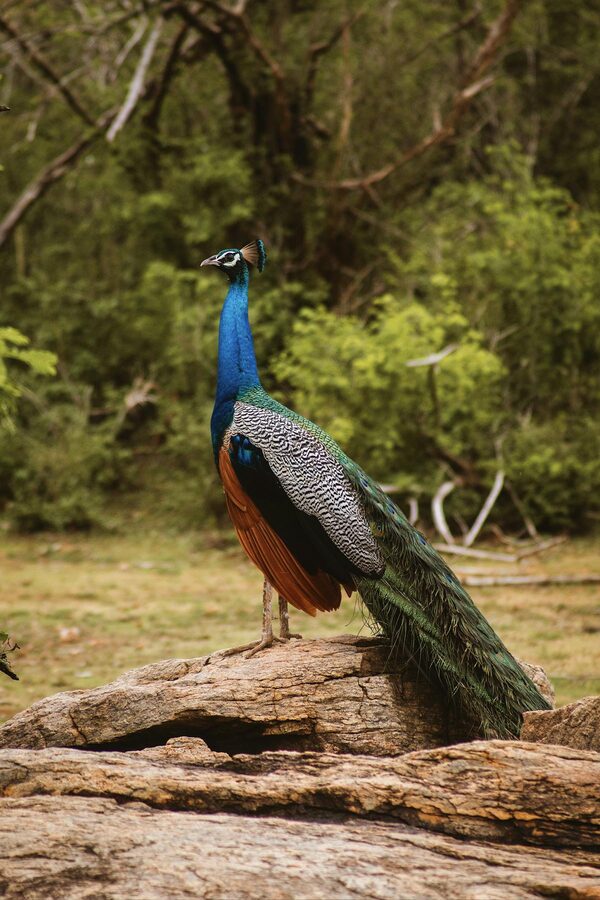
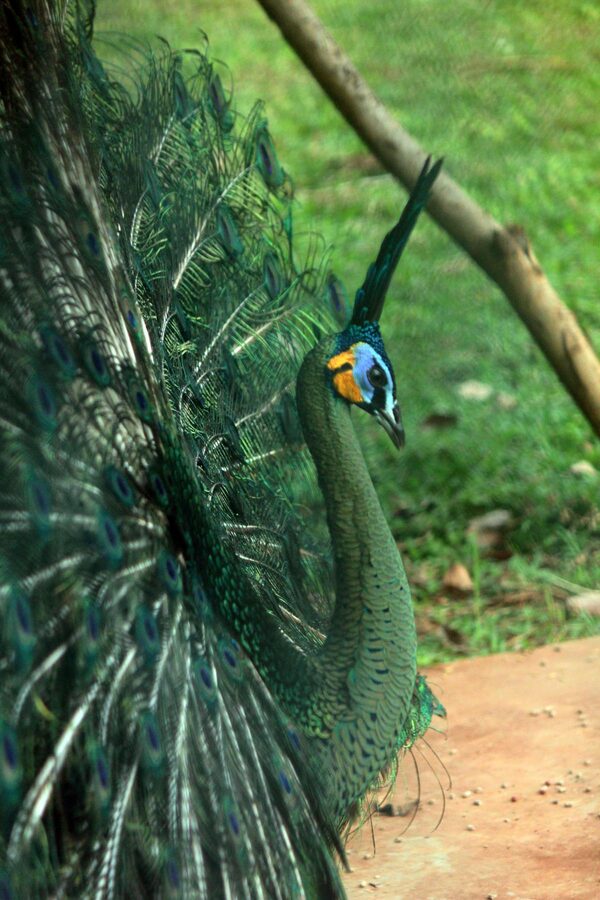
Udawalawe has a dense population of water buffalo (which look tame but are actually the more dangerous of Sri Lanka’s large mammals — do not get out of the jeep), dozens of species of birds including painted storks, peacocks in numbers that become almost ridiculous after the fifth sighting, crocodiles in the reservoir, jackal occasionally crossing the tracks at dusk, and the small-but-reliable chance of a sloth bear encounter in the drier months.
Yala adds leopards, saltwater crocodiles up to five metres long, flamingos in the lagoons, pelicans, and sambar deer. Minneriya has the usual Asian elephant cast plus a particularly good wading-bird population thanks to the reservoir.
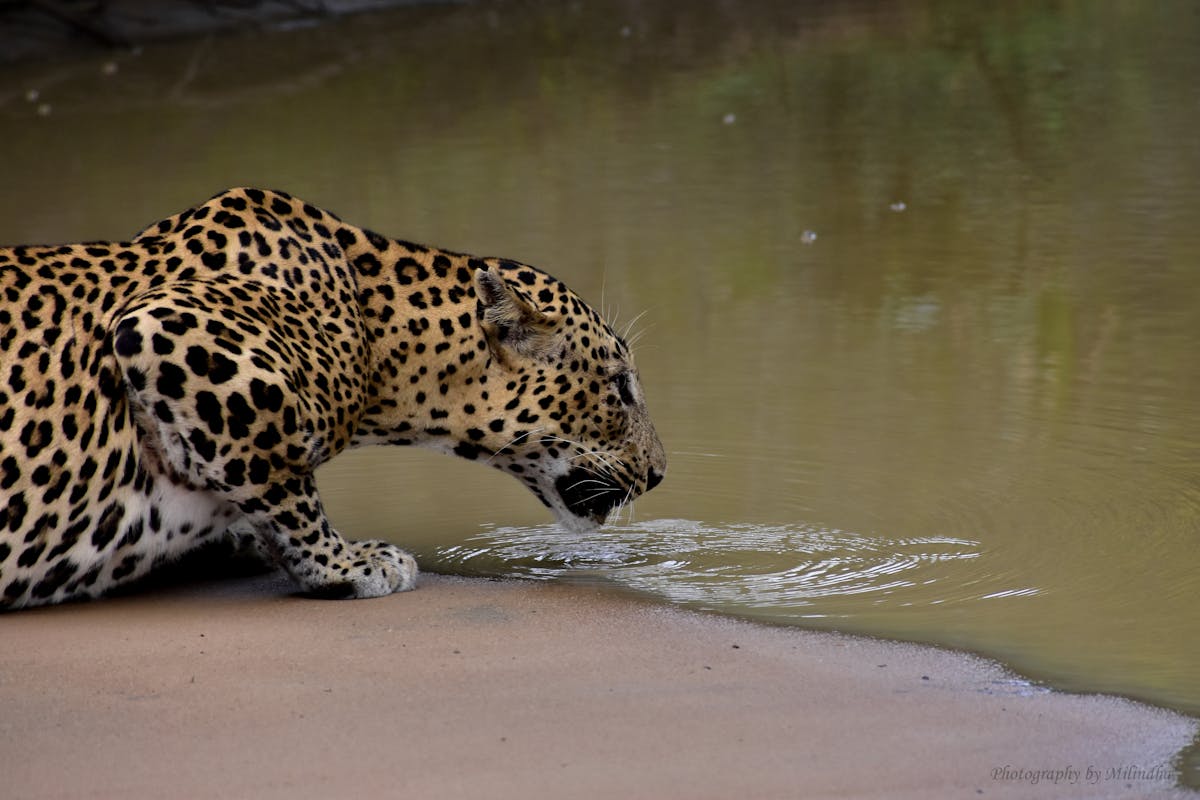
A detail worth knowing: the guides on these tours are generally very good at bird identification, but they will not slow down for every sighting unless you explicitly tell them that birds matter to you. If you are even a casual birder, mention it at the start of the drive and they will shift the pace accordingly.
I have seen more lifers on a Udawalawe half-day than on most dedicated birding tours in other countries, purely because the guides know every territory in their section of the park.
Accommodation Near the Parks
For Udawalawe, the gate-side guesthouses in the small town of Udawalawe itself are the practical choice. These are simple, cheap, and typically include breakfast, and the better ones will organise your jeep booking for you directly rather than routing you through an online platform.
If you want something more upscale, there are a handful of eco-lodges and boutique properties in the wider area, including some that sit on the park border with open views across the buffer zone.
For Yala, Tissamaharama is the base town and has accommodation at every price point — from budget homestays near the tank, through mid-range resorts on the approach road to the park, to the luxury safari camps that do the tented-camp thing with proper beds and hot showers.
For Minneriya, you would normally be staying in Sigiriya or Habarana anyway as part of your Cultural Triangle itinerary, and the tour simply picks you up from wherever you happen to be. Travellers who want to extend the cultural side of the trip often add a Kandy city tour with Ambuluwawa day tour or a Kandy eco village tour with cooking program to round out the Cultural Triangle week.
One practical note on accommodation timing: booking a hotel close to the park gate saves you a lot of morning misery. The morning safari pickups are typically at 5:30 or 6am, and the difference between a 6am pickup from a 10-minute-away guesthouse and a 5am pickup from a town 45 minutes away is the difference between a reasonable wake-up call and a miserable one. If you are doing the morning drive, pay the small premium for the closer accommodation.
Is a Sri Lanka Safari Worth It?
Yes, and that is the short answer to a question I get asked more than you might expect. The longer answer is that Sri Lanka is the only country in the world where you can see wild elephants, wild leopards, and blue whales within a single week, and where the logistics of doing so are relatively simple and the costs are among the lowest for serious wildlife tourism anywhere on earth.
A $25 private safari is a sentence that would be flatly impossible in most of Africa, and the experience genuinely holds up to the comparison — the sightings are consistent, the operators are capable, and the parks are well-managed.
What a Sri Lanka safari is not is a Serengeti. The landscapes are smaller, the large-mammal list is shorter, and the open horizon-to-horizon savanna feel of East Africa is not something you will find here.
What you get instead is a tighter, more intimate experience with animals that are used to vehicles but genuinely wild, in a country where you can pair the safari with beach days, tea-country hiking, cave-temple culture, and Sri Lankan food — which is, in my opinion, the most underrated cuisine in South Asia.
Taken as a complete trip, the safari is the wildlife chapter of an otherwise cultural and beach-oriented journey, and that combination is exactly what makes it work.
If you are looking at a broader Sri Lanka trip and want to start planning other days, we also publish guides on booking a Colombo tuk-tuk city tour for your arrival day.
For the tea country section of the trip, the Kandy to Nuwara Eliya drop tour by local tuk-tuk is a fun way to handle the transfer instead of the train, and the full coverage Kandy city day tour covers the essentials of the hill capital in a single day.
If you are the type of traveller who plans around food experiences, you might like our Kuala Lumpur street food tour guide or the Cameron Highlands day trip guide for the Malaysia leg of a Southeast Asia circuit. If you are combining Sri Lanka with India, our Jaipur city tour guide and Taj Mahal skip-the-line guide both cover the essentials of the Golden Triangle.
And if the comparison I made earlier to an African safari experience is stuck in your head, consider that the Sri Lanka version costs roughly a tenth of the price for a similar level of wildlife density — which is a fact that becomes more relevant the longer you stare at flight prices.
Final Thoughts
Udawalawe is where the elephants are, and that is the whole argument for making it the default Sri Lanka safari pick.
The tour I would book first is the Viator private jeep option with Udawalawe Wild Safari Tours, because 1,499 reviews at a perfect five-star average is not a number you see often, and the private format at $25 is a quality-to-price ratio that I cannot honestly match with anything else in Asia. If you want a leopard shot and can spare a second day, Yala is worth adding.
If your itinerary runs through the Cultural Triangle rather than the south coast, Minneriya is the sensible play. Book ahead in peak season, bring a buff for the dust, pack a zoom lens if you have one, and do not make the mistake of assuming the morning drive is automatically better than the afternoon — at Udawalawe specifically, the 2pm to 6pm window is the one that delivers the waterhole drama.
Six hundred-plus elephants inside an area the size of a mid-sized national forest, guaranteed sightings, a $25 private jeep, and a guide who genuinely knows the herds. If the question is whether a Sri Lanka safari is worth building an itinerary around, the answer is that it might be the single most underrated wildlife experience in Asia — and Udawalawe is where you start.