
A couple from Manchester told me they almost skipped Koh Samui’s island hopping tours entirely. “We thought it was just another tourist boat trip,” the woman said, shaking her head at the beach bar later that evening. They’d spent the morning kayaking through a hidden lagoon inside a limestone island at Ang Thong Marine Park, watched wild pigs trot across a white-sand beach, and snorkeled over coral beds so shallow you could practically stand up. That was before lunch.
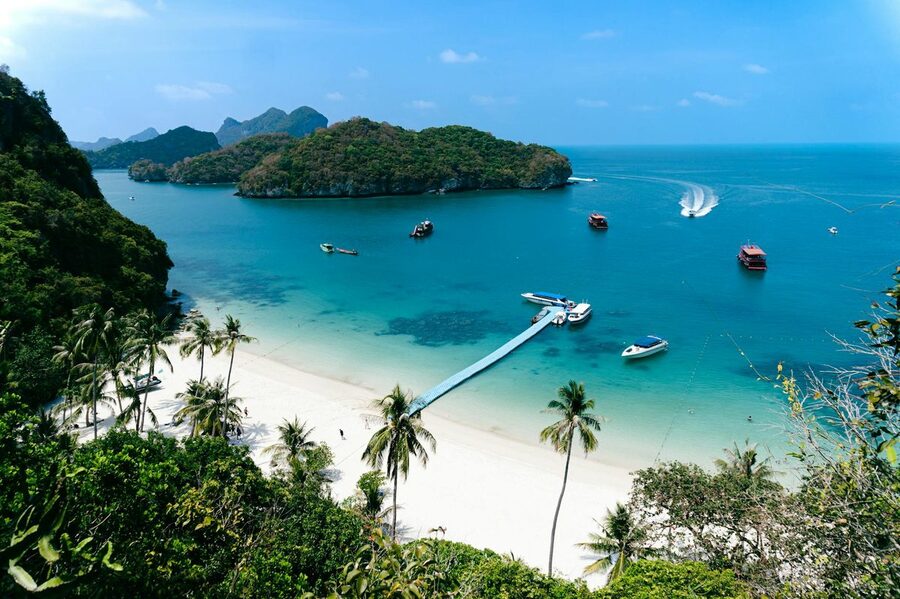
Island hopping from Koh Samui is one of those things that sounds generic until you actually do it. The Gulf of Thailand has 42 islands in the Ang Thong archipelago alone, plus Koh Tao, Koh Phangan, and a handful of smaller stops like Pig Island and Koh Tan. You can fill a week doing different day trips and never repeat a route.
But here’s the thing — the difference between a great island hopping day and a forgettable one comes down almost entirely to which tour you book. Pick the wrong boat, and you’ll spend half the day waiting at a crowded pier. Pick the right one, and you’ll be snorkeling a reef with six other people while the big tour boats are still loading passengers.
Short on time? Here are my top picks:
Best overall: Pig Island & Koh Tan Snorkeling by Speedboat — $52. Four hours, three stops, small group. Best for people who want variety without a full-day commitment.
Best value: Koh Tao Islands Snorkeling Day Tour — $27. Full day with lunch. Covers five islands and some of the best snorkeling in the Gulf.
Best for adventure: Ang Thong Marine Park with Kayaking — $38. Nine hours, includes kayaking through sea caves and hiking to the famous viewpoint.
- How the Official Booking System Works
- Organized Tours vs. Going Independent
- The Best Koh Samui Island Hopping Tours to Book
- 1. Pig Island & Koh Tan Snorkeling by Speedboat —
- 2. Koh Tao Islands Snorkeling Day Tour with Lunch —
- 3. Ang Thong Marine Park Cruise with Kayaking —
- 4. Koh Samui Half-Day Island Highlights Tour —
- When to Go Island Hopping from Koh Samui
- How to Get to the Departure Points
- Tips That Will Save You Time (and Money)
- What You’ll Actually See
- Where to Go Next in Thailand
How the Official Booking System Works
There’s no single “official” booking system for island hopping in Koh Samui. It’s not like buying tickets for a temple or attraction. Instead, you’re booking private tours run by different operators — speedboat companies, catamaran outfits, big boat excursion groups — and each one sets its own prices and itineraries.
That said, there is an official component: the Ang Thong National Marine Park entry fee. Adults pay 300 THB (about $9), and children under 12 pay 150 THB. Most guided tours include this in the price, but some budget operators don’t. Always check before you book.
For the other island stops — Pig Island, Koh Tan, Koh Madsum, Koh Tao — there’s no government entry fee. You just need a boat to get there. The piers at Nathon and Bangrak are the main departure points for tours heading to Ang Thong, while Pig Island trips tend to leave from the southern coast near Thong Krut.
You can arrange your own longtail boat from a pier, but honestly, for first-timers it’s not worth the hassle. The pre-organized tours include equipment, lunch, insurance, and a guide who knows where the best snorkeling spots are that day based on tide and weather. Going independent saves maybe $5-10 and costs you hours of negotiation.
Organized Tours vs. Going Independent
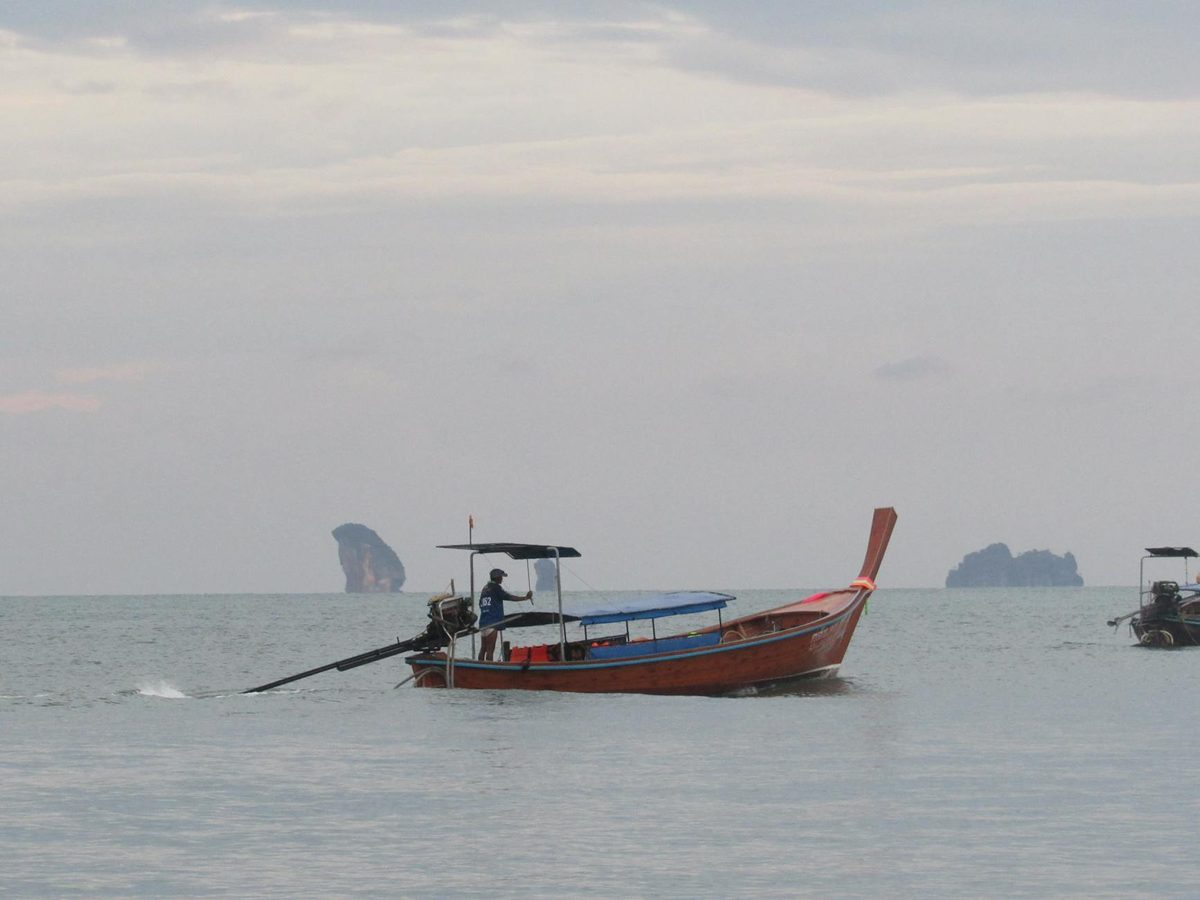
Let me be honest: for island tours in Thailand, organized group tours beat DIY almost every time. Here’s why.
Go with a tour if:
- You want snorkeling gear, lunch, and national park fees included in one price
- You don’t want to negotiate with boat operators in Thai (the quoted price on the pier is never the real price)
- You want to hit 3-5 islands in one day — independent boats rarely cover that much ground
- You’re traveling with kids and want life jackets, a guide, and a set schedule
Go independent if:
- You specifically want to stay on one island all day (Koh Tan is great for this)
- You have your own snorkeling gear and just need transport
- You’re a group of 6+ and can split a private longtail charter
The price difference is smaller than you’d expect. A half-day speedboat tour costs about $45-55 per person with everything included. A private longtail to one island runs about 1,500-2,500 THB ($45-75) total, but covers less ground and includes nothing.
The Best Koh Samui Island Hopping Tours to Book
I’ve narrowed this down to four tours that cover different styles, budgets, and interests. These are all well-reviewed and run consistently — not fly-by-night operations that cancel when they don’t fill the boat.
1. Pig Island & Koh Tan Snorkeling by Speedboat — $52
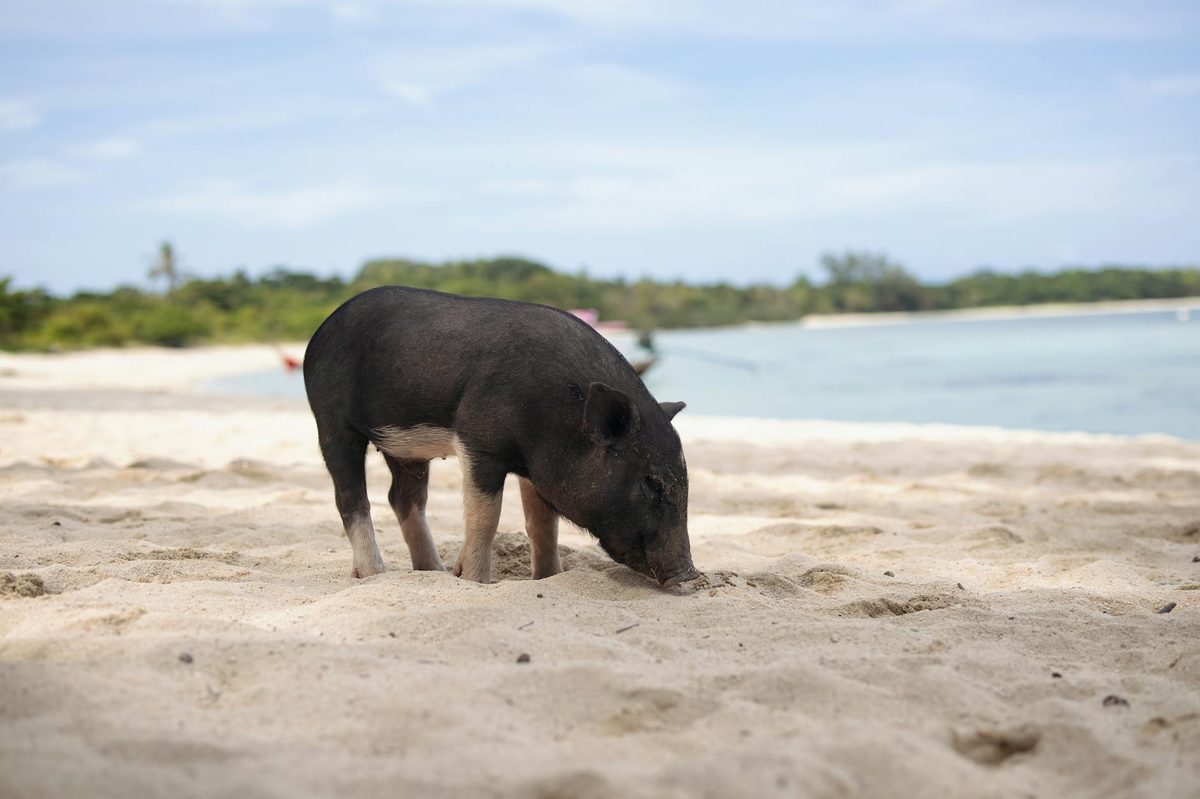
This is the one I’d pick for a first-timer who only has one day. Four hours by speedboat, three stops — Pig Island (Koh Madsum), Koh Tan for snorkeling, and a coral garden stop. The speedboat means less time in transit and more time in the water or on the beach.
At $52 for a half-day, it’s more expensive per hour than the full-day options, but you’re paying for speed and a smaller group. The morning departures are better — the water is calmer and the pigs haven’t been fed by four tour groups already. Over four thousand people have booked this one and the rating sits at 4.5 stars, which is solid for a snorkeling tour where weather can spoil any given day.
2. Koh Tao Islands Snorkeling Day Tour with Lunch — $27
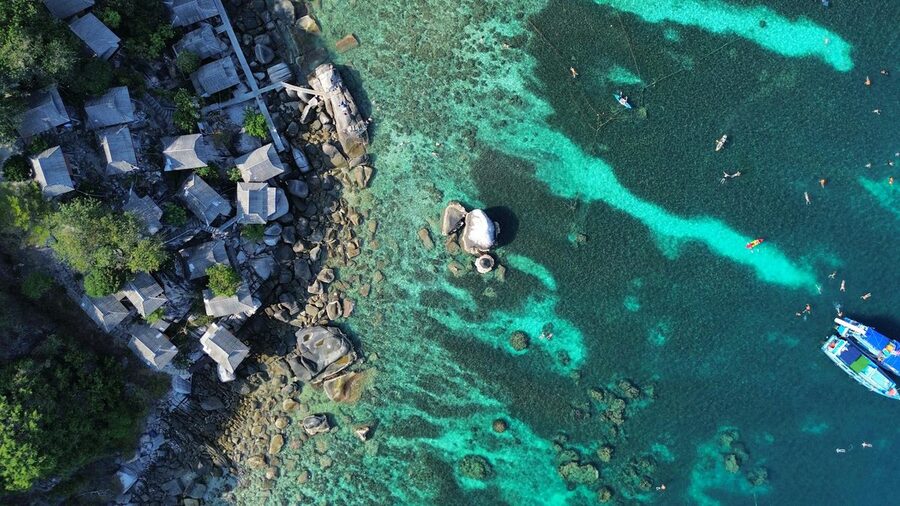
Best value on this list by a wide margin. $27 gets you a full seven-hour day covering five snorkeling stops around Koh Tao and Koh Nang Yuan, plus lunch on the boat. The coral at Japanese Garden (one of the stops) is some of the healthiest I’ve seen in the Gulf of Thailand — hawksbill turtles show up regularly and the visibility is usually excellent.
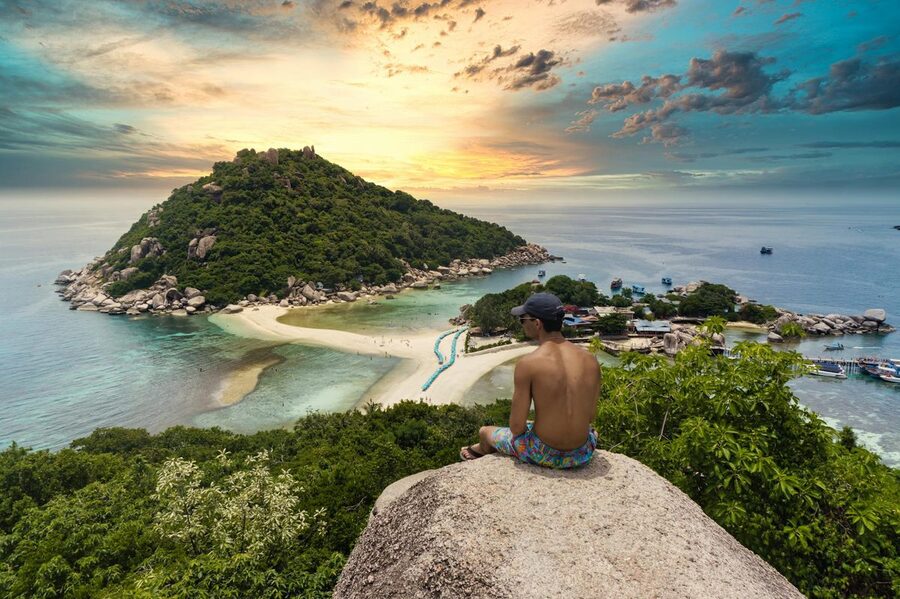
Koh Nang Yuan is the postcard shot: three small islands connected by a white sandbar. It’s worth the trip just for the view from the top. The hike up takes about 15 minutes and the trail is steep, so wear shoes you don’t mind getting sandy. With a 4.7-star rating and nearly 3,750 reviews, this tour consistently delivers. The one downside is the travel time — Koh Tao is about 2 hours from Samui by boat, so plan for a long day.
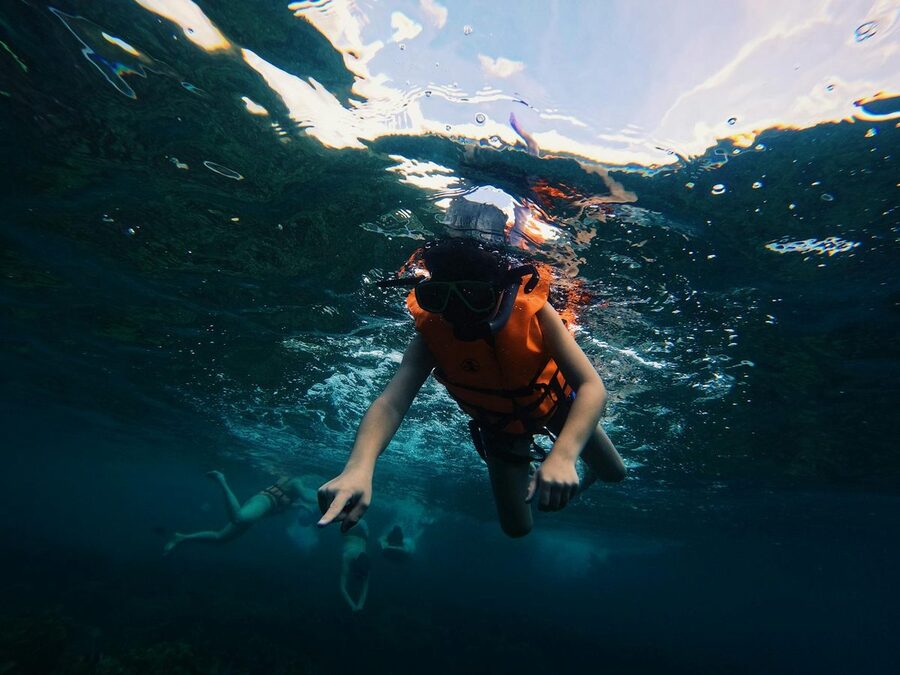
3. Ang Thong Marine Park Cruise with Kayaking — $38
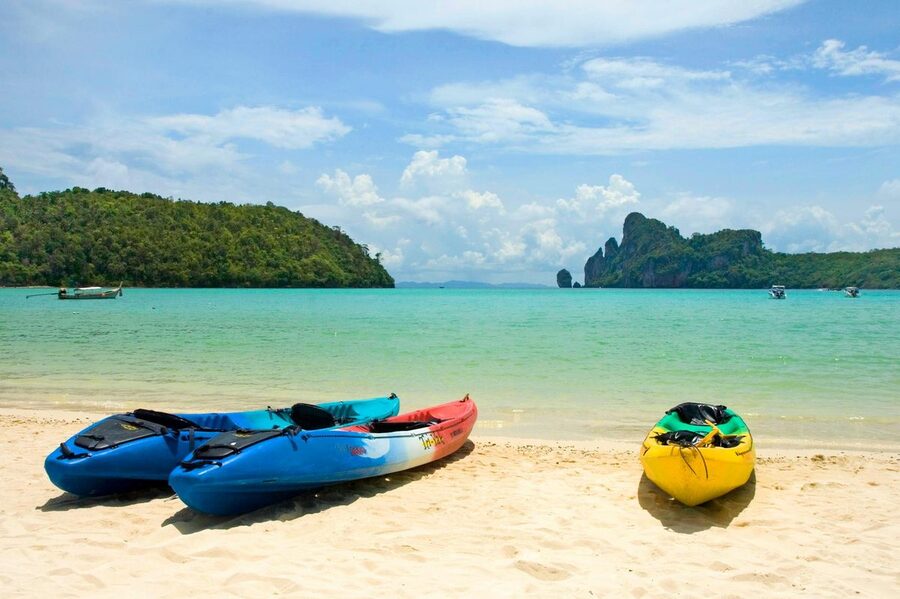
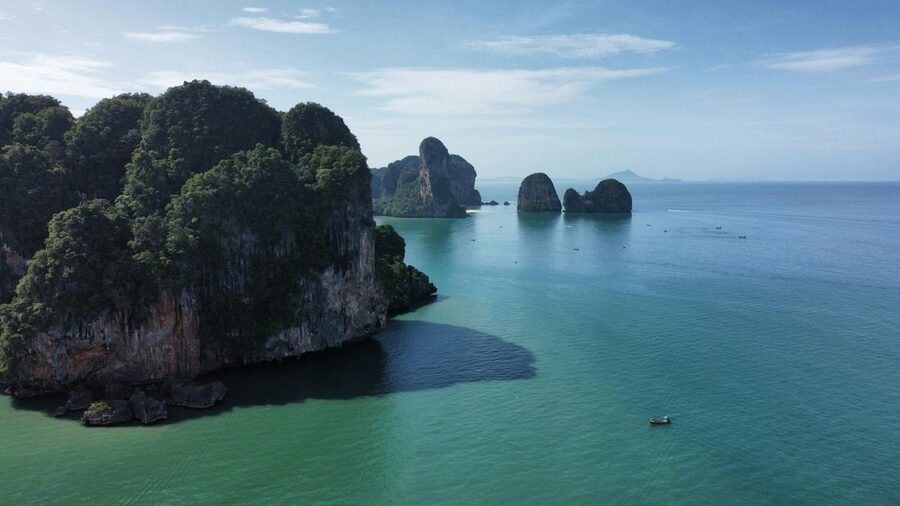
This is the adventure pick. Nine hours exploring the 42 islands of Ang Thong National Marine Park by big boat, with kayaking, snorkeling, and a hike to the Pha Jun Jaras viewpoint. The kayaking portion takes you through sea caves and into the Emerald Lake — a landlocked saltwater lagoon inside a collapsed limestone island that glows green in the sunlight.
At $38 for a full day, the value is hard to beat. Lunch is included, and so is the national park entry fee. The big boat is slower than a speedboat but more comfortable — there’s shade, a bathroom, and enough space to stretch out between stops. The viewpoint hike is about 500 steps up, steep enough that you’ll feel it, but the panoramic view of all 42 islands makes it worth the sweat.
This one draws the most mixed reviews (4.3 stars, 3,735 reviews) mainly because the big boat format means larger groups and more time in transit.
4. Koh Samui Half-Day Island Highlights Tour — $27
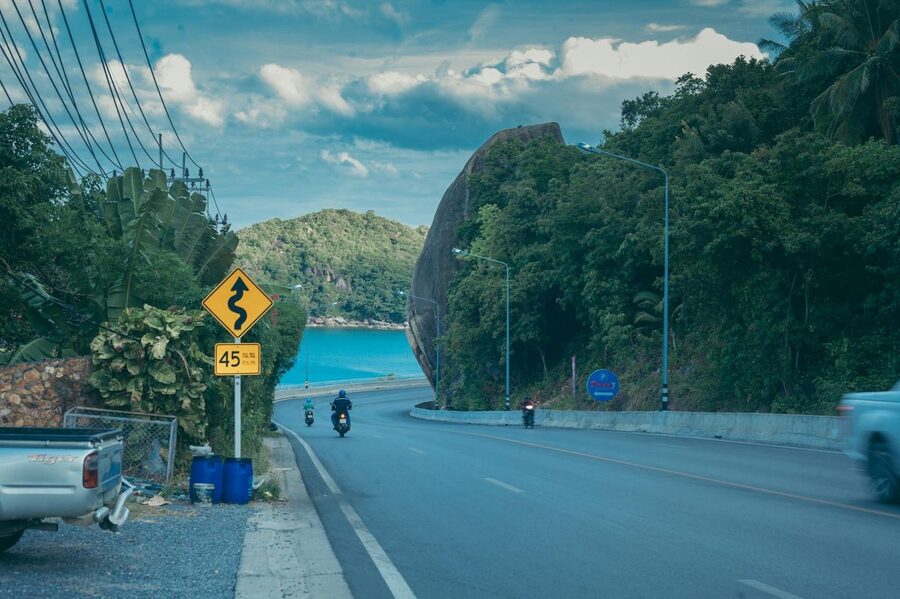
Not technically island hopping, but I’m including it because it’s a solid alternative for anyone who gets seasick or wants to explore Koh Samui itself before heading to the smaller islands. This half-day tour by AC minivan hits the Big Buddha temple, Na Muang Waterfall, the Grandmother and Grandfather Rocks, and the Hin Ta Hin Yai overlook.
At $27 for five hours, it’s the same price as the Koh Tao snorkeling trip but stays on land. The AC minivan is a blessing in the Thai heat — trust me, you don’t want to be on a motorbike at 2pm in April. This one has 3,561 reviews with a 4.6-star rating, which makes it the most consistently well-reviewed tour on this list. Just don’t expect beaches and snorkeling. It’s a sightseeing tour, and a good one at that.
When to Go Island Hopping from Koh Samui
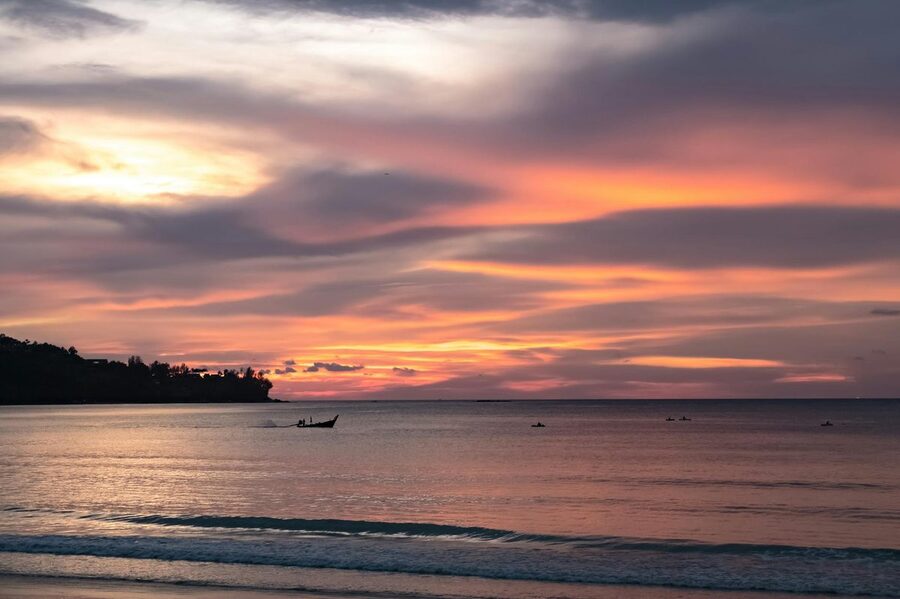
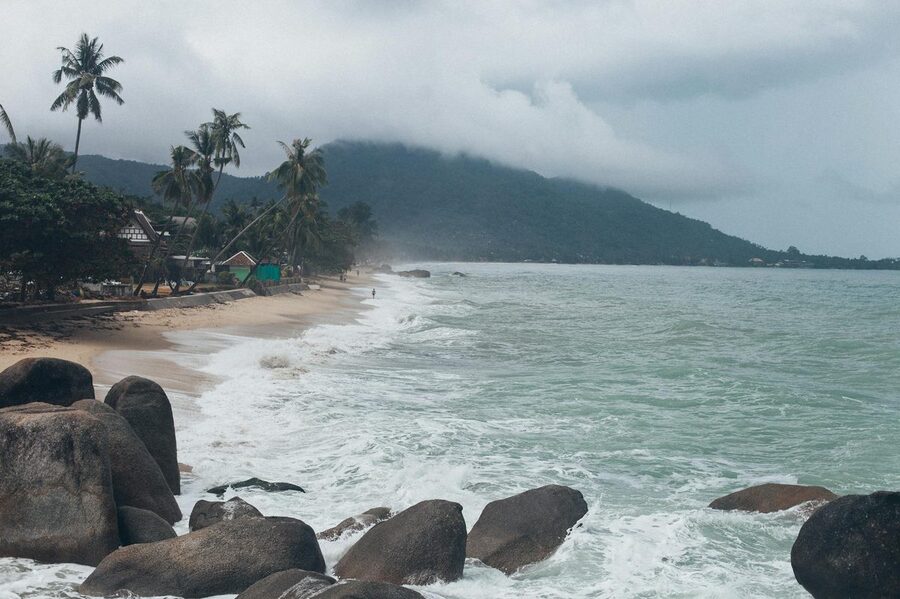
The Gulf of Thailand has a different weather pattern from the Andaman coast (Phuket, Krabi) — where Phi Phi day trips run year-round. While the west coast gets hammered by monsoons from May to October, Koh Samui’s rainy season is shorter — mainly October through December, with November being the worst month.
Best months: December through April. Calm seas, clear visibility for snorkeling, and Ang Thong Marine Park is reliably open. The park closes for parts of November and sometimes early December during the northeast monsoon.
Avoid: Late October and November. Heavy rain, rough seas, and many boat operators cancel tours. Ang Thong Marine Park officially closes from November 1 to December 23 most years, though the exact dates shift.
Shoulder months (May-September): The water is still warm and tours still run, but afternoon rain is common. Morning departures are better in these months — you’ll usually get clear skies until about 2pm. Seas can be choppier, which matters more on speedboats than big boats.
Water temperature stays around 28-30C (82-86F) year-round, so you won’t need a wetsuit for snorkeling. The main variable is visibility — it ranges from 5 meters in rough weather to 15+ meters on a perfect January morning.
How to Get to the Departure Points
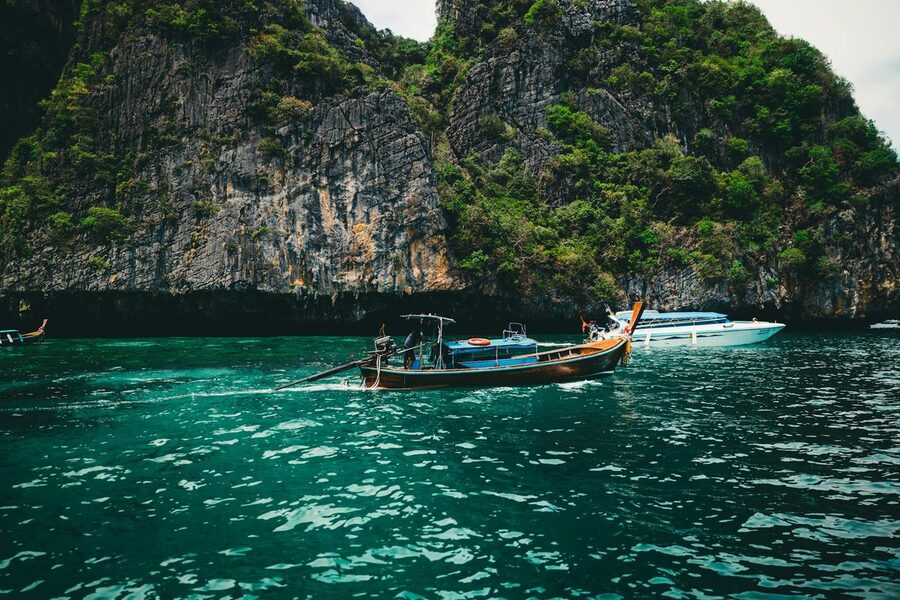
Most island hopping tours include hotel pickup and drop-off, which eliminates a lot of the logistics headache. If yours doesn’t, here’s what you need to know.
For Ang Thong tours: Most big boats depart from Nathon Pier on the west coast. It’s about 20 minutes by taxi from Chaweng or Lamai. Speedboat tours sometimes leave from Bangrak Pier (also called Big Buddha Pier) on the north coast.
For Pig Island and Koh Tan tours: Departure is usually from Thong Krut Pier in the south. It’s a smaller, quieter pier — less chaotic than Nathon. From Chaweng, it’s about 30 minutes by taxi.
For Koh Tao day trips: Most leave from Nathon Pier or nearby ferry terminals. The fast ferry to Koh Tao takes about 1.5-2 hours, so expect an early start (most tours depart around 7:30-8:00 AM).
Getting around Koh Samui: Taxis don’t use meters — negotiate before you get in. Typical rates: Chaweng to Nathon Pier is about 400-600 THB one way. Grab works on Koh Samui but the supply of drivers is thinner than in Bangkok. Renting a scooter is the cheapest option at about 200-300 THB per day, but parking at piers is limited and you’ll be carrying snorkeling gear.
Tips That Will Save You Time (and Money)
- Book online, not at the pier. Walk-up prices at the pier are 20-40% higher than online rates for the same tour. Plus you risk showing up and finding the boat is full.
- Choose morning departures. The sea is calmest before noon, the snorkeling visibility is best, and you beat the afternoon heat. Afternoon tours get choppier seas and more cloud cover.
- Bring reef-safe sunscreen. Thailand’s marine parks are starting to enforce sunscreen bans on certain chemicals. Anything with oxybenzone or octinoxate can get you turned away at Ang Thong.
- Waterproof phone pouch: non-negotiable. You can buy them cheap at any 7-Eleven on Samui. Don’t trust ziploc bags — I’ve seen too many casualties.
- Skip the full-moon period for Koh Phangan tours. If your island hopping includes a stop at Koh Phangan, avoid booking on or near Full Moon Party nights. The island is packed, beaches are trashed, and prices for everything spike.
- Eat breakfast before you go. Tour lunches are fine but small. A pad thai and coffee at your hotel — or from a street stall if you picked up ordering skills on a Bangkok food tour earlier in your trip — before a 7:30 AM departure will keep you going until the on-boat lunch at noon.
- Cash for extras. Bring 500-1,000 THB in small bills. National park fees (if not included), drinks on the boat, and waterproof camera rentals all take cash only.
What You’ll Actually See
The highlight depends entirely on which tour you pick, but here’s what’s out there.
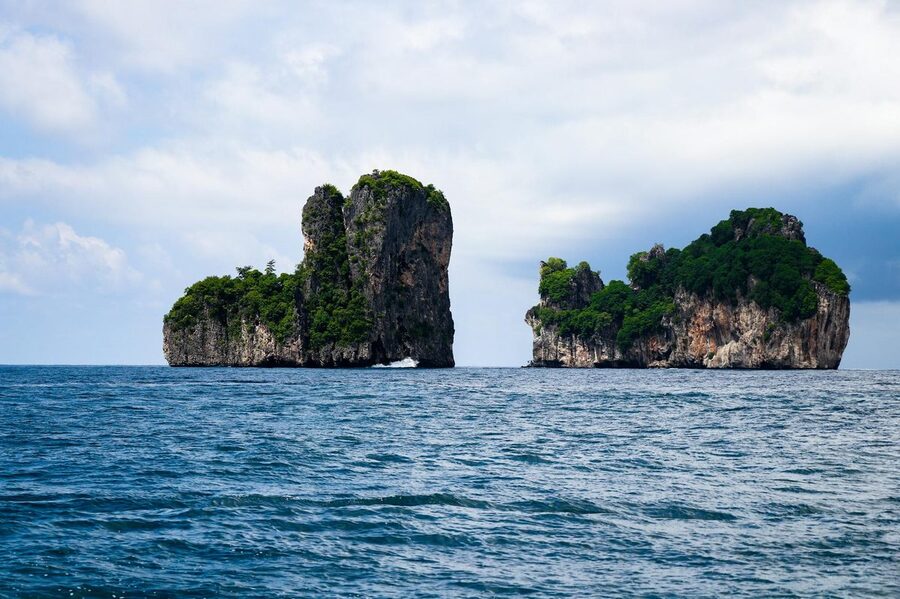
Ang Thong Marine Park: The main draw is the sheer scale — 42 limestone islands scattered across 102 square kilometers of protected ocean. The Emerald Lake (Thale Nai) sits inside Koh Mae Ko, a collapsed limestone cavern that’s now a saltwater lagoon. The color changes with the light — green at midday, blue-grey in overcast weather. The viewpoint hike up Pha Jun Jaras takes 500 steps and rewards you with a panorama of the entire archipelago. Snorkeling in the park is good but not the best in the Gulf — the real attraction here is the landscape itself.
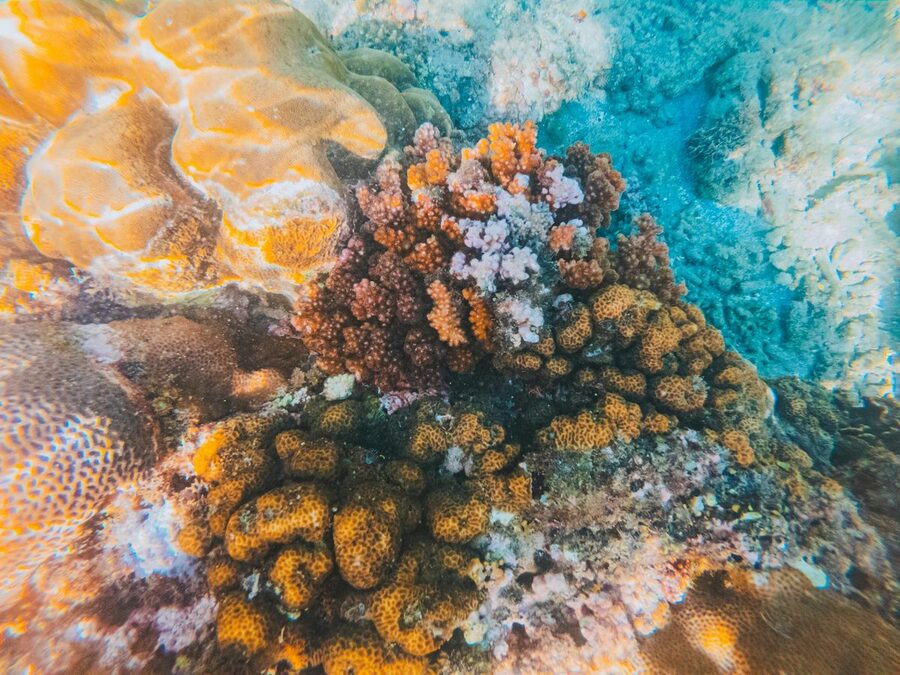
Koh Tao and Koh Nang Yuan: This is where the snorkeling gets serious. Japanese Garden, Mango Bay, and Shark Island are three of the best dive and snorkeling sites in the Gulf of Thailand. You’ll see clownfish, parrotfish, hawksbill turtles (if you’re lucky), and staghorn coral formations that stretch for hundreds of meters. Koh Nang Yuan’s signature sandbar connecting three islands is genuinely stunning, but it gets packed by midday — if your tour stops here, hope for an early arrival.
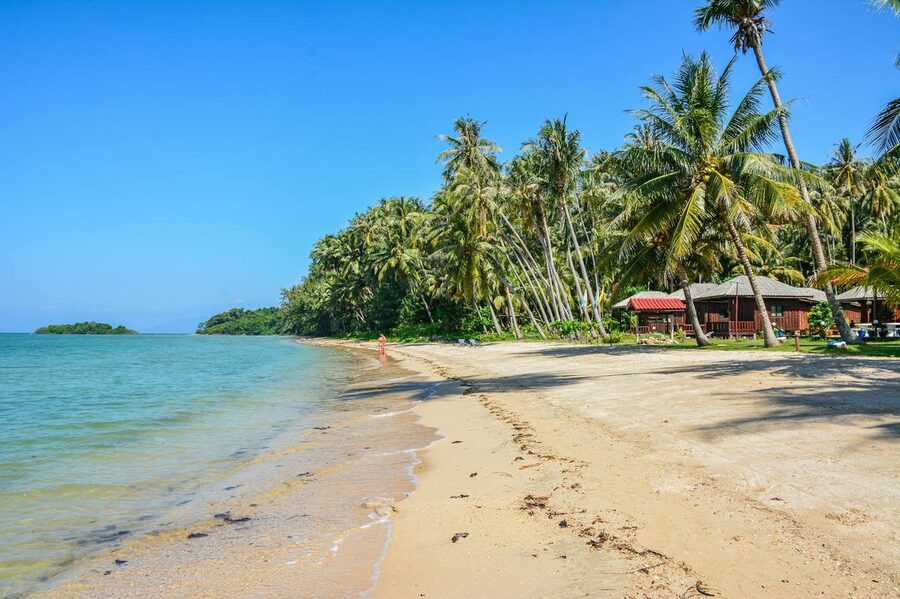
Pig Island (Koh Madsum): Exactly what it sounds like. A small island with a palm-fringed beach where semi-wild pigs roam freely. They’re used to humans and will come right up to you. It’s a quick stop (usually 30-45 minutes) and more fun than it has any right to be. Kids go absolutely wild for it.
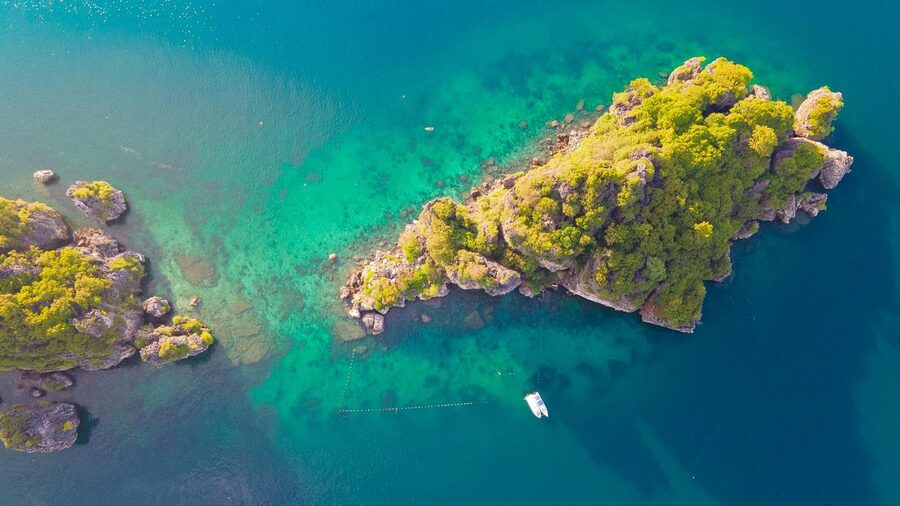
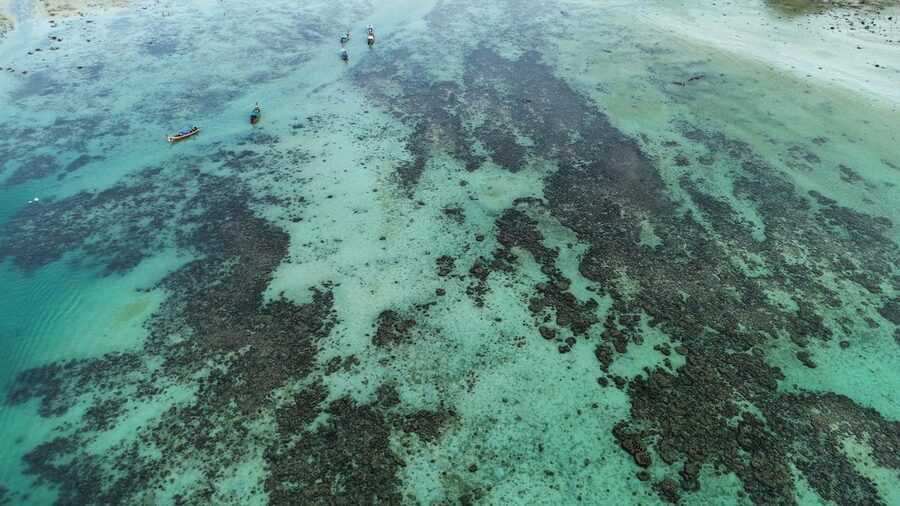
Koh Tan: Directly south of Koh Samui, this small island has excellent shallow-water coral that’s accessible even to beginners. The reef starts about 10 meters offshore and you can snorkel it without strong currents or deep water. It’s also a good spot for sea walking (underwater helmet walks), which some tours offer as an add-on.
Where to Go Next in Thailand
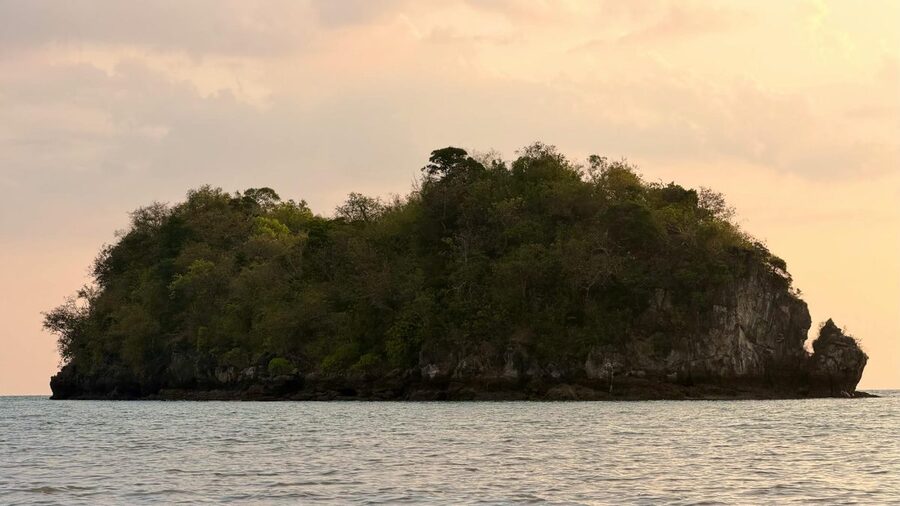
Most travellers who do Koh Samui’s island hopping end up heading west to the Andaman coast at some point during their trip. The water over there is a different shade of blue entirely. Phang Nga Bay trades open-ocean snorkeling for sea caves and towering limestone karsts that make the Gulf islands look modest by comparison, and Krabi’s Four Islands circuit delivers bigger cliffs and wilder water than anything around Samui. If you’re doing Phuket, the elephant sanctuary visits there are genuinely moving — nothing touristy about them.
Bangkok deserves more than just a layover, though most people treat it as one. A longtail boat through the canal neighborhoods shows you a side of the city that hasn’t changed much in decades, and ending a trip with a dinner cruise on the Chao Phraya is the kind of thing you’ll actually remember years later. First-timers should carve out a morning for the Grand Palace and Wat Pho, and anyone with a spare day won’t regret the train ride up to Ayutthaya to walk through centuries of temple ruins.
Up north, Chiang Mai runs at a completely different pace. The elephant sanctuaries and cooking classes both fill up faster than you’d expect, so book those early. And wherever you are in the country, catching a live Muay Thai fight is one of those experiences that hits completely differently in person — the energy in those stadiums is something else.