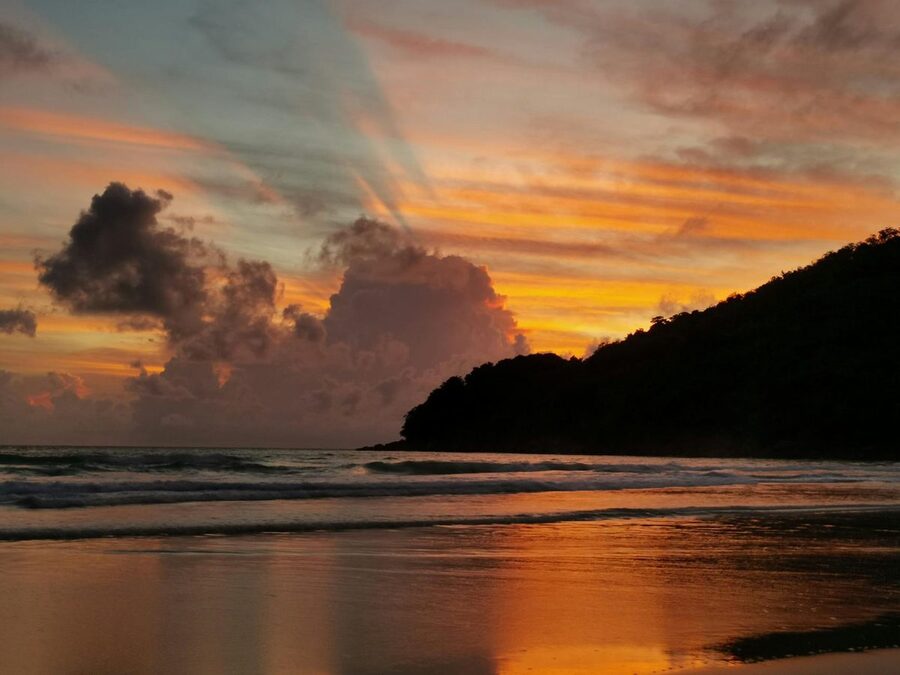
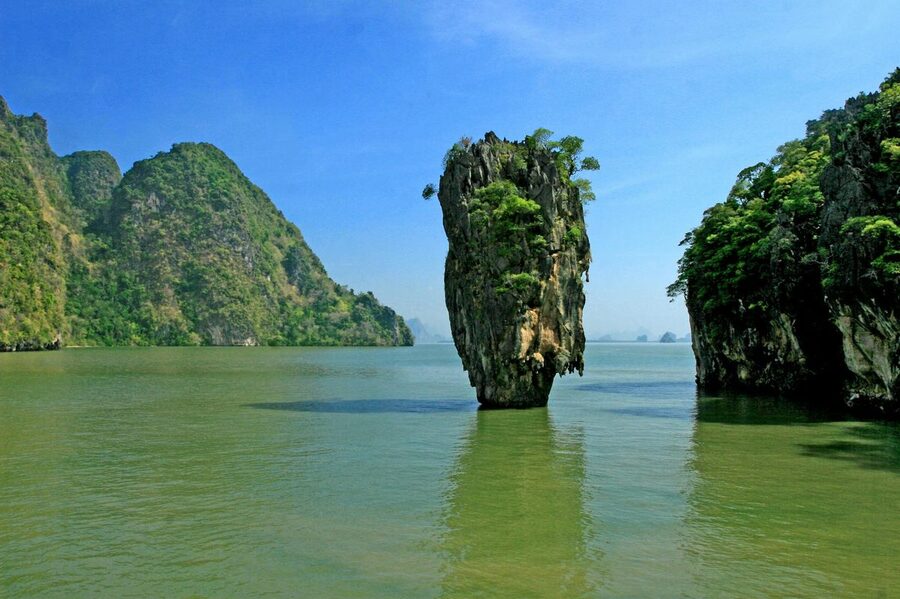
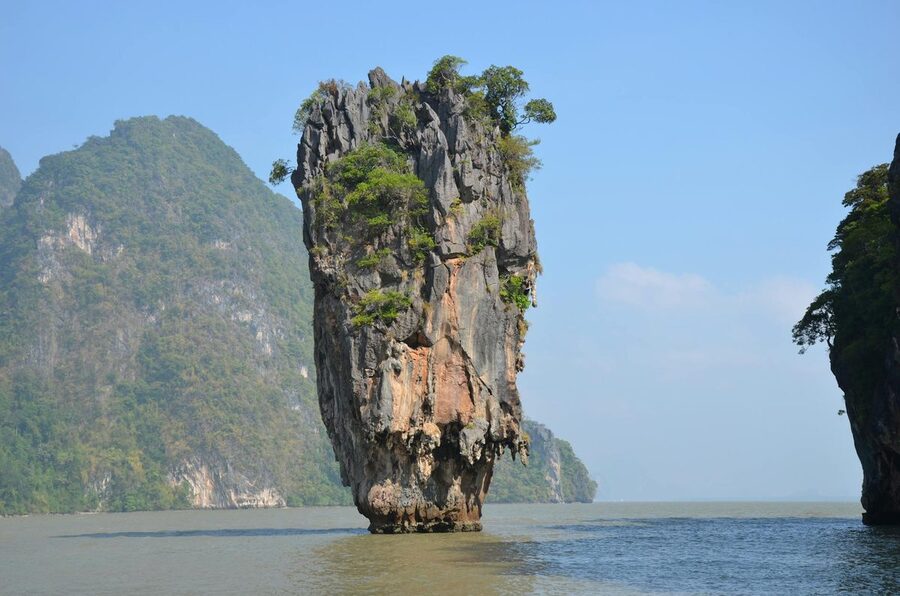
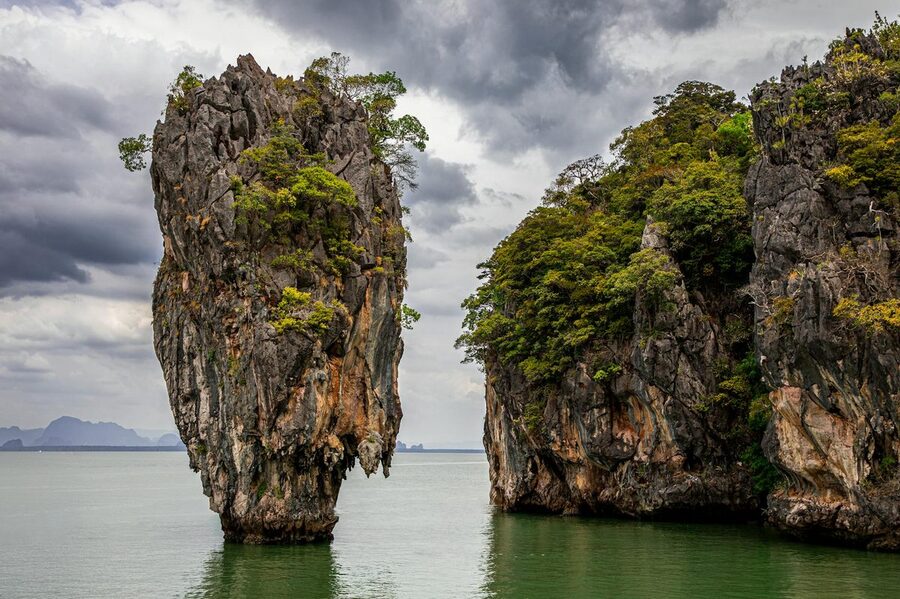
In the 1974 Bond film, Phang Nga Bay’s signature limestone pillar looked like something from another planet — a tapered spike of rock balancing impossibly on its own base, surrounded by flat green water and karst cliffs. The reality in person is better and worse at the same time. Better because the scale of the bay is something no camera lens captures. Worse because you’ll share the view with about 200 other travellers on any given morning.
But here’s the thing — this is still one of the most jaw-dropping landscapes in Southeast Asia. And with the right tour and timing, you can see it without feeling like you’re in a theme park queue.
Short on time? Here are my top picks:
Best overall: Phang Nga Bay Sea Cave Canoeing & James Bond Island — $99. Big boat with canoeing, lunch, the works. Nearly 5,000 reviews and a perfect score.
Best budget: James Bond Island by Longtail Boat — $52. Authentic longtail experience, nine hours on the water, small group feel.
Best for twilight: Phang Nga Bay Kayak Tour with Dinner & Plankton — $114. A full-day that runs into the evening — bioluminescent plankton is the finale.
- How the Tour System Works for Phang Nga Bay
- What’s included in most tours
- Big Boat vs Longtail vs Speedboat — Which One?
- The Best Phang Nga Bay Tours to Book
- 1. Phang Nga Bay Sea Cave Canoeing & James Bond Island —
- 2. Phang Nga Bay and Canoeing Tour by Big Boat —
- 3. James Bond Island Excursion by Longtail Boat —
- 4. Phang Nga Bay Kayak Tour with Dinner & Bioluminescent Plankton — 4
- When to Visit Phang Nga Bay
- How to Get to Phang Nga Bay from Phuket
- Tips That Will Actually Save You Time
- What You’ll Actually See in Phang Nga Bay
- What Else to Do Around Phuket
How the Tour System Works for Phang Nga Bay
There’s no “official ticket” to Phang Nga Bay in the way you’d buy entry to a temple or museum. It’s a national park, and the 200 THB entry fee (about $6) is almost always included in tour prices. You technically could hire your own longtail from the Phang Nga Town pier and go independently, but the logistics aren’t simple — you’d need to arrange a boat, negotiate a route, bring your own food, and know where the caves and canoeing spots actually are.
So in practice, nearly everyone visits Phang Nga Bay on a group tour from Phuket. And honestly, that’s the right call for most people. The tours handle hotel pickup, the boat, kayaking equipment, lunch, and national park fees. The only real decision is which type of tour to book.
What’s included in most tours
The standard full-day tour runs 8-10 hours and covers:
- Hotel pickup and drop-off in Phuket (Patong, Kata, Karon areas are standard; Rawai/Nai Harn sometimes costs extra)
- Boat transport into Ao Phang Nga National Park
- Kayaking or canoeing through sea caves and mangrove channels
- Stop at Khao Phing Kan (where the Bond movie was filmed) and views of Khao Ta-Pu (the famous pillar)
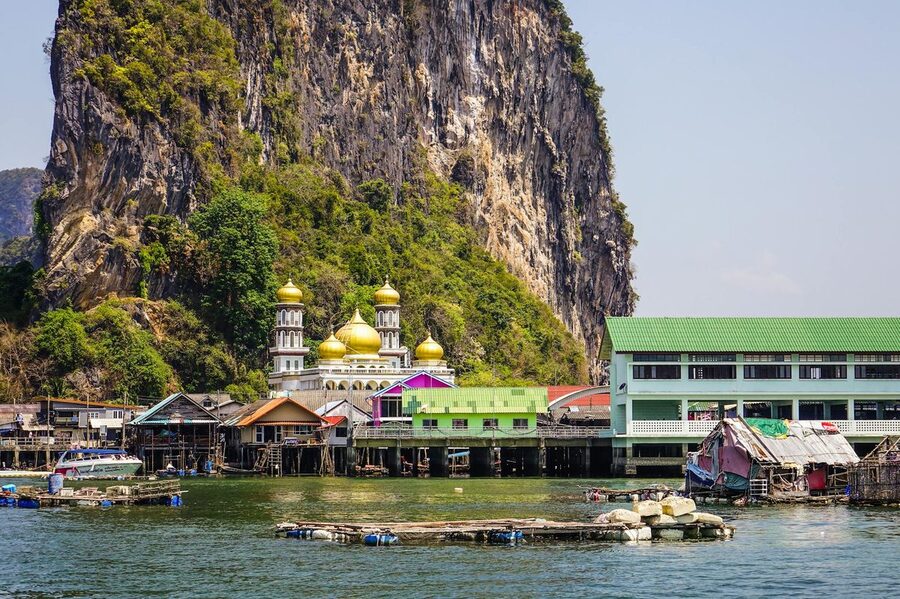
- Lunch — usually a buffet on the boat or at Koh Panyi floating village, which is worth seeing in its own right
- National park entrance fees
Big Boat vs Longtail vs Speedboat — Which One?
This is the real decision, and it makes more difference than most people realize.
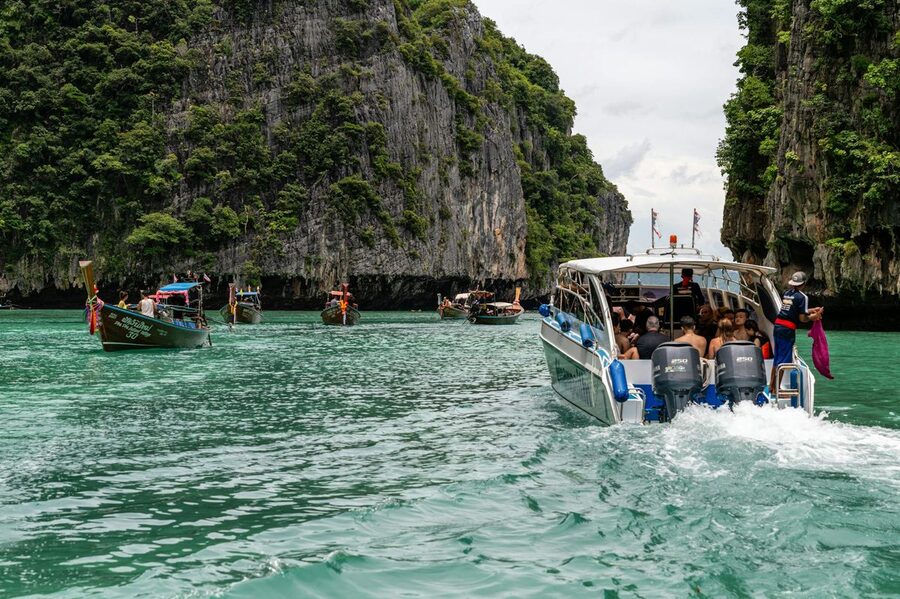
Big boats carry 30-80 passengers. They’re more stable (important if you get seasick), have onboard toilets, and usually include a better lunch spread. The tradeoff is you’re one of many. You’ll dock at the popular spots at the same time as three other big boats, and your time at each stop is fixed by the group schedule.
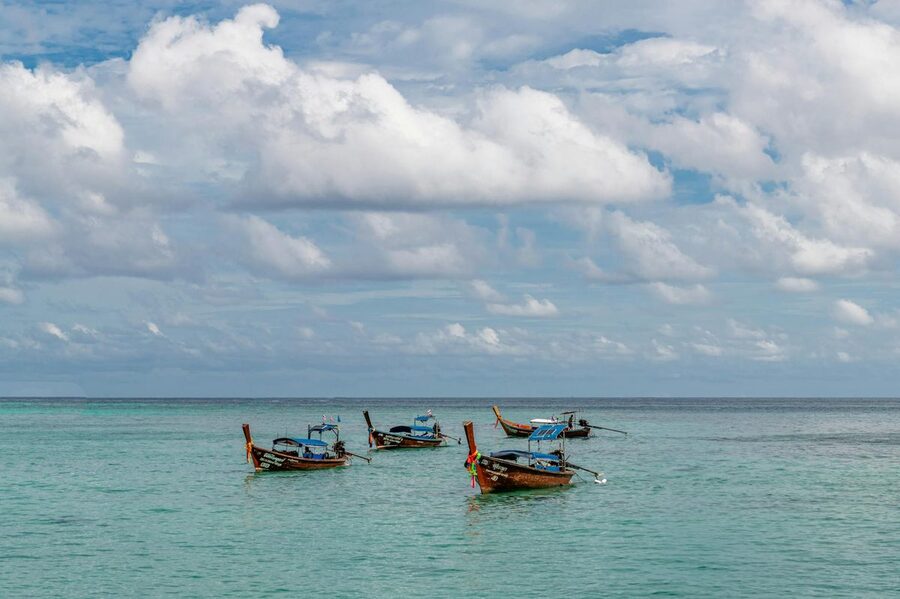
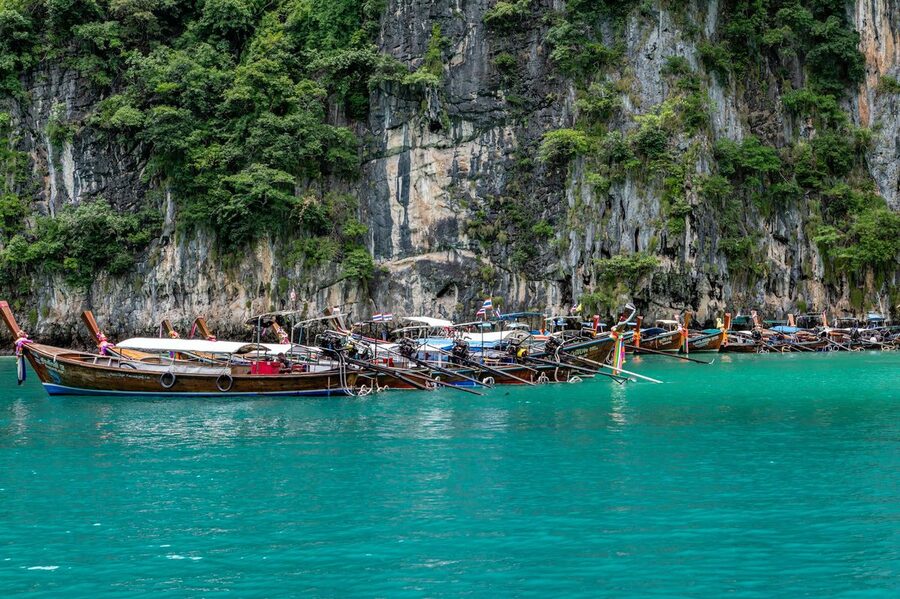
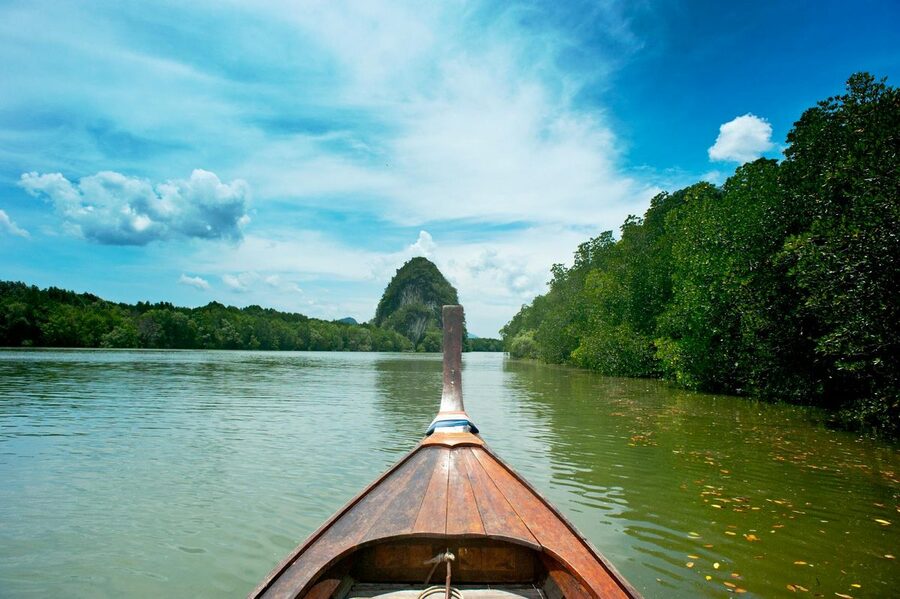
Longtail boats carry 6-15 people. They’re the traditional wooden boats with the long propeller shaft extending from the stern — loud, rattly, and authentic. You sit low to the water, which makes the karst cliffs feel enormous. Longtails can navigate narrower channels and smaller caves. They’re also cheaper, usually $40-55 per person. The downside: no toilets, basic cushions instead of seats, and they bounce hard in choppy conditions.
Speedboats are the fastest option — you can cover the same route in less time, or hit more stops. They carry 15-30 people. Speedboats cost more (typically $80-130) but give you more time at each location. The ride can be rough if the sea is up, especially November through January.
My honest take: if this is your first time, go with a big boat tour that includes canoeing. And if you want to compare, Phi Phi Island day trips from Phuket cover completely different scenery — open ocean, white sand beaches, and snorkeling rather than caves and karst. The canoeing portion is the highlight — paddling through narrow sea caves with stalactites above you and clear water below. That experience is the same regardless of boat type. If you’ve done the standard tour before and want a more adventurous run, the longtail is worth trying.
The Best Phang Nga Bay Tours to Book
I’ve narrowed it down to four tours worth booking. Each one covers James Bond Island and the core Phang Nga Bay route, but they differ on boat type, timing, and what you’ll actually experience.
1. Phang Nga Bay Sea Cave Canoeing & James Bond Island — $99
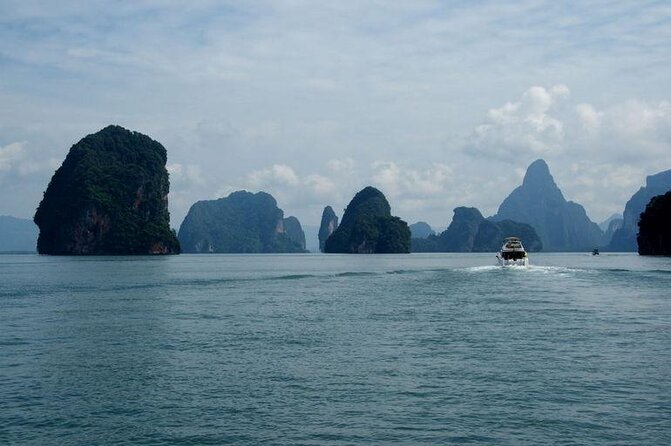
This is the benchmark tour, and it’s earned that position. Close to 5,000 reviews with a perfect 5.0 rating — that kind of consistency across that many bookings doesn’t happen by accident. It’s a big boat operation, which means stable ride, decent buffet lunch, and actual toilets. But the star is the guided canoeing through the hong (sea caves).
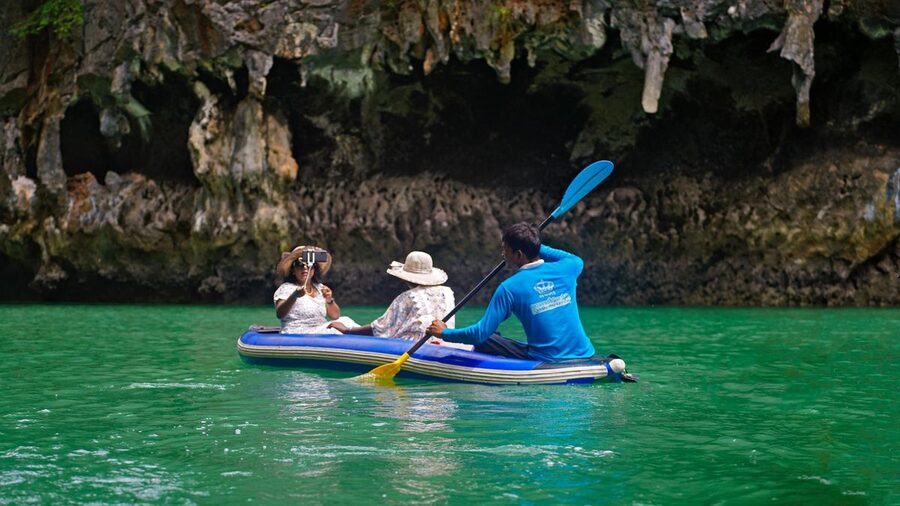
Your guide paddles while you lean back and watch stalactites pass a meter above your head. The caves open into hidden lagoons that feel completely cut off from the outside world.
At $99, it’s mid-range for a full-day Phuket excursion. That price includes everything — pickup, lunch, national park fees, all the canoeing gear. If you only do one tour from Phuket, this is the safe bet.
2. Phang Nga Bay and Canoeing Tour by Big Boat — $53
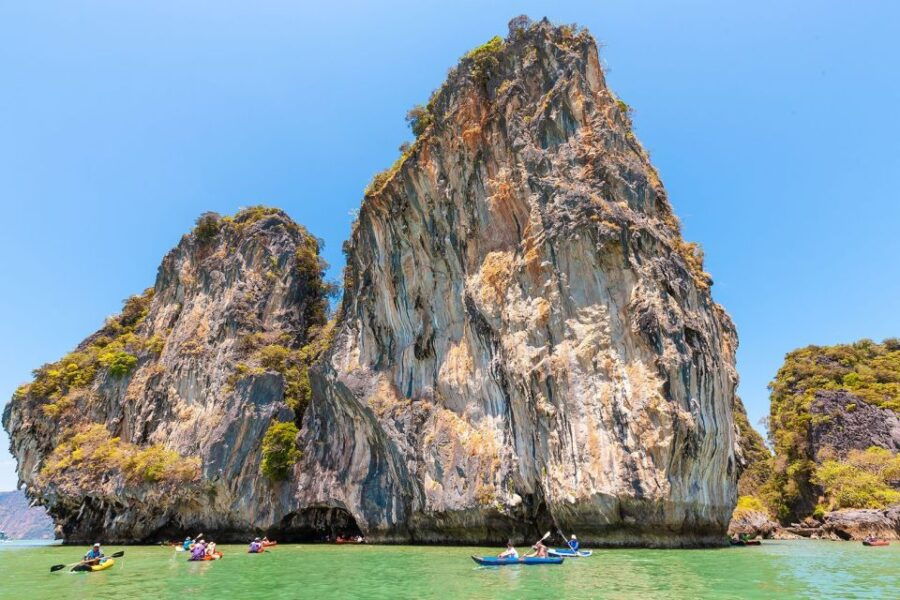
This is the budget-friendly big boat option, and at $53 per person, it’s one of the cheapest ways to see Phang Nga Bay with everything included. Over 3,500 people have reviewed it with a 4.7 average — not quite flawless, but solid. The 10-hour itinerary covers the same highlights: James Bond Island, canoeing through sea caves, and a stop at Koh Panyi. The main difference from the #1 pick is the lunch quality (simpler buffet) and slightly larger groups.
If you’re on a backpacker budget or traveling with kids and trying to keep costs down, this delivers about 90% of the experience at half the price. That’s a good deal.
3. James Bond Island Excursion by Longtail Boat — $52
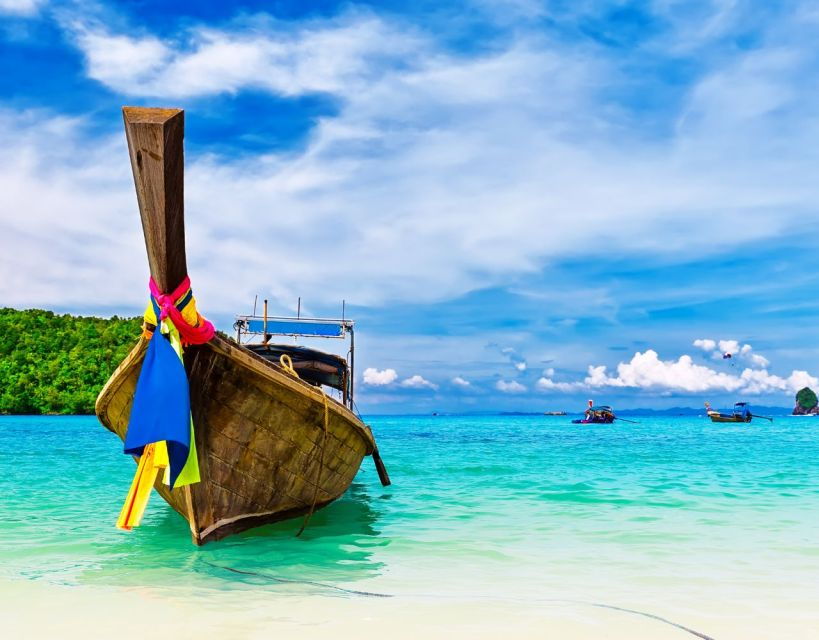
If you want the traditional experience, this is it. A 9-hour day on a longtail boat with a smaller group — you’re lower to the water, closer to the cliffs, and the whole thing feels more like an adventure than a tour. The 4.8 rating from over 2,300 reviews tells me people appreciate the tradeoffs. You’ll kayak through some caves, visit James Bond Island, and get a Thai lunch. No air conditioning, no fancy buffet. Just you and the Andaman Sea.
At $52, it matches the big boat budget option on price but delivers a completely different vibe. The longtail route can access smaller channels and pull into spots the big boats skip. My one caveat: if you’re prone to motion sickness, stick with the big boat. Longtails bounce.
4. Phang Nga Bay Kayak Tour with Dinner & Bioluminescent Plankton — $114
This is the premium pick, and the most unusual. Unlike every other tour on this list, it runs into the evening. You kayak through caves and mangroves during golden hour, eat dinner on the water as the sun goes down, and then paddle out again in the dark to see bioluminescent plankton glowing electric blue beneath your kayak. It’s genuinely magical, and it’s the kind of thing most visitors never even know exists.
The 4.9 rating from nearly 1,900 reviews reflects the wow factor. At $114, it’s the priciest option here, but it covers a full day plus dinner and an experience you genuinely can’t get on any other tour. If you’re looking for something that goes beyond the standard James Bond Island photo stop, this is where the money goes.
When to Visit Phang Nga Bay
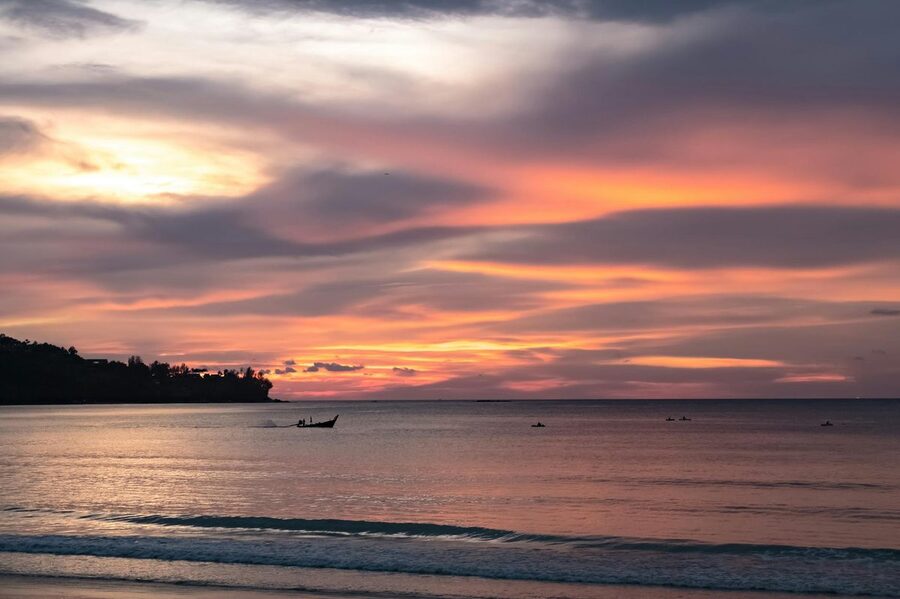
The dry season runs from November to April, and that’s when conditions are best — flat water, clear skies, and minimal rain. December through February is peak tourist season, which means bigger crowds at James Bond Island but also the most reliable weather.
March and April are hot. Really hot. Temperatures push past 35C, and the humidity makes it feel worse. Morning tours are better than afternoon ones if you’re visiting in these months.
The wet season (May to October) doesn’t shut down tours entirely, but seas can be rough, especially in June and September. Some speedboat tours get cancelled on bad weather days. Big boats usually still run. Rain tends to come in short, heavy bursts rather than all-day downpours, so you might get lucky.
Best time overall: Late November or early December. The rains have stopped, tourist numbers haven’t peaked yet, and the water is warm and calm.
How to Get to Phang Nga Bay from Phuket
Every organized tour includes pickup from most Phuket hotels. The typical schedule:
- 7:00-8:00 AM — pickup from your hotel in Patong, Kata, Karon, or Phuket Town
- 30-60 minutes — minivan to the departure pier (east coast of Phuket)
- 45-90 minutes — boat ride into Phang Nga Bay (time depends on vessel type)
If you’re staying in Khao Lak (north of Phuket), you’re actually closer to Phang Nga Bay, and some tours depart from there with a shorter boat ride.
For those going independent: you can drive or taxi to Phang Nga Town (about 2 hours from Patong) and hire a longtail from the local pier. Expect to pay 1,500-3,000 THB ($45-90) for a half-day private longtail, negotiated directly with boatmen. It’s doable but you’ll miss the organized canoeing portions.
Tips That Will Actually Save You Time
- Book at least 2-3 days ahead in high season (December-February). Same-day bookings are possible but the best tours sell out.
- Bring a dry bag. You will get splashed, especially on longtail and speedboat tours. Phones, cameras, wallets — waterproof everything.
- Wear swimwear under your clothes. Some tours include swimming stops, and changing on a boat is awkward.
- Sunscreen before you board. The sun on the water is relentless, and there’s limited shade on most boats. Reapply halfway through.
- Skip the selfie stick at James Bond Island. Everyone else has one too, and the best photos come from the boat approaching the island, not from the crowded viewing platform.
- Cash for extras. Koh Panyi has shops and food stalls. Credit cards won’t work there. Bring 500-1,000 THB in small bills.
- Early departures are better. Tours leaving at 7 AM reach James Bond Island before the midday rush. By 11 AM the island is packed.
- Combine with a half-day activity. Most Phang Nga tours return by 5 PM, which leaves your morning or next day open for something like a Phuket elephant sanctuary visit or an ATV jungle ride through the hills.
- If you get seasick, take medication 30 minutes before boarding. The ride into the bay can be choppy, even in dry season. Big boats are the most stable option.
What You’ll Actually See in Phang Nga Bay
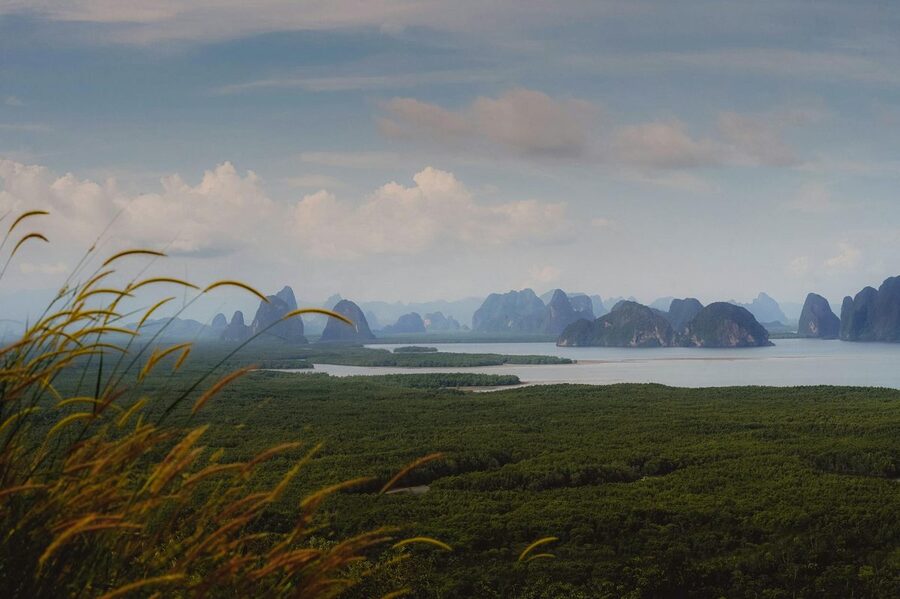
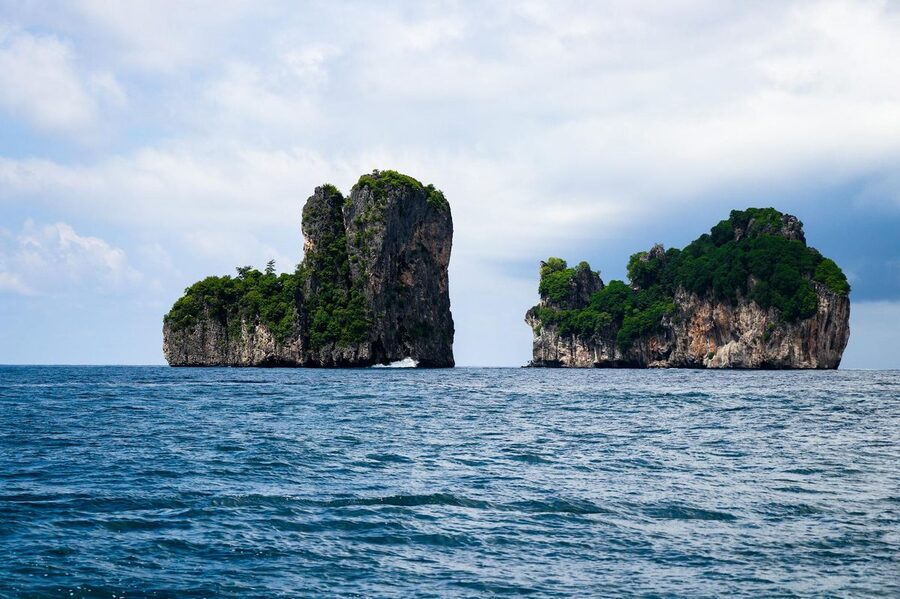
Phang Nga Bay covers about 400 square kilometers of the Andaman Sea, and Ao Phang Nga National Park protects 83 square kilometers of it. The landscape is defined by over 40 limestone karst islands — some tall and needle-like, others broad and covered in jungle.
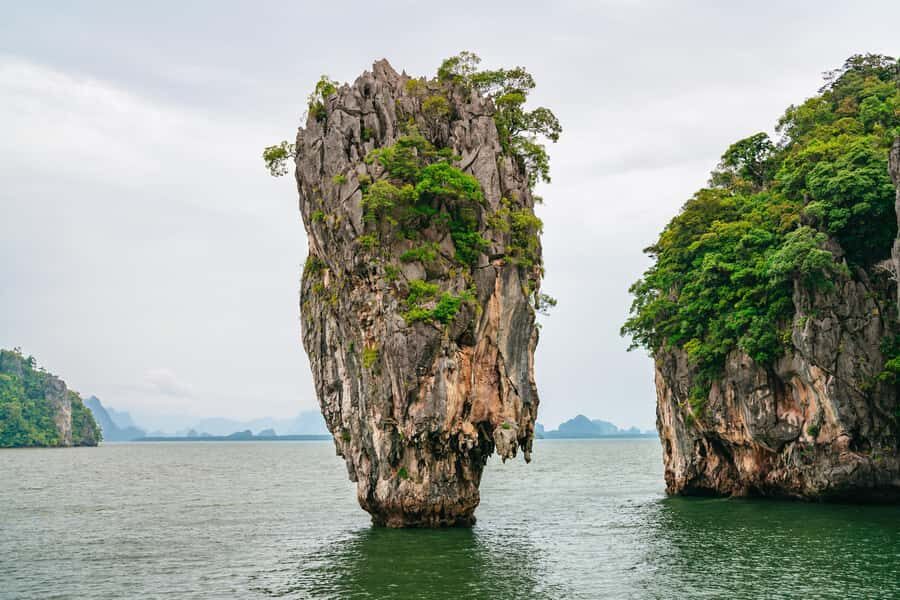
Khao Phing Kan and Khao Ta-Pu (James Bond Island) — The main event. Khao Phing Kan is the larger island where you dock and walk around. Khao Ta-Pu is the narrow 20-meter pillar that everyone photographs. The filming location for The Man with the Golden Gun (1974) is marked with signs. It’s touristy but worth the stop — the geology is genuinely unusual.
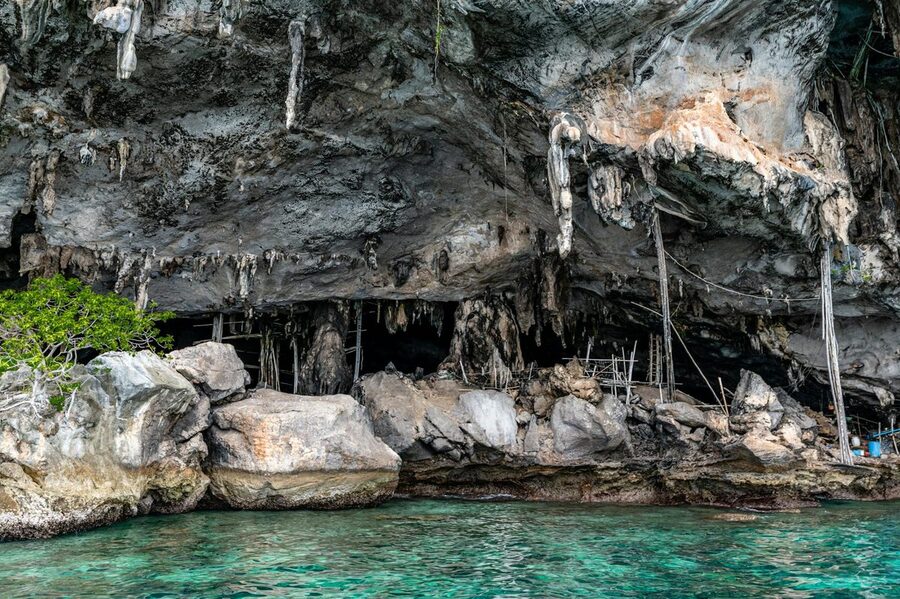
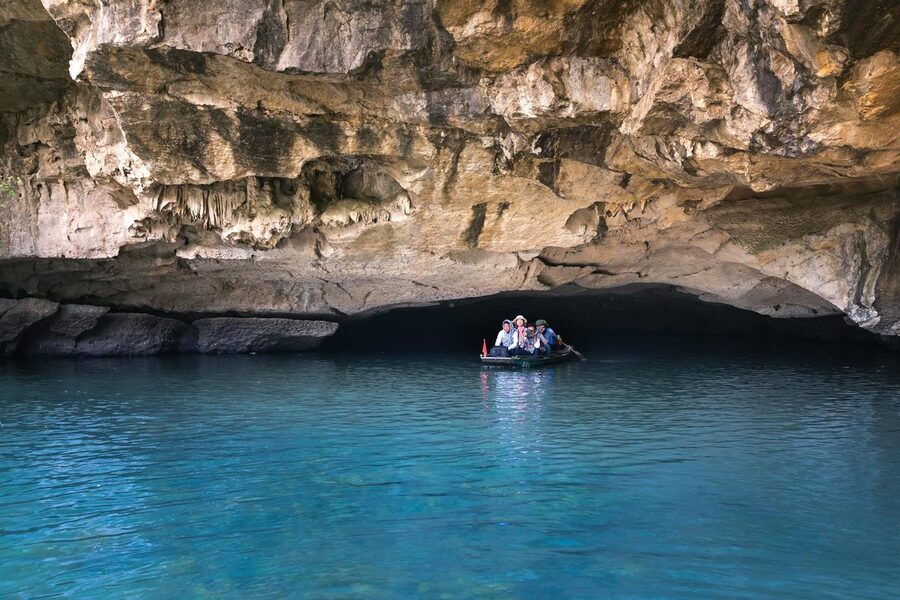
Sea caves (hong) — Collapsed cave systems that you canoe or kayak through at certain tides. The entrance is often a low arch you duck under, opening into hidden lagoons surrounded on all sides by cliff walls. Tham Lod is the most popular, but your guide will pick routes based on tide timing.
Koh Panyi — A fishing village built on stilts over the water, home to about 1,500 people. The mosque with golden domes sits on the only solid ground. Most tours stop here for lunch. The seafood is decent, and walking the narrow stilted alleys is interesting for about 20 minutes. Don’t expect a hidden local secret — it’s firmly on the tourist circuit — but it’s still worth seeing as an example of how people have lived on the water here for generations.
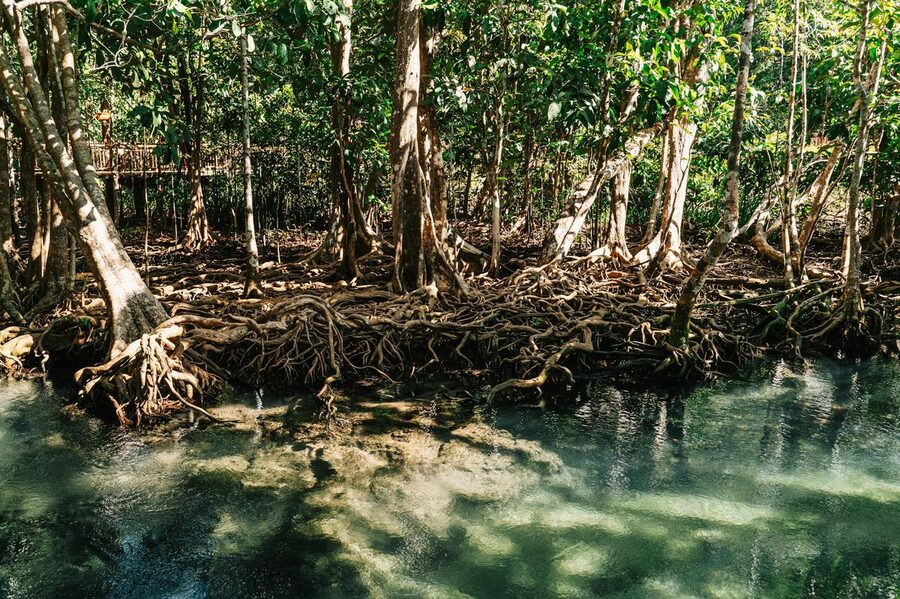
Mangrove forests — Many tours include a paddle through mangrove channels. These protected waterways are home to monitor lizards, mudskippers, and if you’re lucky, long-tailed macaques. The root systems create natural tunnels that are fun to navigate by kayak.
Khao Khian (Writing Hill) — A shallow cave with prehistoric paintings estimated at 3,000 years old, showing people, dolphins, and crocodiles. You view them from the boat. It’s a quick stop but adds some historical depth to what’s otherwise a nature-focused day.
What Else to Do Around Phuket
A full day on Phang Nga Bay covers the caves and karst, but Phuket has enough going on to fill a week without repeating yourself. The obvious next move is the other direction — Phi Phi and Maya Bay are the beach-and-snorkeling counterpart to the caves you just paddled through, and most people end up doing both. If you want to go further afield, the Krabi four-island tours hit a different stretch of coastline with fewer crowds and better swimming.
Back on land, the Phuket city tour covers Old Town, Wat Chalong, and the Big Buddha viewpoint — a good way to see the island beyond the beach strip. For something with more adrenaline, the ATV tours run through the interior hills and rubber plantations — I covered those in the tips above.
Families with kids tend to gravitate toward Andamanda Water Park, which is newer and less chaotic than you might expect. And for an evening plan, Muay Thai at Patong Stadium is the real thing — actual fighters, not a tourist show.
If you have extra days and want to explore another island altogether, Koh Samui island hopping hits Ang Thong Marine Park and the smaller gulf islands, which feel nothing like the Andaman side.