
Most people picture elephant tourism in Thailand as riding through the jungle on a wooden seat strapped to an animal’s back. That image is fading fast — and for good reason. The riding camps are emptying out while ethical sanctuaries across Phuket and southern Thailand fill up months in advance. The shift happened quicker than anyone expected, and it’s changed what a day with elephants actually looks like.
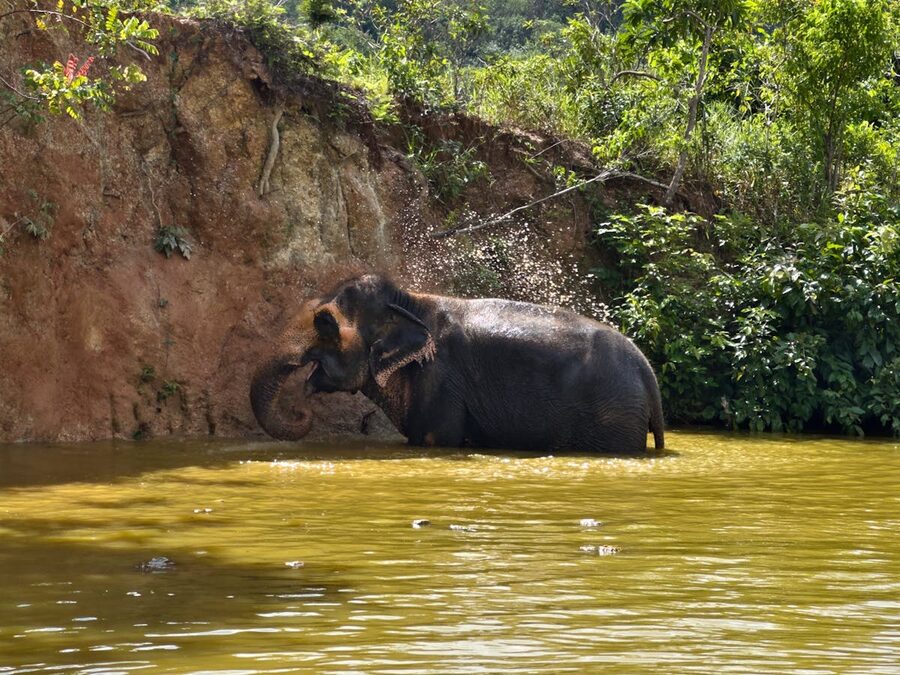
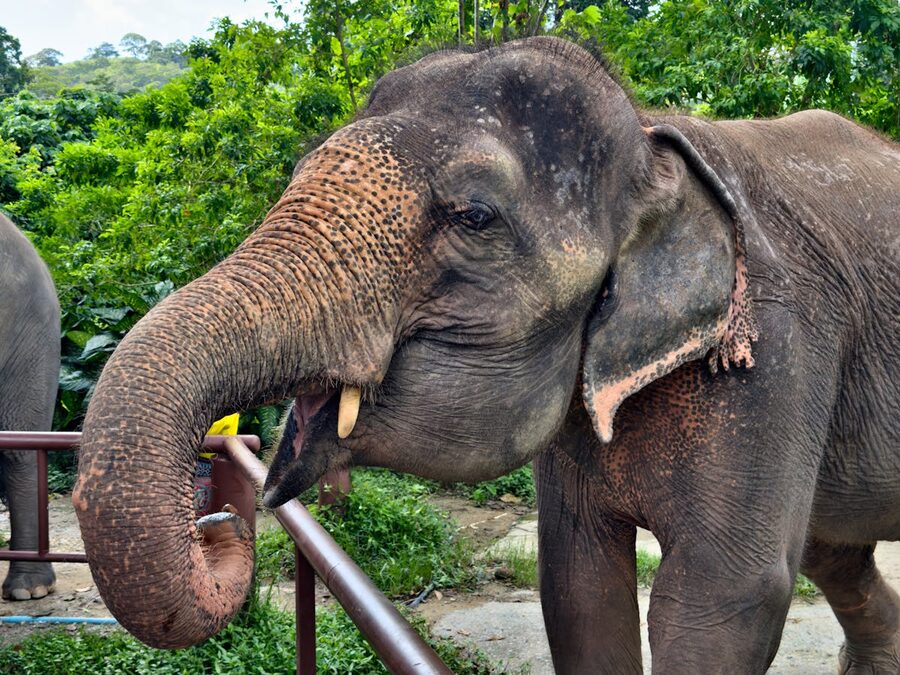
I went in expecting something passive — stand behind a fence, watch elephants from a distance, maybe take a few photos. What I got instead was two hours standing close enough to feel an elephant’s breath on my arm while she ate bananas out of a basket I was holding. No chains. No hooks. No tricks. Just a massive, calm animal deciding on her own terms whether she wanted to interact with me.
This guide breaks down how to book an ethical elephant sanctuary tour in Phuket — which places are genuinely responsible, what the experience includes, how much it costs, and what to avoid.
Short on time? Here are my top picks:
Best overall: Elephant Jungle Sanctuary Ethical Feeding — $28. The most popular option with feeding, walking, and observing. No riding, no bathing pressure.
Best guided experience: Phuket Elephant Sanctuary Guided Tour — $41. Smaller groups, more educational, hotel pickup included.
Best beach experience: Lily Elephant Beach Trip with Lunch — $83. Elephants walking freely on the beach. Completely different vibe from the jungle sanctuaries.
- How Ethical Elephant Tourism Works in Phuket
- Ethical Sanctuaries vs. Riding Camps: How to Tell the Difference
- The Best Phuket Elephant Sanctuary Tours to Book
- 1. Phuket Elephant Jungle Sanctuary — Ethical Feeding Experience —
- 2. Phuket Elephant Sanctuary — Guided Tour with Hotel Transfers —
- 3. A Morning With the Elephants at Phuket Elephant Sanctuary —
- 4. Lily Elephant Half Day Beach Trip with Lunch —
- When to Visit an Elephant Sanctuary in Phuket
- How to Get to the Sanctuaries
- Tips for Your Elephant Sanctuary Visit
- What You’ll Experience at the Sanctuary
- Planning the Rest of Your Phuket Trip
How Ethical Elephant Tourism Works in Phuket
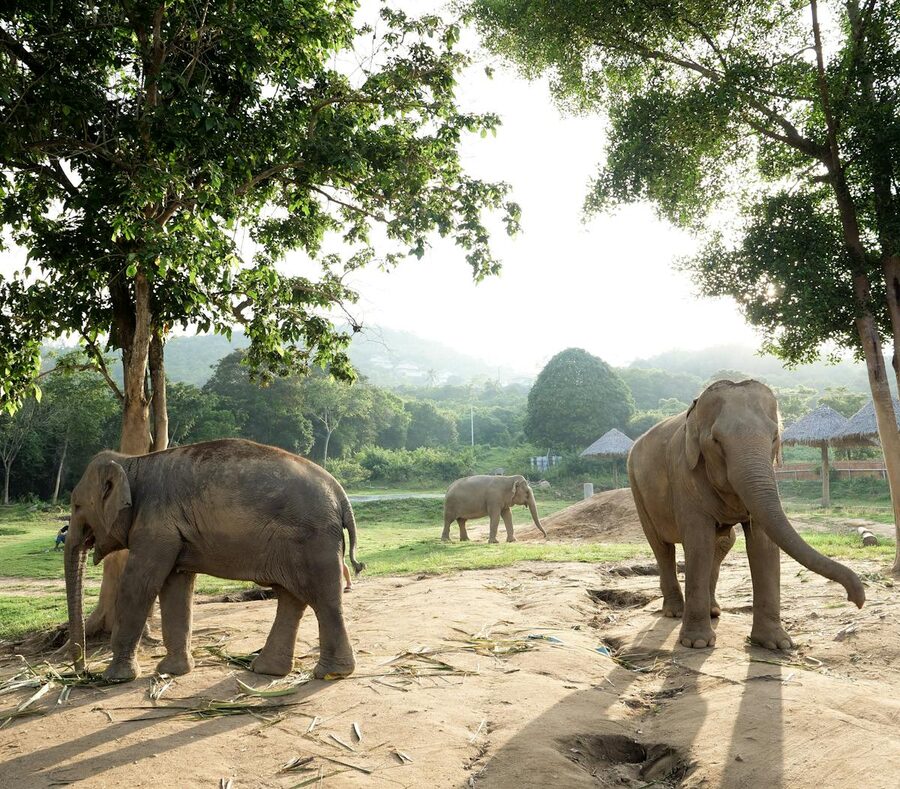
First, the obvious question: how do you know if a sanctuary is actually ethical? The bar is straightforward. No riding. No chains (except possibly during brief medical treatment). No performances, painting, or tricks. The elephants roam a defined area of forest or grassland with their mahouts nearby, and visitors observe and interact on the elephant’s terms.
Phuket has about half a dozen places calling themselves sanctuaries, and most of them do meet that standard. The industry cleaned up significantly after 2018-2019, when social media pressure and booking platform policies forced riding camps to either convert or close. The ones that survived the transition are generally legitimate.
A typical visit runs like this:
Pickup: Most tours include hotel pickup in an air-conditioned van. Expect a 30-60 minute drive depending on your hotel location. The sanctuaries are mostly inland, in the hills around Chalong and the Khao Phra Thaeo area.
Introduction: A 15-20 minute briefing at the visitor center covering the sanctuary’s history, the elephants’ backgrounds, and the rules. This part is genuinely interesting — you’ll hear how each elephant was rescued from logging, trekking, or street begging operations.
Feeding: You’ll get baskets of bananas, sugarcane, and sometimes watermelon. The elephants walk up and take food directly from your hands. Their trunks are surprisingly gentle and precise.
Walking/Observation: Follow the elephants through the forest at their pace. They stop to eat, scratch against trees, and interact with each other. The mahouts explain behavior and answer questions.
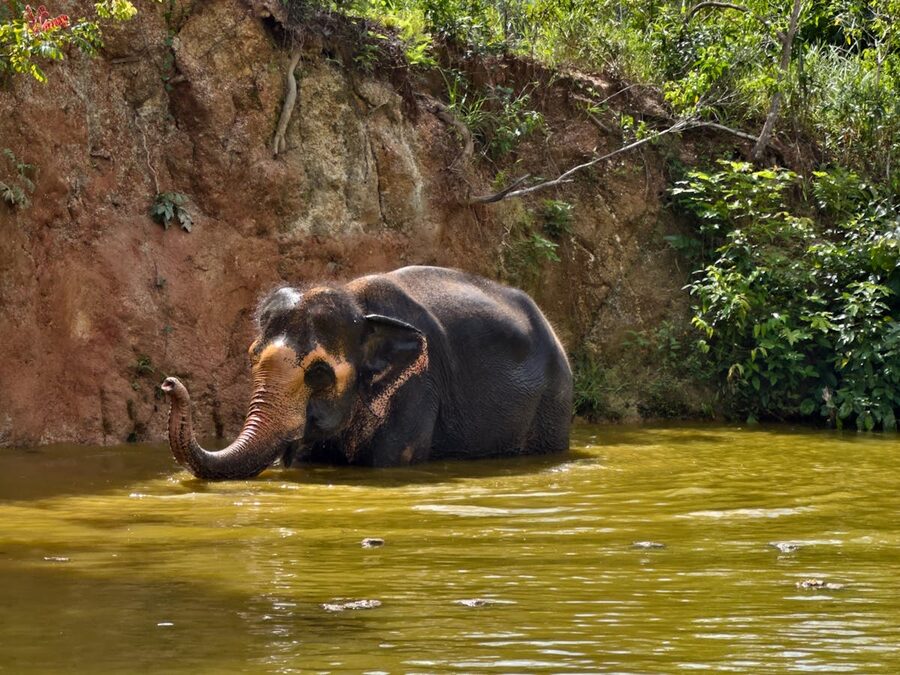
Optional bathing: Some sanctuaries include mud baths or river bathing. This has become controversial — even at ethical places, some conservationists argue that bath time is more for the travellers than the elephants. The better sanctuaries make it optional and let the elephant choose whether to enter the water.
n
Ethical Sanctuaries vs. Riding Camps: How to Tell the Difference
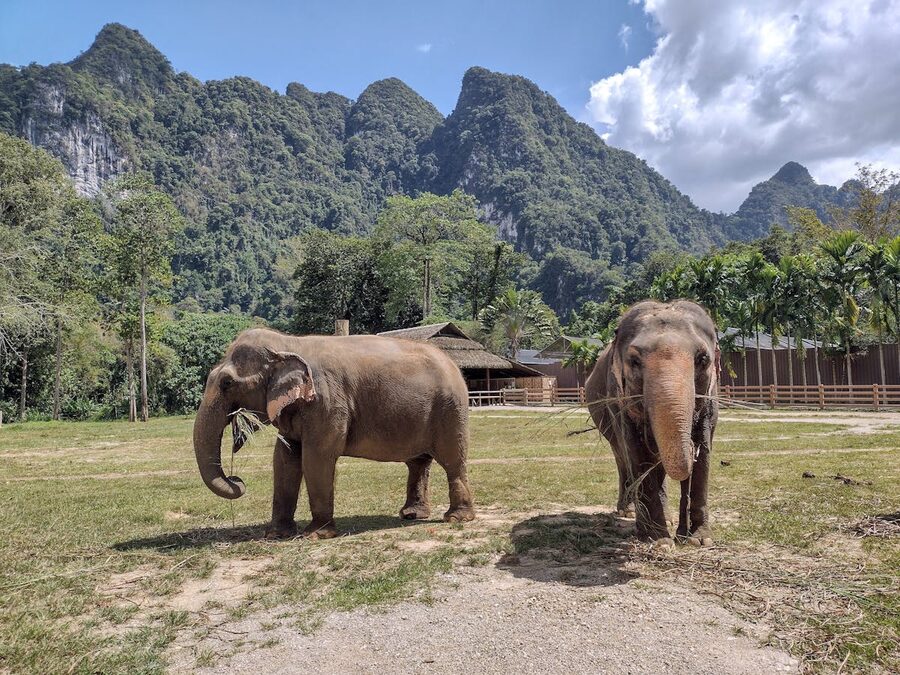
The marketing language has gotten clever. Some riding camps rebranded overnight, slapping “sanctuary” and “rescue” onto their names without changing anything meaningful. Here’s what to look for:
Red flags (avoid):
– Any place offering elephant rides, even “short” ones
– Elephants doing tricks, painting pictures, or playing instruments
– Chains on the elephants during your visit (not during medical care)
– Bull hooks visible anywhere on the property
– Very large groups (30+ travellers) interacting with a small number of elephants
– Prices under $15 — genuine elephant care is expensive, and rock-bottom prices mean corners are being cut somewhere
Green flags (good signs):
– Clear information about where each elephant came from
– Elephants that wander freely and occasionally walk away from travellers
– Mahouts who live on-site and have a visible bond with the animals
– Accreditation from organizations like World Animal Protection or Asian Elephant Support
– Limits on group sizes (usually 10-15 visitors per session)
n
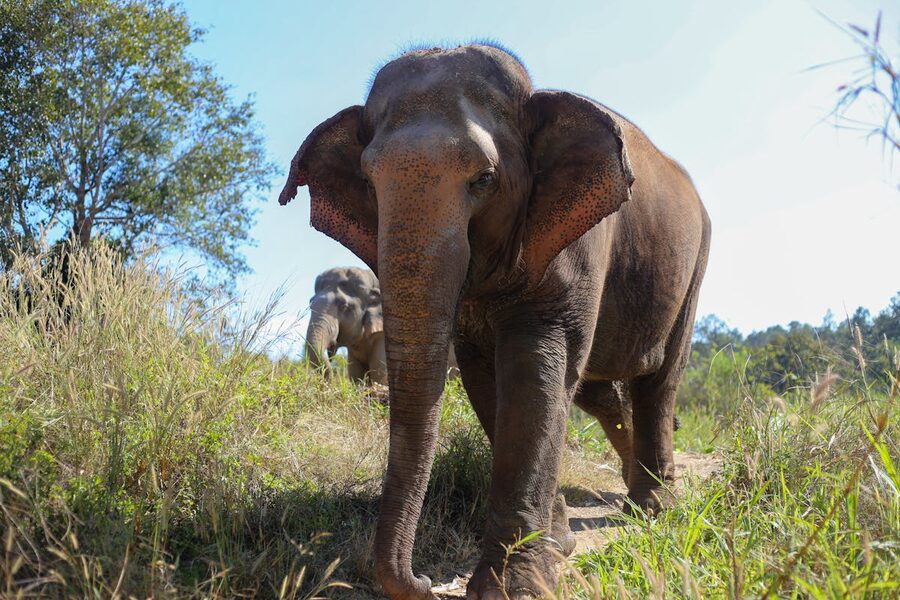
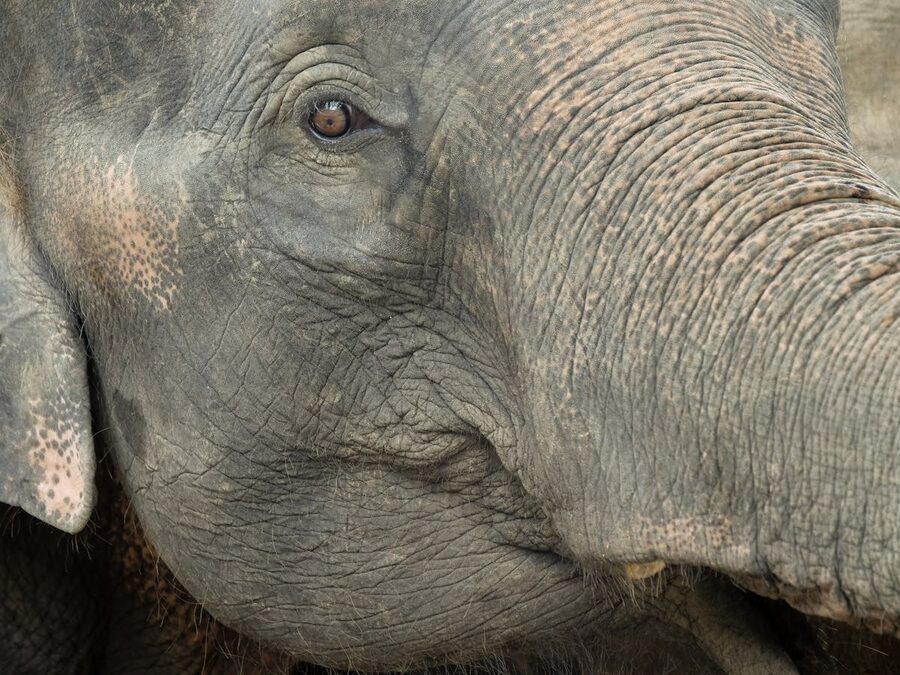
– Elephants that look healthy — clear eyes, good weight, intact ears and tails
The sanctuaries I’ve recommended below all pass this test. But if you find a different one through your hotel or a street agency, run through the checklist before you hand over money.
The Best Phuket Elephant Sanctuary Tours to Book
I’ve compared the major options by price, group size, what’s included, and how the elephants are treated. These four cover every budget and preference.
1. Phuket Elephant Jungle Sanctuary — Ethical Feeding Experience — $28
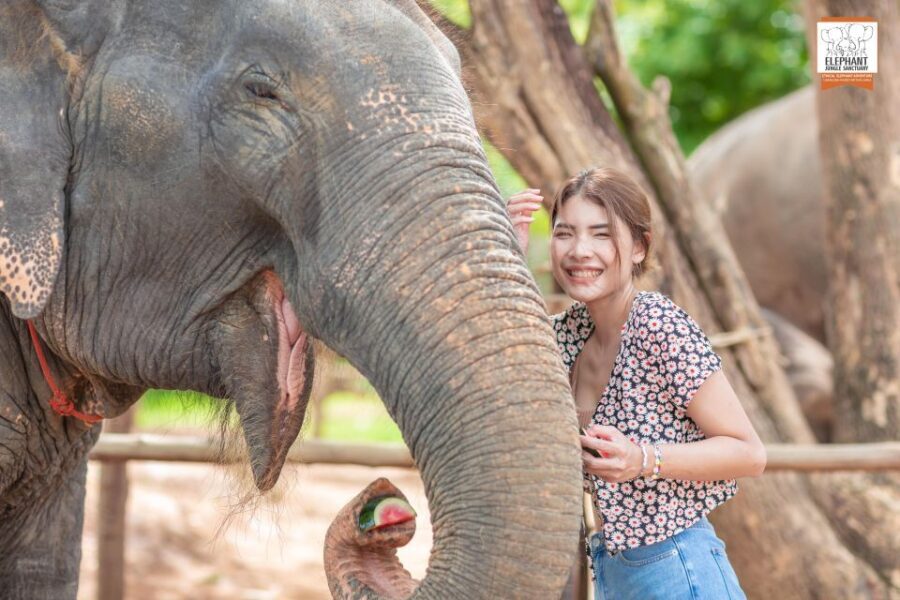
This is the most booked elephant experience in Phuket and it holds up to the hype. At $28, it’s also the most affordable way to spend a meaningful amount of time with rescued elephants. The full-day format gives you feeding, forest walking, and observation time without the rushed feeling you get from 1-hour visits.
The Elephant Jungle Sanctuary operates across multiple locations in Thailand (they also have branches in Chiang Mai), and the Phuket branch sits in a forested hillside area about 40 minutes from Patong. Groups are kept manageable and the guides clearly care about the animals. The only knock is that as the most popular option, it does get busy during high season. Book early or aim for a weekday slot.
2. Phuket Elephant Sanctuary — Guided Tour with Hotel Transfers — $41
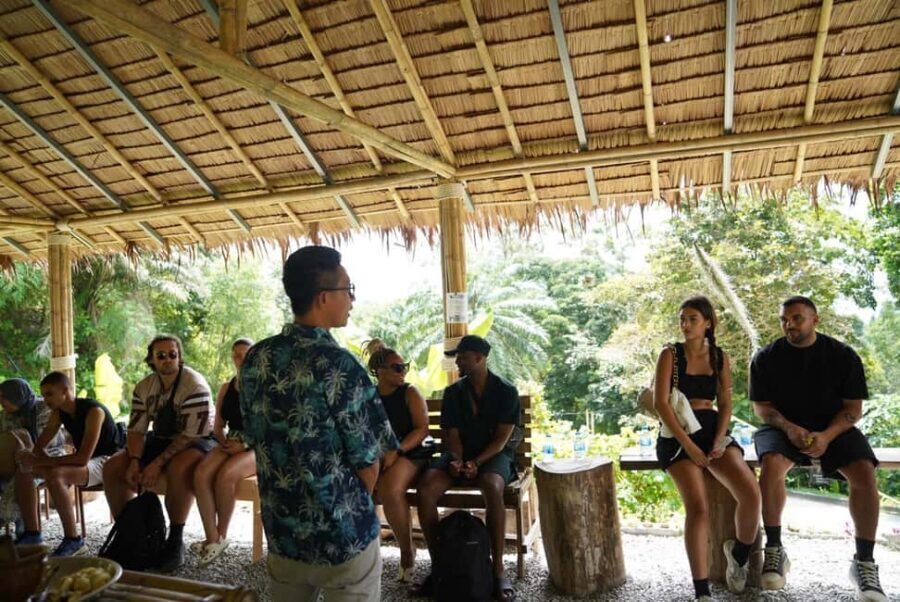
This is a different outfit from the Elephant Jungle Sanctuary above (confusing, I know — naming in this industry is a mess). The Phuket Elephant Sanctuary guided tour is more structured and educational, with smaller group sizes and a more intimate interaction style. At $41 with hotel transfers included, it sits right in the sweet spot between budget and premium.
The guides here are particularly good at explaining elephant behavior and conservation challenges. You’ll learn why rescued elephants can’t simply be released into the wild, how the mahout system works when done ethically, and what daily care actually involves. If you want to walk away understanding more about elephants rather than just having fed one, this is the tour to pick.
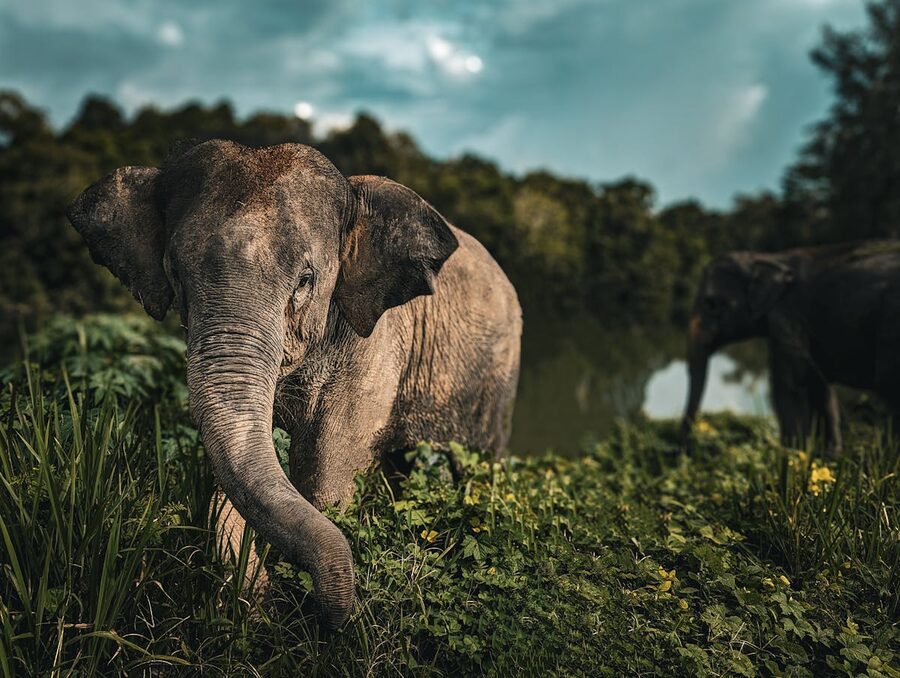
3. A Morning With the Elephants at Phuket Elephant Sanctuary — $98

The premium option. At $98 this is nearly four times the price of the budget pick, so let me be direct about what you’re paying for: smaller groups (often under 10 people), a more exclusive property, longer one-on-one time with the elephants, and a generally calmer, less touristy atmosphere.
The morning with the elephants program on Viator carries a perfect rating from over 1,600 bookings, which is remarkable for something at this price point. If you’re traveling with kids or someone who’s nervous around large animals, the small group size makes a big difference. You won’t be competing with 20 other people for feeding time. But if you’re on a backpacker budget, the $28 option gives you 80% of the same experience.
4. Lily Elephant Half Day Beach Trip with Lunch — $83
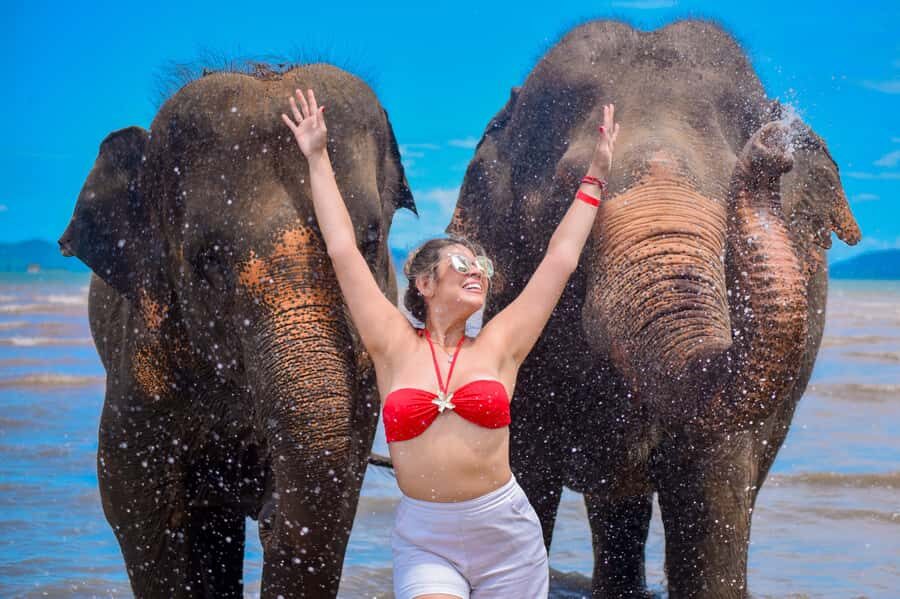
This one is completely different from the jungle sanctuaries. Lily Elephant takes their elephants to a private beach section where they walk freely along the sand and wade into the shallow water. At $83 including lunch, the 2.5-3 hour experience is built around observation rather than direct interaction, and the beach setting makes for genuinely unique photos you won’t get anywhere else in Phuket.
The trade-off is less hands-on time with the elephants compared to the feeding-focused tours above. You’re watching them do their thing on the beach rather than feeding them bananas from your hand. For some people that’s more meaningful — seeing an elephant walk freely on a beach feels different from feeding one in an enclosed forest area. The Lily Elephant beach tour is worth it if you want something out of the ordinary.
When to Visit an Elephant Sanctuary in Phuket
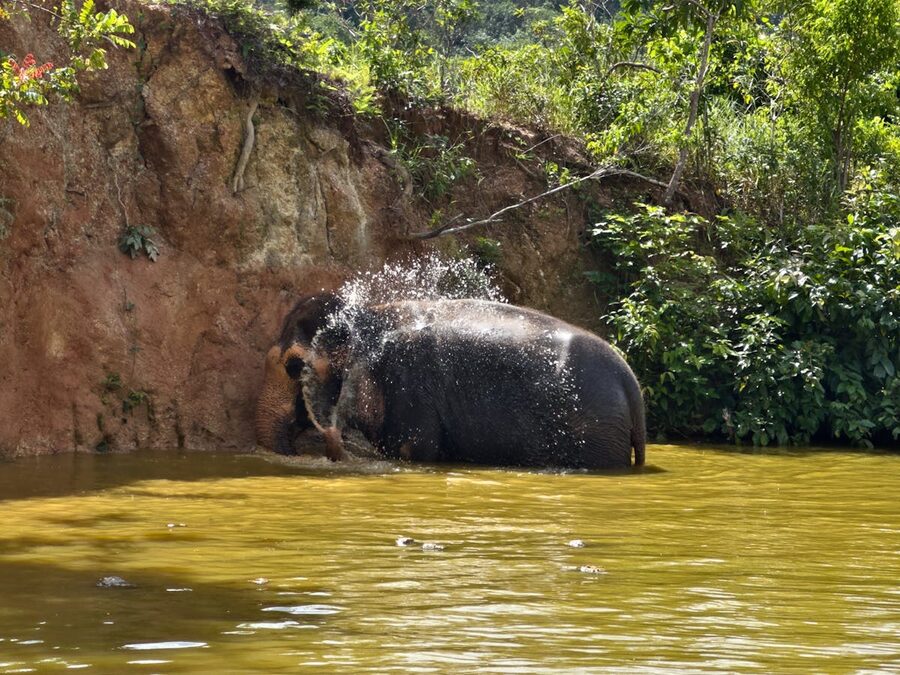
Elephant sanctuaries in Phuket run year-round. Unlike beach activities that get canceled during monsoon season, the elephants don’t care about rain. That said, some times are better than others:
Best time: November through February. This is Phuket’s dry season with cooler temperatures (by Thai standards — still 28-32C). The elephants are more active in the slightly cooler weather, and you won’t be drenched in sweat within the first 10 minutes. If you’re visiting during this window, pair your sanctuary morning with an afternoon Phi Phi Islands day trip on a separate day — the calm seas make the speedboat ride far more pleasant than during monsoon months.
Good time: March through May. Hotter and more humid, but still dry. Morning sessions (before 10 AM) are more comfortable. Afternoon heat can be intense, and both you and the elephants will be looking for shade.
Rainy season: June through October. Tours still run, but expect afternoon downpours. The forest paths get muddy, which is actually kind of fun but bring shoes you don’t mind getting dirty. Bonus: this is low season for tourism, so you’ll share the sanctuary with fewer people.
Timing tip: Book the earliest morning slot available. The elephants are most active in the morning when it’s cooler, and the light through the forest canopy makes for better photos. Afternoon sessions can feel sluggish in the heat.
How to Get to the Sanctuaries
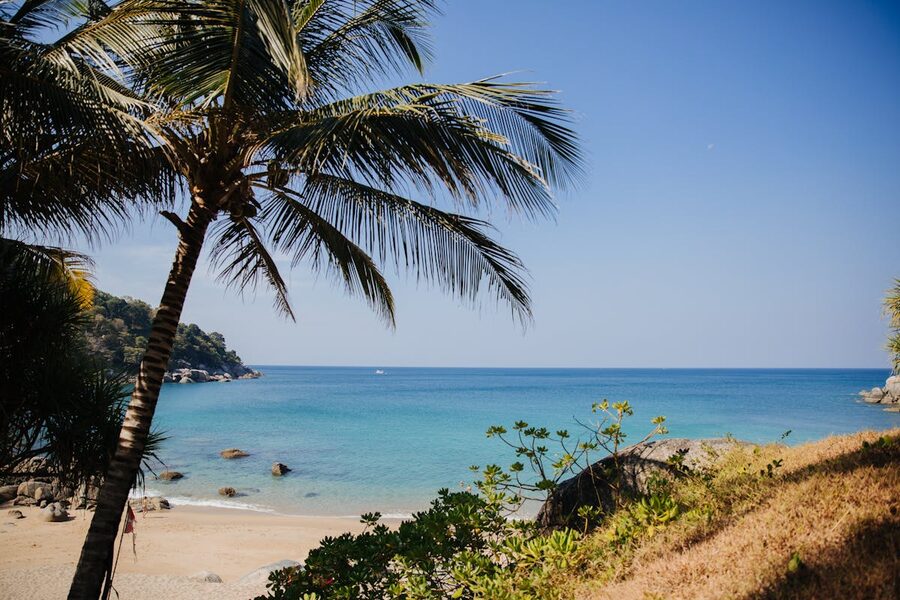
Almost every sanctuary tour includes round-trip hotel transfers, so this is the easiest part. Book the tour, give them your hotel address, and a van shows up. The drives range from 20 minutes (if you’re staying in Chalong or Rawai) to an hour (from the airport area or northern beaches).
If you want to go independently:
By taxi/Grab: A Grab from Patong to the Elephant Jungle Sanctuary area costs around 400-600 THB one way. Ask the driver to wait (negotiate a return fare) or arrange a pickup time. Taxis on Phuket don’t use meters, so always agree on the price first.
By scooter: Possible but the roads to some sanctuaries are steep, narrow, and poorly maintained. I wouldn’t recommend it unless you’re an experienced rider and comfortable on hilly Thai roads.
By tour van: Some hotels can arrange private transport. Expect to pay 1,000-1,500 THB round trip, which is more than the transfer included in most tour packages. The included transfer is genuinely the best option here. If you finish early and want to fill the rest of your day, a Phuket city tour through Old Town covers the Sino-Portuguese shophouses and local temples — the sanctuary vans usually drop you back by early afternoon, leaving plenty of time.
Tips for Your Elephant Sanctuary Visit
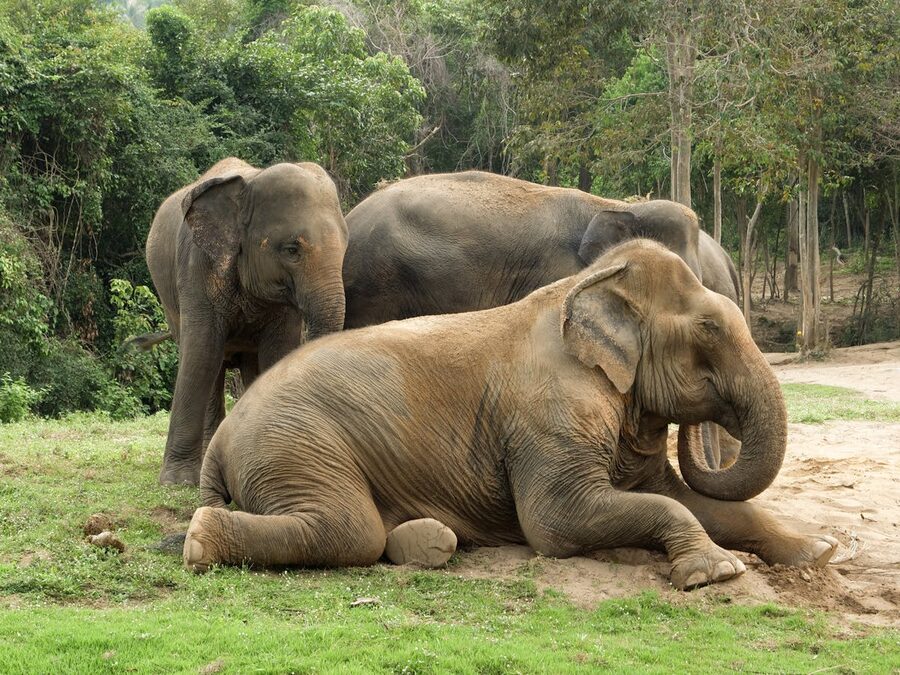
Wear clothes you don’t mind getting dirty. Elephant mud baths splatter. Trunk sneezes are a thing. Banana mush will end up on your shirt. Some sanctuaries provide traditional mahout clothing (a shirt or sarong) to wear over your own clothes.
Closed-toe shoes are better than sandals. The forest paths are uneven and sometimes muddy. An elephant stepping near your foot in flip-flops is not a scenario you want. Lightweight hiking shoes or old sneakers are ideal.
n
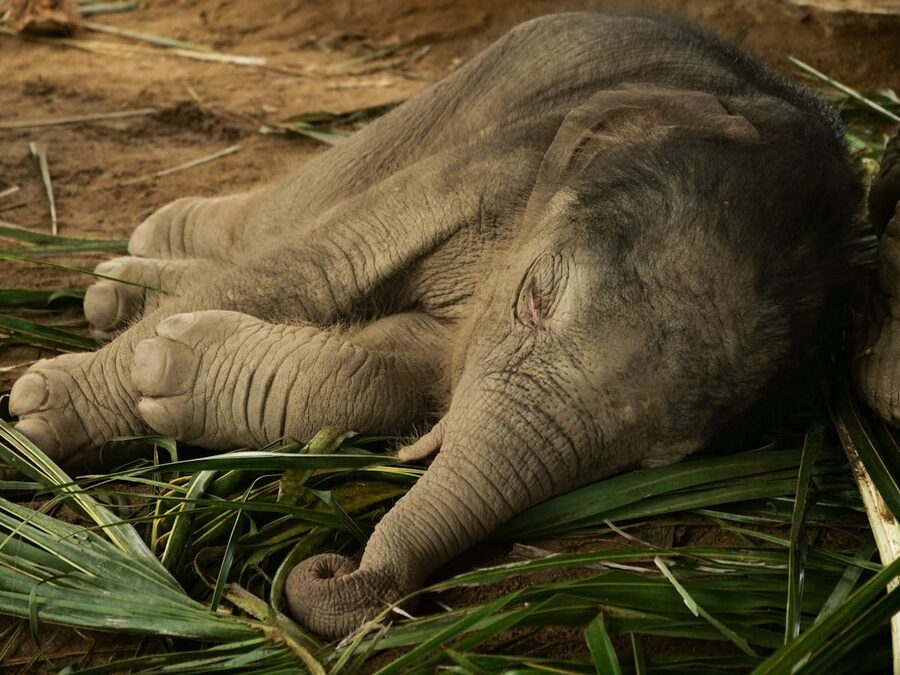
Leave the perfume and strong sunscreen at the hotel. Elephants have a powerful sense of smell and strong fragrances can agitate them. Most sanctuaries mention this during the briefing, but it helps to know beforehand.
Don’t bring large bags or backpacks. There’s usually a locker or storage area at the visitor center. Elephants are curious and will investigate bags with their trunks — which looks adorable until they fling your camera bag into the mud.
Your phone camera is enough. You’ll have your hands full with bananas, sugarcane, and trying to pet a trunk. DSLRs are hard to manage during the feeding sessions. Most sanctuaries have a staff photographer who takes professional shots and shares them via a group link afterward — usually free or for a small tip.
Budget 3-4 hours total. Even a “1-hour” guided tour takes 3+ hours including transfers, briefing, changing, and the drive back. Half-day tours run 4-5 hours. Don’t schedule anything immediately after — though if you’re traveling with kids who still have energy to burn, Andamanda Water Park is open until evening and makes a solid second-half-of-the-day plan.
n
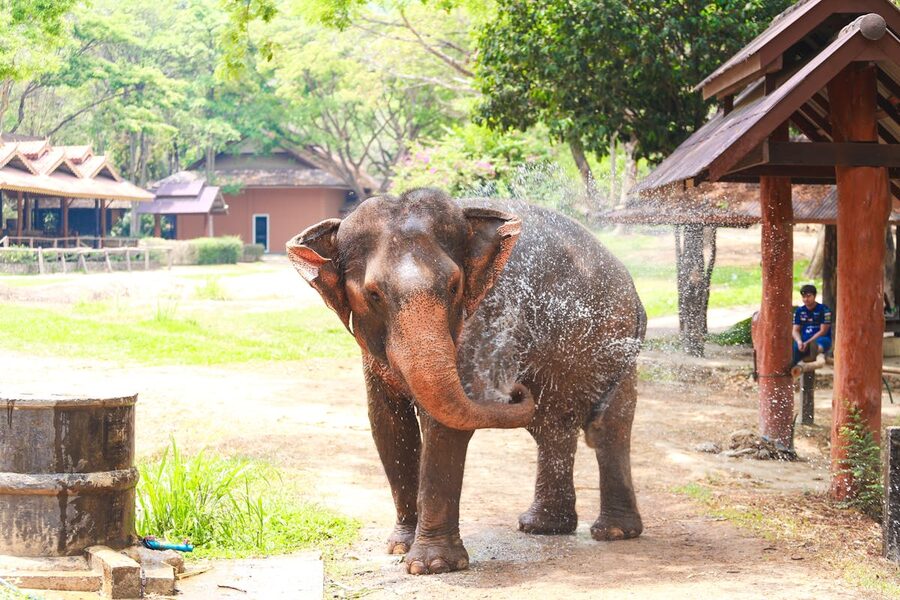
What You’ll Experience at the Sanctuary
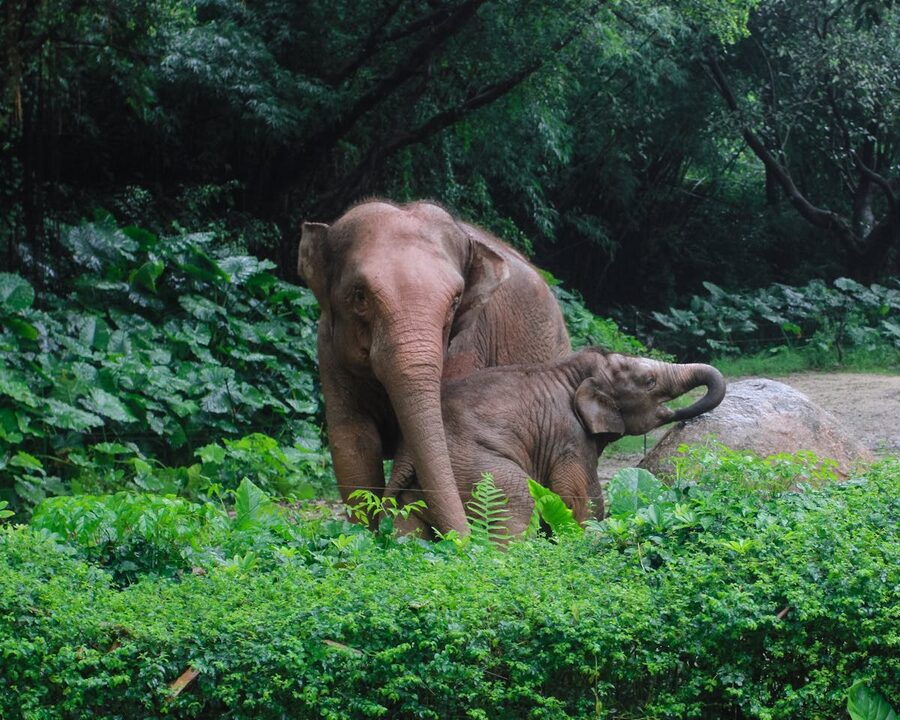
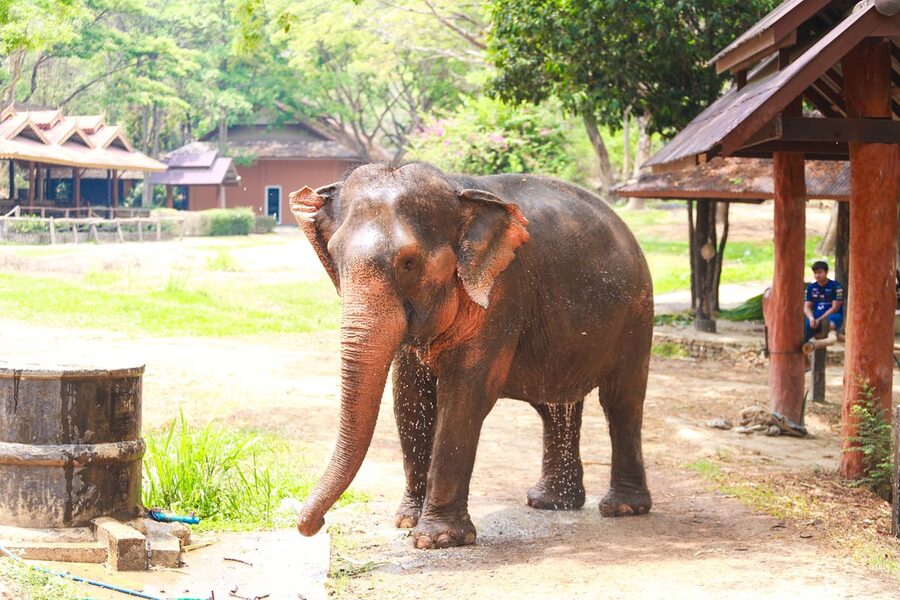
The first thing that hits you is their size. Photos don’t prepare you for standing next to a 3-ton animal. The second thing is how quiet they are. For something that large, elephants move through the forest with barely a sound.
During feeding, each elephant has its own style. Some are delicate and take one banana at a time. Others vacuum the entire basket with a single trunk sweep. The mahouts will point out individual personalities — the greedy one, the shy one, the one that likes to splash the travellers.
The walking portion is the most rewarding part if you’re patient. The elephants set the pace, and it’s slow. They stop to forage, rub against trees, and communicate with low rumbles you can feel in your chest more than hear with your ears. Some sanctuaries have elevated viewing platforms where you can watch the herd from above as they move through the forest.
The emotional weight of these places is real. Many of the elephants carry visible scars from their previous lives — damaged ears from hooks, pressure sores from saddles, psychological trauma that shows in repetitive swaying or head-bobbing. The mahouts explain each animal’s story honestly, and it puts the “ethical tourism” label into sharp perspective. These animals can’t be released into the wild. The sanctuaries are their permanent home, and your visit fee pays for their food, medical care, and the mahouts’ salaries. If you want something completely different the next day — all adrenaline, no emotions — a Phuket ATV jungle adventure through the same hills is about as far from a gentle sanctuary visit as you can get.
Planning the Rest of Your Phuket Trip
Most travellers spend three to five days in Phuket, and the elephant sanctuary works best as a morning activity on your first or second day — it sets a tone for the trip that’s hard to match. The obvious next move is getting out on the water, and a Phang Nga Bay and James Bond Island tour is the strongest option for that.
The limestone karsts and sea cave kayaking occupy a full day and feel nothing like the sanctuary experience, which keeps your itinerary from blurring together. If you have an extra day and decent weather, the Phi Phi Islands are worth the longer boat ride for the snorkeling alone.
For evenings in Phuket, catching a Muay Thai boxing match at one of the stadiums in Patong or Chalong is genuinely exciting even if you know nothing about the sport — the atmosphere carries you. And if Krabi is on your route south, the hike up to Tiger Cave Temple followed by a swim at the Emerald Pool is one of the best day trips in southern Thailand.
Further north, our Chiang Mai elephant sanctuary guide covers the bigger northern sanctuaries near Elephant Nature Park — visiting both regions gives you a fuller picture of rescue operations across the country.