
Nine out of ten elephant “sanctuaries” in Chiang Mai are not actually sanctuaries. They are tourist camps that rebranded after riding bans made headlines, swapped saddles for feeding stations, and called it ethical. The elephants are still chained at night. The mahouts still use hooks. The Instagram-friendly mud baths happen on a timer because that is when the tour bus arrives, not because the elephants want a bath.
I spent three separate trips sorting the real from the fake, and the difference is obvious once you know what to look for.
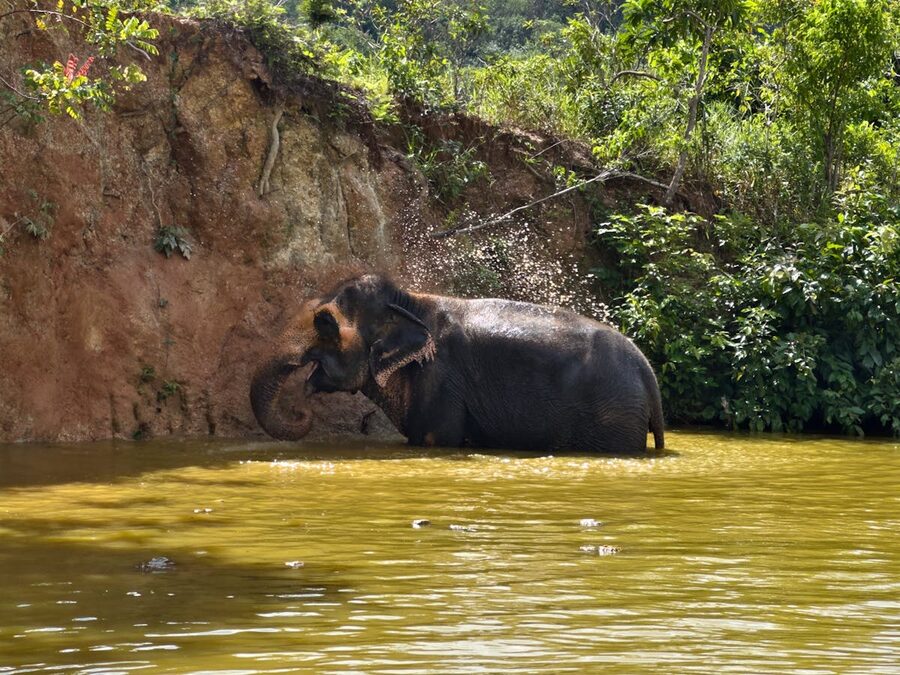
The good news: the actual ethical sanctuaries are incredible. Walking alongside a four-ton animal through jungle trails, watching an elephant demolish a watermelon in a single bite, getting sprayed during bath time because a trunk has the accuracy of a garden hose operated by a toddler. These are genuinely life-changing moments, and they happen at places that deserve your money.
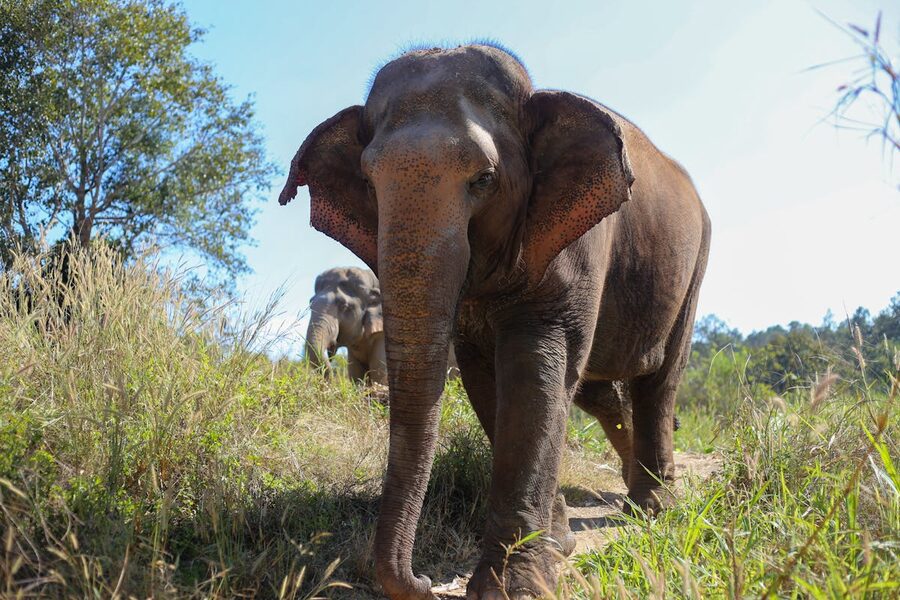
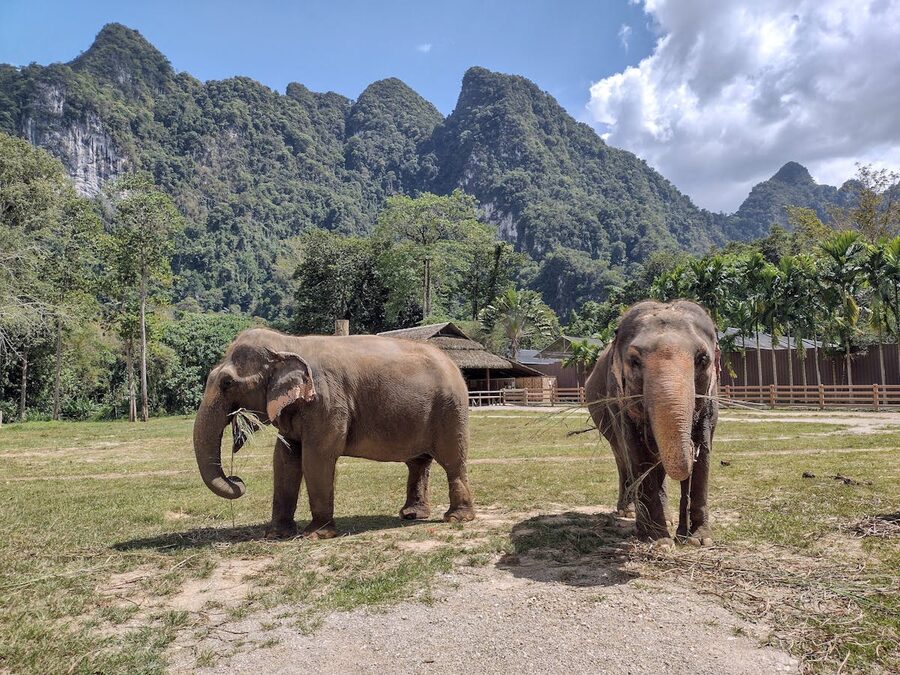
Short on time? Here are my top 3 picks:
Best overall: Elephant Sanctuary, Waterfall & Bamboo Rafting — $60. Full day with elephants, a waterfall swim, and bamboo rafting. The complete experience.
Best budget: Elephant Sanctuary Feeding Program Half-Day — $27. Five hours of feeding and bathing without the full-day commitment.
Best combo: Elephant Sanctuary, Long Neck Village & Sticky Waterfall — $63. Three stops in one day for people who want to pack everything in.
- How Elephant Sanctuary Visits Work in Chiang Mai
- How to Spot a Real Sanctuary vs a Tourist Trap
- The Best Chiang Mai Elephant Sanctuary Tours to Book
- 1. Elephant Sanctuary, Waterfall & Bamboo Rafting —
- 2. Elephant Sanctuary & Waterfall Group Tour —
- 3. Elephant Sanctuary Feeding Program Half-Day —
- 4. Elephant Sanctuary, Long Neck Village & Sticky Waterfall —
- When to Visit an Elephant Sanctuary
- How to Get to the Sanctuaries from Chiang Mai
- Tips That Will Save You Time and Hassle
- What You Will Actually Experience at the Sanctuary
- Planning the Rest of Your Thailand Trip
How Elephant Sanctuary Visits Work in Chiang Mai
There is no government-run ticket system for elephant sanctuaries. Unlike temples or national parks, these are all private operations. You book through the sanctuary directly or through a third-party platform like GetYourGuide, which handles pickup logistics and usually offers free cancellation.
Every reputable sanctuary includes hotel pickup and drop-off from central Chiang Mai in the price. The drive is typically 60 to 90 minutes each way through mountain roads. Most programs start between 8 and 8:30 AM, which means pickup from your hotel happens around 7:30 AM.
Half-day programs (4-5 hours total) typically include elephant feeding, mud baths or water play, and a brief orientation about elephant welfare. You are back at your hotel by early afternoon, leaving time for a cooking class, temple hopping, or a zipline adventure if you still have adrenaline to burn.
Full-day programs (7-9 hours total) add jungle hikes alongside the elephants, waterfall visits, bamboo rafting, and a Thai lunch. Some also include stops at Karen Long Neck villages or Bua Tong Sticky Waterfall.
Prices range from $27 to $63 per person depending on duration and extras. Group tours (6-12 people per guide) are the most affordable. Private tours exist but typically cost 3-4x more and need to be booked directly with the sanctuary.
How to Spot a Real Sanctuary vs a Tourist Trap
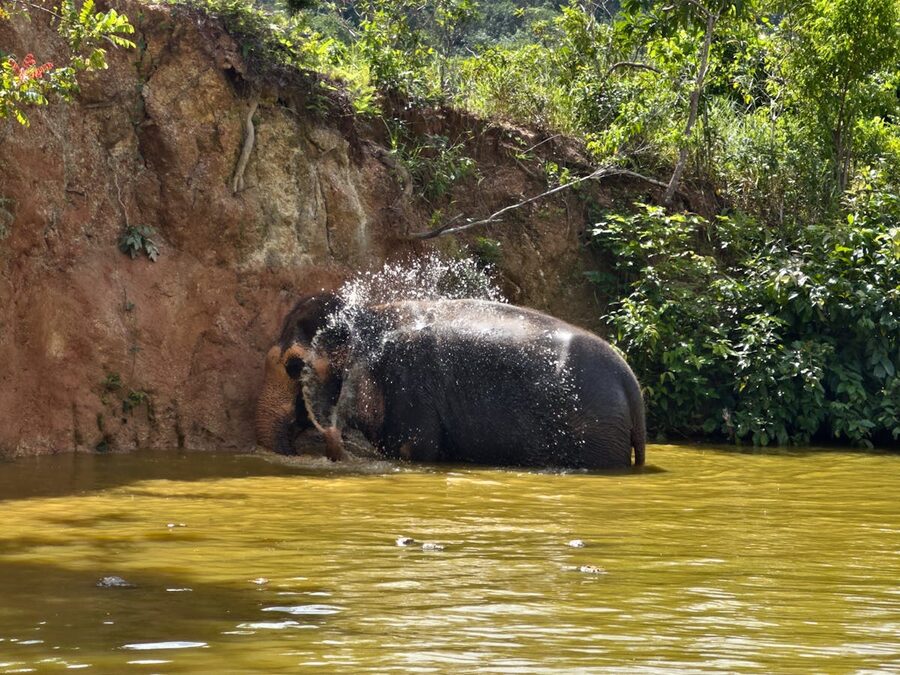
This is the most important section of this entire guide. The marketing for every elephant operation in Chiang Mai uses the same words: ethical, rescue, no riding, sanctuary. These words mean nothing without the practices to back them up.
Green flags (signs of a real sanctuary):
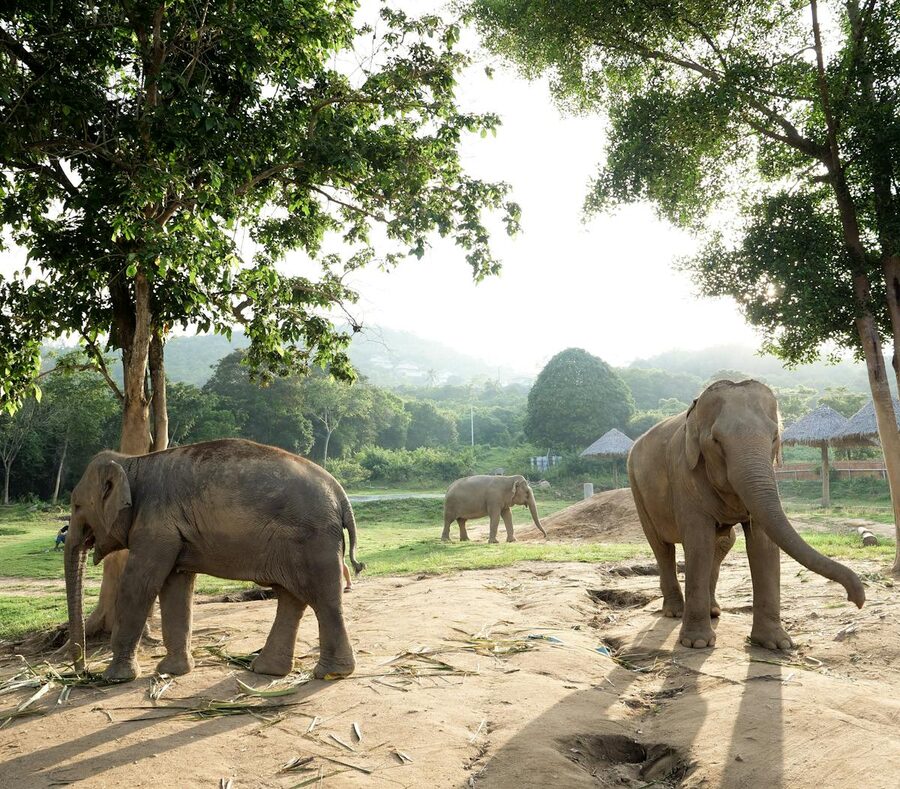
- Elephants roam in groups and choose where to go
- No chains, no hooks (called bullhooks or ankus), no shouting
- Small group sizes (under 12 visitors per group)
- Mahouts use voice commands and food rewards, not pain
- No riding, painting, or performance tricks of any kind
- The sanctuary can tell you where each elephant came from and why
- Transparent about their finances and how visitor money is used
Red flags (walk away immediately):
- Elephants wear saddles, even if just for display
- Chains on legs, even if staff say it is only at night
- Baby elephants separated from mothers for photo ops
- Elephants perform tricks, paint pictures, or play musical instruments
- A hook or stick visible anywhere on the property
- Staff get aggressive when you ask questions about animal welfare
The four tours I recommend below all passed these checks during my visits. If you are also heading south, Phuket has its own elephant sanctuary scene with different operators but the same green and red flags apply. But the industry changes constantly. A place that was ethical two years ago might have new management now. Read recent reviews (within the last 3-6 months) before booking anywhere, including the ones I list here.
The Best Chiang Mai Elephant Sanctuary Tours to Book
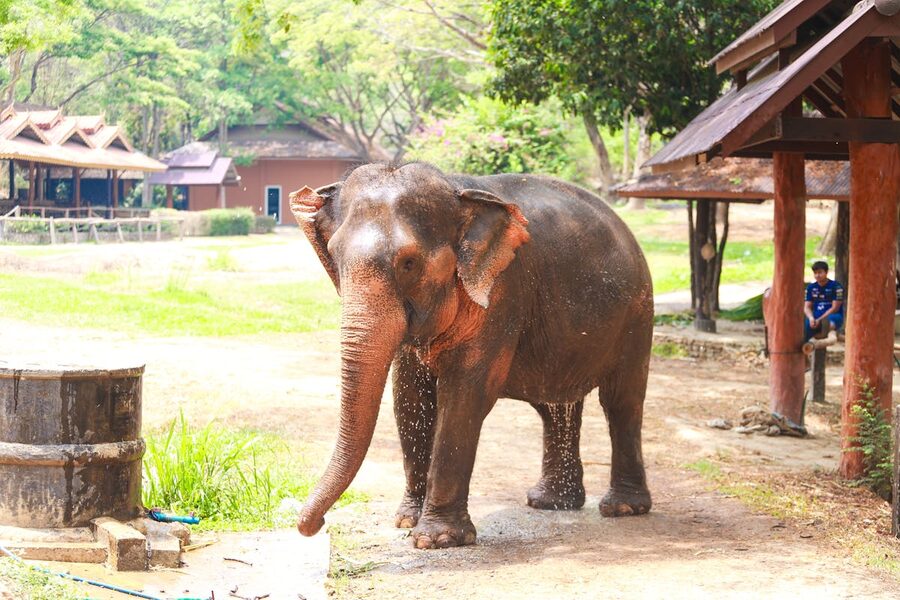
I have narrowed these down from dozens of options to the four that consistently deliver genuine ethical experiences with high visitor satisfaction. Each one is verified through our tour review database with thousands of real visitor ratings.
1. Elephant Sanctuary, Waterfall & Bamboo Rafting — $60
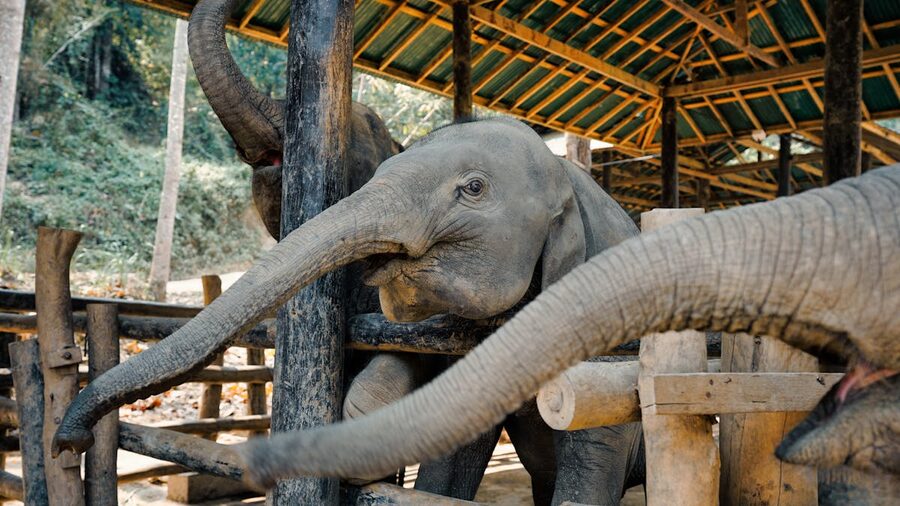
This is the one I recommend to everyone who asks. Nine hours, three distinct experiences: elephant sanctuary time in the morning (feeding, mud baths, river walk), a waterfall swim after lunch, and bamboo rafting to close out the afternoon. At $60 per person for nine hours that include lunch, transport, and three activities, it is hard to argue with the value.
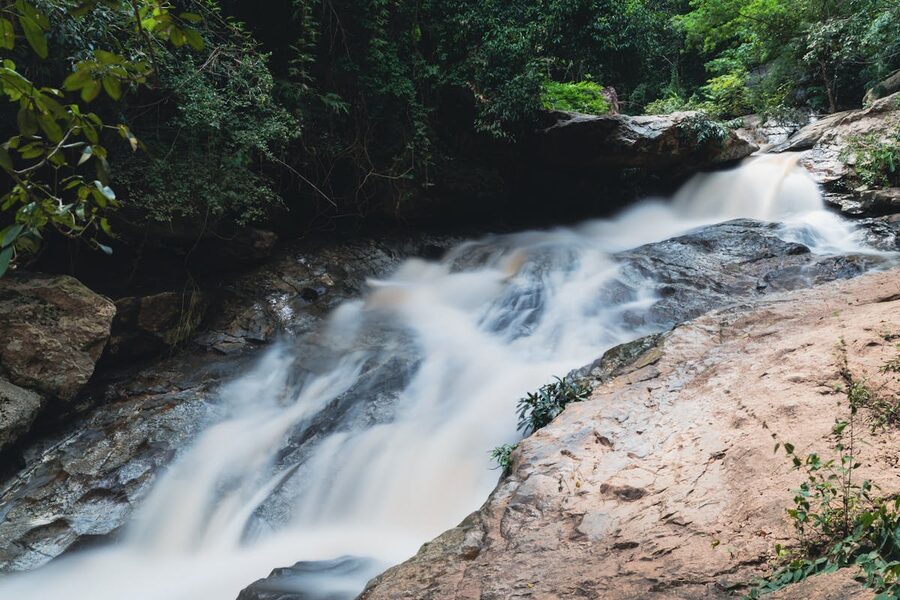
The sanctuary portion covers about four hours, which is more than most full-day programs allocate. You get genuine one-on-one time with the elephants rather than rushing through stations. The bamboo rafting is a gentle downstream float through jungle scenery, and the waterfall is a proper swimming hole, not a trickle.
Over 9,100 visitors have rated this tour 4.9 out of 5 stars, which is the highest-rated elephant experience in Chiang Mai by volume. That consistency across thousands of reviews tells you the quality does not vary by guide or day.
2. Elephant Sanctuary & Waterfall Group Tour — $50
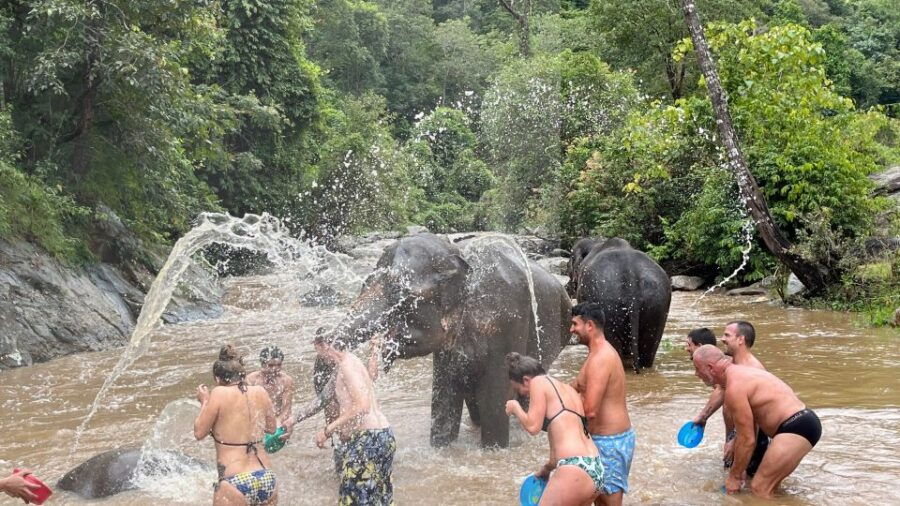
If you want elephants and a waterfall but can skip the bamboo rafting, this seven-hour version saves you $10 and still covers the essential experiences. The sanctuary portion is identical to the top pick: feeding, bathing, jungle hiking alongside the elephants.
The waterfall stop after lunch is the same spot. You get about an hour there, which is enough for swimming and photos. The shorter duration means you are back at your hotel by 3 or 4 PM, giving you a full evening in Chiang Mai for the Night Bazaar or a cooking class.
At $50 per person with nearly 5,800 reviews averaging 4.9 stars, this is the sweet spot between value and experience. I would pick this over the top option if you have already done bamboo rafting elsewhere in Thailand or just want a slightly shorter day.
3. Elephant Sanctuary Feeding Program Half-Day — $27
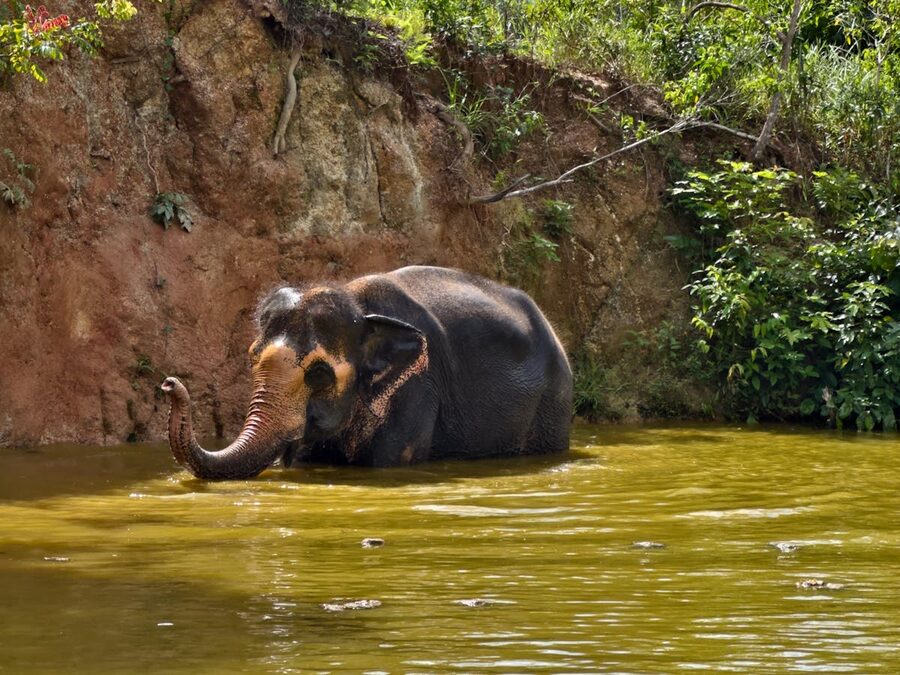
The budget pick, and honestly, it delivers more than you would expect for $27. This five-hour half-day program focuses on the elephant interaction: preparing food, feeding by hand, mud bath or water play, and a brief orientation about the sanctuary rescue work.
You do not get the waterfall or bamboo rafting add-ons, and the elephant time is slightly shorter than the full-day options. But the core experience of feeding and bathing elephants is the same. If that is all you came for, this is all you need.
With 4,500+ reviews at a 4.8-star average, the quality is consistent. The half-point difference from the full-day tours is almost entirely from people wishing they had booked the longer version, not from any problems with the experience itself. Afternoon sessions start around 1 PM if mornings do not work for your schedule.
4. Elephant Sanctuary, Long Neck Village & Sticky Waterfall — $63
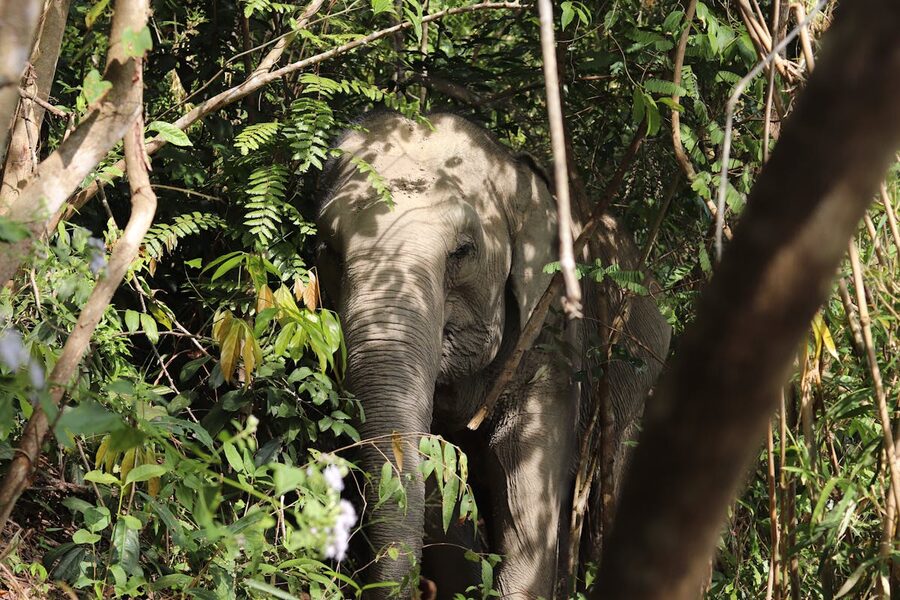
This is the see-everything-in-one-day option. Nine hours covering three completely different experiences: elephant sanctuary time (feeding, bathing, walking), a visit to a Karen Long Neck village, and a stop at Bua Tong Sticky Waterfall, where you can actually walk up the wet limestone rock face without slipping.
At $63 per person, it is the most expensive option here, but you are getting three separate day trips compressed into one. The Sticky Waterfall alone would cost $30-40 as a standalone tour. The Long Neck village visit is about 45 minutes, which some visitors find too short, but it is enough to see the traditional weaving and learn about the Kayan culture.
Over 2,200 reviews with a 4.9-star average. This tour works best for people who are only in Chiang Mai for two or three days and want to maximize what they see outside the Old City. If you have four or more days, I would split these into separate trips and go deeper on each one.
When to Visit an Elephant Sanctuary
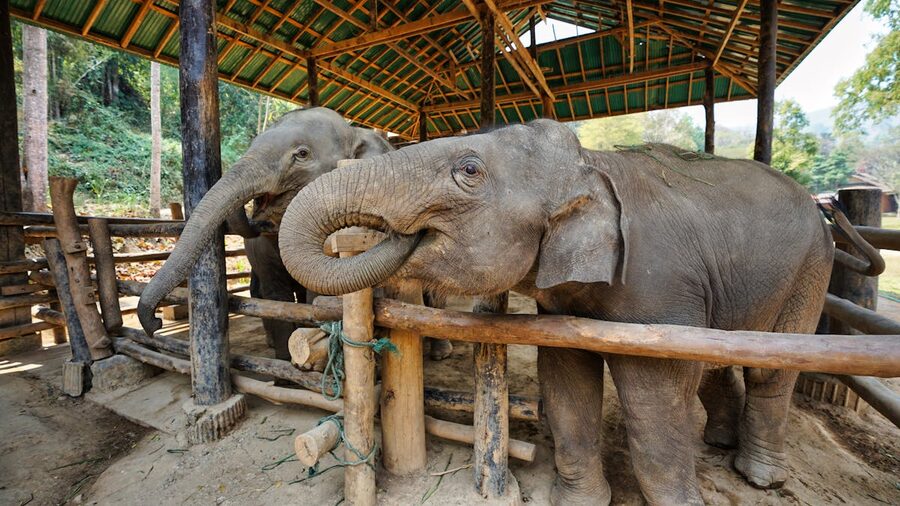
Best months: November through February. This is Chiang Mai cool season. Temperatures sit between 20-30C during the day, rain is rare, and the jungle trails are dry enough to walk comfortably. January and February are the driest months. Those cooler weeks are also ideal for combining a sanctuary trip with a Doi Inthanon day trip, since the national park sits at even higher elevation and gets genuinely cold in the mornings.
Acceptable months: March through May. The hot season. Temperatures hit 35-40C, and the combination of heat, humidity, and physical activity can be tough. Morning programs are better than afternoon ones during this period. March also brings the burning season, when agricultural fires create hazy skies.
Risky months: June through October. The wet season. Sanctuaries still operate, and some visitors prefer the green landscape and smaller crowds. But trails get muddy, river hikes can be canceled due to water levels, and afternoon thunderstorms are almost daily. Bamboo rafting may be unavailable during heavy rain periods.
Best time of day: Morning programs (8-9 AM starts) are better than afternoon ones. Elephants are more active in the morning, temperatures are more comfortable, and the light is better for photos. If a tour offers both morning and afternoon departures, always pick morning.
Book at least 2-3 days ahead during November-February. The popular full-day tours sell out, especially around Christmas and New Year. During the low season (June-September), same-day booking usually works.
How to Get to the Sanctuaries from Chiang Mai
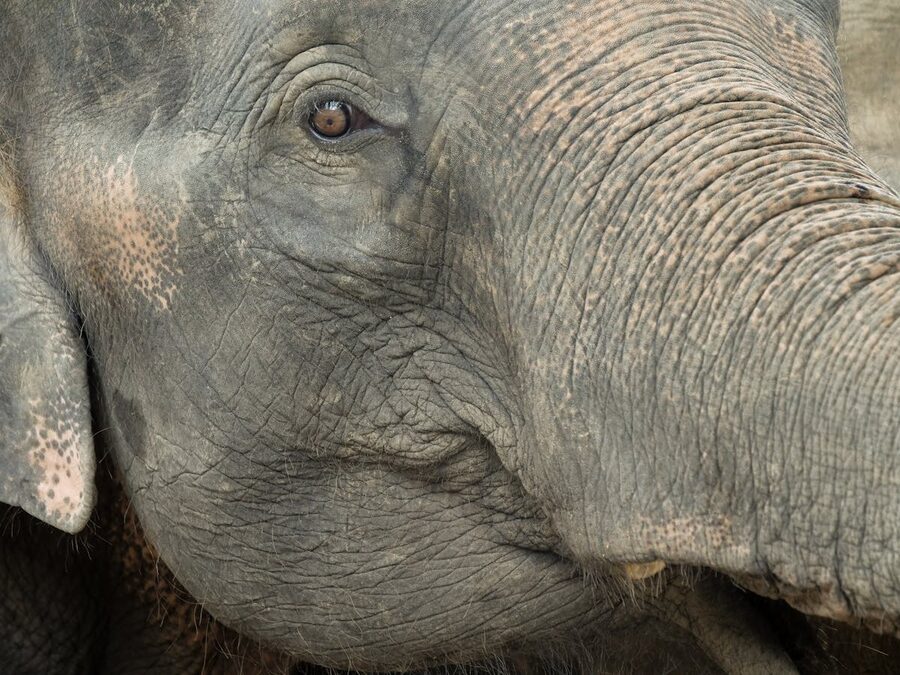
You do not need to figure out transport. Every tour listed above includes free hotel pickup and drop-off from anywhere within Chiang Mai city. The pickup is typically in a minivan or songthaew (covered pickup truck), and the drive to the sanctuaries takes 60 to 90 minutes through scenic mountain roads.
If you are staying outside central Chiang Mai (like near the airport or in Hang Dong), mention your exact location when booking. Most tours will still pick you up, but it may add 15-20 minutes to the drive.
Can you go independently? Technically yes, if you rent a motorbike or car. But the sanctuaries are deep in the mountains on unmarked roads, the entrance includes a briefing and orientation that is built into the tour format, and the price difference between a tour and direct booking is minimal once you factor in fuel and time. I would not bother.
From Bangkok: Fly to Chiang Mai (1 hour, cheap flights on AirAsia, Nok Air, and Thai Lion Air from 800 baht one-way). Night trains and buses take 10-12 hours and are fine for budget travellers, but you will want to rest a day before spending eight hours in the jungle. If you have extra days in the north, a Chiang Rai white and blue temple day trip pairs well with a sanctuary visit on a separate day.
Tips That Will Save You Time and Hassle
- Wear clothes you are willing to throw away. Elephant mud baths mean you will be covered in mud and river water. Dark colors hide stains better. Flip-flops for the water portions, closed shoes for jungle hikes.
- Bring a waterproof phone case. Not a Ziploc bag, an actual waterproof case. Your phone will get wet. Multiple times. From multiple directions.
- Sunscreen is essential even on cloudy days. You are at 1,000+ meters elevation and outdoors for 5-9 hours. Reapply after every water activity.
- Do not wear perfume, cologne, or strong-smelling bug spray. Elephants have an incredible sense of smell and strong scents can agitate them.
- Leave the drone at home. Sanctuaries ban drones because the buzzing sound stresses the elephants. Thailand also has strict drone laws requiring registration.
- Tip your mahout. 200-300 baht per person is standard if you had a good experience. These are not high-paying jobs, and tips make a real difference.
- Bring a change of clothes. Most tours provide a changing area, and you will want dry clothes for the drive back. A small backpack is enough.
- Book through platforms with free cancellation. Weather and road conditions change quickly in the mountains. All four tours above offer free cancellation up to 24 hours before.
- Skip the elephant pants from the Night Bazaar. The baggy printed elephant pants every tourist wears in Thailand are a running joke among locals. Wear normal athletic clothes or light hiking pants.
What You Will Actually Experience at the Sanctuary
The morning starts with a brief orientation about the sanctuary elephants: where they were rescued from, their ages, personalities, and any health conditions. This is not a generic speech. At the good sanctuaries, staff know each elephant by name and can tell you specific stories. Listen to this part. It changes how you interact with them afterward.
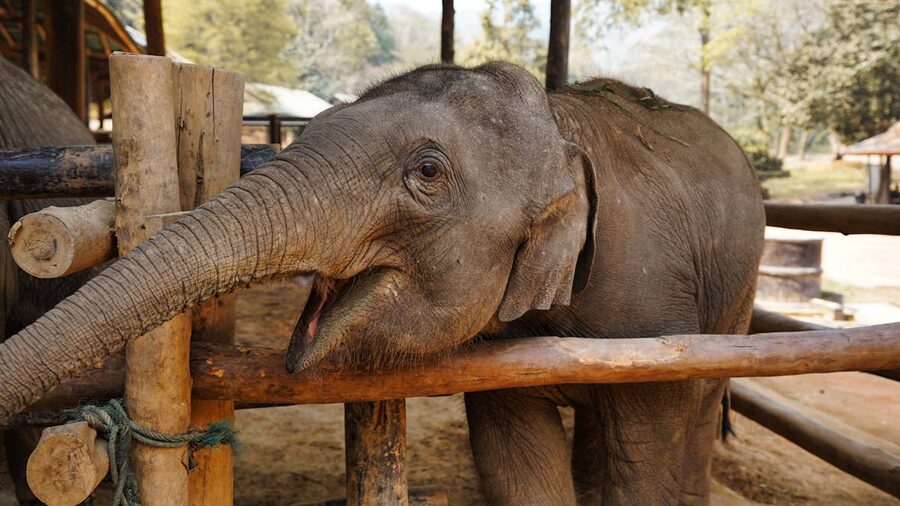
Then you prepare food. Buckets of bananas, sugar cane, pumpkin, and watermelon. An adult Asian elephant eats about 200 kg of food per day, so what you are preparing is a snack, not a feast. The feeding itself is hands-on: you hold out fruit and an elephant trunk wraps around it with surprising gentleness. Some elephants are polite. Others will empty your entire bucket in thirty seconds flat.
The mud bath is usually next. You help apply mud to the elephants skin (it protects against sun and parasites), and they help apply mud to you. This is the messiest and funniest part of the day. Expect to look like a swamp creature within five minutes.
After the mud, everyone heads to a river or pool for washing off. The elephants spray water with their trunks, roll around, and generally act like massive, happy, gray puppies. This is when you realize how much personality each elephant has. Some are gentle, some are playful, and at least one will deliberately try to splash you.
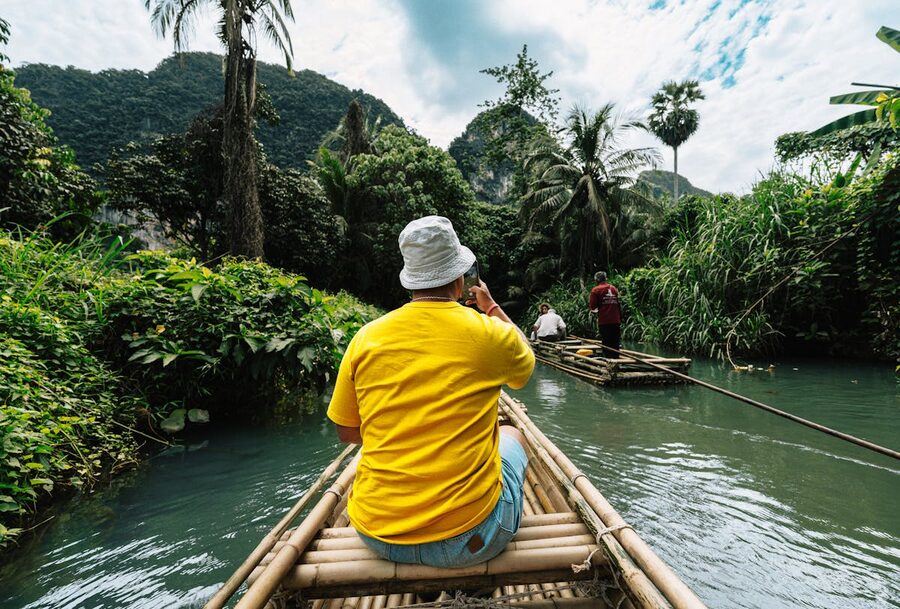
Full-day tours then break for a Thai lunch (included in the price) before heading to a waterfall or bamboo rafting. The waterfall and bamboo rafting tour ends the day with a 30-minute downstream float that is the perfect way to cool down. The Long Neck and Sticky Waterfall tour trades the raft for a visit to a Kayan village and a hike up limestone waterfalls you can walk up barefoot.
Planning the Rest of Your Thailand Trip
Most travellers pair Chiang Mai with at least a few days in Bangkok, and the contrast between the two cities is half the fun. In Bangkok, the Grand Palace, Wat Pho, and Wat Arun circuit is the obvious starting point, but the real character of the city comes out after dark on a tuk-tuk night tour through Chinatown and the backstreets. If you only have time for one day trip from Bangkok, the floating market and train market combo is hard to beat for sheer visual spectacle.
Back in Chiang Mai, a Thai cooking class is the perfect complement to a sanctuary day. Book elephants in the morning, pad thai in the evening, and you have what might be the single best day of your entire Thailand trip. For street-level eating without the cooking, Bangkok has outstanding guided food tours that hit the stalls travellers walk right past.
This article contains affiliate links to tour booking platforms. If you book through these links, we earn a small commission at no extra cost to you. This helps us keep producing detailed, honest travel guides. We only recommend tours we have personally vetted and would book for ourselves.