Tokyo’s 350-meter Skytree view and Kyoto’s Golden Pavilion are only the opening act on this seven-day route. You’ll cross Japan by bullet train, meet Nara’s deer, see Himeji Castle and finish with Hiroshima’s Peace Memorial sites and a ferry trip to Miyajima.
I like two things in particular: the route packs famous sights and smaller historic centers into one trip, and the long-distance train rides make a busy itinerary easier to manage. Included meals, hotel breakfasts and several major admissions also help you plan the budget.
The trade-off is pace. You change cities often, and some days combine long drives with several visits. Guides can change along the way, and an English-speaking departure may sometimes share a tour leader with Spanish speakers.
- Key points to know before you book
- Tokyo sets the pace, from Zojoji to Shinjuku
- Kyoto’s shrines and Golden Pavilion
- Nara’s Great Buddha and Osaka after dark
- Himeji Castle and a garden in Okayama
- Kurashiki, Hiroshima and Miyajima
- The return to Tokyo, and what the price covers
- Guides, meals and the value of a group tour
- Should you book this Japan tour?
- FAQ
- How long is the tour?
- Which places does the tour visit?
- Are flights included?
- Is the airport transfer included?
- What language is the tour guided in?
- How large can the group be?
- What meals are included?
- Which hotels will I stay in?
- How much luggage can I bring?
- Does the tour include Hakone or Mount Fuji?
- The Best Of Tokyo!
- More 7-Day Experiences in Tokyo
- More Tours in Tokyo
- More Tour Reviews in Tokyo
- Not for you? Here's more nearby things to do in Tokyo we have reviewed
Key points to know before you book
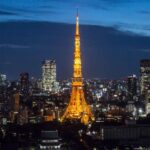
- Skytree and Shinjuku in one Tokyo day: Ride up to the Tembo Deck, then return to the city after a guided evening walk and included dinner.
- A fast link between the big cities: Bullet trains connect Tokyo with Kyoto and Hiroshima with Tokyo, while a coach handles most stops between Kyoto and Hiroshima.
- History with different moods: The route moves from temples and castle architecture to the Peace Memorial Museum and the island shrine at Miyajima.
- Meals are partly covered: Hotel breakfasts are included, along with three lunches and two dinners. You’ll need to budget for other meals.
- Expect changes in guides and hotels: The tour may use different guides during the week, and the listed hotels are planned options, not a guaranteed room assignment.
- A lot fits into seven days: The broad range of stops is the appeal, but it leaves less time for unstructured exploration.

👉 See our pick of the 25 Best Guided Tours In Tokyo
Tokyo sets the pace, from Zojoji to Shinjuku
Day one is deliberately light. After clearing customs, you take a shared shuttle to the hotel and have the rest of the day to settle in. The airport transfer is included for the tour’s start date; if you arrive early, the transfer is not included for those extra days.
Your first full day is a guided city tour of about seven hours. At Zojoji Temple, you get the classic contrast of a quiet temple precinct with Tokyo Tower in the background. The temple’s rows of Jizo statues, small figures dressed with knitted hats and bibs, add a human detail to the photo stop.
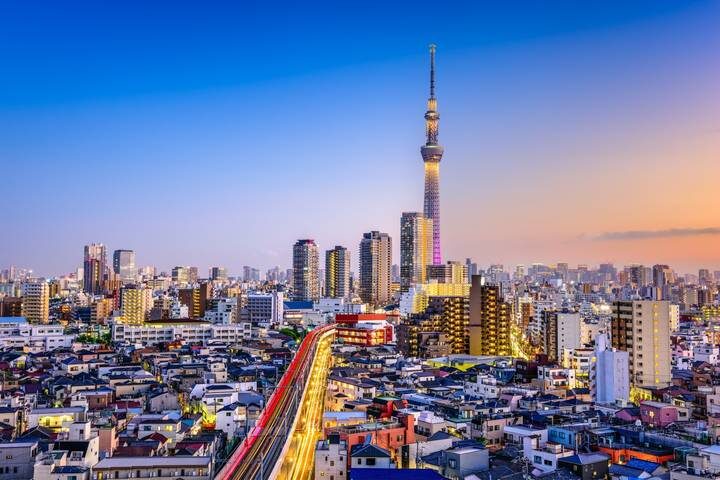
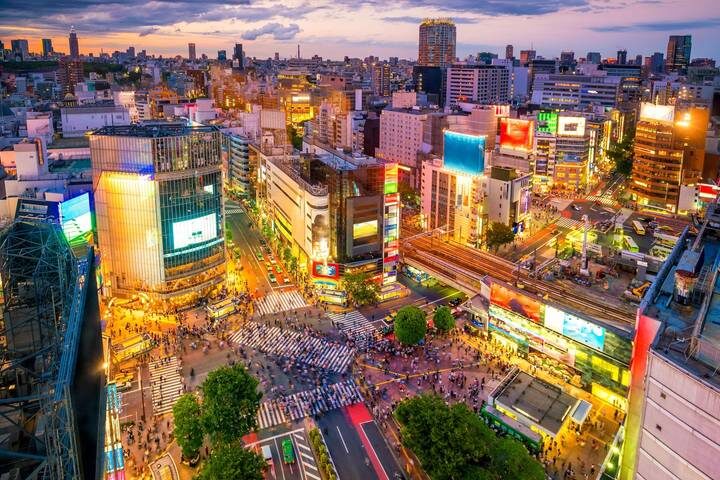
Shibuya Crossing is viewed from the bus rather than explored on foot. That keeps the schedule moving, but if crossing the intersection is high on your list, plan to return on your own during free time. Meiji Shrine offers a calmer counterpoint, followed by Tokyo Skytree, where admission to the Tembo Deck at 350 meters is included. Weather or other exceptional conditions can limit access, in which case another city viewpoint is offered.
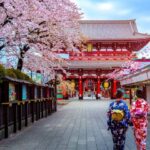
At Asakusa, you visit Sensoji Temple and walk Nakamise Street, a traditional shopping approach leading toward the temple. The ride back passes Akihabara and Ginza, but these are drive-bys, not dedicated visits. If anime shops or Ginza’s stores interest you, use free time to explore them separately.
In the evening, you take the subway with your guide to Shinjuku, walk through the district and have dinner at a local restaurant. Subway tickets are included. This is a useful first taste of navigating Tokyo transit with help, though you’ll still want comfortable shoes and enough energy for a long day.
You can also read our reviews of more tours and experiences in Tokyo


Kyoto’s shrines and Golden Pavilion
An early bullet train carries you nearly 500 kilometers from Tokyo to Kyoto in just over two hours. The speed is a practical advantage: you cover a major distance without spending much of the day on the road. The trade-off is that the Kyoto sightseeing schedule begins on arrival, so this is not a leisurely travel day.
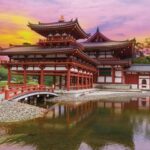
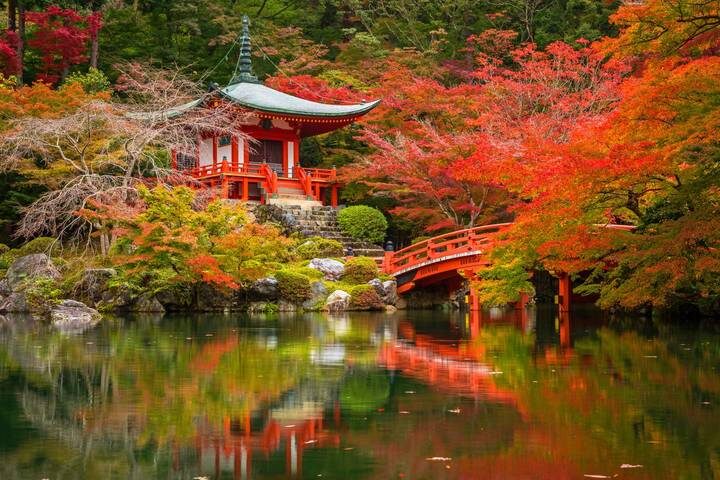
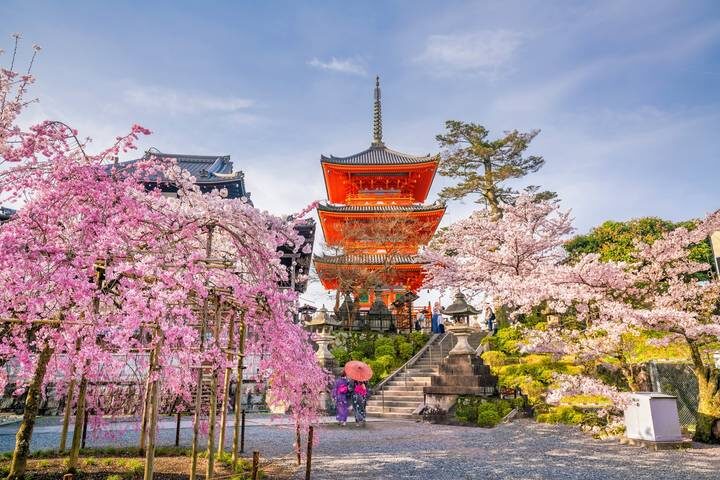
The guided visits include Fushimi Inari Shrine, the Imperial Palace and Kinkakuji, the Golden Pavilion. Together, they give you a broad introduction to Kyoto’s religious and imperial heritage. Kinkakuji is particularly photogenic, with its gold-covered pavilion reflected in its garden setting, though time at each stop is shaped by the group schedule.
You also get time in Gion, the traditional district associated with geisha culture. The itinerary leaves room to wander independently, which is welcome after the guided visits. Use it to slow down, have a snack or explore a side street rather than trying to squeeze in another major sight.
Nara’s Great Buddha and Osaka after dark
On day four, the coach takes you from Kyoto to Nara. At Todaiji, you see the giant Buddha inside a temple built in 752. The surrounding park is home to deer, and there is time for photos and to encounter them. Nara is a memorable change of scene, but the deer are part of a public park setting, not a staged animal visit.
Lunch at a local restaurant is included. Later, Horyu-ji brings a different kind of historical interest: its temple grounds include one of the world’s oldest wooden structures and Japan’s oldest Buddhist temple. The visit adds depth to a day that might otherwise be remembered chiefly for the Buddha and deer.
You reach Osaka in the evening and visit Dotonbori, a district known for its bright signs and nightlife. This is an evening outing rather than a full exploration of Osaka. If you want to sample the city beyond its central entertainment area, you’ll need to make use of any spare time or arrange an extra night.
Himeji Castle and a garden in Okayama
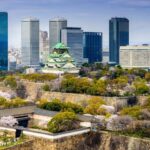
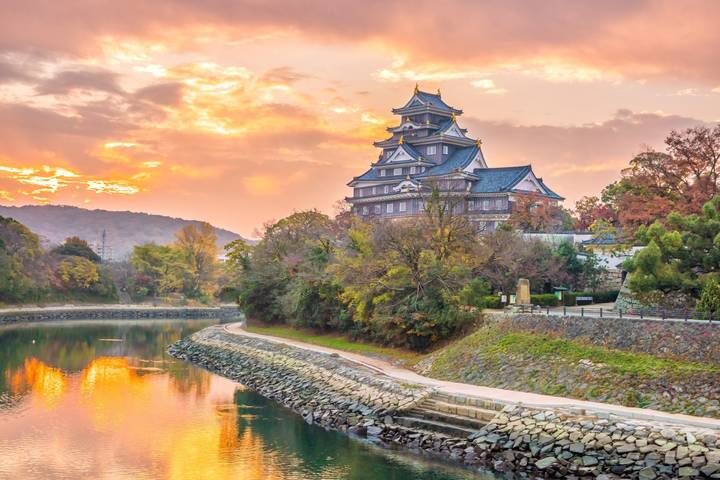
Day five takes you to Himeji Castle, where admission to the castle complex is included. Its traditional Japanese castle design makes this one of the tour’s major architectural stops. Lunch at a local restaurant is also covered, so the day’s main expenses are less of a guessing game.
In Okayama, you visit Korakuen Garden, with lakes, waterfalls and teahouses. The garden offers a quieter change after the castle visit and a chance to appreciate landscape design as an art form. A pedestrian bridge links the garden area with Okayama Castle, but the included visit is to the exterior. Going inside is optional and not included.
The afternoon and evening are free in Okayama, a provincial capital of just over 700,000 people. Some departures may stay in Fukuyama or Kurashiki instead, and the Kurashiki visit may shift to this afternoon. That flexibility is worth keeping in mind when planning a particular evening or restaurant.
Kurashiki, Hiroshima and Miyajima
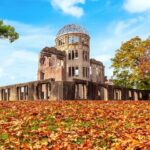
Kurashiki begins day six with a walk through its historic center. Its old streets provide a gentler start before the emotional weight of Hiroshima. You then visit Peace Memorial Park, the Atomic Bomb Dome and the Peace Memorial Museum, which documents the 1945 bombing and the city’s recovery. The subject is serious, and the museum deserves time and attention, even within a packed day.
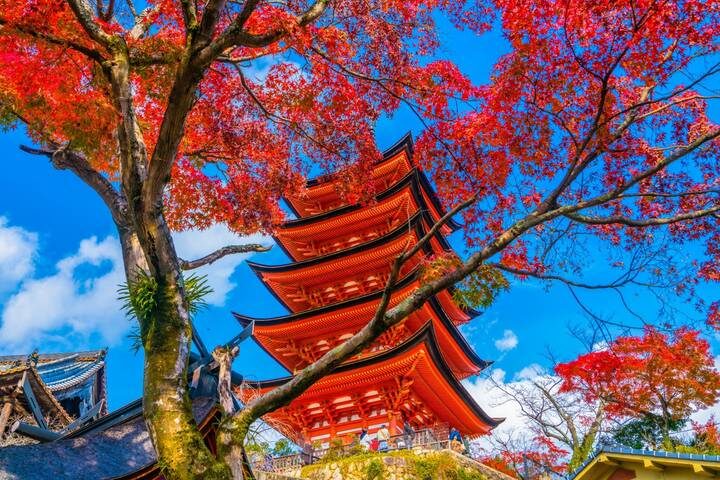
The order of Hiroshima visits may change, but the main stops remain part of the schedule. Afterward, a ferry takes you to Itsukushima Island, commonly called Miyajima. You visit Itsukushima Shrine, built partly over the water, and have time to explore the town center. Lunch on the island is included.
Dinner is included back at the Hiroshima hotel or a local restaurant. This day combines two very different settings: a place of remembrance and an island shrine associated with the guardian of the seas. It is one of the tour’s strongest contrasts, though the combination also makes for a full schedule.




The return to Tokyo, and what the price covers
After breakfast on day seven, a transfer takes you to Hiroshima station for the four-hour bullet train journey back to Tokyo. Arrival is around 2 p.m., when the tour ends. There is no airport transfer at the end, so check your flight time carefully and allow for the journey from the station to the airport. The guide can suggest public transport options.
Prices start at $2,785 per person, based on the cheapest room. That buys a tightly arranged week of hotels, breakfast buffets, guided visits in Tokyo and Kyoto, long-distance bullet train travel, coach transport between regional stops, several admissions, the Miyajima ferry, and selected meals. The value is strongest if you want logistics handled and hope to see several major cities in one week.
It is not an all-inclusive trip. Flights and most lunches and dinners are extra, as are optional activities such as entering Okayama Castle. The hotels are described as four-star, but the operator says they are selected for quality, price and location rather than luxury. They are in the cities visited, generally with public transport nearby, though not always in the center.
The planned hotel names include Shinagawa Prince, Tokyo Dome Hotel or Moxy Tokyo Kinshicho in Tokyo; New Miyako Hotel or Miyako Kyoto Hachijo in Kyoto; and several options in Osaka, Okayama and Hiroshima. The final hotel is confirmed 24 to 48 hours before departure, depending on availability, and may be a similar alternative. Room sizes, bed sizes and standards can vary.
The group size can range from two to 72, a wide spread that matters on busy sightseeing days. The tour is described as low intensity, but expect regular walking at temples, gardens, stations and historic districts, plus repeated boarding and unloading. Each person may bring one suitcase weighing up to 30 kilograms. Small wheeled suitcases are not permitted inside the vehicle, and carry-on storage is very limited.
Guides, meals and the value of a group tour
Guide quality is a major part of the experience. Named guides praised in past departures include Ken, David, Midori, Asa, Jose, Patricia and Francisco, but these names are examples, not a promise of who will lead your departure. Guides may change more than once during the week, and the operator may run tours bilingually, usually in English and Spanish. If you need English throughout, ask how language arrangements work for your exact departure before booking.
The strongest praise for this trip centers on guides who explain local customs and history, keep an eye on the group and make the schedule easier to follow. Some past participants described excellent care and humor, while others found guide service uneven. One English-speaking solo participant felt isolated in a Spanish-speaking group, while other English-only participants felt well included. The practical lesson is to confirm the language setup and be ready for a changing group dynamic.
Meals are a mix of convenient inclusions and independent choices. Breakfast buffet is included at the hotels, and the package lists three lunches and two dinners. The specific included meals are lunch in Tokyo, Nara and Himeji, plus dinner in Tokyo and Hiroshima. Expect to pay for meals not listed, and remember that a group meal may offer less choice than setting out on your own.
The overall rating is 4.5 out of 5 across 29 reviews, with transport rated 4.7, accommodation 4.6, itinerary and food 4.5, and the operator 4.1. Those scores suggest a solid, well-organized way to cover a lot of ground, but they do not erase the real compromises: tight days, guide changes, occasional queues and some uneven meals or hotel experiences.
Should you book this Japan tour?
Book it if this is your first visit to Japan, you want a guided overview of the main Honshu sights, and you value having trains, hotels, admissions and transfers arranged. The mix of Tokyo, Kyoto, Nara, Himeji, Okayama, Kurashiki, Hiroshima and Miyajima is unusually broad for seven days, and the bullet trains make the long distances manageable.
Think twice if you prefer a slow pace, want long stretches of independent time, or need a guaranteed English-only group and a specific hotel. This tour is best treated as a fast introduction, not a deep stay in each city. If that suits you, it offers a practical route through Japan’s headline sights, with enough free time to make a few discoveries of your own.
Tokyo, Kyoto and Hiroshima end Tokyo by Europamundo – 7-Day Tour (2026-27 Departures)
“Everything is very good. Ken and David are fantastic. Ken is enthusiastic and knowledgeable. David is very nice and multi talented. We enjoy the tr…”
FAQ
How long is the tour?
The tour lasts seven days, starting in Tokyo and ending in Tokyo after the return journey from Hiroshima.
Which places does the tour visit?
The route includes Tokyo, Kyoto, Nara, Osaka, Himeji, Okayama, Kurashiki, Hiroshima and Itsukushima Island, also known as Miyajima.
Are flights included?
No. Flights are not included in the tour price.
Is the airport transfer included?
A shared shuttle transfer from the Tokyo airport to the hotel is included on the tour’s start date. A departure transfer from the Tokyo hotel or station to the airport is not included.
What language is the tour guided in?
The tour is listed in English. Depending on the number of passengers, service may be bilingual, usually in English and Spanish, and guides may change during the trip.
How large can the group be?
The listed group size is from two to 72 people. Regular departures operate with a minimum of two passengers.
What meals are included?
Hotel breakfast buffets are included, as well as three lunches and two dinners. The listed lunches are in Tokyo, Nara and Himeji, with dinners in Tokyo and Hiroshima.
Which hotels will I stay in?
The tour uses planned four-star hotel options in each city. The final hotel is confirmed 24 to 48 hours before departure, depending on availability, and may be one of the listed hotels or a similar option.
How much luggage can I bring?
The coach luggage allowance is one suitcase per person, with a maximum weight of 30 kilograms. Small wheeled suitcases are not permitted inside the vehicle, and carry-on luggage must be very small.
Does the tour include Hakone or Mount Fuji?
No. Hakone and Mount Fuji are not included in this tour.