
Halfway up a gravel track on the way to the second winery, the 4×4 minibus tips left, then right, and the bottle of Chianti Classico in someone’s lap clinks against a wedge of pecorino. Outside, a row of cypresses streams past. The driver grins in the rearview and says we’ll be there in five.
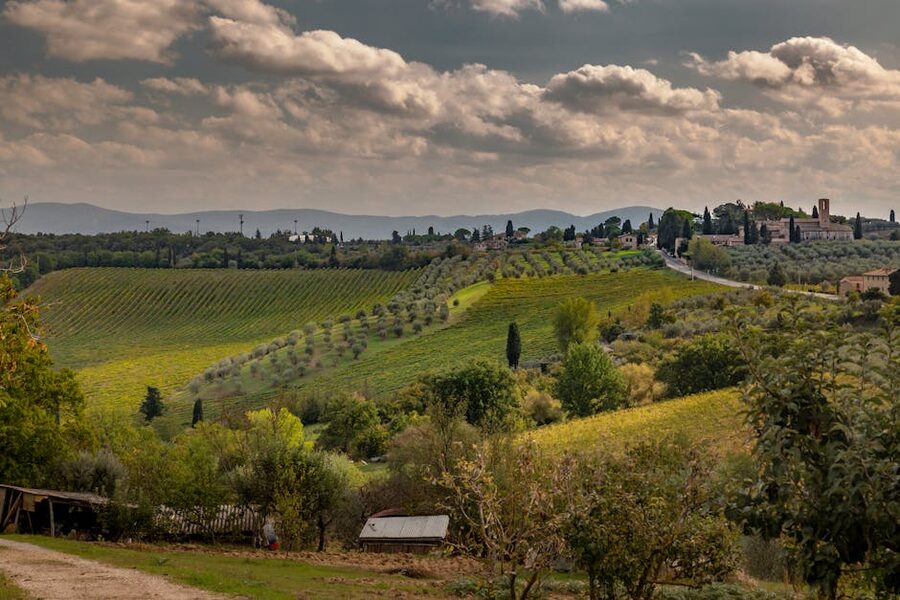
That’s the moment a Chianti Safari shifts from “wine tour” into something else. It’s the off-road bit, the lunch on a vineyard terrace, the way three different cellars start to feel like one long afternoon. This guide covers how the tours work, what the day actually looks like, and which one to book.
- In a Hurry? Top Picks
- What “Chianti Safari” Actually Means
- How the Day Runs
- The First Winery
- The Olive Oil Stop
- Lunch, Cheese, and the Long Table
- The Three Tours Worth Booking
- 1. Chianti Safari: Tuscan Villas with Vineyards, Cheese, Wine & Lunch From Florence: 7
- 2. From Florence: Chianti Wine and Food Tasting Safari: 5
- 3. Private Chianti Safari: Off-Road Tuscany Wine Tour With Lunch From Florence: 0
- Booking and Pricing
- Who Should Book a Safari (and Who Shouldn’t)
- Pickup Logistics: ZTL, Hotels, and the Meeting Point
- When to Go
- What You Actually Drink
- What to Wear and Pack
- Greve, Castellina, and the Hilltop Stops
- Where the Safari Falls Short
- Alternatives if You Want Something Different
- Pairing the Safari With the Rest of Your Florence Trip
- More Tuscany and Florence Day-Trip Reading
In a Hurry? Top Picks
- Chianti Safari with Lunch ($157): the original 4×4 day from Florence with two villa stops and a sit-down meal. Book on Viator
- Wine and Food Safari ($255): the small-group GetYourGuide version with monster-truck pickup and an olive press visit. Book on GetYourGuide
- Private Chianti Safari ($590): same off-road backbone, just your own group and a fixed driver-guide. Book on Viator
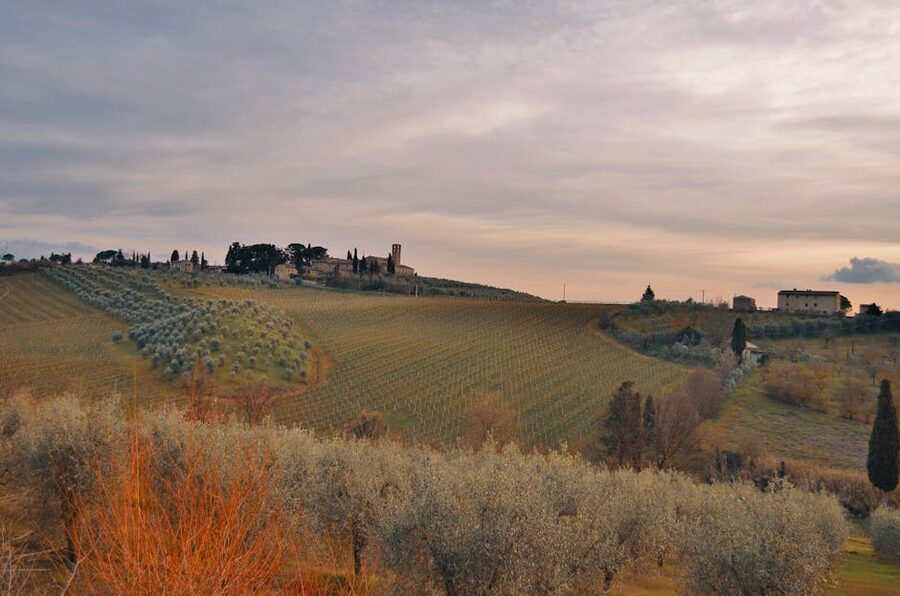
What “Chianti Safari” Actually Means
The word “safari” sounds like marketing fluff. It mostly is, but not completely. The real difference is the vehicle and the route.
A standard Chianti wine tour from Florence runs in a coach or a Mercedes minivan. It sticks to paved roads, pulls into a couple of wineries with paved car parks, and drops you back in the city by 6pm. The classic version of that day, which I unpack in our Chianti wineries from Florence guide, is fine. It’s a known quantity.
A Chianti Safari swaps the coach for a 4WD or 4×4 minibus and uses gravel back roads to reach wineries that don’t have tour-coach access. You get more time on dirt tracks, more isolated estates, and usually a different flavor of lunch. It’s not faster. It’s not cheaper. But it does feel less like a bus tour and more like someone who knows the area driving you around.
How the Day Runs
Pickup is somewhere central in Florence between 8:30 and 9:30am. Most operators meet near the Santa Maria Novella station or just south of Piazza Mentana, near the Arno. Get an espresso and a cornetto first. The wine starts early.
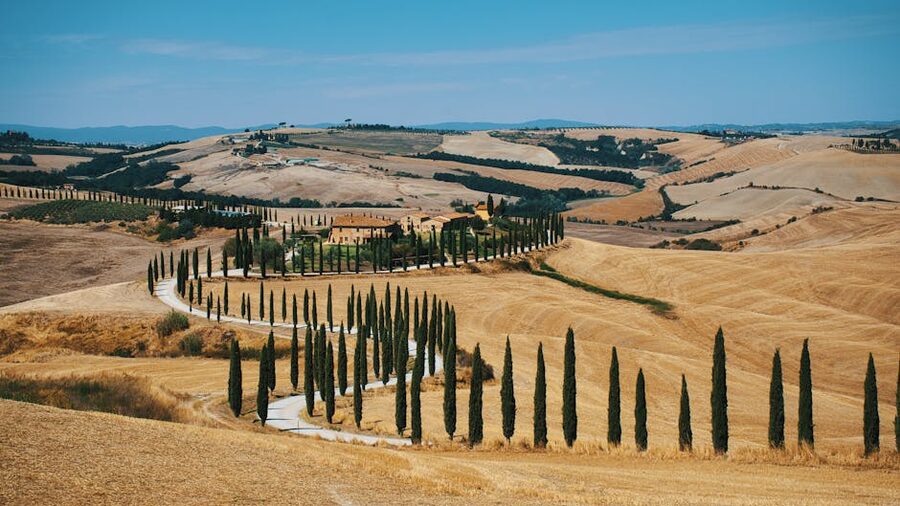
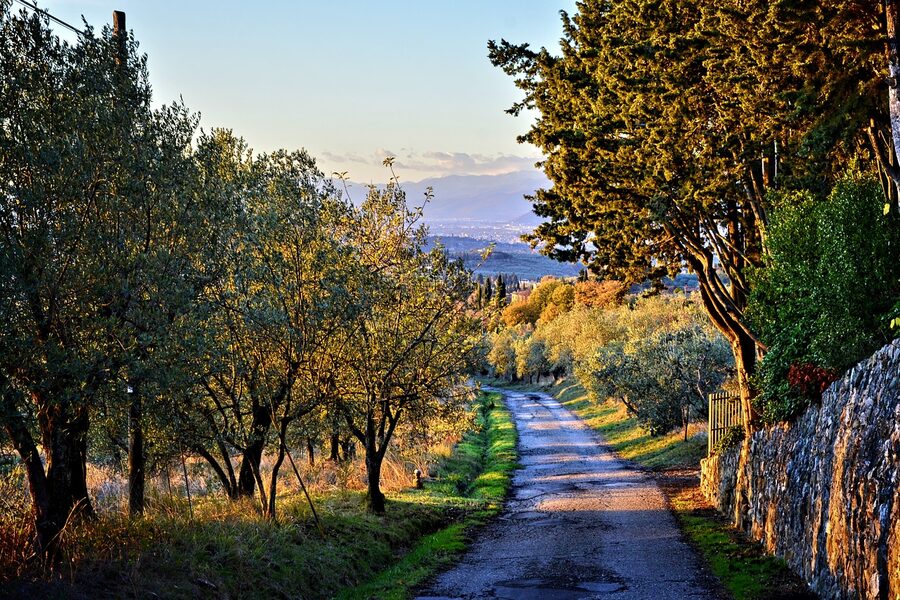
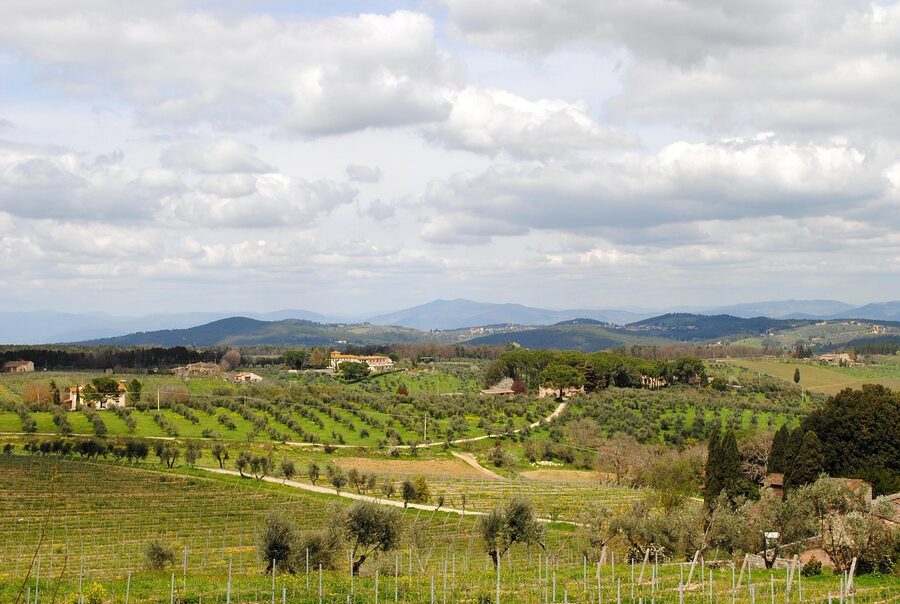
From Florence the route runs south on the SR222, the road locals call the Chiantigiana. After about 30 minutes of regular driving the minibus turns off the asphalt. From there it’s gravel, dirt, and the occasional washed-out farm track. This is the part that earns the “safari” name.
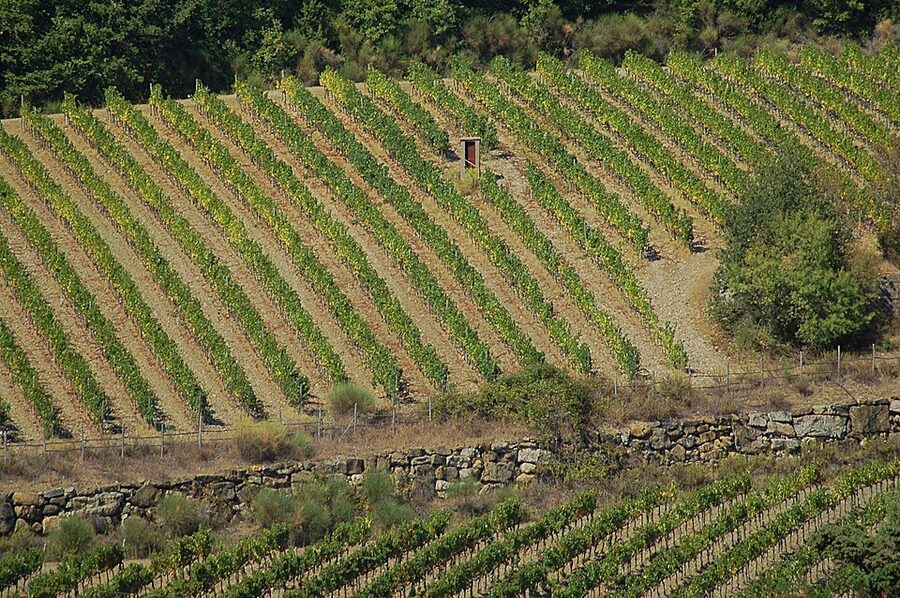
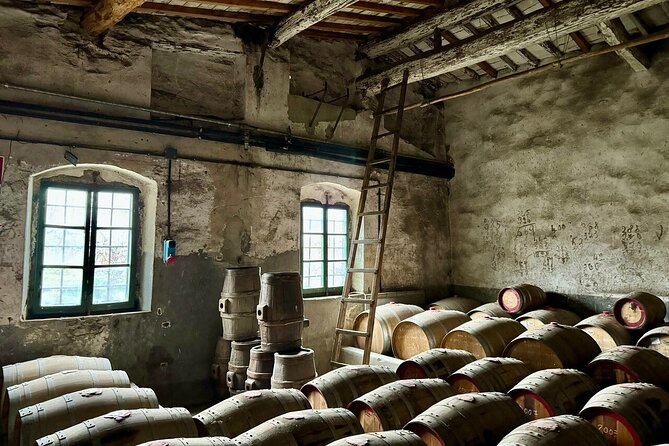
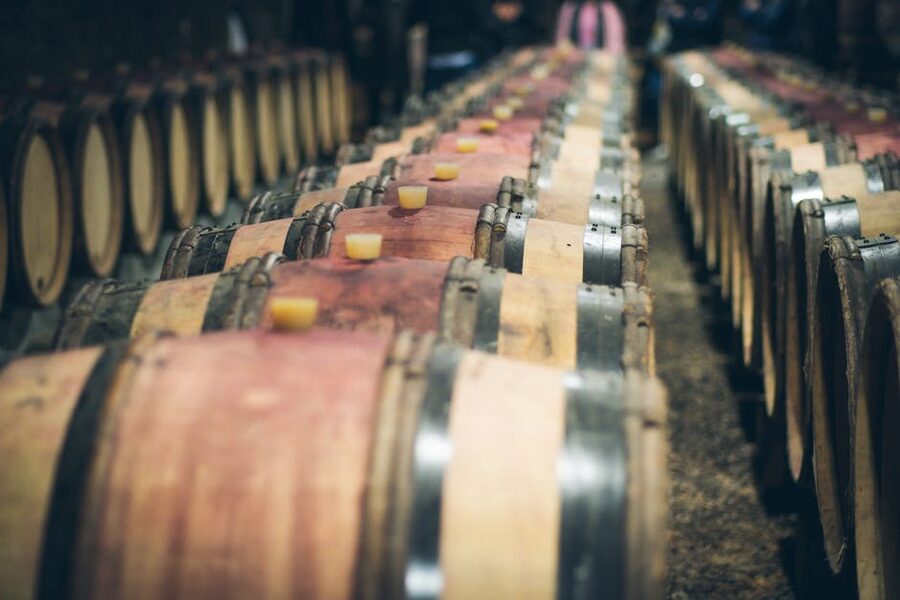
You’ll typically hit two or three estates over six to eight hours. The first stop is usually the longest. You’ll get a cellar walk, a barrel-room explanation, and a structured tasting of three to five wines. Stop two leans more on food. Stop three, if your tour has one, is often a quick “quality control” tasting on the way back.
The First Winery
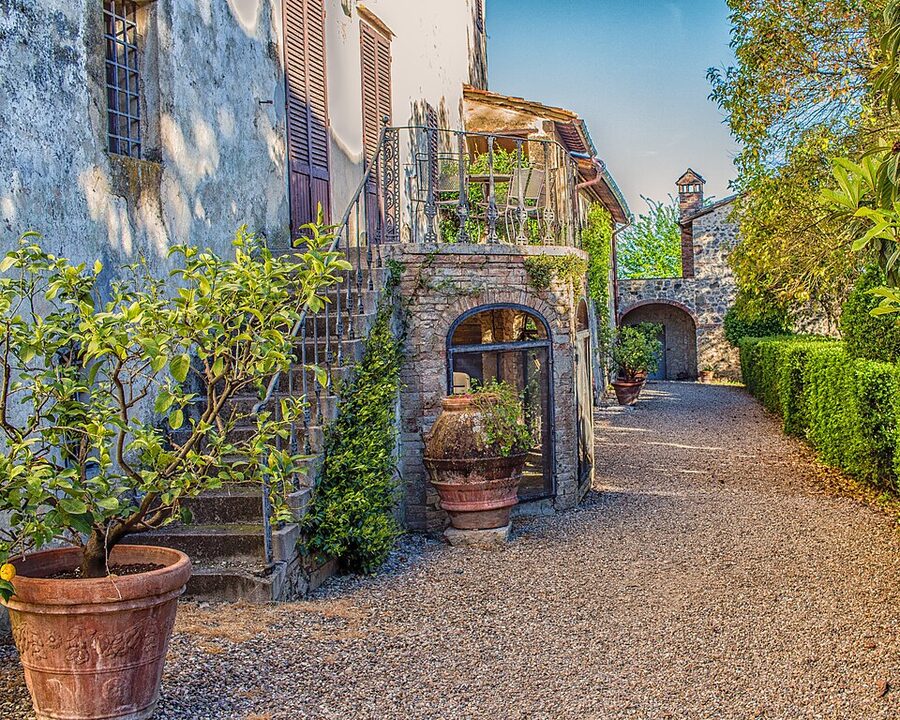
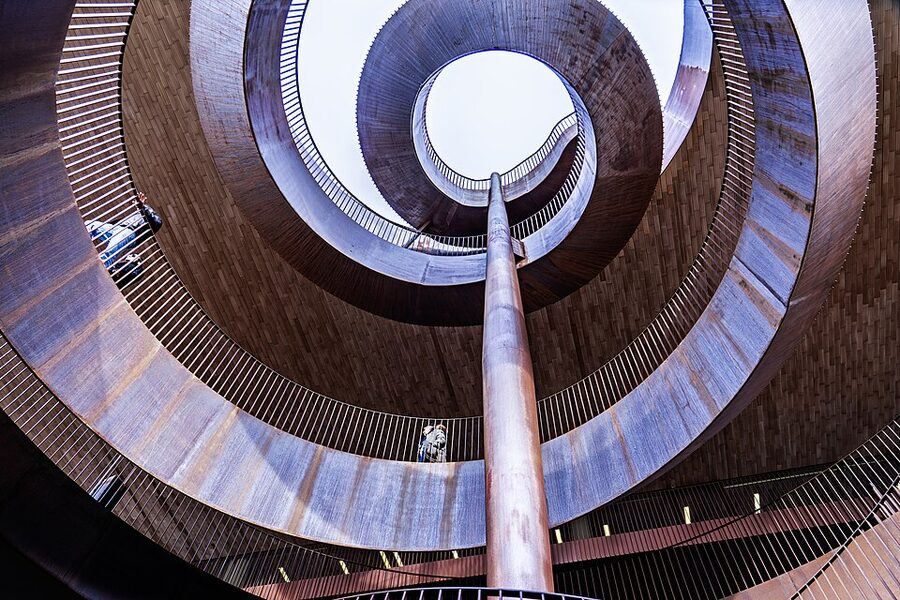
The first stop sets the tone. On the Walkabout-style safaris this is usually a working family estate with a cellar carved into a hillside. Expect a tour of the fermentation room, a peek at the barrel cellar, and a tasting that includes a young Chianti, a Riserva, and often a Super Tuscan or a sweet Vin Santo at the end.
Don’t try to take notes. The information overlaps anyway. Ask which wines are made entirely from Sangiovese and which are blends. That’s the only fact that really matters for tasting.
The Olive Oil Stop
Most safaris include an olive oil tasting somewhere in the middle. It might be at the same estate as the wine, or it might be a quick detour to a separate frantoio (mill). Either way it breaks up the alcohol and resets your palate.
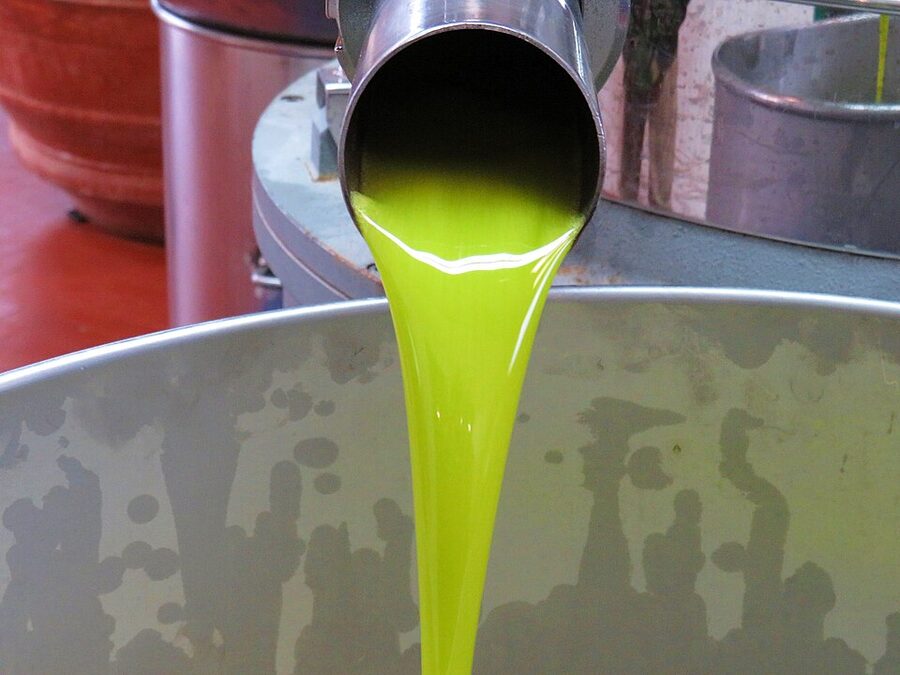
Tuscan olive oil tastes like nothing you’ll buy at home unless you go out of your way. It’s grassy, peppery, and bitter at the back of the throat. That bitter kick is a sign of fresh polyphenols. Supermarket oil has lost it.
Lunch, Cheese, and the Long Table
This is the part everyone remembers. Lunch on a Chianti Safari is rarely a sit-down restaurant menu. It’s a long shared table on a vineyard terrace, sometimes inside an old fattoria, with bowls of pasta, boards of cured meat, and pecorino at every age you can imagine.
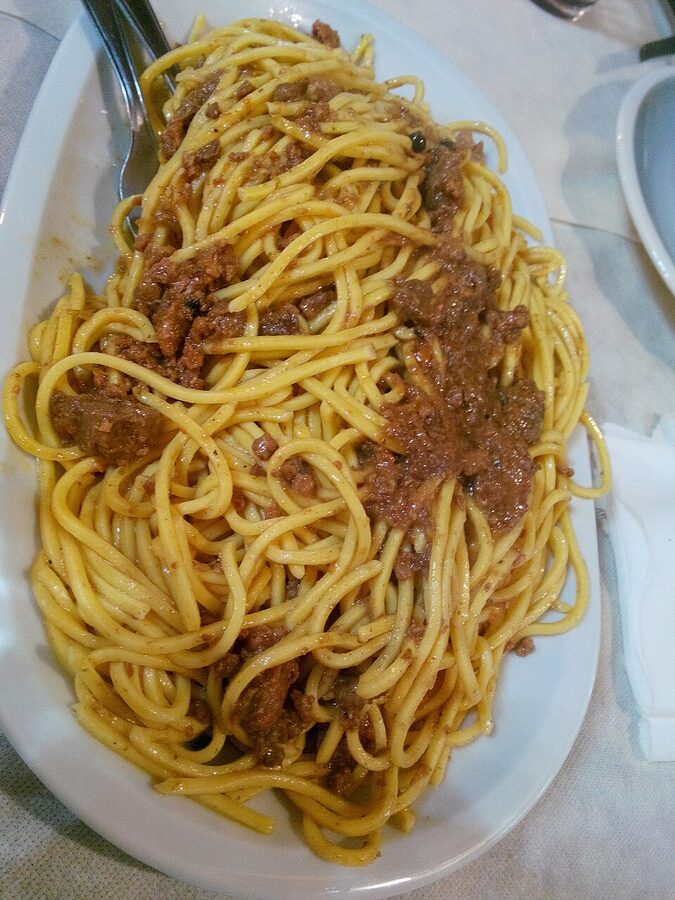
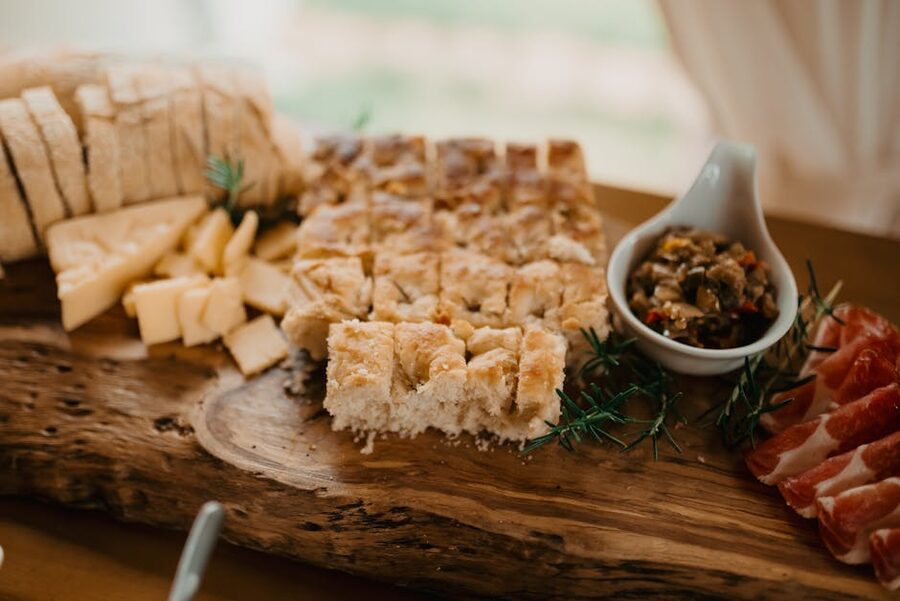
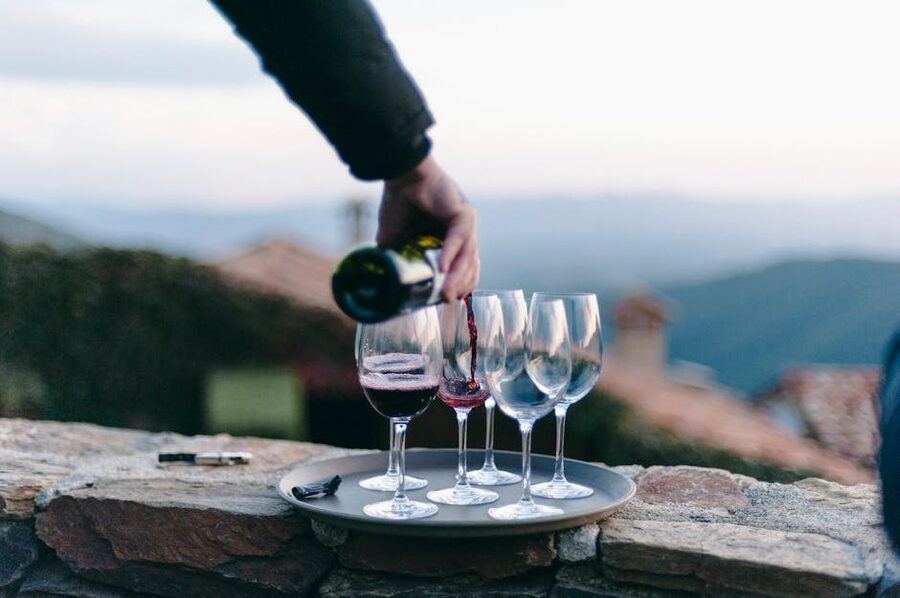
The wine at lunch is usually the estate’s main Chianti Classico, served by the carafe. It’s the closest thing to drinking with locals you’ll do all day. Don’t over-think the pairing. They’ve thought it through.
The Three Tours Worth Booking
I’ll be direct. The “safari” label gets used loosely. Some operators stretch it to mean any wine tour with a 4×4 photo on the website. These three are the actual ones, sorted from most-booked to most-private.
1. Chianti Safari: Tuscan Villas with Vineyards, Cheese, Wine & Lunch From Florence: $157
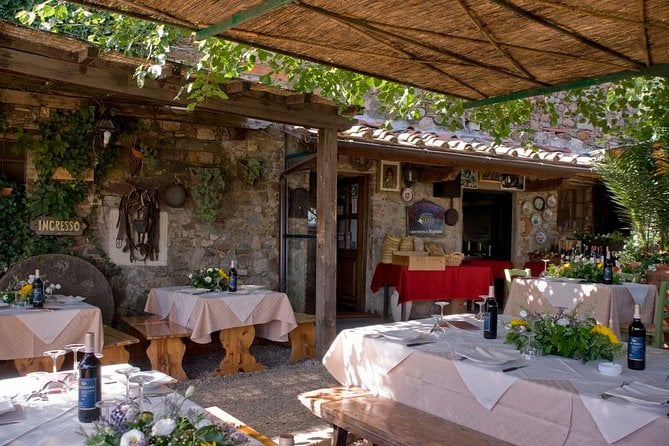
This is the version most people book and the one I’d point a first-timer to. You get the 4×4 minibus, two villa-and-vineyard estates, the olive oil tasting, and a long lunch with cheese, charcuterie, and pasta. Our full review of the Tuscan Villas Safari goes deeper on the routing and what each stop covers. The pace is relaxed. Group sizes are small. It’s the highest-volume Chianti Safari from Florence for a reason.
2. From Florence: Chianti Wine and Food Tasting Safari: $255
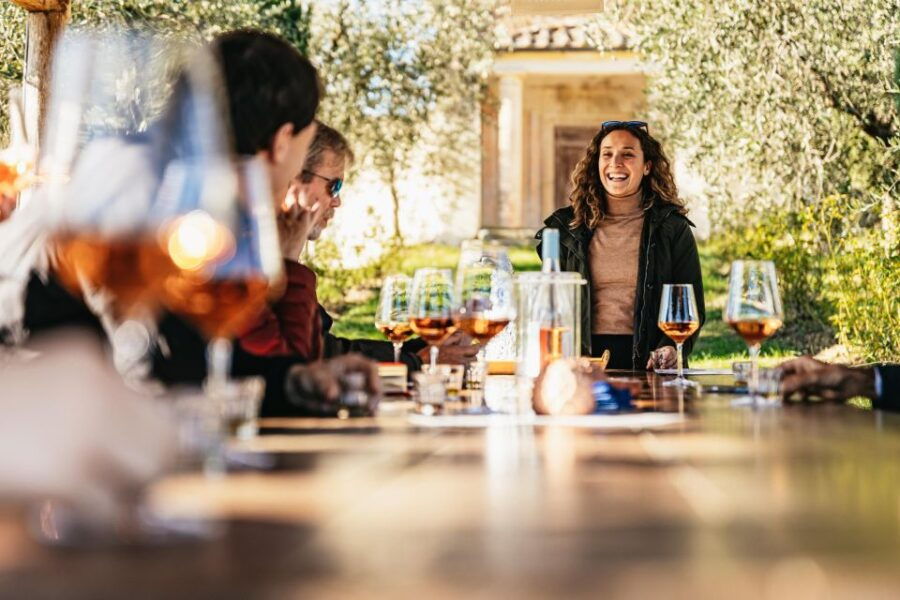
This one runs longer (about 10 hours), and the small-group format usually maxes at eight people. You hit two estates plus the olive mill. Worth picking if you want a more food-led day. Our full breakdown of the Wine and Food Safari covers the lunch course-by-course. The price is higher because the group is smaller and the route is more bespoke.
3. Private Chianti Safari: Off-Road Tuscany Wine Tour With Lunch From Florence: $590
Book this when you’ve got a small group and don’t want to share the day. The 4×4 is yours. The schedule flexes. The guide-by-name praise (Fabian gets a lot of love in our DB) tells you the per-guest experience runs hot. Our private safari review covers when the math actually works versus the small-group option.
Booking and Pricing
Prices land in a fairly narrow band. The shared safaris with lunch sit between $150 and $280 per person. Private safaris start around $400 per person and go up to $700+ for premium operators with bigger inclusions. Private rates almost always include lunch and tastings; sometimes they also include a swing through a hilltop village like Greve or Castellina.
Three pricing things worth knowing:
- Cancellation policy. Most safaris are free-cancel up to 24 hours before. Read the fine print on the private versions. A few operators want 72 hours.
- What’s included. Lunch is almost always in. Olive oil tasting is in on most safaris but not all. Hotel pickup outside the historic center sometimes costs extra.
- Currency. Viator and GetYourGuide quote in your home currency, but the actual booking is in euros. Card surcharges can add 1 to 3 percent. Worth checking your card’s foreign-transaction policy first.
If you’re booking a private safari for four or more people, message the operator before you book. Most will customize the route (extra stop in Castellina, or a Brunello detour out of zone) for the same price. They just need lead time.
Who Should Book a Safari (and Who Shouldn’t)
Three quick gut checks:
Book a safari if you’ve got at least one full day to give to wine and food, you don’t mind a 6 to 8-hour day, and you want the route to feel less like a coach line and more like a friend showing you around. Couples and small friend groups (3 to 5 people) get the best ratio of intimate-feel to shared cost.
Skip the safari if motion sickness on gravel is going to be an issue, if you’ve got young kids who’ll burn out before the second stop, or if you only have a half-day. The half-day version of a Chianti wineries tour is a better fit when time is tight. There’s also nothing wrong with sitting in Florence and doing a Florence pasta-making class and a sunset walking tour instead. Different rhythm, no driving, plenty of food.
Pickup Logistics: ZTL, Hotels, and the Meeting Point
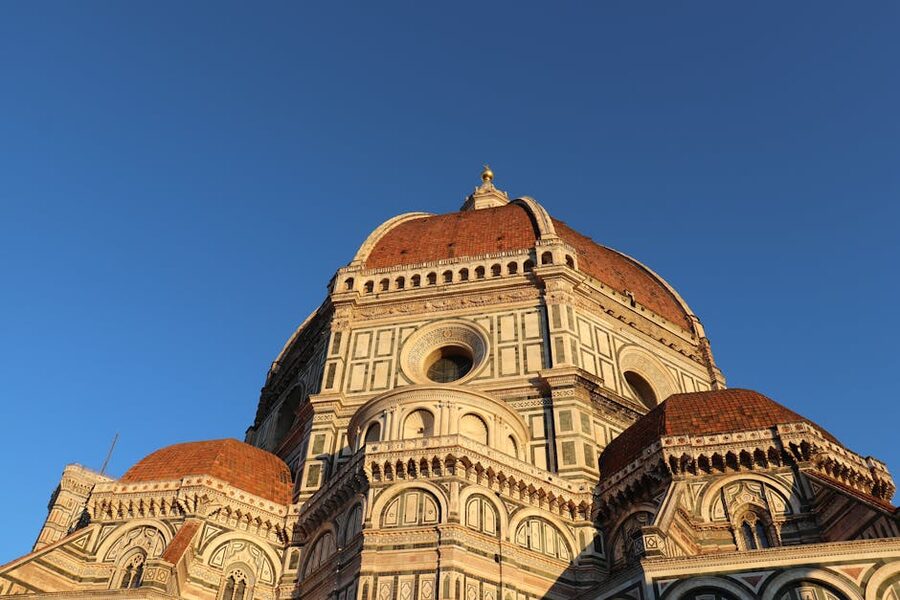
Florence’s historic center is a Limited Traffic Zone (the ZTL) and tour operators can’t drive a 4×4 minibus into it. That’s why most safaris use a meeting point a few blocks south of the Duomo, usually near Piazza Mentana or just outside the Arno bridges. From most central hotels it’s a 10 to 15-minute walk.
If your hotel sits outside the ZTL, the operator might offer hotel pickup for a small surcharge. The Walkabout-style safaris pickup from a list of agreed-on hotels north of the city; the GetYourGuide version usually runs from a fixed central meeting point. Worth checking before you book.
One more pickup tip: if you’re walking to the meeting point, leave 20 minutes’ buffer. The streets between Santa Maria Novella and Ponte Vecchio are narrow, the GPS confuses pedestrian and vehicle routes, and the espresso queue at any decent bar adds another 5 minutes. Better to be early and watch the city wake up.
When to Go
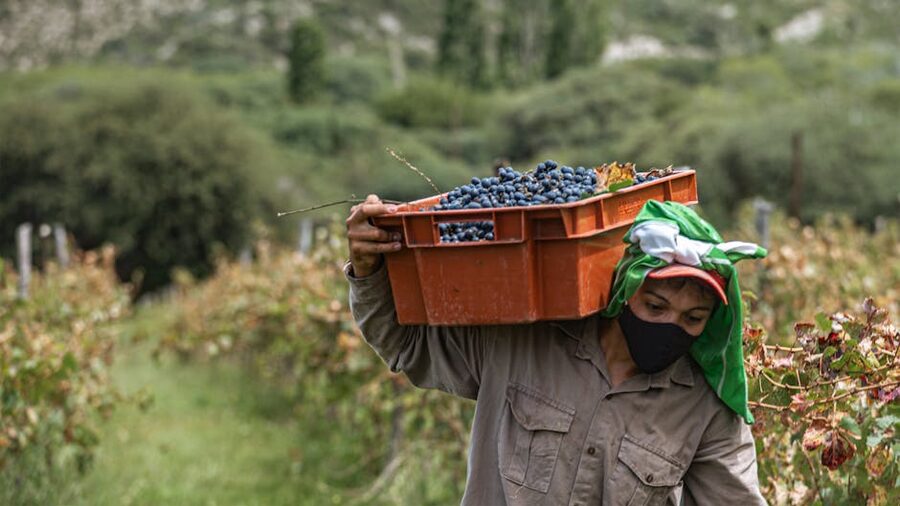
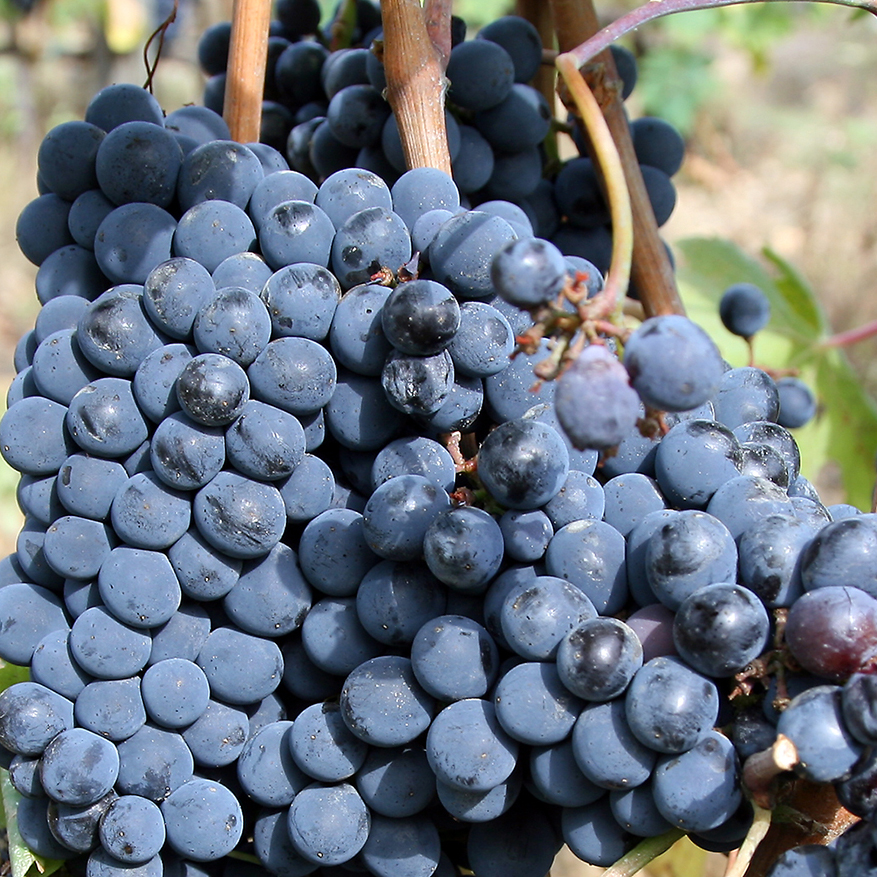
September and October are also strong. Harvest happens between roughly the second week of September and mid-October depending on the vintage. If you can time it for harvest, you’ll see crates of grapes coming into the cellar and the smell is unforgettable. Just book early. Harvest weeks fill up.
Skip the first three weeks of August. Florence in August is brutal heat, and a lot of family-run wineries close for the ferragosto holiday window. The big commercial ones still run, but the experience is thinner.
What You Actually Drink
Knowing the basics ahead of time makes the tastings more useful. Here’s the short version, no jargon.
Chianti. The base appellation. Made from at least 70% Sangiovese, often more. Light to medium body, bright acidity, cherry and herb on the nose. Drink young, usually within five years.
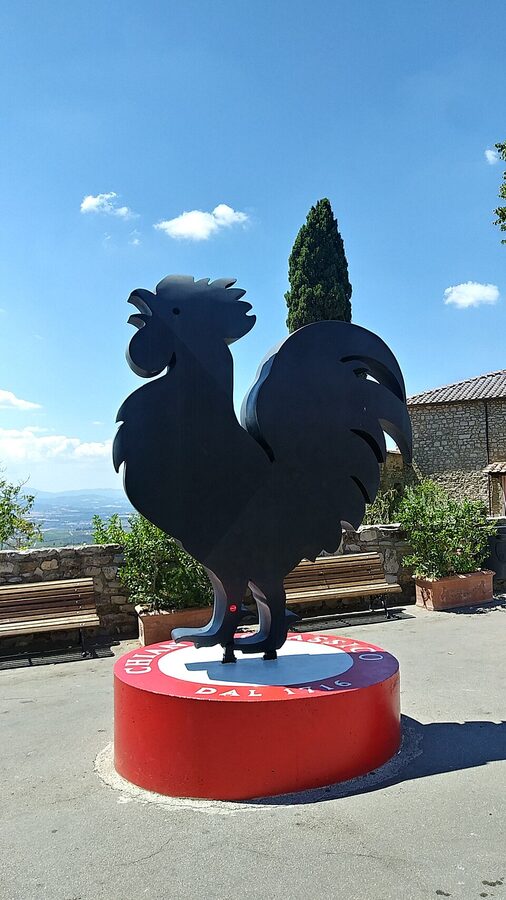
Chianti Classico. The strict zone between Florence and Siena, marked by the black rooster (Gallo Nero) seal on the neck of the bottle. Higher minimum Sangiovese percentage (80%), tighter rules. Most safaris stay inside this zone.
Riserva. Aged at least 24 months total, three of those in bottle. Bigger structure, more tannin, longer finish. The serious bottle on most tasting flights.
Gran Selezione. Top tier of Chianti Classico, single-estate fruit, aged 30+ months. You’ll usually only taste one of these on a safari, often as the closing pour.
Vin Santo. The sweet “holy wine” served at the end with cantucci (almond biscotti) for dipping. Don’t skip it. Even people who hate sweet wine often like Vin Santo because it’s nutty and oxidative rather than sticky.
What to Wear and Pack
The 4×4 minibus has air-con, but the cellar is cold and lunch is usually on a terrace in the sun. Layers help. A few practical things:
- Closed-toe shoes. The cellar floors are uneven and the gravel between the parking and the building is loose. Sandals work for summer but not great for the vineyard walks.
- Sunglasses. The light off the white-gravel roads is brutal in summer.
- A small bag for buying wine. Most safaris stop somewhere with on-site sales. You can’t reasonably carry a case home, but a couple of bottles fits in checked luggage with bubble wrap.
- Cash for tips. The tour itself is paid online, but tipping the driver-guide $10 to $20 per person at the end is normal and appreciated. Cash is easier than asking them to add it to a card.
Greve, Castellina, and the Hilltop Stops
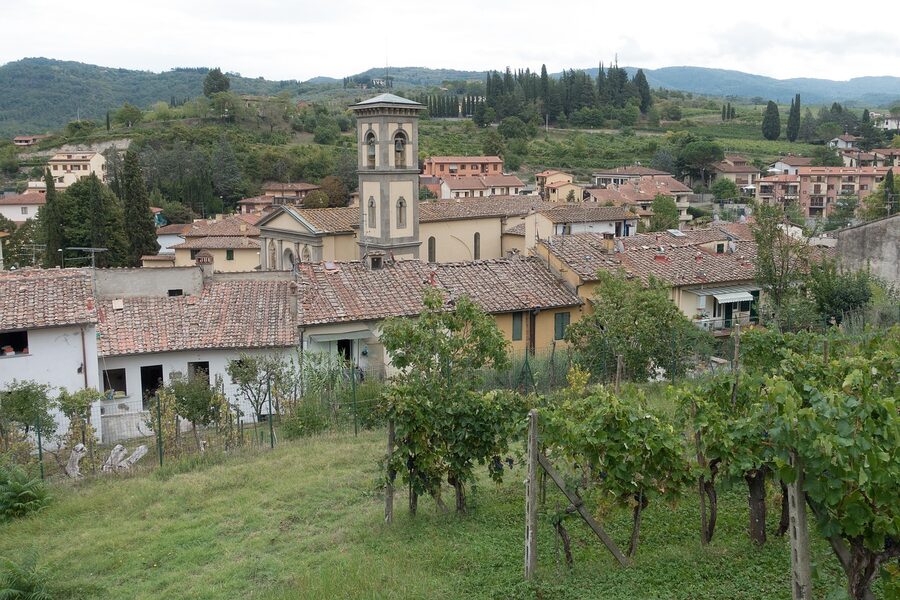
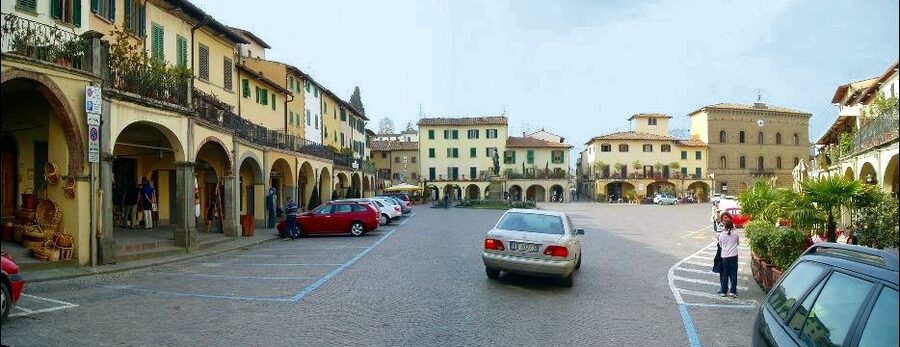
Some safaris add a 30-to-45-minute village stop to break up the driving. Greve in Chianti is the most common. The triangular Piazza Matteotti is small enough to walk in 10 minutes, and you can pop into the Antica Macelleria Falorni for salami tasting if your guide gives you time.
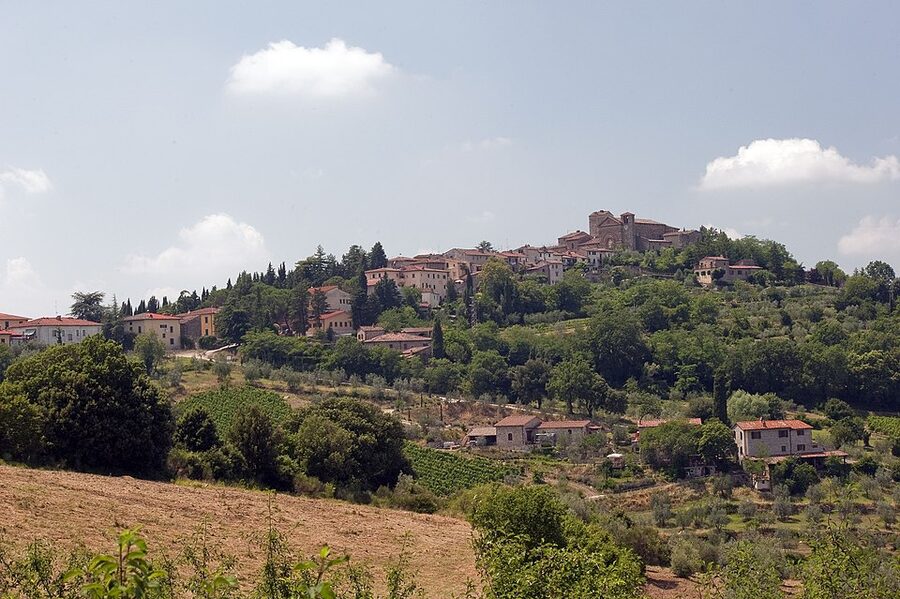
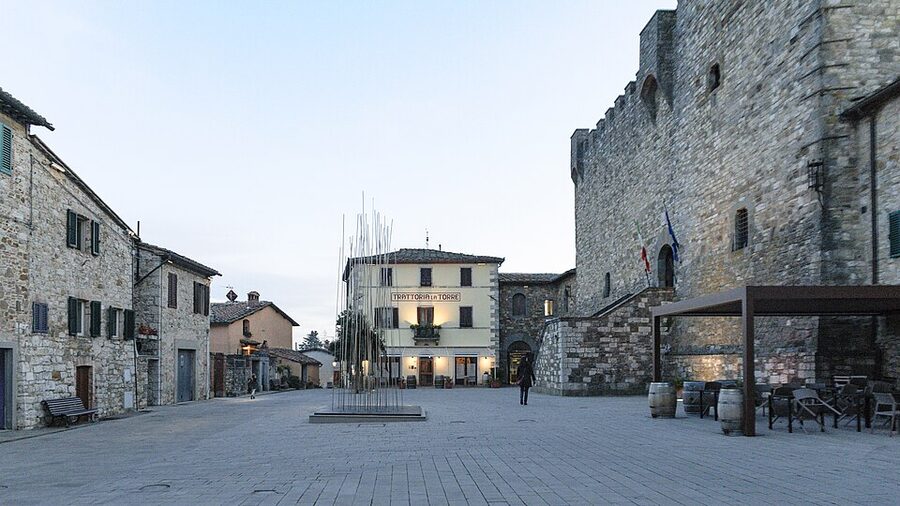
Castellina in Chianti is the other common stop, deeper into the zone. The town walls, the rooftop bar at La Rocca, and the Etruscan tombs just outside town are all worth a wander. Most safaris don’t go this far, but the private ones often will if you ask.
Where the Safari Falls Short
Two things to watch for here.
First, the 4×4 hype is real but limited. You’re not bouncing through wilderness for eight hours. Most days have maybe 30 to 60 minutes of actual off-road driving total. The rest is paved or gravel-but-flat. If you’re picturing a desert rally, dial it back.
Second, the wineries are not always small artisan producers. Some safaris stop at properties that have built whole tour pavilions for the trade. You’ll still get good wine and good food, but it can feel a notch closer to a production line than a private cellar visit. The Walkabout-style tours (the original Chianti Safari) tend to do better here. So do the small-group GetYourGuide versions.
Alternatives if You Want Something Different
The safari format isn’t for everyone. Three options if you want a different angle on Chianti.
If you want a half-day instead of a full one, look at the standard Chianti wineries tour from Florence. Same wines, no off-road bit, back in the city by mid-afternoon. Good if you’ve already got dinner plans.
If you want to combine Chianti with the bigger Tuscan landmarks, the Tuscany day trip from Florence covers Pisa, Siena, and San Gimignano with a Chianti winery stop in between. It’s more rushed but you tick four boxes in one day.
If you’re staying multiple days and want to slow down, skip the safari and rent a car. Drive to Greve, eat at La Cantinetta di Rignana, sleep at a small agriturismo, and do tastings on your own schedule. That’s the real Chianti experience. The safari is a great two-thirds version of it.
Pairing the Safari With the Rest of Your Florence Trip
A Chianti Safari is the kind of day that needs a buffer on either side. Don’t book it on the same day as a long museum visit. Two practical ways to plan around it:
Day before: something easy in town. The Uffizi Gallery works because you can do it in the morning and rest before dinner. Or get a feel for the city’s layout with a Florence hop-on-hop-off circuit. Either way you’ll be fresh for the safari.
Day after: nothing physically demanding. You’ll have eaten and drunk a lot, and you’ll appreciate something gentle. The David at the Accademia is a 90-minute visit and you can be in and out before lunch. Then go home and nap.
If you’ve got more days and want to range further, the Cinque Terre day trip from Florence is the obvious counterpoint to a Chianti day. One is about wine and the inland landscape, the other is about coast and crowded fishing villages and a long train ride. Doing both in the same trip gives you a fuller picture of what’s reachable from Florence in a single day.
More Tuscany and Florence Day-Trip Reading
If a Chianti Safari is one piece of your Tuscany planning, a few neighbors make obvious next stops. The Cinque Terre day trip from Florence goes hard the other direction (coast, hiking, train hops) and pairs well with a wine day. Florence itself deserves at least a day inside the city walls; our Uffizi guide and the Florence Duomo guide cover the two big tickets you’ll want to book in advance. And if Chianti gets you in the mood for more cellars, the longer-format Tuscany day trip from Florence stitches Pisa, Siena, and San Gimignano into one day with another vineyard stop on the way back.