Tokyo’s temple lanes, Kyoto’s orange torii gates and Osaka’s late-night food stalls make a lively first trip to Japan. This eight-day route links three very different cities by metro, coach and bullet train, with a stop in Nara available as an optional half-day trip.
I like the mix of guided orientation and open time, which gives you a useful start in each city without filling every hour. I also like the chance to ride the bullet train to Kyoto and see Mount Fuji if the weather cooperates. The trade-off is pace: eight days means a quick survey, not a slow stay, and several cultural activities cost extra.
- Japan in a Week: key points
- A fast route through three very different cities
- Tokyo begins at temples, fashion streets and a famous crossing
- Tokyo’s open day is yours to shape
- The bullet train links Tokyo with Kyoto
- Kyoto gives you temples, gardens and a choice of Nara
- Osaka closes the week with food and free time
- What the price covers, and what to budget
- Getting there, seasons and small practical points
- Who should book this Japan tour?
- FAQ
- How long is Contiki’s Japan in a Week tour?
- What cities and destinations are included?
- Who can join the tour?
- Is the tour guided in English?
- What accommodation is provided?
- Are meals included?
- Are international flights and airport transfers included?
- Is travel insurance included or required?
- How much should I budget for extra spending?
- The Best Of Tokyo!
- More 7-Day Experiences in Tokyo
- More Tours in Tokyo
- More Tour Reviews in Tokyo
- Not for you? Here's more nearby things to do in Tokyo we have reviewed
Japan in a Week: key points
 1 / 6
 2 / 6
 3 / 6
 4 / 6
 5 / 6
 6 / 6
- Tokyo to Osaka in eight days: The route includes Tokyo, Kyoto and Osaka, with an optional half-day excursion to Nara.
- A real bullet train transfer: Ride from Tokyo to Kyoto, with a possible view of Mount Fuji along the way.
- A useful first-day orientation: Visit Senso-ji, Meiji Jingu, Harajuku, Nakamise Street and Shibuya Crossing with guided elements.
- Free time with paid choices: Nara, a tea ceremony, a kimono outing and other activities can add interest, but they add to the bill.
- Ages 18 to 35 only: The group stays together from Tokyo to Osaka, with a stated size of 8 to 50.
- Three hotel bases: Stay in Tokyo, Kyoto and Osaka, with hotels described as three-star and twin-share typically.

👉 See our pick of the 25 Best Guided Tours In Tokyo
A fast route through three very different cities
This trip is built for a first look at Japan, not a deep stay in any one place. You get three nights in Tokyo, three in Kyoto and one in Osaka, then finish on Day 8. That structure gives you enough time to sample landmark sights, but not enough to see every district or museum at an unhurried pace.
A Trip Manager accompanies the group, and the tour is guided in English. The group is for people aged 18 to 35, with a stated range of 8 to 50 people. If you are travelling solo, the same group remains together from the Tokyo start to the Osaka finish, which can make shared meals and free-time plans easier to arrange.
The physical rating is low intensity, but expect walking, stairs and time on public transport. Japan’s cities reward comfortable shoes and a little patience with station signs. The tour includes metro travel on some outings, but you should expect to use your own initiative during free time.
You can also read our reviews of more tours and experiences in Tokyo


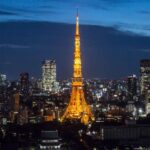
Tokyo begins at temples, fashion streets and a famous crossing
Day 1 is for arrival, meeting the group and settling in. There is no scheduled sightseeing, so your evening can be a quiet reset or a first walk nearby. Your listed Tokyo hotel is Daiichi Ryogoku Hotel or a similar property, used for the first three nights.
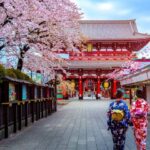
Day 2 is the tour’s main Tokyo orientation. You visit Asakusa Senso-ji, a major Buddhist temple, then Meiji Jingu, a Shinto shrine set among trees. These places give you two different windows into Japanese religious life. Take time to notice the shift in mood between the temple grounds and the shrine approach, rather than treating both as quick photo stops.
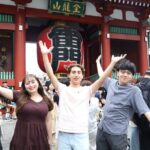
The group also visits Nakamise Street, a shopping lane near Senso-ji, and Harajuku, known for fashion and youth culture. The contrast is part of the appeal: traditional souvenirs and temple customs sit within reach of Tokyo’s modern style scene. A local guide leads the Harajuku portion, while the day’s schedule also includes the famous Shibuya pedestrian crossing.
Shibuya Crossing is more spectacle than solemn landmark, but it is a memorable way to feel the city’s scale. The supplied schedule does not promise a specific visit time, so do not count on catching the busiest rush-hour moment. You can return on your own if you want to watch the crossing at a different hour.
Dinner is not included as a set meal. An optional izakaya dinner is listed at ¥3,800, and an Odaiba hot spring visit is listed at ¥2,580. Check current availability and prices before departure, since listed amounts can change.
Tokyo’s open day is yours to shape
Day 3 has no fixed sightseeing, a welcome breather after the guided city day. You could seek out anime shops and museums, spend time in a park, or explore another neighborhood. Akihabara is named as an optional stop, with a Maid Cafe visit available as an experience.
A robot cafe is another optional outing. The description says robots deliver drinks and each table has an avatar guests can talk to, piloted by people with disabilities who cannot work in a traditional setting. That gives the activity a social purpose beyond the novelty. Confirm the current format and cost before you commit, since no price is listed.
This free day is one of the tour’s better design choices. You can match the pace to your interests, though independent exploring means planning your own routes and covering your own transport and meals. The tour advises topping up a transport card before heading out.
The bullet train links Tokyo with Kyoto
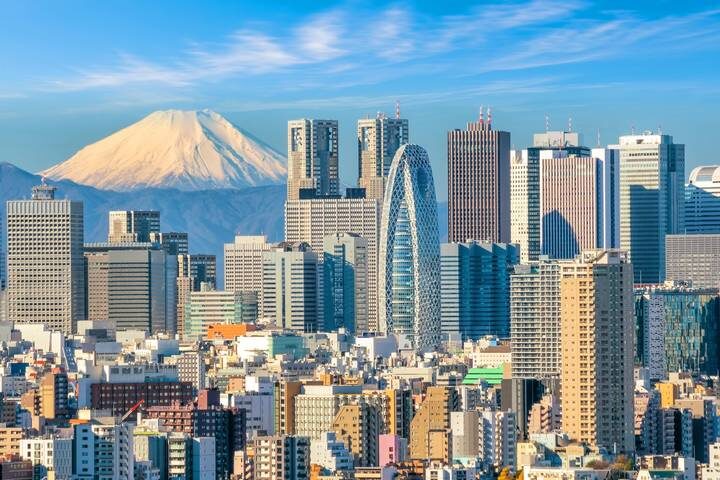
Day 4 is a major change of scene. You take the bullet train from Tokyo to Kyoto, then travel by private coach for sightseeing. A Mount Fuji view is possible from the train, weather permitting, but it is not guaranteed. Keep your camera ready, but do not build the day around a promised mountain sighting.
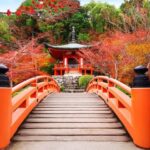
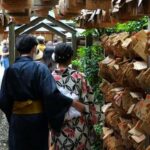
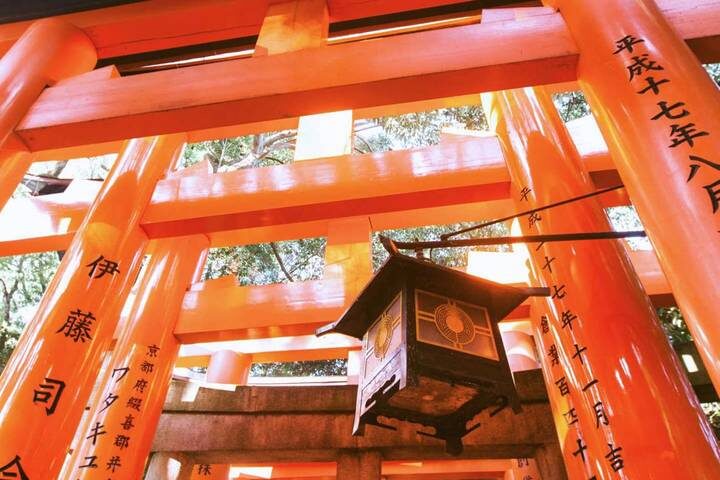
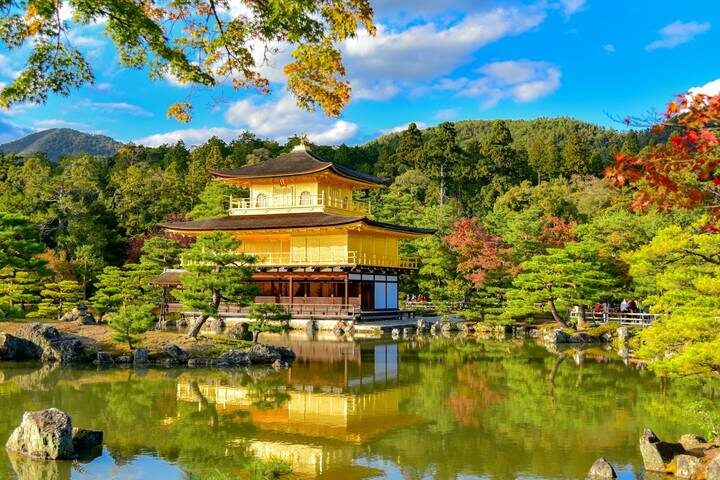
The Kyoto coach tour includes Kinkaku-ji, the Golden Pavilion, and Fushimi Inari Shrine, famous for its long paths of orange torii gates. These are two of Kyoto’s best-known sights, and seeing them on the transfer day saves you from arranging separate transport. The downside is that the day combines a long intercity transfer with sightseeing, so it may feel full.
You stay at Ibis Styles Kyoto Station or a similar hotel for three nights. Being near the station can be handy for independent trips, though the exact hotel may vary. The tour does not provide a named guide, but a Trip Manager accompanies the group throughout.
Kyoto gives you temples, gardens and a choice of Nara
Day 5 is open for Kyoto at your own pace. You can spend the day among gardens, temples and historic sites, or take the optional half-day trip to Nara. The Nara outing is listed at ¥4,200 and includes the chance to see the Great Buddha, an eighth-century bronze figure, as well as shrines, temples and free-roaming deer.
Nara is a worthwhile choice if you want more than a quick city sampler. It adds another destination and a major religious landmark, but it uses time that could otherwise go to Kyoto. If you already have a strong Kyoto wish list, staying in town may be the better call. The tour description does not specify the exact Nara schedule or transport details, so check those before booking the extra.
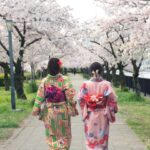
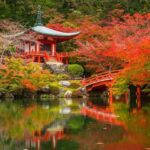
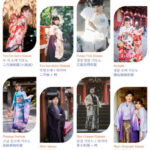
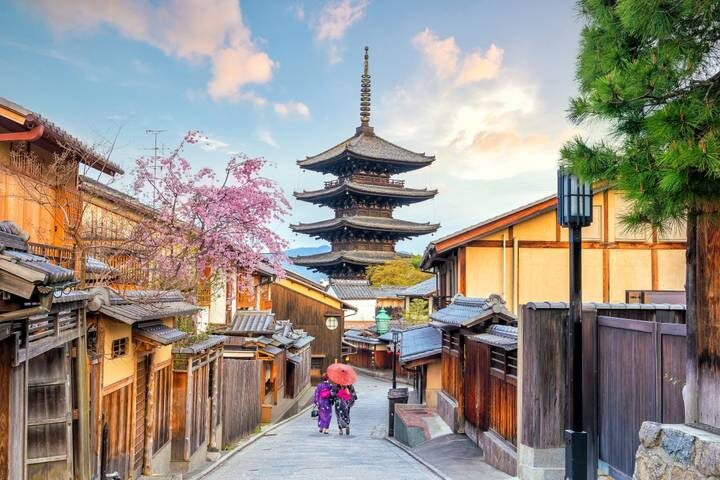
Day 6 includes the chance to wear a kimono and visit a bamboo forest, with Yasaka Pagoda and Gion also named as sights. Gion is a historic district where you may see geisha heading to evening appointments, but that is never something to count on. Treat it as a place to walk respectfully, not a performance staged for visitors.
A traditional tea ceremony with matcha is another optional activity. It can add context to a drink you might otherwise encounter only as a menu item. The supplied details do not give its price or exact duration, so ask for those before setting your budget. This day offers a welcome cultural counterpoint to Tokyo’s fast-moving streets, though several of its most distinctive activities are optional rather than guaranteed inclusions.

Osaka closes the week with food and free time
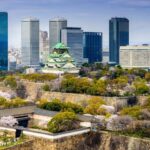
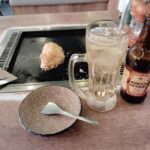
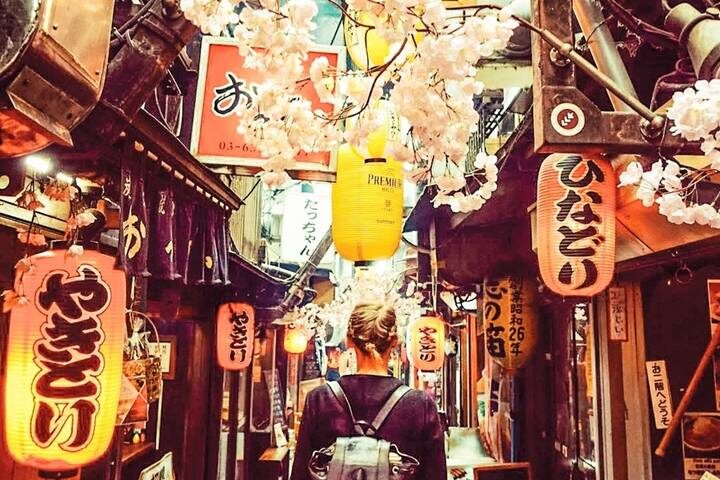
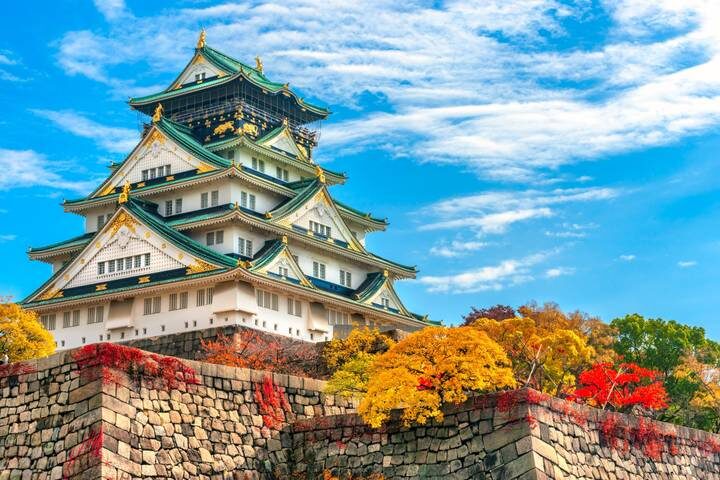
On Day 7, you travel from Kyoto to Osaka by metro and have the rest of the day to explore. An optional walking tour covers key sights and offers a structured introduction to the city. The overview points to Dotonbori and Osaka’s street-food culture, a good reason to leave room in your evening for a meal and a wander.
The single night in Osaka is brief. You will have time to get a taste of the city, but not a full day after waking there. The listed hotel is Ibis Budget Osaka Umeda or a similar property. On Day 8, breakfast and farewells mark the end of the tour. If you stay longer, Universal Studios Japan and more of Osaka’s food and cultural sights are possible, but those extra days are your own arrangement.
What the price covers, and what to budget
The advertised starting price is from $1,819. One listed departure, April 4 to 11, 2026, is priced at $1,876.72 per person. Prices vary by date and room basis, so use the fare for your chosen departure when judging value.
The package includes hotel accommodation, in-country transport on scheduled tour legs, a Trip Manager and some meals. It does not include international flights, travel insurance, optional activities or all other meals. Travel insurance is stated to be compulsory for Contiki Asia trips, even though it is not part of the tour price.
There is an important detail to verify before paying: the general inclusions say three breakfasts, while the daily schedule lists breakfast on Days 2 through 8. Ask Contiki which meals are included for your departure and use the confirmed answer when budgeting.
A suggested minimum daily spending budget is $80 USD. The supplied price guidance gives approximate examples of ¥600 to ¥1,200 for noodles or ramen, ¥2,500 for a sushi meal, and ¥1,000 to ¥2,000 for museum tickets. Those figures can change, and your spending will depend on how many optional outings, snacks and shopping stops you choose.
Listed extras include the Nara trip at ¥4,200, an izakaya dinner at ¥3,800 and an Odaiba hot spring visit at ¥2,580. A Samurai Experience is also listed at ¥8,500, though it is not assigned to a specific day. The kimono outing, tea ceremony and some other optional activities have no stated price. Add those costs to the headline fare rather than treating them as small surprises.
The value is strongest if you want a ready-made route, hotels and intercity transport without organising each connection yourself. You pay for convenience and a built-in group, not for an all-inclusive holiday. A single written rating gives the tour 5 out of 5 and says Contiki delivered a 10 out of 10 experience. The displayed category scores are especially high for itinerary, guide and accommodation, while transport is lower. That is encouraging, but the written feedback sample is just one review, so treat it as a useful signal, not a guarantee.
Getting there, seasons and small practical points
The tour starts in Tokyo and ends in Osaka. Airport transfers are not included. From Narita or Haneda, the recommended route to the Tokyo hotel is by train, with an estimated journey of one to two hours. For Kansai International Airport, a bus to the hotel area is recommended, with an estimated trip of about 45 minutes. Taxis are described as expensive in both cases.
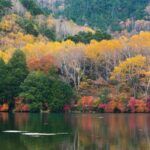
Departures are listed from March through November. The supplied seasonal advice points to April and May for cherry blossoms, June and July for a chance to see Mount Fuji and summer fireworks, and August through November for autumn colour and cooler weather. Those are broad windows, not promises: blossom timing, foliage and mountain visibility depend on conditions.
Japan can be cool in winter, with temperatures given as 1 to 7°C from October through April. Pack comfortable clothes and shoes, and bring warmer layers if your dates fall in the cooler months. Tipping is generally not customary in Japan; some restaurants may add a service charge of 10 to 15 percent, so check the bill rather than adding a tip automatically.
Who should book this Japan tour?
Book it if you are 18 to 35, want a social group setting and value having hotels, key transport and a Trip Manager arranged for you. It suits a first visit when you want Tokyo’s scale, Kyoto’s temples and a short taste of Osaka without building the route yourself.
Skip it if you want a slow, specialist stay in Kyoto or Osaka, need a family-friendly age policy, or prefer to control every hour. The tour has a fixed route, short city stays and optional costs that can add up. If that trade-off suits you, it is a practical introduction to Japan, with enough free time to make the week feel partly your own.
Japan in a Week 8-Day Tour by Contiki
“Contiki knocked it out of the park 10/10”
FAQ
How long is Contiki’s Japan in a Week tour?
The tour lasts eight days. It starts in Tokyo and ends in Osaka, with stays in Tokyo, Kyoto and Osaka.
What cities and destinations are included?
The route includes Tokyo, Kyoto and Osaka. Nara is available as an optional half-day trip from Kyoto.
Who can join the tour?
The tour is for ages 18 to 35. The stated group size is 8 to 50 people.
Is the tour guided in English?
Yes. The tour is listed as fully guided in English, with a Trip Manager accompanying the group.
What accommodation is provided?
The tour uses hotels described as three-star. Listed properties are Daiichi Ryogoku Hotel or similar in Tokyo, Ibis Styles Kyoto Station or similar in Kyoto, and Ibis Budget Osaka Umeda or similar in Osaka. Twin-share is typical.
Are meals included?
The general inclusions state three breakfasts, but the day-by-day schedule lists breakfast on Days 2 through 8. Confirm the meal allowance for your departure with Contiki before booking.
Are international flights and airport transfers included?
No. International flights and airport transfers are not included. The recommended airport routes are by train from Tokyo’s airports and by bus from Kansai International Airport.
Is travel insurance included or required?
Travel insurance is not included in the price. It is stated to be compulsory for Contiki Asia trips.
How much should I budget for extra spending?
A minimum of $80 USD per day is suggested. Optional costs include ¥4,200 for the Nara trip, ¥3,800 for an izakaya dinner and ¥2,580 for an Odaiba hot spring visit. Other activities and meals may also cost extra.