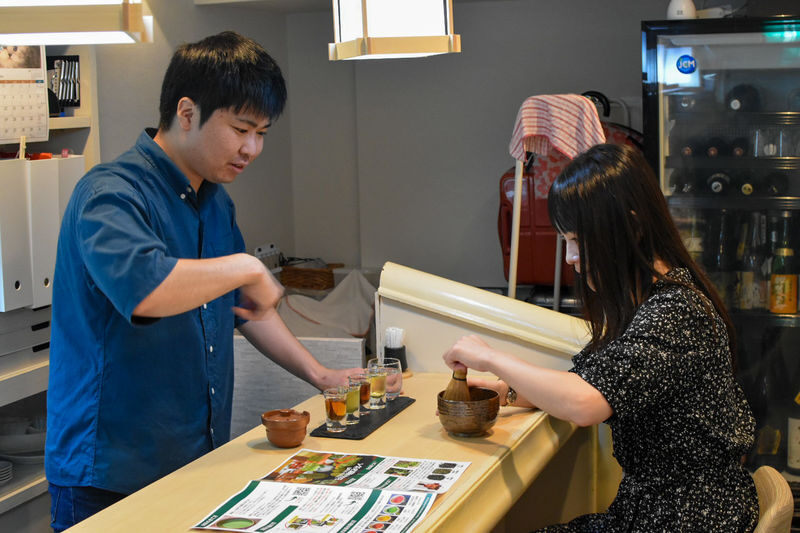
The most interesting part of this Asakusa experience is that you taste tea as well as learn how it is made. A former tea farmer guides you through the leaves, aromas, and brewing, then shows you how to whisk usucha matcha with a bamboo whisk.
I like two things about the format: you compare several sencha styles side by side, and the tasting includes an unusual bite of gyokuro leaves with ponzu. The host, named Chisei in one account of the experience, also makes the tea lesson personal rather than just a list of facts.
One practical consideration: the advertised duration is one hour, but the available start and return times suggest a session of about 90 minutes. Plan for the longer window, and check your selected time when booking.
- Key things to know before you go
- Tea tasting with more than a sip
- Reading the leaves before brewing
- Japanese black tea, sweets, and matcha
- A convenient Asakusa stop, with a timing caveat
- What the .79 starting price buys
- Who will get the most from this tasting
- Should you book the Asakusa tea experience?
- FAQ
- How long does the experience last?
- Where is the meeting point?
- How do I get to the cafe?
- What teas are included?
- Will I make matcha myself?
- Are snacks and drinks included?
- What is the cancellation policy?
- The Best Of Tokyo!
- More Food & Drink Experiences in Tokyo
- More Tours in Tokyo
- More Tour Reviews in Tokyo
- Not for you? Here's more nearby things to do in Tokyo we have reviewed
Key things to know before you go
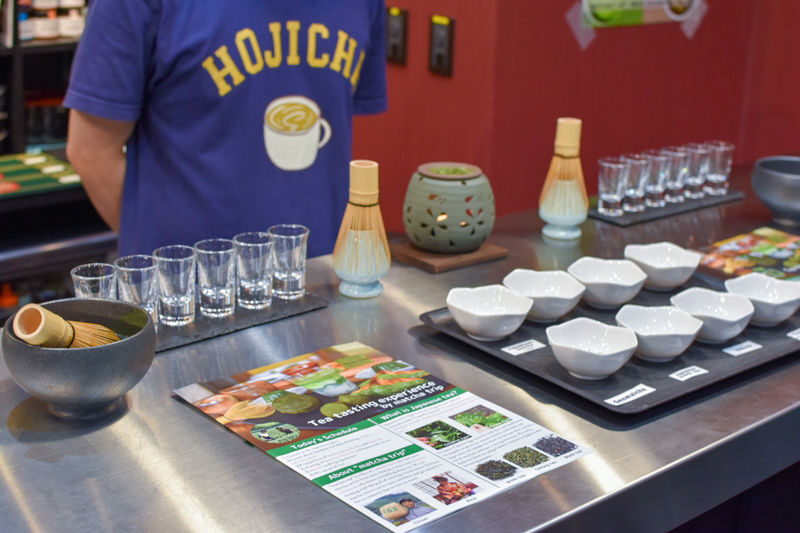
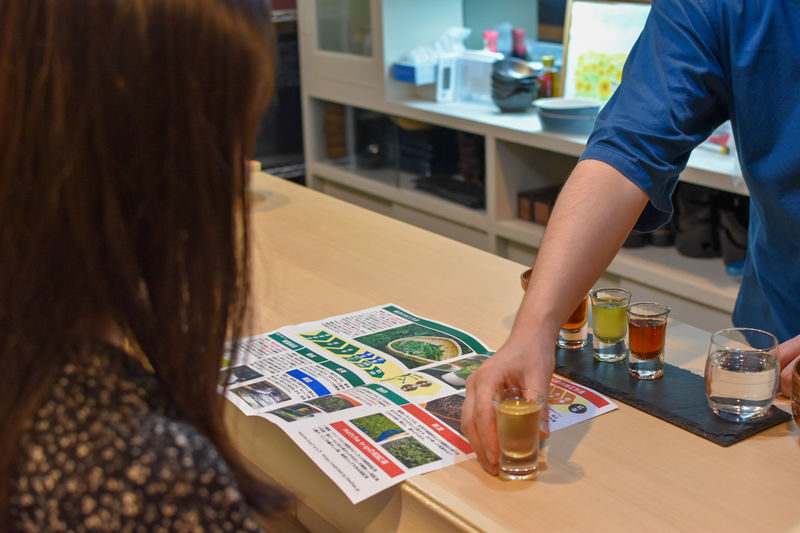
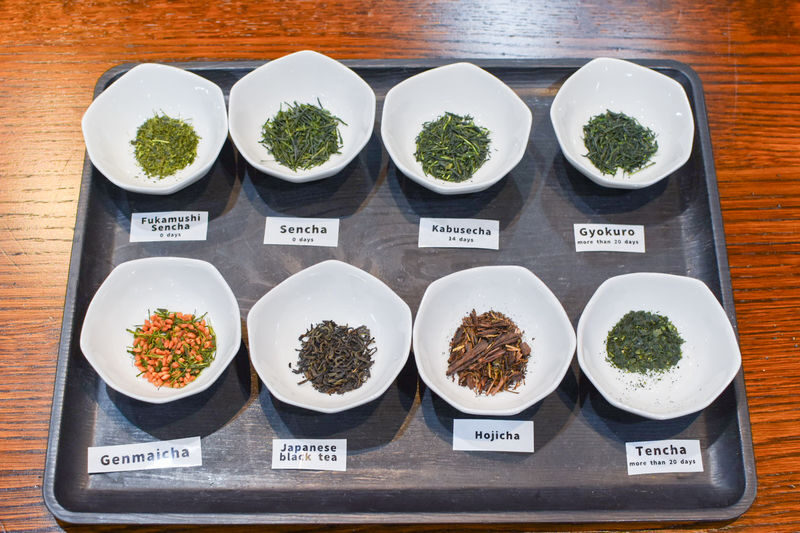
- Ten teas, with hands-on comparison: Look at tea-leaf color and shape, smell the leaves, then taste the brewed tea.
- Several sencha styles: The tasting names Fukamushi, Haruka, Midori, and Shizuku, alongside brown rice tea and hojicha.
- A farmer’s perspective: Learn about Japanese tea cultivation and processing from a former tea farmer.
- A small tasting surprise: Try gyokuro leaves with ponzu after drinking the tea.
- Matcha you can make again: Whisk usucha yourself and learn a method you can use at home.
- A central Asakusa meeting point: The cafe is on the second floor of Henn na Hotel, a four-minute walk from Tawaramachi Station.

👉 See our pick of the 25 Best Guided Tours In Tokyo
Tea tasting with more than a sip
This is a compact, guided introduction to Japanese tea, held at matcha trip’s cafe inside Henn na Hotel Asakusa Tawaramachi. The address is in Kotobuki, in Tokyo’s Taito City. You meet on the second floor, above the FamilyMart on the ground floor, and finish at the same cafe.
The experience promises ten kinds of Japanese tea, but the tasting notes describe six teas served in a focused comparison: four sencha styles, brown rice tea, and hojicha. Other parts of the session include a welcome drink, Japanese black tea, matcha, and gyokuro leaves. The exact ten teas served on a particular day are not specified, so it is sensible to think of this as a broad tasting rather than expect a fixed ten-item flight with every variety named in advance.
That range matters. Japanese tea is not one flavor in different packaging. Even within sencha, the named styles offer a chance to compare tea leaves with different appearances and aromas. You are asked to observe before brewing, then taste the finished tea. That simple sequence helps you notice how a leaf’s look and scent connect to what ends up in your cup.
I like that the session gives you time to compare rather than rush through a single ceremonial cup. It is designed for curious beginners, but you do not need prior tea knowledge to take part. The guide explains cultivation and processing while you taste, giving the flavors a useful context.
You can also read our reviews of more food & drink experiences in Tokyo



Reading the leaves before brewing
The tasting starts with a welcome drink and an introduction to the teas you will encounter. Then you compare the leaves before they are brewed, looking at their color and shape and noticing their aroma. It is a practical way to pay attention: your nose and eyes get involved before the first sip.
The session names four sencha styles: Fukamushi, Haruka, Midori, and Shizuku. They are served alongside brown rice tea and hojicha. The teas are prepared in ways intended to bring out their best qualities, so the point is not simply to sample six cups. You can compare how the leaves differ and what those differences mean in the cup.
A former tea farmer leads the explanation of cultivation and processing. That background can make this part especially useful if you have wondered why Japanese teas look or taste different, or how a tea leaf becomes the drink in front of you. The experience does not provide a detailed list of farming topics in advance, so expect a guided introduction rather than a technical seminar.
Then comes one of the session’s distinctive details: after drinking gyokuro, you try the tea leaves with ponzu sauce. It is a small but memorable change of pace, and it offers a taste of the leaf itself instead of treating it as something to discard once the water is gone.
Japanese black tea, sweets, and matcha
After the main comparison, the tasting continues with Japanese black tea and homemade tea sweets. This gives the session another flavor contrast and a pleasant pause before the matcha-making portion. Snacks and refreshments are included, though the specific sweets and welcome drink may vary.
You then make usucha, a lighter style of matcha, using a bamboo tea whisk. The hands-on lesson is the part you can take home most directly: you practice whisking matcha yourself and learn how to make it at home. If you have only watched a tea preparation before, holding the whisk and trying the technique makes the process easier to remember.
This is not described as a full-length formal tea ceremony. The emphasis is on tasting, learning, and making matcha, rather than a long ritual with a larger set of ceremonial steps. That distinction is useful when deciding what to book. If you want to understand Japanese tea and leave with a simple skill, the format fits. If your main interest is a formal ceremony, compare it with an experience specifically advertised around that tradition.
The host’s role matters here. The available feedback praises Chisei for engaging the group and explaining the different teas and matcha. Another account spells the name Cheisei, so the spelling is not entirely consistent, but the central point is clear: the host is part of the teaching, not just someone serving cups.
A convenient Asakusa stop, with a timing caveat
The cafe is about a four-minute walk from Tawaramachi Station on the Ginza Line and roughly a ten-minute walk from Kaminarimon in Asakusa. That makes it easy to pair with time in the area, especially if you are already visiting Asakusa on foot. Transport to the cafe is not included, so you will need to make your own way there.
The listed departure choices are 09:00, 11:30, and 13:30. You must arrive at the time selected when booking, and the instructions ask you to be there five minutes early. Late arrivals and no-shows are not refundable, so give yourself a little breathing room rather than aiming to reach the hotel at the last possible moment.
There is a small timing mismatch to keep in mind. The experience is described as one hour, but the return slots are 10:30, 13:00, and 15:30, each about 90 minutes after the corresponding start time. Since the schedule appears to allow 90 minutes, I would leave that much space in your plans and confirm the duration for your selected session.
The meeting point is on the second floor of Henn na Hotel, in the space identified as Sports Bar Leaf. Enter the hotel and go upstairs; the FamilyMart on the first floor is a useful landmark. You return to the cafe at the end, so this is a single-location activity rather than a walking tour.
What the $61.79 starting price buys
At a starting price of $61.79, this is more than a quick matcha demonstration. The fee covers an English-speaking guide, refreshments, snacks, a guided comparison of Japanese teas, and a chance to make matcha yourself. It also includes explanations of tea cultivation and processing from someone with experience as a tea farmer.
The value is strongest if you want context as well as a drink. You are not just handed a bowl of matcha and sent on your way: you compare leaves, taste several tea styles, learn about preparation, and try the whisking technique. The gyokuro leaf with ponzu is another detail that makes the session feel more like a tasting lesson than a standard cafe stop.
On the other hand, it is a one-off, indoor activity, and transport and personal expenses are not included. If you already know Japanese tea well, or only want to try matcha without spending much time on explanation, the price may feel high for a short session. The listed customer rating is 5.0 from two reviews, with praise focused on the depth of learning and the host’s engaging teaching. That is encouraging, though two ratings are too few to treat as a broad measure of consistency.
Children aged zero to two can join free, while children aged six and older pay the adult rate. The provided information does not say how pricing works for ages three to five, so check that point before booking for a child in that range.






Who will get the most from this tasting
I would choose this experience if you like understanding what is in your cup, not just photographing it. It suits first-time visitors who want a manageable introduction to several Japanese teas, matcha fans curious about preparation, and anyone looking for a seated activity in Asakusa.
It may also be a good fit if you are planning a longer stay in Japan and want to bring one practical idea home: how to whisk matcha. The tasting gives you several points of comparison, while the matcha lesson ends with something you can try again in your own kitchen.
The session is less suited to someone seeking a long, formal ceremony or a full-day excursion. It takes place at one cafe, lasts roughly an hour to an hour and a half depending on the confirmed schedule, and does not include transportation. If those limits work for you, it can be a thoughtful break between Asakusa’s larger sights.
The cancellation terms are straightforward: you can receive a full refund if you cancel at least 24 hours before the activity date, based on local time. If the operator cancels because of an unforeseen event or extreme weather, you can reschedule or request a full refund.
Should you book the Asakusa tea experience?
Book it if you want a guided tasting with real variety, a farmer’s perspective, and a matcha-making lesson you can repeat at home. The strongest reasons are the side-by-side tea comparisons, the unusual gyokuro-and-ponzu bite, and the chance to ask questions as you go.
Skip it if you are after a formal tea ceremony, need a tour that includes transport, or have only a tightly timed one-hour gap. For most curious tea drinkers, I would plan for 90 minutes and treat this as a compact, useful lesson in Japanese tea, not just a quick cup of matcha.
Matcha Experience with of Japanese Tea Tasting in Tokyo
“Truly fantastic tea tasting. Chisei was great at engaging us and introducing the different types of tea and matcha.”
FAQ
How long does the experience last?
The experience is described as one hour, while the listed departure and return times suggest about 90 minutes. Allow roughly 90 minutes and confirm the duration for your chosen session.
Where is the meeting point?
Meet at matcha trip on the second floor of Henn na Hotel Asakusa Tawaramachi, at 3-19-8 Kotobuki, Taito City, Tokyo. The cafe is identified as Sports Bar Leaf, and there is a FamilyMart on the first floor.
How do I get to the cafe?
It is a four-minute walk from Tawaramachi Station on the Ginza Line and about a ten-minute walk from Kaminarimon in Asakusa.
What teas are included?
The tasting includes ten kinds overall. The named teas include four sencha styles, Fukamushi, Haruka, Midori, and Shizuku, as well as brown rice tea, hojicha, and Japanese black tea. The full list of ten is not specified.
Will I make matcha myself?
Yes. You will use a bamboo tea whisk to make usucha matcha and learn a method you can use at home.
Are snacks and drinks included?
Yes. The experience includes refreshments and snacks, with a welcome drink, Japanese black tea, and homemade tea sweets described as part of the session.
What is the cancellation policy?
You can receive a full refund if you cancel at least 24 hours before the activity date, using local time. If the operator cancels due to an unforeseen event or extreme weather, you can reschedule or request a full refund.