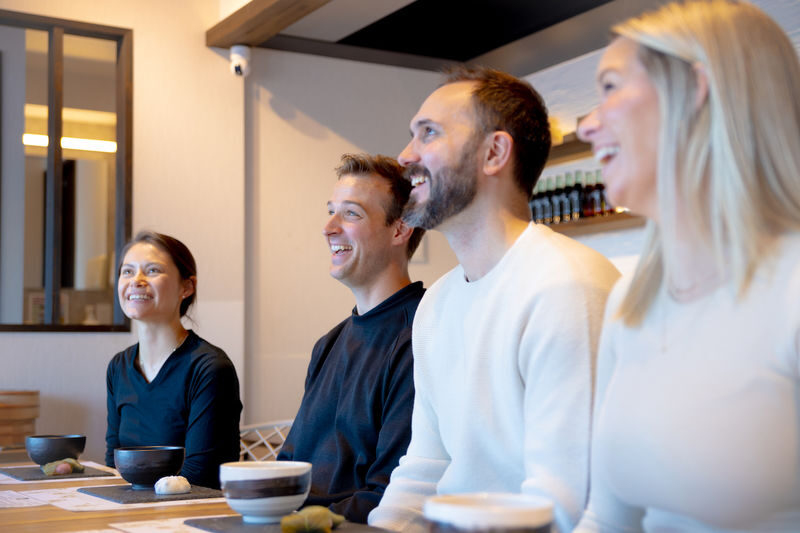
In the middle of Osaka, a matcha class offers a welcome change of pace from the city’s food stalls and neon streets. You’ll hear how matcha fits into Japanese tea culture, handle a traditional whisk, and make a bowl of tea yourself. It’s a hands-on introduction, not a formal tea ceremony.
I like two things in particular: you do the whisking yourself, rather than only watching a demonstration, and the class pairs the finished tea with Japanese sweets. The English-speaking instructors keep the lesson accessible, with a lighthearted quiz and practical explanations of matcha’s history and preparation.
One thing to plan for: the class is in a building near Dotonbori and Shinsaibashi, and finding the correct entrance and floor may take a little care. The meeting address is specific, so check it before setting off rather than trusting a map pin alone.
- What to know before you book
- A quiet pause near Dotonbori
- The lesson begins with matcha’s story
- From powder to a frothy bowl
- Japanese sweets make the tasting complete
- Friendly teaching, with room for questions
- What the .85 starting price gets you
- Who will enjoy this class most
- Should you book it?
- FAQ
- What is included in the class?
- Where does the class meet?
- Do I need experience making matcha?
- Can children join?
- Is hotel pickup included?
- What is the cancellation policy?
- The Best Of Osaka!
- More Workshops & Classes in Osaka
- More Tours in Osaka
- More Tour Reviews in Osaka
- Not for you? Here's more nearby things to do in Osaka we have reviewed
What to know before you book
 1 / 9
 2 / 9
 3 / 9
 4 / 9
 5 / 9
 6 / 9
 7 / 9
 8 / 9
 9 / 9
- A quiz introduces matcha history: Expect a friendly, interactive start that adds context before you pick up the tools.
- You make your own bowl: The class teaches you to whisk matcha with traditional equipment, even if you have never prepared it before.
- Tea comes with Japanese sweets: The tasting gives you a chance to try matcha in a traditional pairing, rather than as a latte or dessert flavor.
- English-speaking instructors lead the class: Names associated with the teaching team include Lala, Fuko, Momo, Fujiko, and Mayo.
- The location is central Osaka: The class meets at 3F, Galleria Acca Building, 1-16-20 Higashi-Shinsaibashi, Chuo-ku.
- The entry price is from $20.85: Ingredients, instruction, matcha, and Japanese sweets are included. Hotel pickup and drop-off are not.
👉 See our pick of the 24 Best Workshops And Classes In Osaka
A quiet pause near Dotonbori
Dotonbori and Shinsaibashi are known for eating, shopping, and streets that keep you moving. This class offers a different kind of Osaka food experience: a sit-down activity built around a single cup of tea. It can work well as a break between bigger outings, or as a way to learn something about Japanese food culture beyond the dishes you order at a restaurant.
The central location is convenient if you’re already exploring the area. The trade-off is that the address is inside a building, not a storefront that’s easy to spot from the street. Go to the specified address, then look for the Galleria Acca Building and the third floor. Allow a little extra time to find the right entrance.
You can also read our reviews of more tours and experiences in Osaka


The lesson begins with matcha’s story
The class starts with an introduction to matcha and its place in Japanese tea culture. A lighthearted quiz helps bring the history into the room without turning the opening into a lecture. You’ll also learn about the tea ceremony and its etiquette, according to the class content described by participants.
This background matters because it gives the preparation a purpose. Matcha is not simply green tea powder stirred into hot water. The way it is prepared, served, and tasted is part of the experience, and a short explanation can help you notice more than color and bitterness.
The class is designed for beginners. You don’t need to know tea vocabulary or arrive with a practiced hand. Instructors explain the steps in English, and the teaching style is described as patient and encouraging. That makes this a comfortable option for families, curious first-timers, or anyone who has tried matcha before but never learned how it is traditionally made.
From powder to a frothy bowl
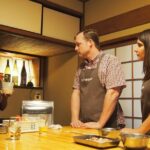
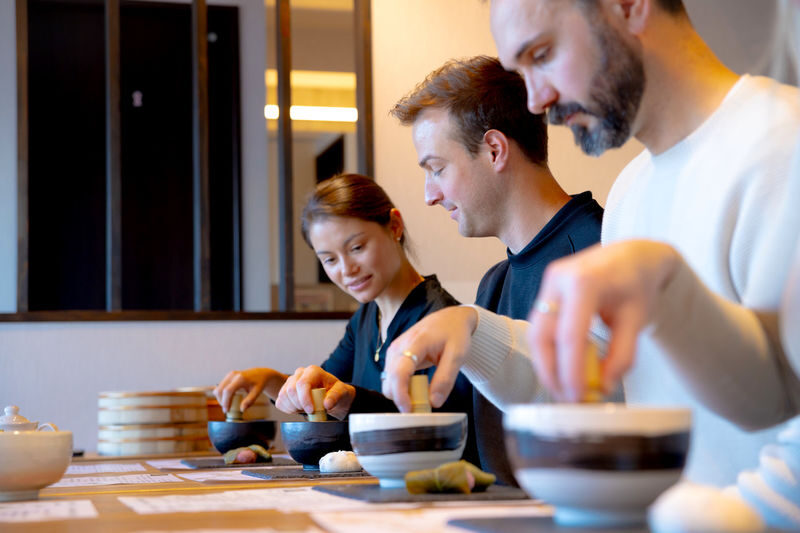
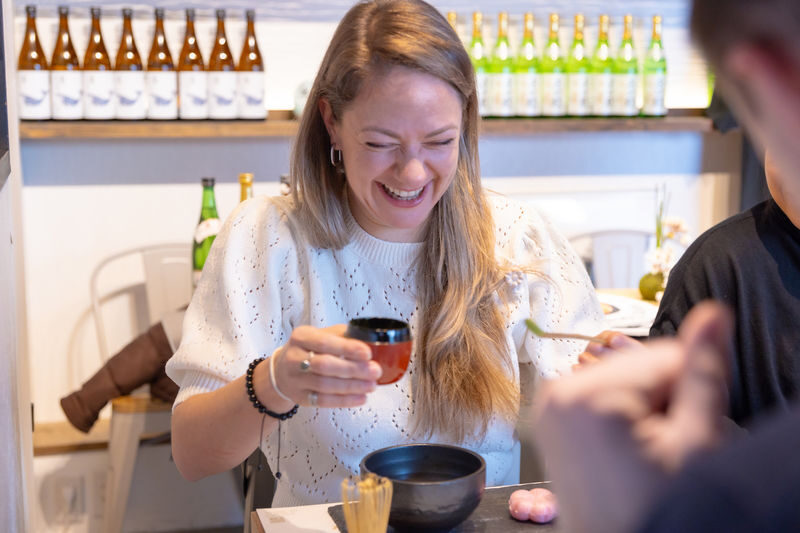
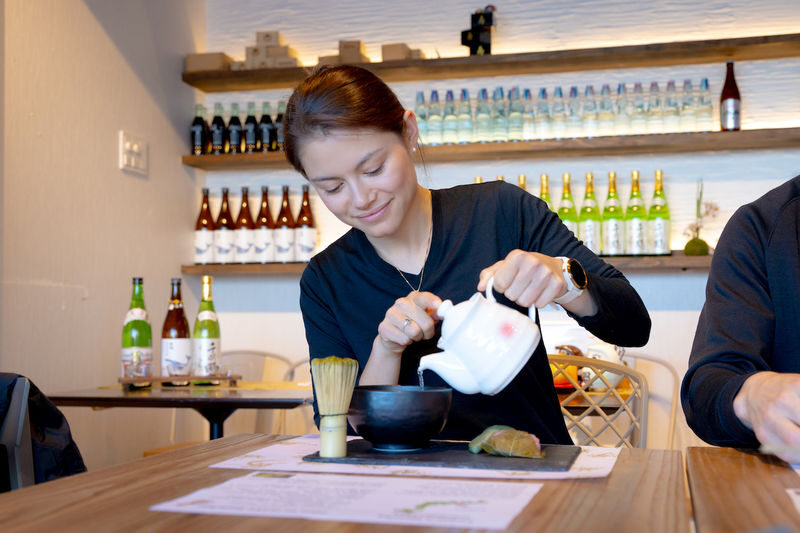
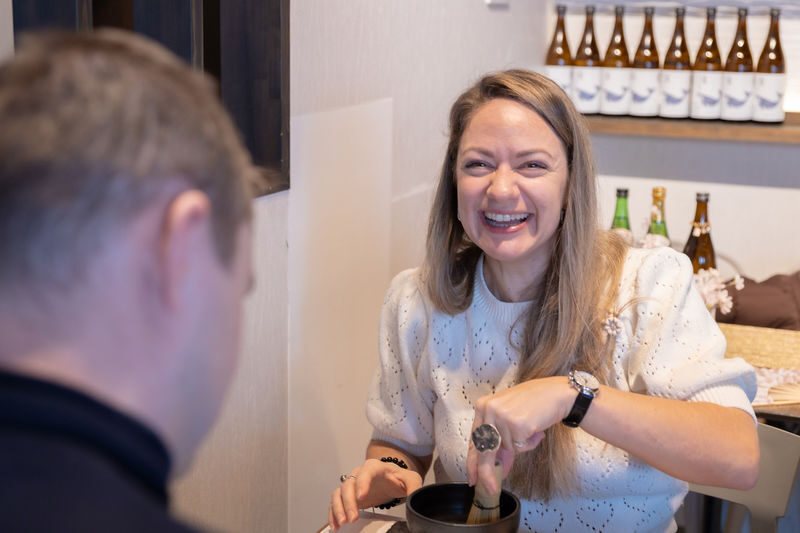
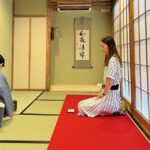
After the introduction, you get to prepare matcha yourself using traditional tools. The main appeal is the shift from hearing about tea to handling the whisk and making a bowl. The instructor guides you through the process step by step, so you can focus on the movement and the texture rather than guessing what to do.
The class has also covered differences between matcha types, including sensory comparisons using smell, touch, and taste. Some participants have tried more than one variety and noticed differences between them. Those comparisons can help explain why matcha tastes different from one cup to another, though the exact teas offered may vary.
A useful point to take home is that traditional matcha is served without sugar or milk. One participant who had previously disliked matcha found that a high-grade tea, prepared properly, tasted smoother and fresher than expected. That is a good reason to approach the tasting with an open mind: this is not the same drink as a sweet matcha latte.
The preparation is hands-on, but it is not presented as a test. The instructor demonstrates, then helps you through the steps. If you’re traveling with a child, the activity is open to children aged four and up, at the same rate as adults. Parents have joined with children around 10 and 12, and the class’s clear instruction and tactile activity can suit that age range well.
Japanese sweets make the tasting complete
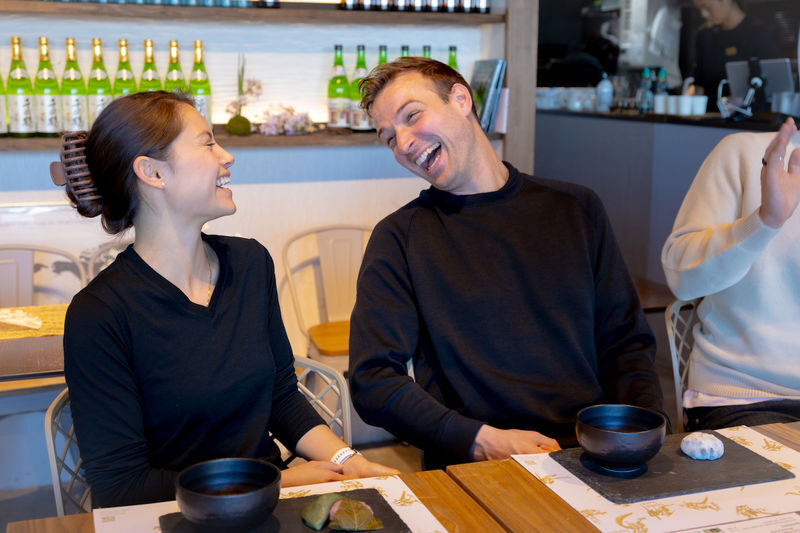
Once your matcha is ready, you drink it with Japanese sweets. The pairing is a small but important part of the class. It gives you a sense of how tea can be enjoyed as a shared pause, not just as a drink to carry along while sightseeing.
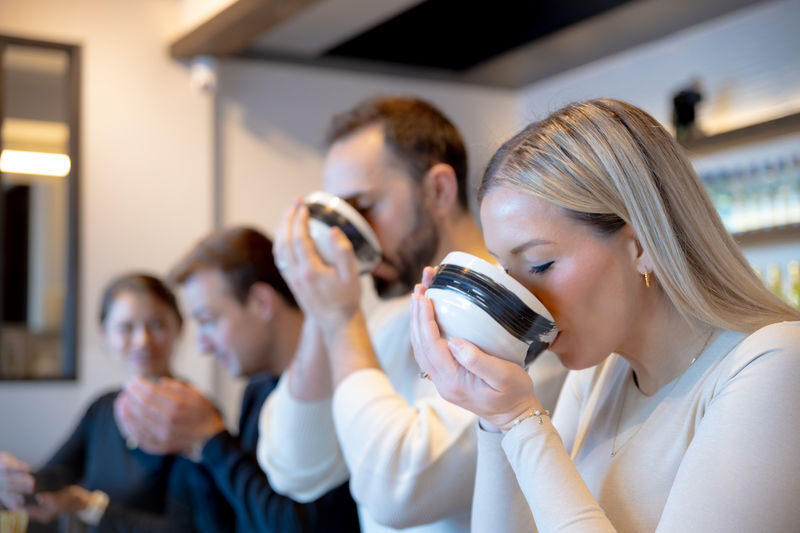
The tea is served in a traditional bowl, called a chawan, rather than an ordinary cup. That detail helps connect the practical steps to the customs introduced earlier. You don’t need to master ceremony etiquette in one lesson, but you’ll leave with a better sense of why the bowl and the serving ritual matter.
Expect the matcha itself to taste fresh and distinctly tea-like, with some bitterness. The sweets provide a contrast. If you usually drink matcha with milk or sugar, this is a chance to taste it in a more traditional form and decide what you think of it on its own.
Friendly teaching, with room for questions
The instructors are central to the experience. Class leaders named by participants include Lala, Fuko, Momo, Fujiko, Mayo, and others. The most useful qualities attributed to the teaching team are clear demonstrations, patience, and an ability to make the subject enjoyable without assuming prior knowledge.
The class has been described as intimate, and some sessions have felt almost private when attendance was low. That is not a group-size promise, though. The activity welcomes solo participants and groups, and the number of people in your particular class can vary. If you value a small-group setting, treat it as a possibility rather than a guarantee.
A good instructor can make the history and technique easier to remember. One person might ask about matcha types; another might want tips for making tea at home or trying a matcha latte. The class has included practical suggestions beyond the traditional bowl, though you should think of those as extra guidance, not the main focus.




What the $20.85 starting price gets you
At a starting price of $20.85, this is a reasonably priced cultural activity if you want more than a quick taste of matcha. The fee covers English-speaking staff, ingredients, the matcha-making activity, and Japanese sweets. You’re paying for instruction and a chance to make the drink yourself, not simply for a cup of tea.
The value is strongest if you’re curious about preparation and Japanese tea customs. You get an activity you can repeat at home, plus a little context for recognizing the difference between ceremonial-style matcha and the powder used in cooking. The price is less compelling if you only want to sample matcha once, since cafes offer a simpler way to do that.
The class does not include hotel pickup or drop-off. That is not much of a drawback for a central Osaka activity, but you’ll need to make your own way to the meeting point. Check the address carefully and confirm the correct floor before leaving. The location is 3F, Galleria Acca Building, 1-16-20 Higashi-Shinsaibashi, Chuo-ku, Osaka.
The class is listed at 5.0 out of 5 from 512 ratings, with the experience provider Food Activity Japan Inc. reporting a 99 percent good-review rate across 3,194 reviews. Ratings cannot tell you exactly how your own session will go, but the consistently praised elements are clear: friendly instruction, a relaxed atmosphere, useful explanations, and the chance to taste the tea you make.
Who will enjoy this class most
I’d put this on your list if you want a short, hands-on activity that brings a food tradition to life. It suits first-time matcha drinkers, tea fans who want to understand proper preparation, and families with children aged four or older. Solo participants are welcome, too, so you don’t need to arrange a group to take part.
It is also a good fit for a rainy day or a warm afternoon when you want an indoor activity. The class takes place in a central part of Osaka, and one parent specifically appreciated being able to enjoy the lesson in a cool room during summer heat. That is a practical benefit in a city where long days on foot can wear you down.
Choose a different activity if you want a full tea ceremony, a meal, or a broad cooking class. This is focused on matcha and sweets. Nearby alternatives include sushi-making classes, a traditional tea ceremony experience, and a chopstick-making workshop. The matcha class is the best match when you want to learn a specific preparation skill and leave with a clear sense of how to make a bowl yourself.
Should you book it?
Book this class if you want an approachable introduction to matcha that balances a little history with hands-on practice. The instructor-led steps, traditional tools, and sweets make the starting price worthwhile for anyone who wants more than a cafe stop. It is especially appealing if you’re new to matcha or traveling with a curious child.
Skip it if you’re after a long, formal tea ceremony or a meal-sized activity. And before you go, double-check the building address and floor. With that small bit of planning, this is an easygoing way to add a thoughtful hour of Japanese food culture to a busy Osaka day.
Matcha Making Class in Osaka
“We went to the Matcha class! This was our first time tasting Matcha Lala taught our group and was extremely informative we learned a bit of history…”
FAQ
What is included in the class?
English-speaking staff, ingredients, matcha making, and Japanese sweets are included.
Where does the class meet?
It meets at 3F, Galleria Acca Building, 1-16-20 Higashi-Shinsaibashi, Chuo-ku, Osaka.
Do I need experience making matcha?
No. The class is suitable for beginners, and the staff guide you through the process in English.
Can children join?
Children aged four and up may participate. They are charged the same rate as adults.
Is hotel pickup included?
No. Hotel pickup and drop-off are not included.
What is the cancellation policy?
A full refund is available if you cancel at least 24 hours before the activity date, using destination local time.